
The newly launched wholesale bank, the Development Bank Ghana, is assuring that it will put into place effective measures to ensure that its funds go to important sectors of the economy, even as stakeholders continue to bemoan the low level of lending to key sectors like agriculture and manufacturing.
The nation’s universal banks have long been accused of using a portion of their resources to invest in less risky government assets rather than lending those resources to the private sector.
The asset and liability structure of the banking system was still skewed toward less risky assets as of April 2022, according to the Bank of Ghana’s Monetary Policy Report, which was published in May 2022.
Investments continued to dominate the asset mix, but its share declined from 47.0 percent in April 2021 to 43.2 percent in April 2022 while the share of “Cash and Due from banks” increased from 18.6 percent to 21.7 percent during the same comparative period.
Loans and advances (net), however, remained the second-largest component of banks’ assets, recording a higher share of 27.4 percent in April 2022 from 26.5 percent in the previous year on account of the stronger growth in credit in April 2022.
Speaking to the media on steps taken by the DBG to ensure it doesn’t repeat the mistakes of current banks, the Deputy CEO of the DBG, Michael Mensah-Baah, noted that the Development Bank Ghana which is a non-deposit taking wholesale bank that will provide funds to existing commercial banks and other qualifying financial institutions to provide long-term lending has put enough measures in place to ensure funds it lends to banks are used as planned.
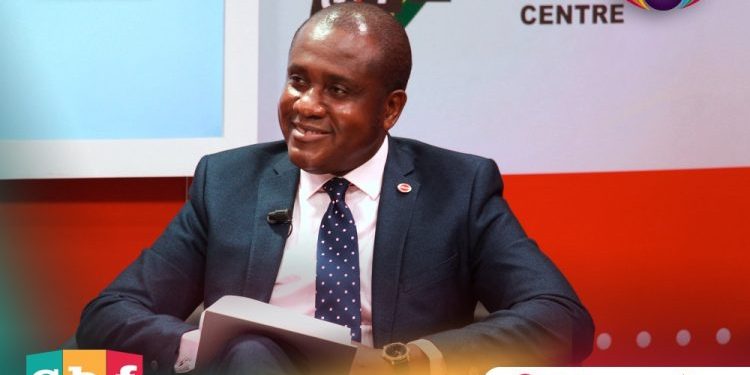
“We have specifically put in place certain measures that will ensure that funds that get to the Commercial Banks we are working through eventually get through to the SMEs. First of all, we will select Commercial Banks that are already lending to SMEs. Number two, we’re going to make sure that the Commercial Banks do understand the credit risk of the SMEs, and finally, we have an agreement with the Commercial Banks that specifically ensures the funds we give them to go to specific sectors of the economy, i.e agriculture, manufacturing, ICT and high-value services sectors. These are all enshrined in the master lending agreement that we have with the Commercial Banks.”
“Within that agreement, there’s a specific timeframe that the funds stay with the Commercial Banks. If the time (one month) elapses without the funds being given out, then the funds return to the DBG,” he added.


