The Chamber of Independent Power Generators, Ghana says it may not be able to sustain the production of electricity if the government’s outstanding debts are not paid off promptly.
The Chamber said it members were owed an estimated $2.3 billion, and discussions with the Government over a payment plan had failed to yield positive results in the last three months.
Delivering a lecture on opportunities and challenges in Ghana’s energy sector on Tuesday, Dr Elikplim Kwabla Apetorgbor, Chief Executive of the Chamber, said Independent Power Producers (IPP’s) had been saddled with debts, making their operations unsustainable.
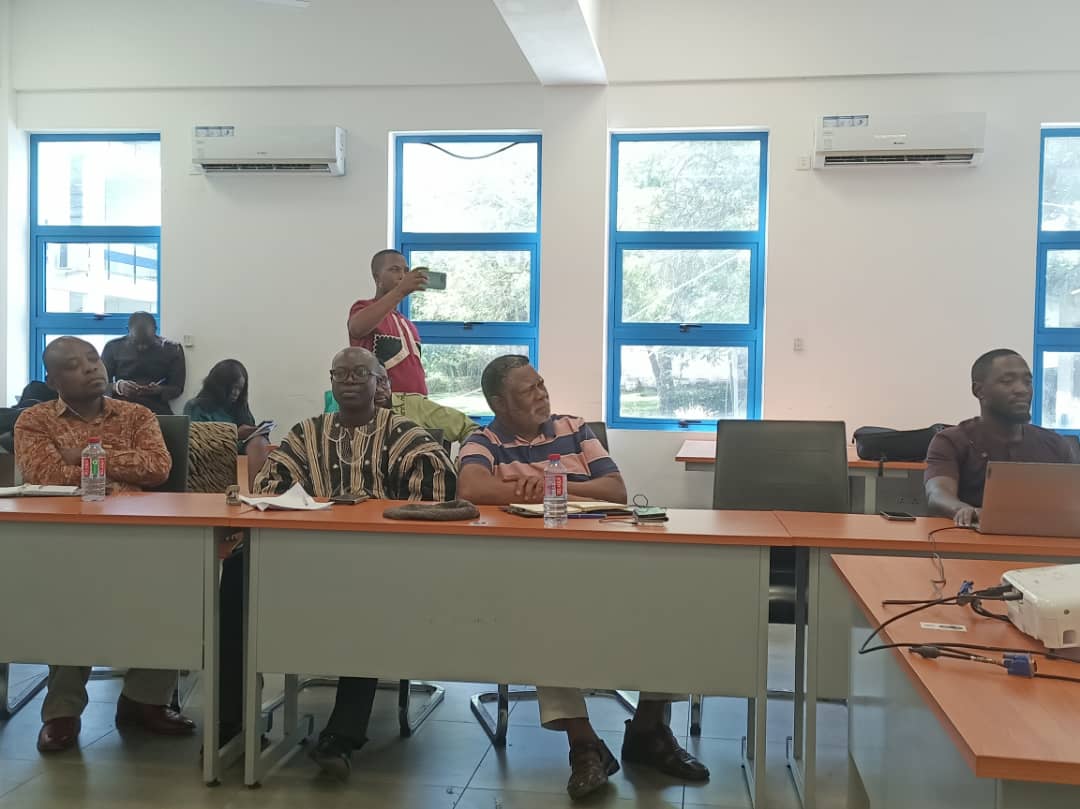
The lecture was organised by the Think Progress Ghana, a think tank, in collaboration with the Ghana Institute of Management and Public Administration (GIMPA) chapter of the Graduate Students Association of Ghana (GRASAG).
Dr Apetorgbor said the major challenge affecting Ghana’s energy sector related to finance and cautioned that investors would not be attracted to the sector if the situation did not improve.
“Currently we (IPPS) are on life support, and we cannot guarantee continuity. We have gotten to a critical point. There are pressures coming consistently from the lenders and the managers of these IPPs,” he said.
Independent power producers account for 47 per cent of the country’s total power generation mix and contribute 67 per cent of Ghana’s thermal power.
They comprise Sunon Asogli, Cenpower, Karpowership, AKSA, Twin City Energy and CENIT.
Mr Ken Ofori-Atta, the finance minister, during the presentation of the Mid-year budget in July this year, indicated that the Government was engaging the IPPs to address the impact of excess capacity payments on the economy.
The IPPS had threatened to shut down their supply and demanded that the government cleared at least 30 per cent of the arrears.
Dr Apetorgbor said the IPPs will not accept any form of debt restructuring from the Government, indicating it would have dire consequences on the economic viability of the power producers.
“The debts are actual costs; it is not our savings or profit so we cannot restructure,” he said.
Dr Apetorgbor questioned the basis for the announced 1.52 per cent reduction in electricity tariff, describing the move as “unstrategic.”
He said the move would decline the revenue of the Electricity Company of Ghana, open the company’s debt gap, and discourage investors from investing in Ghana’s energy sector.
“It has the potential to plunge the nation into darkness,” he cautioned.
Dr Kwami Adanu, Senior Lecturer at the Department of Economics, GIMPA, said the country must desist from signing new thermal power agreements and figure out how to raise money to pay accumulated debts in the energy sector.
“It is clear that in the medium to long term, this country needs to look at micro grids. They normally use renewable fuels, and we should be focusing more on that,” he said.