
About 150 people died of starvation in Ethiopia’s war-hit Tigray region in August, the Tigray People’s Liberation Front (TPLF) has said.
These are the first hunger-related deaths that the TPLF has reported since its fighters recaptured most of the region from federal forces in June.
There is no independent confirmation of its statement.
The UN previously said that about 400,000 were already living in famine-like conditions in Tigray.
The federal government has not responded to the TPLF statement.
About 5.2 million people – or 90% of Tigray’s population – urgently needed aid “to avert the world’s worst famine situation in decades”, the UN said last week.
The TPLF and Prime Minister Abiy Ahmed were once allies in the government, but fell out over his political reforms, triggering the war that has killed thousands and displaced millions since November.
- Osae reiterates need for Ghana’s Missions to have internal auditors
- Distressed teenager forced into marriage given lifeline
The rebels recaptured most of the region, including the capital, Mekelle, in June after losing control of most of it early in the war.
The TPLF says it is the legitimate government of Tigray, having won regional elections in 2020. The Ethiopian government denounced the poll as illegal. It regards the TPLF as a terrorist organisation.
Dying ‘in front of our eyes’
In a statement on Monday, the TPLF said there was a “complete depletion of food stocks” in Tigray.
People living in camps after being displaced by conflict were receiving “no aid” and host communities were running out of food, it said.
The TPLF said the 150 deaths were recorded in the central, southern and eastern zones of Tigray, as well in camps in the city of Shire – the birthplace of the group’s leader Debretsion Gebremichael.
“One million people are at risk of fatal famine if they are prohibited from receiving life-saving aid within the next few days,” it added.
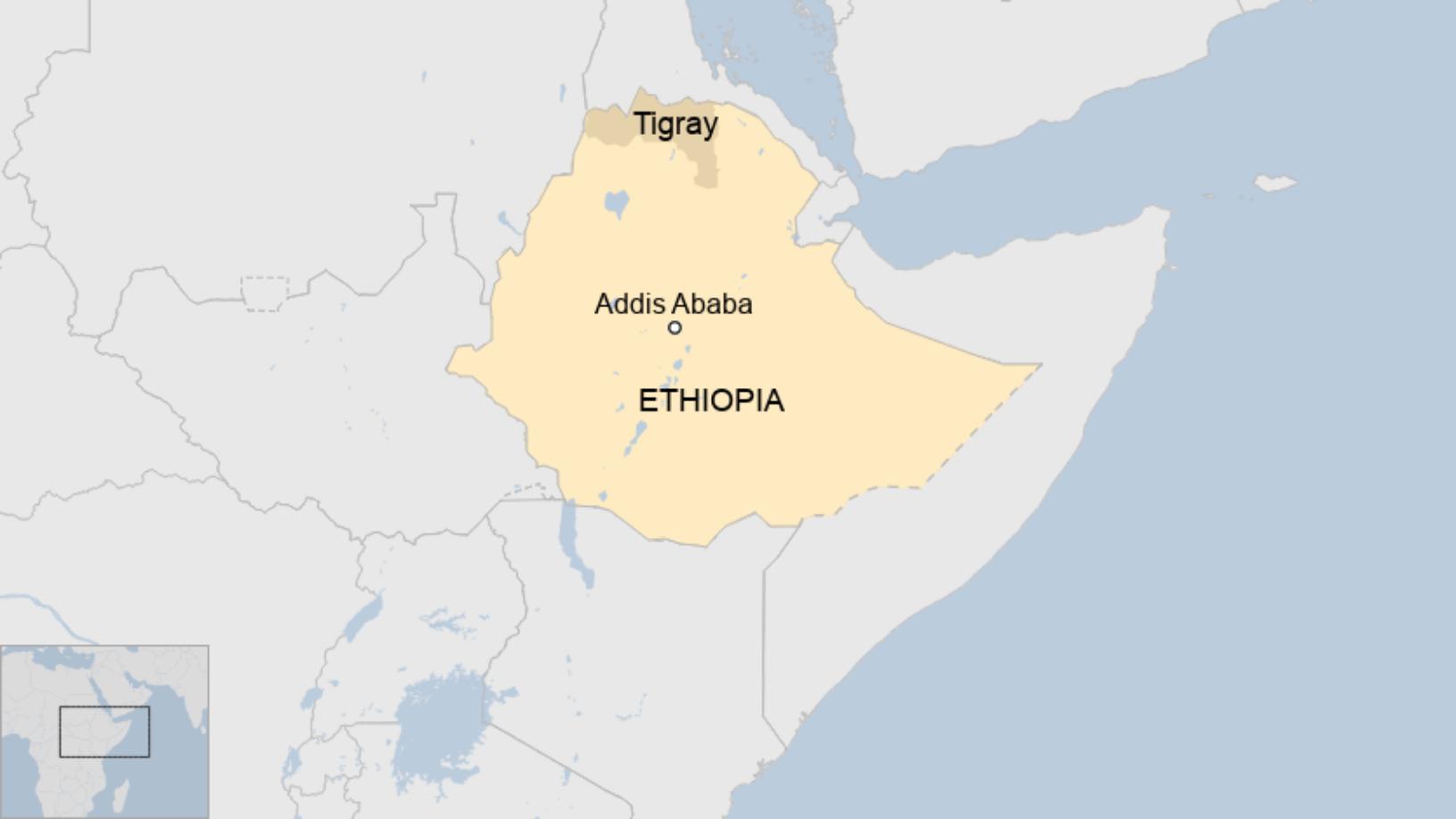
In a BBC Tigrinya interview, TPLF agriculture chief Atinkut Mezgebo said that people were dying “in front of our eyes”.
“In the villages and towns, there is a shortage of food and medicine, and the crisis might be bigger than what we know,” he said.
Dr Atinkut said that women and children were the main victims of hunger.
“Previously, people shared what they had, but now they don’t have anything to eat,” he added.
It is hard to confirm details of what is happening in Tigray as telephone and internet communications have been cut.
The BBC has asked the federal government for a reaction to the TPLF statement but has so far not got a response. However, in a statement on Monday, the foreign ministry said the TPLF had exacerbated the humanitarian problems by invading neighbouring regions and looting aid supplies.
Last week, the UN’s acting humanitarian coordinator for Ethiopia, Grant Leaity, called on the Ethiopian government to allow the unimpeded entry of aid to Tigray.
On Sunday, the World Food Programme said that more than 100 trucks of its aid had reached Mekelle for the first time in a fortnight.
In the past, the government has denied that it is blocking aid but has said it is concerned about security.
On Saturday, it announced that 500 trucks carrying supplies had entered the region, with 152 arriving in the last two days.

