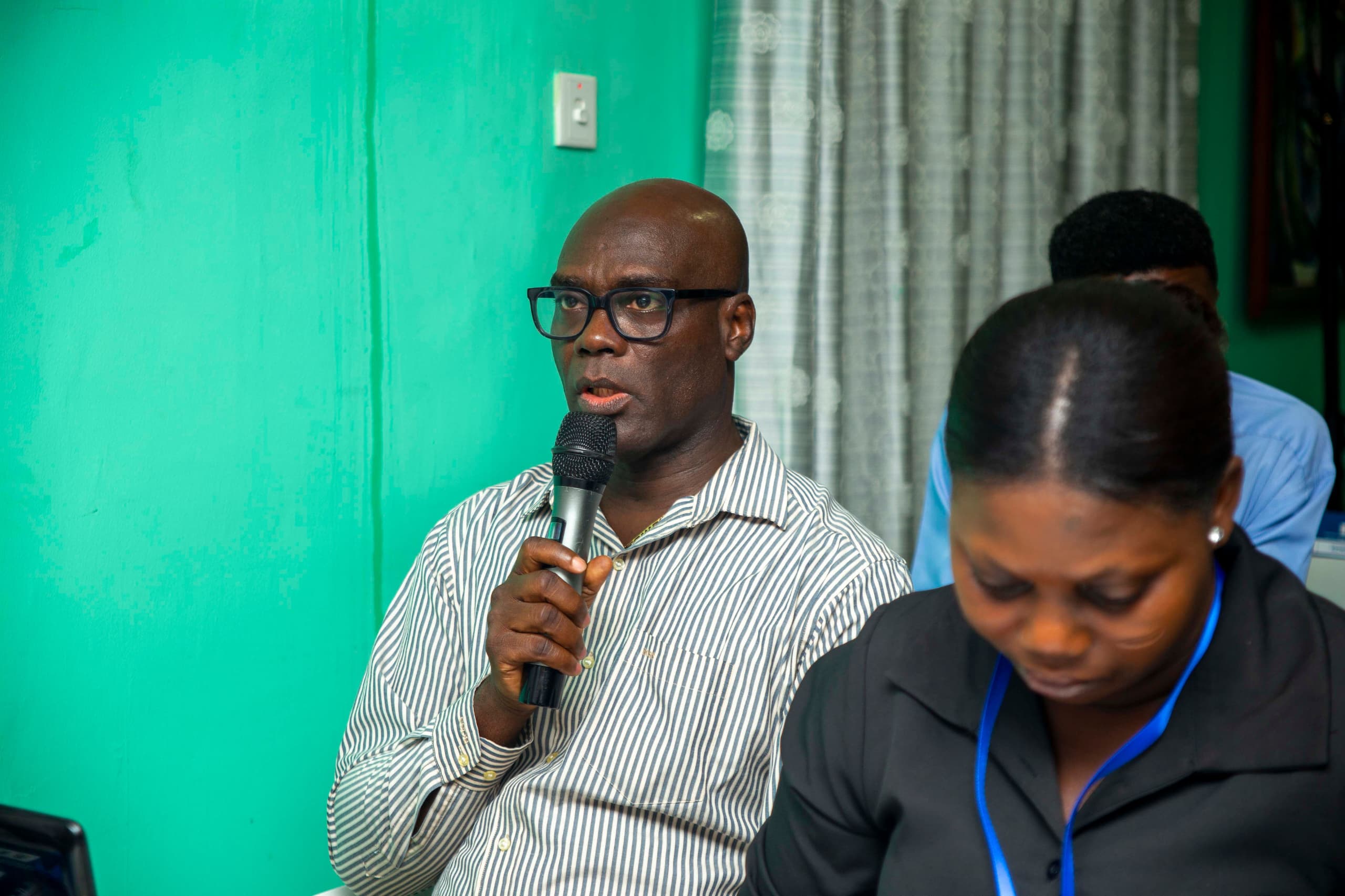
Dr Nii Nortey Hanson-Nortey, a public health expert, has called on journalists to fact-check health-related information they receive before rushing to break the news.
Dr Hanson-Nortey said, “don’t be in a hurry to break health news; getting your facts right is what helps.”
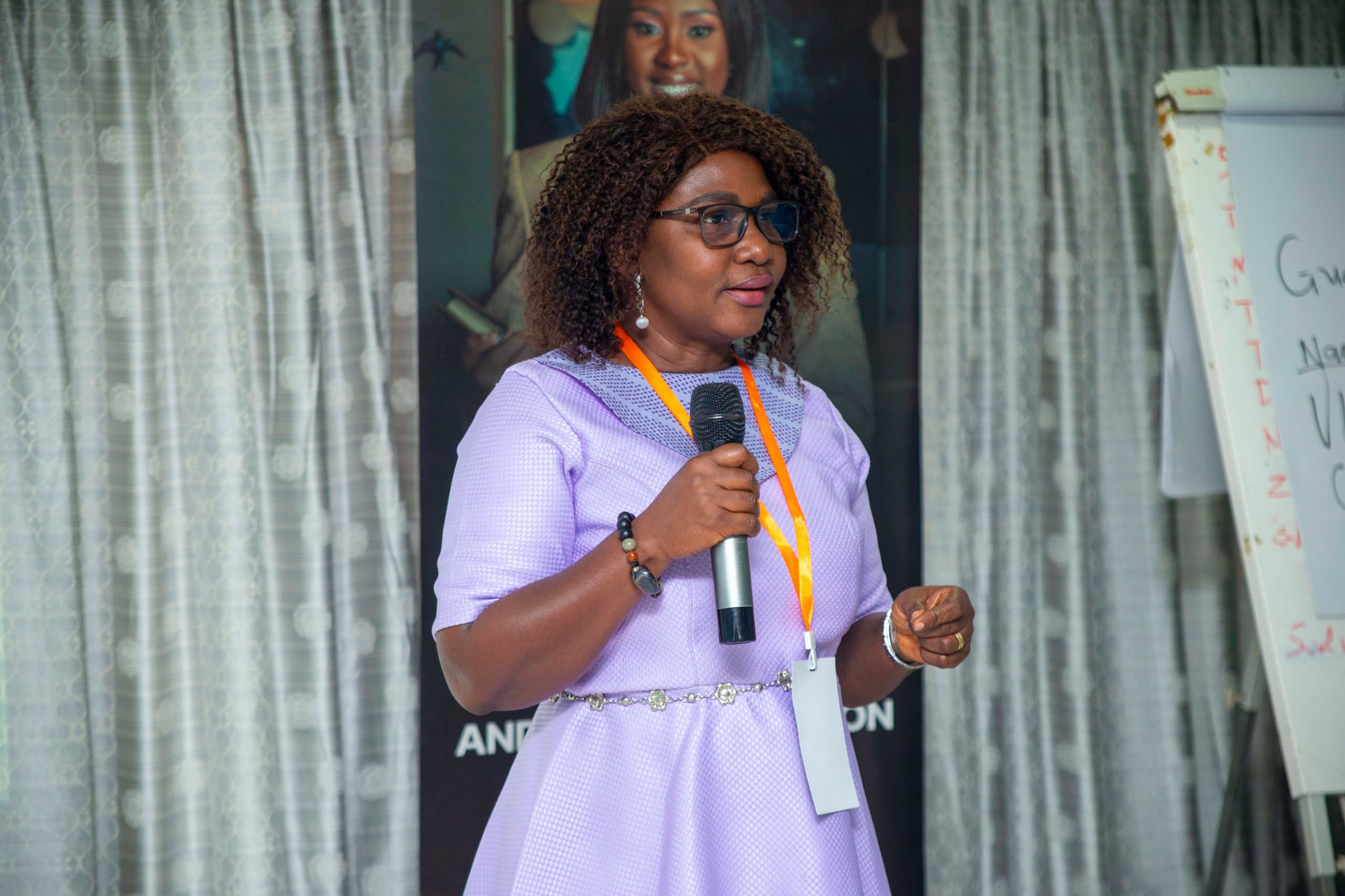
He gave the advice when speaking on “Health Communication and Infectious Diseases” at the opening of a four-day Post Covid-19 Skills Development and Productivity Enhancement Project (PSDPEP) training for staff of the Ghana News Agency (GNA) on advocacy reporting in health communication, youth entrepreneurship, Micro, Small, and Medium Enterprises (MSMEs) promotion, gender, and climate change issues.
The training is funded by the African Development Bank (AfDB) through the Social Investment Fund (SIF) and being implemented by the Institute for Digital Marketing and Communication Ghana (IDMC Ghana).
He urged journalists reporting on health issues to talk to the affected people, verify, prepare appropriate questions, and make them available to the designated health officials to get the correct information to avoid misinforming the public.
He stressed that, “it is important that journalists direct their questions to the right people, because in the health sector, it is not everybody at the hospital who can talk to the media on health issues.”
Dr Hanson-Nortey stressed the importance of explaining the interview’s purpose to the designated health official to get the right answers, adding that they must also pay attention to the details of issues.
He emphasised that it was important to understand the sensitivity of health topics before writing on them, noting that journalists must look at ethical considerations when reporting.
He also urged them to contextualise the issue, balance public interests and privacy, know how to handle visual content, do follow-ups, and do adequate research, among others, on sensitive health issues.
Defining health communication, he said it was a multidisciplinary field that makes use of communication strategies to promote health and well-being among individuals and populations, adding that it is critical to public health as it disseminates health-related information to influence individual and community decisions, actions, and policies.
Dr Hanson-Nortey indicated that understanding the audience’s demographics, such as age, gender, and culture, using clear, effective messaging, and cultural competence (appropriate language, respecting cultural differences, and avoiding stereotypes) are some principles of health communication that must be upheld.