Home Blog Page 1046

Residents of Amakyebare cry over poor road

0
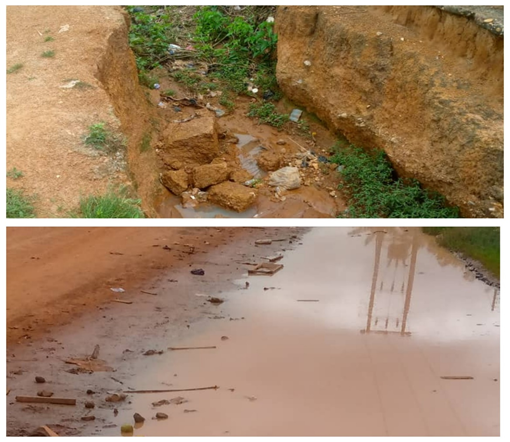
Residents of Amakyebare, a community in the Atwima Nwabiagya North constituency in the Ashanti Region, have called on the government and the district assembly to help fix the road networks in the area.
 
According to them, the deplorable nature of the roads and bridges in the community could force the people to boycott the December 07 elections.
 
Nana Osei Kwame, Gyaasehene of the town told the Ghana News Agency that in-spite of several petitions to the Atwima-Nwabiagya North District Assembly, the road remained unattended to.
 
He said the only bridge on River Offin, which crossed the community had become a death trap, forcing farmers to abandon their farms, especially during rainy seasons.
 
Some drivers who also spoke to the GNA said the muddy nature of the roads, during rainfall made it difficult for them to convey passengers and goods to their destinations in the area.
 
They called on the government to fix the road to ease the burden of the people.

Nana Akufo-Addo’s government has not applied for HIPC programme-Minister

0
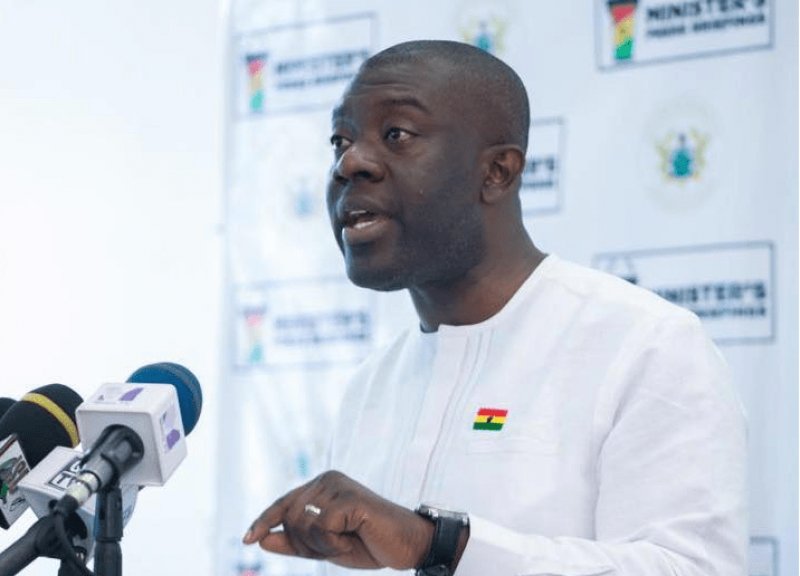
Information Minister Kojo Oppong Nkrumah Tuesday refuted media allegations that Ghana has been listed among the Highly Indebted Poor Country ( HIPC) status due to its declining economic situation.
 
He said the Akufo-Addo-led government did not apply to the International Monetary Fund (IMF) or the World Bank to be listed onto HIPC programme and urged the public to disregard such false reports circulating on the social media.
 
Mr Oppong Nkrumah responded to the allegations at the fifth edition of the Nation Building Updates in Accra.
 
The Minister said such viral fake news reports were part of a broad and deliberate strategy by some persons to deceive the public ahead of the December 7 polls.
 
Mr Oppong Nkrumah noted that currently, there was no ongoing HIPC programme under implementation by the IMF or World Bank.
 
He added that the Akufo-Addo-led government upon assumption of office in 2017 was implementing strategic programmes and policies that restored the bad economic situation inherited from the previous government and that all the macroeconomic and fiscal indicators were heading on the right direction.
 
The burgeoning economic status, the Minister said, enabled the Akufo-Addo-led government to roll out various social interventions such as the free supply of water and subsidised electricity to lifeline consumers during the COVID- 19 pandemic restrictions.
 
Mr Oppong Nkrumah explained that the Kufuor-led government after inheriting a bad economy in 2001 applied for the HIPC programme, which resulted in the cancellation of portions of the country’s debts and has since exited the programme.
 
The Minister urged the media to do thorough cross checking of any information well before publication, since some persons had hatched the plan of disseminating false news ahead of the elections.

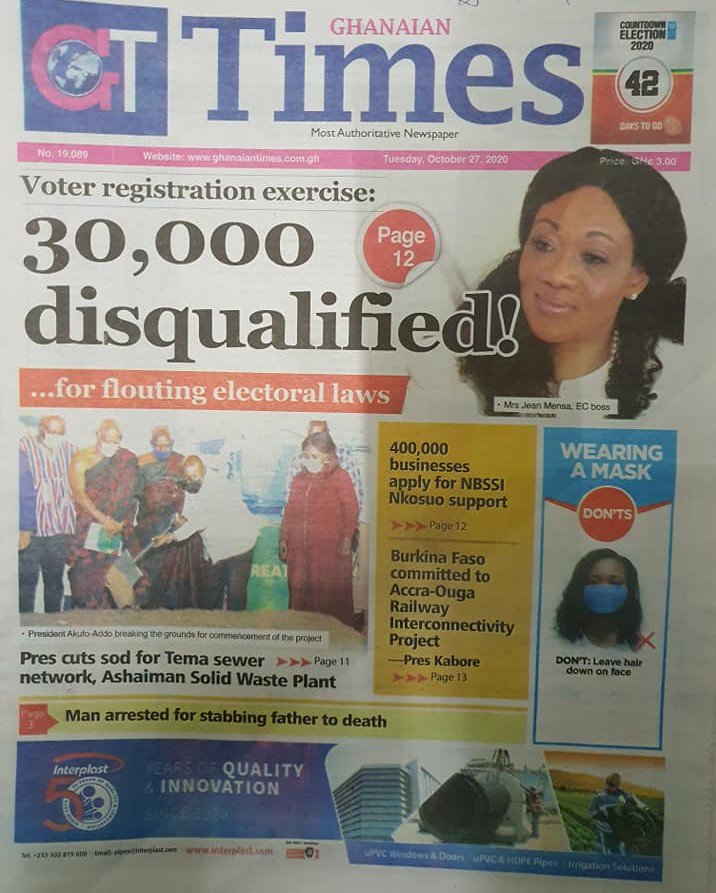
Newspaper Headlines Tuesday 27th October 2020

0

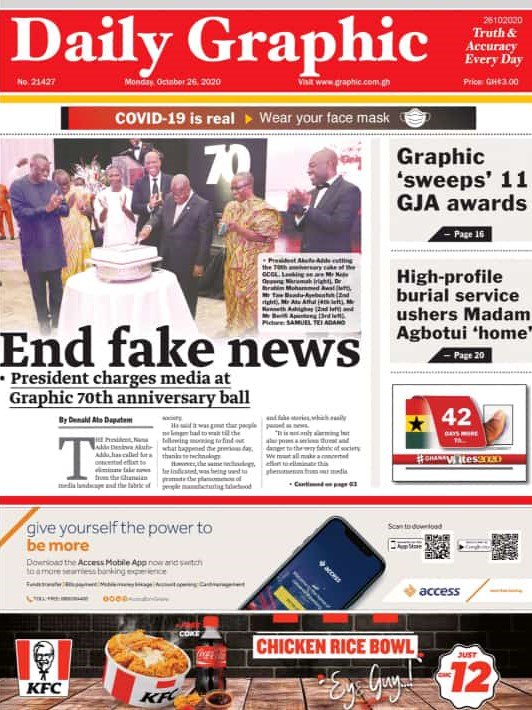
Newspaper Headlines Tuesday 27th October 2020

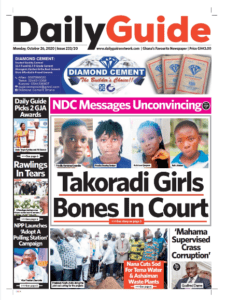
Newspaper Headlines Monday 26th October 2020

0

Newspaper Headlines Monday 26th October 2020

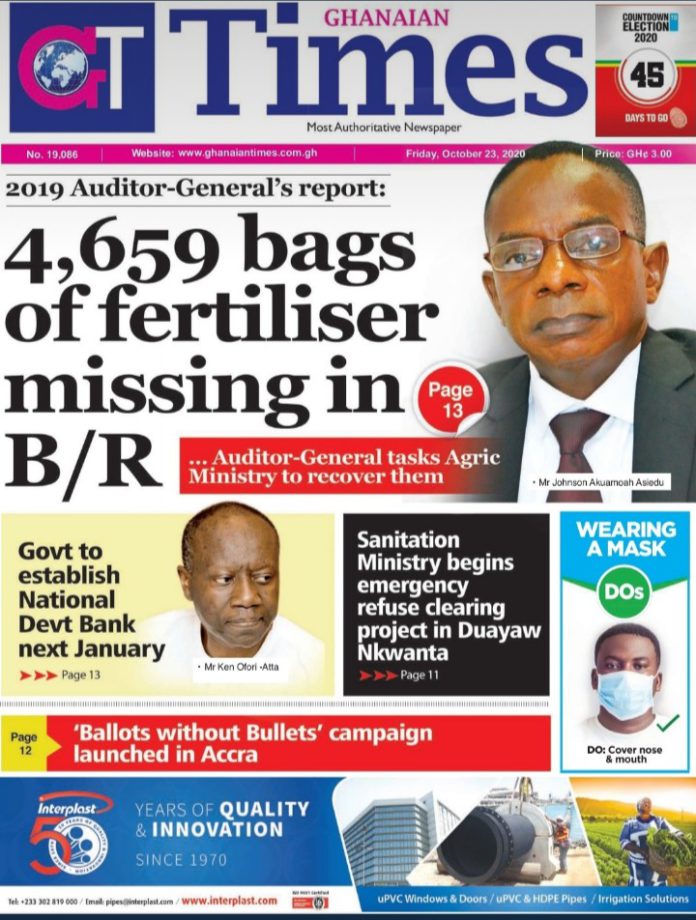
Newspaper Headlines Friday 23rd October 2020

0

Newspaper Headlines Friday 23rd October 2020

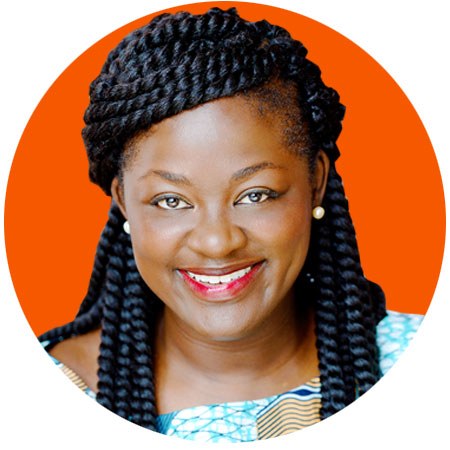
Supporting Elections Across Africa (By Akua Gyekye)

0

Our work in supporting elections across Africa continues to be a priority and we’ve dedicated unprecedented resources to these efforts both locally and globally, with protecting election integrity at the center of this work. This update provides an overview of our ongoing work in reducing misinformation (https://bit.ly/34gOfh8) and removing voter suppression, preventing election interference, supporting civic engagement and increasing transparency in political advertising.
Here’s what you need to know about some of the steps we’re taking:

Combating Misinformation and False News
We’re working hard to fight the spread of misinformation on our services because we know that people want to see accurate information on Facebook and Instagram – and so do we. Our updated policies allow us to remove misinformation which could lead to imminent violence or physical harm, and also remove misinformation which could prevent people from voting, such as false news related to the dates, location, time, and voting methods. Over the past year we’ve expanded our work with independent fact-checking organisations (https://bit.ly/31Mtd8z) across Africa to review and rate the accuracy of content shared on Facebook and Instagram. We work with organisations such as Dubawa, Africa Check, Pesa Check, AFP, Congo Check and France 24 – all of which are certified by the International Fact Checking Network. The program now covers 18 countries across Sub-Saharan Africa and also supports local languages such as Swahili, Wolof, Igbo, Yoruba, Zulu and Setswana.

Boosting Digital Literacy and Helping People Spot False News
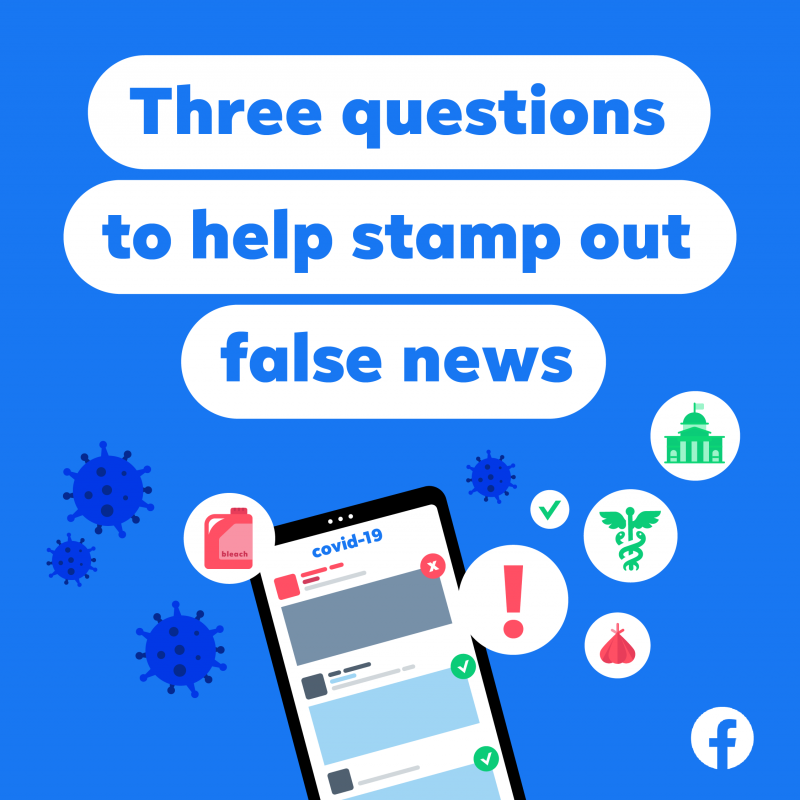
We want to make sure people can spot false news and know how to alert us about it. That’s why we continue to run campaigns focused on providing educational tips on how to spot false news like ‘Three Questions To Help Stamp Out False News’ (https://bit.ly/34jWQje). These campaigns are supported in local languages and run across both local radio and on Facebook. We are also continuing to run education ads focused on hate speech, how it’s defined and actions users can take.

Making Political Ads More Transparent
We believe political discussion and debate should be transparent to every voter, which is why over the past few years we’ve introduced tools that provide more information about political ads on Facebook and Instagram. Since launching our political ads transparency tool in 2019, we’ve expanded this to cover a number of countries across Sub-Saharan Africa. We encourage anybody who wants to run ads about elections or politics to go through a verification process to prove who they are and that they live in the country they are targeting, and in a growing number of countries across Sub-Saharan Africa we have made this process mandatory. We run additional checks to ensure compliance with our policies, and every political ad is labelled with a “paid by” disclaimer so you can see who paid for them. We also store all political ads in our Ads Library (https://bit.ly/31ujnI9) so that everyone can see what ads are running, who saw the ads and how much was spent. These changes mean that political advertising on Facebook and Instagram is now more transparent than other forms of election campaigning such as billboards, newspaper ads, direct mail, leaflets or targeted emails.

Promoting Civic Engagement
Helping to build informed and civically engaged communities is central to our work around elections. For example, in countries like Ghana, Ivory Coast and Guinea we’ve engaged in conversations with civic stakeholders such as the Electoral Commissions and civil society organisations to focus on how Facebook can be a positive tool for civic engagement and the steps they can take to stay safe while using our platforms. We’ve also conducted virtual trainings on ads enforcement and civic engagement with political parties in these same countries. We continue to roll out a number of products and features across Facebook and Instagram, including Election Day reminders at the top of Facebook’s News Feed to encourage people to vote, and Security Megaphones to remind page admins of political groups to further secure their accounts using Two-Factor Authentication (https://bit.ly/2Hlc2DK). We’ve also trained parties, and candidates on security best practices, and how to avoid common threats online.

Keeping People Safe
Keeping people safe on Facebook and Instagram is always our top priority and this is especially important during elections. Since 2016 we have tripled the size of the teams working on safety and security to more than 35,000 people. We’ve hired more systems engineers, security experts and content reviewers, including native language speakers in Swahili, Amharic, Zulu, Somali, Oromo and Hausa, to name a few examples. We’ve also pioneered the use of artificial intelligence to find and remove harmful content more quickly. Between April and June of this year we removed (https://bit.ly/37tP73T) over 15 million pieces of graphic and violent content globally, detecting over 99% proactively, before anyone had to report it.

Our efforts to keep people safe also include using different tools to mitigate harmful content from certain accounts and as hate speech evolves. To further limit the spread of potentially inflammatory content, we continue to temporarily demote content in the News Feeds of users in Ethiopia, and other countries across Africa if it comes from those who repeatedly and severely violate our policies, whether or not those repeat violators are located in the country.

As we do in other languages, we’ve also started using our technology to stay ahead of new trends in hate speech in Amharic and Oromo. We identify new forms of potentially violating speech that hasn’t yet been reviewed for possible removal from our platform and demote this content to reduce the risk of it going viral or inciting violence or hatred, taking local context into account.

Our Partnerships with NGOs and Civil Society
Alongside our local experts on the continent, we continue to work on-the-ground with NGOs and civil society across many African countries to enable us to better understand challenges and how we can tackle them more effectively. This work continues to be instrumental, with local partners giving us feedback that we incorporate into our policies and programs.

We’re committed to making Facebook and Instagram places where people feel safe, can access accurate and transparent information and, most importantly, make their voices heard.


SOURCE
Facebook
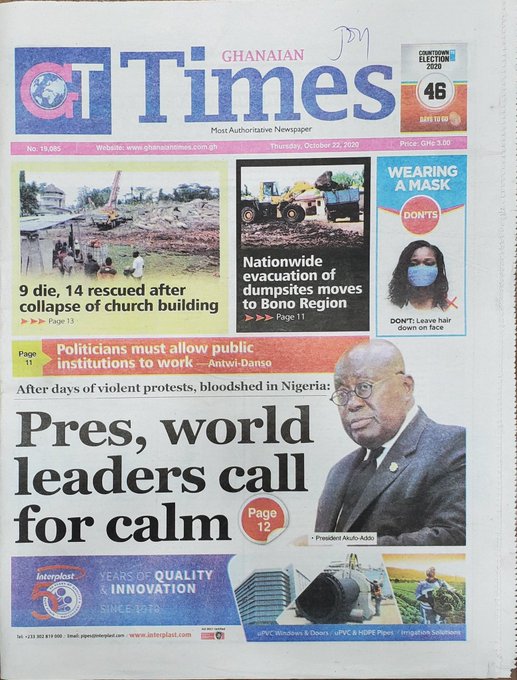
Newspaper Headlines Thursday 22nd October 2020

0

Newspaper Headlines Thursday 22nd October 2020

Okwahu United FC player banned for six matches

0
Disciplinary Committee of the Ghana Football Association (GFA)
The Ghana Football Association (GFA) Player Status Committee (PSC) has banned player Felix Oppong of Okwahu United FC, from participating in football and all football-related activities for six matches and fined him an amount of GHc500.
 
       
Oppong, who is a former player of Okwahu United FC applied to the GFA Players Status Committee (PSC) on August 24, to be declared a free agent on the basis that since the Club registered him, he had not been paid any monthly salary.
 
     
The Committee in its investigations noticed that Oppong registered for Asaaka Sharp Arrows using a date of birth, 20th May 1998.
 
     
The player stated that his registration with Asaaka Sharp Arrows was in the 2013/14 season and that he assumed after several years, the records would be off the GFA’s records.
 
       
He added that he then decided to get a new passport with a new date of birth which was used to register for Okwahu United FC. When pushed further to see if the Club was complicit in this new date of birth, the player indicated that he did it on his own accord and Okwahu United was not aware.
 
       
The PSC, therefore, decided to ban and fine the player in accordance with Article 21.1 of the GFA Disciplinary Code (2019).
 
       
Upon completion of the ban, Felix Oppong shall revert to 30th  May 1998 as his recognized date of birth as captured in the records of the GFA.

Use dialogue in resolving #EndSARS protest – Prez Akufo-Addo to Nigeria

0

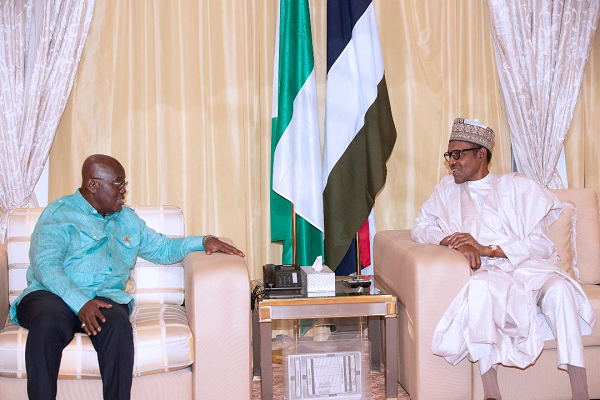
President Nana Addo Dankwa Akufo-Addo has called on the government of Nigeria and #EndSARS protestors to use dialogue in addressing issues of police brutality in the Nigeria.

President Akufo-Addo, who is also the Chairman of the ECOWAS, said in a tweet Wednesday that he had engaged Nigeria’s President Muhamudu Buhari on the matter and that he was committed to addressing the concerns of the demonstrators.

“I join all well-meaning persons in calling for calm, and the use of dialogue in resolving the #EndSARS impasse in Nigeria. I have spoken with President Buhari, who is committed to this end, and has begun the processes that will lead to reform,” the President tweeted.

READ ALSO ECOWAS Commission expresses concern over Nigeria

He also condemned the violence which has erupted as a result of killings of some protestors by Nigerian security officers on Tuesday.

“Violence, be it on the part of the Police or protesters, cannot be the solution. To the families who have lost their loved ones, I express my sincere condolences, and I wish the injured a speedy recovery,” he added.

#EndSARS protest

The #EndSARS protest which began on Thursday, October 8, turned bloody on Tuesday after armed uniformed officers reportedly opened fire on protestors at the commercial hub of Lagos.

According to Nigeria’s Punch newspaper, about 43 protesters and six policemen lost their lives in Tuesday’s protest.

The protestors are calling for the Special Anti-Robbery Squad of the Nigeria Police to be disband.

Despite Nigeria’s President Muhammadu Buhari dissolving the unit on October 11, the demonstrations continued with calls for reforms in the security forces.

Lekki tollgate shooting: Vice President, Osinbajo breaks silence

0

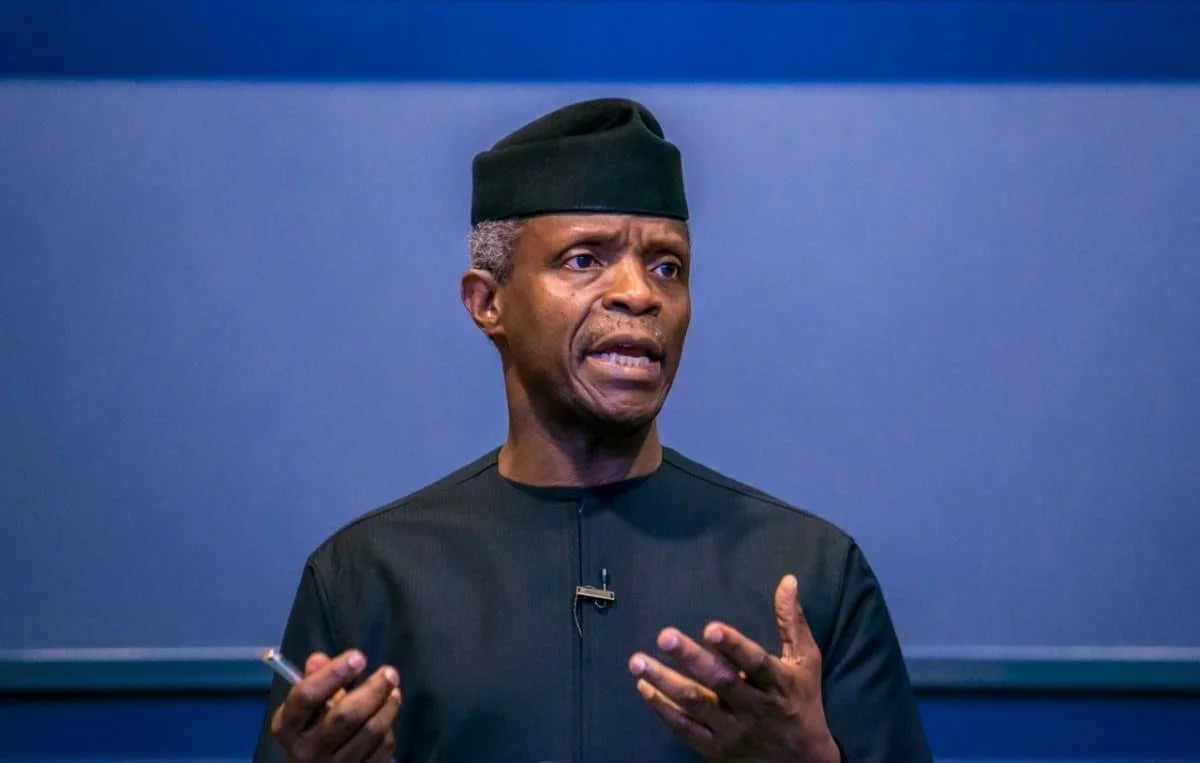
Vice President, Yemi Osinbajo has condemned the killing of protesters at Lekki tollgate on Tuesday.

Osinbajo, in a tweet on Wednesday, also mourned policemen who were killed during the protest.

He promised that all victims will get justice and prayed against more tragedies.

He tweeted, “My heart goes out to all the victims of the Lekki shootings, and also the policemen and all other men and women who lost their lives in the past few days in different parts of Lagos and other states.

“I spoke to some of those in the hospital. The pain of these terrible events is palpable in our towns and cities, and some losses are irreplaceable, but we can and will get justice for all of them. I stand with Lagos and all other affected states in these trying times.

“We pray we will never see a repeat of these tragedies in Jesus name. God bless you all” 


Source 

Daily Post Nigeria