Home Blog

Vance choice heightens European fears over Trump presidency.

0

European politicians and diplomats had already prepared for changes to their relationship with the US in the event of a second Donald Trump presidency.

Now that the Republican candidate has chosen Ohio Senator JD Vance as his running mate, those differences appear even more stark on prospects for the war in Ukraine, security and trade.

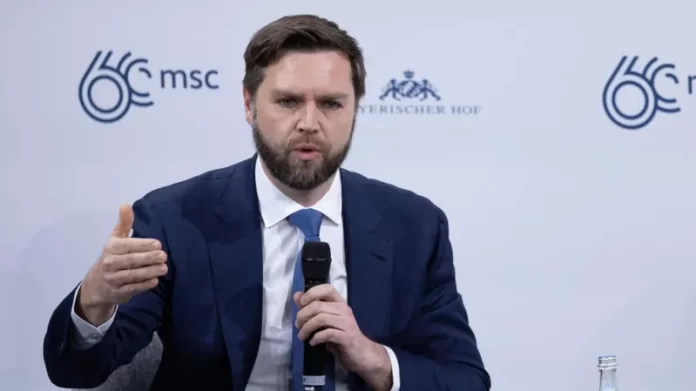
A vocal critic of US aid to Ukraine, Mr Vance told this year’s Munich Security Conference that Europe should wake up to the US having to “pivot” its focus to East Asia.

“The American security blanket has allowed European security to atrophy,” he said.

Nils Schmid, a senior MP in German Chancellor Olaf Scholz’s party, told the BBC that he was confident a Republican presidency would continue to stay within Nato, even if JD Vance came across as “more isolationist” and Donald Trump remained “unpredictable”.

However, he warned of a new round of “trade wars” with the US under a second Trump presidency.

An EU diplomat said that after four years of Donald Trump no-one was naïve: “We understand what it means if Trump comes back as a second-term president, regardless of his running mate.”

Portraying the EU as a sailing boat preparing for a storm the diplomat, who preferred not to be named, added that whatever they might be able to tie down, it was always going to be rough.

The US is Ukraine’s biggest ally, and President Volodymyr Zelensky said this week: “I’m not afraid about him becoming president, we will work together.

He also said that he believed most of the Republican party supported Ukraine and its people.

Mr Zelensky and Mr Trump also have a common friend in Boris Johnson, the former UK prime minister, who has consistently championed continued aid for Ukraine and recently met the former president at the Republican National Convention.

Following the meeting, Mr Johnson posted on X that he had “no doubt that [Mr Trump] will be strong and decisive in supporting that country and defending democracy”.

But even if that sentiment is true, it might not apply to Mr Vance, who, days before the full-scale invasion, told a podcast he “doesn’t really care what happens in Ukraine, one way or the other”. He also played a key role in delaying a $60bn military aid package from Washington.

“We need to try and convince him otherwise,” says Yevhen Mahda, the Executive Director of the Institute of World Policy think tank in Kyiv.

“A fact we can use is that he fought in Iraq, therefore he should be invited to Ukraine so he can see with his own eyes what is happening and how American money is spent.”

The question for Kyiv will be to what extent he can influence the decisions of his new boss.

Yevhen Mahda agrees that Trump’s unpredictability could be a problem for Kyiv in the run-up to the US presidential election.

The biggest supporter of the Trump-Vance ticket in the European Union is Hungary’s Viktor Orban who returned recently from a visit to see the Republican candidate, after visiting Mr Zelensky and President Putin, with whom he maintains close ties.

In a letter to EU leaders, Mr Orban said a victorious Donald Trump would not even wait to be inaugurated as president before quickly demanding peace talks between Russia and Ukraine.
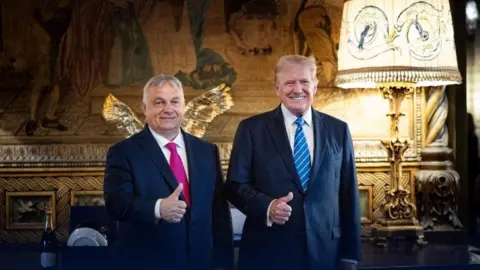
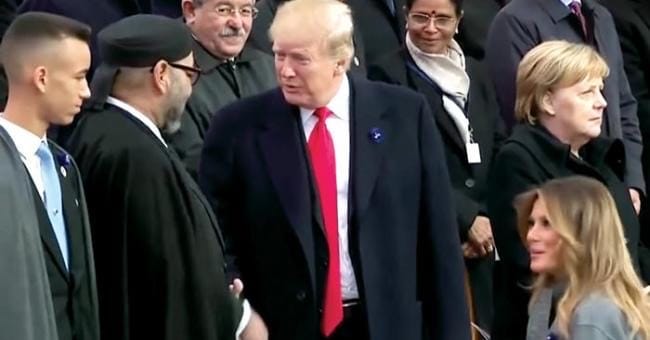
Viktor Orban via X Viktor Orban with Donald Trump at Mar-a-Lagoo

“He has detailed and well-founded plans for this,” the letter states.

Mr Zelensky has himself said this week that Russia should attend a peace summit possibly next November, and he has promised a “fully ready plan”. But he made clear he had not come under Western pressure to do so.

Viktor Orban’s recent “peace missions” to Moscow and Beijing have sparked accusations that he’s abusing his country’s six-month rotating presidency of the European Council. European Commission officials have been told not to attend meetings in Hungary because of Mr Orban’s actions.

During the Trump presidency, the US imposed tariffs on EU-produced steel and aluminium. Although they were paused under Joe Biden’s administration, Trump has since floated a 10% tariff on all overseas imports should he get back into the White House.

The prospect of renewed economic confrontation with the US will be seen as a bad, even a disastrous, outcome in most European capitals.

“The only thing we know for sure is there will be punitive tariffs levelled on the European Union so we have to prepare for another round of trade wars,” said Nils Schmid, the Social Democrats’ foreign policy lead in the Bundestag.

JD Vance singled out Berlin for criticism of its military preparedness earlier this year.

While he didn’t mean to “beat up” on Germany, he said the industrial base underpinning its arms production was insufficient.
NDC has shown commitment to women’s inclusiveness-MP.

0

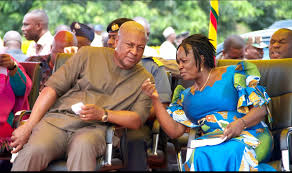
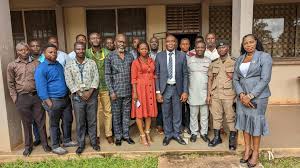
Madam Betty Krosbi-Mensah, Member of Parliament for Afram-Plains North, says the selection of Professor Naana Jane Opoku-Agyeman, as the Vice-Presidential candidate of the National Democratic Congress (NDC) is a strong commitment of the party towards women empowerment.
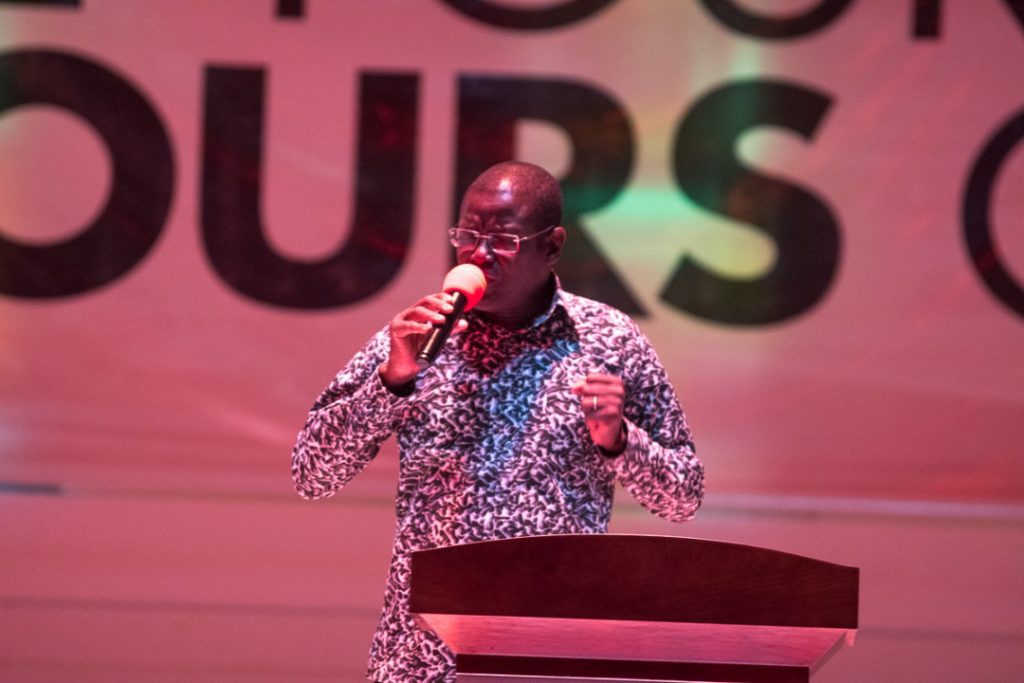
“Former President Mahama in particular and the NDC in general have shown that they are ready to give women the needed push and support in governance having chosen a female running mate two times.”

 In the fight for gender inclusiveness and women’s empowerment through the passing of the affirmative action law, “we must recognize leaders such as President Mahama who has broken the ceiling and chosen a woman to that level and support them to continue the path they have charted in that direction,” she said.

“Women’s inclusion and women’s perspective in governance especially in the legislative space was critical for national development and could not be discounted under any circumstance and that called for support to leaders who had shown the commitment.”

 Speaking in an interview with the GNA Gender-desk, she appealed to women’s rights activists and all well-meaningGhanaians who believed in the women’s perspective to step up the fight for women’s inclusion because the space was male-dominated and therefore difficult for women without any intentional support measure.

Ms Krosbi-Mensah, the sole NDC female Member of Parliament in the Eastern region since 2016,has the bid for the third time to contest in the upcoming general election.

Ms Krosbi-Mensah whose father was once the MP for the area, has an honorary doctorate degree, M.A in Development Communication and B.A in Business Administration.

She served as the deputy director of the National Youth Employment Programme from 2009-2013 and has been an active youth and gender advocate.

In the last seven years, she has worked hard to improve the wellbeing and living conditions of the people of Afram Plains North, which is a deprived district with several island communities dotted along the volta river.

There has been massive infrastructure development in the areas of education and health with the construction of three Community Health Planning Services (CHPS) compound to serve some of the most far-reaching settlements namely Fasobetor, Ademupe and Abotanso communities.

She also initiated the construction of 20 pavilions to help with schools under trees in the island communities and currently “there is an ongoing project to instal solar energy for about 90 island communities scattered along the volta lake, to improve their economic lives as there was no electricity.

Apart from the infrastructure developments, the MP recounted her efforts in combating child trafficking and teenage pregnancies,which wereextremely high in the area, through concerted efforts and commitment to reduce it to the barest minimums.

 “I have done a lot as the peoples representative and raised their standard of living over the years, but more needs to be done andthat is my motivation for contesting these coming elections to continue with what is left.

“Every woman is seen as a mother and so voting for a woman means a lot in terms of nurturing and commitment to duty.”

The Afram Plains North is one of the 33 constituencies in the Eastern region and considered as a safe seat for the NDC.

Let’s create a campus free from harassment – UENR VC.

0

Professor Elvis Asare-Bediako, the Vice Chancellor of the University for Energy and Natural Resources (UENR), has called on the institution to work towards creating a campus free from sexual harassment.
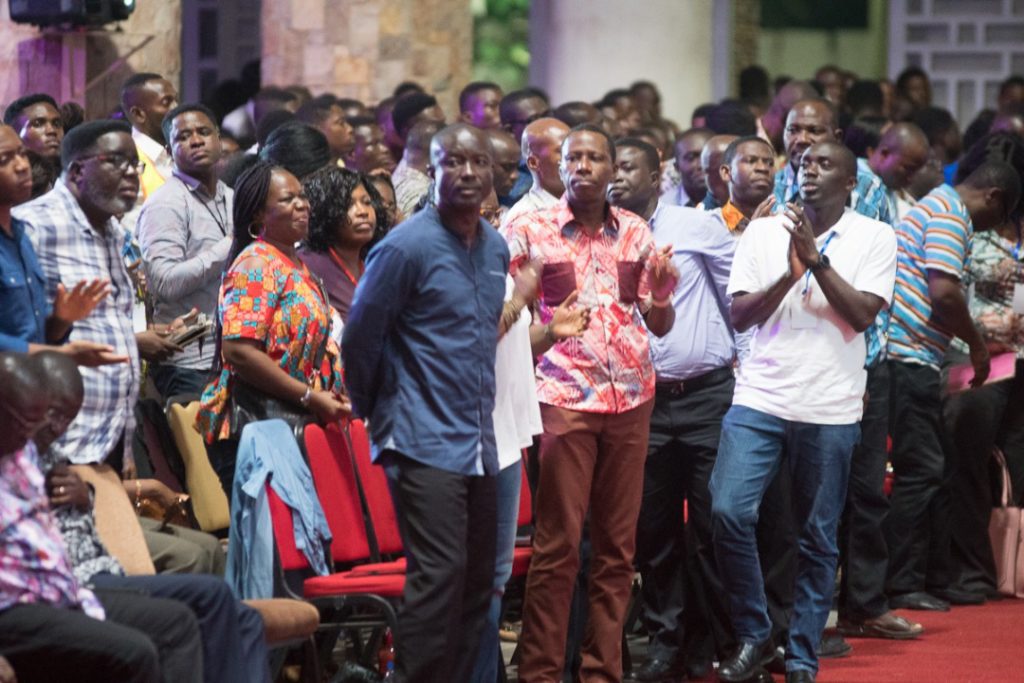
He said sexual harassment was a widespread issue with serious consequences, including creating a hostile work and learning environment, lowering morale, and exposing the university to legal and financial risks.

The Vice Chancellor said sexual harassment violated human dignity and caused significant harm to victims.

Professor Asare-Bediako made the call during a launch and awareness creation on sexual harassment and the development of anti-harassment initiatives at the University.

The workshop, organised by UENR with support from the Association of Commonwealth Universities, aimed at educating staff and students on how to recognize and respond to harassment effectively by becoming proactive bystanders and advocates of a harassment-free environment at the campus.

Prof. Asare-Bediako explained that many people at the university may not understand what constituted harassment or how to address it, saying lack of awareness allowed unacceptable behavior to persist unchecked.

He emphasised the importance of confronting harassment through a collaborative effort to create a campus where everyone felt safe, respected and empowered to succeed.

Addressing the issue of harassment, Prof. TheresahPatrineEnnin, Associate Professor in the Department of English and former Coordinator at the Centre for Gender Advocacy and Documentation at the University of Cape Coast, stressed the need for the university implementing an anti-harassment policy.

She suggested establishing a harassment committee to oversee the policy’s enforcement and a counseling unit to support individuals affected by harassment.
Additionally, she highlighted the need to equip the University’s health facility to address harassment issues effectively and to provide training for the campus police to handle and respond to incidents of harassment.
Prof. Yaw Ofosu-Kusi, Department of Entrepreneurship and Business Sciences at the School of Arts and Social Sciences, UENR, mentioned a study published in 2023 by Athanasiades and others where 2,134 students, predominantly females, were examined through self-reported online questionnaires.

He said, the research revealed most common forms of harassment experienced by the women included offensive comments, jokes, stories, inappropriate remarks about one’s body and appearance, as well as lewd staring, gestures, and exposure of body parts causing embarrassment.

Dr. Mrs. Abena O. Adjapong, a Lecturer and Project Lead at UENR said the initiative served as a reminder for all to remain vigilant, support those who speak out and confront behaviors and attitudes that contributed to harassment.

She said merely raising awareness was insufficient, however individuals must commit actions to address the issue.

Ghana on brink of revitalising SME ecosystem, – President Akufo-Addo.

0

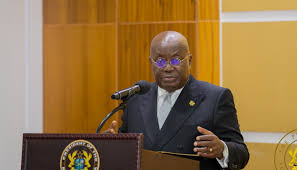
President Nana Addo Dankwa Akufo-Addo has launched a landmark small-scale and medium enterprise (SME) agenda to boost Ghana’s economic growth and job creation. 

Dubbed, SME Growth and Opportunity Programme, the GHS8.2 billion project provides the platform for sustainable capacity-building, technical support, access to finance and developing innovative ideas to strengthen the private sector. 

“I believe that with this Programme, we can lay the foundation for a stronger economy underpinned by strong Ghanaian enterprises, creating jobs and delivering opportunity for our people,” the President said at the launch of the Programme, in Accra on Tuesday. 

It is expected that the project will contribute to building a future economy shaped by enterprise and innovation, where the people could witness their ideas becoming a reality. 

“That is the scale of our ambitions,” the President noted. 

SMEs in Ghana account for some 92 per cent of existing companies, 85 per cent of manufacturing jobs and 70 per cent of the Gross Domestic Product (GDP), according to the Ministry of Trade and Industry (MoTI). 

In line with the vision to foster the country’s economic viability anchored on the SMEs being competitive, innovative and expanding into the broader African market, the Government is envisaging to break all barriers inhibiting the growth of the private sector. 

President Akufo-Addo emphasised the critical role SMEs played in Ghana’s economy, saying the entrepreneurial spirit of the Ghanaian had always been the driving force behind Ghana’s economic transformation. 

“Our SMEs are the backbone of our economy, and it is imperative that we support them to overcome the barriers they face,” he said. 

The President stated that the Programme, being supervised by the MoTI and Ministry of Finance, was in sync with the policy measures to address structural weaknesses as pertained to the growth of the private sector. 

He said the Ghana Enterprises Agency and African Development Bank would support the beneficiaries with targeted training encompassing financial management, regulatory compliance, digitalisation in business, as well as business development. 

An online application portal has also been developed to ensure the screening process is fair, transparent, and prioritises SMEs that demonstrate robust growth prospects. 

Additionally, the EXIM Bank officials will be on hand to offer support with packaging and branding to aid the Programme beneficiaries in meeting relevant standards for their products to be ready for export. 

President Akufo-Addo hinted that the Bank would be providing some GHS700 million to offer SMEs with highly subsidised financial support for both capital and operating expenditures. 

“A dedicated window for the One District, One Factory (1D1F) initiative is also set up to ensure optimal synergies with structural projects,” he noted. 

Mr Kobina Tahir Hammond, Minister of Trade and Industry, stated that the government recognises the critical role that SMEs play in the progress of the economy and is committed to empowering and growing their operations. 

Mining company in Talensi raises concern over illegal miners.

0

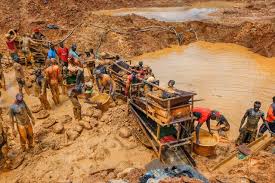
Earl International Group Gold Ghana Limited, a mining company in the Talensi District of the Upper East Region, has expressed worry over interferences of illegal miners in its operational areas. 

“We are deeply concerned about the high level of risk and recklessness these illegal miners are undertaking and the disruptions they cause to our operations,” the Company said in a statement on Tuesday. 

The statement, copied to the Ghana News Agency in Bolgatanga, said some illegal miners attacked and injured five security guards of the company who were called to intervene in an attack on staff on duty underground. 

“While on night duties at approximately 2100 hours on Thursday, July 11, 2024, at Shaft Two Level Three underground, our staff spotted illegal miners numbering over 30 who had invaded the mine area to pilfer blasted ore and mine our stopes,” it said. 

“The situation required the intervention of our security guards, who were called upon to flush out the illegal miners and effect some arrests.” 

“The illegal miners, apparently armed with harmful weapons, attacked an expatriate and the security guards deployed underground, inflicting varying degrees of injury on five guards.”  

Three of the illegal miners were arrested, the statement said, adding that the latest incident reflected the daily challenge the company faced in its operations. 

“The unauthorized entry of these individuals into our underground area through illegal pits they construct within our concession is a persistent concern,” it added. 

The statement said the illegal miners had become more brazen and descended into the company’s underground area immediately after blasts or hid in crosscuts or stopes before blasts to pilfer ore. 

“On the night of Wednesday, June 26, 2024, the diligence of our blast man at the same Shaft two averted a potential disaster when approximately 50 people were found hiding underground, just before a blast was scheduled to occur.”  

The company said it would continue to engage stakeholders and regulators to mitigate the “troubling situation.” 

UCC Pro Vice Chancellor proposes two-stage entrepreneurship model for secondary, tertiary schools .

0

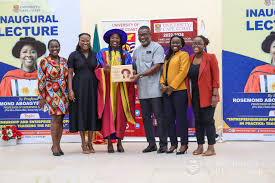
Professor Rosemond AboagyewaBoohene, the Pro Vice Chancellor of the University of Cape Coast (UCC), has proposed a two-stage integrated model for secondary and tertiary education institutions to promote entrepreneurship and small enterprises in Ghana.  

The model is intended to instil discipline, shape mindsets, hone skills, stimulate innovation and build a culture of entrepreneurship among the youth to boost the economy and reduce unemployment.  

Prof Boohene, a Professor of Enterprise Development, was delivering her inaugural lecture on the theme: “Entrepreneurship and Enterprise Development in Practice: Tracking the Pathways.” 

Her lecture connected theory, research and practice supported by practical examples, making a strong case for the need to deliberately support the growth of young enterprises.  

“With the two-stage model, by the time they get to the tertiary institutions, which is the second stage, they have developed business ideas and might have done pitching or presentation,” she said.  

At the secondary level, Prof Boohene proposed “military training,” which will teach students patriotism, ethics, discipline, personal development and leadership.  

The stage will also take students through agriculture training, digital literacy focusing largely on Artificial Intelligence (AI), and entrepreneurship training after which they will receive feasibility study and startup support.  

The second stage of the model will institute a system for savings and crowd funding in tertiary schools to ensure students are provided with startup capital when leaving school.  

They will also be equipped with further entrepreneurial skills and support services.  

Prof Boohene argued that it was imperative to start the entrepreneurship orientation from the senior high and technical schools to build a deeper and stronger foundation before they proceeded to the tertiary level.  

“In the second stage, they are contributing something and saving money to be able to implement their entrepreneurial ventures.”  

“We don’t want them to only wait for people to bring them money; we want them to start something so that the Government or the universities can also support them to start and scale up their business.”   

Fertilizer dealers in Tumuappeal to truck drivers to transport goods from Tema.

0

Fertilizer input dealers in the Sissala EastDistrict of the Upper West Region have expressed concern about difficulties in getting articulator trucks toconveying their input from Tema to Tumu and other food-producing areas.

The dealers told the Ghana News Agency (GNA) on Tuesday that it was becoming impossible to convey inputs ordered from Tema to Tumu, Gwollu and other destinations nowadays because of the deplorable nature of the Sissala enclave roads.

Mr Sule Issifu, owner of Season Plus, an input dealer, told the GNA that he paid for two articulator trucks to bring his goodsbut it was getting to two weeks without any sign of delivery.

“The challenge they tell me is that most of the trucks detest coming down here due to the bad nature of the roads. It’s affecting my sales as my customers are running away and others harassing me for their inputs,” he said.

Mr Sule indicated that the fertilizer application was time bound and once farmers paid up and did notget the goods it brought about conflict.

He said the sad aspect was that articulator owners would collect their monies but played the “delay tactics with us.”

Mr Abdulai Dakui of the Dakui Farms Enterprise expressed how frustrating it had been,saying he bought a truck load of fertilizer from Tema and it took four weeks before it got to Tumu.

“We hear most of the articulators prefer to load to Burkina-Faso, Mali and Niger because they stand to make more money from the rise in CFA currency than the Ghana cedi,” he said.

“The painful aspect is that we pay GH¢30.00per bag of 50kg fertilizer from Tema to Tumu and this runs to GH¢30,000 for 1,000 bags, even that it takes weeks to get a truck loaded, something needs to be done.”

Mr Mutal Fuseini,who operates Paapa Enterprise at Pulima in the Sissala West District, said: “For the past 11 days the absence of trucks made me short of supplies. For those 11 days, I could have sold five articulator loads of fertilizer, but I am still hoping my transporter gets a truck,if not farmers hoping to apply fertilizer on their crops may be affected.”

Alhaji Mohammed Daab, the CEO of ModabEnterprise, complained that from the beginning of the year, a truckload of fertilizer from Tema to Tumu cost GH¢22.00 per bag but that it had beenincreased to GH¢ 30.00 and had further been increased to GH¢32.00 just two days ago.

He stressed the need for some of the input such as fertilizer to be brought closer to the northern part of Ghana in bulk for the dealers to pick them upfor farmers.

“Buying a good truck like an articulator costs about GH¢800,000.00 and that’s expensive for a lot of business people like me. Even when you talk to the banks, you don’t get the support….”

In Gwollu, Mr Abu Gommie, CEO of Abu Shaib Company Ltd, an input dealer, said: “I have paid for some quantity of truck of fertilizer in Tema, but there are no trucks to load and bring them to Gwollu and my farmers are getting angry with me.”

Mr Mahama Salifu, the Sissala East Municipal Directorof Agriculture,empathized with the dealers and expressed the hope that the Sissala enclave roads would be done to address the transportation problem.

Five questions for Secret Service after Trump shooting.

0

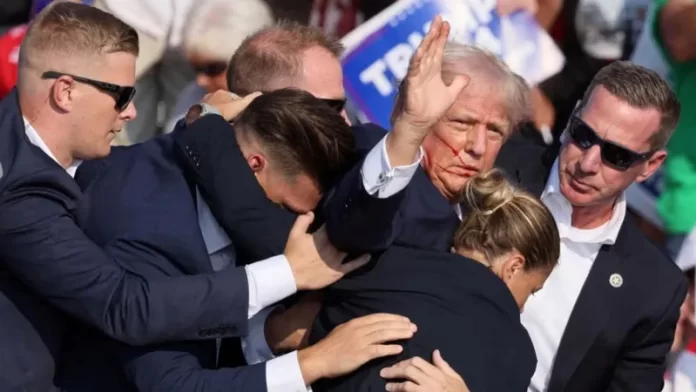
Several major questions have emerged for the US Secret Service to answer in the aftermath of the shooting of Donald Trump at a rally in Pennsylvania.

The FBI has taken on the role of lead investigator into the incident, during which one person was killed and two others critically injured – while Trump was wounded in the ear.

As the US demands answers, the Secret Service director has been summoned to testify before a committee of the US House of Representatives on 22 July.

Here are some of the things that security experts are asking about.

It remains unclear how suspected gunman Thomas Matthew Crooks got access to a roof of a building near the rally that was little more than 130m (430 ft) from Trump.

The rooftop was a known vulnerability before the event, according to NBC News, which cited two sources familiar with Secret Service operations.

“Someone should have been on the roof or securing the building so no one could get on the roof,” NBC quoted one of the sources as saying.

As well as the access question, it has been suggested that the line of sight from the rooftop to Trump’s podium area should have been blocked off.

This was “one of the most basic elements of site security, especially (for) a site that’s outside and largely uncontrolled”, according to formersenior law enforcement official. Andrew McCabe, speaking to CNN.

An eyewitness to the shooting told the BBC that he and others had “clearly” spotted Crooks crawling around on the roof with a rifle. They alerted police but the suspect continuing moving around for several minutes before getting shots off and then being shot dead himself, he said.

FBI special agent Kevin Rojek admitted it had been “surprising” that the attacker had been able to open fire.

The county sheriff has confirmed that Crooks was spotted by a local police officer, who was unable to stop him in time. Something that remains unclear is whether this information reached the agents around Trump.

Crooks was already on officials’ radar, according to a senior law enforcement official. They anonymously told CNN that officers thought he was acting suspiciously near the event magnetometers. This information was allegedly relayed to the Secret Service.

The gunman fired his shots from what police have described as a “secondary ring”, which was patrolled not by the Secret Service but by local and state officers.

A former Secret Service agent said this sort of arrangement only worked when there was a clear plan on what to do when a danger was spotted.

“When you rely on the local law enforcement partners, you better have carefully planned and told them what you expect them to do about a threat,” Jonathan Wackrow told the Washington Post.

The county sheriff has admitted there had been “a failure” but said there was no single party to blame.

A former chair of the House Oversight Committee has suggested that the Secret Service was “spread too thin”, which compounded the issue that local police would not have been “trained up” to secure an event like Saturday’s rally.

Jason Chaffetz, who has previously reported on Secret Service failures, told the Washington Post there was no bigger “threat profile” than for Trump or President Biden, but that this was not reflected in the security presence in Pennsylvania.

The Secret Service has denied suggestions that a request from the Trump team to beef up the staffing had been rebuffed in advance of the rally.

But the Post reported that it had seen an exchange of messages in which a former Secret Service officer asked colleagues how the suspect had got a gun so close to Trump. He was reported to have received the reply: “Resources.”

The agents who shielded Trump have received praise, including from former agent Robert McDonald, who said they did a “fairly good job” despite there being no exact “playbook” on what to do in such a situation.

But the question has also been asked whether they were fast enough to whisk the former president away into a vehicle.

Footage of the incident shows them rapidly forming a shield around him in the immediate wake of the gunshots, but then appearing to pause as Trump asks to gather his shoes. The former president goes on to pump his fist for supporters.

A Secret Service veteran told the New York Times he would not have waited. “If that’s me there, no. We are going, and we are going now,” said Jeffrey James. “If it’s me, I’m buying him a new pair of shoes.”

King Paluta shuts down Ghana Party in the Park festival in UK.

0

Reigning New Artiste of the Year, King Paluta, stole the spotlight at the 2024 Ghana Party in Park (GPITP) festival in the United Kingdom.

The 19th edition of the GPITP festival, held on Saturday, July 13, 2024, at Oak Hill Park in Barnet, UK, featured an incredible celebration of Ghanaian music, food, and culture.

King Paluta, who was one of the headline acts for the festival, delivered an amazing stage performance that was arguably one of the best on the day, leaving patrons  ecstatic.

The music sensation performed his “Makoma” hit single for the first time after dominating the music charts and streaming platforms in the past week.

King Paluta’s energy on stage was infectious as patrons sang along to most of his songs, including “Yahitte,” “Sika Abia,” and the inspirational “Aseda” hit song.

There were also thrilling performances from Kidi, Wendy Shay, OlivetheBoy, Lasmid, KOTM Beeztrap, and Mishasha at one of the biggest Ghanaian outdoor events in the UK.

There was Ghanaian culture on display with the DWP Academy dancers, including Endurance Grand, Lisa Quam, and Quables, entertaining the audience with some exciting dance moves.

For almost two decades, the Ghana Party in the Park festival, organised by Akwaaba UK, has hosted some of Ghana’s biggest artistes in the United Kingdom, with thousands in attendance.

TGMA climaxes 25th anniversary celebrations with epic Stonebwoy performance.

0

Reigning Artiste of the Year, Stonebwoy, delivered a stunning performance to climax the silver jubilee celebrations of the prestigious Telecel Ghana Music Awards (TGMA).

Following an exciting awards event a few weeks ago, industry leaders gathered once more to celebrate the progress and success of the TGMAs since its inception in 1999.

Stonebwoy, who won six TGMA awards this year, headlined the “Industry Mixer”, event which took place at the newly built Palms Convention Centre at La Palm Royal Beach in Accra.

The award-winning Afro-Dancehall musician delivered a magnificent music performance that lasted an hour, with patrons in the auditorium enjoying some of his old and new hits.

The “Bhimnation President,” as he is popularly referred to, made a thrilling start to his performance with his “Solobo” hit single.

He further proceeded to perform some of his hit songs, including “Into the Future,” “Overlord,” “Run Go,” “Captivate,” and “Ekelebe.” 

Madam Theresa Ayoade, the Chief Executive Officer of Charterhouse Productions, organisers of the TGMA, revealed their intent of organising the ‘Industry Mixer’ event for the first time. 

“We decided to do this event because it is our 25th anniversary, and to crown it all, we thought of bringing industry players together and interacting with them.

“It was also intended to celebrate the Artiste of the Year, have a close encounter with him, and document his journey while cementing their legendary status,” she said.

Madam Ayoade also noted that plans were advanced in setting up the Hall of Fame Museum so that tourists, students, and other people could learn more about the history of Ghana’s music.

The event also witnessed Telecel, the headline sponsor of the music awards, announce that Stonebwoy would be paid for multiple events he performs during the year as well as products from the company.

The likes of Black Sherif, Kuami Eugene, and Nacee, who also won awards at this year’s TGMA, were also presented with their plaques.

Paul Amoah selected flagbearer for Team Ghana at Paris Olympics.

0

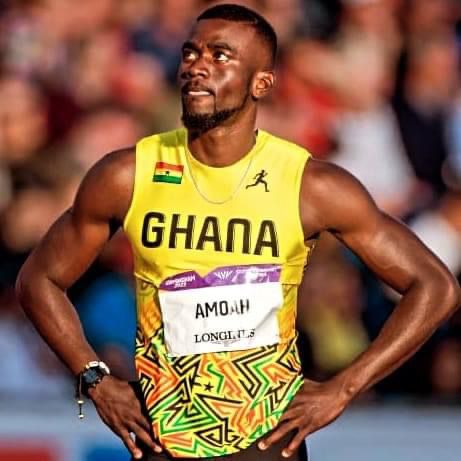
Joseph Paul Amoah will be Ghana’s captain and flagbearer at the upcoming Paris Olympics, which will take place from July 26–August 11, 2024.
Amoah, who is making his second successive appearance at the Olympics, would lead his countrymen who have qualified for the Paris Games.

Ghana will be presenting nine athletes at this year’s Olympics, including Fuseini Ibrahim (4×100), Isaac Botsio (4×100), Benjamin Azamati (4×100, 100m), Edwin Gadayi (4×100), and Abdul Rasheed Saminu (100, 200m).

Others include Joselle Mensah (swimming), Harry Stacey (swimming), and Rose Yeboah (high jump).

Some members of Team Ghana are currently in Strasbourg, France, preparing for the games, and would move to the Olympic Village in Paris on July 21, 2024.

Team Ghana would be hoping to improve on their last performance at the Olympics, where they won bronze in boxing.

Ghana has five medals from the Olympics (one silver and four bronze) and will be hoping to win its first medal in track and field.

UK Centre for Ecology and Hydrology opens new office in Accra.

0

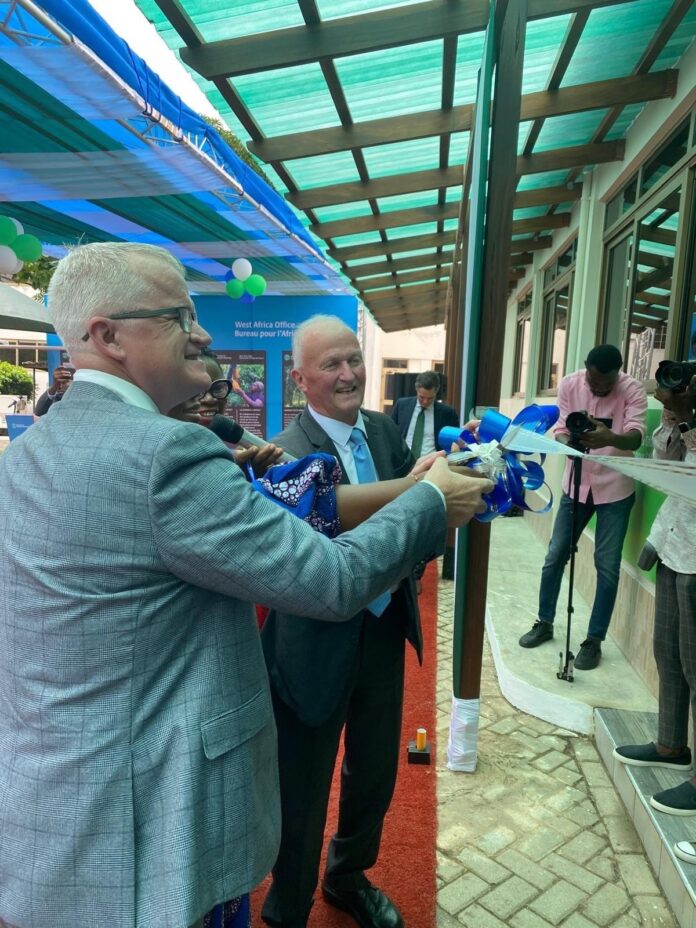
The United Kingdom Centre for Ecology and Hydrology (UKCEH), a research institute has opened its first international office in Accra to serve the West Africa sub-region.

 The new office will see to the building of partnerships with stakeholders and deliver sustainable solutions to environmental and socio-economic developmental challenges facing countries in the sub-region.

 It will provide the vital environmental science that governments, businesses, and researchers rely on to meetchallenges, contributing substantially to achieving UN Sustainable Development Goals.

 Lord Cameron of Dillington, the Chair of the Board of Trustees of UKCEH and Madam Ophelia Mensah Hayford, the Minister of Environment, Science Technology and Innovation jointly cut a ribbon to signify the opening of the office.

 Madam Hayford speaking at the event said one of the major responsibilities placed on all governments was to ensure sound environmental management practices and that called for sound research.

 She explained that the establishment of the new centre was a great opportunity to collaborate to conduct more science and environmental research and provide tailored solutions to deal with challenges.

 The mission of the UKCEH, she said, was in line with Ghana’s recently revised Science Technology and Innovation Policy and African Union Agenda 2063.

 Mr Keith McMahon, the Deputy British High Commissioner, British High Commission recalled that last year the UK Ghana Science Technology and Innovation Strategy aimed to strengthen the partnership between the two countries in the areas of research, innovation, and technology transfer.

 That he said, sought to leverage the strengths of both nations to address common challenges and promote sustainable development.

 The Commissioner said the UKCEH was a world class research institution that had been at the forefront of environmental research in the last 50 years, helping countries to understand the natural world to inform policy.

 He stated that the new office was a testament to the UK’s effort to expand national science partnerships internationally.

 Professor Harry Dixon, Associate Director for International Research and Development at UKCEH, said the organisation had a track record of effective delivery, working with partners including cocoa farmers in Ghana, to develop an innovative mobile app to support ongoing productivity, climate change adaptation and long-term resilience.

 “We are working with collaborators to measure greenhouse gas (GHG) emissions across different landscapes in Southeast Liberia, setting a baseline for future work to mitigate GHG emissions”.

 “Our research into Sahel storms is supporting the development of early warning systems and informing long-term climate adaptation planning, in partnership with meteorological services”.

Dr Stuart Wainwright, Chief Executive of UKCEH said for more than 30 years, UKCEH scientists have collaborated with a range of partners in West Africa, such as environmental policymakers, meteorological services, water management authorities, universities and conservation organisations, to jointly address the major environmental challenges in the region.

The opening of an office in West Africa , he noted, demonstrated the Centre’s commitment towards the region and its scientific communities, and assured to work together with stakeholders to tackle the major, complex environmental challenges that affect us all.

He stated that science needed international collaboration across boundaries more than it ever had in the past and expressed the hope that the office would be a hub of environmental science.

Professor Paul Bosu, the Director-General of the Council for Scientific and Industrial Research (CSIR) said Ghana was facing challenges in its quest to explore its natural resources and the opening of the UKCEH office was timely to help deal with issues.

He assured of the support of all 13 institutes of the CSIR’s towards the achievement of the vision of the UKCEH office.

The UKCEH is a leading research institute employing over 500 of the world’s best environmental scientists.

Already, the UKCEH is working with scientists in West Africa to enhance monitoring of water resources, as well as improve flood and drought risk assessment and forecasting.

It is working with governments and environmental regulators to monitor metal pollution in watercourses, soil and food systems in mining areas.

The UKCEH is collaborating with the Ghanaian Government and United Nations to jointly develop a programme that maps biodiversity across the country.

Moroccan King Addresses Message of Sympathy, Solidarity to Donald Trump.

0

His Majesty King Mohammed VI has sent a message to Donald Trump, in which the Sovereign expresses His sympathy and solidarity following the assassination attempt on him on Saturday during a campaign rally in Butler, Pennsylvania.

In the message, His Majesty the King said that He was “shocked and deeply saddened by yesterday’s appalling assassination attempt at the campaign rally in Butler, Pennsylvania.”

The Sovereign said he was relieved to learn that “you are safe,” while expressing His sympathy and solidarity following this heinous attack.

In this message, His Majesty the King strongly condemned political violence and wished Trump “a

speedy recovery so that you may continue to serve your great nation.”

“My thoughts and prayers are with you, Mr. President, your family, and the innocent victims of this deplorable act,” the message said.

CSIR launches Science for Impact Fund,aimto raise $20 million.

0

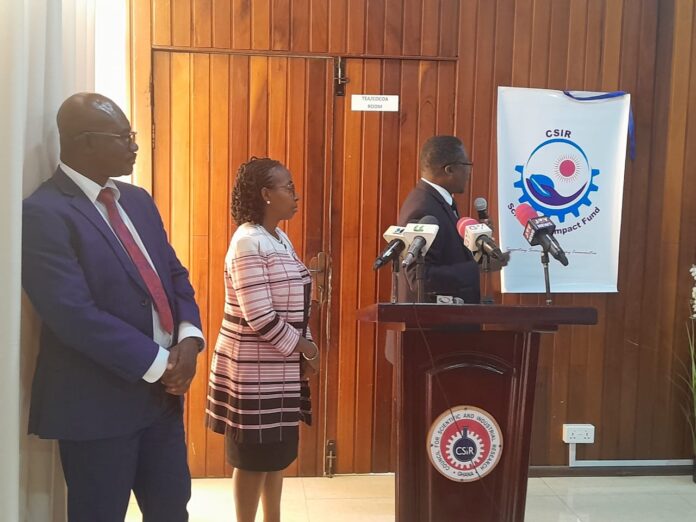
The Council for Scientific and Industrial Research (CSIR) has launched CSIR Science for Impact Fund (CSIF), a new initiative aimed at raising $20 million to support groundbreaking research and innovation.

This ambitious fund will focus on identifying and supporting high-impact research projects and technological innovations that have the potential to drive industrial growth to spur sustainable economic development.

Speaking at the press launch, Professor Paul Bosu, Director-General of CSIR, emphasized the importance of the initiative, which is designed to foster collaborations, promote local community development and create a more innovative and sustainable future.

“We are committed to fostering increased collaboration between academia, industry, and government to drive innovation and community development,” he said.

As part of this commitment, he said, CSIR staff have volunteered to contribute one percent of their salaries over the next five years to support the endowment fund.

Professor Bosu appealed to corporate bodies and individuals to support the Council in its mission to deliver effectively on its mandate and support science and technology innovation.

Professor Mike Osei-Atweneboana, Chair of the CSIF planning committee, and Director of CSIR Water Research Institute highlighted the funding challenges faced by CSIR.

“We face limited funding for R&D infrastructure, human resource capacity development, and operations,” he noted.

While CSIR is primarily funded by the government and receives modest financing from donor agencies and internally generated funds, he pointed out that releases from the national coffers had been below expectations and donor funding continues to dwindle.

According to him, to overcome this financing gap, CSIR was amended in 1996 (Act 521) to introduce private sector involvement and integration of market principles into its operations through commercialization of research.

However, he indicated that despite best efforts, the general economic situation in the country had made it extremely difficult for CSIR to secure financing to efficiently carry out its operations.

“Simply put, the funding required by CSIR to fully execute its mandate and carry out relevant activities is lacking,” Professor Osei-Atweneboa said.

Therefore, to salvage this persistent lack of resources, he said, the management and staff established the endowment fund to guarantee a sustainable source of funding.

Welcoming participants, Mrs. Geneviene Yankey, CSIR Director of Administration, explained that the fund had been dubbed the “CSIR Science for Impact Fund” and aimed to support innovative demand-driven research and technological innovations.

She said thiswas expected to drive industrial development and support development projects in communities through technology transfer, adding the focus on community projects was designed to drive social inclusion and sustainable development.

With the tagline “Supporting Science, Transforming Communities,” CSIR  called on corporate bodies and individuals to join forces in supporting this important initiative.

Forestry Commission marks International Day of Forests with quiz, debate

0

The Forestry Commission has commemorated this year’s International Day of Forests with a quiz competition and a debate for students in the Northern Region.

 
     It was to increase awareness on the importance of forests and to encourage students to play active roles in preserving the environment.

 
     Competing schools for the quiz were Tamale International School, Sakasaka Basic School, Savanna International School and Lamashegu Block ‘A’ Primary School.

 
     They were examined on general knowledge on land and natural resources.

 
     Tamale Senior High School, and Ghana Senior High School took part in the debate, which had the motion: “Wood is the best green resource, we should use more of it”.

 
     At the end of the quiz competition, Tamale International School was crowned the overall winners, and they received a cash prize of GHc5,000.00, a desktop computer, a wooden plaque, a pack of the International Day of Forests branded T-shirts, exercise books and pens.

 
     Savanna International School came second and received GHc3,000.00 cash prize, a desktop computer, a plaque, branded T-shirts of the event, exercise books and pens.

 
     Sakasaka Basic School came third and received GHc2,500.00 cash prize, a desktop computer, a plaque, branded T-shirts, exercise books and pens.

 
     Lamanshegu Block “A” Primary School was the fourth and took home GHc2,000.00 cash prize, a desktop computer, a plaque, branded T-shirts, exercise books and pens.

 
      In the debate competition, Ghana SHS, spoke in favour of the motion while Tamale SHS spoke against the motion.

 
     Tamale SHS was crowned winners of the debate and went home with GHc5,000.00 cash prize, a wooden plaque, branded T-shirts and a desktop computer while Ghana SHS received GHc3,000.00 cash prize, a desktop computer, a plaque, and branded T-shirts. 


     Mr Kwasi Frimpong, Northern Regional Manager, Forestry Service Division, Forestry Commission, speaking during the event in Tamale, said it was also part of engagements to launch the 2024 edition of the Green Ghana Day initiative, which target is to plant 10 million tree seedlings across the country.

 
     He said, “The Commission decided to engage the students because of our commitment of leaving future generations and their communities with richer, better, more valuable forestry and wildlife endowment than we inherited.” 


     He urged students to be ambassadors of the Green Ghana Day initiative by planting more trees in their schools and communities to complement government’s efforts to preserve the environment.

 
     Mr Yakubu Mohammed Ahmed, Sagnarigu Municipal Chief Executive, said climate change was adversely affecting communities and posing serious threat to food production and food security in the country.

 
     He urged communities to support the Green Ghana Day initiative by ensuring that trees planted were protected and nurtured to address the impact of climate change. 

 
     Mr Sule Salifu, Tamale Metropolitan Chief Executive, who was represented at the event, commended the Forestry Commission for organising the event, saying it was the best approach to get young people interested in issues of land and natural resources.

 
     He said, “The impact of this exercise will be everlasting in the minds of the students.”

 
     The International Day of Forests is marked on March 21 every year to celebrate and raise awareness on the importance of all types of forests and need to protect them. 

Miraculous Salvation Unfolds on Majestic Beach of Mahajanga, Madagascar

0

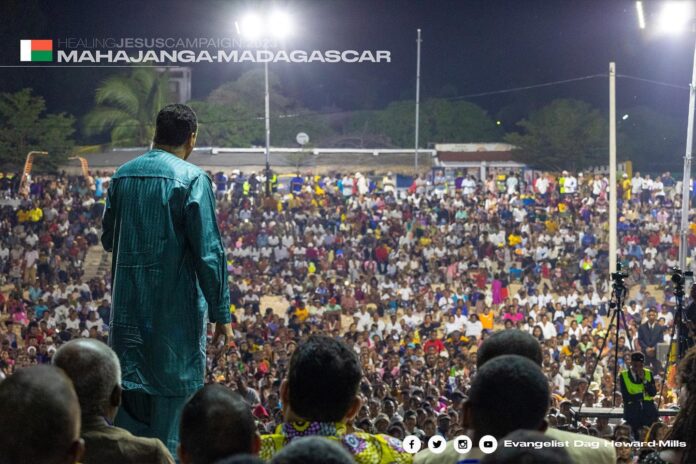
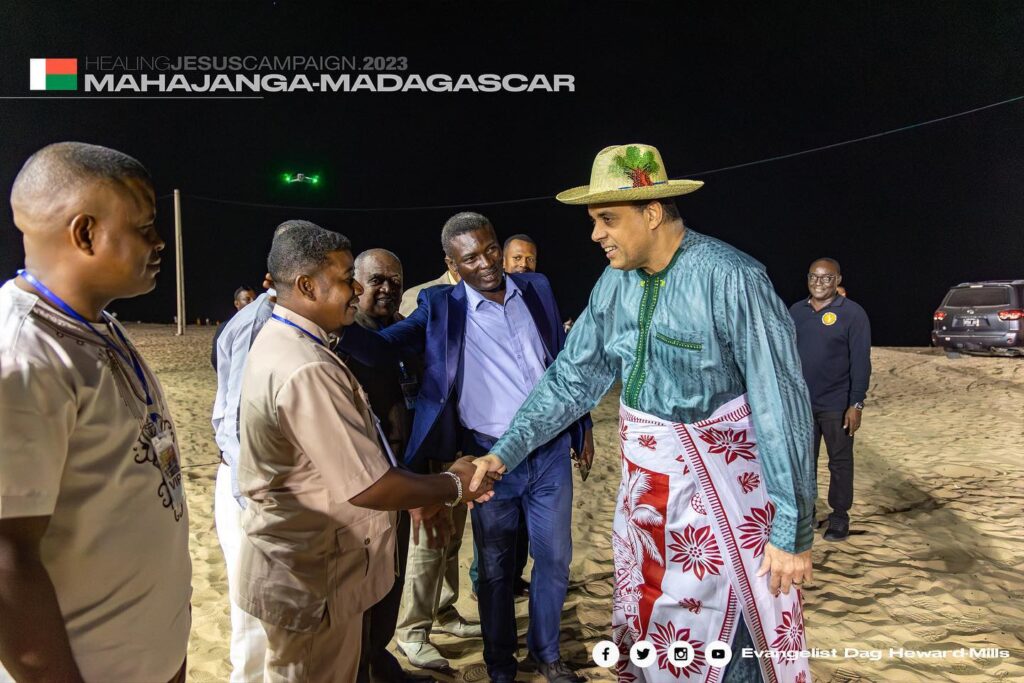
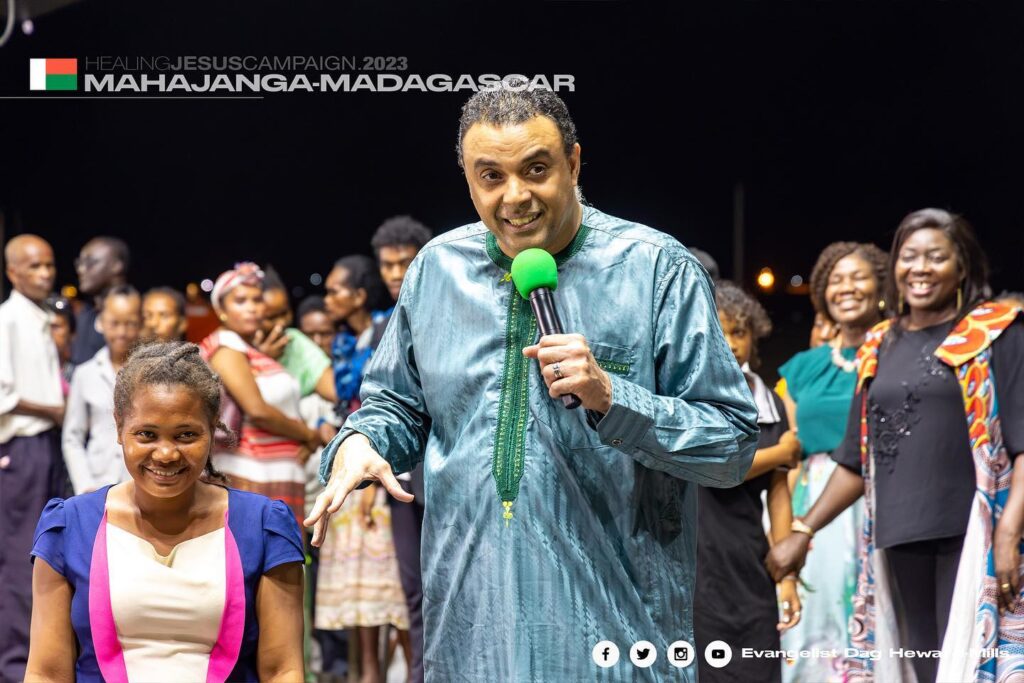
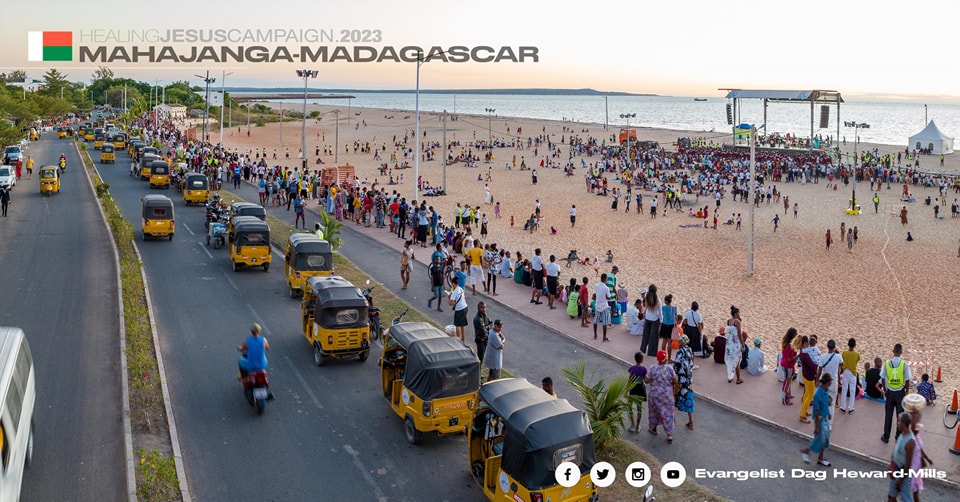
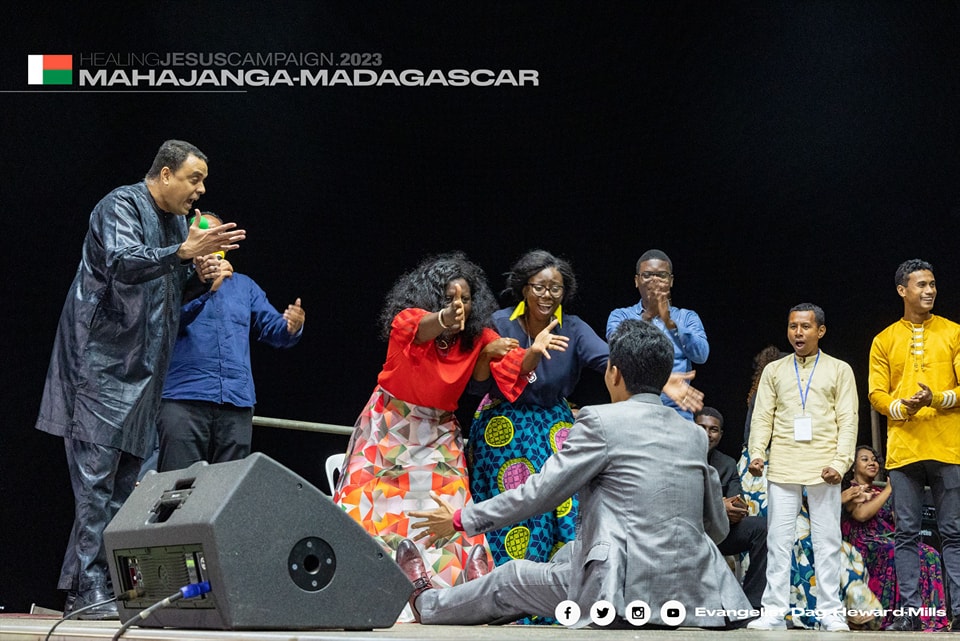
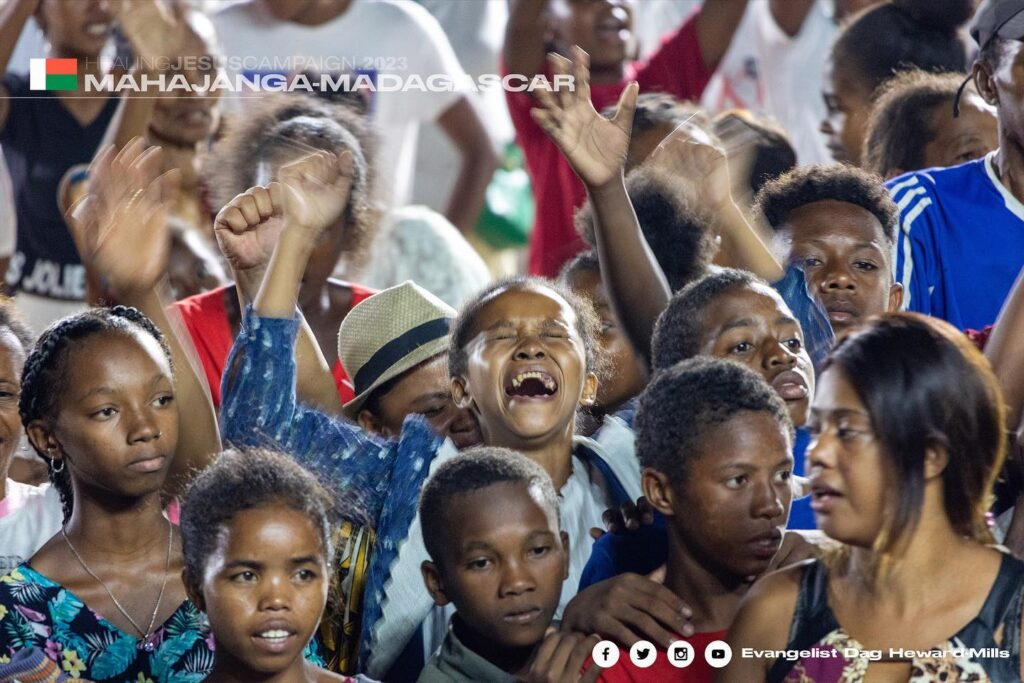
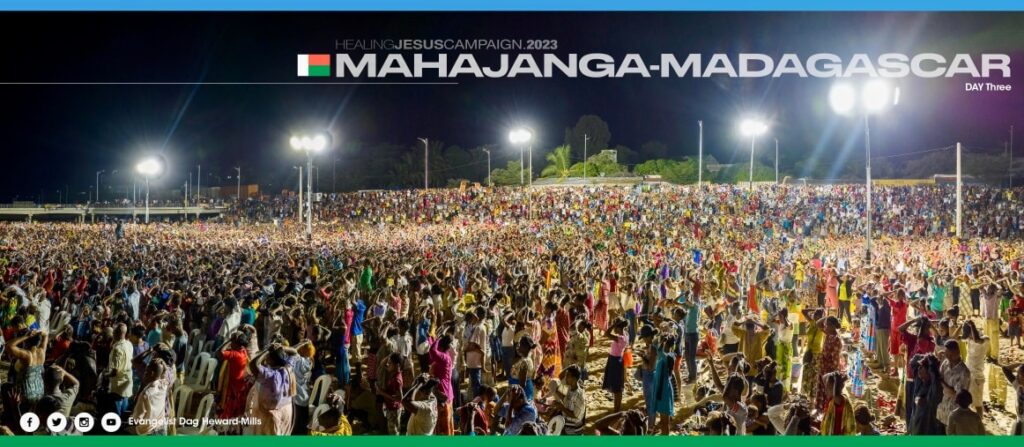
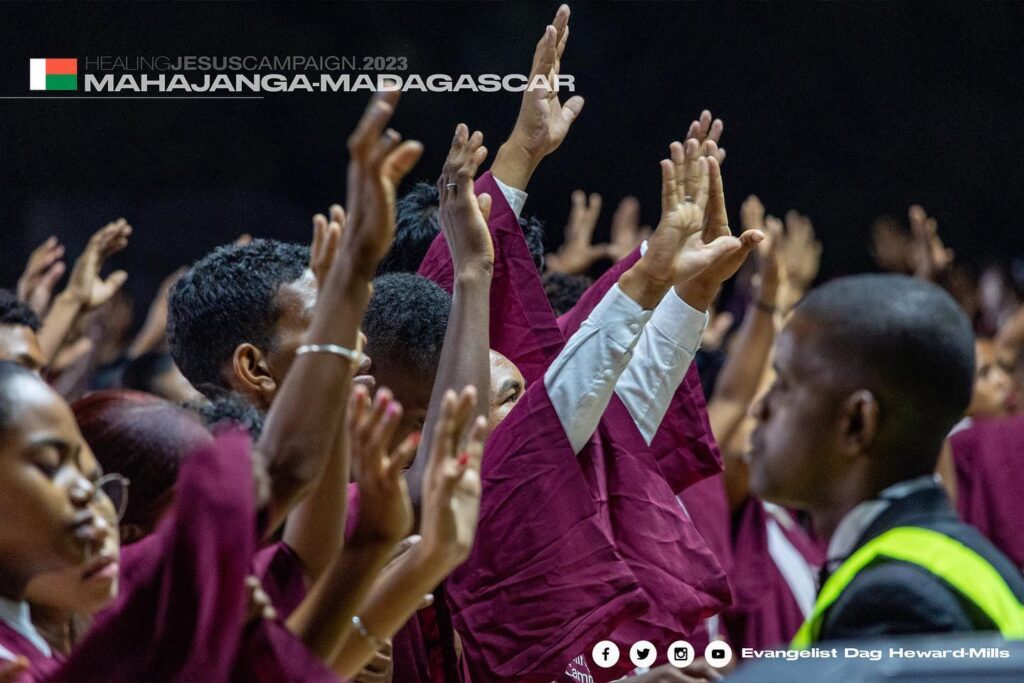
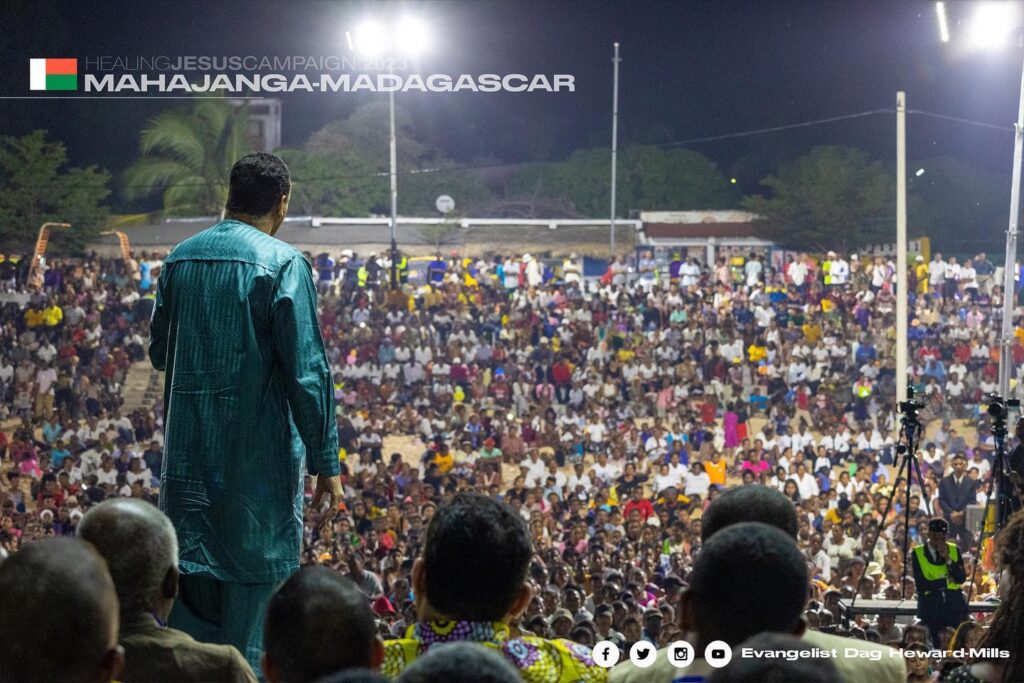
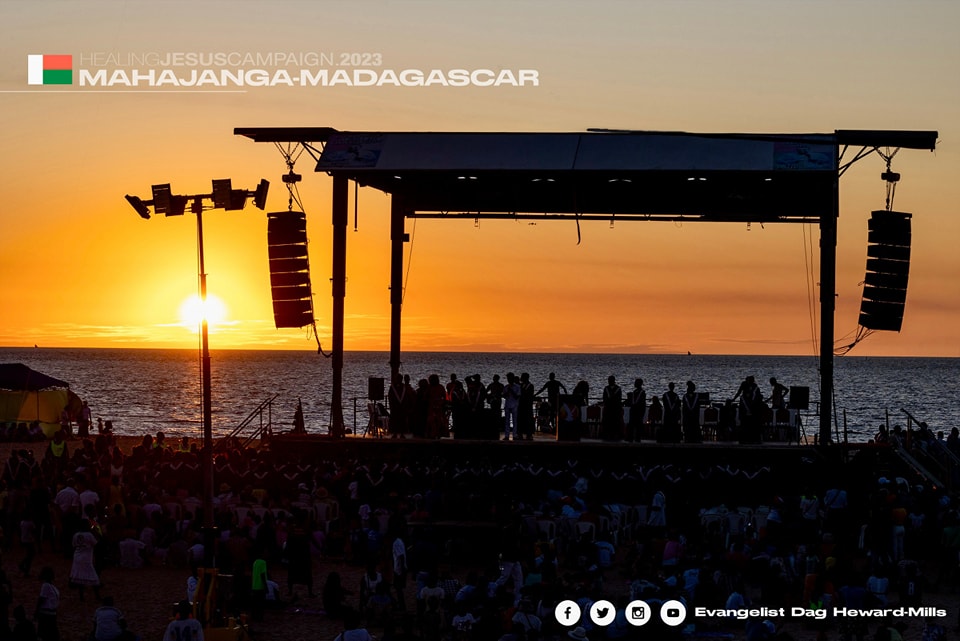
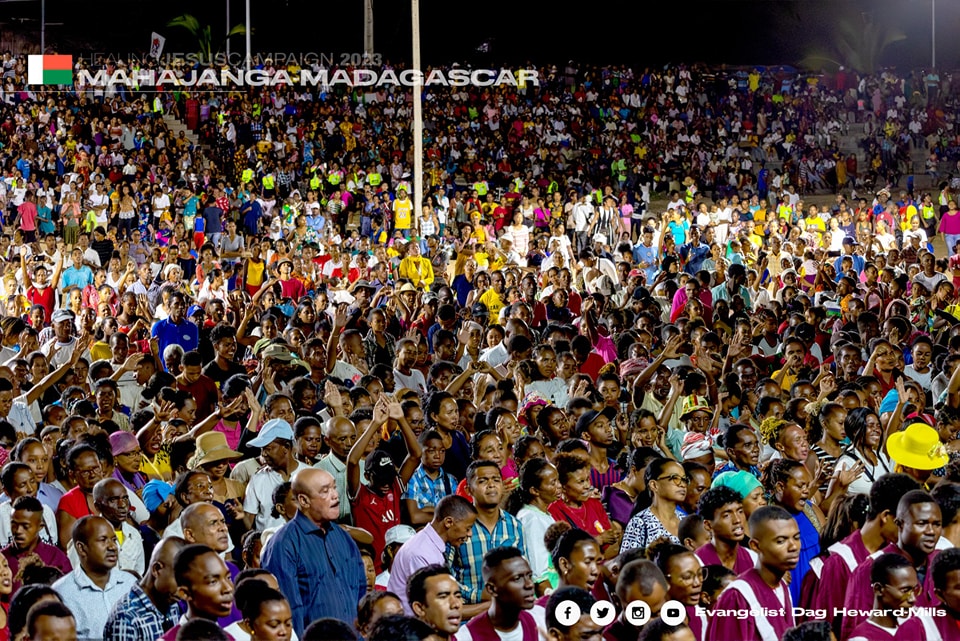
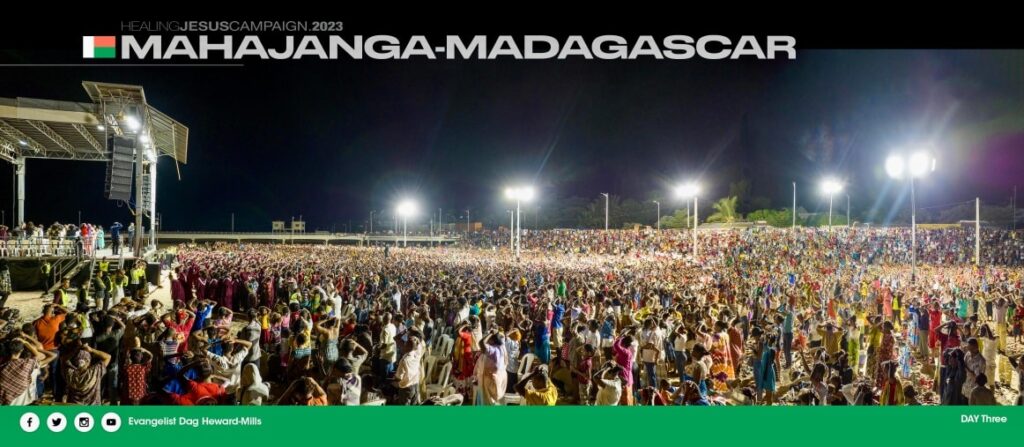
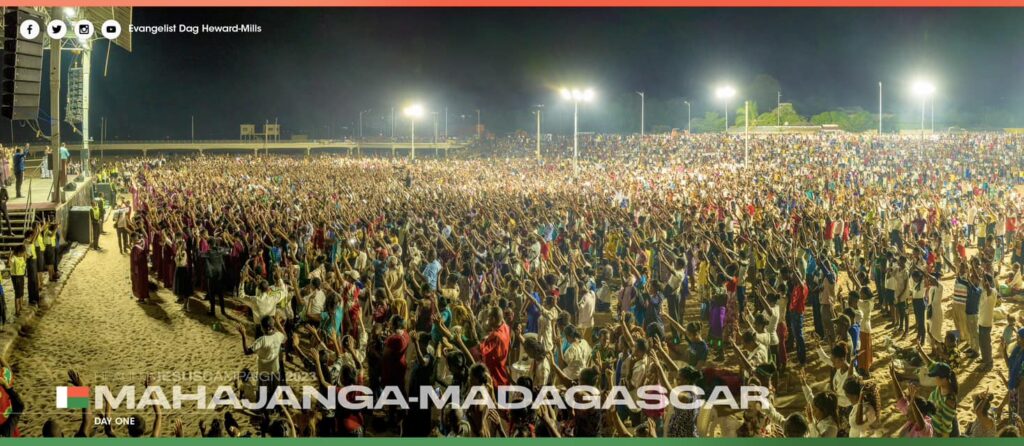
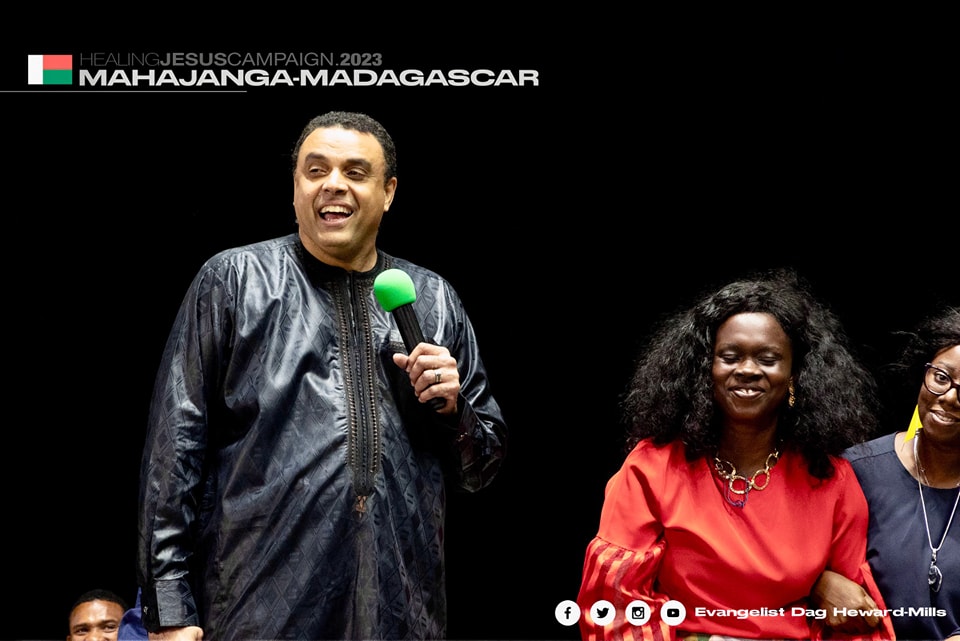
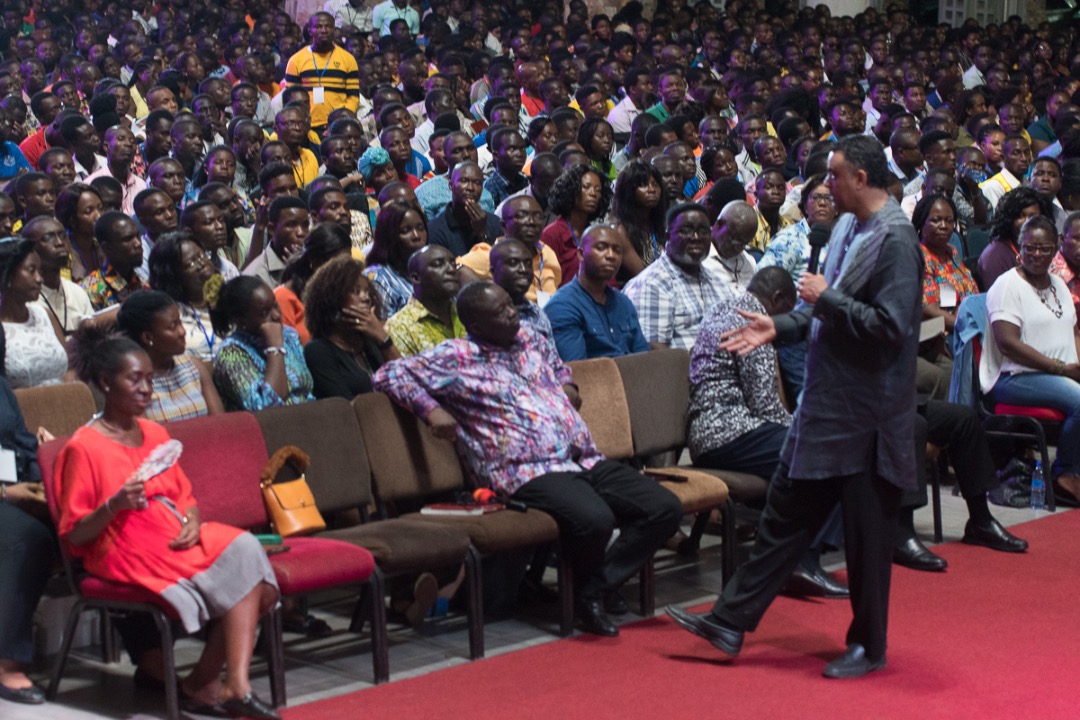
Welcome to the vibrant world of faith and miracles, where a glorious encounter with God’s power awaits on the stunning shores of Mahajanga, Madagascar. In a remarkable display of divine intervention, the Healing Jesus Campaign, led by the esteemed Evangelist Dag Heward-Mills, graced this unconventional beach crusade, leaving an indelible mark on the hearts of both young and old, united in their love for the Lord.

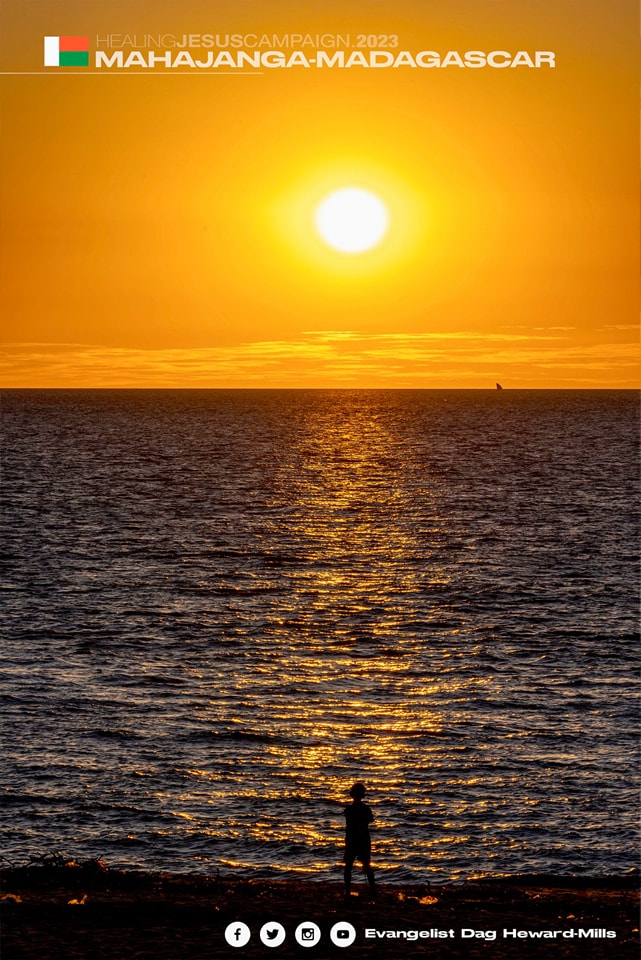
Picture yourself amidst the majestic Pacific winds, surrounded by a gathering of passionate believers, their spirits soaring high. The atmosphere reverberates with the uplifting melodies of praise and worship, as the waves crash against the shore, seemingly harmonizing with the chorus of fervent faith that fills the air.

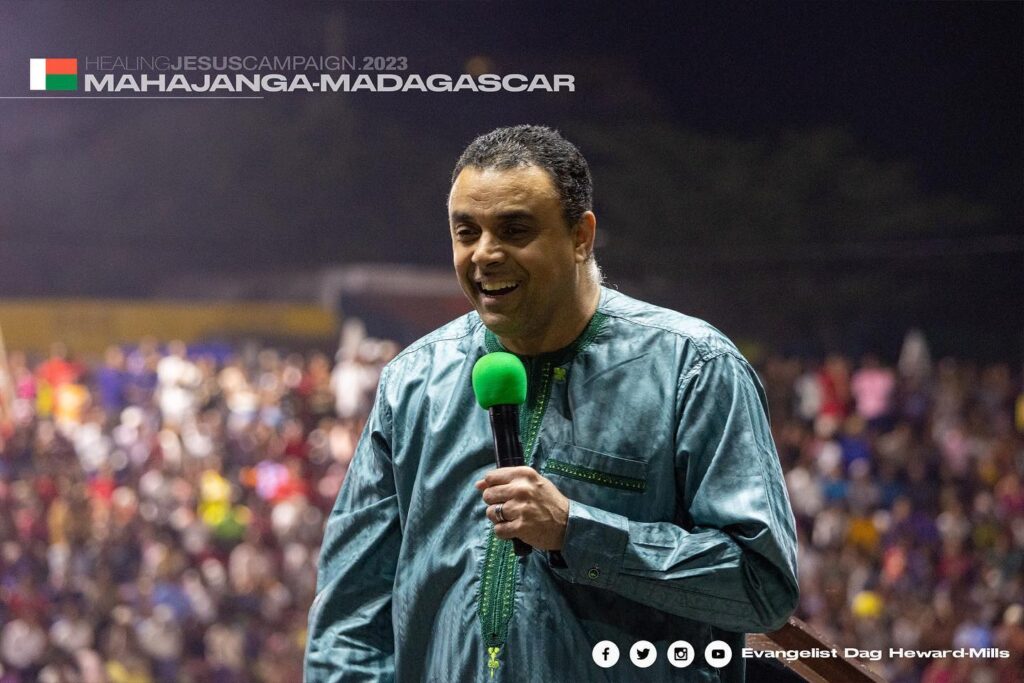
Evangelist Dag Heward-Mills, a beacon of inspiration, takes center stage, his words resonating with unwavering conviction. With a heart aflame for God’s love and a desire to share the transformative message of salvation, he delivers a powerful sermon, urging all to embrace the redemptive grace of Jesus Christ. His message, simple yet profound, becomes a beacon of hope, drawing listeners closer to the heart of their Savior.

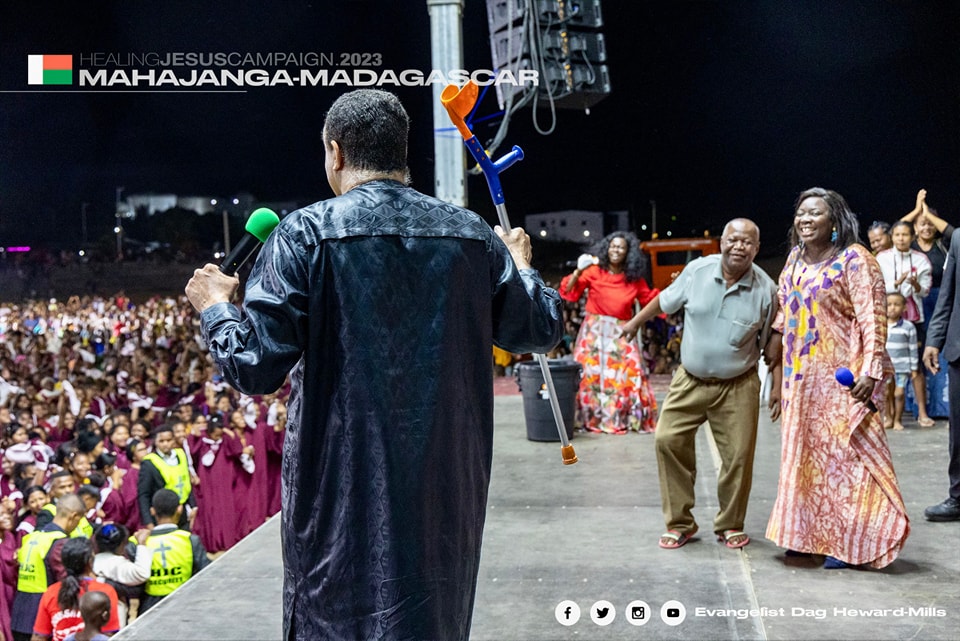
As the crowd leans in, hearts expectant, the miracles begin to unfold. Testimonies of divine healing echo through the crowd, like ripples in the sea. The blind receive sight, their eyes opening to a world they once thought lost forever. The deaf delight in the melodies they can finally hear, as if the heavens themselves are singing. The lame discard their crutches and take joyous steps, their newfound freedom a testament to God’s miraculous touch.

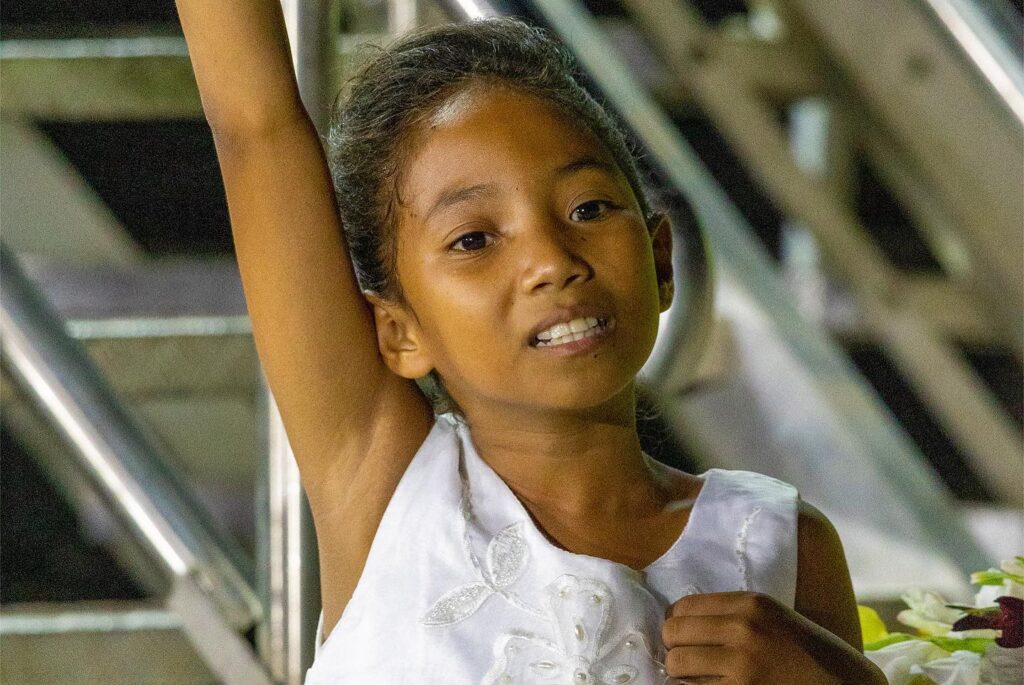
One extraordinary account that resonates deeply is that of a young child, whose legs were once bound by a wheelchair. Amidst fervent prayers and the collective faith of the assembly, a transformative miracle takes place. With each step, the child casts away the shackles of disability, embracing a life filled with newfound possibilities. It is a profound reminder that God’s love knows no bounds, and His power to restore and heal is limitless.

As the three-day crusade concludes, the impact lingers, igniting a fire within the hearts of all who were present. The vibrant generation, both young and old, depart with a renewed sense of purpose, inspired to pursue a deeper relationship with their Heavenly Father. The beach of Mahajanga becomes a holy ground, forever etched in their memories as a place where God’s miracles manifest in abundance.

This unprecedented beach crusade captures the essence of a vibrant and transformative faith, embracing the passion and fervor of a young generation on fire for the Lord. It serves as a powerful reminder that miracles happen when we gather in unity, fueling our spirits with worship, prayer, and unwavering belief.

In this age of digital connectivity, let the echoes of this divine encounter spread far and wide. Share the joyous news of salvation and miracles on the shores of Mahajanga, uplifting hearts and inspiring others to seek God’s transformative power. Together, we can illuminate the path towards a life of abundant blessings and unwavering faith.

Come, join the vibrant community of believers, and immerse yourself in the awe-inspiring journey of salvation and miracles. Witness firsthand the profound impact of God’s love as it sweeps through the sands of Mahajanga, leaving no heart untouched. Prepare to be captivated, transformed, and forever enriched by the beauty of His presence.

HARMATTAN BIBLE SEMINAR OPENS AT ANAGKAZO CAMPUS

0

Like flaming embers, the Harmattan Bible seminar opened at the resplendent Anagkazo campus in Mampong Akuapem.

The first of its kind, the seminar saw thousands gather from all around the country and beyond.
The maiden edition of the seminar is themed ‘Make yourselves saviours of men’, gleaned from Obadiah 1:21.

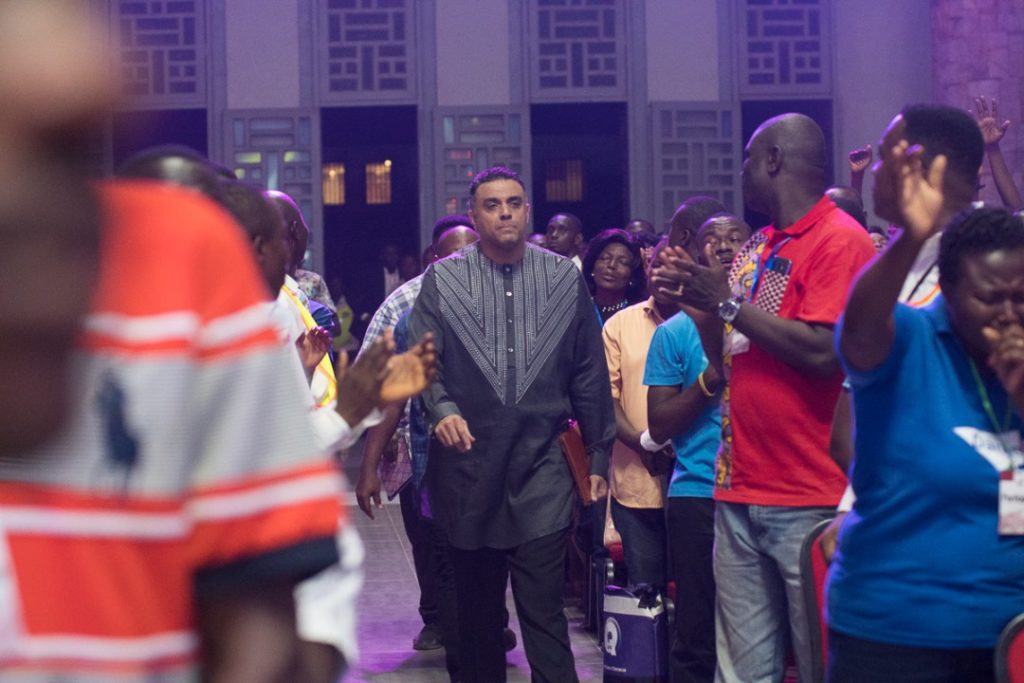
In his usual simple yet anointed and revelatory style, the founder of the United Denominations originating from the Lighthouse group of churches (UD-OLGC), Bishop Dag Heward-mills expounded on the theme, stressing the need to stick to the real gospel.
He explained how the lasts words of many great men in the bible like Paul, James, Peter, Jude and even Jesus himself were centered on soul winning. He further explained that soul-winning must be the priority of the church.

The Harmattan Bible seminar is on for three more days and promises to equip and send out many to the ends of the earth with the unadulterated gospel of Jesus Christ!

Kweku Sampson

Sonny Bello to Feature on Sweet Melodies FM’s Creatives’ Cafe

0

ACCRA, Ghana – Sweet Melodies FM will host international Contemporary Christian Music (CCM) artist and songwriter Sonny Bello on an upcoming edition of Creatives’ Cafe, the station’s arts and entertainment segment on Drive Melodies with Kweku Sampson.

The interview, scheduled for Wednesday, 29 July 2026 at 3:30 PM GMT, will give listeners an opportunity to learn more about Bello’s music ministry, his creative journey, and the inspiration behind his latest single, “Living Word of God.”

Known for blending contemporary Christian music with soulful rock, gospel, funk, and acoustic influences, Sonny Bello has built a ministry centered on proclaiming the Gospel through music. His songs are crafted to encourage believers, inspire worship, and point listeners to Jesus Christ.

During the interview, Bello is expected to discuss the message behind Living Word of God, his experiences as an international recording artist, and his vision for using music as a tool for evangelism and spiritual encouragement.

The appearance forms part of Sweet Melodies FM’s ongoing commitment to providing a platform for Christian creatives whose work is making a positive impact within the Gospel music industry.

Listeners can tune in to Drive Melodies on Sweet Melodies FM 94.3 or watch the interview live on the station’s official digital platforms.

Interview Details

  • Programme: Creatives’ Cafe (on Drive Melodies)
  • Guest: Sonny Bello
  • Host: Kweku Sampson
  • Date: Wednesday, 29 July 2026
  • Time: 3:30 PM GMT
  • Station: Sweet Melodies FM 94.3

Don’t miss this inspiring conversation as Sonny Bello shares the story behind Living Word of God and his passion for spreading the message of Christ through music.

Gambia’s Vice President Hosts Evangelist Dag Heward-Mills at State House

0

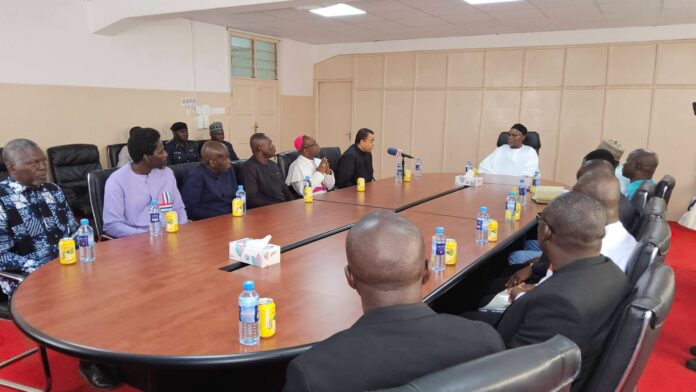
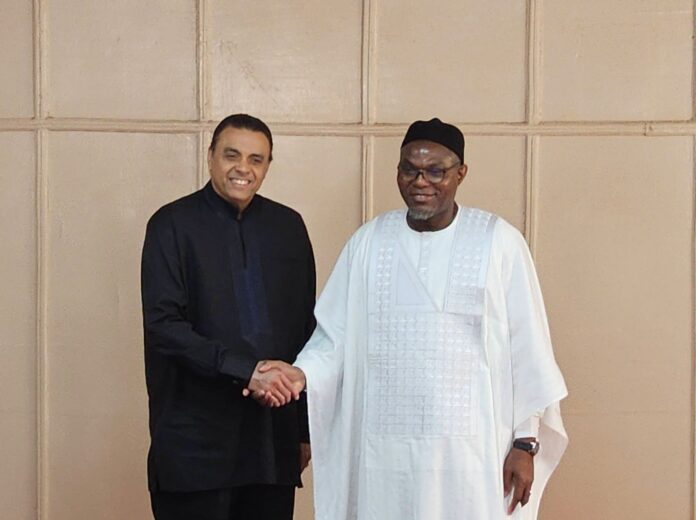
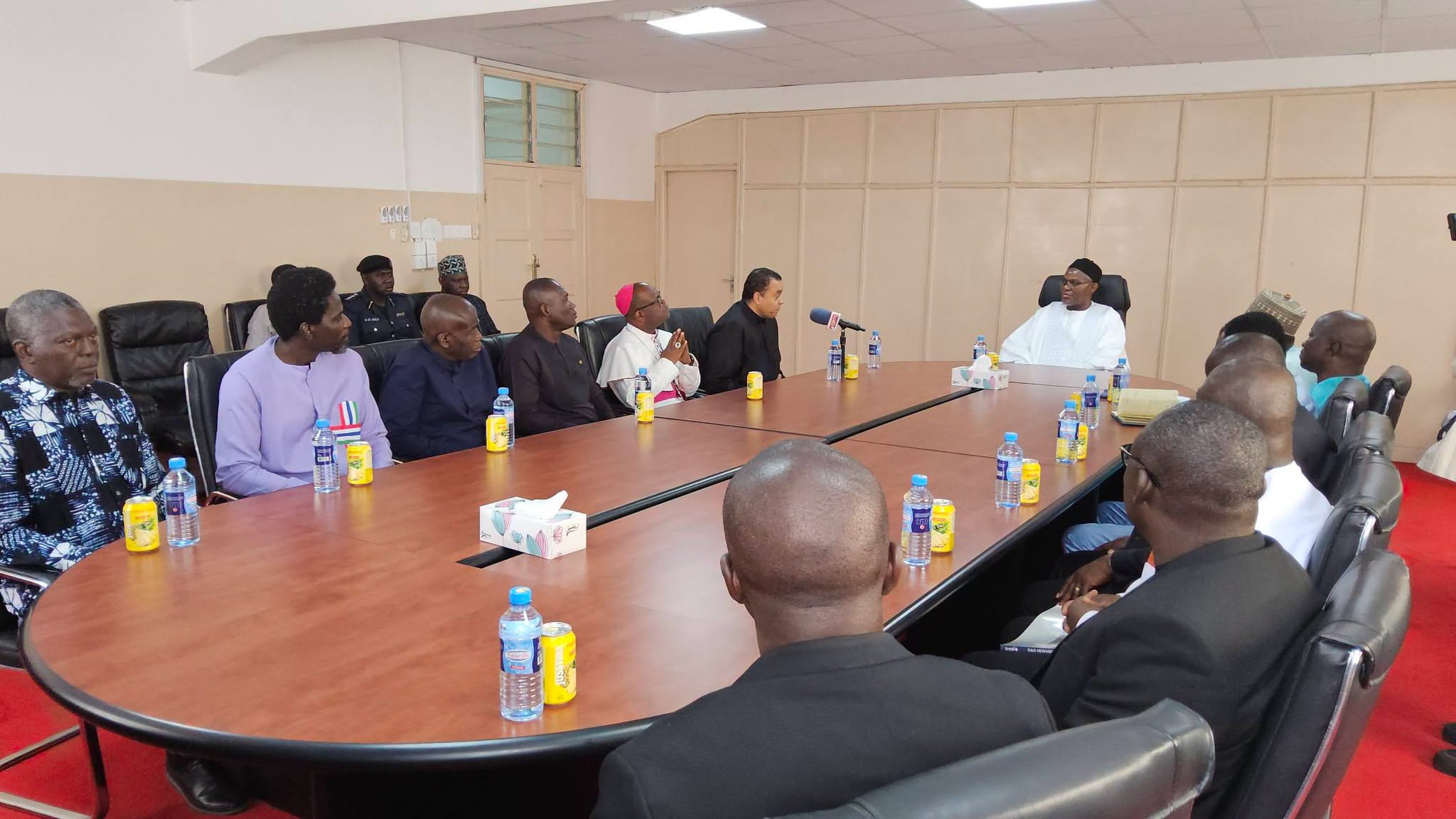
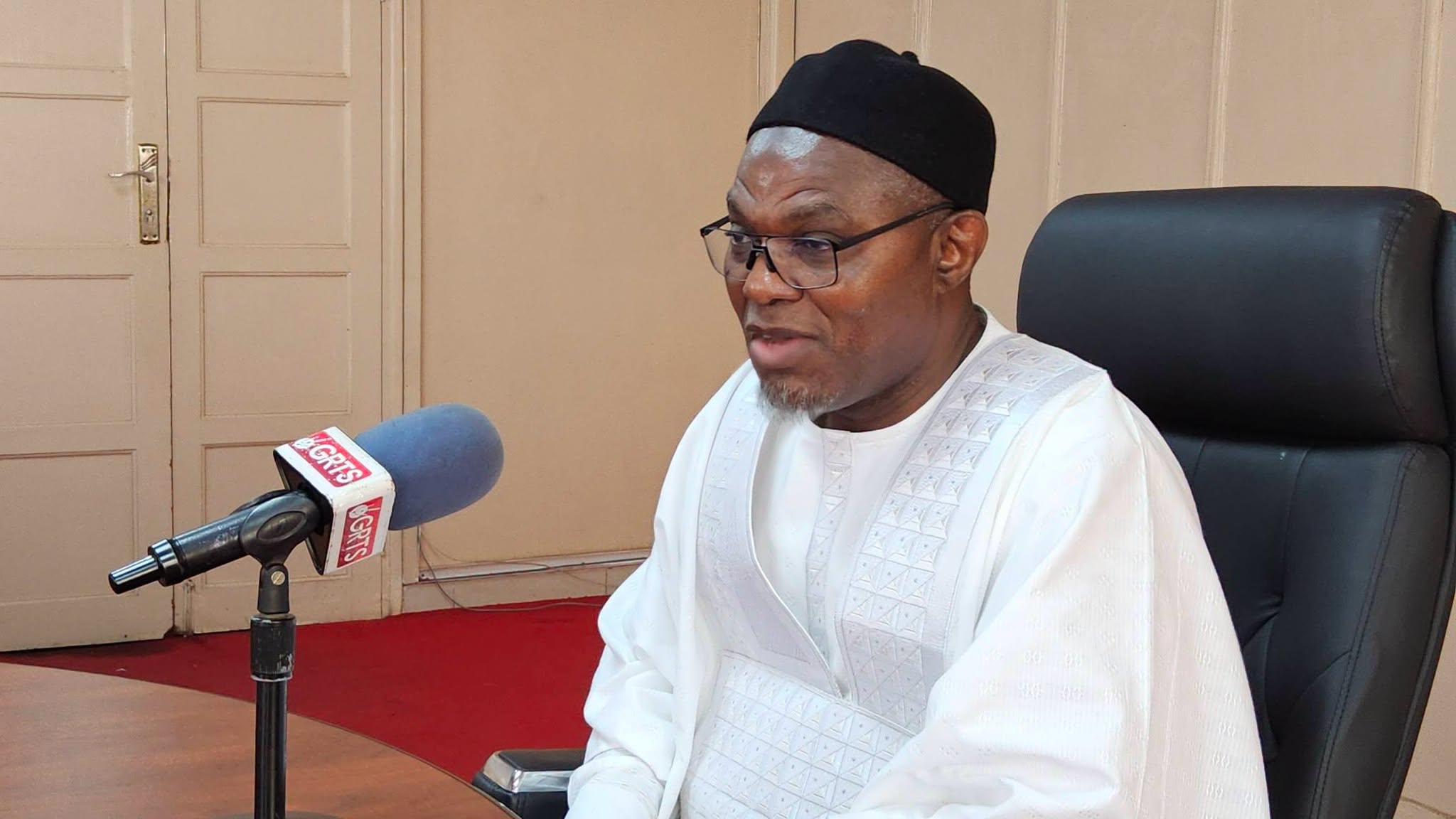
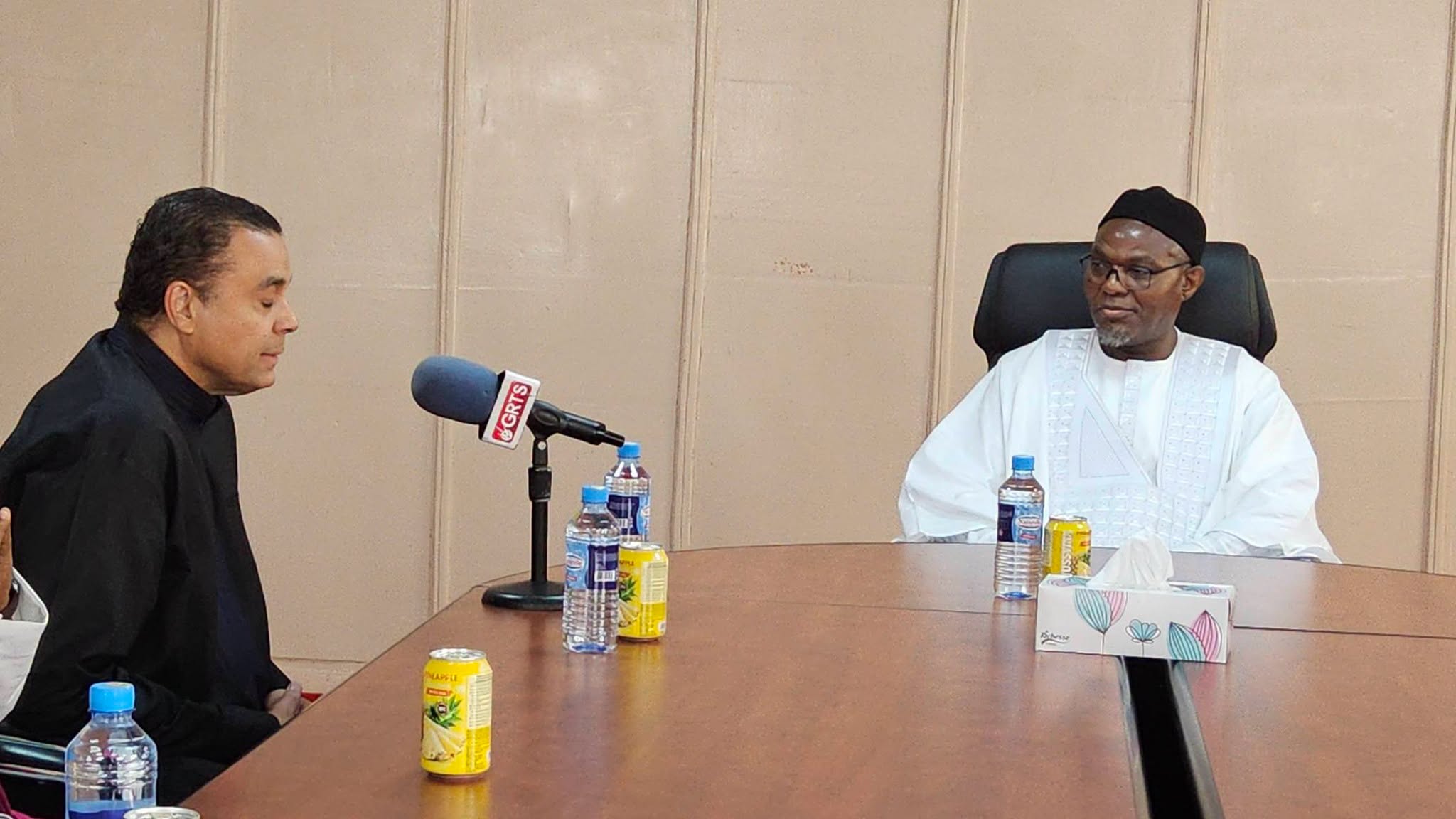
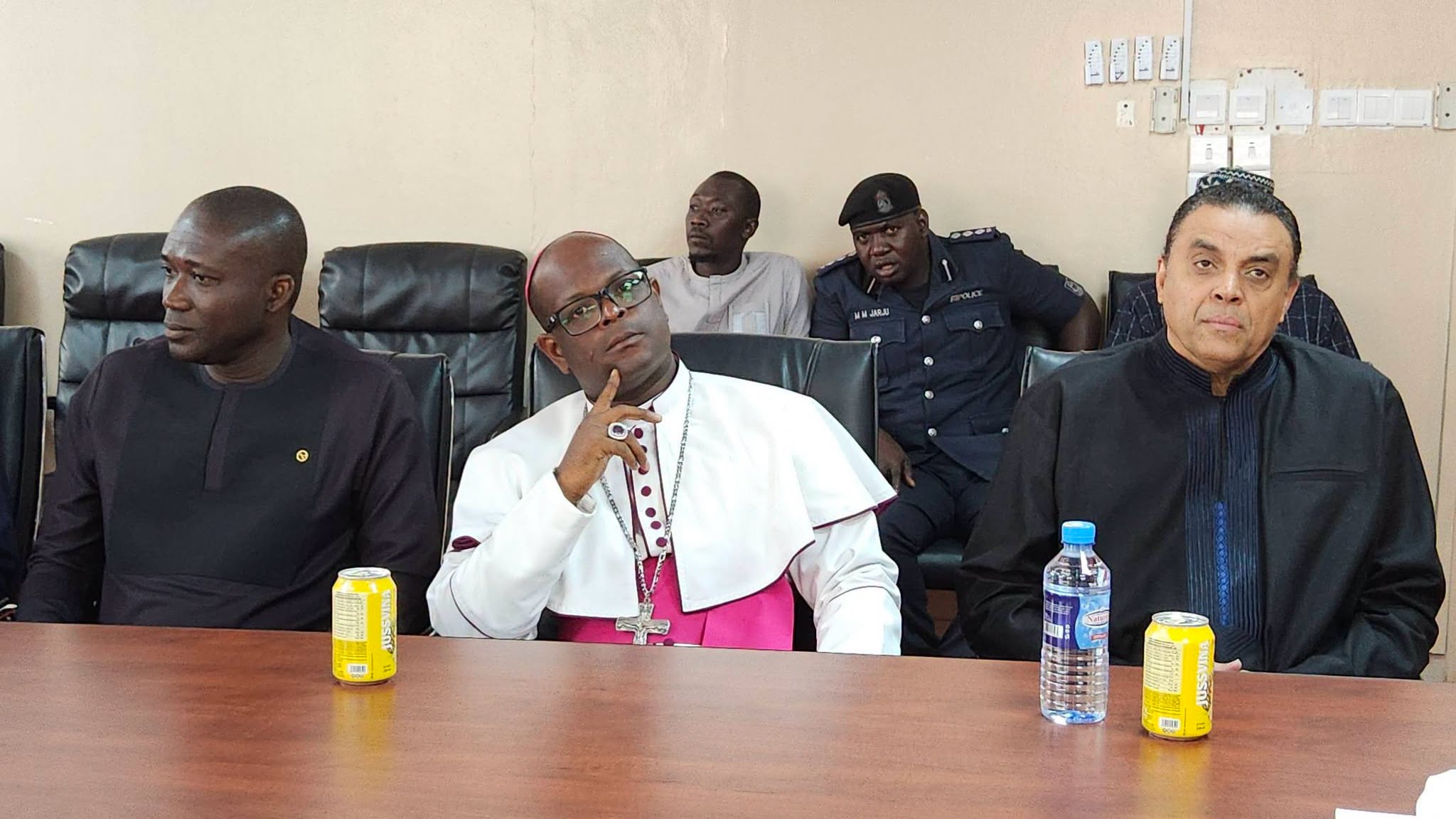
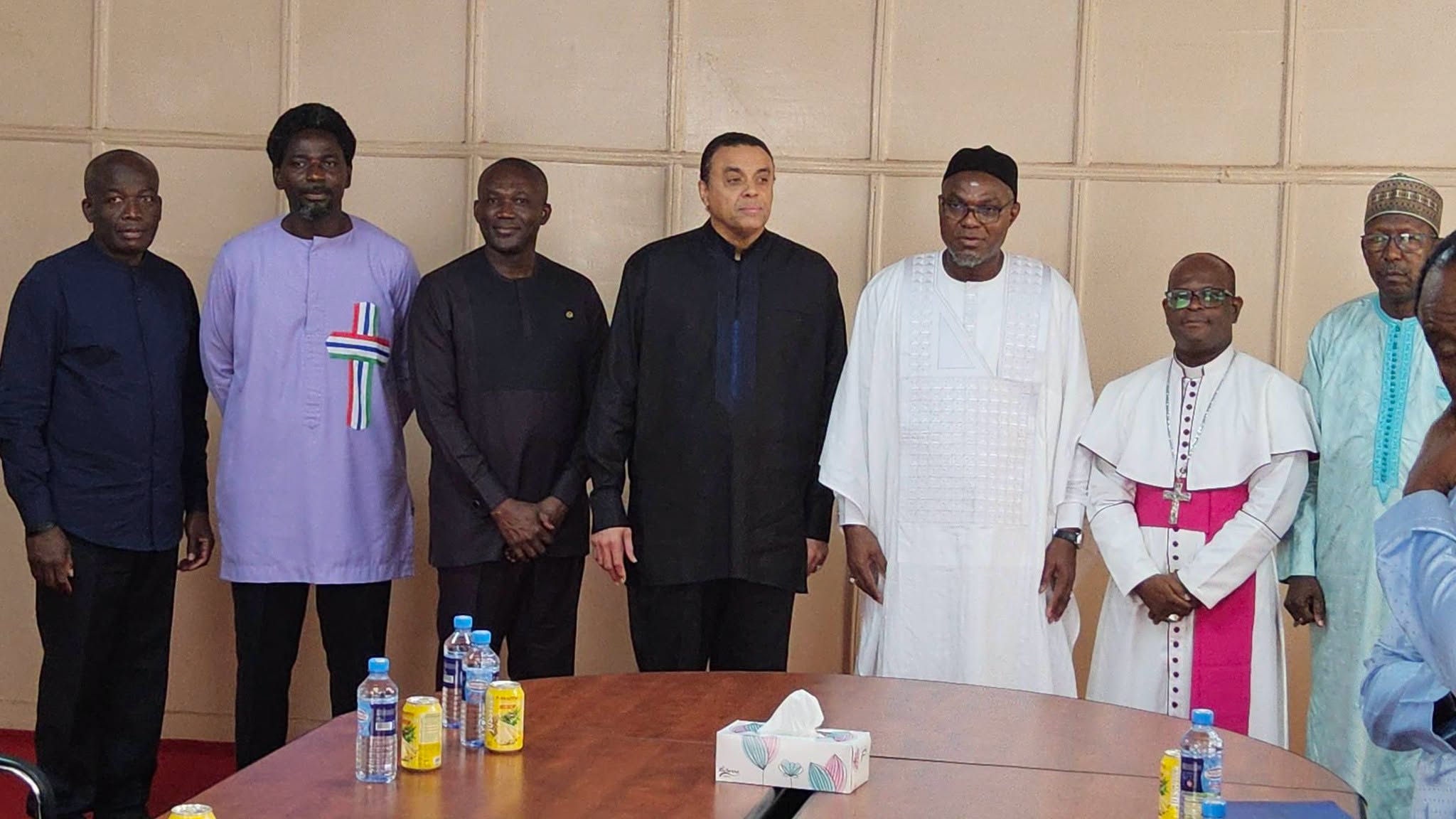
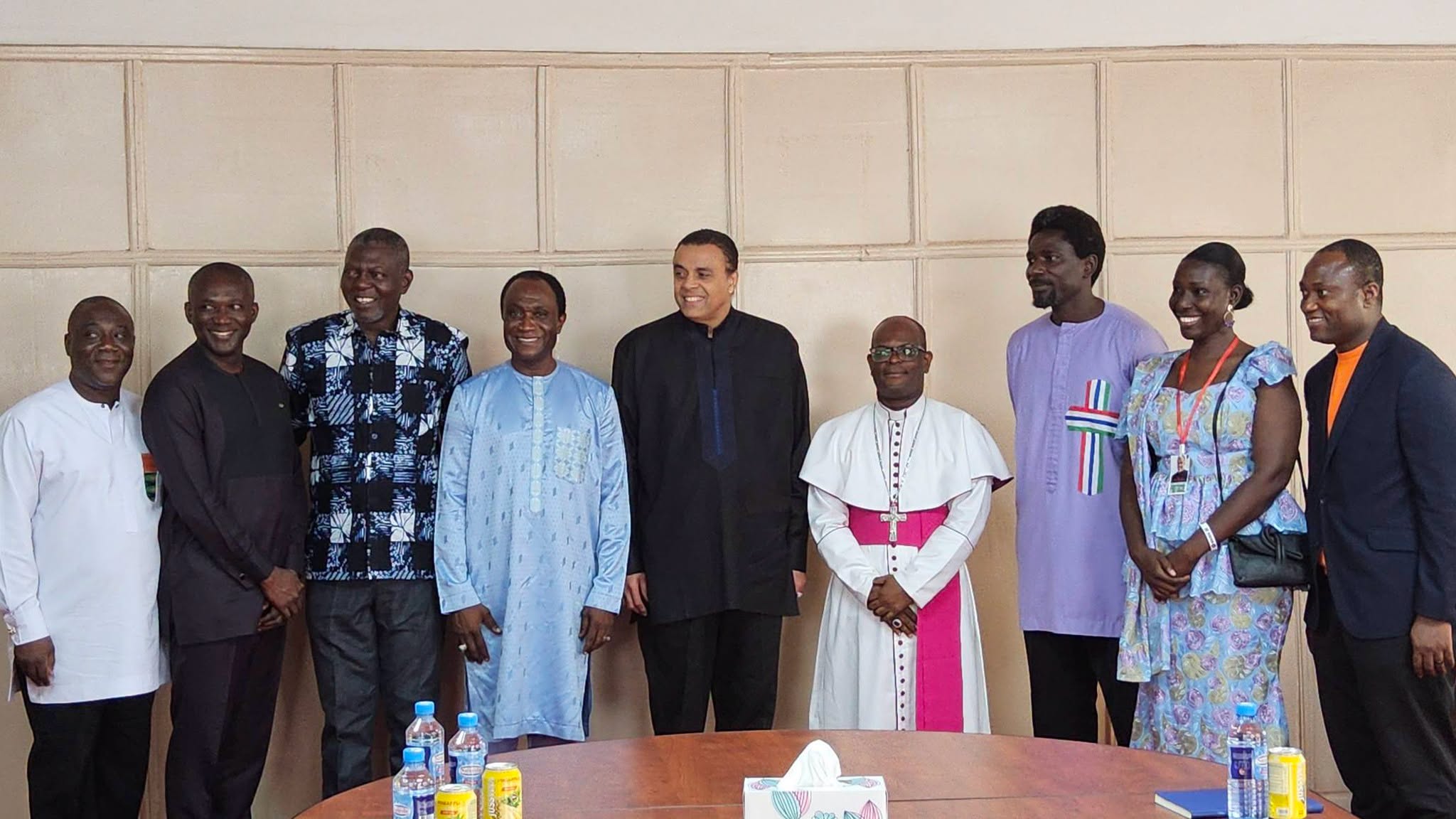
Banjul, The Gambia — Gambian Vice President His Excellency Mohammed B.S. Jallow has received internationally known evangelist and author Dag Heward-Mills and his delegation at the State House in Banjul.

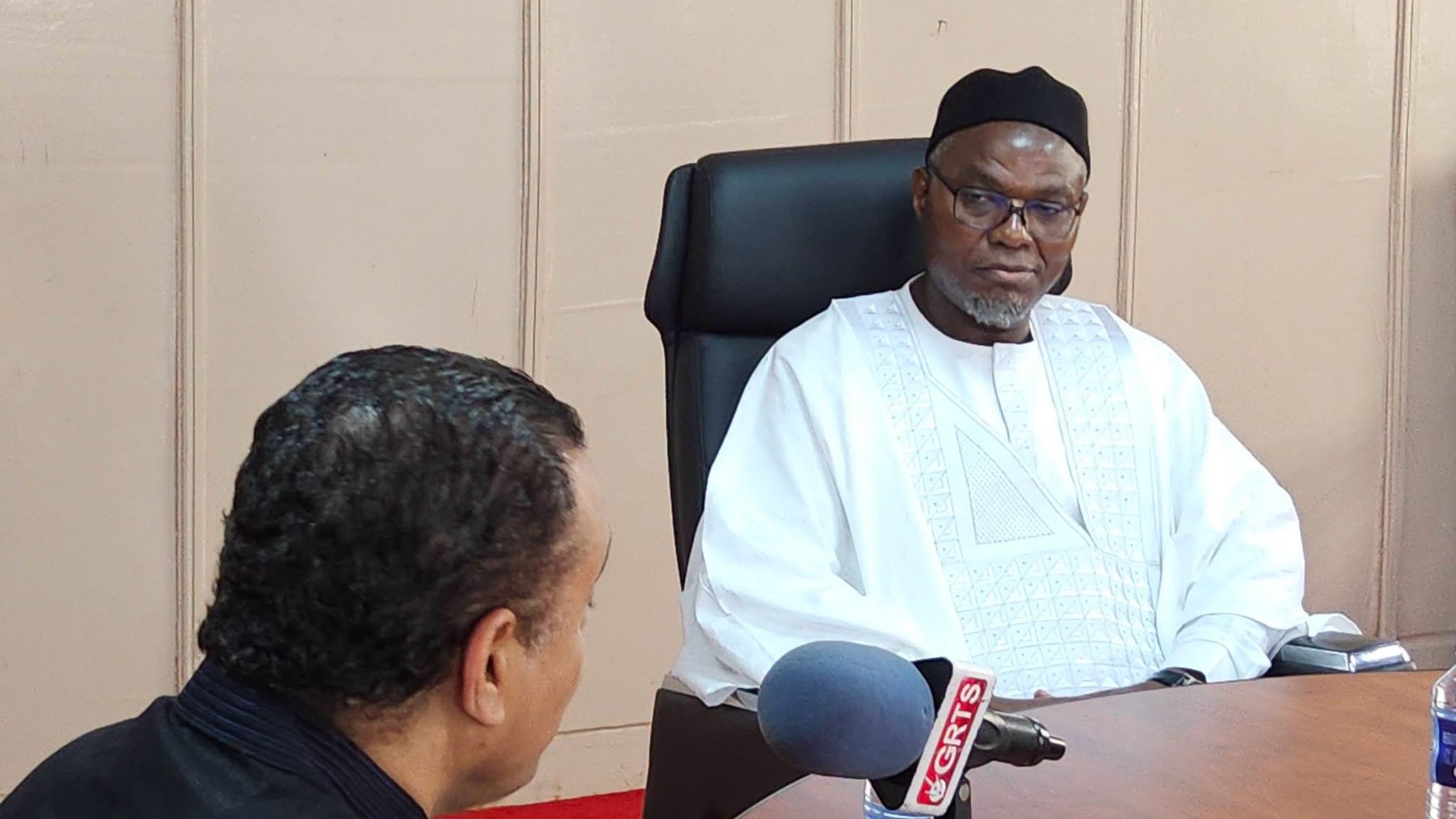
The meeting focused on strengthening religious tolerance and fostering national unity in The Gambia. During the discussions, Vice President Jallow reiterated the government’s commitment to protecting the rights of all religious groups in line with the country’s Constitution.

He emphasized that the government remains dedicated to promoting an environment where people of different faiths can coexist peacefully and freely practise their religion.

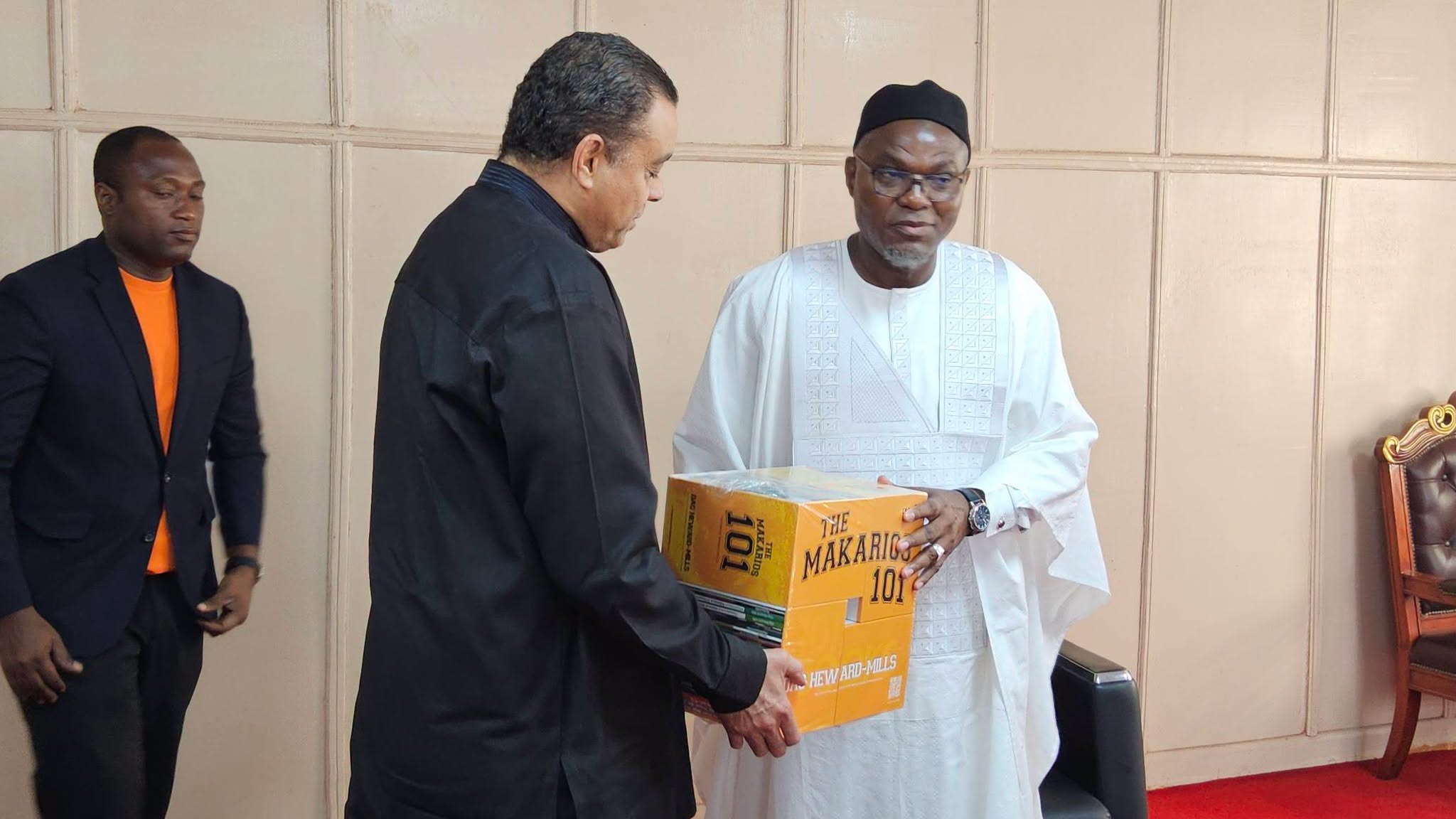
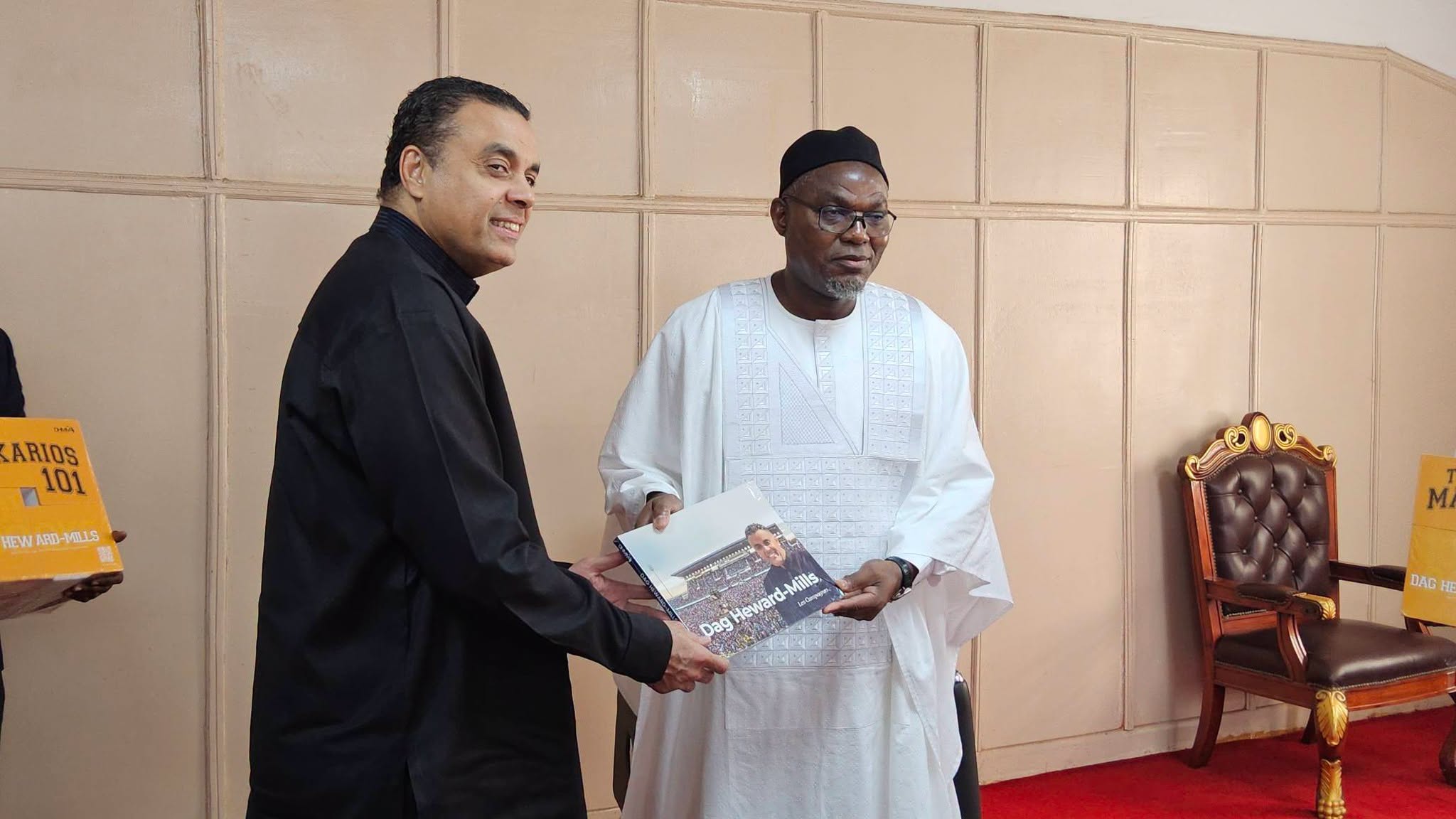
Dag Heward-Mills thanked the Vice President for granting the audience and expressed appreciation for the warm reception. As a gesture of goodwill, he presented copies of some of his published books to the Vice President.

The evangelist also offered prayers for continued peace, stability, and national progress in The Gambia.

The meeting reflects the continued engagement between government leaders and faith-based organisations in advancing peace, religious harmony, and national development.

In Pictures: Dag Heward-Mills Pays Courtesy Call on Gambia’s Vice President

0

Evangelist and author Dag Heward-Mills paid a courtesy visit to The Gambia’s Vice President, His Excellency Mohammed B.S. Jallow, at the State House in Banjul.

The visit brought together the Vice President and the visiting delegation for a meeting that highlighted the importance of religious harmony and national unity. During the engagement, Vice President Jallow reaffirmed the government’s commitment to protecting freedom of religion as guaranteed under The Gambia’s Constitution.

As part of the visit, Dag Heward-Mills presented copies of his published books to the Vice President and prayed for continued peace, stability, and progress for The Gambia.

Scroll through the photos below for highlights from the courtesy visit.

From cage to choice: Ghana’s poultry industry urged to embrace humane egg production  – A feature by Dr Emmanuel Nyamekye

0

At dawn in a bustling Accra neighbourhood, a food vendor arranges boiled eggs on a tray as the first wave of commuters gathers. The routine is familiar – drivers, traders and office workers pause briefly for kosua ne mako, a simple meal of sliced egg and pepper that fuels the start of their day. Coins exchange hands, eggs are peeled in seconds, and the pace of the city continues.

​For many, it is just breakfast – affordable, reliable, and comforting. But behind that everyday staple lies a question rarely considered: what kind of life did the hen that laid that egg live? In the rush of daily life, the connection between the plate and the production system is often invisible. Yet it is this unseen reality that is increasingly drawing attention within Ghana’s poultry industry.

​Hen Welfare, Cage-Free Alternatives & the Global Shift

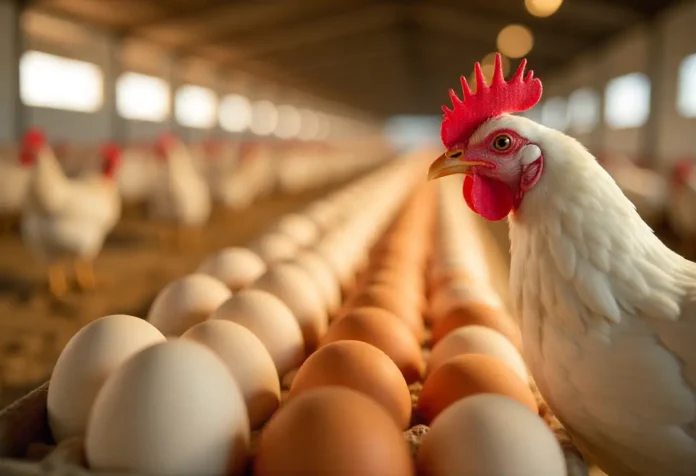
​Battery cage systems, which dominate commercial egg production in Ghana, are designed for the efficiency of keeping hens in smaller spaces. Rows of wire cages stacked in tiers house multiple hens in extremely confined spaces – sometimes each bird has less room than an A4 sheet of paper.

​While this system has enabled high levels of production, it comes at a cost to society. The cramped conditions prevent hens from performing natural behaviours such as spreading their wings, perching, nesting or dust bathing. The consequences are both physical and psychological, including injuries like broken bones and foot lesions, as well as stress caused by prolonged confinement.

​These conditions fall short of the internationally recognised “Five Freedoms” of animal welfare, which emphasise that animals should be free from pain, discomfort and distress, and able to express natural behaviour.

​At the same time, demand for poultry products in Ghana is rising sharply. According to data cited in the article, per capita poultry consumption increased from 5.5 kilogrammes in 2016 to 13.7 kilogrammes in 2021, reflecting both population growth and changing dietary preferences.

​Alongside this growth, consumer awareness is gradually evolving. Evidence indicates that 80.3 per cent of surveyed Ghanaians support egg labelling systems, while 68.2 per cent say such labels would influence their purchasing decisions.

​This signals a broader shift. Increasingly, consumers are not only interested in the availability and price of food, but also in how it is produced. The story behind the product is becoming as important as the product itself.

​Globally, this shift is already reshaping the poultry industry. Governments across Europe, the Americas and parts of Asia are phasing out battery cages, while hundreds of multinational food companies have committed to sourcing only cage-free eggs.

​In some countries, the transition is complete. Sweden, for instance, has reached 100 per cent cage-free egg production as of 2025, marking a significant milestone in animal welfare reform.

​These developments are not merely ethical; they are economic. Markets that prioritise animal welfare are increasingly setting the standards for trade. For Ghana, which seeks to strengthen its agricultural exports and reduce dependence on imports, this presents both a challenge and an opportunity.

​Cage-free systems offer a practical alternative. In these systems, hens are provided with space to move freely and facilities that enable natural behaviours – such as perches for roosting, nests for laying eggs and littered floors for scratching and dust bathing.

​The benefits extend beyond welfare. Healthier, less stressed birds tend to have stronger immunity, reducing disease rates and the need for routine medication. For farmers, this can translate into more consistent production, fewer losses and improved long-term returns.

​For businesses along the value chain, the implications are significant. Food companies and retailers can build consumer trust through transparent sourcing practices, while hotels and restaurants- particularly those serving international clientele – can align with global expectations of ethical procurement.

​Major global brands, including Yum! Brands, Nestlé and Unilever, have already made public commitments to cage-free sourcing, highlighting the direction in which the industry is moving.

​For Ghana’s hospitality sector, where reputation and quality are key, adopting such standards could enhance competitiveness and appeal to a growing segment of ethically conscious consumers and international guests.

​Ultimately, the issue of hen welfare is not only about the treatment of animals; it is about the future of Ghana’s poultry industry. As global markets continue to evolve, production systems that do not meet emerging standards risk being left behind.

​Aligning with these changes could position Ghana as a competitive player in the global food economy, opening new opportunities for export and investment while strengthening domestic production.

​The egg on the breakfast plate may appear ordinary, but it represents a much larger system – one that connects farmers, businesses, consumers and global markets. Improving the conditions under which hens are raised is not merely an ethical consideration; it is a strategic investment in sustainability, credibility and growth.

​As the morning rush in Accra continues and another plate of kosua ne mako is served, the question lingers quietly in the background: in the future, what story will that egg tell about how it was produced?

Edited by Beatrice Asamani Savage

Understanding Ghana’s Economy: Key Challenges and Opportunities for 2026

0

ACCRA, Ghana — Ghana’s economy is showing encouraging signs of recovery in 2026 after navigating one of its most difficult economic periods in recent history. While inflation has eased, investor confidence has improved, and growth projections have been revised upward, economists caution that many households and businesses are yet to experience the full benefits of the country’s macroeconomic recovery.

The economy entered 2026 on a stronger footing following reforms under the International Monetary Fund (IMF)-supported programme, progress in debt restructuring, improved fiscal discipline, and increased foreign exchange stability. International financial institutions now project Ghana’s economy to grow by approximately 4.8 to 5.0 percent this year, reflecting renewed confidence in the country’s economic direction.

However, beneath the positive macroeconomic indicators lies a more complex reality for businesses and ordinary Ghanaians.

Economic Recovery Becomes More Visible

Over the past three years, Ghana has undertaken significant fiscal reforms aimed at restoring macroeconomic stability after the severe economic crisis experienced between 2022 and 2024.

Government spending controls, improved domestic revenue mobilisation, debt restructuring, and tighter monetary policies have contributed to declining inflation and a more stable financial environment.

According to the IMF, Ghana’s real Gross Domestic Product (GDP) is projected to expand by about 4.8 percent in 2026, while average inflation is expected to remain in single digits after falling dramatically from the highs recorded during the crisis.

The World Bank has also upgraded Ghana’s 2026 growth forecast to 4.8 percent, citing stronger macroeconomic fundamentals and sustained reform efforts despite continued global uncertainties.

The African Development Bank (AfDB) is even more optimistic, projecting growth of about 5.0 percent this year and 5.4 percent in 2027, provided current reforms continue and external risks remain manageable.

Why Many Ghanaians Still Feel the Pressure

Despite improving national statistics, the cost of living remains one of the biggest concerns for many households.

Although inflation has slowed considerably, prices of food, transportation, rent, healthcare, education, and utilities remain significantly higher than they were before the economic crisis. Economists note that lower inflation simply means prices are rising more slowly—it does not mean prices have returned to previous levels.

Many workers continue to struggle with purchasing power as wage growth has not kept pace with the cumulative increase in living costs experienced over the past several years.

Small businesses are also navigating higher operating costs, including electricity, transportation, imported raw materials, and financing expenses.

Exchange Rate Stability Brings Relief

One of the strongest indicators of Ghana’s improving economic outlook has been the relative stability of the Ghana Cedi.

Following periods of sharp depreciation during the crisis years, improved foreign exchange inflows, stronger export earnings, and prudent monetary policy have helped stabilise the currency.

A more stable exchange rate has reduced uncertainty for importers and businesses that depend heavily on foreign goods and machinery. It has also contributed to easing inflationary pressures across several sectors of the economy.

Nevertheless, analysts warn that Ghana remains exposed to external shocks, including fluctuations in global commodity prices, energy costs, and international financial markets.

Private Sector Remains Central to Growth

Economists increasingly agree that Ghana’s long-term growth will depend less on government spending and more on private sector expansion.

Small and medium-sized enterprises (SMEs), which account for a significant share of employment in Ghana, continue to face challenges accessing affordable credit due to relatively high lending costs and strict financing requirements.

Business organisations have repeatedly called for policies that improve access to capital, reduce the cost of doing business, simplify tax administration, and encourage investment in productive sectors.

Agriculture Continues to Offer Major Opportunities

Agriculture remains one of Ghana’s most important economic sectors, employing millions of people directly and indirectly.

Experts believe significant opportunities exist in:

  • Food processing
  • Poultry production
  • Aquaculture
  • Greenhouse farming
  • Cocoa value addition
  • Export-oriented agribusiness
  • Agricultural technology

With growing demand for processed foods both locally and internationally, value addition is increasingly viewed as one of Ghana’s most promising economic opportunities.

Technology Sector Continues to Expand

Ghana’s digital economy has continued its steady expansion.

Technology-driven businesses are creating employment opportunities in software development, cybersecurity, artificial intelligence, digital marketing, financial technology (fintech), cloud computing, e-commerce, and business automation.

Government digitalisation initiatives, expanding internet access, mobile money adoption, and increasing demand for online services continue to support the sector’s growth.

Industry observers believe technology will remain one of the country’s fastest-growing industries over the next decade.

Manufacturing and Industrialisation Gain Momentum

Manufacturing continues to receive increased attention as Ghana seeks to reduce dependence on imports.

Investments in food processing, pharmaceuticals, textiles, construction materials, packaging, plastics recycling, and consumer goods manufacturing are expected to contribute to job creation and export growth.

International development partners have also highlighted manufacturing as a critical pillar of Ghana’s long-term economic transformation.

Tourism Recovery Creates New Business Opportunities

The tourism and hospitality sectors continue to recover following previous global disruptions.

Heritage tourism, cultural festivals, conferences, domestic travel, and eco-tourism are generating renewed interest from investors.

Businesses operating in accommodation, transport, entertainment, restaurants, tour operations, and creative arts are expected to benefit from increased visitor activity.

Global Risks Still Pose Threats

Despite Ghana’s improving outlook, international developments continue to influence the country’s economy.

The IMF has warned that slower global growth, geopolitical tensions, rising energy prices, and disruptions to international trade could negatively affect developing economies, including Ghana.

As an importer of fuel, machinery, pharmaceuticals, and several industrial inputs, Ghana remains vulnerable to external price shocks.

Economists therefore stress the importance of maintaining prudent fiscal policies while strengthening domestic production and export diversification.

Looking Ahead

While Ghana’s economic recovery appears increasingly evident in national indicators, translating macroeconomic stability into improved living standards remains the country’s next major challenge.

The coming years are expected to test the resilience of ongoing reforms, particularly as policymakers seek to create more jobs, improve productivity, strengthen local industries, and attract greater private investment.

For businesses, investors, and young professionals, the changing economic environment presents both challenges and opportunities. Those able to embrace innovation, invest in skills, adopt technology, and respond to evolving market demands are likely to be better positioned in Ghana’s next phase of economic growth.

As Ghana continues its journey toward sustainable recovery, economists agree on one point: maintaining fiscal discipline, encouraging private enterprise, and expanding productive sectors will be essential to ensuring that economic growth translates into tangible improvements in the lives of ordinary citizens.

The 24-hour market project signals new era of commerce in Atwima Kwanoma – DCE 

0

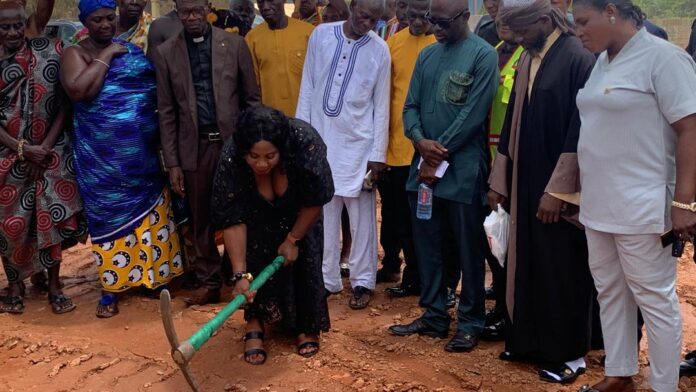
Mrs Grace Agyemang Asamoah, the District Chief Executive (DCE) for Atwima Kwanoma, has described the ground-breaking ceremony for the construction of a modern 24-hour economy market project as a new era of commerce and economic transformation for the district. 

She said the facility, when completed, would unlock enormous economic opportunities for traders, farmers, artisans, and transport operators, while positioning Twedie as a strategic commercial hub in the Ashanti Region. 

According to her, the project represented a major step towards realising the Government’s 24-hour economy agenda aimed at stimulating continuous economic activity, creating jobs, and boosting local economic growth. 

“We are not just breaking ground; we are breaking boundaries,” she stated, describing the project as a transformational intervention that would redefine commerce within the district. 

Mrs. Asamoah noted that for decades, economic activities in local markets had been constrained by limited operating hours, with businesses shutting down at sunset and valuable opportunities being lost. 

She said the new market would change the narrative by providing infrastructure that would support trading activities throughout the day and night. 

“Today, we are embracing a new era. The 24-hour economy is no longer an idea reserved for major cities alone; today, we are bringing it directly to the people of Twedie and the entire Atwima Kwanoma District,” she stated. 

The DCE said the project would create opportunities for increased trade, improved household incomes, sustainable youth employment, and enhanced economic resilience. 

She explained that the modern market would comprise 132 lockable shops, 132 sheds and open trading spaces, warehouses, a cold store facility, a lorry terminal, food courts, livestock trading areas, a supermarket, and a women’s bank. 

Other facilities would include a six-bed clinic and pharmacy, a police post, fire station facilities, sanitation infrastructure, hostel accommodation, and disability-friendly amenities. 

Mrs. Asamoah said the facility would particularly benefit farmers in surrounding communities by providing a continuous market for agricultural produce and reducing post-harvest losses. 

She said the project was expected to generate direct and indirect jobs, promote agribusiness and entrepreneurship, increase internally generated revenue for the Assembly, and improve sanitation and public safety. 

The DCE appealed to the contractor to deliver quality work and complete the project on schedule to meet the expectations of residents. 

She also urged community members to support and safeguard the project throughout the construction period, stressing that its long-term benefits would outweigh any temporary inconveniences. 

Lower Pra Community Bank records 61% profit growth 

0

The Lower Pra Community Bank PLC in the Shama District of the Western Region recorded strong financial performance in the year 2025.  

Profit before tax rose to GH¢35.1 million, representing a 61.14 per cent increase over the previous year. Total assets also grew by 30 per cent from GH¢379 million in 2024 to GH¢491.7 million in 2025. 

The bank’s Capital Adequacy Ratio stood at 22.17 per cent, surpassing the Bank of Ghana’s regulatory requirement of 13 per cent. 

Madam Felicia Aba Dawood, Chairperson of the Board of Directors, announced this at the 38th Annual General Meeting of the bank. 

She attributed the growth to strong recovery efforts, prudent management practices, and strategic repositioning. 

Madam Dawood said the bank had repositioned itself to improve loan accessibility, enhance operational efficiency, and expand digital income streams to protect profitability and shareholder value, adding that it would remain vigilant in sustaining the gains. 

She noted that the Non-Performing Loans (NPL) ratio stood at 3.29 per cent, reflecting prudent credit administration and effective loan recovery efforts. 

The bank also invested GH¢457,000 in Corporate Social Responsibility initiatives, including education, sanitation, community development, and social support programmes. 

Madam Dawood said the bank received several prestigious awards, including the Osagyefo Dr. Kwame Nkrumah Africa Leadership Award. 

She added that under the Bank of Ghana’s revised Microfinance Sector Framework, Lower Pra is required to maintain enhanced minimum capital requirements applicable to community banks. 

To support this requirement, the Board has proposed converting dividend payments into shares. 

Mr Ernest Nii Tackie-Otoo, Chief Executive Officer of the bank, said the institution had overcome numerous challenges. 

“Today, through the support of our stakeholders and customers, Lower Pra has recorded one of the most remarkable transformations in recent times,” he said. 

Madam Francisca Dedei Afutu, Head of the Human Capital Department at ARB Apex Bank PLC, commended the Board, Management and Staff of the bank for the strong financial performance during the year under review. 

Ghana, UK sign multi-million pounds sterling  partnership to boost investments, growth  

0

Ghana and the United Kingdom have signed a landmark Growth Partnership agreement aimed at accelerating job creation, strengthening infrastructure, and enhancing skills development in Ghana. 

The agreement, signed during President John Dramani Mahama’s official visit to the UK, sets out a framework for cooperation between the two countries from 2026 to 2028, with a strong focus on private sector-led growth, increased trade, and investment mobilisation. 

A release issued by the British High Commission in Accra, and shared with the Ghana News Agency, provided details on the framework of the partnership agreement.  

The partnership builds on deals worth up to £215 million concluded at the Ghana Investment Summit in London and is expected to deliver tangible benefits to businesses and citizens across the country. 

Dr Christian Rogg, the British High Commissioner to Ghana, described the partnership as a catalyst for inclusive and sustainable growth. 

“This Growth Partnership is about real change people can see and feel. It means more skilled jobs, stronger ports and transport links, better access to finance, and new opportunities for young people and women across Ghana,” he said. 

He added that the UK remained committed to supporting Ghana’s development priorities through long-term cooperation and private sector engagement. 

The agreement comes as Ghana and the UK mark five years of their Trade Partnership Agreement, under which bilateral trade has grown to approximately £1.6 billion, reflecting a 12.5 per cent increase since 2024. 

Four key priority areas have been identified under the agreement notably attracting private investment, easing trade for Ghanaian businesses, supporting infrastructure and industrial growth, and expanding education and skills development. 

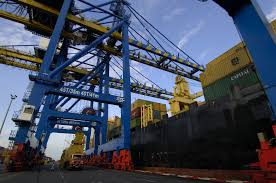
A major highlight of the partnership is a 101 million pounds UK-supported project to establish the Takoradi Floating Dock (ShipRite), the first commercial-scale ship repair and dry-docking facility in the Gulf of Guinea. 

The project, being implemented in collaboration with the Ghana Ports and Harbours Authority (GPHA) and a consortium of international investors, is expected to create up to 430 direct jobs, with about 30 per cent reserved for women. 

 It will also position Ghana as a regional maritime hub while reducing emissions linked to long-distance vessel travel. 

The agreement also includes a five- million pounds Green Project Preparation Facility to support the development of climate-aligned infrastructure. 

 The initiative, hosted by Financial Sector Deepening Africa in partnership with the Ghana Infrastructure Investment Fund (GIIF), is projected to unlock up to £180 million in investment over the next three years. 

 Mere Plantations announced plans to launch an £85-million reforestation investment fund to be listed on the London Stock Exchange. 

 The fund, backed by the Ghana Forestry Commission, will support large-scale reforestation, create jobs, and attract international capital into Ghana’s green economy. 

Additionally, Rainforest Builder will inject nine million pounds into forest restoration efforts in the Oti Region, contributing to environmental protection and livelihoods. 

The partnership also places strong emphasis on technology and human capital development.  

A six-million pounds UK-backed initiative will support the implementation of Ghana’s Artificial Intelligence (AI) Strategy, alongside new science collaborations between universities in both countries. 

Ten new physics partnerships have already been funded to deepen research collaboration and innovation. 

In the education sector, new Transnational Education guidelines will pave the way for stronger partnerships between UK and Ghanaian institutions, improving access to quality higher education and training. 

A four-million pounds five-year programme will deliver specialised clinical engineering training in Ghana through a collaboration between a UK training provider and local firm Mangel Klicks, strengthening healthcare delivery and technical capacity. 

President Mahama holds bilateral talks with UK Prime Minister Keir Starmer

0

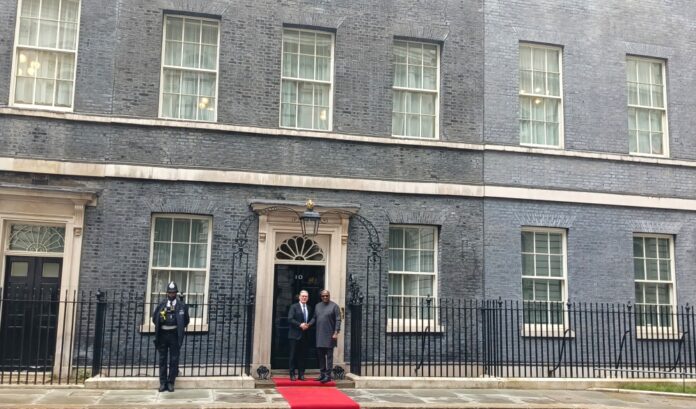
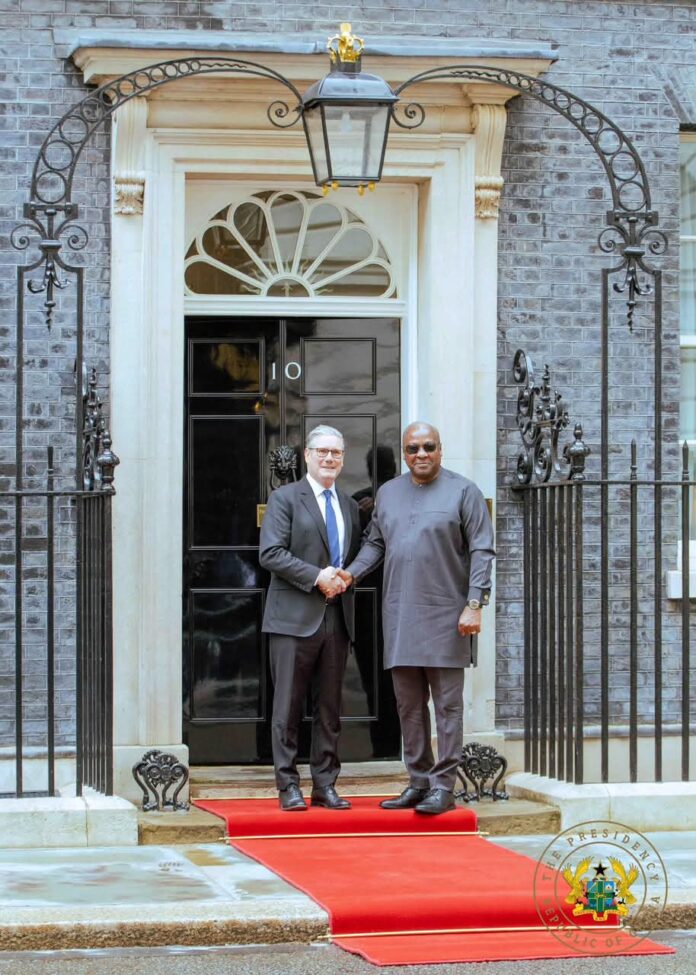
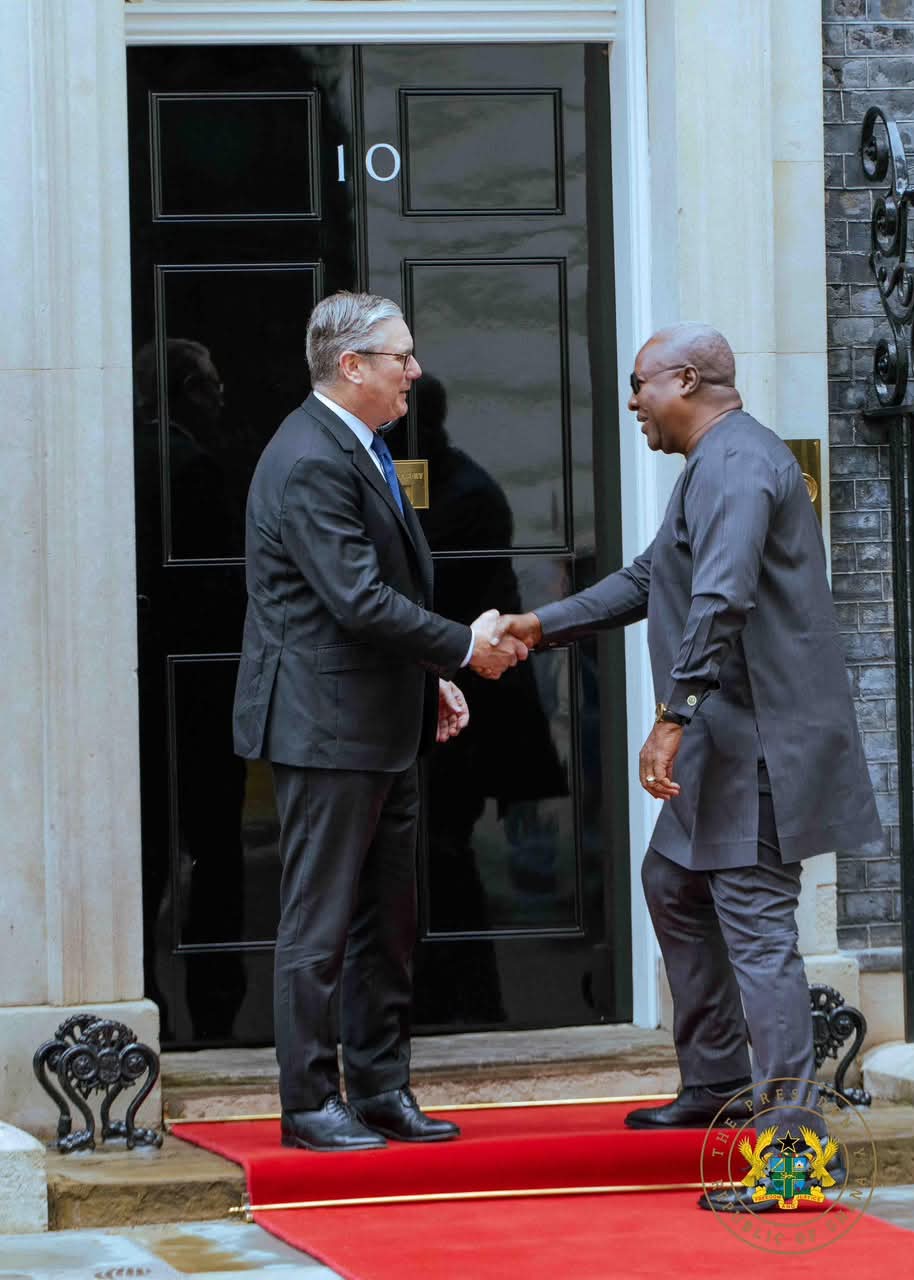
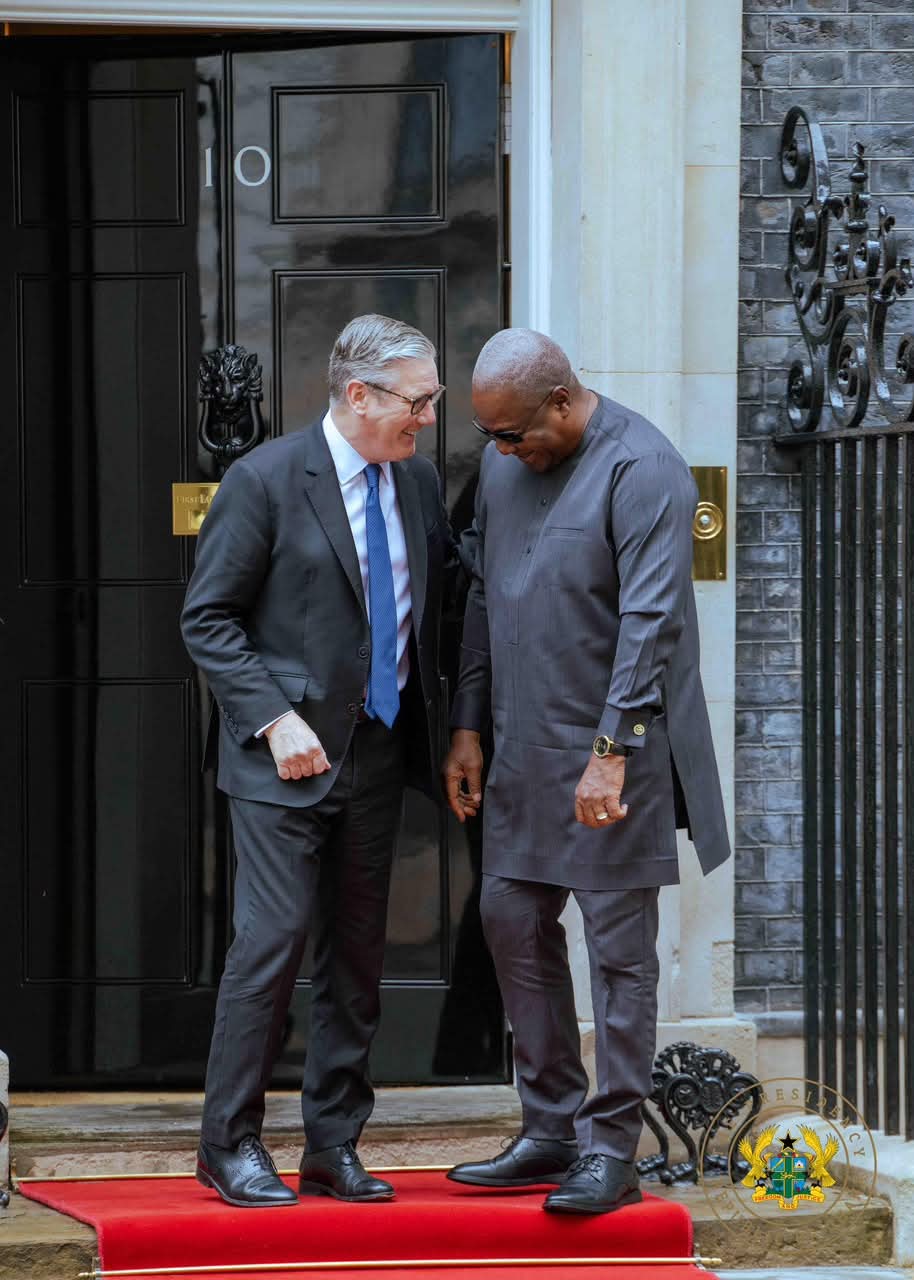
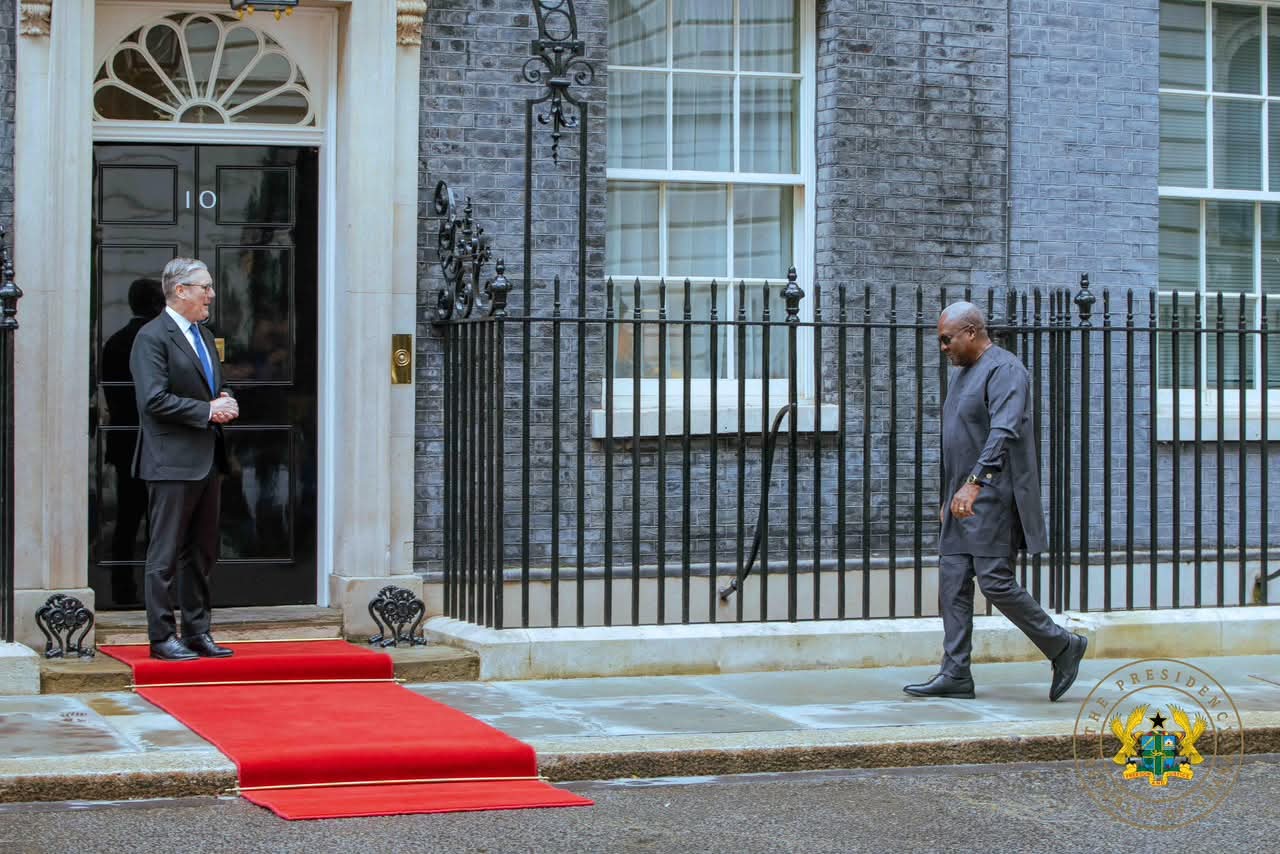
President John Dramani Mahama on Tuesday held a breakfast meeting with the United Kingdom Prime Minister Keir Starmer discussions on strengthening Ghana–UK relations, deepening economic cooperation, expanding trade and investment opportunities, and advancing shared development priorities.

The meeting took place at Number 10 Downing Street in London; forms part of President Mahama’s five-day official visit to the UK.

The President was accompanied by Dr Cassiel Ato Baah Forson, Minister of Finance; Mrs Elizabeth Ofosu-Adjare, Minister of Trade, Industry and Agribusiness, and Mrs Sabah Zita Benson, Ghana’s High Commissioner to the UK and Ireland.

Prior to the courtesy call on the Prime Minister, Ghana and the UK signed a landmark UK-Ghana Growth Partnership during the Ghana-UK Investment Summit, as a roadmap for 2026–2028.

It aims to deliver tangible benefits for Ghanaians and businesses operating in our country.

President Mahama said deals worth up to £215 million stand at the centre of their collaboration with the UK.

He said prioritising private-sector growth, infrastructure, and skills development for the youth would prepare the youth to compete globally.

“A groundbreaking £101 million UK-backed initiative as part of the partnership, will create the Gulf of Guinea’s very first commercial-scale ship repair and dry-docking facility,” the President said.

“Set to generate up to 430 direct jobs, including 30 per cent reserved for women, the Takoradi Floating Dock Project will propel Ghana to the forefront of regional maritime hubs.”

President Mahama said the Partnership was unlocking millions in climate-aligned infrastructure, propelling an £85 million reforestation fund and an exciting £9 million investment dedicated to forest restoration in the Oti Region.

He said these transformative projects would generate local jobs and safeguard our environment.

The President said even more exciting, a £6 million partnership would support the implementation of the Ghana AI Strategy and energise science and technology collaboration across their universities.

“In the health sector, our systems will be transformed by a £4 million partnership for specialist clinical engineering training.” He stated.

The President said new transnational education guidelines would also be launched to open up outstanding opportunities for Ghanaian students to access world-class training.

Mahama engages Chatham House on Ghana’s Strategic Priorities  

0

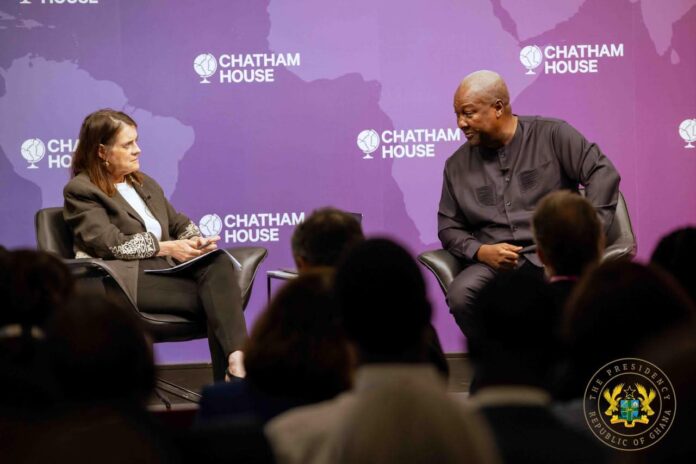
President John Dramani Mahama on day three of his five-day official visit to the United Kingdom engaged Chatham House in London on “Navigating a Changing Global Order: Ghana’s Strategic Priorities”.  

Chatham House is a world-leading policy institute devoted to addressing geopolitical challenges and international problems.  

The President in his presentation outlined Ghana’s vision for a more equitable, inclusive, and representative international system.  

He said for more than a century, Chatham House had shaped critical conversations on international affairs, diplomacy, governance, and the global order.   

He said at moments of profound global transition, institutions such as the Chatham House remained more important as they provided intellectual space not merely to interpret change, but to interrogate its consequences and help shape its direction.   

The President reiterated Ghana’s support for comprehensive reform of the United Nations system, particularly equitable representation for Africa on the UN Security Council.  

He described the Continent’s exclusion from permanent representation of the world body as a historical injustice and a structural imbalance that undermines the credibility of the multilateral system.  

On health, the President said the COVID-19 pandemic revealed a profound inequality within the global system.  

He said for many African countries, access to vaccines, therapeutics, diagnostics, and essential medical supplies became dependent not on the urgency of the need, but on the opposition within the global supply hierarchy.   

He noted that the pandemic revealed that over reliance on external systems in critical sectors had quickly become a national security vulnerability and it was against this backdrop that Ghana launched the Accra Reset Initiative, which reflected a broader philosophy of climate strategic repositioning.   

President Mahama said the Accra Reset Initiative advocated strengthening sovereign capacity across public health systems, pharmaceutical manufacturing, vaccine production, digital infrastructure, food security, industrialization, and strategic financing.  

He said the Accra Reset was not an argument against international cooperation, but a call for a new architecture of partnership grounded in mutual respect, co-creation, equity, and shared responsibility.   

He said the future of the multilateral system itself could not be built on dependency, but on dignity.   

Ghana, he said viewed African integration as not merely an aspiration, but as an economic and geo-political necessity.  

The President explained that in a world marked by supply chain fragmentation, shifting in trade blocks, and rising economic nationalism, Africa must strengthen its internal economic resilience.   

President Mahama described the African Continental Free Trade Area headquartered in Accra  as one of the most consequential economic transformation projects of our generation, saying, “If implemented successfully, the African Continental Free Trade Area has a potential of unlock intra-Africa trade, expand industrial production, strengthen regional value change, and reduce Africa’s excessive exposure to external shocks.”   

He noted that African economies had remained overly dependent on exporting raw commodities for too long, while importing finished products were significantly higher value.   

He said the model was neither sustainable nor strategically viable; stating that Ghana, therefore, remained committed to industrial transformation, value addition, export diversification, and regional economic integration.