Home Blog Page 1332

Parliament Approves £76.9m For BSTEM

0

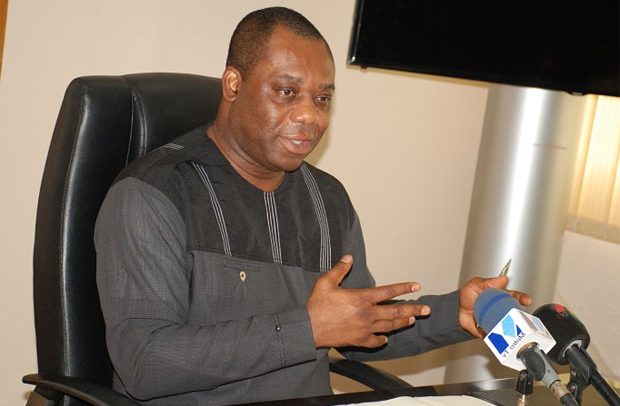
Parliament has approved a loan facility of £76.9 million for the supply and installation of educational equipment and training in Basic Science, Technology, Engineering and Mathematics (BSTEM) Education.

The BSTEM programme being pursued by the Akufo-Addo government involves the expansion of science, technology, engineering and mathematics in 10 regional BSTEM offices, provision of Information and Communication Technology (ICT) and STEM equipment, as well as training of junior high school (JHS) and primary school teachers.

The project, which is expected to take five years to complete, will introduce engineering and technology education and effective pedagogy into the basic education curriculum, introduce an investigative and inquiry-based approach to BSTEM teaching in line with international best practices in the Ghanaian curriculum and also allay fears of teaching and learning mathematics at the basic level.

The project will also provide all 38, 7155 JHSs, primary schools and kindergarten schools with science and mathematics equipment. Besides, it will train 9,906 science and 9,905 mathematics teachers, including 14,665 primary and 14,145 kindergarten teachers within the basic educational curriculum.

According to the chairman of Education Committee, Steven Siaka, the contractor would have to make available to the Ministry of Education the recommended specifications for the refurbishment of the BSTEM Centre.

He explained that throughout the contract period, the supplier or the contractor would assume responsibility for the purchase, supply, shipment, clearance and delivery of equipment to the BSTEM in addition to all teaching and computer equipment.

“The supplier would also manage the curriculum development, curriculum resources and training as well as all pre and post project advice, monitoring and evaluation of the project,” the chairman of the Education Committee said.

By Thomas Fosu Jnr

Dr. John C. Maxwell holds one day leadership conference in Ghana

0

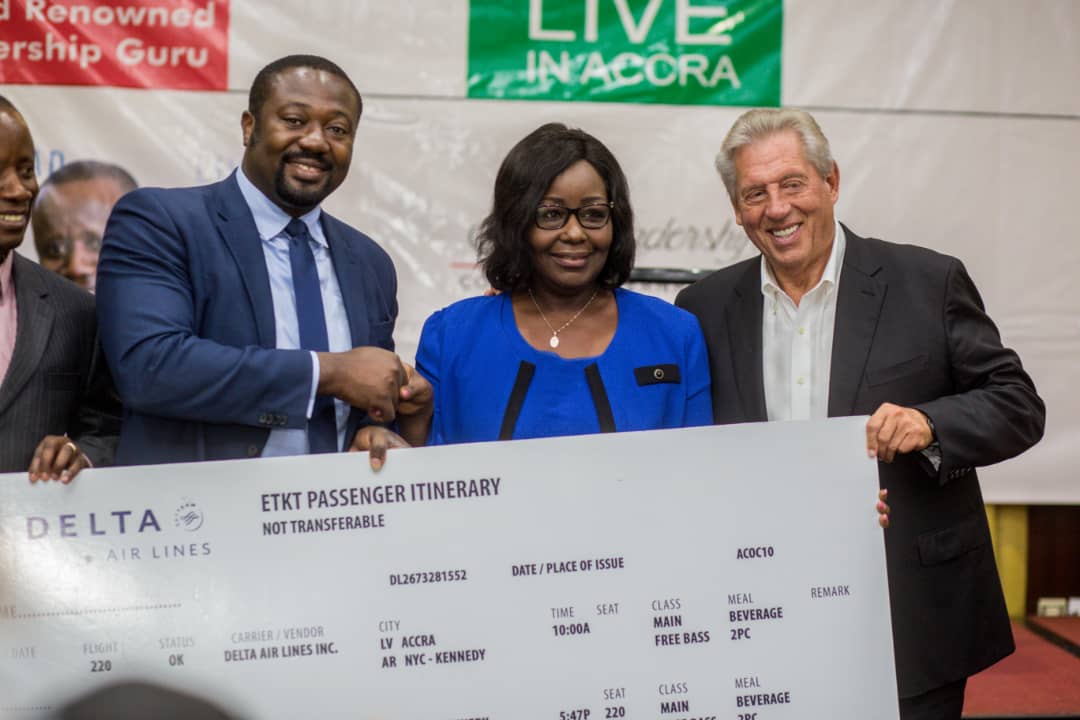
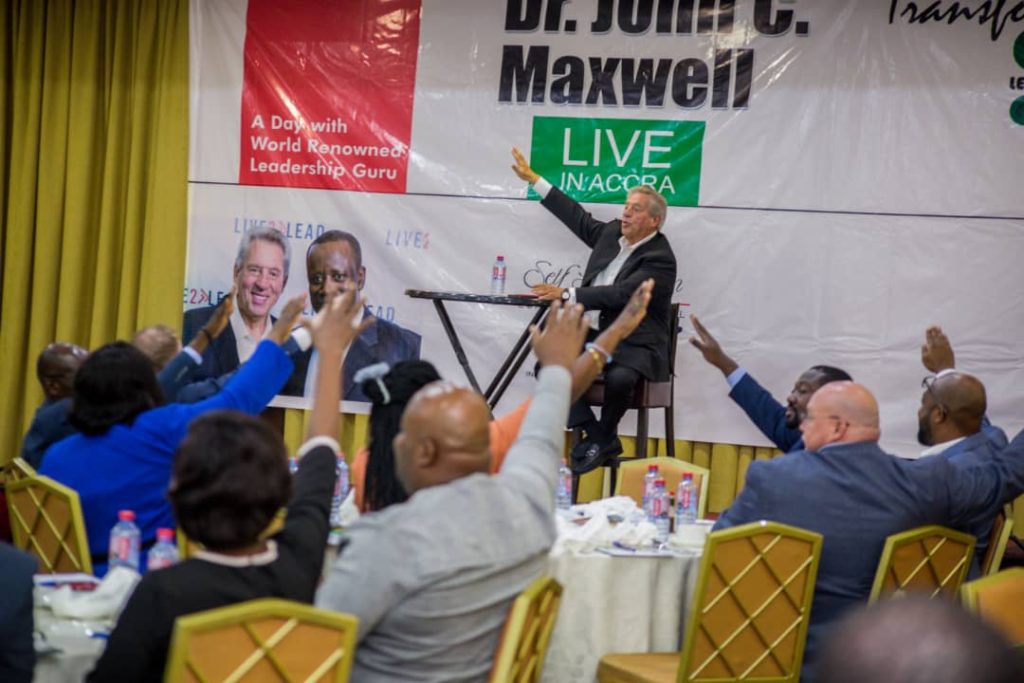
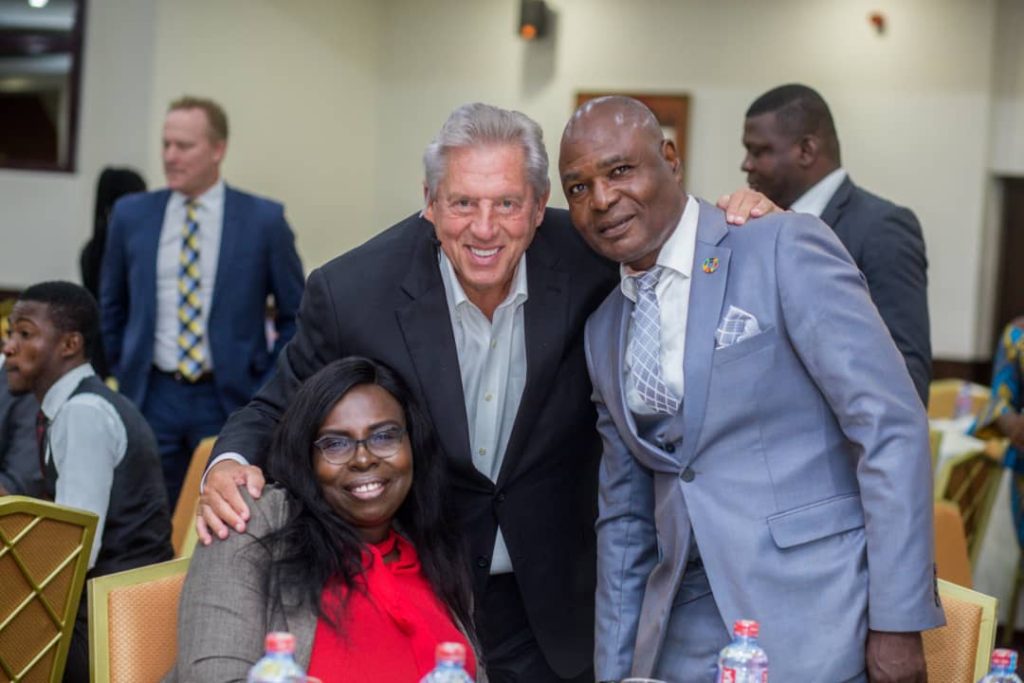
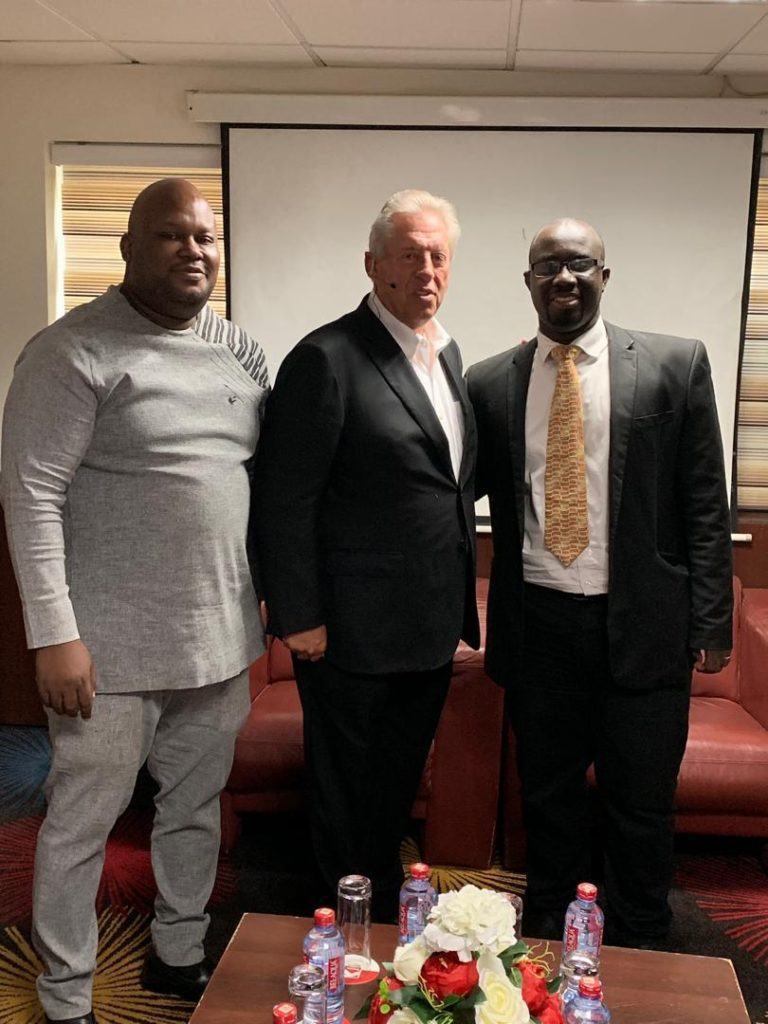
#1 New York Times bestselling author, coach, and speaker Dr. John C. Maxwell was in Ghana for a one day trans-formative leadership conference in Ghana.

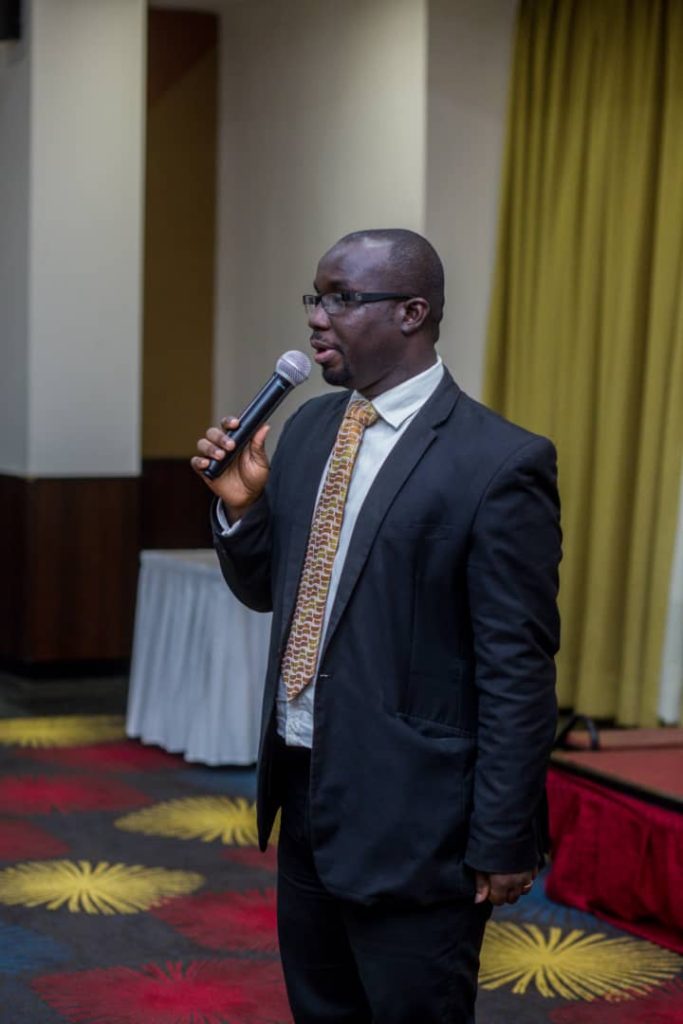
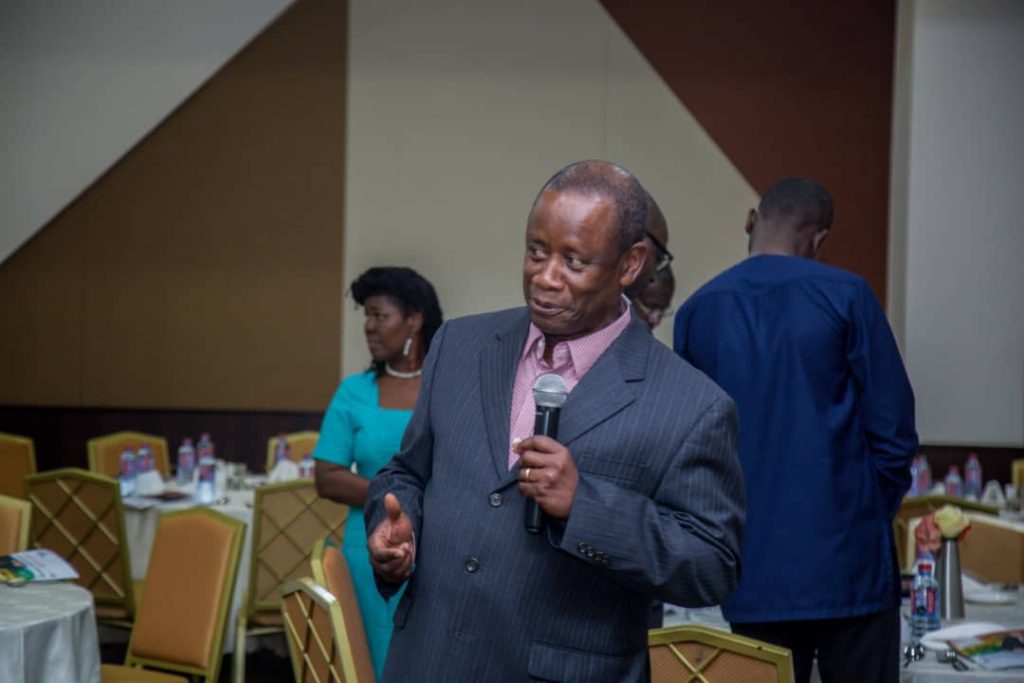
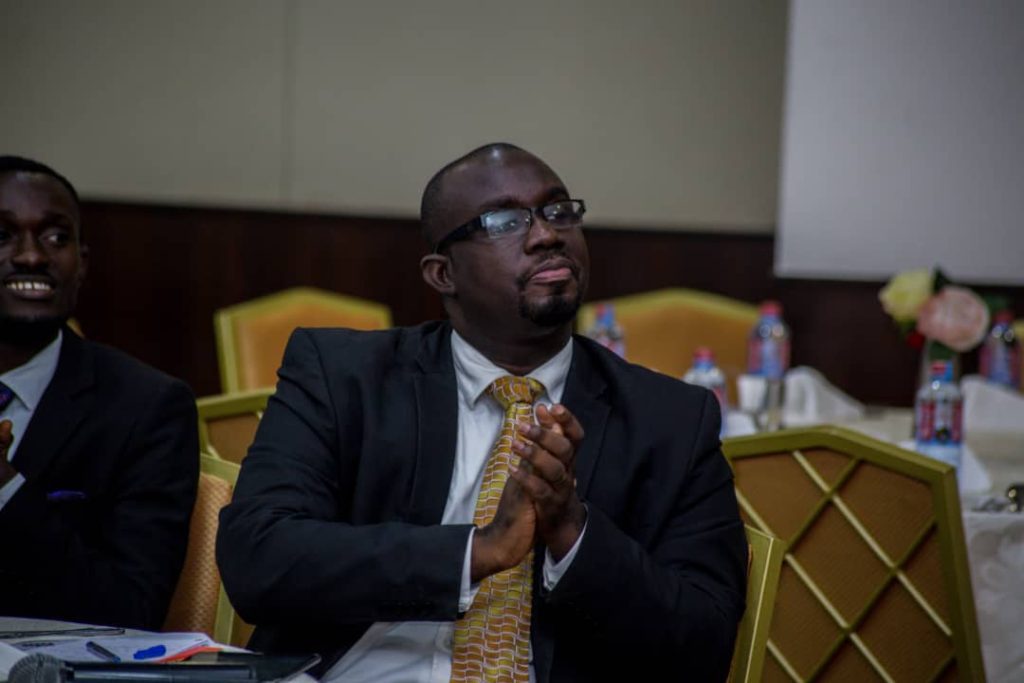
The conference was designed to create an avenue for key leaders of Ghana’s 7 streams of influence including Government (Agencies and Politicians), Education, Business, Christian Churches and other religions, Arts and Culture, Media, and Family Advocacy Groups to interact with Dr. John Maxwell, network with one another and explore how to transform our organizations and the nation by applying proven core leadership principles and values.

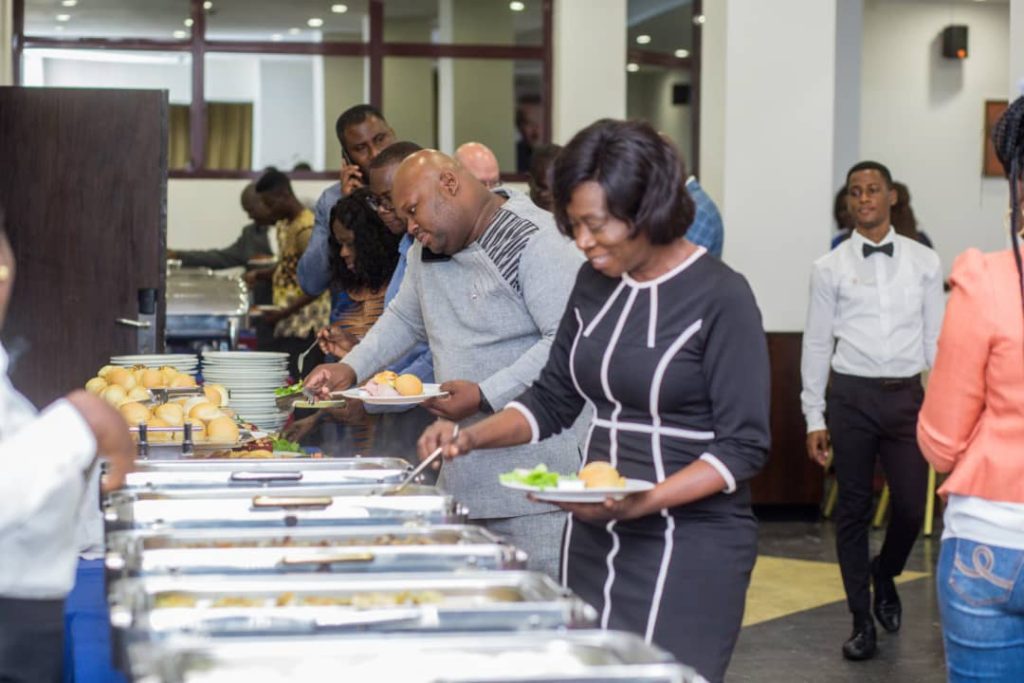
The event was held in two parts – the VIP Breakfast at the Alisa Hotel at 8am and

The Leadership Conference at the Accra International Conference Centre at 1pm.

In his typical interactive and illustrative style, John Maxwell spoke extensively on transformation, stressing the need to value people, teach people and value processes, as these ultimately make engender the change we want to see in every sphere of life.

The event was organised by Transformation Ghana Leadership Initiative (TGLI) founded by Dr. William Appiah Amponsah an ordained minister and professor of economics in the United States of America and also a certified leadership coach of the John Maxwell Team.

By : Kweku Sampson

Low-income African countries ‘pay 30 times more’ for drugs

0

African countries with small to medium-sized economies pay far more money for less effective drugs, a leading health expert has told BBC Newsday.

In countries such as Zambia, Senegal and Tunisia, everyday drugs like paracetamol can cost up to 30 times more than in the UK and USA.

Drug markets in poorer countries “just don’t work”, said Kalipso Chalkidou from the Centre for Global Development.

She said “competition is broken” due to a “concentrated supply chain”.

Ms Chalkidou, director of global health policy at the organisation, co-authored a report on drug procurement that concluded that small to middling economy countries buy a smaller range of medicines, leading to weaker competition, regulation and quality.

It says richer countries, thanks to public money and strong processes for buying drugs, are able to procure cheaper medicines.

Poorer countries, however, tend to buy the most expensive medicines, rather than cheaper unbranded pharmaceuticals which make up 85% of the market in the UK and US.

The very poorest countries are not affected when foreign donors purchase medicine on their behalf, meaning their over-the-counter medicines remain at low cost.

“In the middle it’s very problematic,” Ms Chalkidou said.

Low- to middle-income countries “have little ability to negotiate prices down and quality assure products” and there are lots of mark-ups, often due to taxes and corruption.

She said less stringent regulation meant the quality of the drugs was also not as high.

“Without regulation, people perceive the products don’t work, so pay extra money for things they think will work and won’t work either,” Ms Chalkidou explained.

The report recommends greater global co-operation and reforming World Health Organisation policy as well as policy in targeted countries to improve procurement practices.

BBC

Khashoggi: Sufficient evidence to investigate the Saudi Crown Prince

0

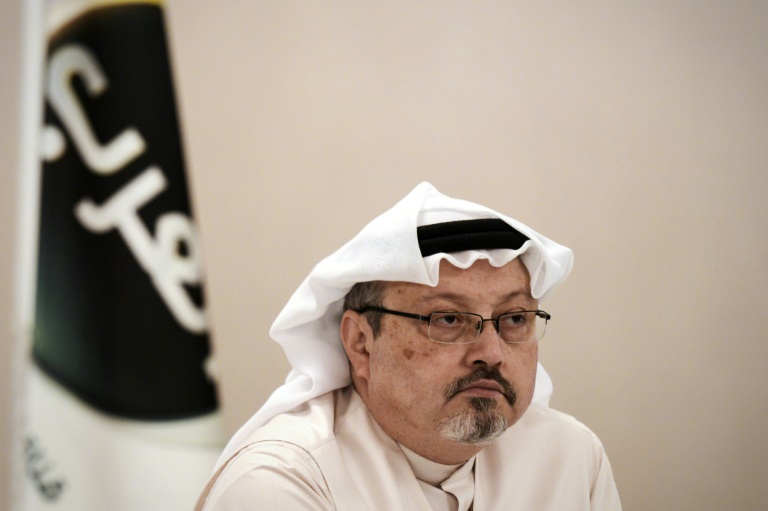
Sufficient evidence exists to open an investigation into senior Saudi officials, including the Crown Prince, in the Khashoggi case, a UN human rights expert said Wednesday, calling on the UN chief to implement.

After investigating the death of Saudi journalist Jamal Khashoggi for six months, the UN Special Rapporteur on extrajudicial executions, Agnès Callamard, said in a report that she “determined that there is credible evidence , justifying a further investigation into the individual responsibility of senior Saudi officials, including that of Crown Prince “Mohammed ben Salman, nicknamed MBS.

She cautioned against “the disproportionate importance attached to the identification of the perpetrator of the crime”, stressing that justice should not only establish the responsibility of the physical perpetrator.

A judicial inquiry “is also intended, if not primarily, to identify those persons who, in the context of the commission of a violation, have abused or failed to fulfill the responsibilities of their position of authority,” she argues. his report.

Callamard, who, like all other independent UN experts, does not speak on behalf of the United Nations, holds Saudi Arabia “responsible” for the journalist’s “extrajudicial execution” and criticizes Saudi power, who died brutally in January. October inside the consulate of his country in Istanbul.

After initially denying the murder, Ryad had advanced several conflicting versions and now claims that Khashoggi was killed in an unauthorized operation.

The UN expert calls on UN Secretary-General Antonio Guterres to “open a follow-up criminal investigation into the assassination of Mr. Khashoggi in order to build solid files on each of the alleged perpetrators”.

The UN chief “should itself be able to open a follow-up international criminal investigation without a state having to intervene,” she notes.

Jamal Khashoggi, who had emigrated to the United States, was a critic of MBS.

According to press reports, the CIA believes that the assassination was probably sponsored by the Crown Prince, de facto ruler of the Saudi kingdom.

In the case before the Saudi courts, the prosecution has cleared the Crown Prince and blamed more than 20 people, claiming the death penalty for five men.

In her report, Ms. Callamard also asks the FBI to open an investigation into the journalist who was an American resident.

AFP

Hearts coach Kim Grant calls on NC to release program line-up for next season

0

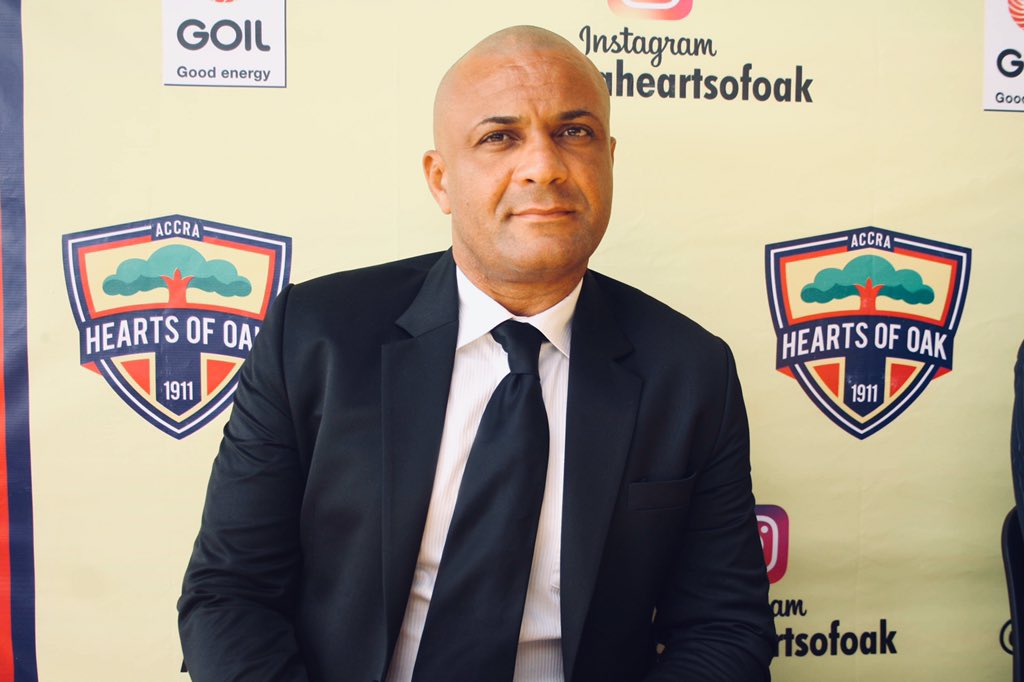
Hearts of Oak coach Kim Grant is calling on the GFA Normalisation Committee to release a program line-up for next season to help clubs plan. 

Grant guided Hearts of Oak to the semifinal of the GFA Tier I Special Competition, where they were knocked out on penalties by arch rivals Asante Kotoko.

The former Ghana forward, however is urging the NC to release a program line up to help him and his colleagues plan and prepare for next season.

“I will urge the Ghana Football Association NC to bring out the Program outline for next season so that we the coaches knows our plans.We don’t know when we are starting but possibly in September and I am going to prepare my team for the season,” Kim Grant.

The Phobians have undergone some tremendous transformation under the leadership of the 46-year old old, who has introduced some fine talents in the team.

Hearts also got to the quarter finals of the Tier II competition and were knocked out on penalties by Unistar Academy.


Source : GhanaSoccernet

China warns US against opening Mideast ‘Pandora’s box’

0

China on Tuesday warned against opening a “Pandora’s box” in the Middle East after the United States announced the deployment of 1,000 additional troops to the region amid escalating tensions with Iran.

Foreign Minister Wang Yi also urged Tehran to not abandon the nuclear agreement “so easily” after Iran said it would exceed its uranium stockpile limit if world powers fail to fulfil their commitments under the agreement in 10 days.

The United States ratcheted up pressure on Iran Monday, announcing the deployment of additional troops to the Middle East and producing new photographs it said showed Tehran was behind an attack on a tanker ship in the Gulf of Oman last week.

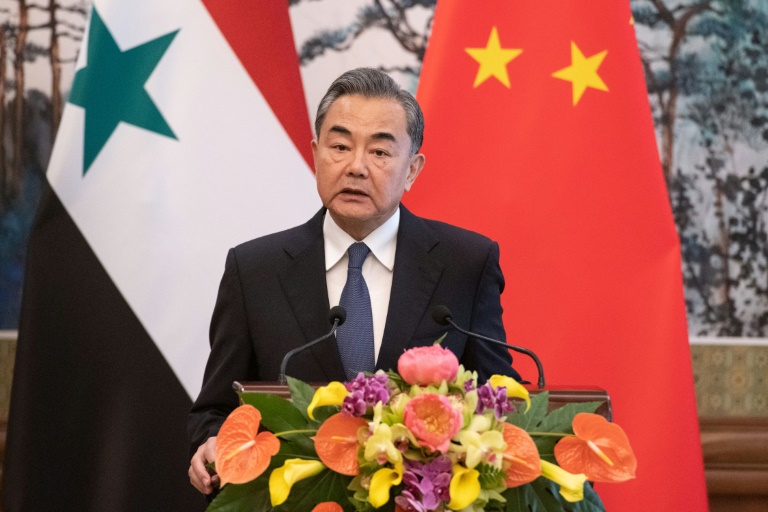
“We call on all parties to remain rational and restrained, not to take any actions to provoke the escalation of tension in the region, and not to open a Pandora’s box,” Wang told reporters in Beijing during a joint press conference with visiting Syrian Foreign Minister Walid Muallem.

“In particular, the United States should change its practice of extreme pressure,” Wang said.

Tensions between Tehran and Washington have escalated ever since the US quit the nuclear deal and with Washington blacklisting Iran’s elite Revolutionary Guards as a terrorist organisation.

Wang urged Iran to “make prudent decisions” and not “so easily abandon” the deal that aims to keep Tehran’s nuclear ambitions in check.

Iranian President Hassan Rouhani announced on May 8 that Iran would stop observing restrictions on its stocks of enriched uranium and heavy water agreed under the deal, a move he said was in retaliation for the unilateral US withdrawal.

Tehran on Monday followed through with a 10-day countdown for world powers to fulfil their commitments under the 2015 nuclear deal.

Iran has threatened to go even further in scaling down nuclear commitments by July 8 unless remaining partners to the deal — Britain, China, France, Germany and Russia — help it circumvent US sanctions and especially enable it to sell its oil.

The US responded to the ultimatum by urging the international community not to give in to Iranian “nuclear extortion”, while the UN and European states called for cool heads.

“China’s determination to safeguard the comprehensive agreement has not changed,” Wang said.

“We are willing to work with all parties to continue to make efforts for the full and effective implementation of the agreement.”

Wang said China has also “worked closely” with all parties to reconstruct the Arak heavy water reactor at a nuclear plant in the southwest of Tehran.

On Syria, Wang told his visiting counterpart that China “firmly supports Syria’s economic reconstruction” and its efforts to “combat terrorism”.

Beijing has in the past teamed up with Moscow to veto any UN proposals to sanction the government of Syrian President Bashar al-Assad.

“China has always advocated that the Syrian issue should be resolved through political means,” Wang said.


Source : AFP

Egypt ready for Africa Cup despite security, price concerns

0

The Africa Cup of Nations is set to kick off in Egypt on Friday against a backdrop of terror attacks and only days after the death of former Islamist president Mohamed Morsi.

With opening and closing games held at Cairo Stadium, it will be the fifth time that Egypt has hosted the regional tournament, which has expanded this year to include 24 teams.

Cairo last welcomed African teams in 2006, before the country’s political landscape was rocked by the Arab Spring of 2011.

This time, Egypt plays host after Morsi, its first democratically elected president, was buried on Tuesday following the ousted and jailed leader’s collapse in court and death the previous day.

Authorities are confident the infrastructure is in place to host the continent’s largest football contest, but they are on high alert after attacks on tourists near the pyramids and an insurgency in the Sinai Peninsula.

A roadside bomb near the pyramids last month left 17 people wounded, just months after a similar attack in December killed three Vietnamese holidaymakers and an Egyptian tour guide.

The interior ministry in June announced extra security forces would be deployed to maintain “public order” for the competition.

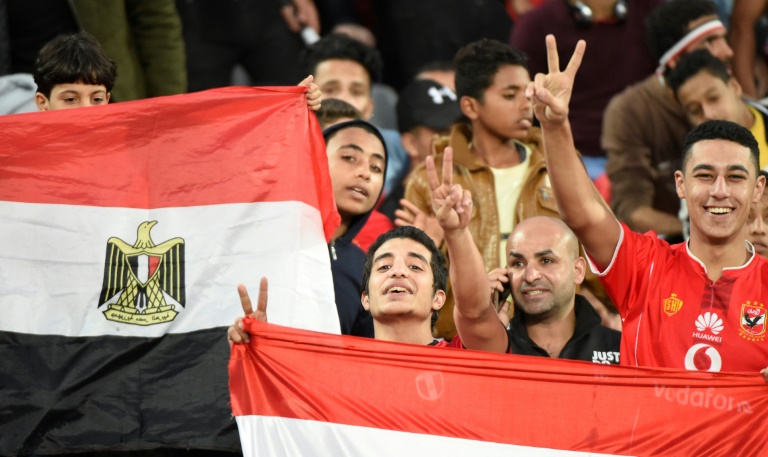
Egyptians were expected to be a major driver of the tournament’s reach, but local fans have been up in arms over the cost of watching a game — either in stadiums or on television.

– Securing the stadiums –

Set to run well into the scorching month of July, it will mark the first time Egypt has hosted a major sports tournament since longtime autocrat Hosni Mubarak was ousted by mass protests in 2011.

In the wake of the 2013 military overthrow of his successor Morsi led by now President Abdel Fattah al-Sisi, Egypt has seen a surge in terror attacks targeting its Christian minority and security forces.

In February last year, Egypt launched a military offensive against militants in the Sinai Peninsula it says are linked to the Islamic State group.

The Alexandria Stadium in Egypt’s second city will host some of the matches from the 2019 Africa Cup of Nations set to begin on Friday

Some 600 suspected militants and 40 soldiers have since been killed in the push, according to official figures.

The country’s stadiums have also been sites of violence, with lethal clashes breaking out between fans and security forces.

Fans were banned from watching league matches in Egypt after a February 2012 stadium riot in Port Said left 74 people dead, making it one of the world’s deadliest football clashes.

Stadiums reopened three years later but the ban was quickly reinstated after at least 20 fans of Cairo club Zamalek were killed in clashes with security forces outside a stadium in the capital in February 2015.

Last year, the ban was relaxed but strict security arrangements are still enforced, with police providing permits to fans authorised to attend.

Organisers reduced ticket prices for the Africa Cup of Nations after a backlash from Egyptian football fans in April.

Tickets to matches featuring Egypt, set to be led by star forward Mohamed Salah, were initially priced at 200 pounds (about $12, 10 euros) for the cheapest admission and graduated up to 600 pounds for premium seats.

– ‘More important than politics’ –

Prices for the cheaper seats have since dropped marginally but they are still out of reach for many in the Arab world’s most populous country, where around 28 percent of the population lives below the poverty line.

“The fans’ revolution of rage really showed how the organisers were not prepared from the start,” said Walid al-Adawi, an Egyptian sports journalist.

He explained that organisers have targeted a certain class of fans, those with access to the internet and who can afford high-priced seats.

The only way tickets can be purchased is through an official online platform.

“If the ticket prices were actually fairly priced, you would have found many enthusiastic fans… but the prices have not appealed to the average punter,” he added.

But Mohamed Fadl, a former Egyptian national team player and the African Cup tournament director, chalked the concerns up to the normal hiccups faced by any host nation.

“Any new experience has growing pains at first,” he told AFP.

A woman walks past a mural of Egyptian footballer Mohamed Salah in Cairo on June 17, 2019, four days ahead of the African Cup of Nations debut (CAN)

Those unable to fork out the money for seats will also run up against pricy television packages, despite claims in February by Sports Minister Ashraf Sobhi that all games would be available on free-to-air channels.

Qatar’s BeIN Sports has exclusive international broadcast rights to the games, and a local channel launched just in time for the tournament is advertising heavily to secure a large viewership.

Both options require subscriptions that cost hundreds of Egyptian pounds.

“Is it reasonable that Egypt is the host country and can’t broadcast the matches on its satellite channels? It’s ridiculous,” said Ahmed Abdel Meguid, an Egyptian civil servant keen on following the national squad’s progress.

“Football in Egypt is more important than politics,” Abdel Meguid added wryly.

“It is the only means of entertainment”.


Source: AFP

Cushman & Wakefield enters deal with Broll to provide occupier services across sub-Saharan Africa

0
Cushman & Wakefield Logo (PRNewsfoto/Cushman & Wakefield)

Global real estate services firm Cushman & Wakefield has entered into an exclusive affiliate arrangement with the largest independently owned pan-African commercial property services company Broll Property Group.

The new venture represents a partnership with Broll’s Occupier Services business and will be branded Cushman & Wakefield Broll, providing clients with an integrated platform covering the entire sub-Saharan Africa region.

The partnership combines Cushman & Wakefield’s global reach with Broll’s well-established operations and market-leading track record of delivering Occupier Services across Africa.

The service offering covers end-to-end corporate real estate solutions for businesses across all sectors, including advisory & transactions, workplace consulting, project management, estates management, data management, technology and finance, and treasury services.

Colin Wilson, Chief Executive Officer, EMEA, Cushman & Wakefield, said: “The sub-Saharan region contains Africa’s two largest economies of Nigeria and South Africa as well as some of the world’s fastest growing and most dynamic markets. We are excited to enter this exclusive relationship with Broll which enables us to support clients who are already well established there as well as provide strategic on-the-ground advice to those looking to grow their presence or enter the region for the first time.”

Malcolm Horne, Chief Executive Officer of Broll Property Group, said: “We are very excited about launching Cushman & Wakefield Broll, which is an affiliation partnership with Broll’s Occupier Services business and provides our clients with integrated access to a phenomenal global platform. Our progressive culture of innovation, service excellence and longstanding client relationships provides a natural synergy with Cushman & Wakefield. Broll’s focus will always be on providing value-adding advice that comes from a deep understanding of local markets across Africa, based on our experience in concluding over 6,000 leases in the last 12 months alone. The group’s other divisions will be independent of the exclusive affiliation agreement, but all services remain available to all our clients.”

Cushman & Wakefield has 5,500 employees across 133 offices in EMEA. Its strong relationships across the region with affiliates extends delivery of services into markets where the firm does not currently have a wholly-owned presence.

Founded in 1975, Broll has offices in the major cities of South Africa, the largest African commercial property market; as well as operations in 15 other sub-Saharan African countries including Botswana, Cameroon, Ghana, Ivory Coast, Kenya, Madagascar, Mauritius, Mozambique, Namibia, Nigeria, Réunion, Seychelles, Swaziland, Uganda and Zambia.

In addition to Occupier Services, Broll’s other services include: property management; property broking; valuation and advisory services; shopping centre management; retail leasing and projects; property intel; and, property auctioneering.

www.cushmanwakefield.com

www.broll.com

Ex-UEFA chief Platini arrested in 2022 World Cup probe

0

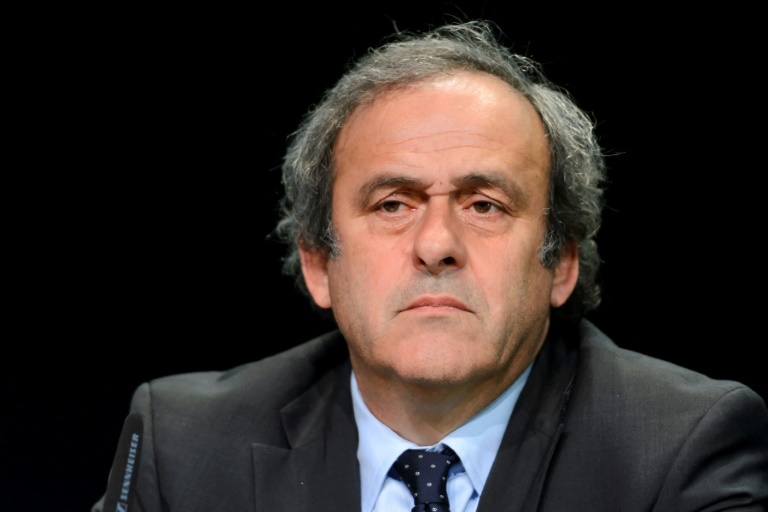
The banned ex-UEFA chief Michel Platini was arrested Tuesday in connection with a criminal investigation into the award of the 2022 World Cup to Qatar.

The French football legend elected to lead European football’s governing body in 2007 was taken into custody by French anti-corruption police investigating the awarding of the 2022 World Cup to the gas-rich Gulf state.

Qatar was named to host the World Cup in a decision that triggered controversy over its suitability amid allegations of corruption that ultimately sparked FIFA’s worst ever scandal five years later.

France’s Financial Crimes Prosecutors Office (PNF) opened a preliminary investigation in 2016 into allegations of corruption, conspiracy and influence peddling surrounding FIFA’s award of the World Cup to Qatar and also the 2018 tournament to Russia.

According to Blatter, Qatar won hosting rights as a result of a deal with the French, derailing FIFA’s own “diplomatic arrangement” whereby hosting rights would go to Russia in 2018 and then to the United States four years later.

The French investigation centres on alleged French intervention linked to Platini and former president Nicolas Sarkozy.

According to the specialist magazine France Football, a “secret meeting” took place on November 23, 2010 at the Elysee Palace in Paris between Sarkozy, Qatar’s then-Prince (now Emir) Tamim bin Hamad al-Thani, and Platini, at that time both UEFA president and vice-president of FIFA.

Just over a week later, FIFA awarded Qatar hosting rights for the 2022 tournament.

Platini has made no secret of his support for Qatar but denies he was influenced by Sarkozy, whose advisor for sport, Sophie Dion, was also arrested along with Platini.

“It was time to give them the World Cup. I am for that. It’s my conviction,” he said at the time.

Claude Gueant, Sarkozy’s erstwhile chief of staff and former interior minister, was also called in for questioning Tuesday by France’s Anti-Corruption Office of the Judicial Police.

The decision to award the event to Qatar ultimately led to a wider corruption probe that led to the overthrow of Blatter and Platini and the arrest of senior FIFA figures.

Platini, 63, led UEFA until 2015 when he was banned from football for four years for ethics violations including receiving a two-million Swiss francs (1.8 million euros, $2 million) payment from the disgraced former head of FIFA Sepp Blatter.

Qatar has been accused of buying votes in its bid to stage the World Cup and a subsequent report by US independent investigator Michael Garcia unearthed an array of suspect financial dealings, many linked to Sandro Rosell, the ex-Barcelona president who served as a consultant for Qatar.

Platini, a triple Ballon d’Or winner, was expected to succeed Blatter as FIFA president in 2016 before his fall from grace. He has been battling to clear his name ever since.


Source: AFP

UNIDO supports the African Continental Free Trade Area implementation

0

With the support of the African Union Commission’s Department of Trade and Industry, the Permanent Mission of the African Union in Belgium organized a sensitization workshop on the African Continental Free Trade Area (AfCFTA).

44 of the 55 Member States of the African Union signed in Kigali the agreement to create a single market for goods and services.

“The European Union has expressed its continued support towards the African continental integration, and notably the AfCFTA, on numerous occasions”, said Ewa Synowiec, European Commission’s Director in charge of trade and sustainable development at DG TRADE. “The EU will also set up the African Union Trade Observatory, a key pillar of the African Continental Free Trade Area.”

The African Continental Free Trade Area aims at progressively eliminating tariffs and removing non-tariff barriers on intra-African trade, thus creating opportunities for African businesses making the African market – comprising of 55 countries and more than 1.2 billion people – the largest free trade area in the world.

“Industrial development is a very important factor in the fight against poverty”, said UNIDO Representative to the European Union and the ACP Group Patrick Gilabert. “It is essential for African countries to rely on their private sector and invest in productive capacities to enable companies to enter global value chains and benefit from sustainable globalization”.

The workshop brought together over 60 participants from Europe and Africa, including representatives of embassies, civil society organizations, international organizations and African development partners.

www.unido.org