Roads and Highways Minister Mr. Governs Kwame Agbodza has revealed that 23 road projects valued at GH¢14.88 billion, allegedly abandoned by the previous administration due to funding challenges, were absorbed into the government’s Big Push infrastructure programme.
Speaking in Parliament on March 24, 2026, Mr. Agbodza said these projects, originally awarded by the past government, were novated with new funding.
Speaking on the Floor of Parliament on Tuesday, he said, “Mr. Speaker, additionally, 23 road projects valued at GH¢14.88 billion, which were awarded by the previous administration and abandoned by contractors due to lack of dedicated funding, were absorbed as part of Big Push.”
The Minister explained that the Big Push programme comprises 12 major economic corridors, divided into 54 lots to promote competition and accelerate delivery.
He cited the inherited projects to include the Suame Interchange, the Takoradi–Agona road dualization, and the Kasoa–Winneba Road expansion.
Mr. Agbodza noted that sole sourcing was applicable in certain cases, particularly for ongoing projects.
“It is globally acceptable to use sole sourcing even in situations where there is the need to extend the implementation of works that were previously competitively procured to speed up completion,” he said.
Mr. Kwame Governs Agbodza, the Roads and Highways Minister, has defended the government’s Big Push infrastructure programme, stating that only 44 per cent of major contracts were awarded through sole sourcing.
Addressing Parliament on Tuesday, Mr. Agbodza emphasized that procurement processes followed legal requirements, with over 400 contracts awarded through open competitive bidding.
“Mr. Speaker, given the scale and importance of these projects, a mix of procurement processes was employed in accordance with the law,” he said.
He added that all projects under the Big Push Agenda were published on the ministry’s website, dismissing claims of a scandal.
Mr. Agbodza’s comments were in response to allegations by The Fourth Estate of widespread sole sourcing and possible cost inflation, including 81 sole-sourced contracts worth over GH¢73 billion within seven months.
The Minister argued that sole sourcing was necessary for urgent projects and that the current government inherited a backlog of abandoned projects.
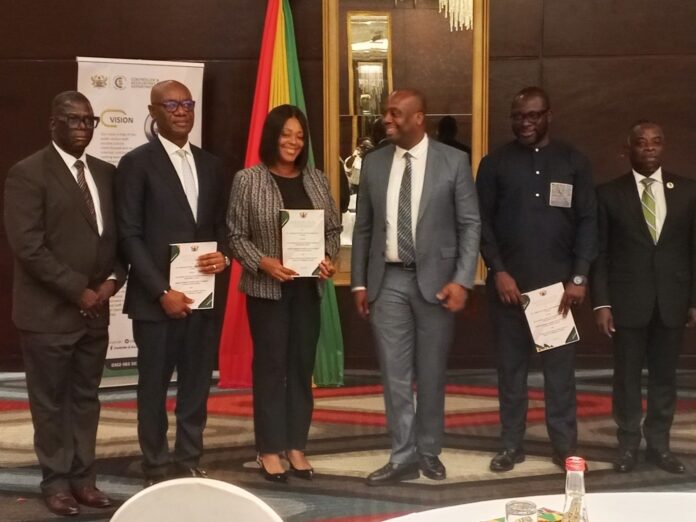
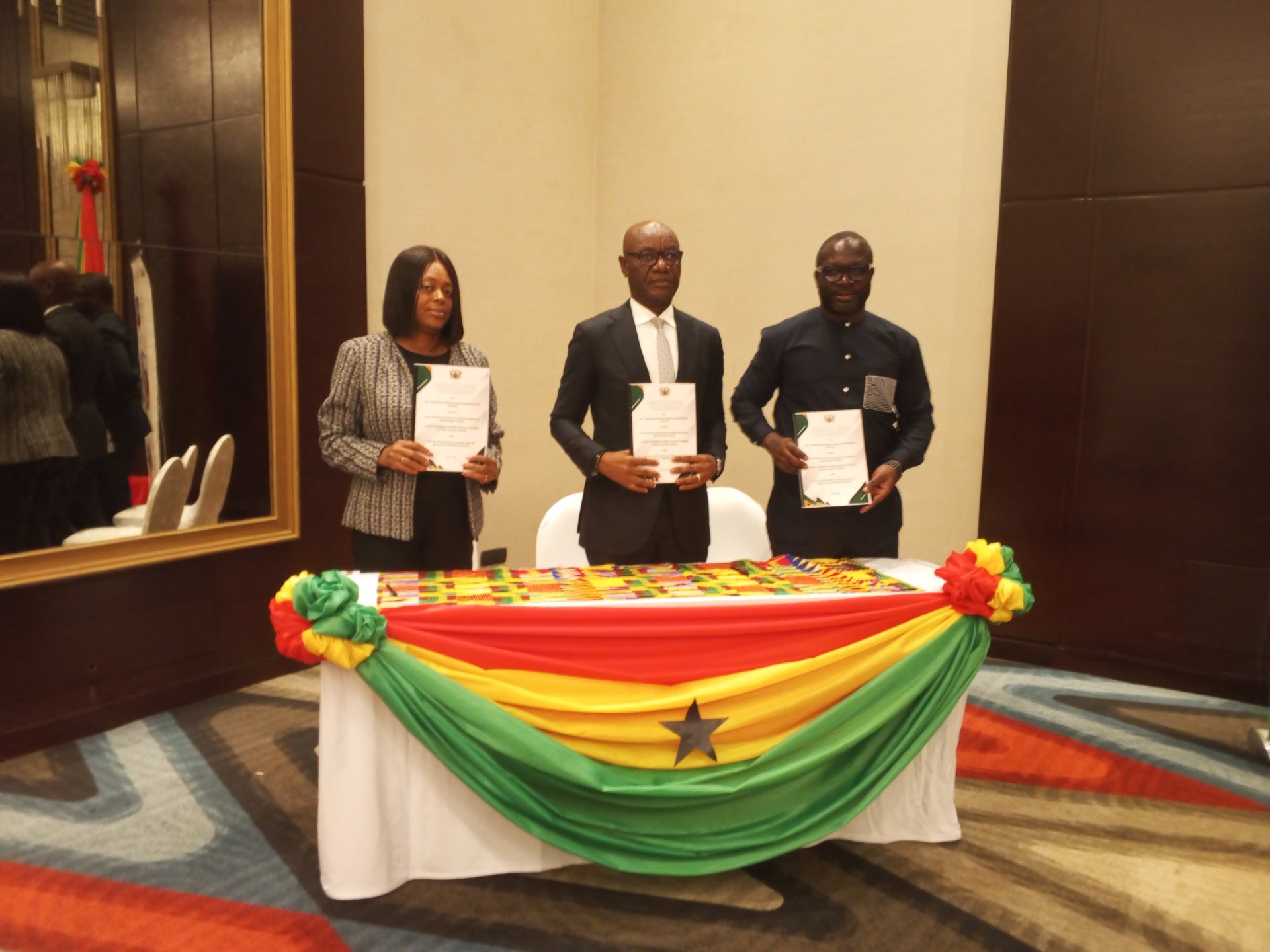
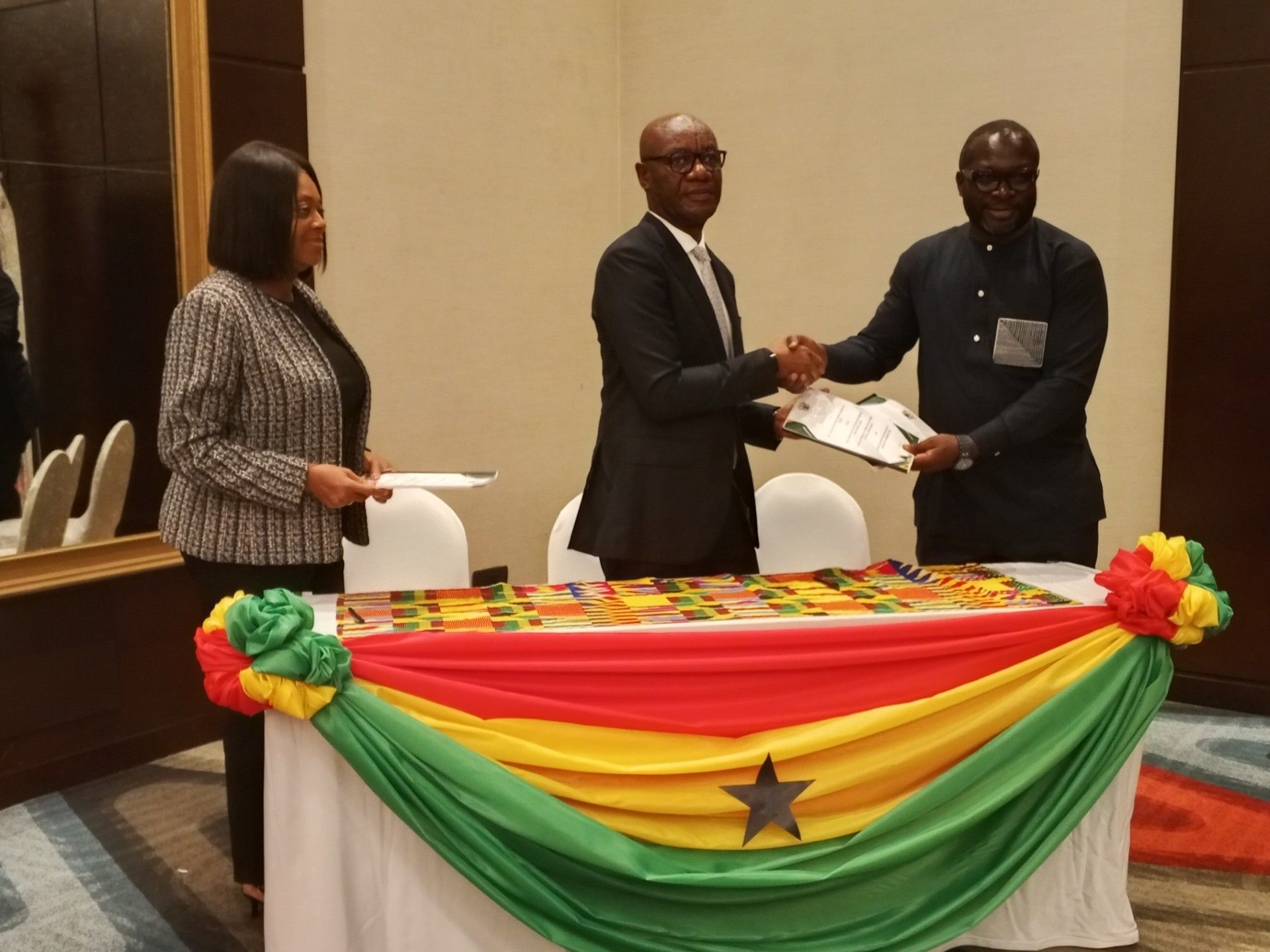
The Government has taken a decisive step to modernise public financial management with the signing of a Service Level Agreement (SLA).
The agreement is to integrate the Ghana Interbank Payment and Settlement System (GHIPSS), the Ghana Integrated Financial Management Information System (GIFMIS), and the Electronic Funds Transfer (EFT) platform, making electronic payments compulsory for all public sector entities.
The agreement, signed on Tuesday, establishes the GHIPSS platform as the sole authorised channel for payments by Covered Entities, marking a definitive shift away from manual cheque systems.
The entities include Ministries, Departments, and Agencies (MDAs) as well as Metropolitan, Municipal, and District Assemblies (MMDAs).
Speaking at the signing ceremony in Accra, the Controller and Accountant-General, Mr Kwasi Agyei, described the move as a fundamental shift in the handling of public funds.
He said for far too long, the public sector had relied on slow, difficult-to-reconcile manual cheque systems that were prone to inefficiencies and misuse.
“This agreement is not just ceremonial; it signifies a fundamental shift in the handling of public funds, moving us decisively from outdated manual systems to a modern, controlled, and fully traceable electronic payment system,” he said.
Mr Agyei explained that through collaboration between the Corporate Responsibility Unit and the Accountant-General’s Department, a secure, efficient, and fully interoperable electronic funds transfer system had been created.
The system, he noted, would manage how Covered Entities made payments to suppliers and third parties across the banking sector.
Mr Agyei emphasised that electronic funds transfer was now compulsory, offering speed, transparency, auditability, and reduced leakages and corruption.
He added that while the shift away from manual cheques would be gradual, it would be firmly enforced, with Government providing clear guidelines, structured training, and effective change management to support the transition.
He expressed appreciation to Dr Cassiel Ato Forson, the Finance Minister, the Bank of Ghana, the technical teams from the CAGD and GHIPSS for their efforts in developing the Service Level Agreement.
Mr Thomas Ampem Nyarko, the Deputy Minister of Finance, underscored Government’s commitment to fiscal discipline, noting that the reform rested on three key pillars: accountability, efficiency, and control.
He explained that digital payment systems created auditable footprints that strengthened oversight and safeguarded public funds.
Mr Nyarko said the reform would enhance Government’s ability to manage liquidity, monitor commitments in real time, and enforce expenditure discipline – a critical element of the fiscal consolidation programme.
He provided a timeline for the rollout, explaining that the gradual process would follow a strict schedule.
“Agencies will be rolled on this first week, the next week, until we complete the process. That is what is meant by a gradual process. We are doing this alongside automatic withdrawal of manual cheques,” he said.
The Deputy Minister also announced the Finance Minister’s intention to declare, in the next budget presentation, that all manual cheques would be withdrawn, with Government payments fully digitised by the end of the year.
Mr Nyarko revealed that the commitment control mechanism had already proven effective, preventing the purchase of over one billion Ghana cedis worth of vehicles last year by ensuring procurements stayed within budget.
He said the reform had also reduced the time lag between raising an Internal Purchase Order (IPO) and payment.
Mr Aggrey Darko, the Head of Civil Service, described the reform as a critical step towards improving governance and public sector efficiency.
He called on public sector workers to comply with the new system, describing it as a “safety valve” to promote responsible financial management.
“We want to govern ourselves better. There is no way to do so without paying attention to governance and transactions,” Mr Darko said.
He pledged the Civil Service’s commitment to the initiative, stressing that strong policies must be matched with effective implementation to avoid common implementation challenges.
The reform integrates GIFMIS with the GHIPSS platform, enabling end-to-end electronic payments.
It builds on recent amendments to the Public Financial Management Act, which introduced commitment controls requiring MDAs to obtain approval from the Finance Minister before committing the state to expenditure.
Mr Darko noted that such mechanisms were necessary to ensure accountability, emphasising that institutional controls were essential in public financial management.
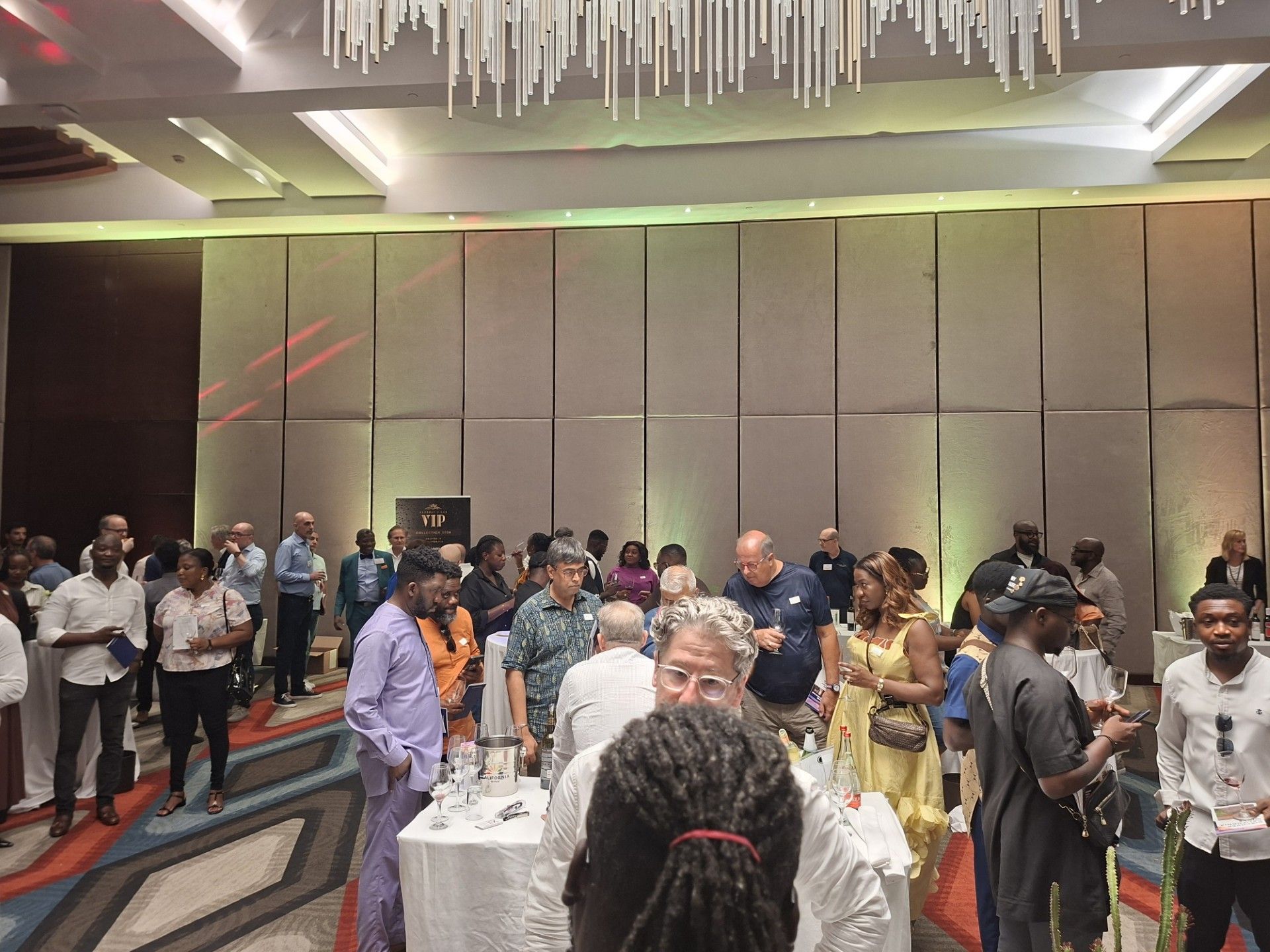
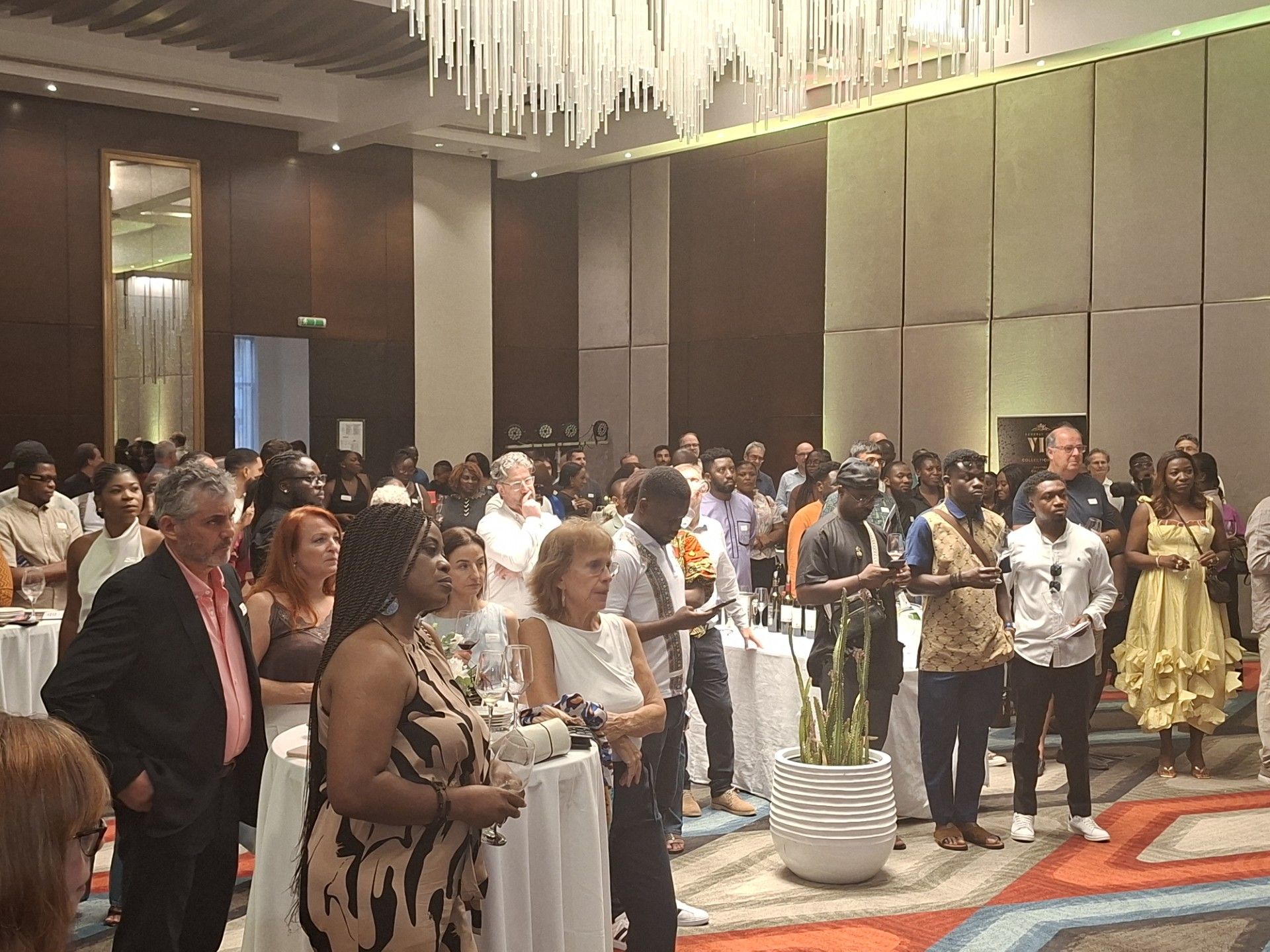
The United States Embassy in Accra has hosted a California Wine Trade Promotion Event to strengthen agricultural commerce and expand trade relations between the U.S. and Ghana.
The programme brought together 10 California wineries seeking distribution partnerships with Ghanaian importers, retailers and hospitality businesses.
More than 100 wine varieties from regions including Napa Valley, Sonoma County, Lodi, Monterey, Paso Robles and Santa Barbara were presented at the session.
Mr Rolf Olson, Chargé d’Affaires of the U.S. Embassy, said the event formed part of broader efforts by the United States to promote agricultural products in Ghana and deepen economic cooperation between the two countries.
He noted that the initiative also aligned with activities marking the 250th anniversary of the independence of the United States.
Mr Olson encouraged Ghanaian businesses to explore opportunities with American producers.
He said that the United States values its long-standing trade relationship with Ghana and remains committed to supporting market access for U.S. agricultural goods.
The event was organised by the Wine Institute, known as California Wines, in collaboration with the U.S. Department of Agriculture’s Foreign Agricultural Service (FAS).
It marks the first major market entry for California Wines in Ghana and forms part of a West Africa promotional tour that includes Cameroon and Côte d’Ivoire.
The U.S. Meat Export Federation also participated in the event as part of ongoing collaboration with FAS to promote American agricultural commodities in the sub-region.
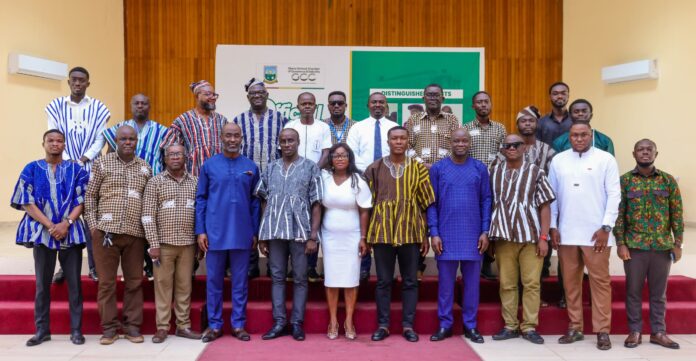
The Ghana National Chamber of Commerce and Industry has launched a Junior Chamber at the University of Mines and Technology to equip students with entrepreneurial skills.
A statement issued by the Chamber in Accra said the initiative sought to address youth unemployment by preparing students in Ghana’s mining and technology sector with practical business knowledge, mentorship and private sector exposure.
It said the UMaT-GNCCI Junior Chamber was the fourth chapter in the Chamber’s expanding national student entrepreneurship network, following similar launches at Takoradi Technical University and University of Ghana in 2025, and the Kwame Nkrumah University of Science and Technology.
The statement said the inclusion of UMaT was strategic as Ghana’s only university dedicated to mining and technology education, placing its graduates at the center of the country’s natural resource economy.
It said the programme aimed to bridge the gap between academia and industry through hands-on training, market-relevant skills, and lifelong learning.
“The initiative comes at a time when youth unemployment in Ghana remains high, particularly among recent graduates facing challenges transitioning from school to work,” it added.
The statement said the GNCCI Junior Chamber would provide structured entrepreneurial training delivered by the Chamber and its business community to enhance students’ job market readiness.
It said the programme would also offer industry-led mentorship, networking opportunities and exposure to enterprise development, including training in technology-driven entrepreneurship and access to opportunities under the African Continental Free Trade Area and international markets.
Mr. Ebenezer Cobbinah, Municipal Chief Executive of the Tarkwa-Nsuaem Municipal Assembly, described the initiative as timely and essential for empowering young people.
He said Ghana’s economy depended on a new generation of entrepreneurs who understood industry, embraced technology and built sustainable businesses.
Professor Lewis Brew, Dean of Students at UMaT, speaking on behalf of the Vice-Chancellor, reaffirmed the University’s commitment to the partnership.
He said the University aimed to produce graduates capable of transforming knowledge of natural resources into viable enterprises, adding that the Junior Chamber would provide the needed private sector linkages.
Mr. Stéphane Abass Miezan, President of the GNCCI, said the initiative was a national platform designed to connect students directly to Ghana’s business community.
He urged students to focus on creating jobs rather than solely seeking employment, and said the Chamber planned to expand the Junior Chamber model to other tertiary institutions to build a strong entrepreneurial ecosystem driven by academia and private sector collaboration.
Some residents of Ada in the Greater Accra Region have intensified calls on President John Dramani Mahama to take decisive action to resolve the long-standing tensions surrounding the Songor Lagoon.
According to them, delays in addressing the impasse were affecting livelihoods, stalling economic opportunities, and deepening uncertainty within the Ada Traditional Area.
The residents made the call-in separate interviews with the Ghana News Agency (GNA) on the sidelines of a press conference organised by the Ada Youth Forum for Development in Sege.
Mr Albert Apetor, a resident, said the president had previously assured the people of Ada of efforts to resolve the Songor dispute to promote peace and development.
He noted that residents were increasingly concerned about the pace of progress, adding that expectations remain high for a clear and sustainable resolution.
Mr Mathew Kitcher, a youth leader, urged the government to consider the scale of investments made in the lagoon, particularly by Electrochem Ghana Limited, and ensure a balanced approach that promotes both community interests and investor confidence.
“The government must protect local investments while ensuring that communities benefit from them. This is important for economic growth and sustainability, especially under the proposed 24-hour economy policy,” he said.
Some women in the area also expressed concern over the impact of the situation on livelihoods and household incomes.
Madam Mary Akuteye, Leader of Yikatsemeh, a local women’s advocacy group, said investments in the lagoon had previously contributed to economic activity and improved living conditions in the area.
She, however, noted that ongoing tensions had disrupted operations and limited the benefits to residents.
Another resident, Madam Eva Torgbenu, said the current situation had affected economic activities for many people, leaving some households struggling to cope.
“We are appealing for peace and clarity so that people can work and support their families again,” she said.
The residents also highlighted limited job opportunities in the area and expressed hope that a resolution of the impasse would help restore employment prospects, particularly for the youth.
They therefore called on government and all relevant stakeholders to prioritise dialogue, ensure transparency, and take urgent steps to restore calm and unlock the economic potential of the Songor Lagoon.
The Minority Leader, Mr. Alexander Kwamena Afenyo-Markin, has urged students to take ownership of the New Patriotic Party’s vision and drive its success in the 2028 elections.
Addressing a gathering of TESCON leaders in Parliament House on Wednesday, Mr. Afenyo-Markin emphasised the importance of grassroots’ work, saying, “The future of the party will not be built in conference rooms like this. But by you and me going down to the grassroots, going to your campuses, and educating students on these values of the party.”
He highlighted the party’s achievements, including digitalization and STEM education initiatives, and criticized the current government’s policies, such as the recruitment exercise.
“This digitalization policy that Dr. Bawumia introduced in the 2024 election… is exactly what we need where we are now,” he said.
According to Mr. Afenyo-Markin, also the New Patriotic Party (NPP) Member of Parliament (MP) for Effutu, the NPP was set to embark on campus visits to energise students and spread its message.
He said, “We are going to charge through the storm… If elections are held today, NPP will be in the majority,” he declared.
Mr. Justin Kodua Frimpong, the General Secretary of NPP, urged the students to work together with the Party to build a better future for all.
“Students, your dedication and passion are the driving force behind our party’s vision for a better Ghana. Let’s work together to build a brighter future, promoting freedom, inclusiveness, and opportunities for all.
“Your voice matters, and we are committed to empowering you to make a difference. Let’s charge forward together,” he advised.
The students expressed gratitude for the party’s engagement, with one saying, “This engagement has been one of the best days of our lives… We appreciate your time and commitment to the party.”
Mr. Jerry Ahmed Shaib, NPP MP for Weija-Gabwe and Second Deputy Minority Whip; Mr. Micheal Okyere Baafi, the NPP MP for New Juaben South; and Mr. Samuel Awuku, NPP MP for Akuapim North, were in attendance.
The Global Shea Alliance (GSA) has rallied stakeholders across government, private sector, development partners and women’s groups to support the upcoming “Shea 2026: Beyond Borders” conference.
The conference is aimed at transforming the global shea industry through investment, innovation, and inclusive growth.
Scheduled for April 27 to 29, 2026, at the Accra International Conference Centre, the conference will bring together participants from Africa, Europe, North America and Asia to explore opportunities in trade, value addition and cross-border collaboration within the shea value chain.
It will feature panel discussions, training sessions, exhibitions, field visits, and a “Deal Room” to facilitate targeted business engagements among buyers, suppliers, financiers, and service providers.
The call was made at the launch of the conference in Tamale where stakeholders underscored the strategic importance of Ghana especially the Northern Region as a major hub in the global shea industry.
Mr Julius Awaregya, a Member of the Executive Committee of the GSA, in an address, said the conference would serve as a leading global platform for dialogue and business development in the shea sector.
He said the 2026 edition would focus on strengthening partnerships across borders, responding to evolving policies, and unlocking new opportunities in food, cosmetics, and industrial markets.
Mr Awaregya noted that the GSA, with 849 members across 36 countries, continued to promote sustainable practices, quality standards and increased demand for shea products through public-private partnerships.
The launch also highlighted a strategic collaboration between the GSA and Ghana’s 24-Hour Economy initiative, a national policy aimed at boosting productivity, creating jobs and accelerating export development.
Mr Augustus Goosie Tanoh, Presidential Advisor on the 24-Hour Economy and Accelerated Export Development Programme, who was represented at the launch, emphasised the transformative potential of the shea value chain.
He noted that ongoing interventions under the Shea Value Chain Programme were expected to create more than 72,000 jobs especially for women while improving productivity through access to modern processing equipment such as milling machines, hydraulic presses and smoking drums.
He underscored need for value chain integration to link rural collectors to processors, exporters and international markets, thereby reducing middlemen and increasing incomes for local communities.
He further emphasized the importance of shifting from the export of raw shea nuts to value-added products including cosmetics and finished goods to enhance foreign exchange earnings and build a resilient economy.
Mr Ali Adolf John, Northern Regional Minister described the shea sector as a critical driver of rural livelihoods, women’s empowerment and economic growth.
He said the region, with its vast shea parklands and thousands of women engaged in the sector, remained central to Ghana’s position as a leading supplier of high-quality shea products to the global market.
He said, “The shea tree, often referred to as women’s gold, continues to provide livelihoods and economic opportunities for hundreds of thousands of women across northern Ghana.”
Mr John noted that the growing global demand for shea products presented a unique opportunity for Ghana to expand value addition, strengthen processing industries and increase exports.
He, however, emphasised need to ensure that growth in the sector remained sustainable and inclusive with benefits reaching the communities and women, who formed the backbone of the industry.
He also highlighted the importance of initiatives such as shea tree mapping to enhance women’s land tenure security, noting that protecting shea parklands was essential for environmental sustainability and climate resilience.
He commended the GSA, Shea Network Ghana and partner institutions for their commitment to developing the sector and called for stronger collaboration among stakeholders to unlock its full potential.
Hajia Rabiatu Abdul Karim, President of the Ghana Shea Employers Association appealed to stakeholders to support efforts to transport more women in the shea sector to Accra to participate in the conference.
She expressed optimism that the Shea 2026 conference would translate dialogue into concrete partnerships and investments ultimately improving livelihoods and strengthening Ghana’s position in the global shea industry.
The French army has begun teaching numerous African forces in Gabon on environmental protection issues as part of a program organized by the Academy for the Protection of the Environment and Natural Resources (APERN).
The drills are part of France’s reorganization of its military posture in Africa, which is now more focused on support and capacity-building following the country’s decision to demolish its permanent military posts in the region.
Over many days, participants engage in field exercises and workshops aimed at addressing issues such as illegal gold mining, deforestation, and the protection of fragile ecosystems.
The exercise brings together eleven teams from eight African countries — Benin, Burundi, Cameroon, Côte d’Ivoire, Ghana, Chad and Gabon — as well as a French team, all supervised by Gabonese and French trainers.
The Gabonese Minister of National Defence attended the event, underlining the political importance of environmental security in the region. Organisers say the aim is not just to share technical know-how, but also to build long-term partnerships between armies that often face the same environmental threats across their borders.
Commander Clavier is the Technical Director of the Academy for the Protection of the Environment and Natural Resources, or APERN.
“This partnership is, above all, an exchange — an exchange of expertise,” he explains. “At APERN, for example, we have developed strong know-how in the fight against illegal gold mining. We draw on our French experience, particularly in French Guiana, where we have been working on this issue for many years through Operation Harpie. But we also rely on Gabon’s own experience in tackling illegal gold mining, notably through Operation Minkebe. Bringing these experiences together allows us to offer very concrete, operational training to our African partners,” Commander Clavier told reporters.
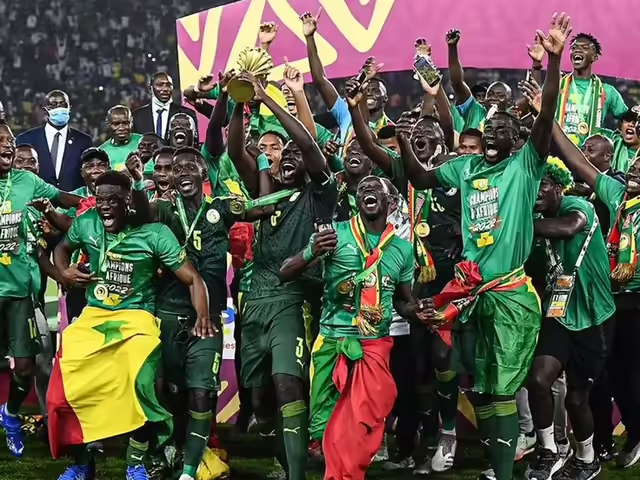
The Senegalese Football Federation (FSF) has protested the “unfair, unprecedented, and unacceptable decision” to deprive its squad of the Africa Cup of Nations championship and give it to host country Morocco two months after the final.
The Confederation of African Football’s appeals tribunal concluded on Tuesday that Senegal “forfeited the final” by walking off the field, resulting in Morocco’s 3-0 default triumph.
The FSF stated that the ruling “discredits African football,” and that it will file an appeal “as soon as possible” to the Court of Arbitration for Sport in Lausanne, Switzerland, a process that generally takes a year to complete.
“The FSF reaffirms its unwavering commitment to the values of integrity and sporting justice and will keep the public informed of developments in this matter,” the federation said in a statement.
The CAF cited article 82 of tournament regulations for its marquee event to justify the verdict enforced on appeal, though not at the first hearing.
It states “if, for any reason whatsoever, a team withdraws from the competition or does not report for a match, or refuses to play or leaves the ground before the regular end of the match without the authorization of the referee, it shall be considered loser and shall be eliminated for good from the current competition.”