Home Blog Page 177

President Akufo-Addo Reaffirms Commitment to Peaceful Elections and Anti-Vigilantism Laws

0
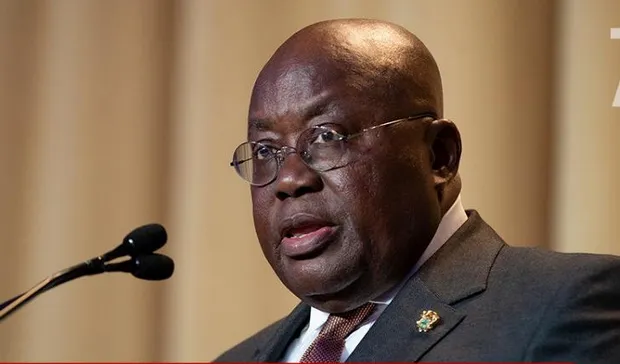
IMAGE COPYRIGHT / AFP/

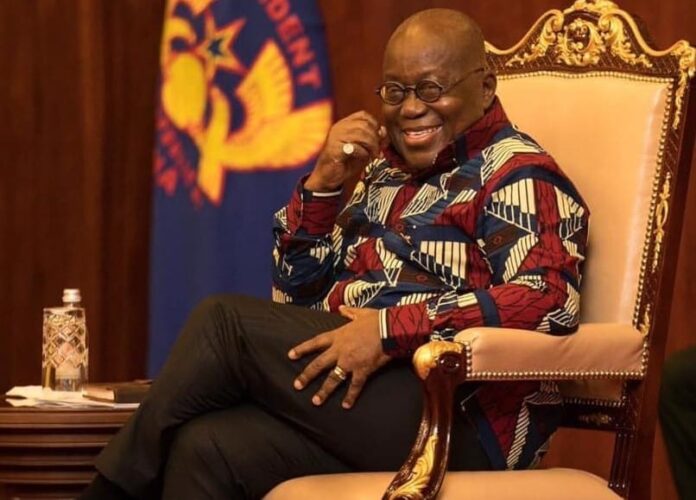
As Ghana prepares for its presidential and parliamentary elections in December 2024, President Nana Addo Dankwa Akufo-Addo has strongly reiterated his commitment to upholding laws against vigilantism, ensuring free, fair, transparent, and credible elections.

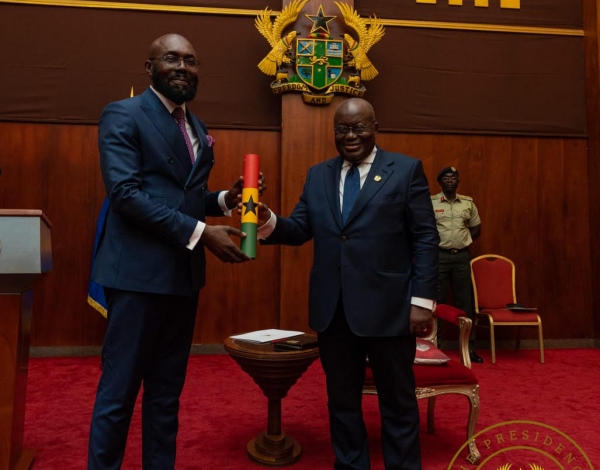
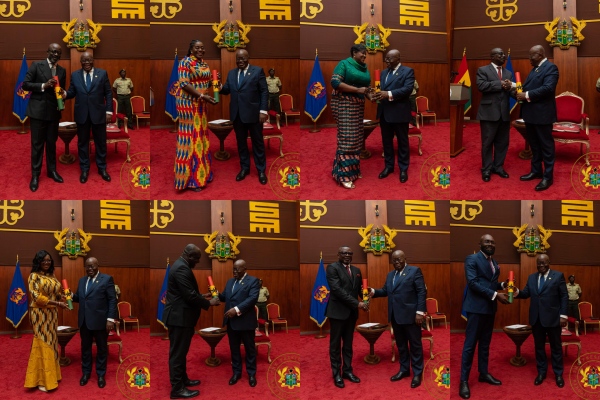
During a ceremony at Jubilee House where he presented credentials to nine newly appointed diplomats, President Akufo-Addo stressed the critical importance of maintaining peace and order throughout the election period.

“Ghana has long been a beacon of democracy on the African continent, and it is our collective duty to safeguard this reputation,” President Akufo-Addo declared. “Anyone who seeks to subvert the free will of the people will be dealt with in accordance with the law.”

The President issued a stern warning against vigilantism, emphasizing the government’s resolve to strictly enforce the law. “Any individual or group found culpable and falling foul of the law will be made to face its full rigours. Vigilantism has no place in our democratic space, and we must all work together to ensure a peaceful and orderly election period,” he stated.

The issue of vigilantism has been a persistent challenge in Ghanaian politics, with various incidents of violence and intimidation linked to political activities. The President’s firm stance against such activities underscores his commitment to upholding democratic principles and ensuring that the upcoming elections reflect the genuine will of the people.

President Akufo-Addo called on all political parties and candidates to respect the democratic process and the will of the Ghanaian people, urging them to conduct their campaigns peacefully and avoid any actions that could undermine the integrity of the elections. “No candidate or political party is superior to the will of the Ghanaian people,” the President asserted.

In collaboration with law enforcement agencies, the government has implemented measures to ensure that the election period is peaceful and that any acts of violence or intimidation are swiftly addressed. “As we look ahead to the upcoming presidential and parliamentary elections in December this year, I want to reiterate my unwavering determination to ensuring that these elections are conducted in a manner that is free, fair, transparent, and credible,” President Akufo-Addo emphasized.

The President also highlighted the role of the newly appointed diplomats in promoting Ghana’s image as a stable and democratic country. He urged them to uphold the values of democracy and to engage with their host nations in fostering strong bilateral relationships that support Ghana’s democratic aspirations. “Your primary responsibility is to promote the image of Ghana as a stable, peaceful, and forward-looking country,” the President told the new envoys.

The government’s commitment to enforcing vigilantism laws and ensuring peaceful elections is crucial for maintaining Ghana’s reputation as a democratic leader in Africa. The upcoming elections are expected to be closely watched both locally and internationally, and the President’s assurance of a credible electoral process is a significant step towards preserving the integrity of Ghana’s democracy.

As the election date approaches, the government’s focus on upholding the rule of law and preventing any acts of vigilantism will be critical in ensuring a peaceful and orderly election period. The President’s strong stance against vigilantism and his call for political parties to respect the democratic process reflect Ghana’s commitment to maintaining a stable and democratic society.

The enforcement of vigilantism laws and the government’s efforts to ensure peaceful elections are vital for Ghana’s continued democratic progress. The nation’s ability to conduct free, fair, and transparent elections will not only strengthen its democratic institutions but also enhance its international standing as a model of democracy in Africa.

In conclusion, President Akufo-Addo’s address at the presentation of credentials to the new diplomats underscores the importance of enforcing vigilantism laws and ensuring credible elections. The government’s determination to uphold democratic principles and maintain peace and order during the election period is a testament to Ghana’s commitment to its democratic values and its reputation as a beacon of democracy on the African continent.
President Akufo-Addo Vows to Uphold Peace During Upcoming Elections

0

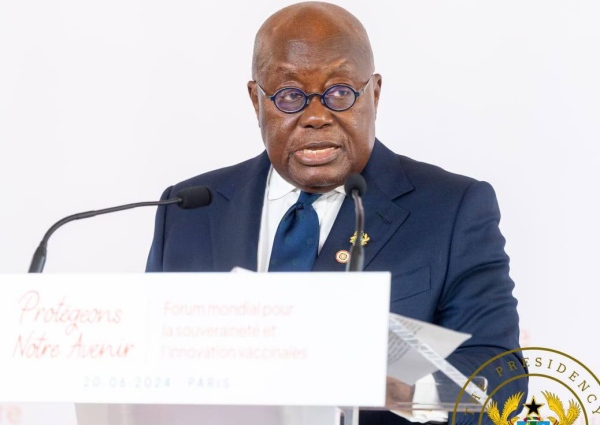
As Ghana approaches its presidential and parliamentary elections in December 2024, President Nana Addo Dankwa Akufo-Addo has reaffirmed his commitment to enforcing laws against vigilantism to ensure free, fair, transparent, and credible elections.

During the presentation of credentials to nine newly appointed diplomats at the Jubilee House, the President emphasized the importance of maintaining peace and order during the election period.

“Ghana has long been a beacon of democracy on the African continent, and it is our collective duty to safeguard this reputation,” President Akufo-Addo declared. “Anyone who seeks to subvert the free will of the people will be dealt with in accordance with the law.”

The President issued a stern warning against vigilantism, affirming the government’s determination to strictly enforce the law. “Any individual or group found culpable and falling foul of the law will be made to face its full rigours. Vigilantism has no place in our democratic space, and we must all work together to ensure a peaceful and orderly election period,” he stated.

The issue of vigilantism has been a persistent challenge in Ghanaian politics, with various incidents of violence and intimidation associated with political activities. The President’s strong stance against such activities underscores his commitment to upholding democratic principles and ensuring that the upcoming elections reflect the true will of the people.

President Akufo-Addo called on all political parties and candidates to respect the democratic process and the will of the Ghanaian people. He urged them to conduct their campaigns peacefully and to avoid any actions that could undermine the integrity of the elections. “No candidate or political party is superior to the will of the Ghanaian people,” the President asserted.

The government’s collaboration with law enforcement agencies includes measures to ensure the election period is peaceful and that any acts of violence or intimidation are swiftly addressed. “As we look ahead to the upcoming presidential and parliamentary elections in December this year, I want to reiterate my unwavering determination to ensuring that these elections are conducted in a manner that is free, fair, transparent, and credible,” President Akufo-Addo emphasized.

The President also highlighted the role of the newly appointed diplomats in promoting Ghana’s image as a stable and democratic country. He urged them to uphold the values of democracy and to engage with their host nations in fostering strong bilateral relationships that support Ghana’s democratic aspirations. “Your primary responsibility is to promote the image of Ghana as a stable, peaceful, and forward-looking country,” the President told the new envoys.

The government’s commitment to enforcing vigilantism laws and ensuring peaceful elections is crucial for maintaining Ghana’s reputation as a democratic leader in Africa. The upcoming elections are expected to be closely watched both locally and internationally, and the President’s assurance of a credible electoral process is a significant step towards preserving the integrity of Ghana’s democracy.

As the election date approaches, the government’s focus on upholding the rule of law and preventing any acts of vigilantism will be critical in ensuring a peaceful and orderly election period. The President’s strong stance against vigilantism and his call for political parties to respect the democratic process reflect Ghana’s commitment to maintaining a stable and democratic society.

The enforcement of vigilantism laws and the government’s efforts to ensure peaceful elections are vital for Ghana’s continued democratic progress. The nation’s ability to conduct free, fair, and transparent elections will not only strengthen its democratic institutions but also enhance its international standing as a model of democracy in Africa.

In conclusion, President Akufo-Addo’s address at the presentation of credentials to the new diplomats highlights the importance of enforcing vigilantism laws and ensuring credible elections. The government’s determination to uphold democratic principles and maintain peace and order during the election period is a testament to Ghana’s commitment to its democratic values and its reputation as a beacon of democracy on the African continent.
President Akufo-Addo Urges New Diplomats to Elevate Ghana’s International Image

0

In a significant diplomatic move, President Nana Addo Dankwa Akufo-Addo has presented credentials to nine newly appointed diplomats, emphasizing the importance of promoting Ghana’s image and interests on the global stage.

The appointees, including three High Commissioners, five Ambassadors, and one Ambassador-at-Large, are tasked with representing Ghana in various countries and international organizations. The newly appointed envoys are:

  • Vice Admiral Seth Amoama, High Commissioner-designate to Nigeria
  • Mrs. Francisca Ashietey-Oduntun, High Commissioner-designate to South Africa
  • Mr. Ernest Yaw Amporful, High Commissioner-designate to Rwanda
  • Major General Nicholas Peter Andoh, Ambassador-designate to Türkiye
  • Mr. Henry Tachie-Menson, Ambassador-designate to Belgium and the EU
  • Mrs. Charity Gbedawo, Ambassador-designate to Morocco
  • Ms. Abigail Naa Adzoko Kwashi, Ambassador-designate to Norway
  • Dr. Robert Afriyie, Ambassador-designate to Ethiopia and the African Union
  • Nana Bediatuo Asante, Ambassador-at-Large

In his address at Jubilee House, President Akufo-Addo stressed the critical role these diplomats will play in advancing Ghana’s interests and enhancing its international reputation. “Your primary responsibility is to promote the image of Ghana as a stable, peaceful, and forward-looking country,” he stated.

The President highlighted the importance of fostering strong bilateral relationships, attracting investments, and advocating for Ghana’s interests. He emphasized the need to strengthen diplomatic ties and international cooperation, particularly in light of global challenges such as the COVID-19 pandemic and the ongoing conflict in Ukraine.

“High Commissioners-designate and Ambassadors-designate, your postings come at a critical juncture in global affairs and our nation’s development,” President Akufo-Addo noted. “The world is gradually emerging from the shadows of the COVID-19 pandemic, which has left a profound impact on all facets of life.”

Acknowledging the contributions of Vice Admiral Seth Amoama and Major General Nicholas Peter Andoh to Ghana’s military, the President commended their dedication and leadership. “Their meritorious service has been instrumental in safeguarding the sovereignty and stability of our nation,” he said.

President Akufo-Addo urged the new envoys to familiarize themselves with the Ghana CARES ‘Obaatampa’ Programme, which outlines the roadmap for revitalizing the Ghanaian economy. This ambitious program focuses on supporting commercial farming, building the light manufacturing sector, developing engineering and ICT industries, fast-tracking digitalization, and creating jobs for young people.

“The Ghana CARES ‘Obaatampa’ Programme sets out our roadmap towards the strong revitalization of the Ghanaian economy,” the President explained. “Each of you must help contribute to the success of this program by facilitating foreign investment into the country.”

The President also stressed the importance of engaging with Ghanaian communities abroad and leveraging their potential to contribute to the country’s development. “Our diaspora is a vital component of the Ghanaian fabric, contributing considerably to our economy and cultural heritage,” he said.

In addition to promoting Ghana’s economic agenda, the new envoys have been tasked with addressing global issues such as armed conflicts, terrorism, climate change, and illicit financial flows. President Akufo-Addo emphasized the need for international cooperation to tackle these challenges effectively.

“Your responsibilities at the multilateral level include working with your host governments to assist in the fight against armed conflicts, terrorism, climate change, and the illicit outflow of funds from Africa,” the President stated.

As the new envoys embark on their missions, they carry the hopes and aspirations of the Ghanaian people. Their success in representing Ghana on the global stage will significantly influence the nation’s international reputation and contribute to its development.

The President concluded his address with a call for integrity and professionalism, urging the diplomats to carry out their duties with dedication and to enhance Ghana’s reputation internationally. “In executing your duties, it is imperative that you cultivate and maintain cordial working relationships with the professional Foreign Service officers who will be your colleagues in the high commissions and embassies,” he said.

“Their support and collaboration will be essential in achieving your objectives and ensuring the success of your missions.”

This ceremony marks a significant step in Ghana’s diplomatic efforts, reflecting the nation’s commitment to global engagement and cooperation. The new envoys are expected to play a crucial role in promoting Ghana’s interests and contributing to its development on the international stage.

President Akufo-Addo Announces Resumption of Stalled Projects Following Successful Debt Restructuring

0
IMAGE COPYRIGHT / AFP/ Nana Addo Dankwa Akufo-Addo

In a major boost for Ghana’s economic recovery, President Nana Addo Dankwa Akufo-Addo has announced the imminent resumption of stalled projects nationwide, thanks to successful debt restructuring negotiations.

Speaking at Jubilee House during the presentation of credentials to nine newly appointed diplomats, President Akufo-Addo highlighted the positive outcomes of these negotiations and their significant impact on Ghana’s development.

The President detailed the completion of three key debt restructuring operations: domestic debt restructuring, external bilateral debt restructuring, and commercial bondholders debt restructuring. These efforts have provided essential financial relief, enabling a renewed focus on critical infrastructure and development projects.

“These agreements have provided much-needed breathing space and put our domestic debt-to-GDP ratio on a clear downward trend,” stated President Akufo-Addo. He emphasized that bondholders will offer $4.4 billion in cash flow relief during the IMF Programme, alongside the cancellation of $4.7 billion of the debt stock.

A key highlight of the domestic debt restructuring was its high participation rate of almost 95%. Coupon rates were reduced from 21% to 9% on average, and maturities were extended, easing the near-term local debt service burden that previously consumed over 40% of the country’s tax revenues. This restructuring is set to lower the domestic debt-to-GDP ratio to 55% by 2028.

Furthermore, the external bilateral debt restructuring marked a crucial milestone. The agreement with bilateral creditors, coordinated through the Ghana Official Creditor Committee (OCC) and co-chaired by France and China, restructured $5.1 billion of Ghana’s debts. This will provide approximately $2.8 billion (GH¢39 billion) in debt service relief from 2023 to 2026, allowing for repayment at a cheaper interest rate later.

“The Agreement with our Bilateral Debt Holders will lead to a cash flow relief of around $2.8 billion or GH¢39 billion in debt service,” President Akufo-Addo remarked. “This will enable us to resume and complete many projects that are vital for our nation’s progress.”

These successful negotiations have cleared the path for the IMF’s Executive Board to approve Ghana’s Second Review of the Fund Programme, resulting in a further disbursement of $360 million. This additional funding will bolster Ghana’s efforts to revive its economy and accelerate development initiatives.

One of the most notable achievements is the agreement with commercial bondholders. The restructuring of $13.1 billion in debts resulted in significant savings, including the cancellation of $4.7 billion (GH¢65 billion) from the debt stock and $4.4 billion (GH¢60 billion) in debt service relief during the IMF Programme.

“The savings include the cancellation of $4.7 billion from the debt stock and $4.4 billion in cash flow relief during the IMF Programme,” explained President Akufo-Addo. “This comprises principal savings of $1.5 billion and interest savings of $2.9 billion.”

The President praised the Ministry of Finance, led by Hon. Mohammed Amin Adam, for their efforts in achieving these historic agreements. He stressed the importance of these milestones in creating the financial space needed to resume and complete stalled projects nationwide.

“These achievements are unprecedented in the history of country debt restructurings,” President Akufo-Addo noted. “The Minister for Finance and his team at the Ministry of Finance are to be warmly applauded for this historic achievement.”

With the successful debt restructuring initiatives in place, the government is now well-positioned to revitalize critical infrastructure and development projects that were previously stalled due to financial constraints. These projects, including improvements in healthcare, education, transportation, and other essential sectors, are vital for Ghana’s progress and development.

The President’s announcement has been met with optimism and renewed hope for Ghana’s economic future. The resumption of stalled projects will not only boost the country’s development efforts but also create jobs and improve the quality of life for Ghanaians.

As Ghana continues on its path to economic recovery, the successful debt restructuring and the resumption of stalled projects signify a significant step forward in the nation’s journey towards sustainable growth and prosperity.

Ghana’s Economic Recovery Gets a Boost as President Akufo-Addo Announces Resumption of Stalled Projects

0

In a major stride towards economic recovery, President Nana Addo Dankwa Akufo-Addo has announced the imminent resumption of many stalled projects across Ghana. This development follows successful negotiations on the restructuring of the nation’s debt.

During a ceremony at Jubilee House to present credentials to nine newly appointed diplomats, President Akufo-Addo highlighted the positive outcomes of these negotiations and their critical impact on Ghana’s development.

The President detailed the completion of three significant debt restructuring operations: domestic debt restructuring, external bilateral debt restructuring, and commercial bondholders debt restructuring. These efforts have brought essential financial relief, enabling a renewed focus on key infrastructure and development projects.

“These agreements have provided much-needed breathing space and put our domestic debt-to-GDP ratio on a clear downward trend,” stated President Akufo-Addo. He emphasized that bondholders will offer $4.4 billion in cash flow relief during the IMF Programme, alongside the cancellation of $4.7 billion of the debt stock.

A key highlight of the domestic debt restructuring was its high participation rate of almost 95%. Coupon rates were reduced from 21% to 9% on average, and maturities were extended, easing the near-term local debt service burden that previously consumed over 40% of the country’s tax revenues. This restructuring is set to lower the domestic debt-to-GDP ratio to 55% by 2028.

Furthermore, the external bilateral debt restructuring marked a crucial milestone. The agreement with bilateral creditors, coordinated through the Ghana Official Creditor Committee (OCC) and co-chaired by France and China, restructured $5.1 billion of Ghana’s debts. This will provide approximately $2.8 billion (GH¢39 billion) in debt service relief from 2023 to 2026, allowing for repayment at a cheaper interest rate later.

“The Agreement with our Bilateral Debt Holders will lead to a cash flow relief of around $2.8 billion or GH¢39 billion in debt service,” President Akufo-Addo remarked. “This will enable us to resume and complete many projects that are vital for our nation’s progress.”

These successful negotiations have cleared the path for the IMF’s Executive Board to approve Ghana’s Second Review of the Fund Programme, resulting in a further disbursement of $360 million. This additional funding will bolster Ghana’s efforts to revive its economy and accelerate development initiatives.

One of the most notable achievements is the agreement with commercial bondholders. The restructuring of $13.1 billion in debts resulted in significant savings, including the cancellation of $4.7 billion (GH¢65 billion) from the debt stock and $4.4 billion (GH¢60 billion) in debt service relief during the IMF Programme.

“The savings include the cancellation of $4.7 billion from the debt stock and $4.4 billion in cash flow relief during the IMF Programme,” explained President Akufo-Addo. “This comprises principal savings of $1.5 billion and interest savings of $2.9 billion.”

The President praised the Ministry of Finance, led by Hon. Mohammed Amin Adam, for their efforts in achieving these historic agreements. He stressed the importance of these milestones in creating the financial space needed to resume and complete stalled projects nationwide.

“These achievements are unprecedented in the history of country debt restructurings,” President Akufo-Addo noted. “The Minister for Finance and his team at the Ministry of Finance are to be warmly applauded for this historic achievement.”

With the successful debt restructuring initiatives in place, the government is now well-positioned to revitalize critical infrastructure and development projects that were previously stalled due to financial constraints. These projects, including improvements in healthcare, education, transportation, and other essential sectors, are vital for Ghana’s progress and development.

The President’s announcement has been met with optimism and renewed hope for Ghana’s economic future. The resumption of stalled projects will not only boost the country’s development efforts but also create jobs and improve the quality of life for Ghanaians.

As Ghana continues on its path to economic recovery, the successful debt restructuring and the resumption of stalled projects signify a significant step forward in the nation’s journey towards sustainable growth and prosperity.

Vice President Bawumia Urges Faith-Based Organisations to Collaborate in Achieving Ghana’s National Vision

0

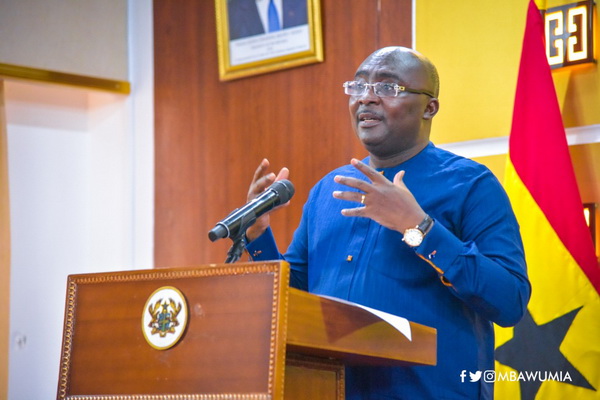
Achieving Ghana’s development goals requires a collective ownership of the national vision and collaboration among key stakeholders, Vice President Dr. Mahamudu Bawumia has stated. Emphasizing the importance of faith-based organisations working hand-in-hand with the government, he outlined this vision at the 2nd Biennial Joint Conference of the East, West, and Mid Ghana Conference of the AME Zion Church.

Reflecting on the conference theme, “The Freedom Church: Securing our Future,” Dr. Bawumia stressed the necessity of crafting national goals together, leveraging relevant knowledge and experience. He noted:

“The conference theme is a stirring appeal to each of us to believe in the future and take deliberate steps now to preserve, protect, and secure it at all costs. Despite recent turbulent and troubling economic challenges, we must not let them dampen our confidence and faith in the future that God has for us.”

Dr. Bawumia highlighted the need for visionary leadership and a dedicated populace to achieve national aspirations. He urged:

“We must determine where we want to be in the future and carefully plan how to get there. It requires visionary leadership to chart the path and committed individuals who strive to achieve their ideals and aspirations.”

Speaking on Wednesday, June 19, 2024, Dr. Bawumia challenged Christians to reflect on how their actions impact national development:

“Would it be too much to ask that Christians complement their prayer vigils and revivals with honest, diligent work? Is it too much to ask that each individual commits to personal cleanliness and respect for the environment? Can we hold leadership at all levels to account with the same passion with which we strive to uphold the rule of law? Can the church reclaim its prophetic voice and mandate by being faithful and true to her divine calling?”

He commended the AME Zion Church for its invaluable contributions to national development in healthcare, education, advocacy, and social justice. He also lauded the church’s participation in the Christian Council of Ghana’s efforts to address critical national issues.

Expressing his belief in Ghana’s potential for greatness, Dr. Bawumia called for unity and open dialogue to achieve accelerated national development:

“I have no doubt that the Almighty God has brought each of us to a time such as this for a reason. He has divinely equipped us to rise to the occasion and build our beloved nation Ghana. May the love of God and nation undergird our efforts, as the AME Zion Church and its members partner with President Nana Addo Dankwa Akufo Addo and me to transform the lives of our people and communities.”

Rt. Rev. Dr. Hilliard K. Dela Dogbe, Presiding Bishop of the African A.M.E Zion Church – Western West Africa Episcopal District, also called on Ghanaians to reject politics of violence and division, emphasizing that the electoral process should highlight diversity rather than cause discord:

“Politics should not divide us; it should rather showcase our diversity. As the parties campaign, let’s listen for ideas, deliberate on them, and choose the ones that best address our challenges. Peace is what we all desire, not conflict.”

This message underscores the essential role of faith-based organisations in Ghana’s journey towards achieving its national vision, urging collective effort and commitment from all sectors of society.

CSIR launches Science for Impact Fund,aimto raise $20 million.

0

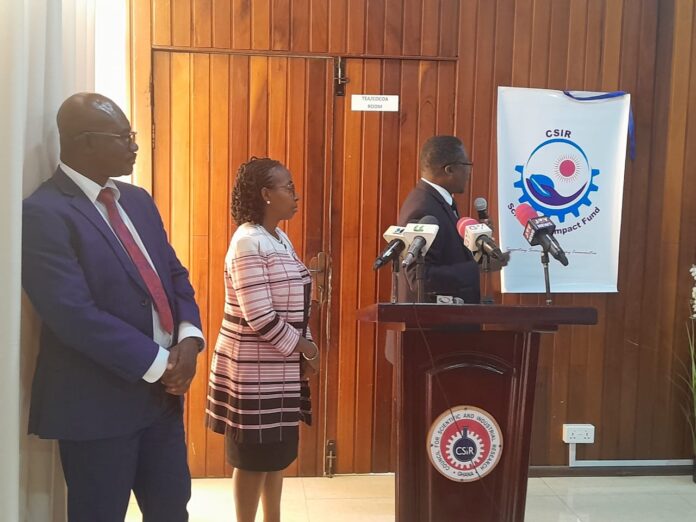
The Council for Scientific and Industrial Research (CSIR) has launched CSIR Science for Impact Fund (CSIF), a new initiative aimed at raising $20 million to support groundbreaking research and innovation.

This ambitious fund will focus on identifying and supporting high-impact research projects and technological innovations that have the potential to drive industrial growth to spur sustainable economic development.

Speaking at the press launch, Professor Paul Bosu, Director-General of CSIR, emphasized the importance of the initiative, which is designed to foster collaborations, promote local community development and create a more innovative and sustainable future.

“We are committed to fostering increased collaboration between academia, industry, and government to drive innovation and community development,” he said.

As part of this commitment, he said, CSIR staff have volunteered to contribute one percent of their salaries over the next five years to support the endowment fund.

Professor Bosu appealed to corporate bodies and individuals to support the Council in its mission to deliver effectively on its mandate and support science and technology innovation.

Professor Mike Osei-Atweneboana, Chair of the CSIF planning committee, and Director of CSIR Water Research Institute highlighted the funding challenges faced by CSIR.

“We face limited funding for R&D infrastructure, human resource capacity development, and operations,” he noted.

While CSIR is primarily funded by the government and receives modest financing from donor agencies and internally generated funds, he pointed out that releases from the national coffers had been below expectations and donor funding continues to dwindle.

According to him, to overcome this financing gap, CSIR was amended in 1996 (Act 521) to introduce private sector involvement and integration of market principles into its operations through commercialization of research.

However, he indicated that despite best efforts, the general economic situation in the country had made it extremely difficult for CSIR to secure financing to efficiently carry out its operations.

“Simply put, the funding required by CSIR to fully execute its mandate and carry out relevant activities is lacking,” Professor Osei-Atweneboa said.

Therefore, to salvage this persistent lack of resources, he said, the management and staff established the endowment fund to guarantee a sustainable source of funding.

Welcoming participants, Mrs. Geneviene Yankey, CSIR Director of Administration, explained that the fund had been dubbed the “CSIR Science for Impact Fund” and aimed to support innovative demand-driven research and technological innovations.

She said thiswas expected to drive industrial development and support development projects in communities through technology transfer, adding the focus on community projects was designed to drive social inclusion and sustainable development.

With the tagline “Supporting Science, Transforming Communities,” CSIR  called on corporate bodies and individuals to join forces in supporting this important initiative.

Poverty Report: Over 7.3 million people multidimensionally poor in Ghana

0

Data from the 2021 Population and Housing Census revealed that a total of 7.317,555 million people, representing 24.3 per cent of the household population, were multidimensionally poor.

Among these poor people, 43.8 per cent experienced severe poverty through deprivations in several dimensions simultaneously.

Out of the figure, 3,757,628 are females and 3,559,927 are males.

More than a third, representing 36.7 per cent of people living in rural areas, are multidimensionally poor.

The number of multidimensionally poor persons is highest in Ashanti Region with 959,031, followed by Northern region with 873,742, and lowest in Ahafo Region with 135,644.

The Savannah region, representing 49.5 per cent has the highest proportion of its household population who are multidimensionally poor, which is about two times higher than the national average of 24.3 per cent.

Multidimensional poverty is a non-monetary measure of poverty that reflects the various areas in which the population may be deprived of their needs.

Mr Omar Seidu, Director, Social Statistician, Ghana Statistical Service, announced this at the launch of a Ghana Multidimensional Poverty Report in Accra.

The report covered all 261 Metropolitan, Municipal, and Districts in the country.

The report showed that employment, which represents 32.6 per cent and living conditions, which represent 27.9 per cent contributed the most to multidimensional poverty.

Employment and health insurance, out of the 13 indicators of multidimensional poverty, contributed to more than 54.1 of the incidence of poverty in Ghana.

The district with the least proportion of its population who are multidimensionally poor is Asokwa Municipal in Ashanti Region with 6.3 per cent.

The highest district is Nabdam with 68.6 per cent in the Upper East Region.

The report revealed that multidimensional poverty in the country was generally highest among households with younger household heads below 25 years old or 60 years old.

The report showed that households headed by those working in the agricultural sector, representing 34.3 per cent are poorer than those in the industry, with 8.9 per cent and service, with 6.2 per cent.

Also, the report revealed that the incidence of multidimensional poverty was highest among households whose heads were widowed, representing 32.0 per cent.

Professor Samuel Kobina Annim, Government Statistician, said the report was relevant to Ghana’s commitment to achieving Sustainable Development Goal one “Ending Poverty in All its Forms Everywhere.”

He said the report identified specific areas where the poor were most deprived, allowing for a more precise allocation of resources and better monitoring of development programmes.

“The report does not only serve as a critical tool for understanding the multifaceted nature of poverty but also reinforces the need for integrated and comprehensive policy responses,” he said.

NGO provides 68 boreholes to mitigate water challenges in Sunyani West Municipality

0

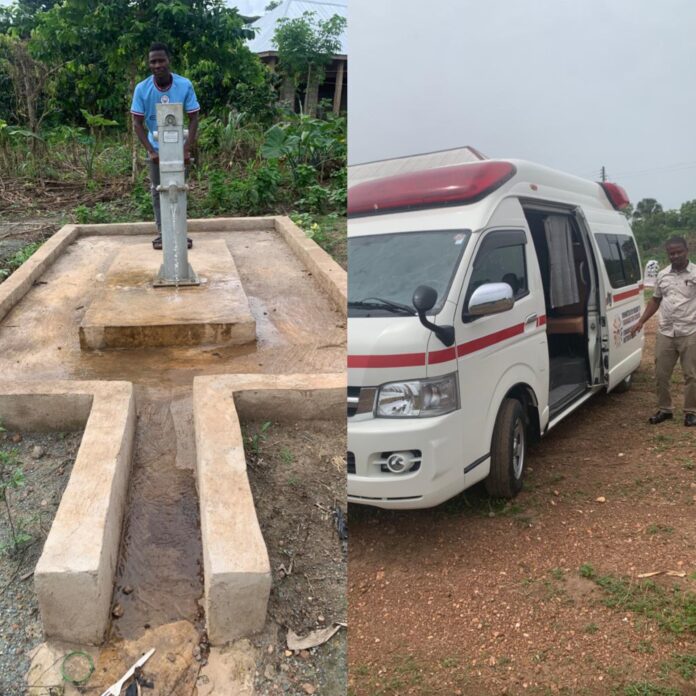
The Heart for Children Foundation Ghana, a non-government organisation (NGO) based in Nsoatre, has provided 68 boreholes to address water challenges in the Sunyani West municipality.

In 2023, the NGO provided 22 boreholes and an additional 46 were provided in 2024 to benefit 75 communities in the municipality.

This initiative is aimed at providing sustainable access to clean water, ultimately to improve the overall quality of life for residents in the beneficiary areas.

During an interview with the Ghana News Agency (GNA) in Nsoatre, Mr. Solomon Boateng, the Founder and Director of the Foundation stressed the significant impact of the project on the beneficiary communities.

He noted that some community members previously had to walk up to 14 kilometers to access clean water.

Mr. Boateng said the provision of clean, healthy water was a crucial aspect of the foundation’s mission, saying they were dedicated to improving the lives of children and ensuring a better future for them.

He said while the focus was on children, the benefits of the projects were also extended to adults in the communities.

Highlighting the support the Foundation had provided in the health sector, Mr . Boateng stated in the year 2023 a brand-new Toyota ambulance was donated to the Nsoatre Polyclinic, along with the construction of a new Outpatient Department (OPD) block, consulting room, maternity block and ward.

He added that the facilities were equipped with electronic hospital beds and other necessary equipment to enhance the clinic’s capacity.

Mr. Boateng mentioned that in the first quarter of 2024, the Foundation continued its support by constructing a new pharmacy, laboratory and a recovery ward at the clinic.

Additionally, an anesthesia machine was purchased, along with other essential machines and equipment for the facility.

He said all the efforts were aimed at strengthening the clinic’s resources to provide quality medical care to residents of Nsoatre and surrounding communities.

Bawumia’s running mate: Leakage of NIB survey worrying – Seidu Alidu

0

Professor Seidu Alidu, Head, Political Science Department, University of Ghana, has expressed concern on the leak of a National Investigation Bureau (NIB) survey regarding Dr Mahamudu Bawumia, the New Patriotic Party flagbearer’s preferred running mate.

He said although the NIB was mandated to investigate issues of national security importance, its findings should have been kept confidential and disclosed only after the Party had made their official announcement on their selected candidate.

In an interview with the Ghana News Agency, Prof. Alidu said the circulation of the survey in the media, could create “bandwagon effect” and influence the Party’s decision in favour of one candidate.

“The survey is relevant. The NIB is supposed to be proactive in advising the Government on national security matters and potential security threats. The selection of a running mate who will potentially be the vice president of the Republic should be of national security concern.

“Making it public is concerning. I am not sure it was meant to sway opinions towards a particular candidate or not,” he said.

The NIB survey indicated that Dr Matthew Opoku Prempeh, the energy minister, is widely preferred among party members to be the running mate to Dr Bawumia.

Dr Bawumia is yet to announce his running mate for the 2024 General Election scheduled for December 7, 2024 – a development some political analysts have described as “long overdue.”

The NIB Report, which sampled the views of 5,116 NPP delegates nationwide, including national, regional, constituency, and polling station executives, said 76.2 per cent of respondents preferred Dr Prempeh as Dr Bawumia’s running mate.

Dr Yaw Osei Adutwum, the Minister of Education, garnered 10.16 of the responses.

Other candidates that made the list included Apostle Opoku Onyinah, former Chairman of the Pentecost Church-Ghana, and Bryan Acheampong, the Minister of Agriculture and MP for Abetifi Constituency.

Prof. Alidu said six months would be too short a time to market the preferred running mate for the NPP.

He said the Party would have to develop a strategy to convince voters to accept the character and personality of the candidate ahead of the December 7 polls.

“Can you change a person’s character and the way that people perceive him in six months?” he asked, adding that “It takes time for people to repose confidence in the candidate.”