
The Captain One Golf Society has successfully organised its maiden Future Champions End-of-Season Awards Ceremony for young golfers under its Captain One Golf Kids programme.
The ceremony, held at the Royal Golf Club in Kumasi brought together young golfers, caregivers, coaches and invited guests who gathered to celebrate the progress of the young golfers and recognise their dedication throughout the golfing season.
The initiative also formed a key pillar of the society’s long-term vision to groom, inspire, and elevate the next generation of golfers, creating a vibrant pipeline of young talent poised to take the sport to greater heights.
Mr Pius Ayeh Appiah, President and Founder of Captain One Golf Society commended the young participants for their enthusiasm, discipline and passion for the game.
He explained that the Future Champions Awards was instituted to reward hard work, encourage consistency and motivate the golfers to strive for excellence.
He charged the champions to keep pushing beyond their limits, reminding them that greatness could only be earned through relentless hard work, discipline, and an unyielding hunger to succeed.
“Remember that true champions are not defined only by victories, but by their character, determination, and willingness to improve,” he added.
Mr. Ayeh Appiah thanked the Committee Members of Captain One Golf Society, the Executives and members of the Royal Golf club for the platform to make their dreams a reality.
“Most importantly, we remain grateful for the blessings and inspiration of His Royal Majesty Otumfuo Osei Tutu II, whose leadership and vision continue to inspire initiatives that support the development of young people.”
Professor Bernard Baiden, Operations Manager of the Captain One Golf Kids programme also commended the initiators of the project for giving a life choice to the young ones.
As part of the event, a ceremonial competition was played among the young golfers and at the end of the day Zakiyah Hudu won Group A with a net score of 34 followed by Fadilatu Adam with 36, Ayisha Aminu with 40, Gifty Baba with 41, Jennifer Saturawith 41, and Modesta Satura with 42.
In Group B, Pauline Akwokame led with a net score of 32, followed by Esther Attah with 33, Jessica Torheptey, Paula Akwokame, and Asana Adam all followed with a net score of 37 while Francisca Opoku finished the group with a net score of 53.
The maiden Future Champions End-of-Season Awards Ceremony ended on a joyful note, with renewed commitment from the Captain One Golf Society to continue investing in youth development through the Captain One Golf Kids programme as it seeks to produce future champions for the sport.
Captain One Golf Society holds maiden Future Champions Awards ceremony in Kumasi

Real Madrid plans to offload SIX superstars during a big summer revamp.
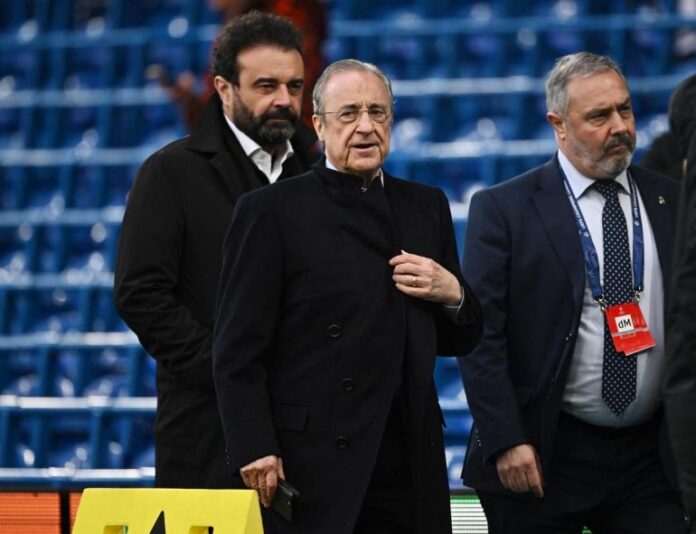
Real Madrid is apparently preparing for a merciless squad clear-out this summer, with up to six high-profile first-team stars, including defensive stalwarts and midfield prodigies, expected to be let go.
The Spanish giants’ 2025-26 campaign has been anything but straightforward. Following the departure of Xabi Alonso in January, Los Blancos have struggled for consistency under interim manager Alvaro Arbeloa. An humbling Copa del Rey loss to lower-league Albacete, followed by a Supercopa de Espana final defeat to Barcelona, has prompted the board to call for significant personnel changes.
According to BILD, the club is now ready to approve a significant overhaul of the dressing room. The administration is apparently eager to reduce the squad’s average age and rejuvenate a backline that has appeared vulnerable in their pursuit of La Liga leaders Barcelona.

The clear-out is expected to start with the club’s experienced defensive core. David Alaba, now 33, is the primary candidate for an exit after an injury-plagued stint in Madrid. With his contract expiring in June, the decision to part ways with the Austrian international appears to have already been finalised by the club’s leadership.
He is not alone in facing an uncertain future. Antonio Rudiger and captain Dani Carvajal are also approaching the end of their current deals. While Rudiger has recently fought his way back into the starting XI, the club’s silence regarding contract extensions suggests a desire to move in a different direction.
Perhaps the most shocking name on the list is Eduardo Camavinga. Despite being viewed as a cornerstone of the club’s future, reports from Marca suggest Real Madrid would be willing to listen to offers in the region of £43.2m for the versatile Frenchman, who has struggled to cement a permanent starting role this term. Additionally, left-backs Ferland Mendy and Fran Garcia are deemed surplus to requirements as the club looks to clear significant wage space for incoming targets.
Robert Lewandowski is willing to accept a pay cut to stay at Barcelona, despite MLS and Saudi transfer interest.

Robert Lewandowski is apparently willing to reduce his salary to stay at Barcelona as he nears the end of his career. Despite substantial offers from the MLS and the Saudi Pro League, the Polish icon is thought to be prioritizing his family’s comfort in Catalonia and seeking a contract extension at the Spotify Camp Nou.
Lewandowski has apparently expressed a strong desire to remain at the Spotify Camp Nou, even if it meant a lower salary. The prolific Pole remains a goal for Major League Soccer clubs, particularly the Chicago Fire, as well as numerous ambitious Saudi Pro League teams. However, the striker’s top objective is to provide stability for his family, who have thoroughly assimilated into life in Barcelona.
As he approaches his 38th birthday in August, the former Bayern Munich player demonstrates a rare level of pragmatism in his profession. He is said to be willing to take a lower wage and a potential secondary role in the Barcelona team hierarchy in order to assist the club in navigating its ongoing Financial Fair Play difficulties.

The future of the Barca No. 9 is deeply intertwined with his representative, Pini Zahavi. The super-agent was recently spotted in Barcelona, though his primary objective was supporting his close friend Joan Laporta during the club’s presidential elections. Following Laporta’s landslide victory, the atmosphere between Lewandowski’s camp and the board remains at an all-time high.
While formal contract discussions were put on the back burner during the electoral celebrations, Zahavi is expected to return to the table with sporting director Deco shortly. The objective is to find a middle ground that respects the striker’s legendary status while adhering to the club’s strict wage bill requirements, according to Mundo Deportivo.
Lewandowski is not the only Zahavi client central to Barcelona’s long-term vision. The board is also eager to secure the future of head coach Flick, whose current deal runs until 2027. Laporta views the German tactician as the cornerstone of his sporting project and is keen to add at least one more year to his tenure.
However, Flick has historically preferred shorter commitments to maintain personal flexibility. Navigating the manager’s desire for a season-by-season evaluation alongside the club’s need for institutional stability will be a major task for the newly re-elected administration in the coming weeks.
Iran security director Larijani has been reported murdered as the crisis develops.
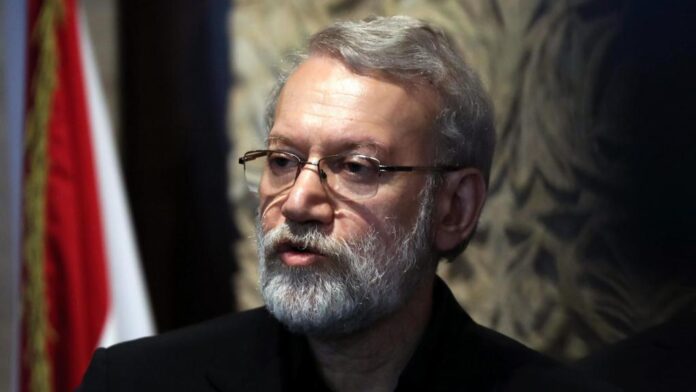
Iran’s senior security head, Ali Larijani, has purportedly been assassinated, according to Israel’s defense minister, Israel Katz, though Tehran has yet to corroborate the story.
If confirmed, his death would deal a significant blow to Iran’s leadership at a time of heightened tensions following the assassination of Supreme Leader Ali Khamenei in prior strikes attributed on Israel and the United States.
Since the beginning of the battle, Larijani has emerged as one of Iran’s most visible leaders, while the new supreme leader, Mojtaba Khamenei, has mainly kept out of the public eye.
He was spotted at a pro-government protest in Tehran a few days ago, demonstrating defiance in the face of ongoing military pressure.
A longtime insider, Larijani played a central role in shaping Iran’s security and nuclear strategy. He headed the Supreme National Security Council, overseeing defence coordination and nuclear policy.
“Larijani is a true insider… a canny operator,” said Ali Vaez of the International Crisis Group, describing him as a figure who understood both the system’s ideology and its diplomatic limits.
Born in Iraq to a prominent clerical family, Larijani built a career across Iran’s military, media and political institutions. He served in the Revolutionary Guard, led state broadcasting, and was speaker of parliament for more than a decade.
He also served as Iran’s chief nuclear negotiator in talks with Western powers and supported the 2015 nuclear deal before it collapsed following the United States’ withdrawal.
In recent years, he had taken on a more active diplomatic role, engaging Gulf states as Tehran explored renewed negotiations before the outbreak of war.
Despite his reputation as a pragmatist, Larijani remained a firm defender of Iran’s nuclear programme. “We are not moving towards weapons, but pressure could force Iran in that direction,” he warned in 2025.
He was also among senior officials sanctioned by Washington over the government’s response to nationwide protests, which rights groups say were met with deadly force.
His reported killing, if confirmed, would remove one of Iran’s most experienced power brokers at a critical moment in the region’s escalating conflict.
Building collapses in Nairobi due to faulty demolition

Kenyan authorities reported that a building fell during a controlled demolition in Nairobi, killing at least four persons and injuring several others.
The incident occurred near Shauri Moyo, where the structure was scheduled for removal as part of the Nairobi River Regeneration Project. Rescue teams, including the Kenyan army, were deployed to search for people feared trapped beneath the rubble.
Witnesses said the demolition became tragic when the structure suddenly collapsed while people were still inside. Leon Haji, who was on the scene, claimed they had been working on the construction when it fell on his pals, trapping several under the debris and prompting desperate cries for assistance in locating those who remained missing.
Another eyewitness said several young men had entered the building moments before the collapse, reportedly to collect scrap metal. Jennifer Mumbua explained that demolitions were underway when the group went inside, only for the structure to suddenly give way with them still inside.
Officials say at least two people have been rescued so far, while the cause of the collapse remains unclear.
Building collapses are a recurring problem in Nairobi, often linked to poor construction standards and weak enforcement of regulations. A past national audit found that more than half of buildings in the capital were unfit for habitation, raising ongoing concerns about urban safety.
Trump urges allies for the Strait of Hormuz, while key powers push back.
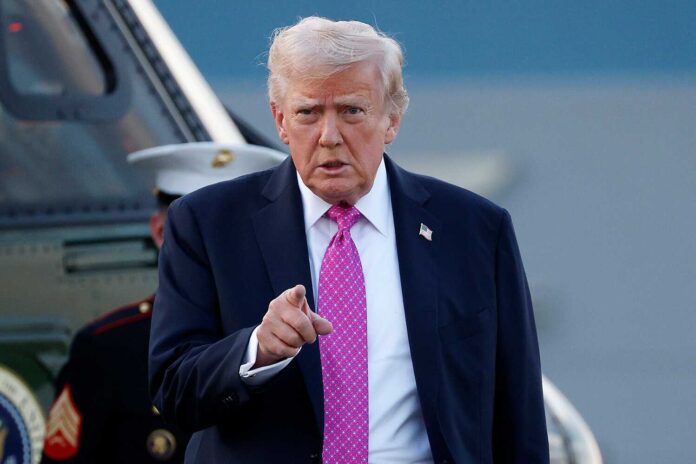
President Donald Trump asked allies to join US efforts to defend the critical Strait of Hormuz on Monday, calling it a “test of loyalty”—but important partners such as the United Kingdom, Germany, Japan, and Australia quickly distanced themselves from any military engagement.
Speaking at the White House, Trump expressed frustration that some countries he has “protected for forty years” are unwilling to “get involved in something very minor.” He stated that enthusiasm matters: “The degree of enthusiasm is important to me.”
However, British Prime Minister Keir Starmer has ruled out any NATO mission, proposing instead a “collective plan” with partners.
Germany’s government said the war has “nothing to do with NATO” and offered only diplomatic support.
Japan and Australia also excluded sending assets, while EU foreign ministers showed no appetite to extend their Aspides naval mission toward Hormuz.
Regional fallout
Iran’s foreign minister urged neighboring states to “expel foreign aggressors.” Kuwait reported drone strikes targeting its airport radar, and the UAE said it chooses “restraint” despite being hit.
Meanwhile, Hamas publicly called on its ally Iran to stop striking Gulf neighbors, and Formula 1 canceled races in Bahrain and Saudi Arabia.
Hunger and anxiety in Khan Younis as Gaza residents rely on charity for survival.
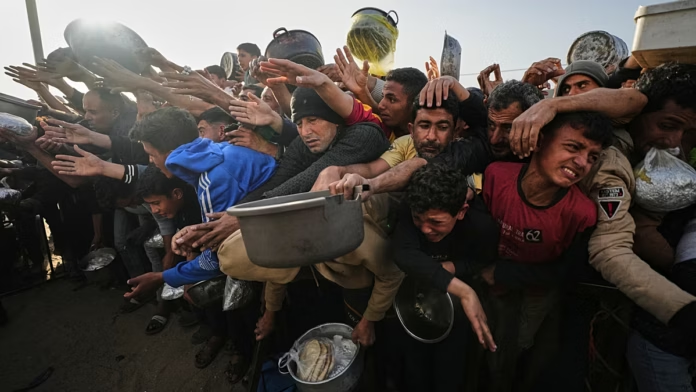
Women and children in Khan Younis line up with pots to receive cooked meals from charity-run Tikkiyya kitchens, a daily ritual for many families. Food is short as border crossings limit aid inflows, making local market prices prohibitive for many. Displaced residents describe struggle to get even one meal a day, a problem that worsens during Ramadan as demand rises around sundown. Living conditions become more unsafe. In Khan Younis, a crumbling wall crushed tents housing displaced people, killing two women and a toddler. Survivors first mistaken the incident for an airstrike. The majority of Gaza’s population today depends on humanitarian aid due to widespread destruction, with over 40 million tons of rubble impeding daily living with shortages, weak shelters, and constant uncertainty.
Lava flows reach the ocean on Réunion Island for the first time in nearly two decades.
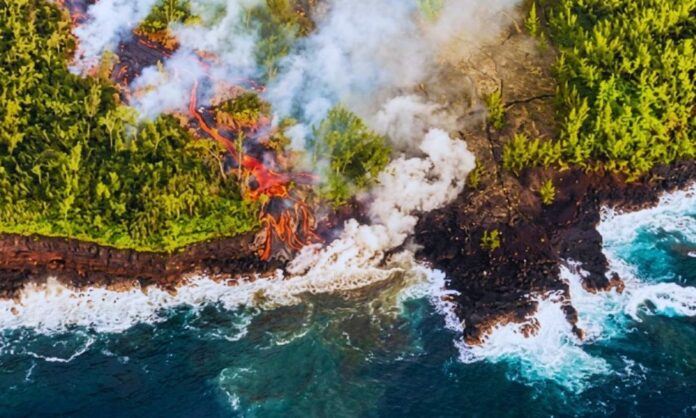
Lava flows from the Piton de la Fournaise volcano on France’s Réunion island have reached the water for the first time in 19 years, following a month-long eruption. Spectacular photographs show molten rock spilling into the water as residents and visitors converge to witness the unusual spectacle. Authorities stopped adjacent highways as people walked to viewing areas, and helicopters kept an eye on the situation. Locals described the scene as “spectacular” and a once-in-a-lifetime experience, with lava spreading across forested areas before reaching the coast.
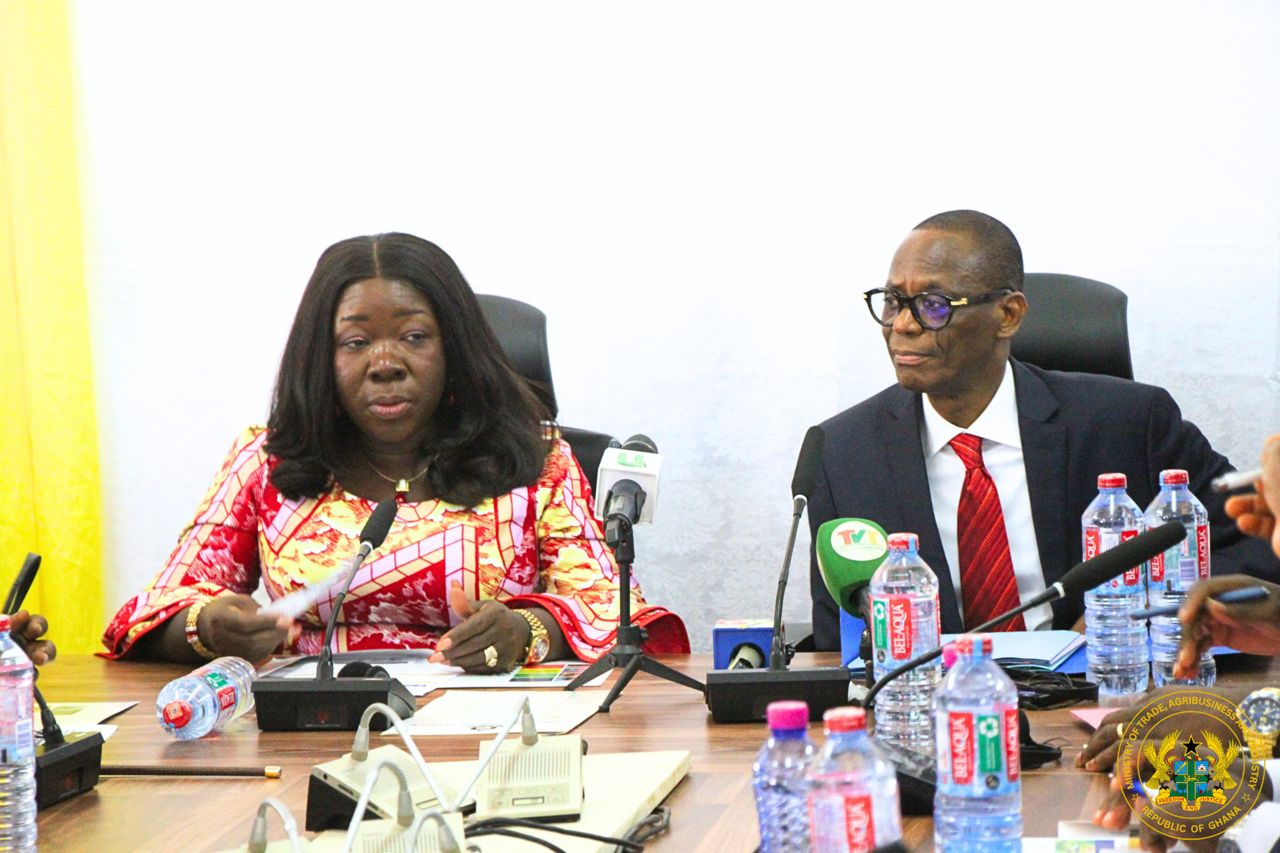
Ghana-Togo Ministerial meeting advances trade facilitation at Akanu-Noepe border
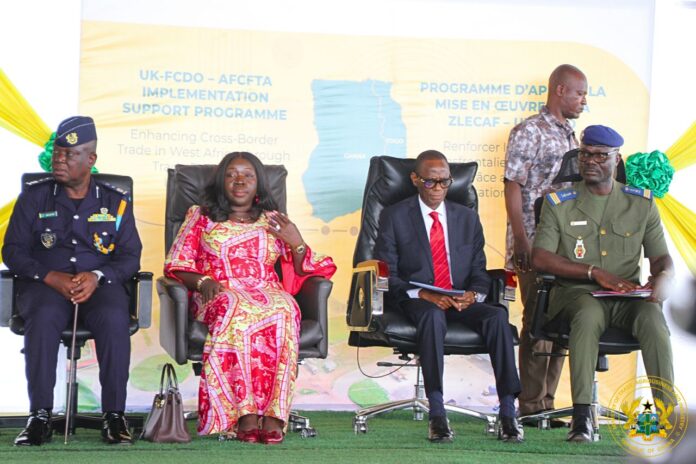
Ghana and Togo have reaffirmed their commitment to strengthening cross-border trade and improving operations at the Akanu-Noepe Joint Border Post, following a high-level ministerial meeting and handing-over ceremony.
The meeting, supported by TradeMark Africa, brought together officials from both governments, members of the National Trade Facilitation Committees, and representatives of border management agencies to deliberate on measures aimed at improving trade efficiency and reducing delays at the strategic crossing between the two countries.
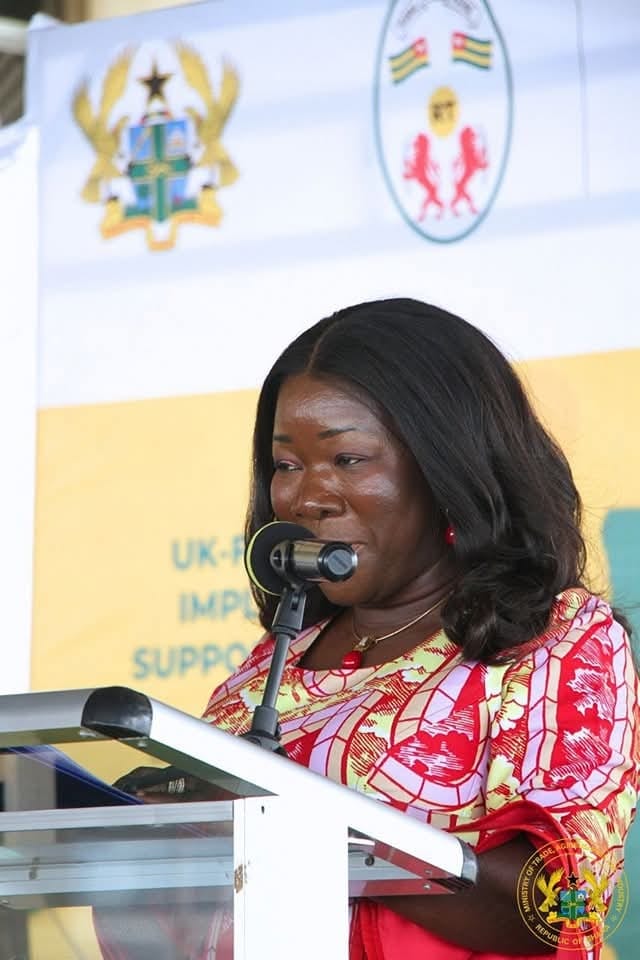
Leading the Ghanaian delegation was Mrs Elizabeth Ofosu-Adjare, the Minister for Trade, Agribusiness and Industry, while the Togolese delegation was headed by Badanam Patoki, Togo’s Minister of Economy and Strategic Monitoring in charge of Commerce.
The engagement culminated in a symbolic handing-over ceremony intended to reinforce operational cooperation and deepen collaboration in the management of the joint border facility.
Mrs Ofosu-Adjare underscored the importance of strong collaboration between the two neighbouring countries, to ensure the smooth functioning of the border post.
She noted that efficient border management was crucial to reducing trade bottlenecks, lowering the cost of doing business, and strengthening regional trade under the African Continental Free Trade Area framework.
The Minister said Ghana remained committed to working closely with its Togolese counterparts to streamline customs procedures, strengthen inter-agency coordination, and deploy modern digital systems to accelerate the clearance of goods and travelers at the border.
She also expressed appreciation to TradeMark Africa and its partners for their support in enhancing facilities at the border for the benefit of traders, particularly women engaged in cross-border commerce.
Mr Patoki in his address, emphasised that the Akanu-Noepe Joint Border Post represented a major step toward deepening economic cooperation between Ghana and Togo.
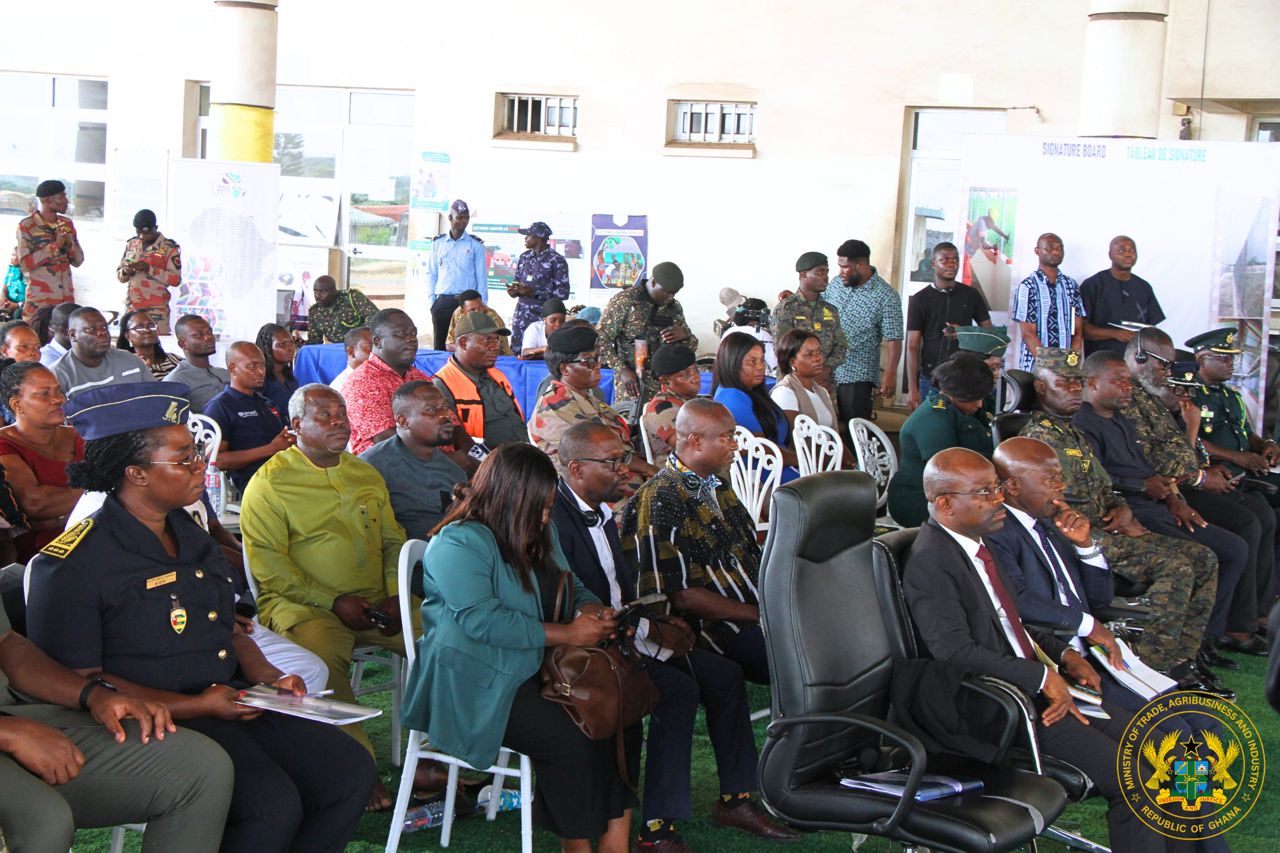
He said coordinated border management and stronger institutional collaboration were essential to improving the trading environment for businesses operating along the corridor.
He noted that improved infrastructure and harmonised border procedures would not only reduce delays but also create greater economic opportunities for traders, especially small and medium-sized enterprises engaged in cross-border trade.
The Akanu–Noepe Joint Border Post is expected to play a key role in facilitating trade along the busy West African transport corridor, improving the movement of goods and strengthening economic ties between Ghana and Togo.
It is expected that recommendations from the joint border management team will be submitted to the two sector ministers within two weeks for consideration and approval to ensure a smooth management and maintenance system at the facility.
Legal practitioner urges citizens to recognise importance of taxation, own roles

Madam Elsie Appau-Klu, a Lawyer and Technical Advisor to the Commissioner General of the Ghana Revenue Authority (GRA), has said it was time for citizens to recognise the importance of taxation and take ownership of their role in shaping Ghana’s future.
She said taxes were the primary source of revenue for the government, accounting for over 60 per cent of total revenue and used to provide essential services such as healthcare, access to justice, democracy, education, major infrastructure and security for all citizens, businesses and residents.
Madam Appau-Klu who doubles as the National Coordinator for the Sustained Tax Education Programme and Chairperson for the Modified Taxation Scheme Implementation Committee, made the remarks in a write up entitled, “Know the Abolished Taxes in Ghana,” and shared with the Ghana News Agency.
She said, “by paying taxes, citizens contribute to the development of their communities and the country as a whole.”
She mentioned some key benefits of increased tax participation as improved revenue mobilisation for development projects, enhanced economic stability and growth, better public services and infrastructure, as well as reduced tax burden on compliant taxpayers.
Madam Appau-Klu said it also provided a complainant and committed taxpayer the opportunity to demand greater accountability from government without any form of guilt.
“However, challenges to tax compliance including limited awareness of tax obligations and benefits, limited access to tax services and support, perceived corruption and mismanagement of funds still persist despite the importance of paying tax,” she said.
Madam Appau-Klu noted that Ghana’s Parliament had abolished several tax laws since 2024, a decision, which was carefully taken to enhance the tax system, lessen tax burdens on taxpayers and promote economic growth.
She said the abolished taxes which included the COVID-19 Health Recovery Levy, was to reduce the financial burden on individuals and businesses, adding that its abolition was expected to return some GHS3.7 billion to individuals and businesses in 2026 alone.
Madam Appau-Klu said the abolished VAT Flat Rate also aimed to unify the VAT regime and simplify compliance processes for taxpayers, while the Electronic Transfer Levy (E-Levy) on the other hand, was expected to significantly revive digital financial services to benefit small businesses and individuals who rely on mobile payments for ease of payment on daily transactions.
She said the Emissions Levy was further abolished as part of the efforts to promote environmental sustainability, while the VAT on Insurance was removed to make insurance more affordable and accessible to resident taxpayers.
Additionally, the Betting Tax was removed to address critical governance concerns from the youth and to sanitise the gaming industry, ensuring responsible gaming among young adults.
Madam Appau-Klu further explained that the abolishment of the Withholding Tax on Lottery Winnings was also to boost opportunities for young people in the gaming industry.
She said the benefits of annulling the various taxes were to simplify the tax administration system, improve compliance by reducing administrative burdens on businesses and individuals, promote economic growth through stimulation of growth in sectors like gaming, insurance, and digital finance, and enhancing competitiveness by making Ghana’s tax system more attractive to investors.
Madam Appau-Klu said the Value Added Tax Act, 2025 (Act 1151), had also introduced reforms, including a Unified VAT Rate of 15 per cent on all taxable supplies, whilst the increased VAT registration threshold from GHS200,000 to GHS750,000, is also meant to benefit micro and small enterprises.
“Indeed, the current VAT reform enables the GETFund Levy and NHIL to be deductible as input VAT. The cascading effect of this move is to reduce the cost of doing business, particularly for small businesses. These tax abolitions were led by government to reduce the tax burden on citizens and residents, under the RESET Agenda.”
Madam Appau-Klu said taxation was a crucial aspect of any economy, and Ghana was no exception, adding that the government’s ability to provide essential services and infrastructure depended heavily on the taxes paid by citizens and residents.
“However, tax compliance remains a challenge in Ghana, with many individuals and businesses evading payment of taxes,” she added.
Madam Appau-Klu revealed that currently Ghana had only about 29 per cent of eligible taxpayer paying VAT, with about 19 per cent eligible citizens paying their Income Taxes properly and the country was also able to collect only about 29 per cent of income tax on imports through its customs division.
She said to address the issue, it was essential to promote citizens’ and residents’ participation in national development, through taxation.
Madam Appau-Klu urged the taxpayer to double check invoices when making any purchases, to avoid being charged taxes which were no longer recognised by law, “since the government has done its part to abolish some key and unfriendly taxes from our tax laws.”
She admonished business owners to avoid charging taxes that were no longer required by law since same could be construed as illegitimate.