Home Blog Page 182

Maiden Korea-Africa Summit starts tomorrow

0

The much-awaited maiden Korea-Africa Summit will kick off tomorrow, June 4th in Seoul, Korea’s capital.

The two-day event, to be attended by delegates from 48 countries in Africa, including 25 presidents, is expected to shape a future of sustainable co-prosperity for Africa and Korea.

The main event will be held on the first day of the Summit, followed by a business summit on the second day.

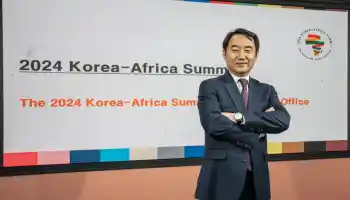
Mr Jung Kihong, Government Representative for the 2024 Korea-Africa Summit, earlier told journalists that all was set towards building a new frame of cooperation to pave way for Korea to invest in Africa “so we can grow together”.

He said Korea would transfer knowledge in digital education, technology, digitalisation, and agriculture, among others, to Africa’s growing young population.

Mr Jung noted that diversification was the key to sustainable development and that with Africa’s 1.4 billion population, Korea and Africa could work together to fix global challenges.

At the Summit, Korea will pursue Trade and Investment Promotion Frameworks (TIPFs), Economic Partnership Agreements (EPAs), and other agreements with African countries to expand economic cooperation by establishing a Foundation for trade collaboration.

The initiative would make African countries trading allies of Korea for mutual benefits.

The Summit was heralded by Africa Film Festival, Africa Culture Festival and an Exhibition.

It would be the largest multilateral summit hosted under the Yoon Suk Yeol Administration to elevate the relationship between Korea and Africa.

The Summit is expected to serve as a “cooperative platform for mutual prosperity, where Korea’s development experience do not only contribute to Africa’s development, but also where the dynamism of Africa enhances the growth of Korea”.

It will be on the theme: “The future we make together: Shared growth, sustainability, and solidarity”.

Africa is considered the continent of the future, with 60 per cent under the age of 25.

The establishment of the African Continental Free Trade Area (AfCFTA) is also making the continent a global economic powerhouse with population of 1.4 billion and GDP of $3.4 trillion.

Ms. Myunglae Choi, Director, Investment Public Relations Team, Korea Trade Investment Promotion Agency (KOTRA), said the Korea government would offer 50 per cent cash grant and 50 per cent tax credit to foreign investors as incentives.

The economy of South Korea recorded a “Textbook recovery” in 1999 after it went for IMF bailout programme in 1997 following the Asian financial crisis.

The country’s FDI surged after the crisis, with accumulated amount of FDI as of 2017 coming to $22.9 billion.

The annual trade volume between Korea and Africa increased by 23-fold from around $890 million in 1988 to around $20.45 billion in 2022, according to the Korea International Trade Association.

The Korea-Africa Investment Amount has also gone up from $63 million in 1988 to around $700 million in 2019.

This feat has been attributed to government policies and targeted interventions to transform the economy.

A key initiative by the government to create a favourable environment for FDI is the hosting of regular Foreign Investment Weeks.

The event provides a “Red Carpet Service” for foreign investors.

Apart from tax reductions and exemptions, the country also designates notable citizens in some countries as Public Relations Ambassadors for FDI.

The government provides land and capital for foreign businesses that display excellent technological prowess and obeys local content laws.
Agyinasare Storms France with the Power of God

0

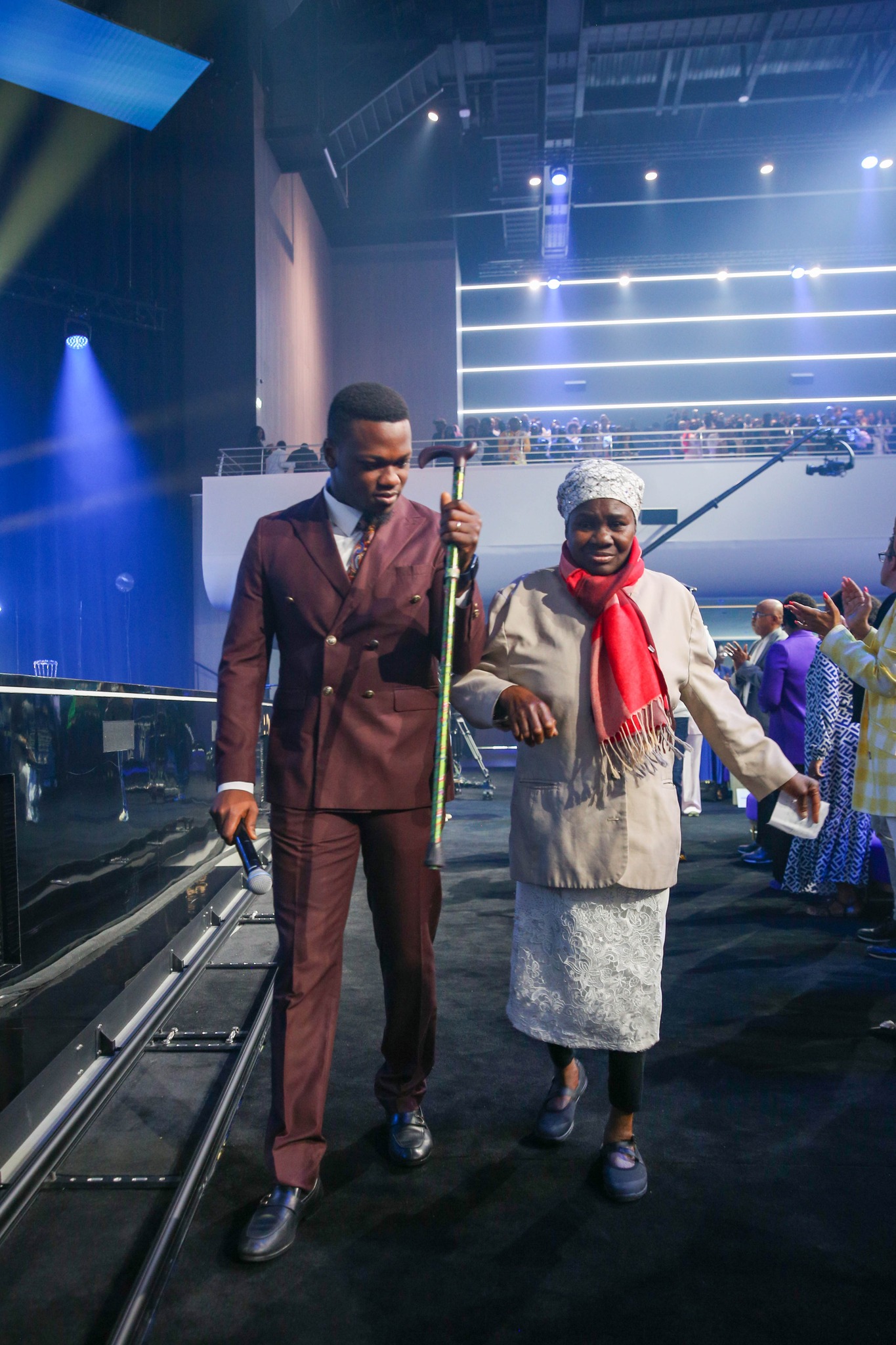
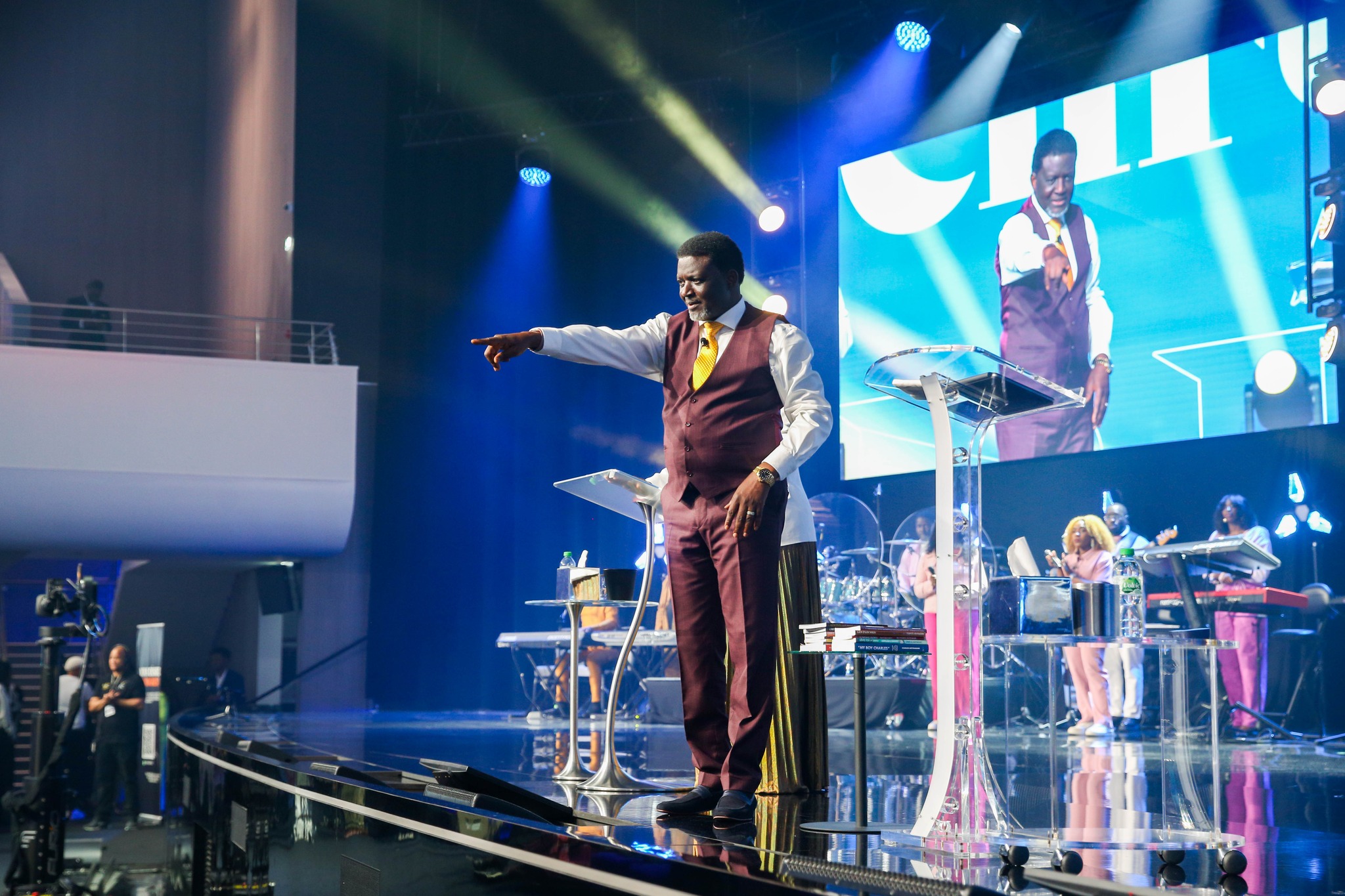
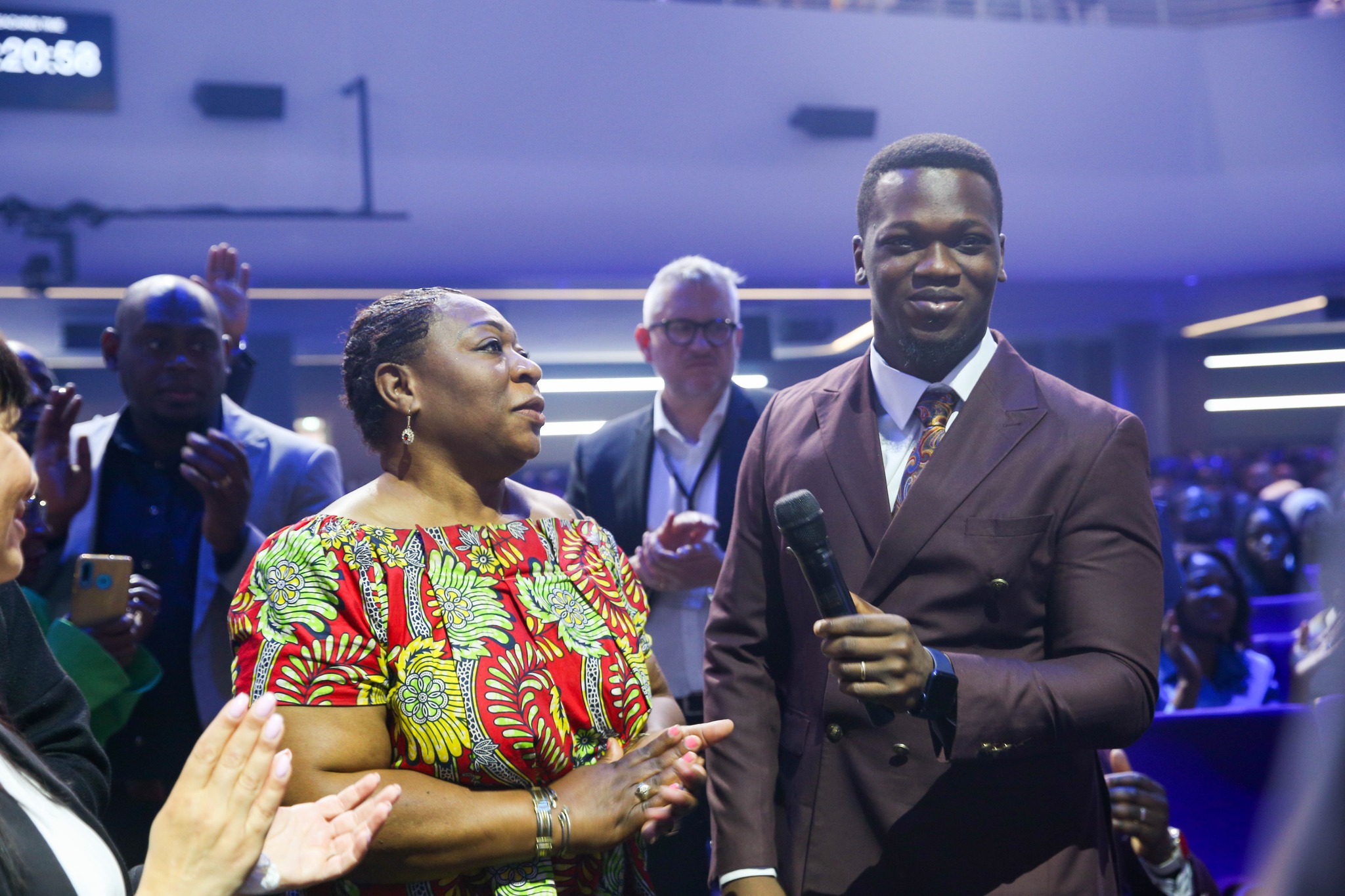
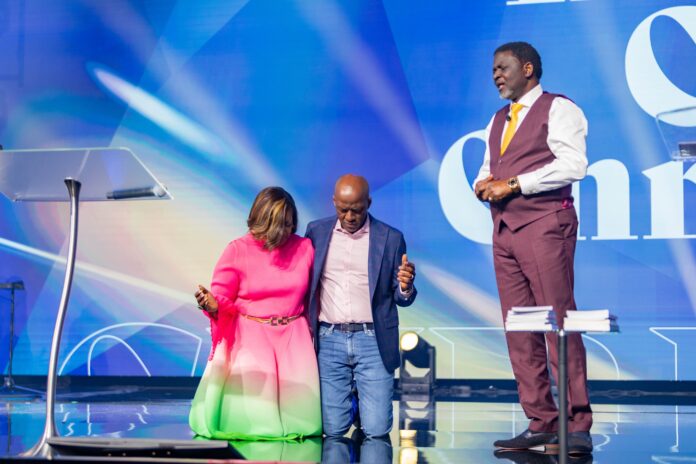
Paris, France — In a remarkable display of faith and divine power, Archbishop Charles Agyinasare has ignited a spiritual awakening in Paris with the 2024 Explosion of Miracles, Healings, and Deliverance. Over the past five days, this spiritually charged event, hosted by the Impact Centre Chrétien (ICC) and led by Apostle Yvan Castanou, drew thousands eager to witness and experience the transformative power of God.

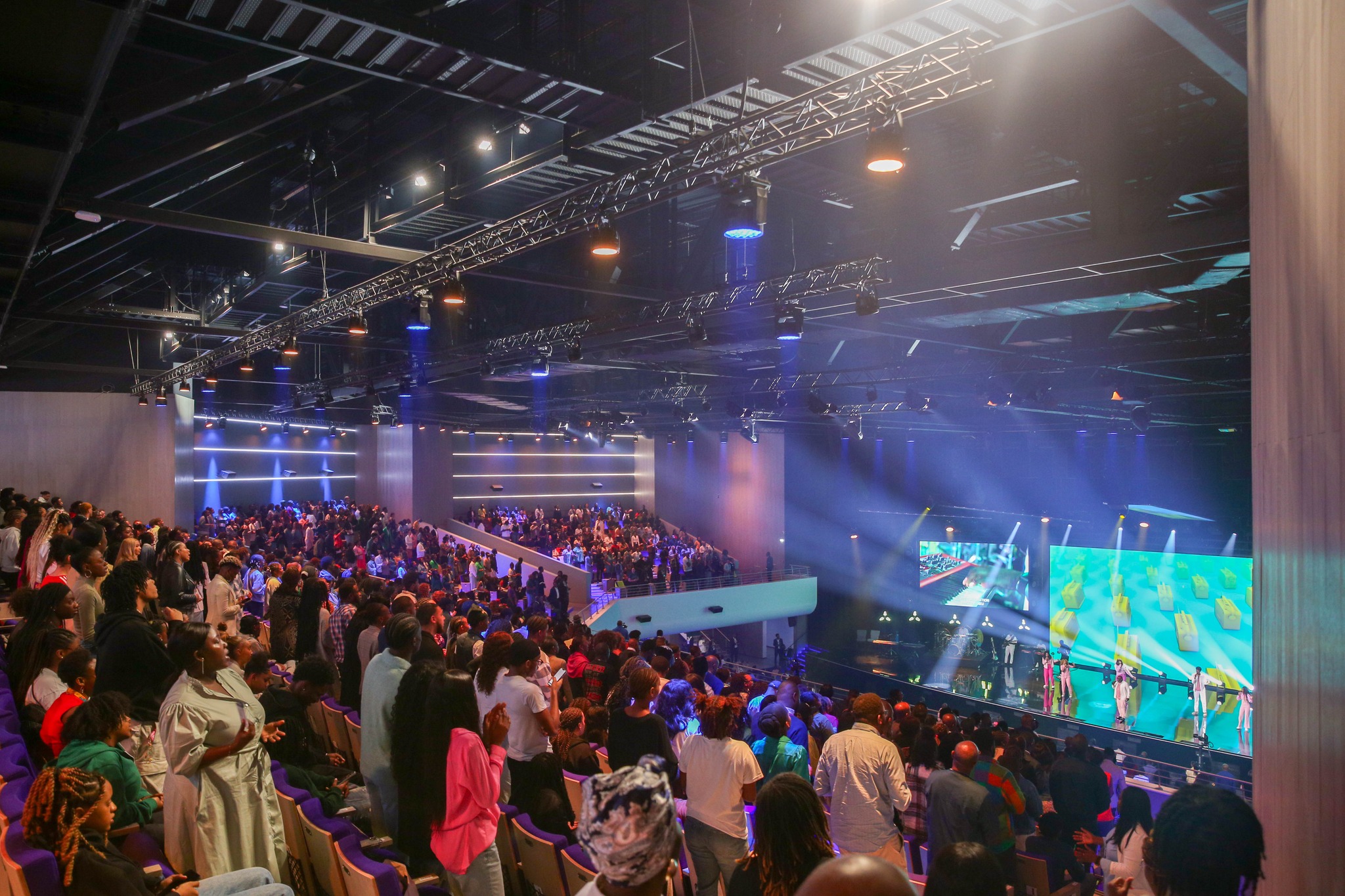
The ICC mega auditorium, celebrated for its architectural grandeur and modern amenities, was packed to the brim as attendees from all over France gathered for this momentous occasion. The air was thick with anticipation, and from the very start, the palpable presence of the Holy Spirit filled the room, reminiscent of the day of Pentecost.

Witnessing God’s Miraculous Power

The manifestation of God’s power was immediate and undeniable. Even before Archbishop Agyinasare began praying for the sick, testimonies of miraculous healings emerged. Growths vanished instantaneously, the deaf began to hear, the blind regained their sight, and the mute started to speak. In a profound moment of divine intervention, the lame rose from their wheelchairs and walked, while numerous individuals found relief from chronic pain and debilitating conditions.

The miracles were not confined to those physically present. ICC branches worldwide, connected via online streaming, reported similar miraculous occurrences, demonstrating that God’s healing power transcended physical boundaries. The sight of individuals being healed and set free brought many to tears, underscoring the timeless truth that God’s power to heal and deliver remains as potent today as it was in biblical times.

A Message of Faith and Renewal

Archbishop Agyinasare, renowned for his dynamic evangelistic and healing ministry, delivered powerful sermons throughout the event. He spoke passionately about God’s compassion, the necessity of faith, the power of prayer, and the importance of living a life dedicated to God. His messages resonated deeply, leading many attendees to commit their lives to Christ or to renew their faith with a renewed zeal for living in alignment with God’s will.

The event’s impact extended beyond physical healings. It ignited a spiritual renewal among the attendees and within their communities. As people returned to their homes, they shared their transformative experiences, leading to reports of entire families embracing salvation. This Pentecostal outpouring has not only revitalized the spiritual landscape of France but also set the stage for a broader national revival.

A Beacon of Hope in a Troubled World

Archbishop Charles Agyinasare and his team continue to spearhead a global spiritual movement, bearing witness to the transformative power of God. His ministry, characterized by a deep commitment to spreading the gospel and demonstrating God’s love through signs and wonders, stands as a beacon of hope in a world often marred by despair and unbelief. Each event and gathering he leads serves as a testament to his unwavering faith and dedication to God’s calling.

The 2024 Explosion of Miracles, Healings, and Deliverance in Paris will be etched in the annals of France’s spiritual history as a defining moment. The miraculous events of these five days have left an indelible mark on the lives of countless individuals, forever altering their destinies. To God be all the glory for the extraordinary works witnessed in Paris. As the echoes of this powerful event continue to resonate, the legacy of Archbishop Agyinasare’s divine crusade will inspire faith and hope for generations to come.

by Sanctified Scribe

NDC demands dismissal, prosecution of AG over “professional misconduct”

0

The National Democratic Congress (NDC) has demanded for the immediate resignation of the Attorney-General (AG), Godfred Yeboah Dame, for “professional misconduct” in the ongoing ambulance purchase trial.

The Party’s demand follows allegations made against the Attorney General by Mr Richard Jakpa, the third accused in the ongoing ambulance purchase trial involving Dr Casiel Ato Forson, a former Deputy Finance Minister in the erstwhile NDC government.

On Thursday, May 23, 2024, Mr Jakpa alleged that the Attorney General approached him at odd hours to “implicate” the former Deputy Finance Minister, which the AG has since disputed.

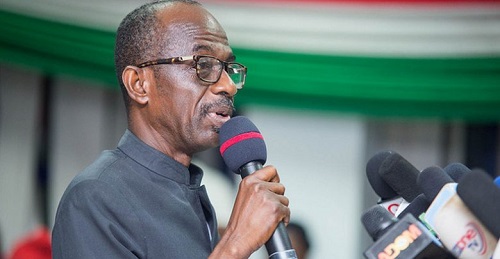
Mr Johnson Asiedu Nketia, National Chairman of the NDC, who presented what the party described as “incontrovertible evidence” at a news conference in Accra on Tuesday, demanded that the AG be removed from his position immediately.

According to him, evidence available to the Party, including audio and WhatsApp chats, showed that the AG had engaged in “professional misconduct.”

The recordings and WhatsApp messages shared with the media contained discussions between two people about the ongoing ambulance purchase trial.

Mr Nketia claimed the AG’s actions violated Rules 13, 40, and 54 of the Legal Profession (Professional Conduct and Etiquette Rules), L.I. 2324.

Rule 13 of L.I 2324, for instance, stipulates that: “A lawyer shall not approach, communicate or deal with a represented person on a matter or attempt to negotiate or compromise a matter directly with a represented person except through or with the consent of the lawyer of that represented person.” 

Mr Nketia alleged that the evidence available to the Party indicated that the AG engaged Mr Jakpa directly without his lawyer.

“This is a cardinal sin against the Legal Profession (Professional Conduct and Etiquette Rules) L.I. 2324,” he alleged.

Again, using Rule 40 (1) of LI 2324, which underlines a prosecutor’s specific responsibilities, the National Chairman stated that, based on the evidence, Mr Dame breached the Rule when he “consciously, deliberately, and knowingly did not act resolutely nor honourably.”

He said that the AG failed to treat the court with the “candour, fairness, and respect” that all lawyers, particularly state prosecutors, are expected to show.

Mr. Nketia stated that the AG’s principal role was to be the voice of the rule of law, to ensure impartial enforcement of the law, and to advise the President and government on legal actions.

He said the AG must “be a shining example and a leading light for the Bar, not a criminal-minded, crooked, devious and vicious person who is preoccupied with witch-hunting and victimisation.”

Mr Nketia claimed that the AG’s conduct made him “unfit” for the office and demanded that he quit immediately.

“Mr. Dame is not fit to hold himself out as Attorney-General and Minister of Justice. “He is unfit to lead the Ghanaian Bar,” he remarked.

Mr Nketia said that the trial of the former Deputy Finance Minister was a witch-hunt.

He emphasised that the evidence of wrongdoing against Dr Ato Forson was just “fabrications to persecute him” due to his strong opposition to the current government’s economic mismanagement.

Mr Nketia also urged the General Legal Council to initiate disciplinary proceedings against the AG and disbar him for the misconduct.

He asked for a “publicly televised Parliamentary inquiry into this and other reports of judicial manipulations by Godfred Dame with a view to censure Godfred Dame to prevent the recurrence of such judicial manipulations.”

Mr Nketia stated that if the current administration failed to bring the AG to justice, the next NDC government would prosecute him.

FDA engages stakeholders on combating drug abuse

0

The Food and Drugs Authority (FDA) has engaged stakeholders in the Wa Municipality to chart effective ways of combating the drug abuse menace in the Upper West Region, especially tramadol.

Members of the Wa Municipal Assembly, representatives of Bahas Foundation, Hope Foundation, Department of Social Welfare and Narcotics Control Commission, among others, attended the meeting at the weekend to contribute towards fighting the canker.

Mr Kelvin Sunkpal Dafaari, the Upper West Regional Head of the FDA, noted that the failure of people to report drug peddlers in their communities impeded the fight against the menace.

“We are looking at collaborating with local authorities and traditional leaders to intensify public education and sensitisation at the community level,” he said.

“We also want to strengthen our collaboration with the relevant state agencies and institutions to fight the canker.”

Mr Dafaari observed with worry that tramadol was now sold in the communities by unauthorised vendors including mobile money vendors and provision shops.

Mr Yahaya Mohammed Hafiz, the Upper West Regional Manager of the Pharmacy Council, said the Council deemed it necessary to collaborate with the FDA to check the alarming rate at which the youth were abusing tramadol in the Wa Municipality.

He stressed the need to ensure that every player in the drug value chain worked according to the dictates of the law to help reduce the canker.

He explained that most of the drugs people abused in the Municipality were not registered in Ghana but came into the country through unapproved routes.

Mr Issahaku Tahiru Moomin, the Wa Municipal Chief Executive (MCE), observed that drug abuse was a national security concern attributing the high crime rate in the municipality to drug abuse and needed concerted efforts to tackle.

He emphasised the need for the Assembly members to support the FDA and serve as its ambassadors against drug peddling and abuse.

Mr Yahaya Jiga, the Assembly Member for the Bamahu Electoral Area, recommended the production of injectable tramadol, which would be difficult to use by any person than a health personnel.

Democratic Republic (DR) of Congo: Uphold Rights, Rule of Law After Failed Coup

0
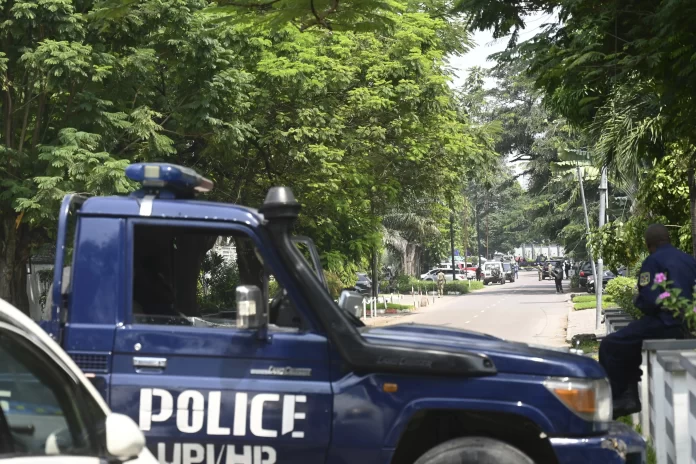
Congolese security forces secure the streets of Kinshasa, Democratic Republic of Congo, on May 19, 2024, after Congo's army said it had "foiled a coup" and arrested the alleged perpetrators. © 2024 AP Photo/Samy Ntumba Shambuyi

NAIROBI, Kenya, May 27, 2024/APO Group/ — 

The Democratic Republic of Congo government should ensure that those who took part in an attempted coup are prosecuted in fair trials, Human Rights Watch said today. The authorities should also thoroughly and impartially investigate and appropriately prosecute security forces’ alleged extrajudicial killings of coup participants.

Details are still emerging about the attempted coup by a group of about 50 Congolese and foreigners in Kinshasa, the capital, on May 19, 2024. Media reports indicate the attempted coup led to the deaths of at least two security guards and one civilian and that the security forces killed several coup participants. At least two coup participants may have been killed while trying to escape custody.

“The government both has a responsibility to ensure the security of the country and to hold those responsible for the coup attempt accountable, based on international fair trial standards,” said Lewis Mudge, Central Africa director at Human Rights Watch. “The government’s response needs to be rights-respecting, which includes impartially investigating possible security force involvement in alleged summary executions.”

Christian Malanga, a US-based Congolese opponent of the government, the self-proclaimed “President of New Zaire,” and head of a government in exile, allegedly led the coup. Malanga, his son, and other coup participants breached the Palais de la Nation (Palace of the Nation) in Kinshasa, which serves as the president’s office. The coup participants allegedly attacked the residences of the prime minister, the defense minister, and another senior politician.

Congolese security forces killed Malanga in unclear circumstances hours after he seized the Palais de la Nation.

President Félix Tshisekedi was sworn in on January 20 for a second term, after December 2023 elections marred by logistical issues, irregularities, and violence. Tshisekedi has since been unable to form a government despite holding a majority in parliament.

Media reports indicate that at least three US nationals, including Malanga’s son Marcel, participated in the failed coup. US Ambassador Lucy Tamlyn, in a statement on X (formerly Twitter), said that the US will “cooperate with the DRC authorities to the fullest extent as they investigate these criminal acts and hold accountable any US citizen.” US authorities should also investigate and appropriately prosecute any coup participant who may have violated US law, Human Rights Watch said.

Malanga livestreamed the attack on the Palais de la Nation on his Facebook account. The original livestream is no longer available. However, Human Rights Watch verified a copy of the livestream shared elsewhere online and geolocated it to the palace. It shows Malanga and a small group of armed men walking around the grounds issuing proclamations.

Human Rights Watch also geolocated two videos taken by Congolese soldiers and shared widely on social media on May 21. Human Rights Watch determined that one showed an area on the banks of the Congo River approximately 185 meters from the dock leading to the Palais de la Nation. In it, seven men in civilian dress or without clothing, including one Caucasian man without clothing who is believed to be a foreigner participating in the coup, are in and around a boat, along with six men in Congolese military fatigues. A soldier shoots twice at one of the presumed coup participants, who then lies motionless. One of the men jumps into the river in an attempt to flee. The soldiers shoot at him several dozen times until a pool of blood appears in the water and he no longer comes up for air. A soldier shouts: “He is dead!” and the firing stops.

In the second video, filmed on a dock outside the Palais de la Nation, seven soldiers, six of whom are wearing red berets associated with the Republican Guard, the presidential security detail, lead a bloodied foreigner and Malanga’s son toward the palace. The Caucasian man, who is wearing clothes, repeatedly says “no weapon” as the soldiers search him.

Congolese authorities should enforce the absolute prohibition on torture and ill-treatment of any detainee and investigate possible extrajudicial executions by security forces, Human Rights Watch said. The attempted coup came after a prolonged period during which the Congolese government had significantly repressed the rights to free expression, media freedom, and peaceful assembly. Since 2020, the authorities have increasingly cracked down on journalists, human rights and democracy activists, critics of the government, and opposition party members and officials. Security forces have repeatedly used unnecessary or excessive forceincluding lethal force, to block or disperse peaceful demonstrations.

The attempted coup occurred at a time when armed conflict in eastern Congo has intensified as Rwandan-backed M23 rebels continue to seize territory around Goma, the capital of North Kivu province.

West and Central Africa have experienced a spate of coups over the last few years, posing concerns for democratic institutions and upending the peaceful transfer of power. The African Union and several African governments have condemned the attempted coup. The AU Constitutive Act and the Charter on Democracy, Elections and Governance support sanctions against unconstitutional changes of government.

“Congo and the region have a legacy of coups and attempted coups,” Mudge said. “The Congolese government needs to treat this crisis as an opportunity to demonstrate its commitment to human rights and the rule of law.”

Distributed by APO Group on behalf of Human Rights Watch (HRW).

The welfare of the boy-child is lagging-Educationist

0

The welfare of the boy-child is gradually being ignored at the expense of the girl-child, Madam Patricia Abotsi, Head, Girls Education Unit, Korle Klottey Municipal Education Directorate, has observed.

She said the quest to empower the girl-child almost resulted in a situation where the boy-child was left behind.

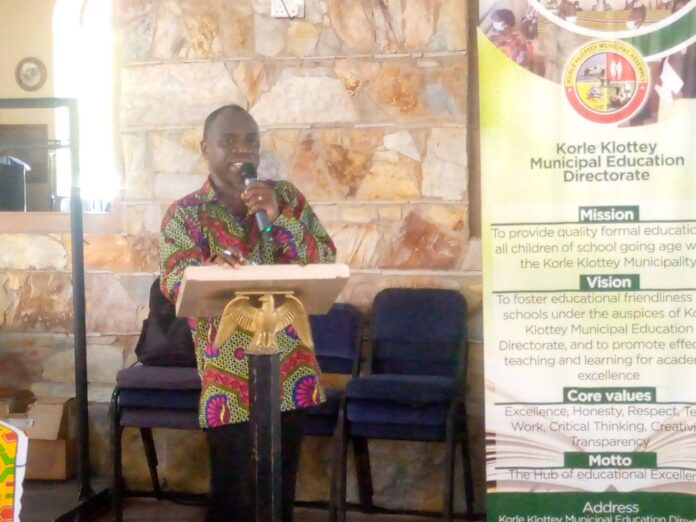
She was speaking at The Korle Klottey Municipal Education Directorate has organised a one-day leadership workshop for students in its catchment area organised by the Korle Klottey Municipal Education Directorate in Accra.

The training hinged on the theme; “Effective Leadership for a Better Future” is to commemorate the International Day of the Boy Child which is celebrated on May 16 every year.

The purpose is to emphasize the need for the wellbeing of the boy-child.

Participants were drawn from 26 government basic schools and three senior high schools from the three circuits, making up the education directorate of the Municipality.

“Of late, we have realised that due to the concentration on the girl-child, there is no attention for the boy-child and they are lagging behind. That is why we saw it wise to commemorate such a day that will empower the boy-child,” she said.

Addressing the students and teachers who participated in the event, Mr Philip Aidoo, Director of Education, Korle Klottey Municipal, said that children were future leaders hence the need to teach them the appropriate leadership skills.

He said effective leadership was very key in nation building and that was why the Ghana Education Service had even inculcated some lessons on it in its new curricular.

He however observed that there existed some leadership challenges especially at the family level, saying that many parents had concentrated on just some aspects of human needs, especially financial literacy, neglecting the critical needs for a growing child.

He said some parents did not even follow up on the performance of their children in school and appealed to parents to complement the efforts of teachers by paying attention to the development of their wards’ leadership and other soft skills.

“The children are learning from us, and they will practice what they see us practicing so whatever we want them to be in future, we should start practicing it so that in future they will also live by it.” Mr Aidoo said.

He then advised the students to take the various leadership training models seriously since they were grounds for nurturing effective leaders.

“A lot of leaders you see today started like you, so I beg you to take whatever training you are receiving seriously,” he implored.

EC registers 1,381 persons, four challenged in two weeks at Keta

0

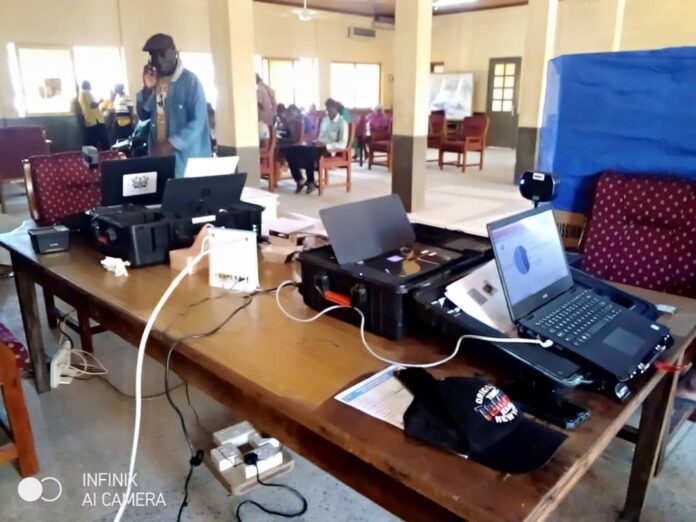
The Electoral Commission (EC) in Keta in the Volta Region, has registered 1,381 new voters with four challenged cases within the first two weeks of the ongoing Limited Voter Registration exercise.

The 21-day exercise, which commenced on May 7, is expected to capture voters who are 18 years and above into the EC’s database.

Mr Philip Adzomani, the EC Officer at Keta, told the Ghana News Agency in an interview that the exercise had been smooth so far, regardless of the earlier challenges faced.

“Our team faced network challenges from the beginning of the exercise, and we thank God it has been fixed for the exercise to progress.”

He urged the public to discourage young voters who have not attained 18 years and above to desist from attempting to register.

“I thanked God we are back to the online registration system. We turned down almost 20 applicants who were detected by our machines for attempting double registration.”

Mr Adzomani urged all eligible citizens to get registered for the December elections.

Mr Bernard Suka, a communication team member for the New Patriotic Party at Keta, expressed satisfaction with the exercise so far.

He urged the public to support the EC for a successful registration exercise.

Also, Mr Wonder Setsoafia Deynu, the Deputy Communications Officer of the National Democratic Congress, on his part, appealed to the EC to extend the duration of the exercise to pave way for many new registrants including persons living with disabilities to register.

Some of the new registrants the GNA spoke to expressed satisfaction over the process so far.

Chad’s prime minister resigns after the temporary president wins the disputed May 6 elections.

0

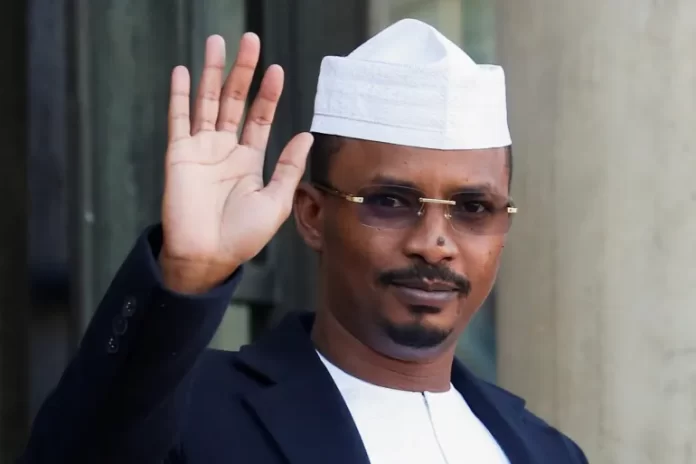
Succes Masra, Chad’s prime minister and opposition leader, has resigned following the certification of temporary President Mahamat Idriss Deby as the victor of the May 6 presidential election.

“In accordance with the constitution, I have today presented… my resignation and that of the transitional government, which has become irrelevant with the end of the presidential election of May 6, 2024, with known results” Masra stated on X (Twitter) on Wednesday,

When was Masara appointed PM?

Masra, a strong opponent of the junta, was appointed prime minister of the transitional government in January 2024, four months ahead of the poll, in a move to establish a positive relationship with the opposition.

Not long after that, he declared his intentions to run for president In March, to return the country to constitutional rule.

State of democracy

The oil-exporting country of nearly 18 million people hasn’t had a democratic transfer of power since it became independent in 1960, after decades of French colonial rule.

Before the official announcement of preliminary results, Masra claimed victory, alleging that electoral fraud was being planned.

The real results

Chad’s electoral body however declared Deby Itno won as the winner with 61% of the vote, while the leading opposition candidate and head of the transitional government, Prime Minister Succès Masra, lagged far behind with an 18.5% share.

Masra has acknowledged the council’s ruling and said there were no other legal means to contest the results.

Deby Itno, also known as Mahamat Idriss Deby, seized power after his father, who spent three decades in power, was killed fighting rebels in 2021. The long-delayed election came after three years of military rule. Analysts had widely expected him to win.

CSOs present petition to Speaker on 1V1D construction in Northern Ghana

0

Members of civil society organisations (CSOs) in Northern Ghana have presented a petition to the Speaker of Parliament, Mr Alban Sumana Kingsford Bagbin on the construction of the One Village One Dam and the Pwalugu Multi-purpose Dam.

The CSOs, led by the Northern Patriots in Research and Advocacy (NORPRA) have appealed to the Speaker to intervene through Parliament to get government and other actors involved in the construction of the One Village One Dame (1V1D) and the Pwalugu Multi-purpose Dam in the North to account to the good people of Ghana.

“We wish to humbly seek your intervention to call for value for money audit and transparency and accountability of the Annual Budget Funding Amount (ABFA) of the country’s oil money you approved for these 1V1D projects.

“Also, Summon the Special Development Initiative Secretariat and the Northern Development Authority to appear before Parliament to respond to questions on 1V1D expenditure and performance.

“Embark on parliamentary field trip to 1V1D project sites in some of the communities where the dams are said to be 100 per cent complete to acquaint yourself with the realities on the ground.”

The petition said: “Mr. Speaker, our attention has also been drawn to a recent revelation regarding the payment of US$11 million on account of works executed on the purported Pwalugu Multi-purpose Dam.

“We the citizens in the area have not seen any sign of development on the site. We therefore wish to equally implore you to demand explanations from the Executive on the expenditure of the said US$11 million on the Pwalugu Multi-purpose Dam.

“As citizens and, by extension taxpayers, we own the right to information on the said expenditure, as well as the use of all public resources.”

The petition was copied to the Ghana News Agency by Mr Bismark Adongo Ayorogo, Executive Director of NORPRA.

It said: “While recognizing the important role of small earth dams in the socio-economic transformation of communities in northern Ghana, we wish to share with you the state of government’s 1V1D and the Pwalugu Multi-Purpose Dam with documentary evidence (Videos & pictures) and to register our disappointment over the poor state of the 1V1D and the non-existent Pwalugu Multi-Purpose Dam.”

The petition stated that in theory, the 1V1D Policy as one of Government’s flagship programmes under the Infrastructure for Poverty Eradication Programme (IPEP) was meant to facilitate and promote double cropping in a year (2018 Budget, Parag 394), increase agricultural productivity, enhance food security, and reduce the food import bill, (2017 Budget, Parag. 496) for improved livelihoods of the people.

“This was greeted with great excitement by many across the country. In fact, the people of Northern Ghana were drowned in indescribable joy,” it said.

It added; “This joy was however short-lived as none of the 570 dams constructed by the then Ministry of Special Development Initiatives (MSDI) in Northern Ghana contained water for all year-round farming in beneficiary communities.”

The petiton said: “Mr. Speaker, we wish to point out that the Northern Patriots is in Research and Advocacy (NORPRA), a civil society organization based in Bolgatanga with funding support from the Africa Centre for Energy Policy (ACEP), engaged in tracking the 1V1D expenditure and performance from 2017 to May 2024.

“We found that all the dams are always dried up in the dry season, a period water is very much needed for dry season farming to address issues of low agricultural productivity, food insecurity, unemployment, poverty and hunger in line with the policy objective of 1V1D.”

It said also found out that, on the average, GHS 670,000 of Ghana’s oil money was spent on each 1V1D project. This gave a total amount of Ghc381,900,000.00 and that consultancy fee, which was 10 per cent of the contract sum, stood at GHS 38,190,000.00.

“Mr. Speaker, our right to information was also not respected and protected as information sought under the Right to Information Act, 2019 (ACT 989) from the Special Development Initiative Secretariat (SDI) and the Public Procurement Authority (PPA) on how procurement of the 1V1D projects were done was denied,” the petition stated.

It said was a historical fact that properly designed and constructed small dams in some communities in northern Ghana have been acknowledged in evaluation works done under the Ghana Poverty Reduction Strategy (GPRS, 2003) and the works of Kpieta B. etal, (2013) and Acheampong etal, (2014) to have significantly contributed to improved livelihoods of farming communities.

NCCE extends Inter-party Dialogue Committee meeting to Kumbungu District

0

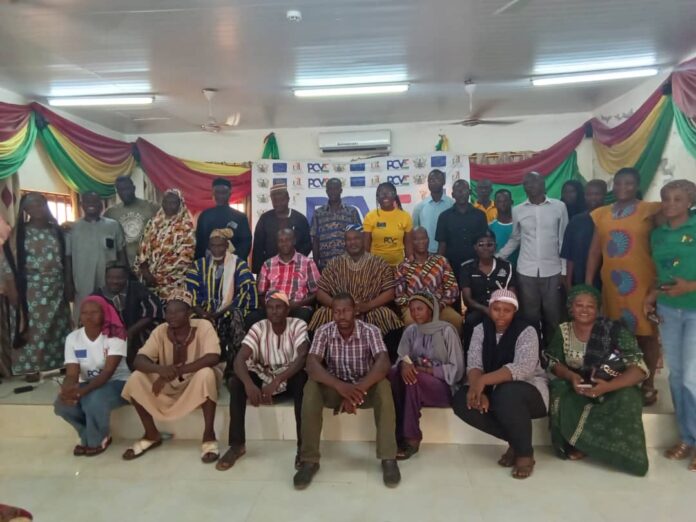
The National Commission for Civic Education (NCCE) has extended its Inter-party Dialogue Committee (IPDC) meeting to the Kumbungu District of the Northern Region.

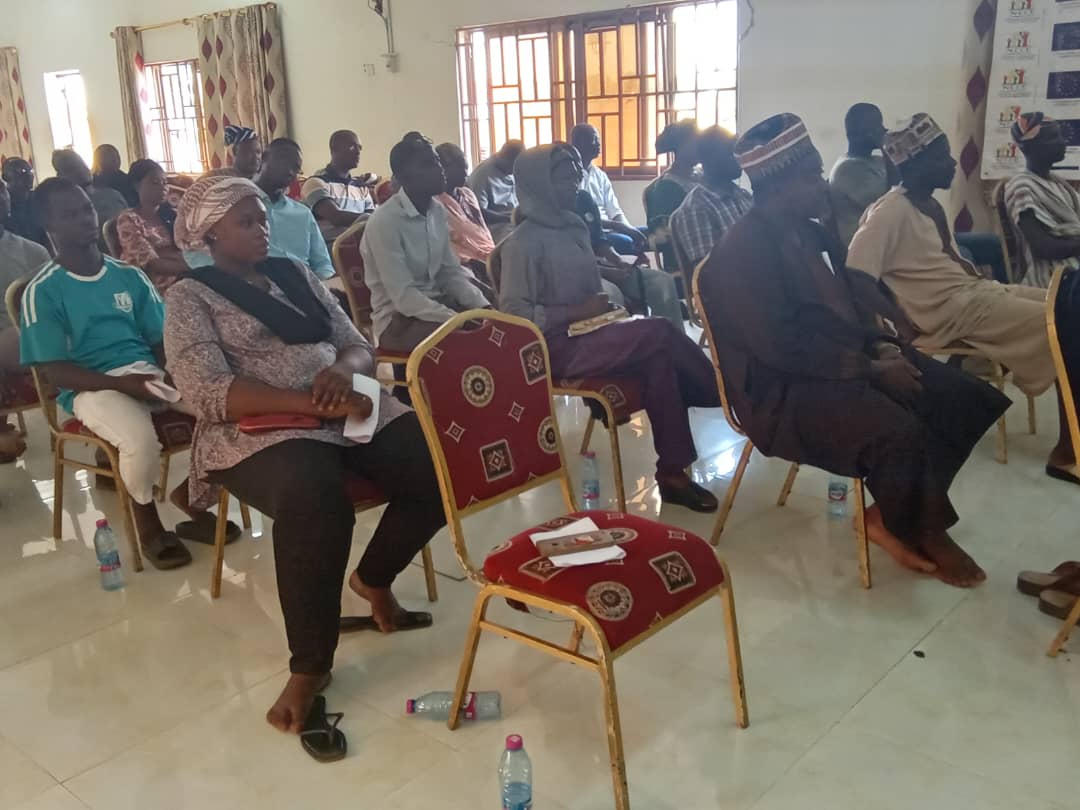
     The meeting brought together stakeholders including political party representatives, security personnel, youth groups, community leaders as well as faith-based organisations.

     The IPDC is being carried out under a project dubbed: “Preventing and Containing Violent Extremism (PVCE)”.

     The PVCE is implemented by the NCCE with funding from the European Union (EU).

     At the meeting, the committee members were empowered to monitor ill-happenings in communities, and taught ways to fish out radicalised youth.

     Madam Janet Ameseya, Kumbungu District Director of NCCE, addressing the committee, said the NCCE worked with the theme: “Together We Can Build Ghana, So Get Involved,” which included taking steps to prevent people leveraging on election activities to perpetuate violence.

     She said all forms of violence had the potential to derail the country’s democratic gains, underscoring the importance of engaging stakeholders on peace.

     She mentioned that any challenge to democracy in this year’s election could have an adverse effect, which could embolden anti-democratic forces in the sub-region.

     Mr Aliyu Mohammed, Northern Regional Director, NCCE, said the Commission deemed it necessary to engage the IPDC, who represented a spectrum of the district given that election was a yearning affair that required peace.

     He said in ensuring peace before, during and after the elections, political parties must address issues in line with rules and regulations governing electoral processes, through the Electoral Commission.

     He acknowledged the Kumbungu District as one noted for peace during and after elections and encouraged the IPDC members to act towards maintaining peace in the area.

     He advised participants to follow due process in everything related to the elections in prioritising the country’s peace.

     He said, “while some countries lost peace during elections, Ghana has remained peaceful after eight elections.”    

Alhaji Abdul-Razak Saani, former Northern Regional Director of NCCE, who was the resource person for the event, said the IPDC was constituted to appreciate individual differences.

     He indicated that countries under extremists’ attacks were once peaceful saying extremists took advantage of vulnerabilities to strike.

     He bemoaned the prevalence of chieftaincy disputes in the country noting that there were about 332 unresolved chieftaincy disputes.

     He reiterated that prolonged chieftaincy conflicts, and widespread youth unemployment could be a recipe for violent extremism, hence those issues must be tackled and addressed.

     He urged the IPDC to work collectively against ethnic marginalisation, which bred violence and pursued respect for everyone irrespective of tribe or ethnic group.