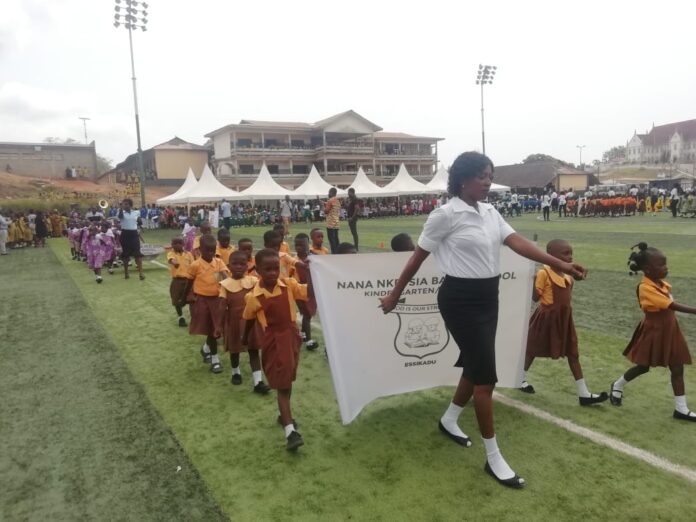
Selected pupils from Kindergarten (KG) schools in the Sekondi-Takoradi Metropolis in the Western Region on Tuesday participated in a march pass to commemorate the 67th pre-Independence Day celebration at Sekondi.
The celebration was on the theme: “Imbibing Patriotism at Early Stage: The Key to Growth and Development of Learners and Nation as a whole.”
A total of 31 schools participated in the march pass, which was interspersed with cultural performances, masquerade dance, and other entertaining activities to promote the rich Ghanaian culture.
Mrs Sally Nelly Coleman, the Sekondi-Takoradi Metropolitan Director of Education, speaking at the opening of the event thanked the Sekondi-Takoradi Metropolitan Assembly (STMA) for their support and contributions in improving upon teaching and learning as well as access to early childhood development education in the Metropolis.
She said this year’s KG schools celebration was the 31st edition, and that her office would put in place measures to sustain the activity in the years ahead.
Mrs Coleman urged the citizenry to embrace the Independence Day celebration with unity and one accord to ensure a peaceful and progressive nation.
She also entreated parents to keep teaching their children about the cultural and traditional values of the country so they would grow to respect the Ghanaian identity.
The Metro Education Director encouraged teachers to support the children during their early stages and nurture their talents and skills to help them become productive citizens in the future.
Mr Abdul-Mumin Issah, the Sekondi-Takoradi Metropolitan Chief Executive (MCE), urged the pupils to be patriotic citizens and lead chaste lives to become useful for society.
He also advised them to take their studies seriously to become responsible adults and productive citizens for their families and the nation at large.
“To our parents, endeavor to instill good morals and values in your wards as the family is the basic unit of society because it’s very disappointing to see students of today insulting leaders of the country on various media channels,” he stated.
Nana Akua Kudu II, Queen Mother of the Essikado Traditional Area, who chaired the occasion thanked the STMA, Metro Director of Education, teachers, and parents for providing a good educational foundation for their children.
She, however, reiterated the need for parents to continue to be good mentors to their children to help them become responsible citizens. GNA
The New Patriotic Party (NPP) has said that it has not received any correspondence concerning the schedule of events for the general elections this year from the Electoral Commission.
The National Democratic Congress (NDC), which lambasted the commission for making the calendar public, echoed the views in the statement.
There is a notable countdown to the height of the political season as reports suggest that the Electoral Commission will accept nominations for the presidential and parliamentary elections this year from September 9 to September 13. On September 23, 2024, votes for the presidential ballot will be cast; on September 24, 2024, votes for the legislature will be cast.
Furthermore, the Electoral Commission expects to declare the results of the 2024 presidential polls within three days of the voting exercise, provided everything proceeds as planned.
As part of its activities for the 2024 general election, the Electoral Commission will conduct a voters’ registration exercise from May 7 to May 27, 2024, and will also undertake a nationwide exercise to replace missing voter ID cards starting from May 30, 2024.
The registration exercise will be preceded by a 56-day public education campaign, which will run from April 1 to May 26, 2024.
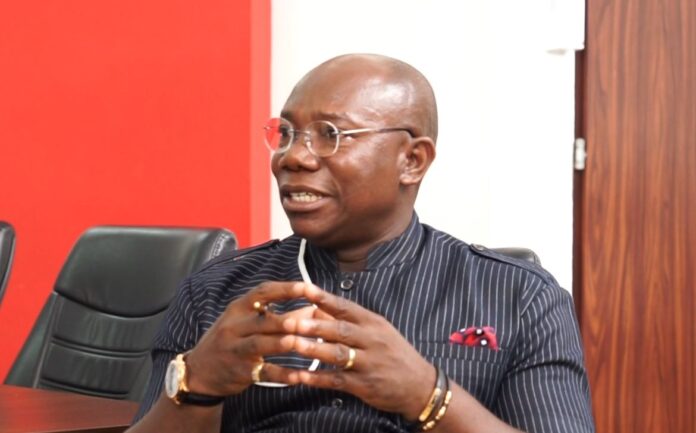
In an Eyewitness News interview with Nii Larte Lartey on Citi FM on Monday, Evans Nimako, Director of Research and Elections of the NPP, highlighted that the party had only received an invite for an Inter-Party Advisory Committee (IPAC) meeting from the Electoral Commission on Thursday, March 7, 2024.
“The NPP has not received any official communication from the EC concerning the programme of activities for the 2024 presidential and parliamentary elections.”
“All that we have gotten is a notice of invitation to for an IPAC meeting to be held on Thursday 7th of this month at the EC Headquarters so I will also confirm that we have not received any such communication from the EC,” he said.
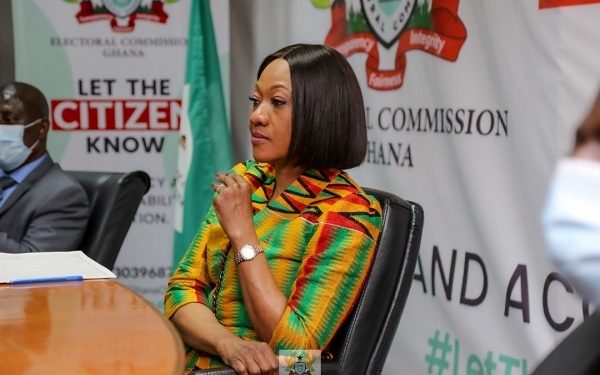
The Electoral Commission (EC) has come under fire from the National Democratic Congress (NDC) for neglecting to provide political parties with the electoral calendar for the 2024 elections.
The NDC contends that the delayed distribution of the calendar would hinder political parties’ efforts to prepare for the elections and implies that this failure demonstrates the EC’s lack of readiness for the impending polls.
The European Commission had already said that it will provide the voting schedule for 2024 by the end of February.
The NDC’s Deputy Director of Elections and IT, Dr. Tanko Rashid Computer, tells Citi News that the EC has to act quickly to guarantee a seamless election process.
“I must say that this current Electoral Commission appears not to be ready for the December polls. Don’t forget that this is their second major election that they are going to conduct and we have barely less than nine months to conduct the general elections and they don’t have a timetable. We have met them twice; the first meeting with them was on February 22, and the second was on February 29, 2024, and they didn’t give us any timetable.”
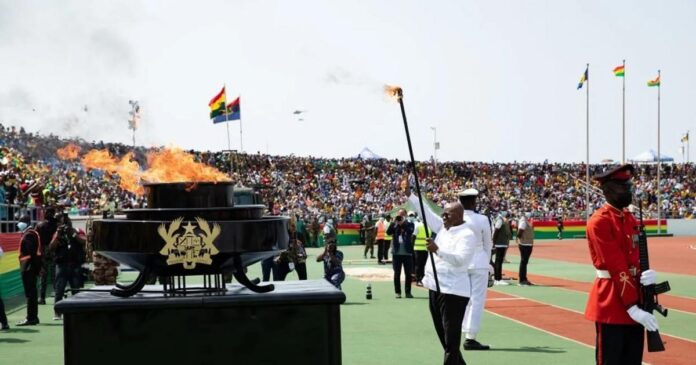
Accra, March 05, GNA -Ghana will tomorrow, March 6, 2024, mark 67 years since it gained Independence from its former colonial masters, the British.
Ghana gained its independence after 83 years of British colonial rule – becoming the first sub-Saharan African country to achieve independence from Britain.
The country’s first President, Dr Kwame Nkrumah declared Ghana as “free forever” from colonial rule, marking a historic turning point in the governance of the country.
Since that day, every March 6 is celebrated across the country and among Ghanaians abroad with various activities, some of which are observed throughout the month of March.
The national anniversary of this year’s celebration will be held at the Youth Resource Centre at the Eastern Regional capital of Koforidua.
This follows President Nana Addo Dankwa Akufo-Addo’s decision in 2017 to have the national independence celebration held on a rotational basis to open the regions to the world to boost the local economy. The Eastern Region, therefore, becomes the third region to host the national anniversary after the Central Region in 2022 and the Volta Region in 2023.
The theme for this year’s event is: “Our Democracy, Our Pride”. This year’s occasion would be graced by President Alassane Ouattara of Côte d’Ivoire as the Special Guest of Honour.
Some 120 ambassadors and high commissioners from various countries, as well as Ghana’s Speaker of Parliament and the 275 Members of Parliament, will grace the occasion to be marked by a parade of security services, students, pupils, and some groups and institutions. GNA
Dr. Stephen Ayisi Addo, Programmes Manager of the National Aids Control Programme (NACP), has asked seekers of care for sexually transmitted diseases to not be driven off by fear following the passage of the bill on human conduct.
Parliament passed the Family and Human Values Bill and is awaiting the President’s assent.
Data show that a significant number of STIs were being hosted by members of the same sex and queer communities and Dr Addo assured them that their health needs would not be affected even in the event of the law’s final passage.
“All our recipients of care should not be afraid that when we are treating them, they will be arrested,” the Programmes Manager said at the ongoing joint HIV/Tuberculosis Annual Review Meeting in Ho.
Top of the agenda at the three-day joint meeting was the overview of programmes for the years 2024 to 2026, being powered by the Global Fund’s Grant Cycle 7 (GC7), which is a 234 million dollars to help fight HIV/TB and Malaria in the country.
A target of 1.9 million people would be tested for HIV under the GC7, and the Programmes Manager told the Ghana News Agency that stigma and discrimination was sure to rise and hamper the health efforts with the passage of the human conduct law.
“The law would have a certain impact, but we will do our best to manage it. Health workers take care of everybody irrespective of their sexual conduct,” he said.
Mr. Ernest Amoabeng Ortsin, Acting Chairman of the Country Coordinating Mechanism of the Global Fund, said it was “quite worried about recent developments in the country.
“The new law is going to place some impediments in our way as health workers,” he added, calling for key populations affected to not be denied access to care.
He said the Global Fund had so far invested US$1.2 billion in the country, sustaining some 254,000 people on TB and HIV treatment.
He appealed to the Government to ensure the availability of domestic resources, including counterpart funding to help fight the diseases.
The annual joint TB/HIV review brought heads of the Ghana Health Service from across the Regions, and various stakeholders, including the WHO, UNICEF, and CSOs as well as health research institutions.
Mr. Patrick Kumah Aboagye, Director General of the Ghana Health Service, in a speech read on his behalf at the opening, commended the significant strides in the fight against HIV and Aids.
He mentioned “remarkable progress” during the year under review and said efforts should be made to address delays in the disbursement of funds.
Environmentalists at a day’s roundtable on climate change, culture and security have advocated an immediate, and collective action to address the pressing issue of climate change in communities.
They said it was important to build the capacity of actors, particularly at the local community level, to cope with, and adapt to, the devastating impact of climate change on lives.
According to them, no one group could deal with the issue as the dynamics were interwoven and like a chain, would require each one to play his role to achieve the desired impact.
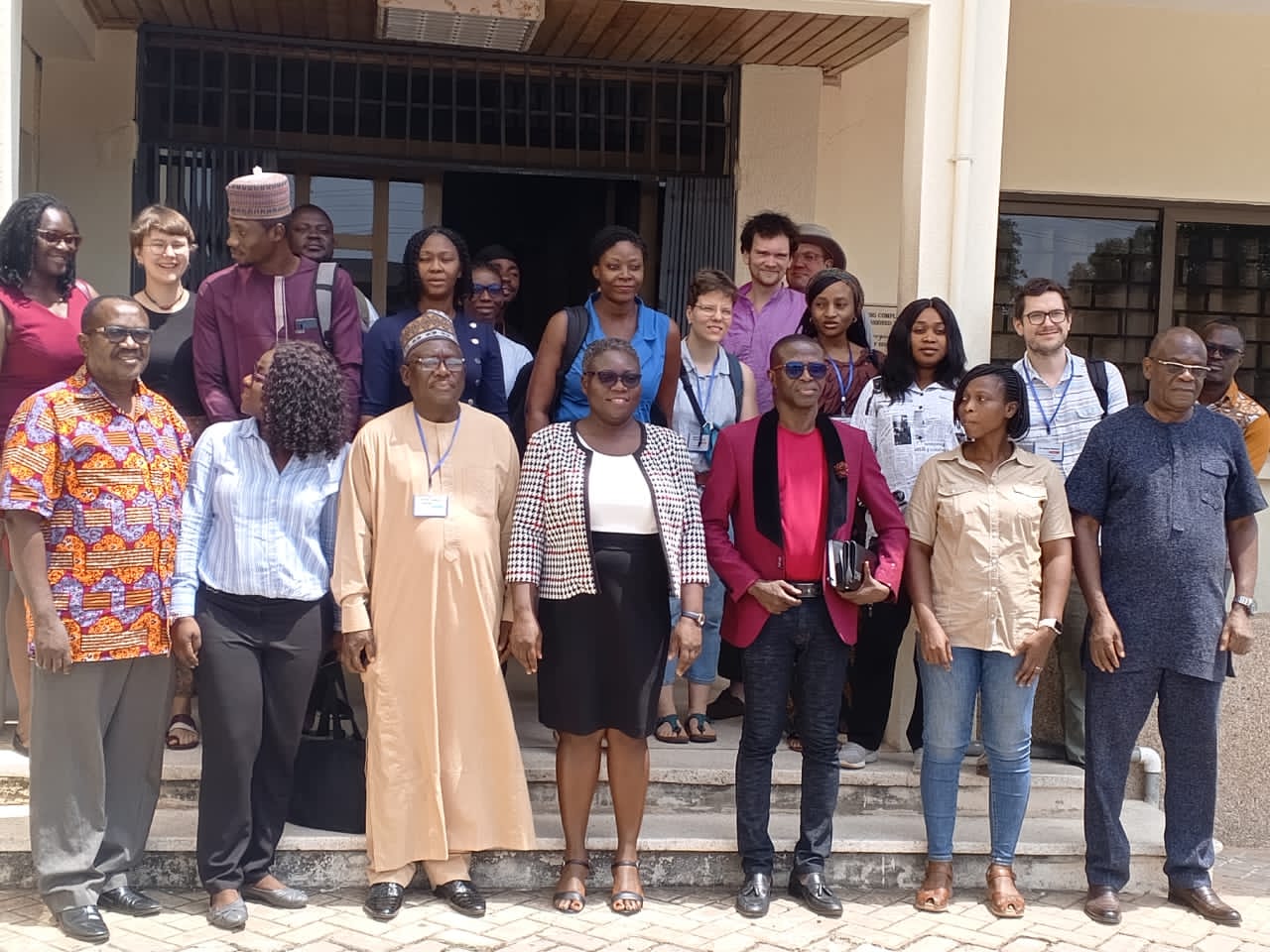
The panellists are; Prof Nana Ama Browne Klutse, Climtecpreneur with the University of Ghana, Legon and Prof Ken Ahorsu, Centre for International Affairs and Diplomacy, University of Ghana.
Others are Prof. Aliyu Shugaba, Director of Sustainable Development Goal (SDG)-Graduate School, Maiduguri, Nigeria, and Dr Samuel Dotse, African Special Envoy on Climate Change.
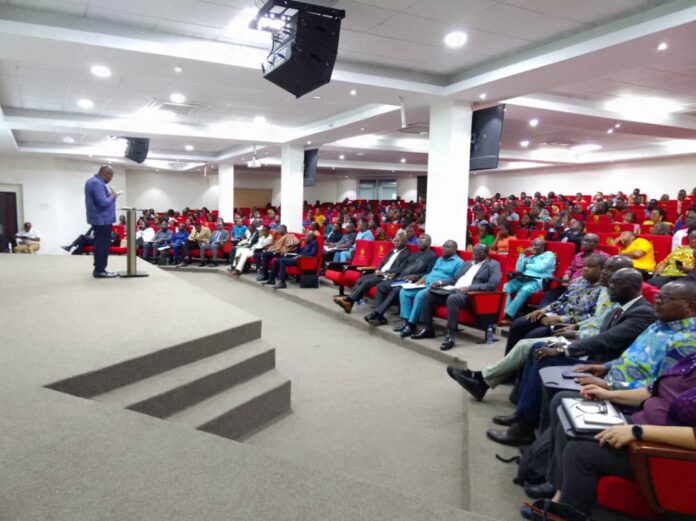
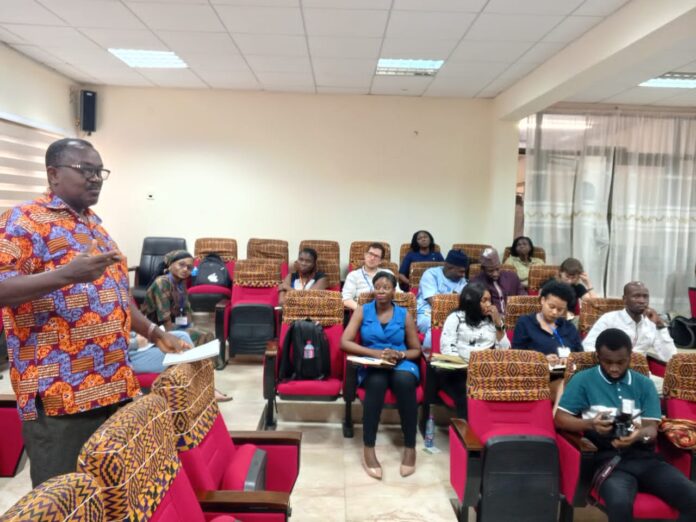
The Preservationists were speaking at the University of Cape Coast’s (UCC) annual SDG-Graduate School, which focuses on Cultures and Development in West Africa.
The school is a collaborative training network for graduate students run by UCC, University of Hildesheim in Germany, and University of Maiduguri in Nigeria.
The initiative fosters innovative research that brings together approaches from performance, arts, and culture to bear on sustainable development as defined in the SDGs.
Prof Klutse called for the promotion of behavioural change by all stakeholders, stressing on the need to adopt practices that would protect the environment, including forest conservation, sustainable agricultural practices and water resource management, among others.
That will enhance the ability of community members to deal with and adjust to the impact of climate change on their livelihoods and food security.
That, she said, could be done by helping to raise awareness and ensure greater commitment to environmental conservation and climate change adaptation policy in the districts and the regions.
Prof Ahorsu said scientists have linked severe heat and drought that fuel wildfires to climate change and human activities.
The rising temperatures, he said, were a key indicator of climate change, evaporating more moisture from the ground, drying out the soil, and making the vegetation more flammable.
As drought and heat continue with rising greenhouse gas emissions, he said, humans must expect more wildfires in years ahead, particularly with the fire seasons getting longer.
Prof Ahorsu said the impact of climate change on agriculture remained a major concern, as farmers struggled to keep up with shifting weather patterns and increasingly unpredictable water supplies.
Extreme events such as such flooding or reduced water supply also threatened crop yields, he noted saying aside from the destruction, wildfires caused loses of farm produce and that there was even a grimmer picture.
Prof Saliba stressed that human activities such as some cultural practices, lighting campfires, agricultural activities and discarding lit cigarettes were key drivers of deforestation.
He cautioned that if concrete actions were not taken to break the warming cycle, more and worse wildfires and coastal devastation will recur.
It was his expectation that governments and policy-makers would help protect the forests and trees to counterbalance and offset continued fossil fuel use.
“This hope remains a wild goose chase because severe and large wildfires could derail that plan,” he said.
Dr Dotse said there was the need for collective efforts, involving all stakeholders, to address the triggers of wildfires.
This calls for sensitisation and education for farmers on best farming practices to help curb the menace.
He urged chiefs, opinion and community leaders to send strong signals to all the people in their communities to desist from bush burning, particularly during the dry season or face severe punishment in accordance with the law.
Giving an overview of the programme, Dr. Sabina Appiah-Boateng, Coordinator, SDG-Graduate School at UCC said the platform offered scholarship research on topics such as cultural performances, eco-arts, peace building, climate change, music, among others.
She said the intersection of culture, climate change, and security represented a critical and complex area of study.
It addresses how cultural practices, beliefs, and identities influence and are influenced by climate change and its implications for global and regional security.
To her, the interplay between culture, climate change, and security was a critical area that required nuanced understanding and innovative approaches to address the complex challenges it presented.
By recognizing and leveraging cultural resources and knowledge, she said, “it is possible to develop more effective, sustainable, and equitable strategies for addressing climate-induced security threats.”
Twice every year since 2017, she said the Graduate School had organised two-week workshops, one in Ghana and the other in Nigeria.
-Mr Ebenezer Amoah, the Chief Director, Western North Regional Coordinating Council has appealed to the Ministry of Foreign Affairs and Regional integration to consider setting up a passport application centre in the region to enable residents easily acquire traveling passport.
According to the Chief Director, residents usually have to travel all the way to Kumasi or Takoradi for biometrics data which according to him, was cumbersome considering the distance.
“We already have immigration service office in the region that can help with the process.” he pointed out.
Mr Amoah, made the appeal when officials from the Ministry paid a courtesy call on the Regional Coordinating Council prior to a sensitization workshop for students and other identified groups on the Economic Community of West African States (ECOWAS) protocols in achieving vision 2050.
Mrs Perpetua Dufu, the Coordinating Director, Multilateral and International Organisations, Foreign Affairs Ministry, in a response assured of making a case for the establishment of passport application center in the region.
Checks by the Ghana News Agency revealed that residents from the nine Districts in the region have to travel to either Kumasi, Takoradi or Sunyani to access passport application center services.
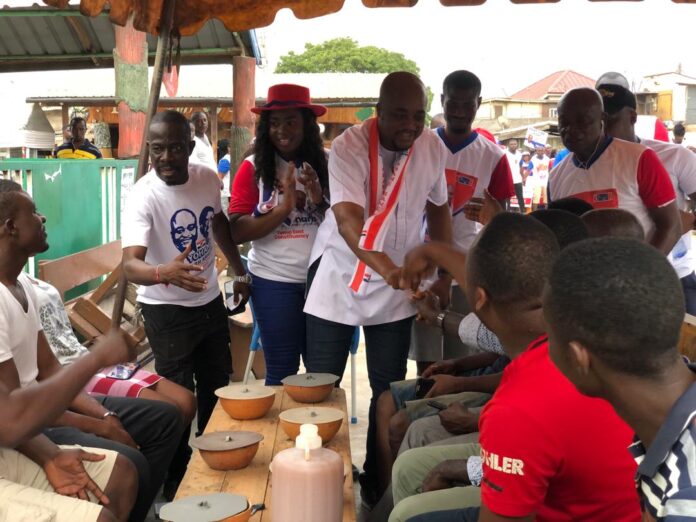
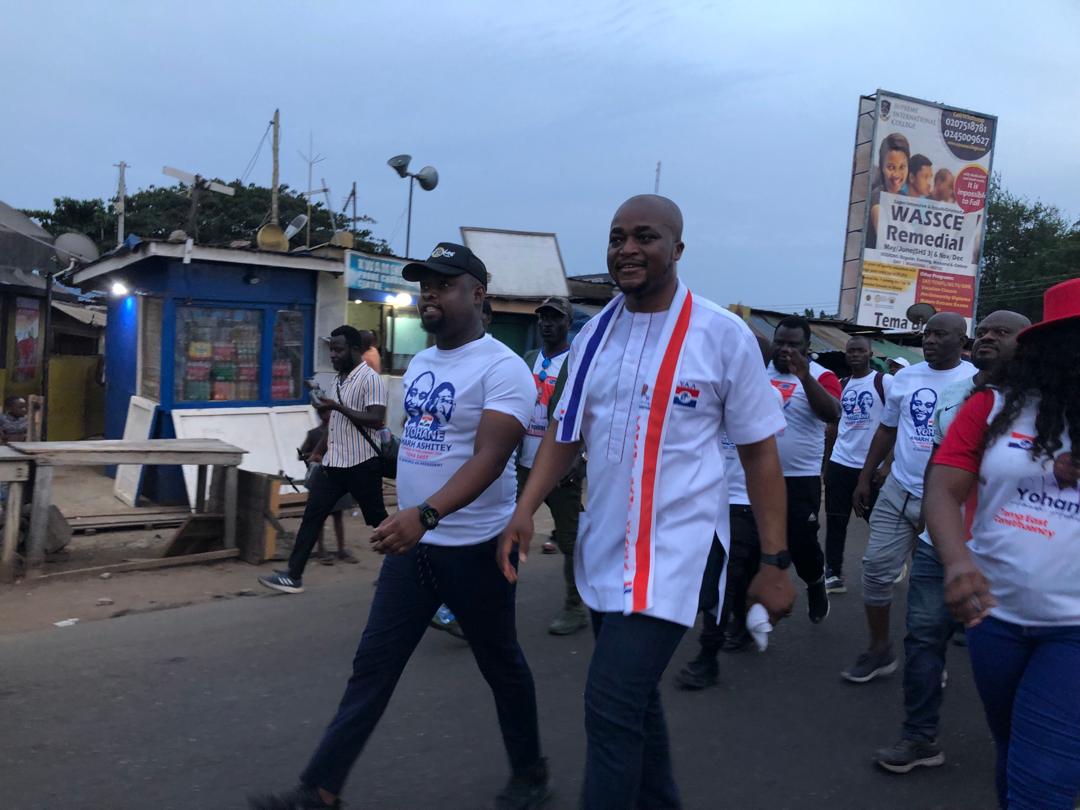
Mr Yohane Amarh Ashitey, the New Patriotic Party (NPP) parliamentary candidate for Tema East constituency, has said that he is a better option than Mr Isaac Ashai Odamtten, the current MP and National Democratic Congress (NDC) candidate.
Mr Ashitey, who is also the Tema Metropolitan Chief Executive, therefore, called on the electorate to endorse him as their representative in Parliament in the December 7 general elections.
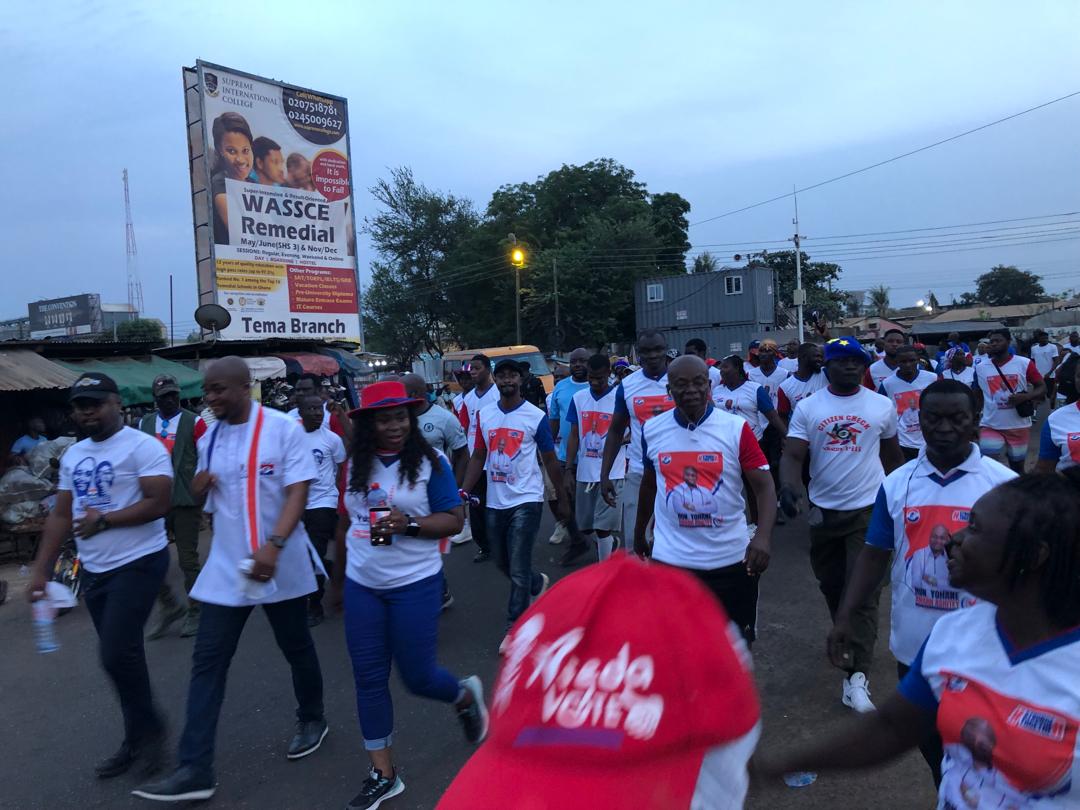
He said this when he organised a health walk through the principal streets of Tema to make his vision known to the electorate.
“The truth is just one; what everyone here is saying is just simple; our MP here in Tema East has not lived up to our expectations,” he said.
He said that looking at the availability of resources in Tema East and the amount of funds going to the MP, it was clear that he had not met the people’s expectations, as according to him, a lot of people were disappointed in the current MP.
The Tema East NPP candidate stressed that, “Tema deserves better, and I believe that with what I have started bringing up, people will know there is a difference between the current MP and the incoming.”
Mr Ashitey said he was building a lorry park, which he believed was a need for the people, adding that very soon, they would have a community centre in addition.
He said the people would see his current work and make a favourable decision knowing that he would do more when voted as the MP.
He asserted that the MP, in addition to receiving his share of the common fund, also receives funds from GETFund, health, and other places, adding that the people could not point to anything he has done in the area.
“So clearly, the MP has failed, and we must create a new leadership in parliament, and that is why I am contesting as MP for the good people of Tema because they deserve better leadership. They deserve better representation in parliament,” he stressed.
Meanwhile, some of the NPP supporters said they gave the seat to the current MP and believed that it was time to take their seat back, as according to them, he was not working hard.
“I am an NPP fan; even my blood is NPP, so I cannot go and give my blood to ND. And whether he likes it or not, we are taking back what is ours; Yohane has taken it,” a member said.
They indicated that Mr Ashitey, as the MCE, has constructed a school for pupils learning under trees, a sports field at Oninku School, which they claimed serves as a tourist attraction, a laboratory unit at Tema Manhean, and the Tema Newtown lorry station.
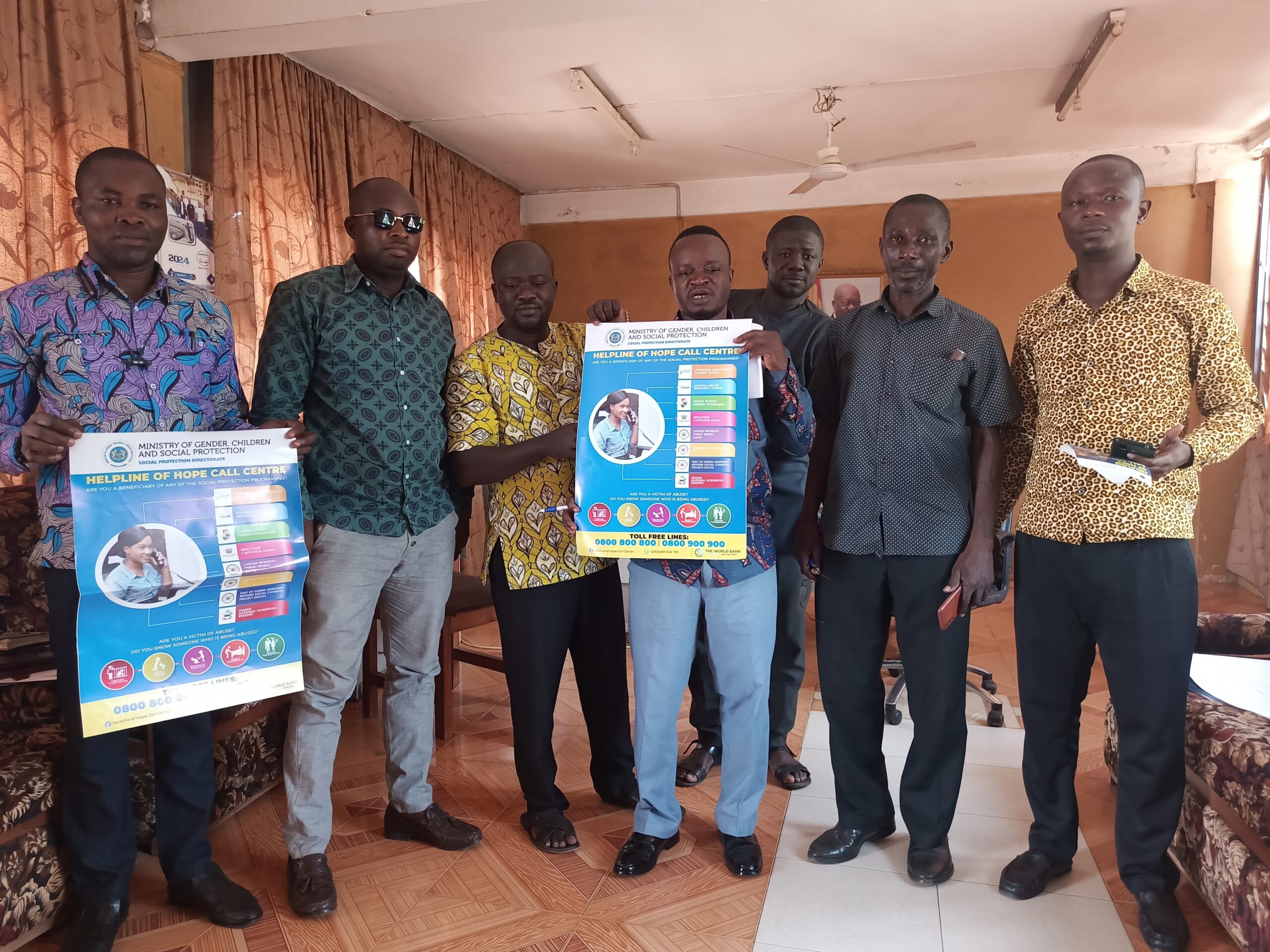
The Information Service Department (ISD), in partnership with the Ministry of Gender, Children, and Social Protection, has initiated a sensitization campaign aimed at educating selected communities on gender-based violence and child trafficking.
The month-long exercise, which commenced yesterday March 4, 2024, would focus on educating community members on various issues related to gender-based violence, including child abuse, domestic violence, and other forms of abuse, as well as addressing all types of trafficking.
Six municipalities and districts in the Bono Region chosen for the campaign, included, Wenchi, Sunyani West, Berekum, and Dormaa Municipalities, Tain, and Jaman North Districts, with more than 2,000 communities expected to participate in the movement.
During the campaign, ISD staff in the six municipalities and districts would visit and engage with traditional and opinion leaders, churches, and mosques, utilize information centers and vans, and interact with individuals to disseminate the information.
Mr. Imoro Ayibani, the Bono Regional Director of ISD speaking at the official launch in Sunyani, stated that the selection of those six communities was based on a baseline survey that identified prevalent gender-based violence and trafficking issues.
He observed that many instances of abuse occurred within those communities but often go unreported, therefore, this campaign aims to raise awareness about such abuses and empower individuals to address this hidden violence against themselves, friends, parents, and family members through the appropriate channels.
Mr. Ayibani gave assurances that the exercise at the end would empower community members to report instances of abuse to help reduce violence within the communities.
Additionally, he mentioned that the exercise would aid in data collection to inform government policies and decision-making processes.
He urged community members to refrain from abusing the toll-free number provided as part of the exercise for reporting issues, as it was essential for the number to serve its intended purpose effectively.
In just over a year, Namibia has seen five major oil discoveries adding to the already one gas discovery made in the Orange Basin by global energy majors Shell and TotalEnergies in partnership with Qatar Energies, Impact Oil, Namcor, and BW Kudu respectively. These finds – namely, Graff-1, Jonker-1X, La Rona-1, and Lesedi-1X in PEL 39 and Venus-1 in PEL 56 – have transformed the country into one of the most attractive hydrocarbon plays in the world. At the same time, a strong pipeline of renewable energy, green hydrogen, mining, and power generation projects have kicked off under efforts by the Ministry of Mines and Energy to advance access to sustainable energy while capitalizing on rising demand for critical minerals. In this scenario, Namibia is left not with the challenge of diversifying its energy mix, but with integrating these resources in an environmentally and mutually beneficial manner.
Namibia’s desire to monetize offshore oil and gas resources, as well as its commitment to achieving net-zero emissions, can best be achieved through a policy framework that balances both objectives. The Ministry of Mines and Energy is therefore driving an integrated hydrocarbon strategy, incorporating both ambitions to achieve first oil with efforts to transition to a cleaner energy future.
Since the 2022 discoveries, the country has seen growing success under this strategy. A fresh slate of investment continues to flow into Namibia’s upstream market as new E&P players enter, hoping to mirror the exploratory success of their predecessors. Currently, TotalEnergies is engaged in a multiwell appraisal and drilling campaign in Block 2913B of PEL 56 in the Orange Basin. Majors like Chevron, ExxonMobil, and Galp are either entering or expanding their footprint across the market. Onshore, ReconAfrica is conducting seismic research in the PEL 73 license area in the Kavango Basin, recently announcing an updated prospective resource estimate of 22.4 trillion cubic feet of natural gas.
The country’s gas-to-power agenda is also gaining momentum, with the Kudu gas development project on track to supply baseload power to both the domestic and regional markets. With the advent of new associated gas supplies, the 420 MW power plant that the project entails means that Kudu will likely play a much larger role in electrifying the nation than first envisioned.
Meanwhile, several green hydrogen projects are underway including the 3 GW Tsau Khaeb project developed by Hyphen Hydrogen Energy, with a production capacity of 300,000 tons per annum, as well as the 2.5 GW Tumoneni project; the 42 MW Daures Green Hydrogen Village project and the 50 MW hybrid green hydrogen project in Swakopmund. Three hydrogen valleys are also being assessed in Kharas, Walvis Bay Port, and Kunene.
By driving an integrated hydrocarbon agenda, the Namibian government is not only setting the standard for a diversified energy mix in Africa but also sending a strong signal of confidence to global investors in the stability and longevity of their investments.
As a nascent hydrocarbon market, Namibia has the opportunity to learn from other oil-producing African nations. What lessons can the country learn, in terms of ensuring oil and gas development contributes to energy diversification and socioeconomic development?
Namibia is uniquely positioned to meet both regional demand for oil and gas, as well as global demand for green hydrogen, synthetic fuels, and critical minerals. Being a new player in the hydrocarbon market has its advantages: not only can we learn from those who went before us, but we can also tap into regional expertise and technology to develop successful projects that prioritize socioeconomic growth and value addition. Regional oil heavyweights like Angola have already partnered with Namibia, with several bilateral agreements in place to drive cooperation across local content, capacity and skills development, regulatory planning, and hydrocarbon development. From policy structuring to capacity-building initiatives to resource integration, Namibia is already gaining crucial insights from its oil-producing neighbors.
What are your top energy development priorities between now and 2030?
Underpinned by our integrated hydrocarbon strategy, our main priorities between now and 2030 lie in the balance between achieving first oil and getting large-scale green hydrogen projects off the ground. Across the sector, we are working towards bringing new investment into the country, particularly in the areas of infrastructure, power generation, industry, and manufacturing. In tandem, unlocking the potential of Namibia’s offshore and onshore basins will be contingent on driving and incentivizing sustained investment in the upstream. These goals require a complete overhaul of the existing regulatory framework to ensure competitive, attractive terms for investors, as well as coordination with international partners.
At the cusp of the sector’s transformation lies policy. Currently, oil and gas legislative frameworks are set out in the Petroleum Exploration and Production Act of 1991 (as amended in 1998), the Model Petroleum Agreement, the Petroleum Products and Energy Act, (1990) (as amended in 1994) and its complimenting regulations passed in 2000. However, since the latter amendments, little revision has been made to both these pieces of legislation. The country’s recent exploratory success has underscored the need for not only a revision of the governing policies but also their adaptation to the changing economic and social climate we find ourselves in today.
This leads us to our next priority: unlocking Namibia’s potential as a regional green energy hub. The country has been identified as a globally-leading green hydrogen market owing to its considerable, co-located renewable energy resources. In partnership with leading companies, the country is making progress with the development of the country’s largest green hydrogen project: a $10-billion facility equipped with a 3 GW electrolyzer fed by 7 GW of wind and solar energy. The government recently approved the Feasibility and Implementation Agreement, and our priority will be providing the support needed to see this development, as well as others in this field, to fruition.
Local content also remains of utmost importance as we enter this next phase of development. Namibia’s diverse energy resources can and should serve as catalysts for long-term and sustainable economic growth. However, this can only be achieved if the population has access to the opportunities that the evolving industry has to offer. Namibia’s energy sector is largely in its infancy, and this represents a strategic advantage as the market grows, local Namibians can contribute to building the industry from the ground up, thereby taking shared ownership in this development. As such, the Ministry of Mines and Energy has placed local content at the heart of our oil and gas development agenda and is busy investing in capacity-building initiatives, skills, and technology transfer, thereby ensuring that new energy development translates into tangible opportunities for Namibians.
Energy Capital & Power is a strategic partner of the Namibia International Energy Conference (NIEC) – taking place in Windhoek on April 23-25, 2024. The 6th annual conference unites industry leaders, business executives, and policymakers to engage in dialogue, exchange ideas, create new partnerships, and identify strategies to foster a prosperous energy industry in Namibia and beyond.