Home Blog Page 254

Consortium to deepen efforts to address trade, economic inequalities in Africa

0

A consortium of four is strategising in Ghana on ways to address the inequalities in the cocoa, mining and salt sectors to provide decent income for the poor in the value chain.

Oxfam, Third World Network-Africa (TWN-Africa), SOMO, and the Huairou Commission, are holding a four-day “fair for all” conference to increase civil society efforts in that regard.

Among others, they would work with the private sector to find alternative business models, increase pressure on actors for a responsible financial system, improve governmental regulation, and advocate for fiscal and trade reforms.

Countries participating in the conference include Ghana, Nigeria, Uganda, South Africa, Kenya, Mozambique, with support from Brazil, Italy, Palestine, and the Netherlands.

Speaking with the Ghana News Agency on Tuesday, February 13, Mr Francis Agbere, Just Economy Lead, Oxfam Ghana, said the priority of the consortium was to deconstruct existing value chain systems that did not work in favour of the poor.

“The strategy is to ensure that the value chains of cocoa, mining, and salt are organised in a way that people who everyday sees the reality and impact of these resources benefit and dealing with the injustices and inequalities that take from the poor and give to the rich,” he said.

“We will look within and outside, adopt strategies to ensure that the poor person in a community get a fair price for the commodity that they depend on for their livelihood and point to tangible benefits from the extraction made,” he stated.

Mr Agbere explained that a multifaceted approach would be used to provide the space for host communities of resources to share their specific needs, while engaging corporate entities to have fair prices for farmers to earn decent income.

“We’ll also work to provide the policy space that would crack the whip on multinational entities that operate within these value chains and respond to the UN guiding principles for businesses on respect for human rights,” he noted.

Mr Sylvester Bagooro, Programme Officer, Third World Network-Africa, explained that while Africa had enormous resources, it had not seen the needed transformation over the years, and the dividend thereof for the poor.

“This project has been conceived to empower citizens and organisations alike, so that we can see how much value our Small and Medium-sized Enterprises (SMEs) can also capture from the resources that are often exported by transnational corporations,” said, Mr Bagooro.

He stated that the project would be keen on value addition, and addressing the systemic challenges associated with rules, which were detrimental to the progress of SMEs and the poor in various resource-rich communities.

“It is through value addition that we can have the kind of employment, skills, and technology you’re looking for, and that’s how we build a transformational economy,” he said.

The fair for all initiative is part of the global Power of Voices with a budget amounting to 71 million euros and to be implemented between January 2021 and December 2025.
Government keen on building capacity of Assembly members

0

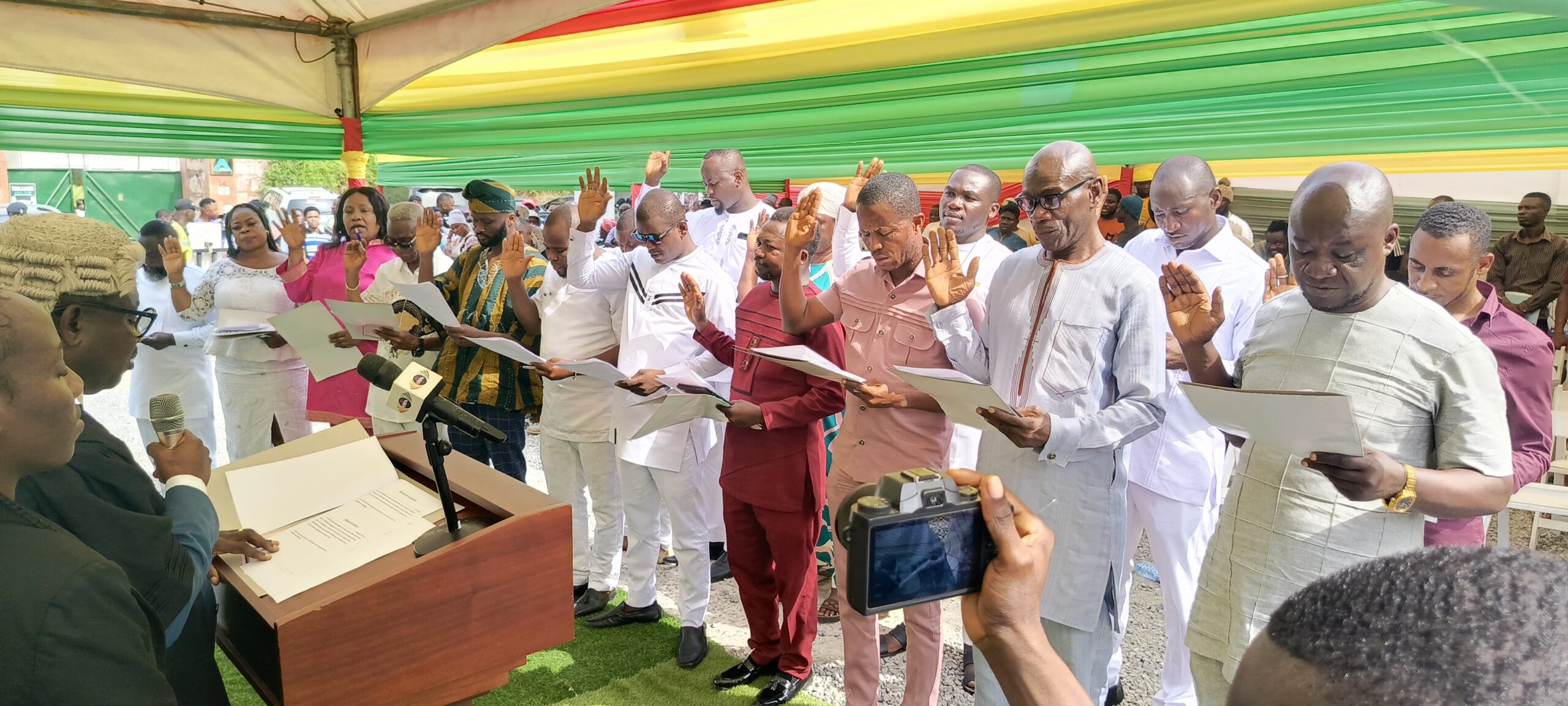
President Nana Addo Dankwa Akufo-Addo says his government is keen on building the capacity of Assembly members to enable them to provide the needed leadership for the development of their communities.

To achieve that, the President said the Institute of Local Government Studies had  been retooled with the state-of-the-art facilities and other training resources to offer effective training to boost the competence of Assembly members.

He said, as a first step, the Ministry of Local Government, Decentralisation and Rural Development (MLGDRD), through the Institute of Local Government Studies would in the next few weeks organise orientation and training for  Assembly members on their expected roles and responsibilities.

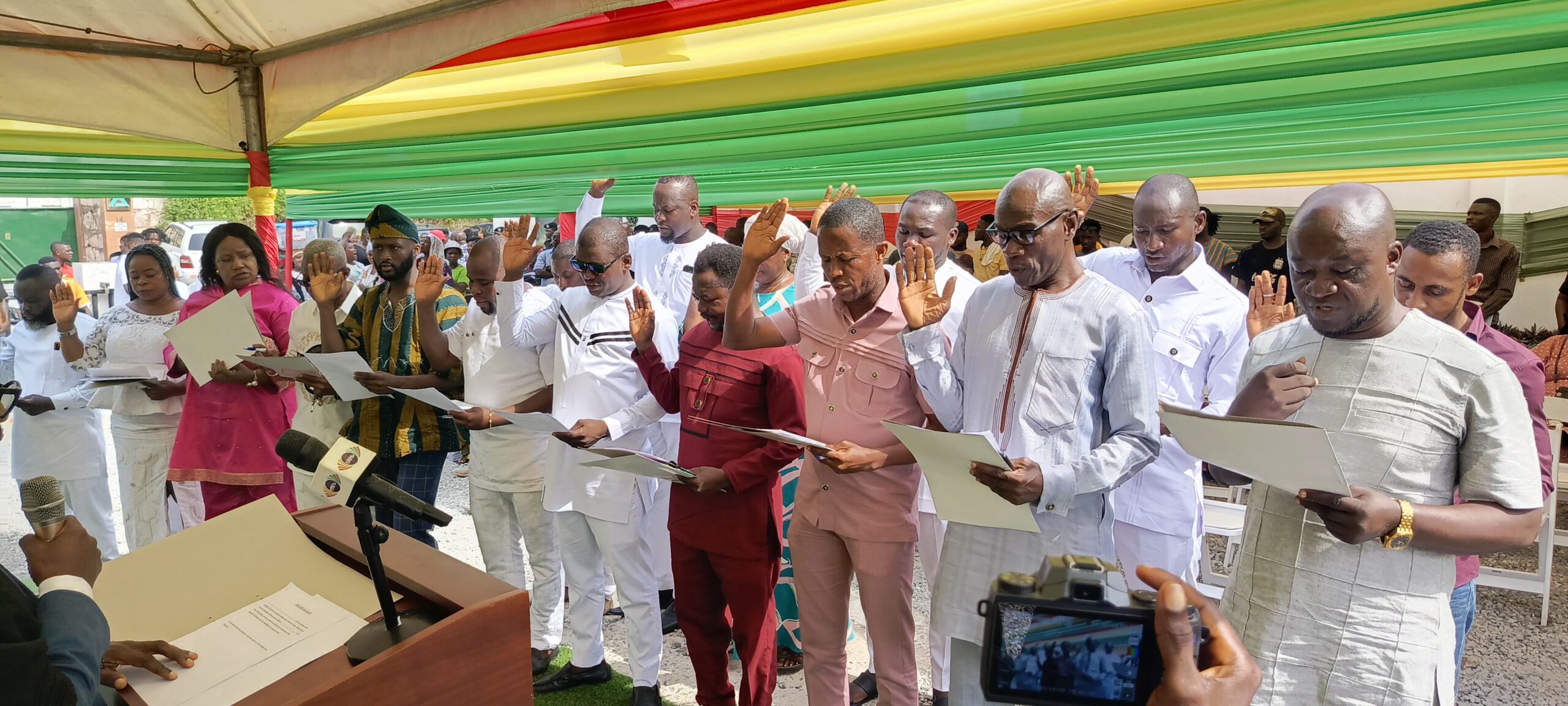
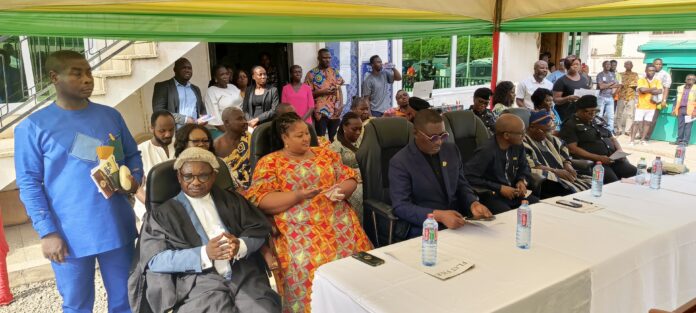
The President said this in a speech delivered on his behalf during the inauguration of newly constituted District Assemblies nation-wide.

The inauguration saw the swearing in of newly elected and appointed members of the Metropolitan, Municipal and District Assemblies.

At the Okaikwei North Municipal Assembly, the President’s speech was delivered by Mr Amin Abdul-Rahaman, Chief Director, MLGDRD.

President Akufo-Addo noted that Section 16 (1) of the Local Governance  Act, 2016, Act 936 mandated Assembly members to maintain close contact with the electoral area, consult the people on issues to be discussed in the District Assembly, collate their views, opinions and proposals, and take part in communal development and activities.

He said, however, that Assembly members faced difficulty in performing their duties effectively due to inadequate resources, which had caused disaffection and cynicism about the important role of Assembly members in participatory governance and local development.

The President assured that his government was making efforts to address such resource constraints.

He urged the Assembly members to acquaint themselves with all the relevant laws on governance and avoid unneeded conflicts with their District Chief Executives, Traditional Authorities, Opinion and Religious Leaders and other key stakeholders in their localities.

“It is an honour and privilege to be elected or appointed to serve the residents of your localities. I, therefore, entreat you to build good working relationships with colleague Assembly members, the Honourable District Chief Executive, the Members of Parliament, the staff of the District Assembly and the people you represent,” the President said.

He added: “You should also establish strong partnerships and collaborate with local structures, particularly, the urban, town, zonal and area councils, the Unit  Committees and traditional authority as well as other identifiable groups to facilitate the work of the district assembly.”

He urged the memebrs to find innovative ways of mobilising the needed resources for the development of their localities.

President Akufo-Addo entreated all Assemblies to advance the implementation of the Government’s Coordinated Programme of Economic and Social Development Policies, and Agenda for Jobs, Creating Prosperity and Equal Opportunity for All.

“Therefore, in your deliberations, planning and decision making for development, ensure that you localise these national development priorities into your action plans,” he emphasised.

He said the MLGDRD had formulated sector policies that contributed towards the national agenda, including National Decentralisation Policy and Strategy, National Urban Policy and Action Plan,  Local Economic Development Policy and Action Plan, and the National Rural Development Policy.

“As you deliberate on development interventions in your local areas, it is important that these policies guide your decision-making processes. Any local project and programme will need to be aligned with these national and sectoral policies,” the President said.

Mr Boye Laryea,  Municipal Chief Executive (MCE), Okaikwei North Municipal Assembly, congratulated Assembly members who were reelected as well as the new ones joining the Assembly.

He urged the members to work in unity whilst advancing the course of development in their communities.

“Your parochial interests must give way to the larger good of your Electoral Areas and be reminded that the mandate given to you by the electorate is an opportunity to serve,” he said.

The Okaikwei North Municipal Assembly swore into office 17 Assembly members, comprising 11 elected members and six government appointees.

The Assembly, however, could not elect a Presiding Member after voting for two rounds.

Out of the total votes cast of 18, Nii Odai Abdullah, one of the contestants polled 10 whilst his competitor, Mr Alhassan Abdul Rashid polled 8, without any of them securing two-thirds of the total votes.

The second round also saw the same outcome repeating for both contestants.

Mrs Eunice Yeboah Quaye, Municipal Electoral Officer, who presided over the election said another election would be held to choose a Presiding Member in 10 days.

Ghana re-affirms commitment to promoting a world free of landmines

0

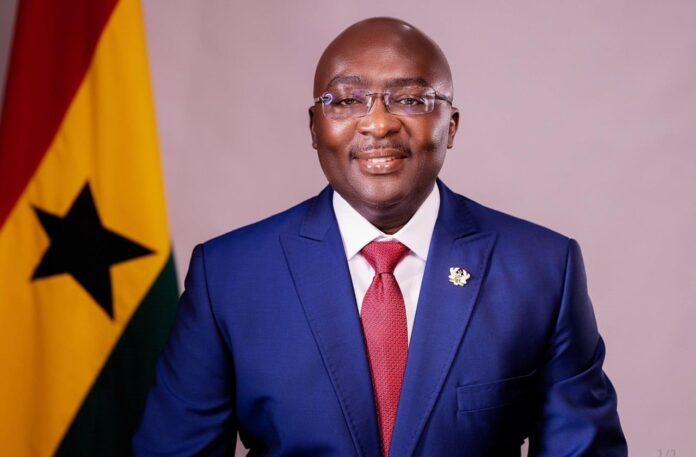
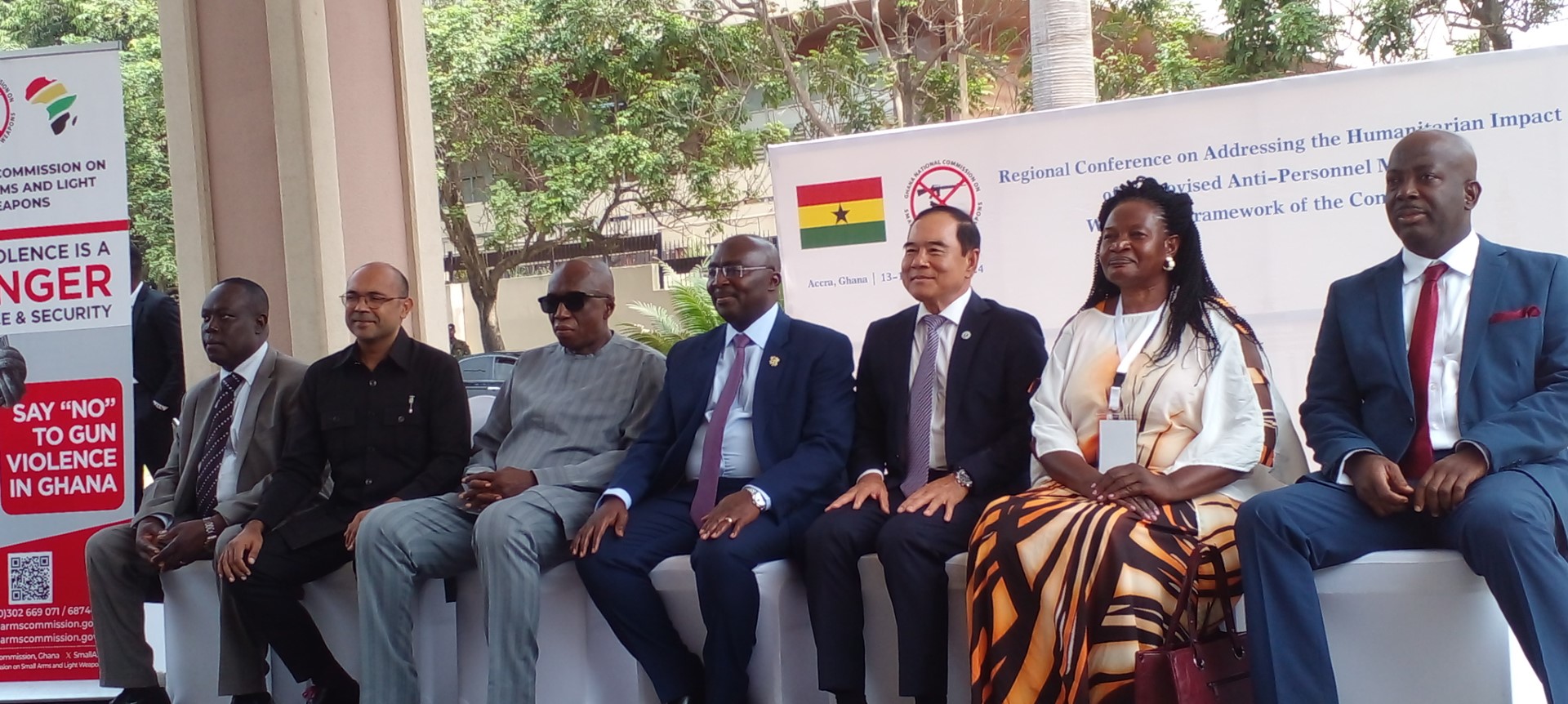
Vice President Mahamudu Bawumia has called for concerted action by nations around the world, regional organisations and key stakeholders to address the humanitarian impact of improvised anti-personnel mines.

The scourge in landmines and explosive remnants of war had had devastating effects on humanity, he said, and urged all states that were signatories to the Anti-Personnel Mine Convention to strive towards its ratification.

He reiterated government’s unflinching support and commitment to promoting a world free from the scourge of landmines and explosive remnants of war.

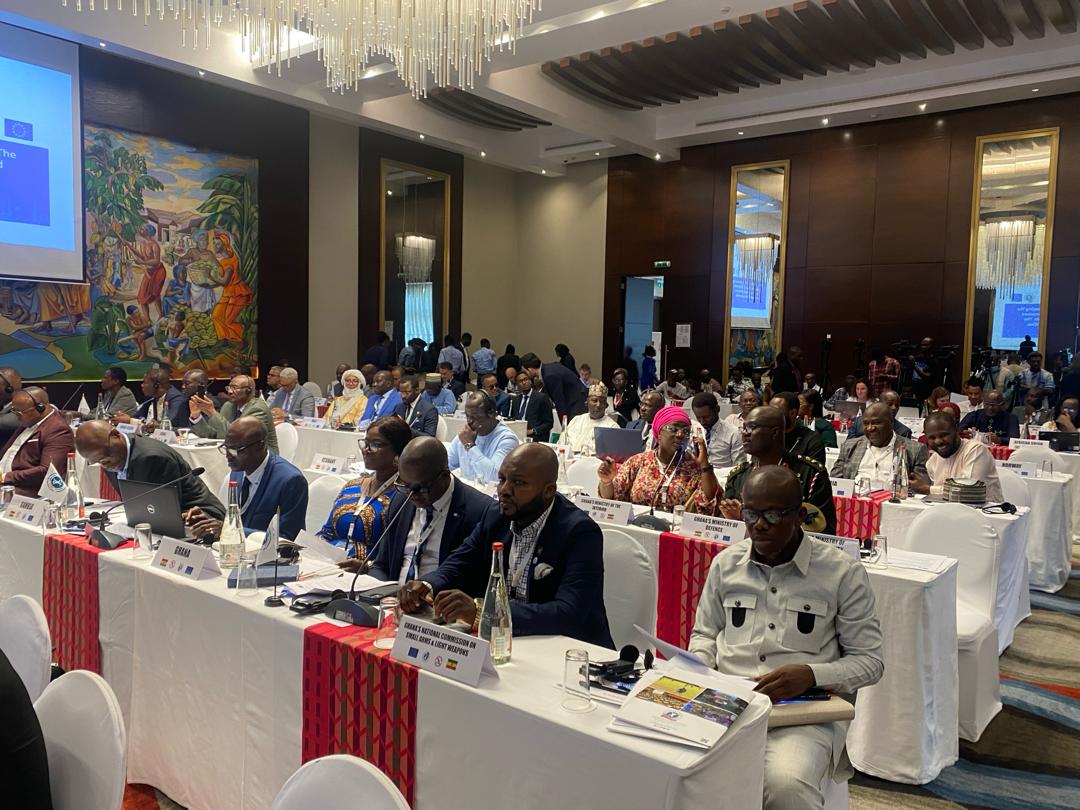
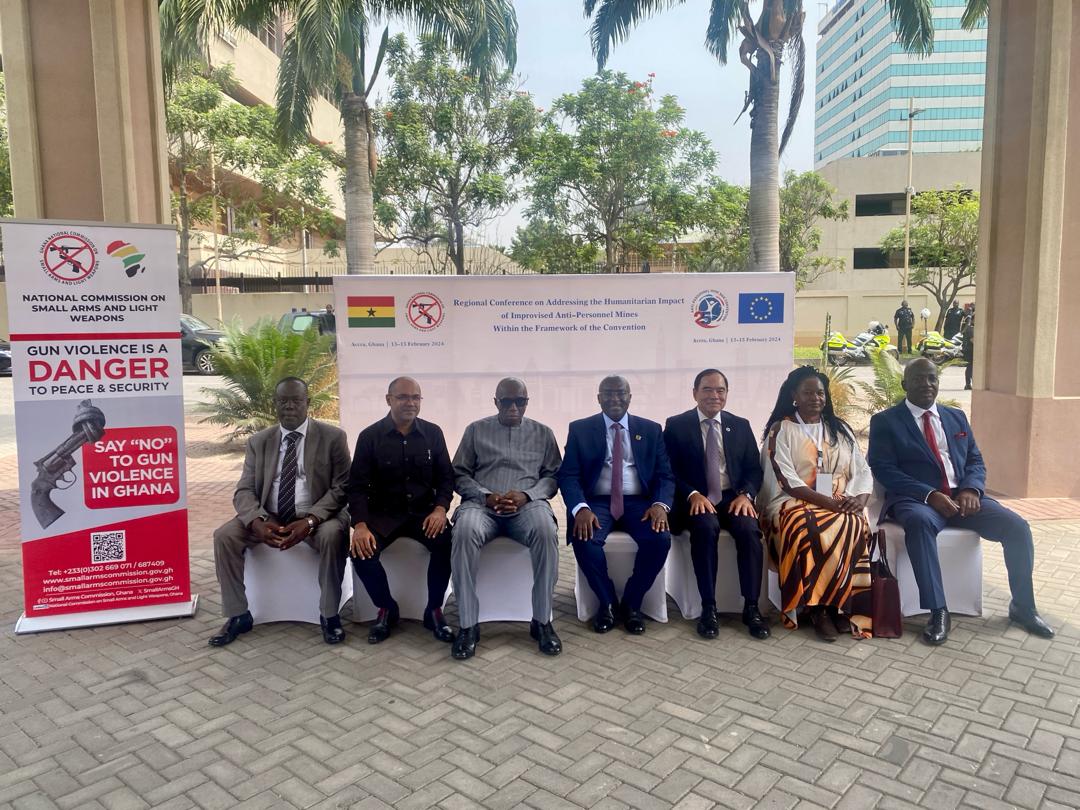
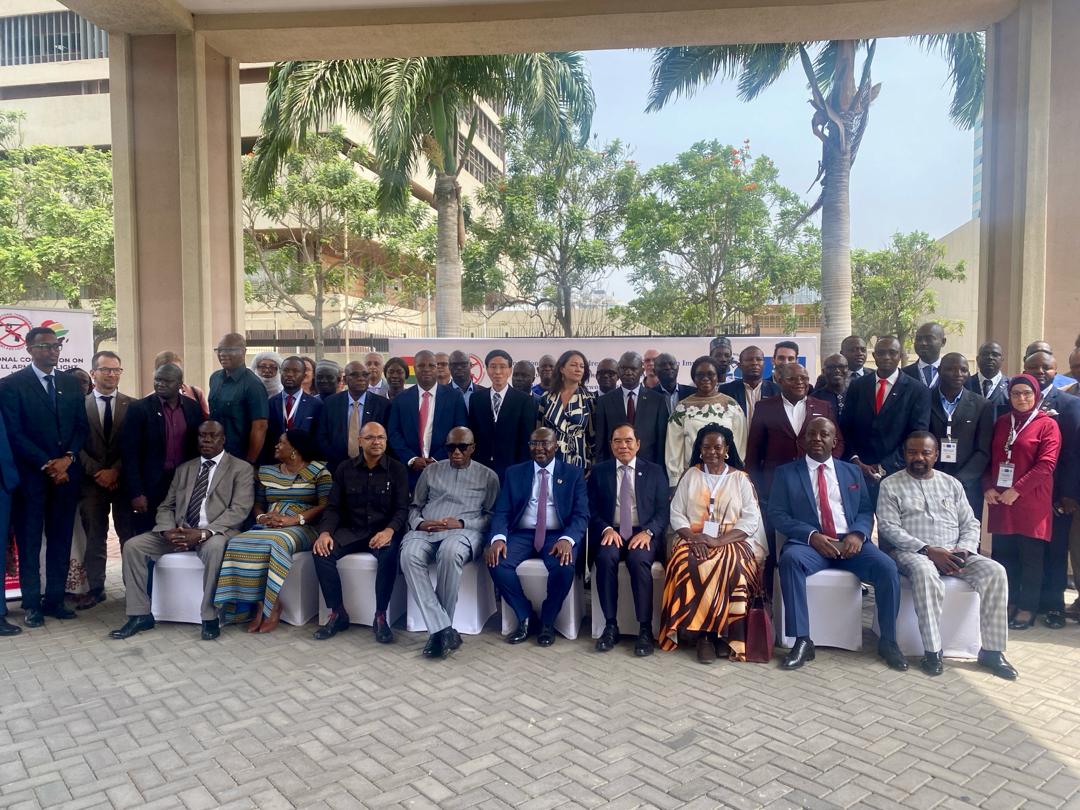
The Vice President made the call at the opening of a three-day “Regional Conference on Addressing the Humanitarian Impact of Improvised Anti-Personnel Mines within the Framework of the Convention” in Accra on Tuesday.

He said it was imperative to confront the menace with unwavering determination and collective efforts.

“We remain steadfast in our commitment to promoting a world free from the scourge of landmines and explosive remnants of war,” Dr Bawumia said.

The conference serves as a platform to dialogue, collaborate and exchange best practices and proffer innovative solutions to address the challenges posed by improvised anti-personnel mines globally.

It is being organised by the Government of Ghana, through the National Commission on Small Arms and Light Weapons, the European Union and the Anti-Personnel Mine Convention Implementation Support Unit.

There were more than 100 delegates from the 15 Member States of ECOWAS, the Sahel Region and the European Union.

Vice President Bawumia called for united efforts by all stakeholders under a common goal to confront and mitigate the devastating humanitarian consequences caused by improvised anti-personnel mines.

“This conference serves as a vital platform for dialogue, collaboration, and action. We come together with a shared commitment to safeguarding human lives, protecting communities, and advancing peace and stability in our regions.”

“It is imperative that we confront the menace of improvised anti-personnel mines with unwavering determination and collective effort.”

The Convention on the prohibition of the use, stockpiling, production and transfer of anti-personnel mines and on their destruction, also known as the “Mine Ban Treaty”, seeks an end to the suffering and casualties caused by such mines through the pursuit of four core goals.

The goals include ensuring universal adherence, clearing mined areas, destroying stockpiled mines, and assisting the victims.

It is also intended to achieve national legislation, cooperation and assistance, transparency and exchange of information, facilitating compliance, and implementation support.

The Convention has 164 State Parties including Ghana.

According to Minesweepers whose work is to detonate naval mines, it is estimated that about 110 million landmines are scattered across the globe.

The individual cost for removing mines ranged from three to 30 dollars, while the expense of their removal varies significantly, ranging from $300 to $1000 per mine.

Considering those figures, the report by Minesweepers said the total expenditure for clearing all existing mines was projected to range from a substantial $50 billion to $100 billion.

Meanwhile, the Landmine Monitor (2022) report indicates that States Parties to the Mine Ban Treaty had destroyed more than 55 million stockpiled antipersonnel mines.

That underscored the significant financial commitment made by states and international organizations worldwide towards the effective implementation of the Convention.

The Landmine Monitor also reported that in 2022, at least 4,710 individuals were killed or injured by landmines or Explosive Remnants of War (ERWs) in 49 states.

Among them, 1,661 lost their lives, 3,015 sustained injuries, while the status of 34 remains unknown.

It said civilian casualties constituted 85 per cent of the total, with nearly half of the civilian victims being children (49 per cent) amounting to a total of 1,071.

As of October 2023, it was also reported by the Land Mine Monitor that approximately 60 countries and other areas worldwide were grappling with the detrimental presence of anti-personnel landmines contaminating their territories.

Among those could be found, at least, 24 States Parties either believed or confirmed to be afflicted with improvised mine contamination.

Those nations included some African states such as Burkina Faso, Cameroon, Chad, Mali, Nigeria, and Togo.

The report said the presence of improvised mines exacerbated the already grave humanitarian and security challenges faced by those nations, necessitating urgent and concerted efforts towards effective mine clearance and risk mitigation strategies.

The use of improvised anti-personnel mines poses a grave threat to civilians, particularly in conflict-affected regions.

Vice President Bawumia noted that those insidious weapons indiscriminately maimed and killed innocent men, women, and children, inflicting lasting physical and psychological harm.

“They disrupt livelihoods, impede socio-economic development, and hinder efforts to achieving sustainable peace and security,” he said.

“Ghana recognises the urgent need for concerted action to address the humanitarian impact of improvised anti-personnel mines.”

“We remain steadfast in our commitment to promoting a world free from the scourge of landmines and explosive remnants of war.”

“Compliance with these legal instruments is essential to preventing further human suffering and fostering a safer, more secure world for all.

“I, therefore, urge all states that are not parties to the Convention to strive towards the ratification of the Convention.”

Malawian President says Ayorkor Botchwey Candidature well received

0

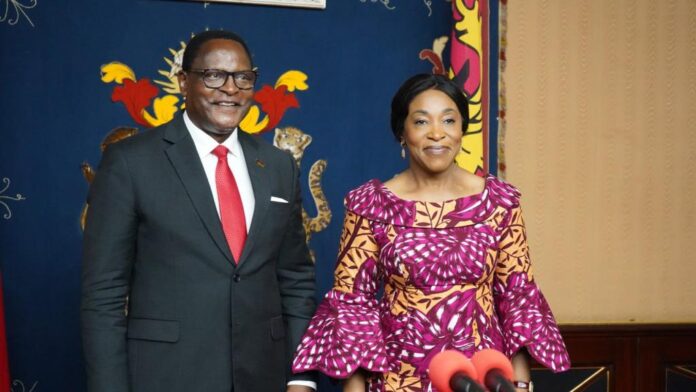
Malawian President Lazarus Chakwera says the candidacy of Ghana’s foreign minister, Madam Shirley Ayorkor Botchwey, for Commonwealth Secretary-General has been “well-received”.

President Chakwera, whose country is a member of the Commonwealth, received Madam Botchwey at the presidential palace in the capital, Lilongwe on Monday, and discussed bilateral issues.

This include the foreign minister’s Commonwealth candidature.

He told Madam Botchwey: “Malawi welcomes your candidature.  It shows President Akufo-Addo has confidence in your skill and competence.” 

The foreign minister’s candidacy was formally announced last Friday in Ghana.  It has received bipartisan support in the country’s often fractious parliament.

A new Commonwealth Secretary-General will replace Baroness Patricia Scotland when Heads of Government of the 56-member organisation meet in October in Samoa. Her final term expires at the end of 2024.

The new leader will come from Africa, as agreed at the last meeting of Heads of Government in Kigali in 2022. There are 21 African countries in the Commonwealth, which has a combined annual economic output of more than US$13 trillion, and a population in excess of 2.6 billion people.

Madam Botchwey shared her vision for “a new Commonwealth,” including a focus on trade and investment; harnessing ICT for skills, innovation and start-ups to provide jobs for young people, and a migration compact to respond to demand across the Commonwealth and stem the tide of illegal and perilous migration.

She also outlined her vision on addressing climate change, saying it was a threat to all member states, not least small island developing states, and called for a strong Commonwealth voice for the concerted action needed to save the planet for future generations.

President Chakwera responded saying he appreciated Ms. Botchwey’s overall focus, and on trade and investments and young people in particular. 

Meanwhile, Malawi has granted visa-free entry to Ghanaians, an initiative Ms. Botchwey said would be reciprocated.

Leadership of Anloga District Assembly to drive the district forward

0

The leadership of the Anglo District Assembly have all pledged to drive the district to achieve more development.

Consisting of Mr Joseph Kpattah, Presiding Member of Anloga District Assembly and Mr Seth Yormwu, Anloga District Chief Executive and Mr Richard Kwame Sefe, Member of Parliament, they made the pledge in an exclusive interview with Ghana News Agency on Tuesday after the nationwide inauguration on Monday.

Mr Joseph Kpattah showed gratitude for his re-election as the presiding member saying, “I am very happy the assembly members have given me the nod to lead them again as their presiding member, my good works have spoken for me, and I promise to inject some new energy into the new assembly for the betterment of Anlo.”

Mr Seth Yormewu, the District Chief Executive also charged the new members to be united in all their dealings and admonished them to avoid unnecessary partisan attitude towards Assembly works, citing it as a recipe for retrogression.

“I urge them to serve their electoral areas with unity and hard work.”

Mr Richard Kwame Sefe, Member of Parliament for the area, also advised the house to prioritize development and asked them to obey the standing orders, especially new members.

A total of forty-three members were inaugurated into the Anloga District Assembly on Monday, comprising of 28 elected members and 13 government appointees.

Choose peace: Maxwell Lugudor appeals to Ketu South chiefs

0

Mr Maxwell Koffie Lugudor, Municipal Chief Executive (MCE) of Ketu South has appealed to chiefs in his municipality to choose peace to propel the area’s development.

Ketu South Municipality, which is divided into three traditional areas namely Aflao, Klikor and Somé, has had its share of chieftaincy disputes especially in Aflao and Somé Traditional Areas.

In November 2023 during Sometutuza celebration, the socio-cultural festival of the Somé people, their Paramount Chief, Torgbiga Adamah III disclosed that his eight year’s reign had been characterised by lawsuits and litigation requiring that energies and resources, which should have gone into development of the traditional area were directed at resolving the issues.

Mr Lugudor, in a welcome address at the inauguration ceremony of the Ninth Assembly of Ketu South Municipal Assembly, said chieftaincy disputes remained a key issue that could disturb Ketu South’s peace.

The inauguration followed the successful conduct of the District Level Elections in December 2023.

Mr Lugudor said: “One key issue that can derail the peace and tranquility we are enjoying in Ketu South is chieftaincy disputes. I want to use this opportunity to humbly appeal to our chiefs to choose peace and follow laid down legal means to address any misunderstanding amongst them.

“Let us use our energies, talents and powers to promote issues that will bring development and jobs to the Municipality.”

The MCE said he was happy that a number of Assembly Members had been re-elected while others had also been re-appointed which meant that the Assembly would have a good number of old experienced members to share their accumulated wealth of experience with new members.

He asked them not to disappoint their people by living up to the expectations of them as Assembly Members.

“You are to ensure that you serve the people in the various electoral areas and communities to improve their general living conditions and also make them part of the decision-making process and governance at the local level,” Mr said.

He added: “The day had in attendance chiefs from all three traditional areas, members of the Muslim community, the Clergy, security services, heads of departments and units, the Municipal Electoral Officer and his team, political actors and the public.”

MTN Ghana empowers KNUST students at Success Africa Summit

0

MTN Ghana has engaged students at the Kwame Nkrumah University of Science and Technology (KNUST) on how to leverage on its digital platforms to shape their entrepreneurial skills.

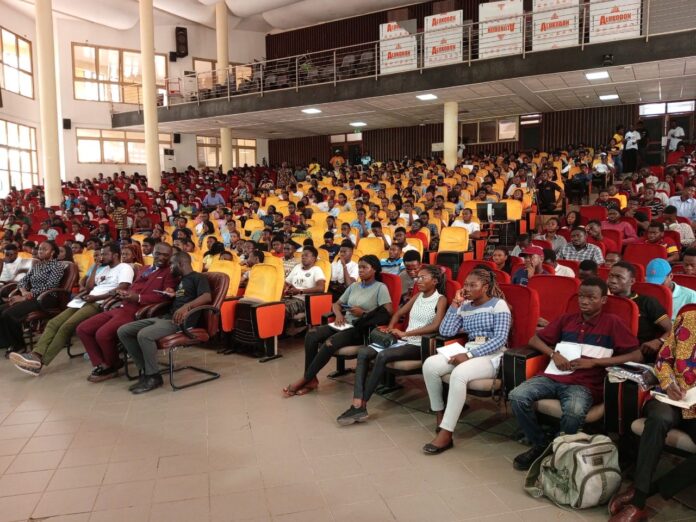
The students were engaged at the 17th edition of the Success Africa Summit, held at the university’s campus in Kumasi, which served as a mentorship platform.

It was put together by the LEC Group, an educational hub focused on organising conferencing and training for the youths and sought to inspire and provoke greatness in young people by creating opportunities for them to connect with Chief Executive Officers (CEOs) and accomplished personalities.

Since its commencement in 2008, organisers of the summit have been touring various university campuses across the country and parts of Africa to shape the lives of students as they prepare to navigate the labour market after school.

Being the main sponsors for the 2024 Summit, officials of MTN Ghana were on hand at the KNUST edition to interact with the over 1000 participants on its products and services.

Mr Samuel Andoh, the Territory Sales Controller for MTN Ghana, walked the participants through the benefits of using their various innovative products and services such as My MTN, MoMo and Ayoba Apps for the convenience.

 “All you need is a smart phone to help you get these apps on your device to access numerous resources on the internet, while protecting your money through the MoMo app.”

He also touted how one could still chat, watch videos and get updates for free on the Ayoba App even without data.

Mr Andoh also spoke about MoMo fraud and urged the students not to entertain any call from any source apart from 0243300000, which was the only number on which MTN contacts its customers.

 Mr Albert Prempeh Kusi, Executive Director of LEC Group, said his outfit believed the future of Africa was for young people and that they were committed to providing the platform to mentor the youth.

 “Participants will be walking away with tools, knowledge and information that can enhance their lives,” he noted.

He disclosed that over 250,000 students had already been impacted since the inception of the summit in 2008 and was looking forward to visiting about 15 universities this year.

“I am committed to the development to Wiawso” – Parliamentary Candidate

0

Mr Festus Bumangamah Agyapong, New Patriotic Party (NPP) Parliamentary Candidate-elect for Wiawso Constituency in the Western North Region, has said development would be his priority when voted to become the Member of Parliament (MP).

He said even though the development of the Constituency was a shared responsibility, he would lead the people to bring in the desired growth and development.

A statement signed by Mr Agyapong and copied to the Ghana News Agency (GNA), said: “The name Festus Bumangamah has resonated with the people due to my commitment to the development of society as evidence in my personal contribution to reshaping roads such as Asawinso – Esakrom, Abrabra – Sui, Penakrom – Futa, Kesstown Junction – Adiembra, Ahokwa – Suhenso and Ahwiam – Adiembra among others.”

It said the Parliamentary candidate had already initiated other community projects including the refurbishment of school infrastructure such as roofing of Asawinso B School and building of a two-unit Kindergarten block at Abrabra among others.

“I did all these developmental projects even before becoming the NPP’s Parliamentary Candidate, so other candidates must also focus on helping the constituency before the general elections in order to improve upon the lives of the constituents,” the statement quoted Mr Agyapong.

It pledged Mr Agyapong’s commitment to continue initiating more development projects in the area.

It also implored the people to vote for him to become the MP for the area in the 2024 general elections.

Speaker Bagbin urges EC to conduct 2024 polls with integrity, transparency, trust

0

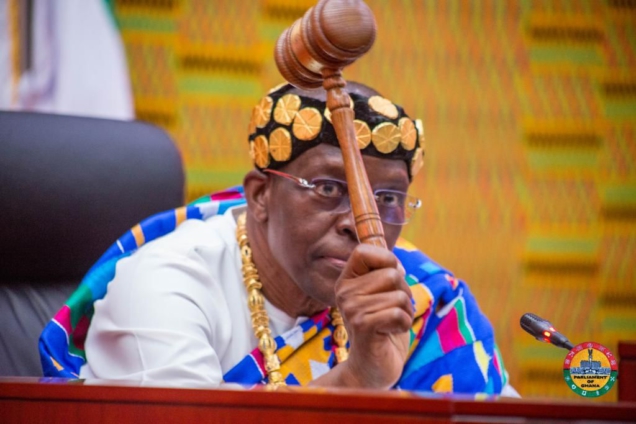
The Speaker of Parliament, Mr Alban Sumana Kingsford Bagbin, has called on the Electoral Commission (EC) to conduct the 2024 general election with integrity, transparency, and trust.

He said the EC must prioritise the will and safety of the voters and the stability of the country.

“The EC should work to attain transparency in its processes, and integrity in voter registration to build public trust,” Mr Bagbin said at the Eighth Harmattan School of the University for Development Studies, Tamale, on the theme: “Accountable Governance, Violent Extremism and the 2024 Elections.”

“…The Commissioners of the EC and their entire Staff, whether permanent or temporary, must spare a thought on the sanctity of the electoral process, the safety of the voter, the protection and security of political parties, and the stability of the country,” he said.

The Speaker also called on the various political parties to play to the rules and regulations governing the voting process instead of taking rigid positions on issues, adding: “We have a nation to build in peace and we must all be committed to that.”

Mr Bagbin indicated that the present circumstances, particularly the happenings in the sub-region, made the theme very apt.

He explained that the past three years had witnessed a series of military coup d’états in sub-Saharan Africa as well as pockets of extremism in the sub-region, which demanded sober reflection to understand the causes and undercurrents that had given rise to those situations.

The Speaker said the challenges that resulted in military interventions, which ultimately curtailed the democratic processes, could only be resolved when leadership was accountable to the people.

The journey to accountable governance required transparency in the government’s decision-making processes and access to information about government activities and policies, he noted.

Quoting the American Actor, Mike Erwin, to emphasise his point, he said: “Exhibiting accountability over time is a gateway to trust. When we see someone acting with accountability, we gain the evidence we need to trust them.”

Mr Babgin said accountability mechanisms that held public officials responsible for their actions, the existence of strong legislative and independent oversight bodies, as well as a judicial system free from political interference were critical in demonstrating transparency and trust.

Therefore, citizens must be encouraged and assisted to participate in governance through various forms of engagement that would ensure that government policies were responsive to the needs of the people.

The Speaker said in the current global geopolitics, violent extremism was becoming a great source of worry because of its linkage with terrorism and the significant threat it presented to global security.

He said the reversals of democratic governance that had been witnessed in West Africa had come with some forms of extremism.

“What it tells us is that if we do not remain steadfast on our democratic journey, we will soon get derailed by political extremists, who invariably have linkages with different shades of terrorist groups. The destabilisation of our sub-region that will ensue will have very dire consequences for us all,” he said.

On mitigating violent extremism, Mr Bagbin called for using education as a potent tool to help build resilience and mitigate this phenomenon.

“It strengthens commitment to non-violence and peace by addressing hateful and violent narratives. Citizens’ engagement and participation in the issues that affect them also lowers violent extremism.”

“Besides, violent extremism can be linked to poverty, marginalisation, and excessive politicisation of national issues. Managing these through economic development, social inclusion, and political participation is in itself an exercise in managing violent extremism.”

“It will also help to promote inter-party dialogue, mutual understanding and tolerance among the different political groups,” he said.

The Speaker urged the media to demonstrate a high sense of responsibility, given the essential role they played in shaping public opinion about the fairness or otherwise of an electoral process.

“They must also be fair and equitable in news coverage for all political parties, and strive to uphold accuracy, objectivity and impartiality. Also, the media must avoid premature declaration of election results ahead of the official declaration by the EC as this can create tension and undermine trust in the electoral process,” he advised.

Touching on the political parties and their communicators, Speaker  Bagbin urged them to do away with indecent and abusive language on air, whilst their leadership advocated tolerance and respect during the election period.

“Civil society organizations (CSOs) should focus on preventing electoral violence and ensuring a free and fair process,” he noted.

He called on the nation to open its doors to the international community to support and monitor the 2024 general elections as that enhanced accountability and stability.

“I appealed to Ghanaians to be accommodating, considerate and loyal to the state instead of being excessively reactive in every little situation that arises.”

“Let us all rise to the occasion and ensure a free, fair and transparent 2024 elections,” he said.

As part of activities marking the event, Mr Bagbin launched a $100,000 UDS Research Fund, which would provide financial resources in the form of grants to qualified persons (faculty, staff, and students among others) for purposes of conducting relevant (applied, problem-solving and interdisciplinary) research for the socioeconomic development of northern Ghana and beyond.

He, therefore made a personal donation of GH¢ 50,000.00. as seed money to the fund.

Togbe Tepre Hodo commends Ablakwa, urges politicians to emulate him

0

Togbe Tepre Hodo IV, President of the Volta Region House of Chiefs has urged all politicians to be truthful in their respective activities.

“Politics should not only be about the negative every day. Let it be always positive.”

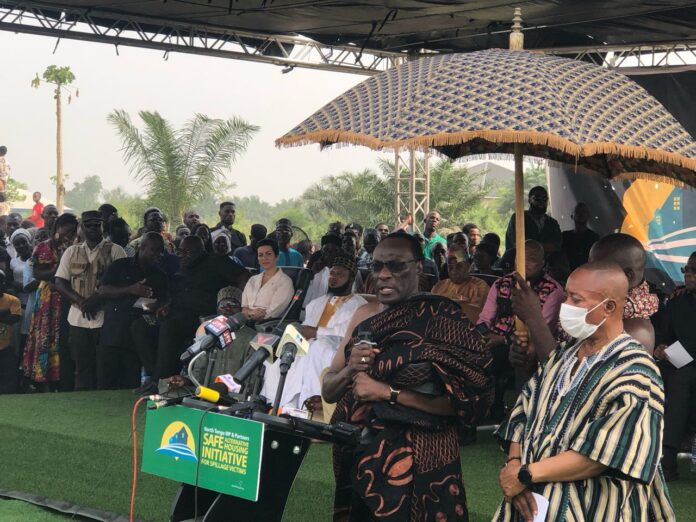
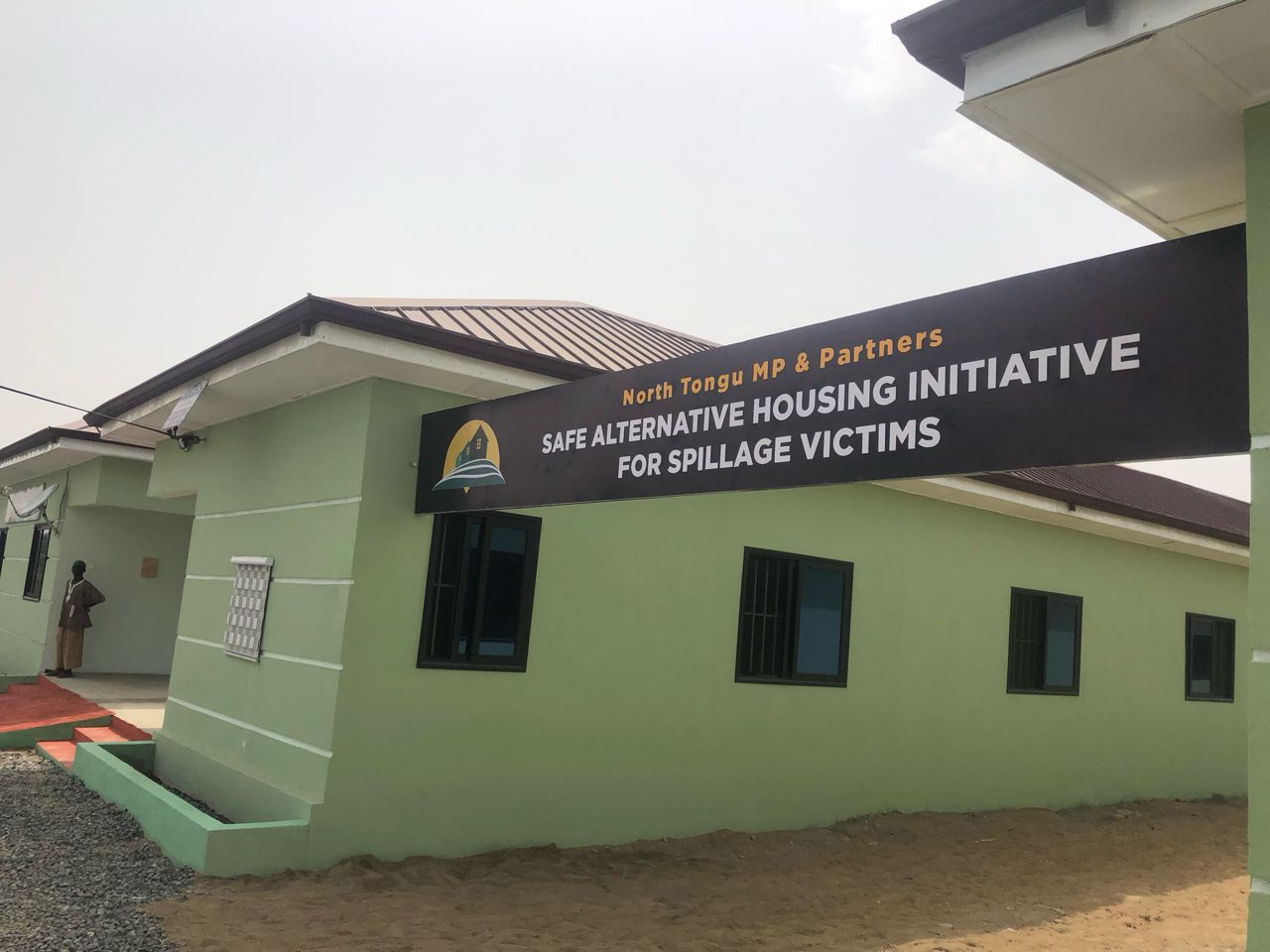
Togbe Tepre Hodo, who is also the Paramount Chief of Anfoegah Traditional Area, made the call in a short address as chairperson during the commissioning of the second phase of the ‘Safe Alternative Housing Project’ at Mepe on Saturday.

The project, an initiative of Mr Samuel Okudzeto Ablakwa, Member of Parliament for North Tongu, and his partners, was aimed at providing safe and standard alternative accommodation for the Akosombo Dam spillage victims.

Togbe Tepre Hodo commended Mr Ablakwa for his innovation and timely intervention for the displaced victims.

“Our MP Mr Okudzeto Ablakwa put together a complete team of people to put out these structures to rehabilitate our flood victims.”

On behalf of the Regional House of Chiefs and the people of Volta, Togbe Hodo thanked Mr Ablakwa for his good effort.

He urged other MPs and politicians to emulate the same for the growth of Ghana.

Togbe Korsi Nego, the Mankralo of Mepe, on his part, expressed disappointment on the part of the Volta River Authority (VRA) and the government for their reluctant attitude to compensate victims in all forms since the disaster had occurred.

He called on the Electricity Company of Ghana Limited to consider reducing their bills since the disaster had caused severe hardship and pain to them.

“We heard the government had instituted an Inter-Ministerial Committee to look into our situation, but we are yet to see any action,” he said.

Togbe Nego also appealed to dignitaries present to come to their plight due to the huge number of affected victims.

Togbe Patamia Dzekley VII, Paramount Chief of Battor Traditional Area who spoke on behalf of the Regional House of Chiefs, extended his appreciation to Mr Ablakwa and all donors for their timely input.

Speeches from Mr John Dramani Mahama, flag bearer of the NDC, the National Chief Iman, Dr Osman Nuhu Sharubutu, and others were centered on how to develop the area regardless of any political or religious background.

So far, only 600 affected victims out of the official number of 12,633 from NADMO have benefited from the alternative housing project.

The housing project has all the modern features for comfort purposes, including room furnishing, and others.