Home Blog Page 262

Ghana is our key trade and investment partner – Indian High Commissioner Designate 

0

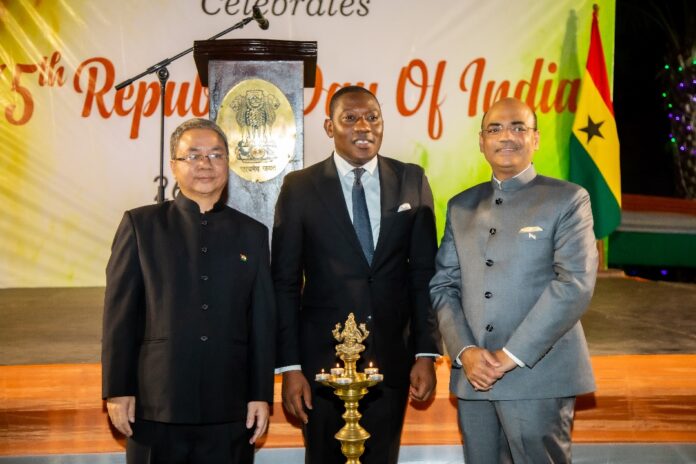
Indian High Commissioner Designate to Ghana, Mr Manish Gupta, says Ghana is India’s key partner in development, trade and investments. 

“India is amongst the top five trading partners with Ghana and our relationship is based on mutual trust and respect.” 

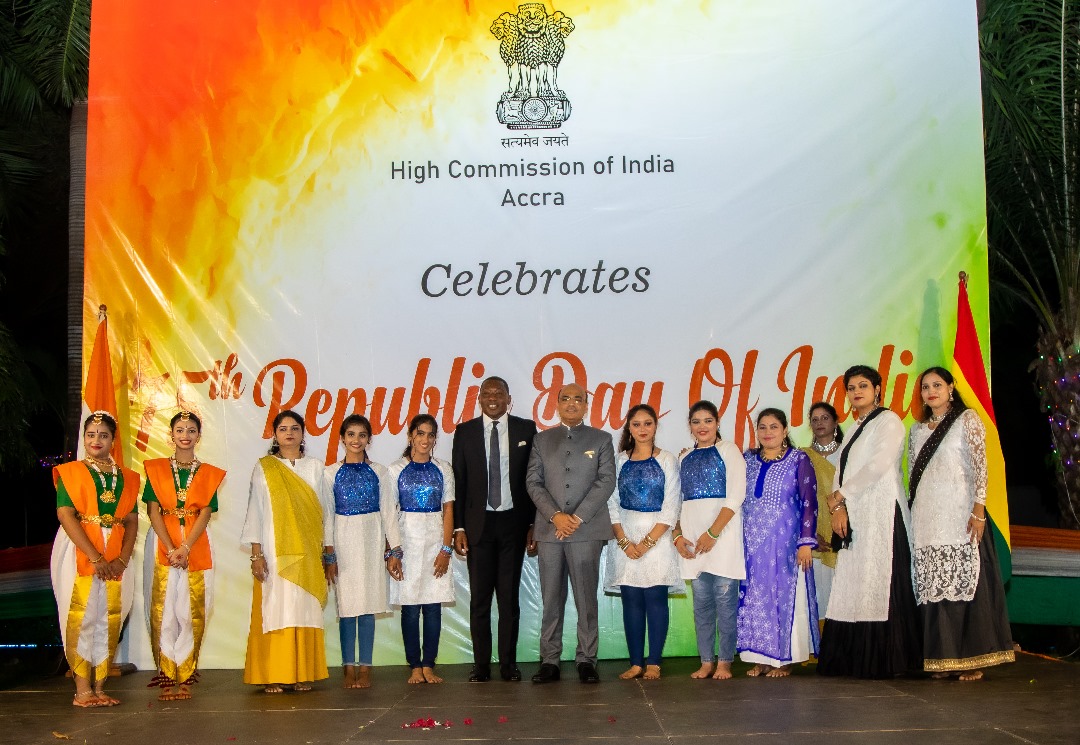
Mr Gupta said this during the 75th Anniversary celebration of Indian’s Independence and democracy in Accra attended by government officials, members of the diplomatic community in Ghana, heads of public and private institutions and traditional leaders. 

 “I am told that over 900 projects have been completed by Indians in the last two decades. And this involves investments of over $2 billion. I see a lot of opportunities in the agriculture, mining, medicine and health and IT. The two countries can work together.” Mr Gupta told the Ghana News Agency on the sidelines of reception. 

He urged Ghana to continue with its digitalization drive since it had become a propeller of development, adding that, “We have 1.4 billion people in Indian and everybody has a digital identity. We are leveraging on that to get our health benefits, social welfare subsidies and we are using it to roll out several programmes.” 

He said India had been working tirelessly to become the third largest economy by 2030, and both countries could invest more in agriculture, mining, medicine and other health related sectors and information technology (IT).

“Since the start of our democracy, the people of India have been working towards socio-economic development. Indian’s development model resonates with the global south, and they continued to build capacity to work with developing countries.”

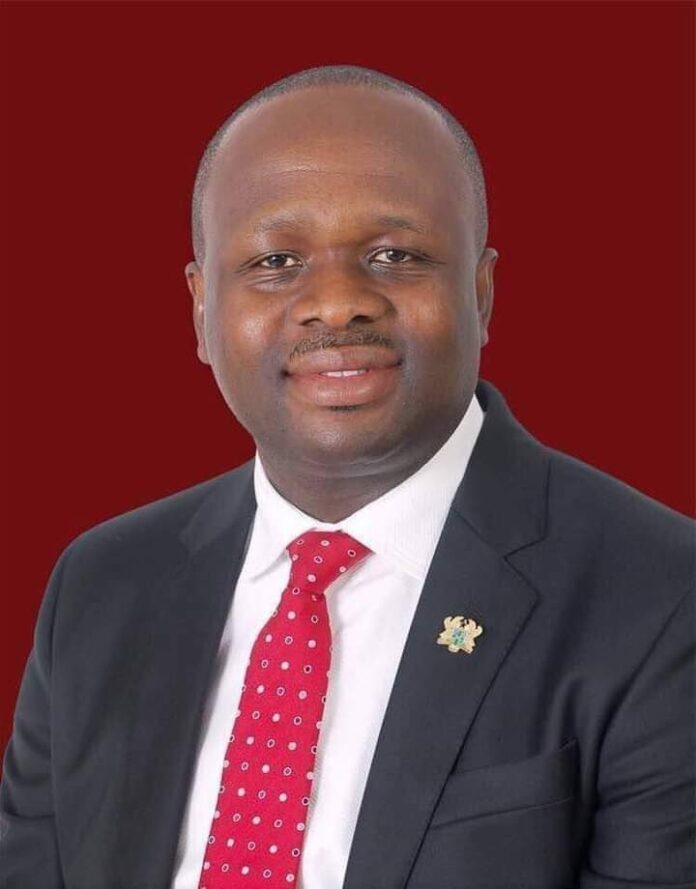
Mr Herbert Krapa, Deputy Minister of Energy, who led the Government delegation, said, Ghana and India shared a deep commitment to democracy, human rights, and respect for the rule of law and such tenets of democratic governance had ensured peace, stability and economic development over the years. 

He said Indian investments had undoubtedly contributed to the revitalization of Ghana’s economy, leading to the creation of jobs and business opportunities for the youth in Ghana. 

“I call for an increased presence of Indian investors in Ghana, to take advantage of the continental market to further strengthen the trade ties in areas such as Agriculture and Agri-related technologies, Information and Communication Technology (ICT), power and energy,” Mr Krapa said. 

He commended India for extending a total of 13 Lines of Credit (LOCs) through its development partnership, in rural electrification, connectivity, agro-processing machinery, irrigation equipment, railways, construction, water and construction and capacity building supports to public servants under the Indian Technical & Economic Cooperation (ITEC) programme.
Indigenous banks need support to fuel Africa’s development – GCB Bank MD

0

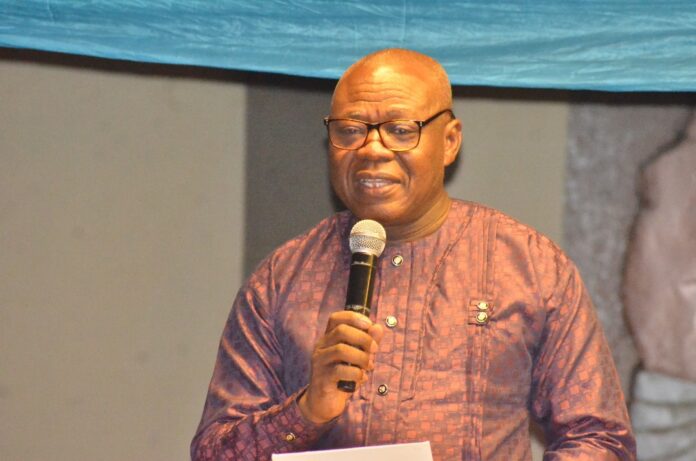
Mr Kofi Adomakoh, Managing Director, GCB Bank PLC, has called for more investment and a supporting environment for indigenous banks across Africa to engender sustainable growth.

That, he said was necessary in ensuring the banks’ survival, financial assistance to businesses, particularly Small and Medium-sized Enterprises (SMEs), and facilitation of the operation of the Africa Continental Free Trade Area (AfCFTA).

“A few countries have sustained development solely on the back of foreign capital, but many countries have developed on the back of domestic internally generated capital driven by a very strong banking sector led by indigenous banks,” he said.

He said this at the Bank’s 70th anniversary awards and gala night, held over the weekend in honour of the role and backing of customers, training institutions, former Managing Directors and Board Chairpersons, and shareholders.

He cited Nigeria, South Africa, Kenya, and Egypt as examples of countries that had capital in the hands of indigenous banks, and were driving their economies to sustainable growth.

“We must position GCB to be the anchor financial institution for Ghana; we must leave a legacy for future generations, where a seed can continue to be sown to bear fruits in perpetuity,” Mr Adomakoh said.

He explained that when a conducive environment was created for indigenous banks, “it is just a matter of time, and Africa will be left for Africans to build, operate, and own and this time, not transfer.”

“African banks will take the risk on African businesses because we understand them better, and GCB must be at the forefront of the banking industry to take advantage of this,” he stated.

Recounting GCB Bank’s 70-year journey, he stated that it had throughout the political and economic turmoils of the 1960s and 1970s, showed resilience and continued to support the Ghanaian economy and businesses.  

The President, Nana Addo Dankwa Akufo-Addo, in a speech at the ceremony, said that the government was working on improving the credit system in the country to make banks, including GCB Bank thrive.

He commended the bank for remaining resilient throughout its 70-years and providing the needed financial support to individuals, businesses and contributing to community and national development.

On the night, Manging Directors and Board Chairpersons who served the bank from 1986 to 2023 were honoured for their meritorious services and contribution to the Bank’s growth and resilience.

The National Banking College, and the Chartered Institute of Bankers were also recognised for their contribution to the development of the human capital of the Bank.

Three customers, selected from categories – retail, commercial, and corporate – were honoured for their dedication and commitment, while one individual and two institutional shareholders were equally commended by the Bank.

The 70th anniversary celebration of the Bank commenced in May 2023 with commemorative events across the country, including the official launch, health walks and medical screening events, and product launches [MobileApp].

A thought leadership programme would be held on February 8, 2024, bringing together world-class and highly respected experts to share perspectives and deliberate on topics relevant to Ghana’s development.

The celebrations will end with a thanksgiving service in May 2024.

CSOs, Ghanaians call on government to ensure continuity in projects

0

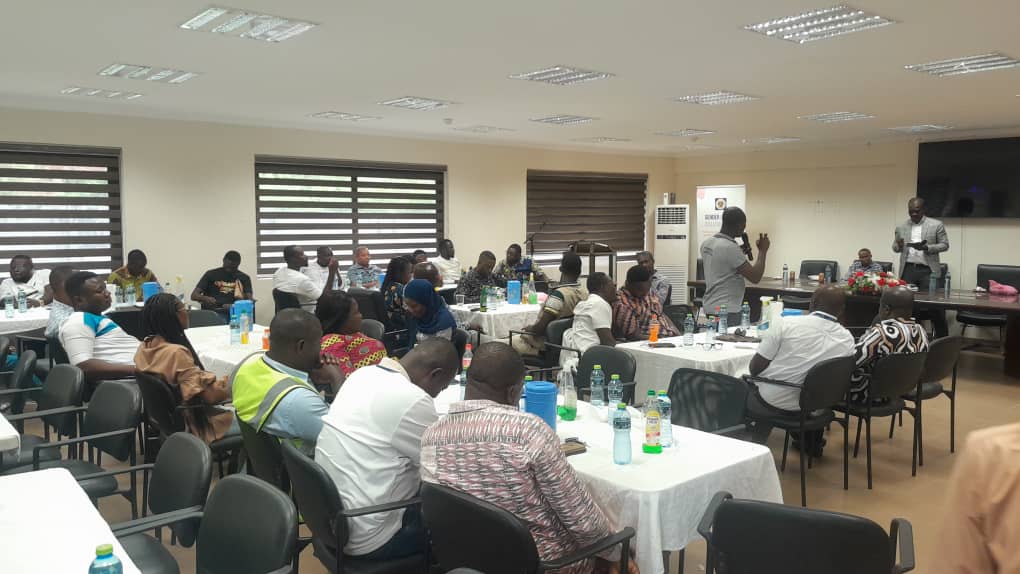
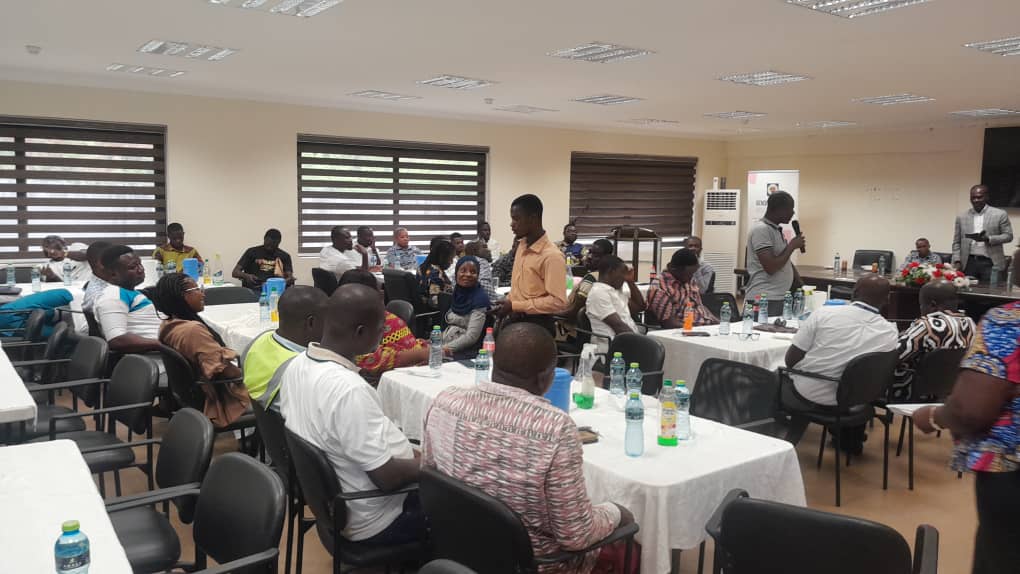
Some Civil Society Organizations, Market women, people from academia at a Regional Dialogue Forum on sustainable Economic Recovery have called on governments to work in line with the Direct Principles of State Policies enshrined in the constitution.

They also reminded politicians and government officials that the power in their hands was one that had been invested and as such they should be conscious of the social contract between them and the citizenry and deliver in that tangent.

The government of the day must also ensure continuity in projects started by predecessors, invest more in agriculture, ICT and Creative Arts, youth development, and protection of the natural resources from over exploitation.

Other thoughts included, downsizing ministerial appointments, and actively resourcing and using civil and public servants to execute state policies and programmes as against creation of pseudo-organization to undertake such tasks.

The Economic Dialogue Forum organized by the Economic Governance Platform, was to engage with the Ghanaian community on proposals that could help government officials to restructure the Ghanaian economy in a more sustainable manner that gave assurance to the next generation.

The discussions centred on Governance and Anti-corruption, Social Spending, Real Estate Development and ICT and Creative Arts development.

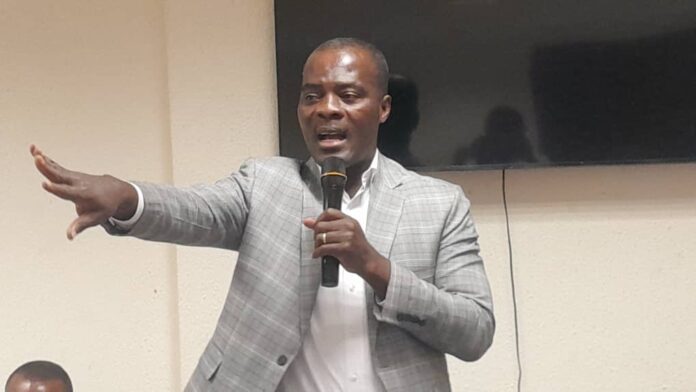
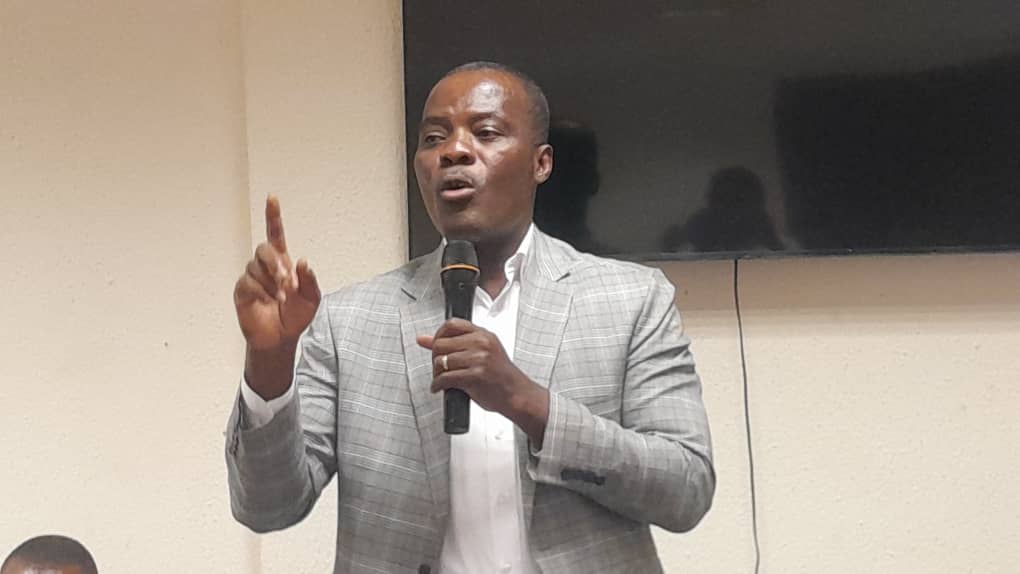
Mr  Abdul Karim Mohammed, Coordinator of the Economic and Governance Platform reminded Ghanaians particularly CSOs to be active in the governance processes to rewrite the missing steps that had negatively affected the development and progress of the country comparable to some Asian Tigers who came to learn from Ghana in the early days of a new nation.

“We need to avoid the captive audience syndrome on which our politicians are riding on as a people and begin to discuss national and development issues passionately for real time results,” he added.

Participants were also walked through pictorial stages of the country’s development, the missed steps and what can be done differently to restore the Ghanaian economy to bring social relief to its people.

NDC opposes EC’s plan to change December 7 election date

0

The opposition National Democratic Congress (NDC) says it opposes the Electoral Commission’s (EC) proposal to hold the 2024 general election in November instead of December.

Mr Fiifi Fiavi Kwetey, the General Secretary of the NDC, in a statement copied to the Ghana News Agency, said: “The NDC states without equivocation that the EC’s quest to hold the general election in November, 2024, will not be supported by the NDC”.

It said the announcement by Dr Bossman Asare, the Deputy Chairman in-charge of Corporate Services of the EC, did not reflect the irrefutable arguments that led to the concensus that any major electoral reforms should become effective from November 2028.

It noted that whereas there was a clear consensus on 2028 as the year of effectiveness, it was untrue that the majority of political parties at IPAC agreed to the November 2024 date.

“It is, therefore, strange but not unexpected that the Deputy Chair of the EC misled the public that almost about 60 per cent of political parties supported the proposal for elections to be held in November, 2024 at the IPAC meeting held on Monday, January 29, 2024.”

The statement said IPAC needed to return to its time-honoured tradition of building consensus on crucial electoral reforms.

“Be that as it might, it was important to clarify that out of the 10 political parties at the IPAC meeting, at least five spoke eloquently against changing the date for elections to November 2024,” it said.

“We urge the Electoral Commission to concentrate on germane and urgent matters, including immediately releasing the calendar for the 2024 elections as we strive for transparent, free, and fair elections in December, 2024.”

Omane Boamah explains why EC cannot hold elections in November

0

Dr Edward Omane Boamah, the Director of Elections of the National Democratic Congress (NDC), said there was an overwhelming consensus at the Inter-Party Advisory Committee (IPAC) Meeting held on Monday, January 29, that any major electoral reforms must be implemented in 2028, and not in 2024.

He said the well thought through decision was to ensure that Ghana had enough time to prepare for the elections.

In a statement copied to the Ghana News Agency on Tuesday, Dr Omane Boama said: “At IPAC yesterday, if the political parties had accepted the November proposal, that would have meant Ghana has only eight clear months to prepare for the elections.”

The EC waited for seven years after 2016 without revisiting the issue only to resurrect the subject of voting in November when Ghana had just 10 clear months to the December 7 Presidential and Parliamentary Elections, he said.

“Why did the EC not introduce these discussions, adjustments, and amendments in 2017, 2018, 2019, or better still, why not after the 2020 elections?….”

Meanwhile the EC’s calendar of programmes and activities for the upcoming elections was not yet ready, hence it could not be released to political parties, Dr Omane Boama said.

“Why wait for January to be ending without stakeholders having the electoral calendar for the 2024 elections?”

“You don’t wait for an election year to introduce major Electoral Reforms: a year in which the EC has so much to do after an abysmal District Level (Assembly) Elections characterised by postponements after postponements, shortage of ballot papers, some Election Officer’s complicity among others.”

Recalling the Limited Registration of voters in 2023, Dr Omane said: “Did you know that another voters’ registration exercise must take place this year? Yet, because the EC’s calendar of activities is not ready, we are left guessing.”

He also mentioned the frequent breakdown of the EC’s equipment and network (system) during the limited registration exercise in 2023, which necessitated shifting to offline registration in some cases.

He said those developments cast some doubts about the procurement of services and equipment and must be investigated and fixed.

Besides, to vote for MPs in November, the EC needed amendment of the 1992 Constitution, Article 112(4).

“This amendment of a non-entrenched clause requires two-thirds of MPs to pass, meanwhile the MPs themselves must be in their constituencies for some parts of this year campaigning, and facilitating the registration of voters when the EC finally decides,” Dr Boama said.

“Not to think of the duration of the process and other germane issues the EC must bring to the front burner.”

Going forward, Dr Omane Boamah said the EC must immediately release the calendar of activities for 2024.

He recommended that the EC must be focusing on urgent and important activities that would enhance the integrity of the December 7, 2024 elections and punish its erring officials.

“As was made abundantly clear at the IPAC meeting, we do not expect the EC to wait for another election year to reintroduce this major reform of voting in November.”

He said the process must end the latest by 2027 to allow political actors enough time in 2028 to concentrate on core concerns in an election year.

In addition, the party was ready to discuss voting on worship days for a workable solution to satisfy people of faith.

Customs Revenue: Upper East Region exceeds target for 2023

0

The Customs Division of the Ghana Revenue Authority (GRA), Upper East Regional Command, has exceeded its revenue target for 2023, raking in GH₵41,230,262.04.

This is GH₵30,262.04 (0.07 per cent) more than the GH₵41,200,000.00 target set for the region in the year under review.

Despite infrastructure and logistical deficits, the innovative technologies introduced by management, coupled with the commitment and hard work of staff and other stakeholders, enhanced its revenue mobilisation.

Mr Samuel Owusu, the Chief Revenue Officer, the Upper East Regional Commander of the Customs Division, GRA, made these known at the end of year party and awards night held in Bolgatanga.

“We started the year with a brighter outlook in the first quarter focusing on plans for success as a strategy for the attainment of our mandate,” he said.

“However, there appeared a sudden thunderstorm, which reversed the clock of progress leading to recording negative targets for the second, third and even the last but one month of the last quarter of 2023, but with commitment, dedication, resilience and tenacity we managed as a team and exceeded our target for the year.”

The sector also provided furniture, logistics and built an ultra-modern office for the Zuarungu station while series of training activities were organised to build the capacity of staff to enhance service delivery.

The Regional Commander explained that as a revenue collection agency, the performance of the Customs Division was judged by the amount of revenue mobilised.

He said the Government had increased the revenue target for the GRA to GH₵146 billion for 2024, representing 33.9 per cent over that of 2023, but being an election year, that would pose a challenge to the revenue collection efforts.

“This calls for concerted efforts and new strategies to be adopted if we want to remain relevant and achieve the target,” he said.

Mr Owusu said the GRA was adopting customer centred approaches towards tax administration to help create a friendly environment to motivate taxpayers to honour their obligations.

“This year our focus is going to be on how to educate and assist the taxpayer, importers and exporters, so that they would be willing to do genuine business with us thereby enhancing compliance, which would translate into more revenue,” he added.

Mr Rex Asanga, the Bolgatanga Municipal Chief Executive, commended the staff and management of the GRA, particularly the Customs Division, for working hard to increase the revenue base of the country.

He urged stakeholders to honour their tax obligations and see tax paying as a way of contributing to national development.

Some junior and senior staff of the Division were recognised for contributing to improving revenue collection within the year.

Central Region ECG to invest GHS82 million in operations in 2024

0

The Central Regional Office of the Electricity Company of Ghana (ECG) has budgeted to invest GHS82 million in its operations to expand power supply, stabilise power and enhance its service delivery this year.

Mr Emmanuel Lumor, the General Manager for Central Region, said the money would mainly go into the installation and replacement of critical infrastructure such as transformers, metres and automatic switches to augment the region’s power situation.

“We have sent some staff for training, and they are back ready for action,” he told journalists at a press soiree on Monday.

Mr Lumor said the company would install 200 new transformers across the region and two new switching stations at Twifo Praso and Breman Asikuma towards reducing power outages by 80 per cent.

He added that it would replace damaged and rotten electricity poles and install more than 300 automatic switches at various points by the close of the year to localise faults and outages.

“We plan on extending power supply to developed communities and once we have improved power supply in the region, we will have people running into the region to invest and our brothers and sisters will get more work to do,” he added.

Mr Lumor further revealed that the company would replace 180,000 non-smart prepaid metres mostly in Kasoa, Swedru, Cape Coast and Winneba and replace more than 300,000 postpaid credit metres across the region.

It would also invest some of the money in the training of staff and reposition them at various points to respond timeously to customer complaints.

The ECG Regional General Manager said the company in 2023 installed 210 transformers, replaced 420 rotten poles, and extended power supply to about 174 areas and worked to reduce low voltage in other areas.

A total of 27,000 faulty postpaid metres and 25,000 non-smart prepaid metres would be replaced with smart prepaid meters to enable customers transact business at their convenience, he added.

The company visited about 80 per cent of customers to know their challenges and solicited their views on how to improve upon their services, he said.

“We carried out maintenance works throughout the region to ensure stable power and trained staff on modern customer care service to improve service delivery in line modern business transactions.

“By undertaking these projects, we have reduced our customer complaints to 60 per cent as compared to the previous years,” he said.

Despite the successes, Mr Lumor said issues such as fake metres, illegal connections and non-payment of bills remained some of the major challenges for the company in the region.

He disclosed that the company in 2023 identified some 31,000 fake metres across the region for which it surcharged the owners and planned with them for replacement after payment.

Even though he could not quantify how much had been lost to the fake metres, he intimated that it had so far issued an estimated bill of six million cedis to the culprits and cautioned that every metre must be acquired from the ECG.

He discouraged the public against the procurement of metres from unauthorised persons and served notice that the ECG would deal legally with culprits of such transactions if caught.

For illegal connection, Mr Lumor said it had discovered numerous cases and dragged some of the perpetrators to court with some of the cases   awaiting judgements.

He warned that the company would deal ruthlessly with perpetrators because such deals amounted to power theft and denied the company of substantial revenue.

African countries urged to invest in healthcare technologies

0

African leaders have been urged to invest heavily in technology for the healthcare systems of their respective countries to ensure that the continent overcomes its numerous critical healthcare challenges.

Mr Bosun Tijani, the Minister of Communication, Innovation, and Digital Economy of Nigeria, who made the call, said there was the need for the strengthening of healthcare systems with modern technology to solve Africa’s health needs.

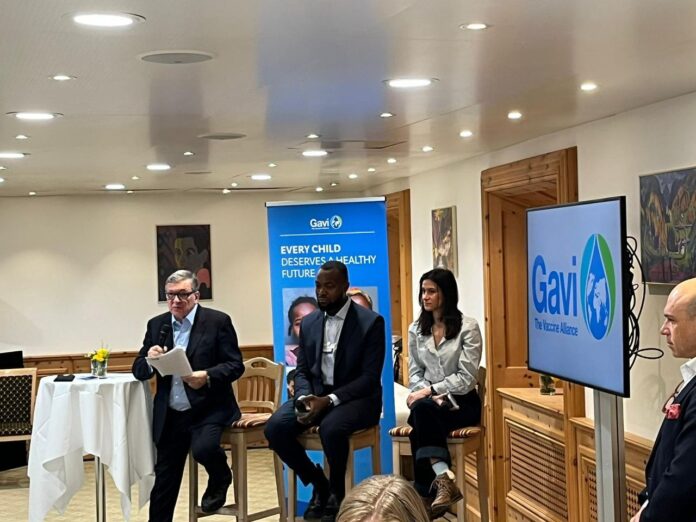
Mr. Tijani said this at a breakfast meeting during the World Economic Forum in Davos, Switzerland, organised by GAVI, the Vaccine Alliance, and co-hosted by Zipline among others, on the theme: “Innovation at Scale: Ensuring Health and Prosperity.”

He said governments must be empowered to use available modern technologies to ensure health care information was accessible to the people.

Even though there might be numerous facilities, the lack of technological connections could hinder proper healthcare delivery, he said, and stressed the importance of creating ecosystems that could support and scale up innovations to address the healthcare challenges and other developmental issues.

Mr Tijani cited Rwanda as a good example of countries, which laid the foundation and provided an ecosystem to drive innovation, leading to the successful resolution of its challenges.

Technological investments like those made by Zipline served as catalysts for health advancement and development, he said, and called for investment in essential infrastructure to accelerate development.

He said Zipline’s recently introduced drone technology for the distribution of essential medical commodities, including vaccines and blood to several communities in Ghana and Nigeria within the shortest possible time.

That demonstrated that investing in modern technology could significantly improve the quality of health care for patients while making the work of health professionals easy and efficient in Africa.

GhIPSS Instant Pay fast becoming the go-to service for quick transfers

0

GhIPSS Instant Pay (GIP) is fast establishing itself as the go to platform for quick interbank transfers in Ghana.

Recent data from the Bank of Ghana’s Summary of Macroeconomic and Financial Data reveals a remarkable surge, with over 11.8 million GIP transactions conducted in December last year alone.

This figure represents a substantial increase from the 8.2 million transactions recorded in the corresponding month in 2022, reflecting nearly a 45 per cent growth in GIP transaction volume.

GIP, a product offered by Ghana Interbank Payment and Settlement Systems (GhIPSS), facilitates instant money transfers for both individuals and businesses, regardless of the bank’s location.

Often referred to as Instant Pay, GIP is provided by various banks and is easily accessible through their internet banking and mobile banking platforms.

This Instant transfer service has significantly enhanced public access to banking services, empowering individuals and enterprises to seamlessly transfer funds between different banks at their convenience, using computers or mobile phones.

Mr. Kwaku Tettey, the Head of Real Time Payments at GhIPSS, emphasised in an interview that the era of cumbersome interbank transfers was long gone.

 He highlighted that making payments to individuals with accounts in different banks was no longer a valid excuse for delayed transactions.

Mr. Tettey urged the public to explore their banks’ internet banking and mobile banking platforms, encouraging them to become familiar with the location and usage of GIP or Instant Pay.

GhIPSS has introduced various services like Automated Clearing House Direct Credit (ACH Direct Credit) and Automated Clearing House Direct Credit Near Real Time (Direct Credit NRT) for interbank transfers within 24 hours and 15 minutes, respectively. However, GIP enables transfers to be effected within seconds, delivering on its name.

Mr. Tettey emphasized that GIP not only ensured the prompt transfer of funds but also prioritised security, safety, audit trails, and overall convenience for both businesses and individuals.

He encouraged the public to opt for GIP when seeking to make rapid payments and utilising funds readily available in their bank accounts.

Experts predict that GIP serves as a significant catalyst for financial inclusion in Ghana, as more people now recognise that having money in the bank is just as accessible and efficient as having it in their wallets or pockets.

Immigration is expected to add 6.1 million to the UK population by 2036.

0

According to official forecasts, immigration would add 6.1 million people to the UK population by mid-2036, putting pressure on British Prime Minister Rishi Sunak to address a delicate topic in the run-up to an election.

According to the Office for National Statistics (ONS), the UK population will increase from 67 million in mid-2021 to 73.7 million in mid-2036, driven almost exclusively by migration.

Migration has become as a big political issue in Britain, and it will play a prominent role in a national election later this year, in which Sunak’s ruling Conservatives are expected to lose power.

The expected increase over the next 15 years includes 541,000 more births than deaths, according to the ONS.

Figures released in November showed annual net migration to the UK hit a record of 745,000 in 2022 and has stayed high since. The ONS projections assume a net migration level of 315,000 people annually from the year ending mid-2028 onwards.

‘FIRM’ APPROACH ON MIGRATION

Sunak’s government last month announced stricter visa measures, including higher salary thresholds and restrictions on bringing in family members, to bring numbers down.

The move was criticised by businesses and trade unions which said it would be counterproductive for the private sector and the state-run health service, both dogged by labour shortages.

The Home Office laid out a timetable to implement the curbs on Tuesday, aimed at lowering the number of migrants by 300,000 compared to last year. It said it would lay new rules on Feb. 19 to remove the right for care workers to bring dependants, with enforcement from March 11.

Rules to raise the minimum earnings threshold for those arriving as skilled workers by 48% to 38,700 pounds ($49,000) are expected to be laid on March 14, with enforcement from April 4.

“It is a firm approach, but a fair one, and gives those affected time to prepare whilst ensuring that migration comes down,” Home Secretary James Cleverly said.