Home Blog Page 37

Mali TikTok influencer murdered for posts supporting the military.

0

Armed men in Mali assassinated a TikTok influencer who had posted videos in support of the West African country’s military, police said Monday.

“The young TikTok user Mariame Cissé was abducted by armed men on Friday while she was at the weekly market in Echel … The following day, at dusk, the same men brought her back to Independence Square in Tonka and executed her in front of a crowd,” Yehia Tandina, the mayor of Timbuktu, told The Associated Press

Mamadou Konipo, the mayor of Tonka in the Timbuktu region, confirmed the killing but claimed he had no further information.

Tonka is a hamlet on the Niger River, approximately 150 kilometers (93 miles) from Timbuktu. Members of al-Qaida affiliate Jama’at Nusrat ul-Islam wa al-Muslimin, or JNIM, have been reported to operate there.

No group has taken responsibility for the killing.

Cissé, who was not a member of the military, sometimes posted images of herself in military fatigues to her more than 140,00 followers, which is thought to have drawn attention from the armed men.

According to the Timbuktu mayor, Cissé received death threats several days before she was abducted.

Mali has been battling armed groups since 2012, a fight that has escalated over the past decade. The military seized power in 2020 on the pretext of curtailing the insecurity. Another officer seized power in a coup the following year. Insecurity has worsened since then, according to monitoring groups.

Armed groups, primarily JNIM, operate in large swathes of rural regions. The landlocked nation is currently under a fuel blockade by JNIM.

Lebanese authorities release Muammar Gaddafi’s son, ending his 10-year incarceration.

0

Lebanese authorities released the son of late Libyan leader Muammar Gaddafi on Monday after he paid a $900,000 bond, ending his 10-year arrest for allegedly suppressing information about a missing Lebanese cleric, according to security sources and a member of his defence team.

Charbel Milad al-Khoury, one of Hannibal Gadaafi’s lawyers, confirmed that his client was released Monday evening after completing the proper papers.

“Hannibal is officially free and has the full right to choose the destination that he wants,” al-Khoury said. He refused to give further details about Gaddafi’s future movements out of security concerns.

The release came days after Lebanese authorities lifted Gaddafi’s travel ban and reduced his bail,paving the way for his release.

Priori to Thursday’s decision by the country’s judicial authorities, a Libyan delegation visited Lebanon and made progress in talks for the release of Gaddafi.

Detained in Lebanon since 2015, Gaddafi was accused of withholding information about the fate of Lebanese Shiite cleric Moussa al-Sadr who disappeared during a trip to Libya in 1978, although the late Libyan leader’s son was less than 3 years old at the time.

In mid-October, a Lebanese judge ordered Gaddafi’s release on $11 million bail, but banned him from traveling outside Lebanon. His lawyers said at the time that he didn’t have enough to pay that amount, and sought permission for him to leave the country.

His bail was reduced to 80 billion Lebanese pounds (about $900,000) on Thursday and the travel ban was lifted allowing him to leave the country once he pays the bail.

The two judicial and one security official said the bail was paid by the Libyan delegation. The Justice Ministry of the Tripoli-based government also posted on its social media platforms that the Libyan delegation paid the bail.

The judicial officials in Beirut said Gaddafi’s defence team withdrew a case against the Lebanese state that they had filed in Geneva last month over holding him without trial.

Libya formally requested Hannibal Gaddafi’s release in 2023, citing his deteriorating health after he went on a hunger strike to protest his detention without trial.

Gaddafi had been living in exile in Syria with his Lebanese wife, Aline Skaf, and children until he was abducted in 2015 and brought to Lebanon by Lebanese militants who were demanding information about al-Sadr.

Lebanese police later announced they had seized Gaddafi from the northeastern Lebanese city of Baalbek where he was being held, and he had been held ever since in a Beirut jail, where he faced questioning over al-Sadr’s disappearance.

The case has been a long-standing sore point in Lebanon. The cleric’s family believes he may still be alive in a Libyan prison, though most Lebanese presume he is dead. He would be 96 years old.

Youth Network petitions government over drastic cuts in youth development funding 

0

The Northern Regional Youth Network, has petitioned the government over the persistent decline in financial allocations from the District Assemblies Common Fund (DACF) to critical youth development institutions such as the National Youth Authority (NYA) and Youth Employment Agency (YEA). 

According to the groups under the Follow the Money Campaign in collaboration with YEFL-Ghana under the Empowerment for Life (E4L) Programme,, the statutory five percent allocation from the DACF to the NYA has dropped to 0.6 per cent while the 10% due the YEA has also declined to a meagre 0.6%. 

They argued that the drastic reduction representing more than 94% for the NYA together with irregular and insufficient funding for the YEA, demonstrated lack of government commitment to youth-focused initiatives despite an increase in national revenue. 

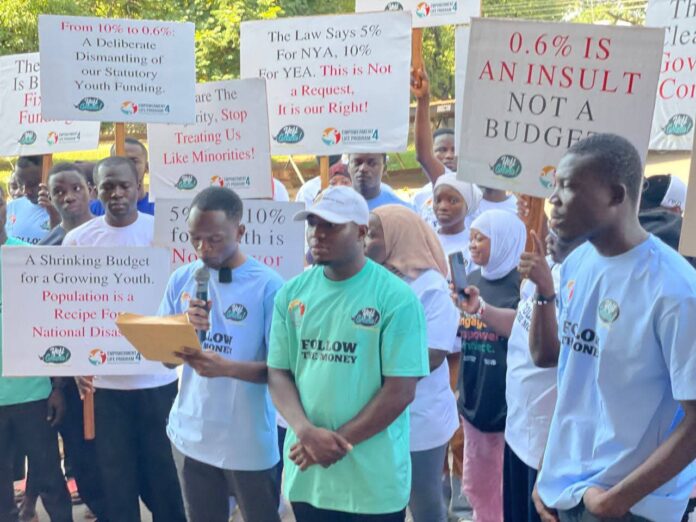
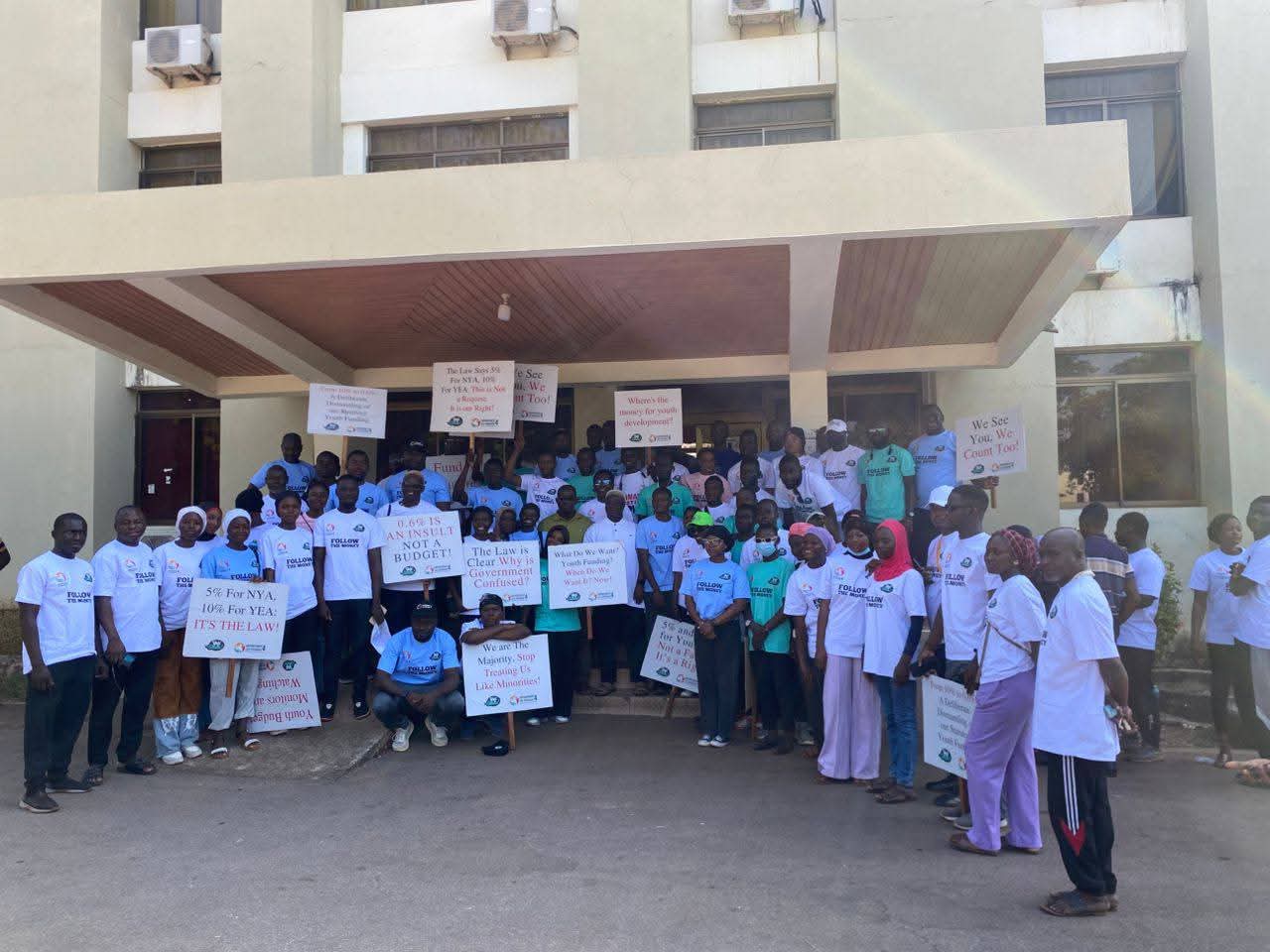
The youth marched through the principal streets of Tamale, and carried placards with inscriptions such as “From 10% to 0.6%: A deliberate dismantling of our statutory youth funding,” “A shrinking budget for a growing youth population is a recipe for national disaster,” and “0.6% is an insult, not a budget.” 

The march sought to promote compliance, accountability, and transparency in the use of public funds designated for youth development. 

Mr Mohammed Shamsudeen Ibrahim, Convener of the Youth Budget Monitors, who read the petition on behalf of the youth at the Northern Regional Coordinating Council, said funds specifically allocated to the NYA had fallen from GH¢85 million in 2018 to just GH¢5 million in the first two quarters of 2025. 

He explained that under the NYA Act, 2016 (Act 939) and the YEA Act, 2015 (Act 887), the DACF was legally mandated to allocate 5% and 10% respectively to the two institutions for youth development. 

He said, “However, recent data and monitoring reports by the Youth Budget Monitors demonstrate a disturbing trend of consistent underfunding well below the statutory mandates.” 

Mr Shamsudeen said the chronic underfunding had left youth directorates and committees at the regional and district levels constrained with limited operational resources crippling their ability to coordinate and monitor programmes effectively. 

He explained that the situation had also weakened collaboration between district assemblies, youth groups, and regional structures resulting in fragmented and ineffective youth development efforts. 

He said, “Most critically, rural and marginalised youth across the country are disproportionately affected with many community-level youth projects stalled or abandoned.” 

The group called on the government and relevant national agencies including the Ministry of Finance to restore the full statutory allocations of 5% for the NYA and 10% for the YEA while ensuring transparency by publishing DACF disbursements to youth institutions. 

They called for specific budgetary provisions to enable the NYA to develop and implement a robust public monitoring and evaluation framework for the National Youth Policy. 

Mr Shamsudeen proposed that the NYA be directed to adopt expenditure guidelines that would ensure at least 50% of its budget was dedicated to directing youth empowerment programmes including skills development, entrepreneurship, and employment initiatives. 

Receiving the petition on behalf of the Northern Regional Minister, Alhaji Abubakari Inusah, the Regional Economic Planning Officer, commended the youth for their commitment to promoting inclusive development and engaging constructively with authorities. 

He assured them of the government’s unwavering support and commitment to addressing their concerns. 

United Nigeria Airlines names aircraft after late J.J. Rawlings

0

Five years after Former President Jerry John Rawlings passed on, United Nigerian Airlines, a new airline flying into Ghana, has honoured his memory by naming one of its aircraft after him.

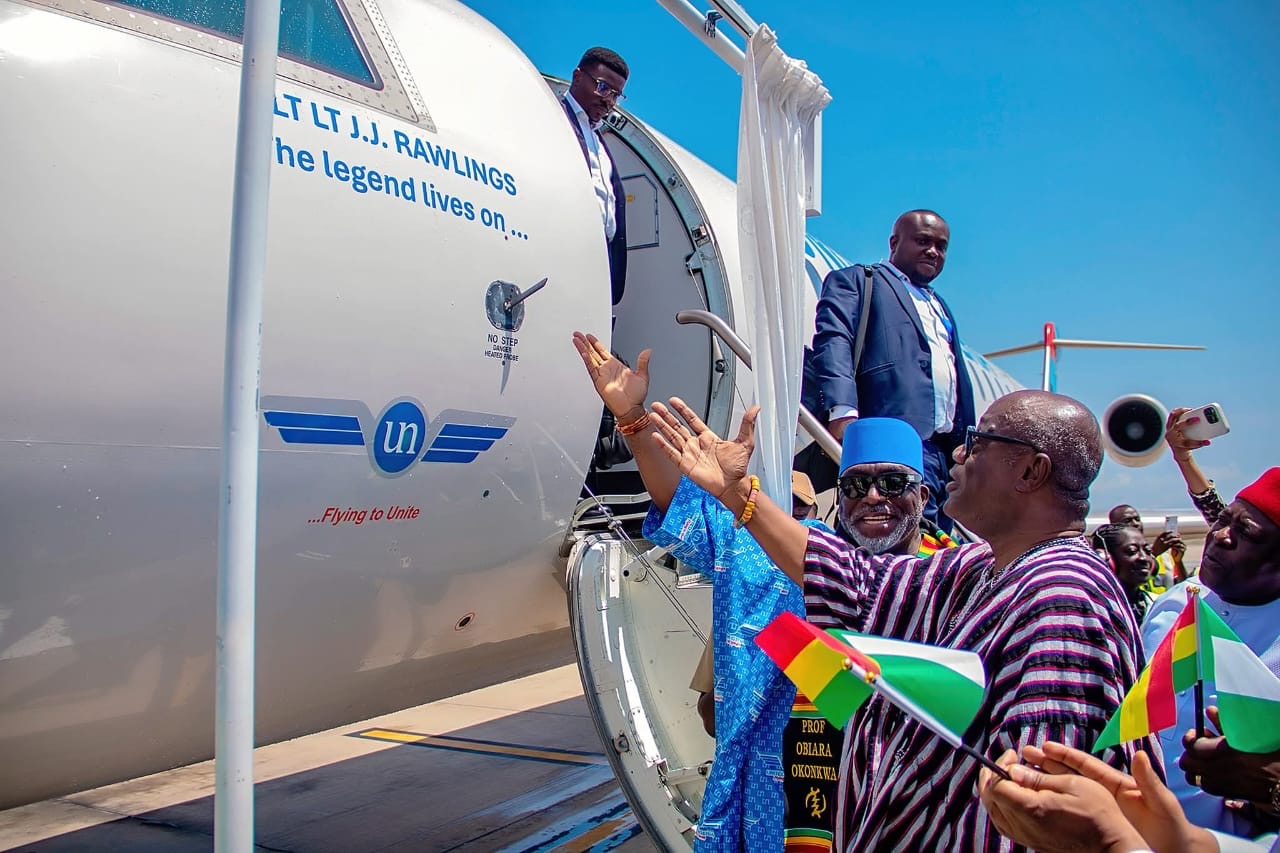
The J.J. Rawlings aircraft flew into Ghana on Monday Morning (November 10), as the United Nigeria Airlines’ inaugural flight from Abuja to Accra.

On board were several dignitaries including Baba Jamal, Ghana’s Ambassador to Nigeria, Chief Professor Obiora Okonkwo, Chairman and CEO of United Nigeria Airlines, and Senior Nigerian Aviation officials, among others.

Upon arrival, Mr Fritz Baffour, a representative of the Rawlings family, and former Minister of state, joined Chief Professor Obiora to unveil the name of the aircraft, which read, “J.J. Rawlings…The legend lives on.”

At a formal inaugural ceremony held at the Kotoka International Airport’s Terminal Three, Gate C8, Mr Kofi Adams, the Minister for Sports and Recreation, expressed gratitude to United Nigeria Airlines for naming an aircraft after the late President.

He however said the late former President would have preferred more to live in the hearts of men, than have his name on monuments, streets, and circles.

The Minister said that because the late President Rawlings lived in the hearts of men, he had been recognized even beyond his country.

Mr Adams recalled how the former President’s love for flying contributed significantly to the rural electrification project, which saw power distributed to all parts of Ghana.

“When he flew across Ghana at night and saw lights only in Accra and Kumasi, that inspired him to work hard to ensure that the rest of the country benefited from the electricity grid,” he added.

Mr Baffour, who stood in for the Rawlings’ family, extended the family’s gratitude to the Airlines for the honour done to the late former President Rawlings, stating that the honour would stay forever.

“Since we are very close to Nigeria and we share very common bonds, this is a plus for us to come closer together. When Nigeria and Ghana get together no one can stand us. If we come together we will be bigger than the United States,”  he added.

Chief Professor Okonkwo, on his part, said the naming of the aircraft after the renowned Air Force pilot was to honour him and also commemorate the fifth anniversary of the passing of the late President Rawlings.

He thanked officials of both countries who had made it to the inaugural event and promised to ensure that United Nigeria brought quality to the aviation industry in West Africa.

Nine per cent base pay increase betrays workers’ confidence – NPP Communicator

0

Mr Frank Adjei-Worlanyo, Communications Officer of the New Patriotic Party (NPP) in the Akan Constituency, has described the government’s announcement of a nine per cent base pay increase for public sector workers for the 2026 financial year as a betrayal of workers’ trust.

He said the adjustment failed to meet the expectations of workers and did not reflect the prevailing cost of living pressures facing many Ghanaians.

The agreement, concluded on Sunday, November 9, 2025, between the Government and organised labour, takes effect from January 2026.

Mr Adjei-Worlanyo, in an interview with the Ghana News Agency (GNA) at Kadjebi in the Oti Region, noted that the nine per cent increment was the lowest in almost a decade and represented a sharp decline from the  25 per cent adjustment granted in 2024.

He said the new rate was a significant reduction compared to increments under the previous NPP administration, which, despite facing economic challenges, managed to secure higher pay increases for workers, including during the COVID-19 period.

According to him, the National Democratic Congress government’s decision marked a step backward in public sector remuneration and had weakened workers’ confidence in the administration, which they believed would champion their welfare.

“The workforce that voted for change is now facing disappointment,” he said, adding that many workers had expected a government more responsive to their needs.

Government officials have defended the nine per cent increment, citing a decline in inflation, which currently stands at 8.1 per cent as of October 2025.

They say the single-digit inflation provides a basis for a more conservative wage policy aimed at sustaining economic stability.

However, Mr Adjei-Worlanyo and some labour experts argue that this explanation does not reflect the lived realities of public sector workers.

They contend that although inflation had slowed, the prices of goods and services continue to rise, further eroding workers’ purchasing power.

“Single-digit inflation does not mean the cost of living is falling,” one union leader observed.

“The cumulative effect of past inflationary pressures has already reduced the value of our salaries. A nine per cent increase is insufficient to make up for lost ground.”

Many public sector workers have expressed disappointment, saying the current administration, which campaigned as a pro-labour government, had failed to deliver on its promise of improved welfare and working conditions.

Many have described the new pay adjustment as “a disappointment that does not match the high hopes of the working class.”

Although the government had assured that it would continue to engage with labour unions on outstanding conditions of service, workers insist that immediate steps must be taken to address their economic challenges.

Observers say the 2026 base pay agreement should prompt the government to review its wage policies to ensure that future adjustments aligned more closely with the cost of living and the expectations of the workforce.

Judicial Training Institute and Oti Region House of Chiefs collaborate to address land disputes

0

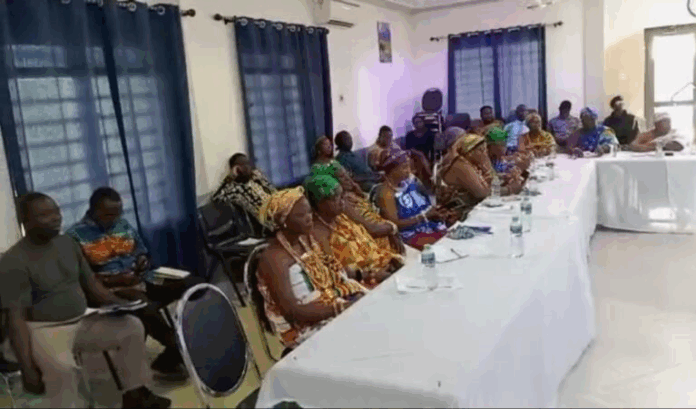
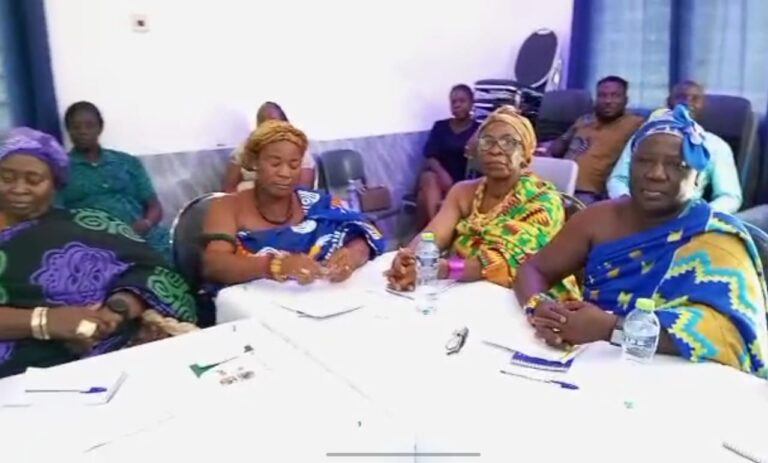
The Judicial Training Institute (JTI) and the Oti Regional House of Chiefs have partnered to organize a capacity-building workshop on land acquisition and conflict resolution for traditional leaders in the Oti Region.

The workshop, held in Dambai, aimed to strengthen the understanding of land laws and effective dispute resolution mechanisms among chiefs and queen mothers from across the region.

Mr Perpetual Quashie, Deputy Director of JTI, stated that the initiative aimed to empower traditional authorities to handle land and chieftaincy-related conflicts in accordance with the law.

She noted that the workshop aimed to empower traditional authorities to handle land and chieftaincy related conflicts in accordance with the law.

Nana Soglo Alloh IV, President of the Oti Regional House of Chiefs, commended JTI for the programme saying it had enhanced their capacity to manage disputes in the region.

He added that the House of Chiefs plans to hold similar sessions in the future to further deepen the knowledge and skills of traditional leaders in addressing complex issues within their jurisdictions.

Nana Alloh IV, expressed appreciation to the JTI for its continued support, describing the training as timely and highly beneficial to the traditional leadership in Oti region.

President Mahama receives August 6th Helicopter Tragedy investigation report  

0

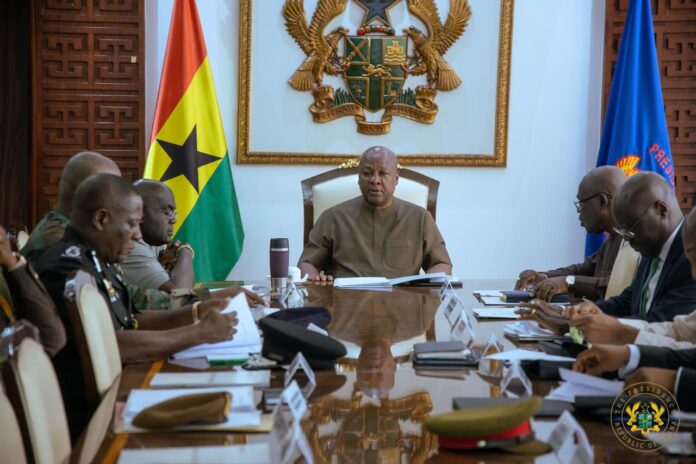
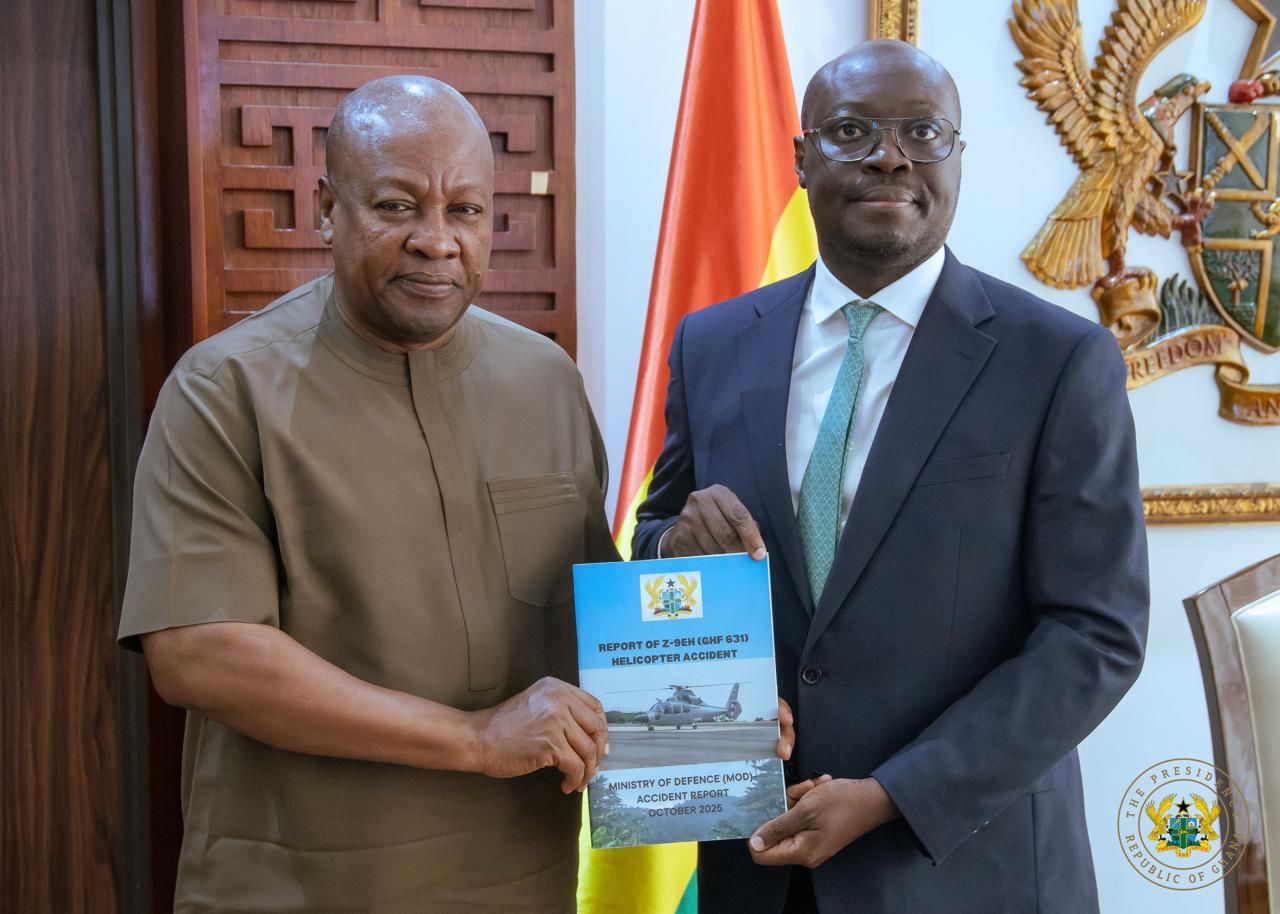
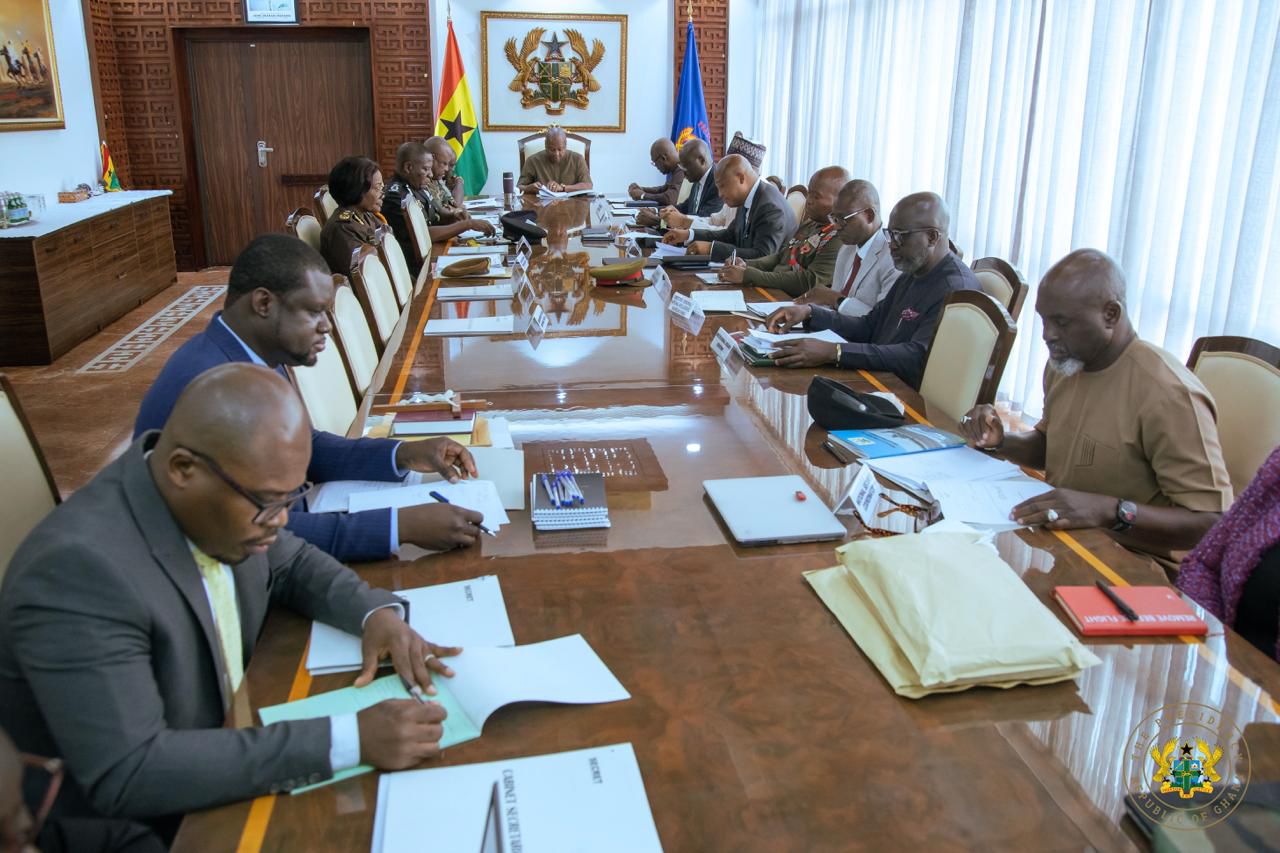
President John Dramani Mahama on Monday received the August 6th Helicopter Tragedy Investigation Report from Dr Cassiel Ato Baah Forson, the Acting Defence Minister.  

Dr Forson, who is also the Finance Minister, led the Committee that investigated the August 6 helicopter crash to present their report and findings to the President at a meeting of the National Security Council at the Presidency in Accra.  

The investigative Committee was chaired by the National Security Coordinator Commissioner of Police (COP) Abdul-Razak Osman (rtd).  

The Government will make the content of the report public on Tuesday, November 11.


WHO gives urgent financial guidance amid aid decrease.

0

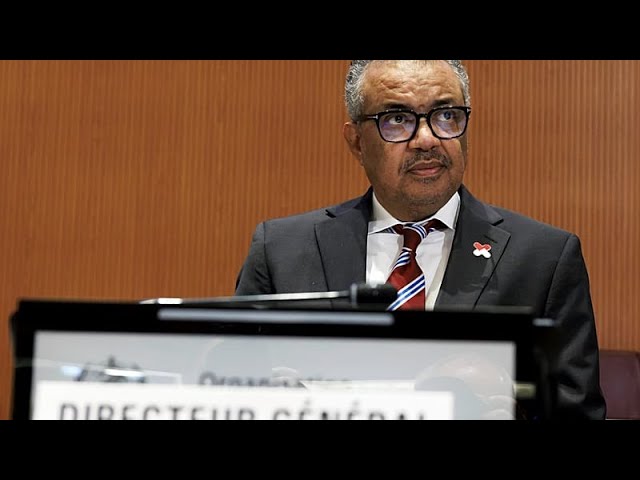
The World Health Organization (WHO) issued fresh recommendations on Tuesday for countries on how to deal with the immediate and long-term consequences of abrupt, significant cuts to external financing, which are interrupting the delivery of key health services in many countries.

The new guidance, titled “Responding to the Health Financing Emergency: Immediate Measures and Longer-Term Shifts,” offers a range of policy options for countries to address sudden financing shocks while also bolstering efforts to mobilize and implement adequate, sustainable financing for national health systems.

External health aid is projected to drop by 30-40 percent in 2025 compared with 2023, causing immediate and severe disruption to health services in low- and middle-income countries (LMICs).

WHO survey data from 108 LMICs collected in March 2025 indicate that funding cuts have reduced critical services – including maternal care, vaccination, health emergency preparedness and response, and disease surveillance – by up to 70% in some countries. More than 50 countries have reported job losses among health and care workers, along with major disruptions to health worker training programmes.

Amansie West residents commended for active participation in clean-up exercises 

0

Mr. Prince Manu Morris, the Amansie West District Chief Executive (DCE), has commended the people in the area for their massive turn-out and active participation in the monthly clean-up exercises in the district. 

He lauded the collective spirit displayed by the people and emphasized that keeping the environment clean was a shared duty, which should not be left in the hands of government agencies alone. 

Mr. Morris was speaking after a massive clean-up exercise at Antoakrom, organised by the District Assembly. 

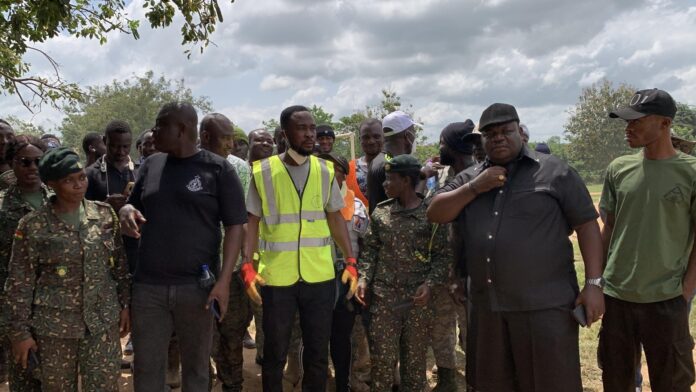
Officers from the Ghana Police Service, the Ghana Immigration Service, the National Disaster Management Organisation (NADMO), and hundreds of enthusiastic residents, joined the exercise to clean-up the communities. 

The exercise formed part of nationwide efforts to promote environmental cleanliness, prevent disease outbreaks, and encourage civic participation in community sanitation activities. 

The initiative saw a strong show of unity among local authorities, security agencies, and residents, all of whom worked hand-in-hand to improve hygiene and environmental safety within the district capital and its surrounding communities. 

Participants undertook sweeping of major streets, desilting of gutters, weeding of public spaces, and clearing of refuse dumps across Manso Antoakrom and nearby communities. 

Mr. Morris stressed the need for people to be very interested in environmental issues in their communities. 

He said: “Cleanliness is a shared responsibility. 

“We must all understand that a clean environment ensures good health and promotes development. 

“Illness does not know anybody — when there is a disease outbreak, it affects everyone. 

“That is why the Assembly, together with our chiefs, security services, and residents, have joined hands to keep our surroundings clean and safe for all.” 

He expressed appreciation to the security agencies for their active involvement, noting that their participation reflected a strong sense of community service and social responsibility. 

 According to him, the police, immigration officers, and NADMO officials have shown that maintaining law and order goes together with promoting public health and safety. 

The DCE further assured residents that the Assembly would continue to strengthen its sanitation programs by enforcing environmental by-laws, providing waste management support, and organizing regular community education campaigns to sustain a culture of cleanliness. 

“We are determined to make Amansie West one of the cleanest districts in the Ashanti region.  

The Assembly will continue to work with all stakeholders to improve sanitation, protect the environment, and promote good health among our people,” he added. 

Traditional leaders, including the Chief of Manso Antoakrom, Nana Okyere Darko Ampem II, praised the government for instituting the National Sanitation Day initiative, describing it as an effective policy that encouraged community participation in environmental management. 

Nana Okyere Darko Ampem II urged all residents, especially the youth, to take the exercise seriously and to cultivate the habit of cleanliness in their daily lives. 

He said: “We thank the government for this noble initiative. 

“Sanitation is everyone’s duty. 

“When our surroundings are clean, our health improves, our image as a people is enhanced, and development follows.  

“I encourage everyone to actively take part in future sanitation exercises.” 

NSMQ 2025: Opoku Ware joins Mfantsipim, Augustine’s in grand finale  

0

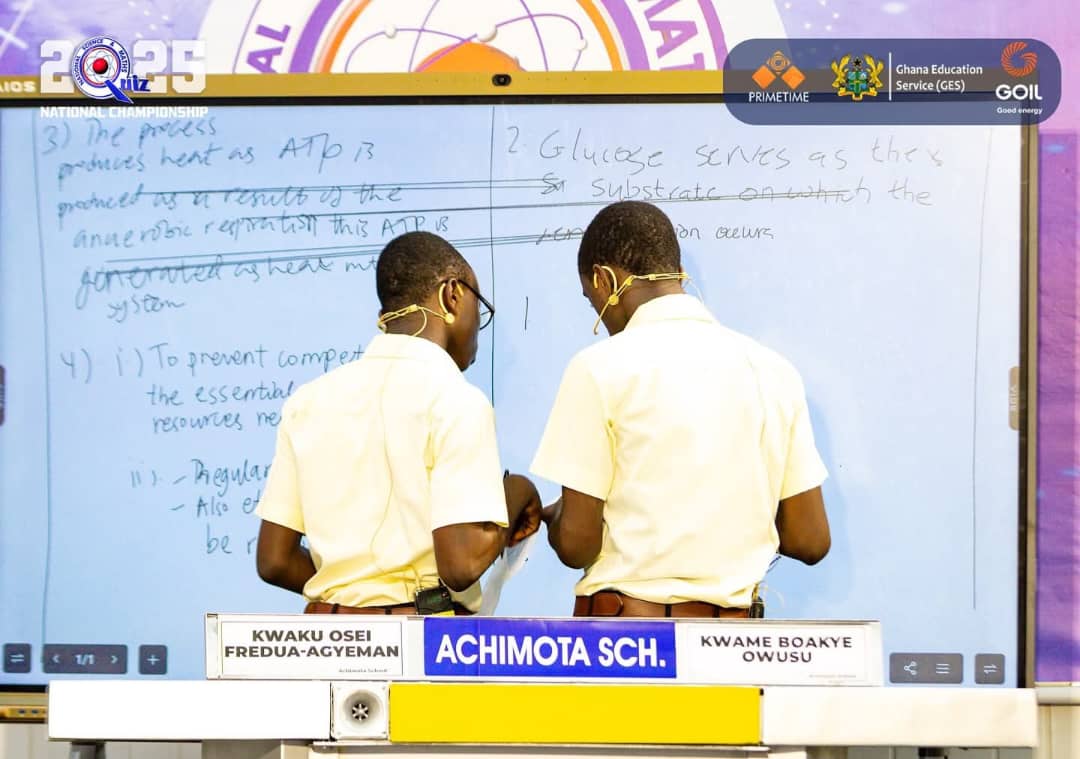
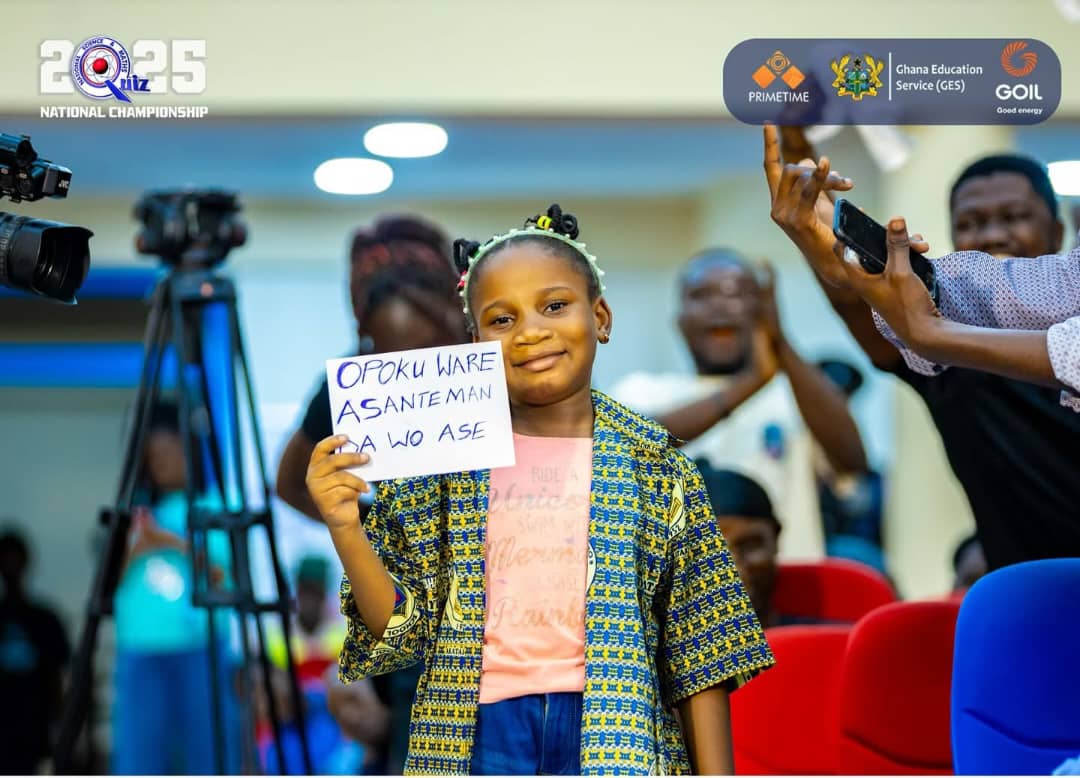
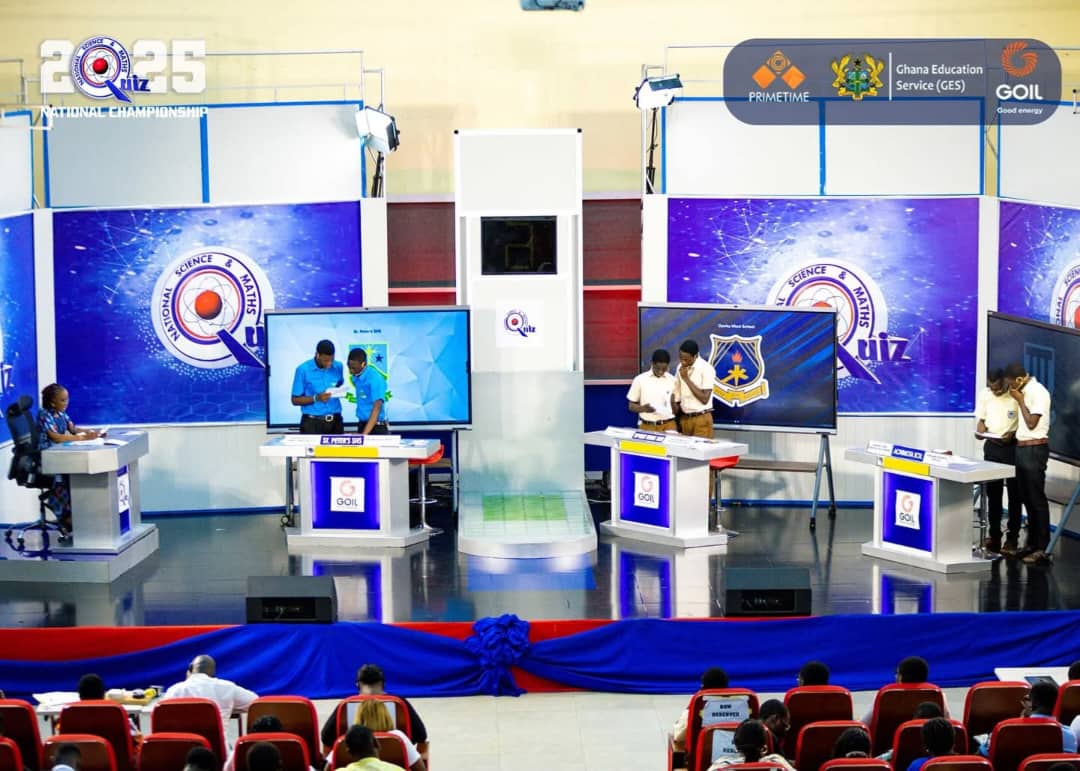
Opoku Ware SHS, Ashanti Regional champions of the National Science and Maths Quiz, has secured an emphatic victory over Achimota School and St Peter’s SHS to grab the last seat at the grand finale of the competition.  

They join Mfantsipim School and St Augustine’s College to jostle for the ultimate title and bragging right on Thursday, November 06, 2025.  

What was supposed to be a contest of regional champions failed to live up to expectation, shown in the disproportion of the scores at the end of third and last semi-final contest.  

The contest was a walk in the park for the Ashanti Regional champions as they secured 48 points, the highest point of the semi-final stage, to boot out Greater Accra Regional champions, Achimota School and Eastern Regional champions, St Peter’s SHS.  

Achimota School and St Peter’s SHS obtained 27 and 10 points respectively to the disappointment of supporters and many observers.  

Nicknamed AI, Master Stephen Kofi Apemah-Baah, a three-time contestant, and Master John Kusi demonstrated remarkable acumen, speed and dexterity to establish dominance for Opoku Ware throughout the contest.  

Even though it is usually hard to call, the outcome of the race became apparent from the first round when it ended with 23 points, 14 points and four points for Opoku Ware, Achimota School and St Peter’s respectively.  

St Peter’s SHS dropped a point to end round two with three points as Opoku Ware gained one point and Achimota School maintained their 14 points.  

After solving the “problem of the day” in round three, the schools obtained cumulative points of 29, 17 and six for Opoku Ware, Achimota and St Peter’s SHS respectively.  

However, the real problem of the day was a protest from Opoku Ware against an answer by St Peter’s, which held the contest up for close to an hour.  

Opoku Ware consolidated its dominance in the fourth round, securing 42 points against the 27 points of Achimota School and seven points of St Peter’s SHS.  

Round five ended in victory for Opoku Ware as they emerged champions of the champions, crashing Achimota’s dream of ending a 21-year title drought.  

For now, all is set for a fierce battle in the grand finale as Opoku Ware seeks a second title, Mfantsipim defends their title and St Augustine’s hunts for their third title.