Home Blog Page 40

US judge tries to halt deportation of Salvadorian native to Liberia.

0

A federal judge in the United States asked assurances on Monday that Kilmar Abrego Garcia would not be deported while an injunction against his deportation from the country was in effect.

Last Monday, Immigration and Customs Enforcement (ICE) announced its intention to transfer the Salvadoran national to Liberia, the latest in a string of potential African destinations.

Abrego Garcia entered the United States illegally as a teenager in 2011 to flee gang violence in his home country, and he is married to an American with whom he has children.

In 2019, an immigration judge granted him protection from deportation to El Salvador, citing a “well-founded fear” of violence from a group that had targeted his family.

On Monday, the judge questioned why ICE did not deport Abrego Garcia to Costa Rica.

He has said he is willing to go to there because its government said it would take him in as a refugee and has promised it will not re-deport him to El Salvador.

His lawyer said he had no connection to Liberia, and that floating that as a deportation destination was “cruel and unconstitutional”.

Abrego Garcia became a symbol of President Donald Trump’s aggressive immigration policies when he was wrongly deported to his home country in March, where he was held in a notoriously brutal prison despite having no criminal record.

Facing public pressure and a court order, the administration brought him back months later and promptly detained him on human smuggling charges.

Liberia last week said it would accept Abrego Garcia into the country if the US deports him, adding that it had not been put under diplomatic pressure by Washington to do so.

Several African countries, including Eswatini, Ghana, South Sudan, and Rwanda have also agreed to accept US deportees despite opposition from public and civil society groups.

Dr Bawumia to embark on campaign tour of Western North Region

0

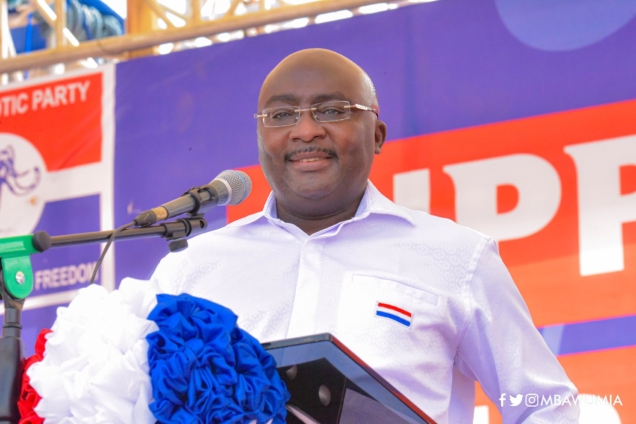
Dr Mahamudu Bawumia, a Presidential Aspirant of the New Patriotic Party (NPP), is set to embark on a three-day campaign tour of the Western North Region from Tuesday, October 28, 2025.

The tour would enable him to meet the party delegates across the nine constituencies in the region and interact with them to consider him ahead of the NPP presidential primaries on January 30, 2026.

A statement signed by Mr Addo Yaw Harry, the Western North Regional NPP Communications Officer, said the move formed part of his nationwide engagement with party delegates.

It said the tour was meant to further deepen his connection with the grassroots and share his vision for the continued transformation of the party and nation in general.

“The Western North Regional campaign team hereby calls on all NPP delegates to turn out massively at the respective venues to welcome and interact with our distinguished presidential aspirant as we walk together to secure victory in 2028,” the statement noted.

It called on party delegates to demonstrate the unity, enthusiasm, and commitment of the Western North Region towards ensuring a decisive victory for Dr Bawumia in the party’s 2026 presidential primaries.

Ghana, Germany seal pact for youth employment in Germany

0

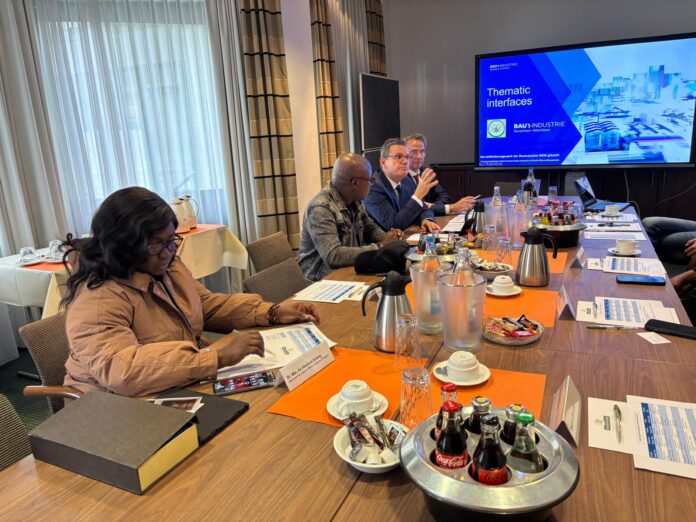
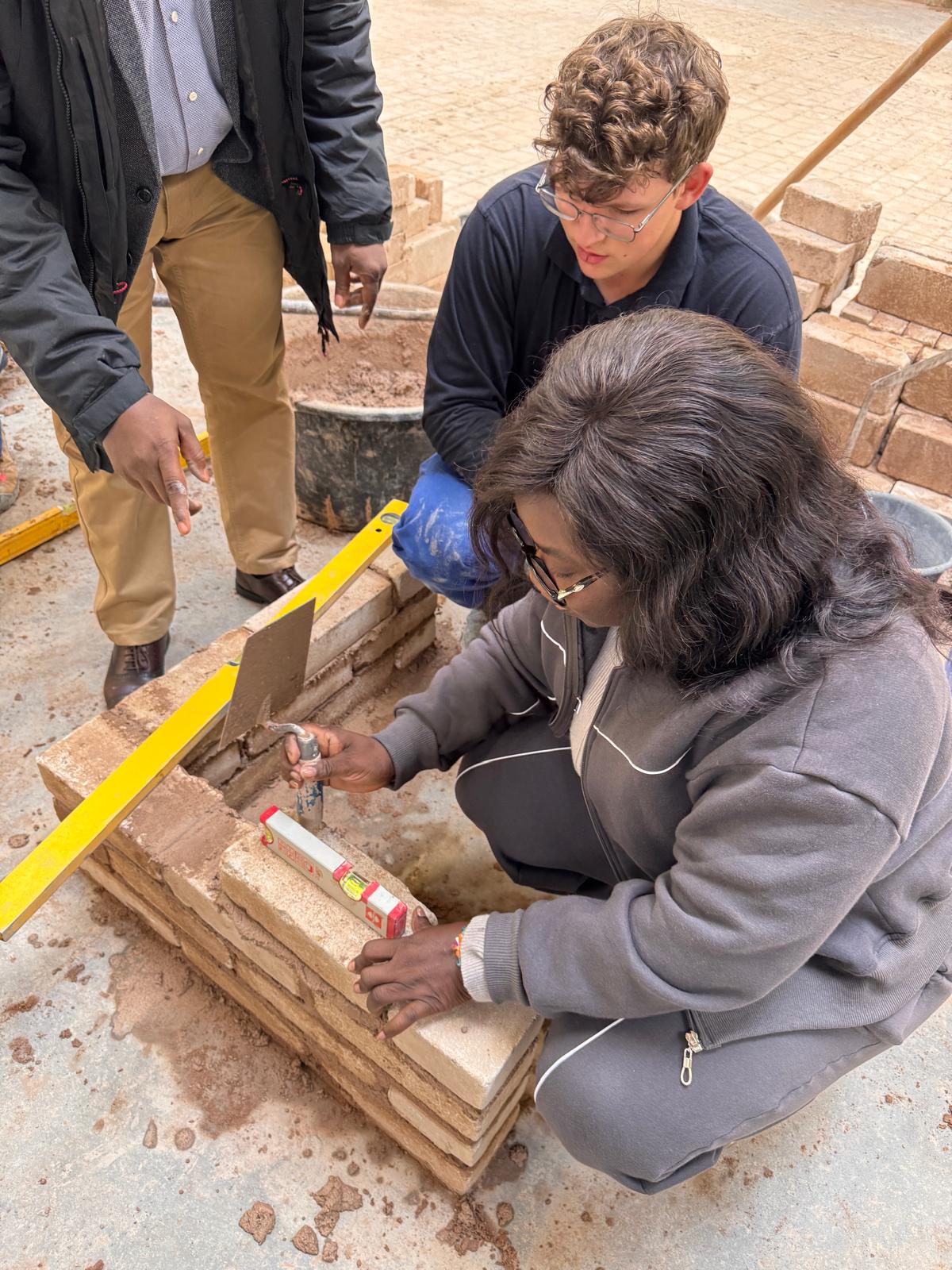
The Ministry of Labour, Jobs and Employment has sealed an employment pact with its partners in Ghana and Germany to send some young Ghanaians to Germany for skills training and employment as government makes frantic efforts to significantly reduce youth unemployment in the country.

The agreement dubbed the “ROCET Project,” provides the opportunity for 30 qualified Ghanaians between the ages of 18 and 30 to visit Germany every year for a three-year programme, with the first cohort set to start the programme in 2026.

The project stipulates a rigorous, multi-stage recruitment process, including interviews and language proficiency tests, designed to ensure the success and integration of selected candidates.

Candidates who emerge successful will receive monthly allowances of approximately 1,000 Euros, 1,200 Euros and 1,500 Euros respectively for first, second and third-year trainees when they arrive in Germany.

The Ministry, led by Dr Rashid Hassan Pelpuo, together with its partners first signed a Memorandum of Understanding for the initiative on Monday, July 21, 2025, in Accra before finalising it in Germany in October during the Minister’s recent visit to that country.

The Ministry is in partnership with BFW, a leading German training provider for the construction industry, Dominion Leaders Foundation (DLF), a Ghana-based NGO focused on leadership development, career guidance, and youth empowerment, and RETOG, an organisation committed to faith-based technical and vocational excellence in Ghana.

Per the arrangement, the Ministry of Labour would work with DLF and RETOG to recruit the candidates and then DLF and BFW would take steps to profile them, using various tools, and providing career counselling to ensure they are fit the job.

DLF and RETOG would ensure candidates are prepared for cultural integration and at this point, candidates are expected to obtain a certificate in German language proficiency (levels A1, A2, B1, or B2).

BFW would then proceed to interview qualified applicants and those who pass the interview will be formally selected for employment.

Dr Pelpuo, during the discussions, made a strong case for the annual recruitment of Ghanaian youth into the programme, a suggestion which BFW readily agreed to.

The Minister expressed full confidence in the ability and commitment of the Ghanaian youth and assured the BFW team of a strong and dedicated workforce.

“We have a pool of brilliant young people who are poised to not only learn the language but also excel in the employment interview,” he stressed.

Responding to the need for inclusivity, Dr Martha Akoibea Anang, the Executive Director of DLF, requested alternative avenues for candidates who might not reach the B2 German proficiency level.

Dr Bernd Garstka, CEO of BFW, assured the group of its commitment to exploring partnerships with other recruitment agencies to create additional pathways and include other trade areas, ensuring a wider range of opportunities for Ghanaian youth.

“This meeting has moved the ROCET project from a vision to a concrete, actionable plan.

“We are not just creating jobs; we are building careers and fostering a deep skills exchange between our nations,” he said.

WHO leads the first medical evacuations from the Gaza Strip since the ceasefire.

0

The World Health Organization (WHO) led the medical evacuation of 41 critical patients and 145 companions from Gaza, the first since Israel and Hamas’ ceasefire on October 10.

Many are suffering from injuries received during the two-year battle, which killed over 68,000 Palestinians, the majority of whom were civilians. Others suffer from chronic illnesses such as cancer and heart disease, which the enclave’s shattered healthcare system cannot handle. Approximately 15,000 patients are currently awaiting approval to receive medical care outside Gaza. WHO continues to call on countries to demonstrate cooperation and open all routes to speed medical evacuation.

The Rafah crossing previously used for patients to exit via Egypt remains closed for transfers, with Israel saying this week it would remain shuttered until Hamas “fulfills” its part in the current hostage release and ceasefire deal. Hamas has yet to return the bodies of 13 hostages held in Gaza since the Hamas invasion and massacre in southern Israel on October 7, 2023.

Hundreds have died waiting, medical groups and Palestinian in the Hamas-ruled enclave say. The WHO, which took over management of the process last year, said 740 people including 137 children on the list have died since July 2024.

COGAT, the arm of the Israeli military that oversees aid flows into Gaza, has previously said that approvals are subject to security checks.

Mre than 70,000 health professionals remain unemployed-COHHETI

0

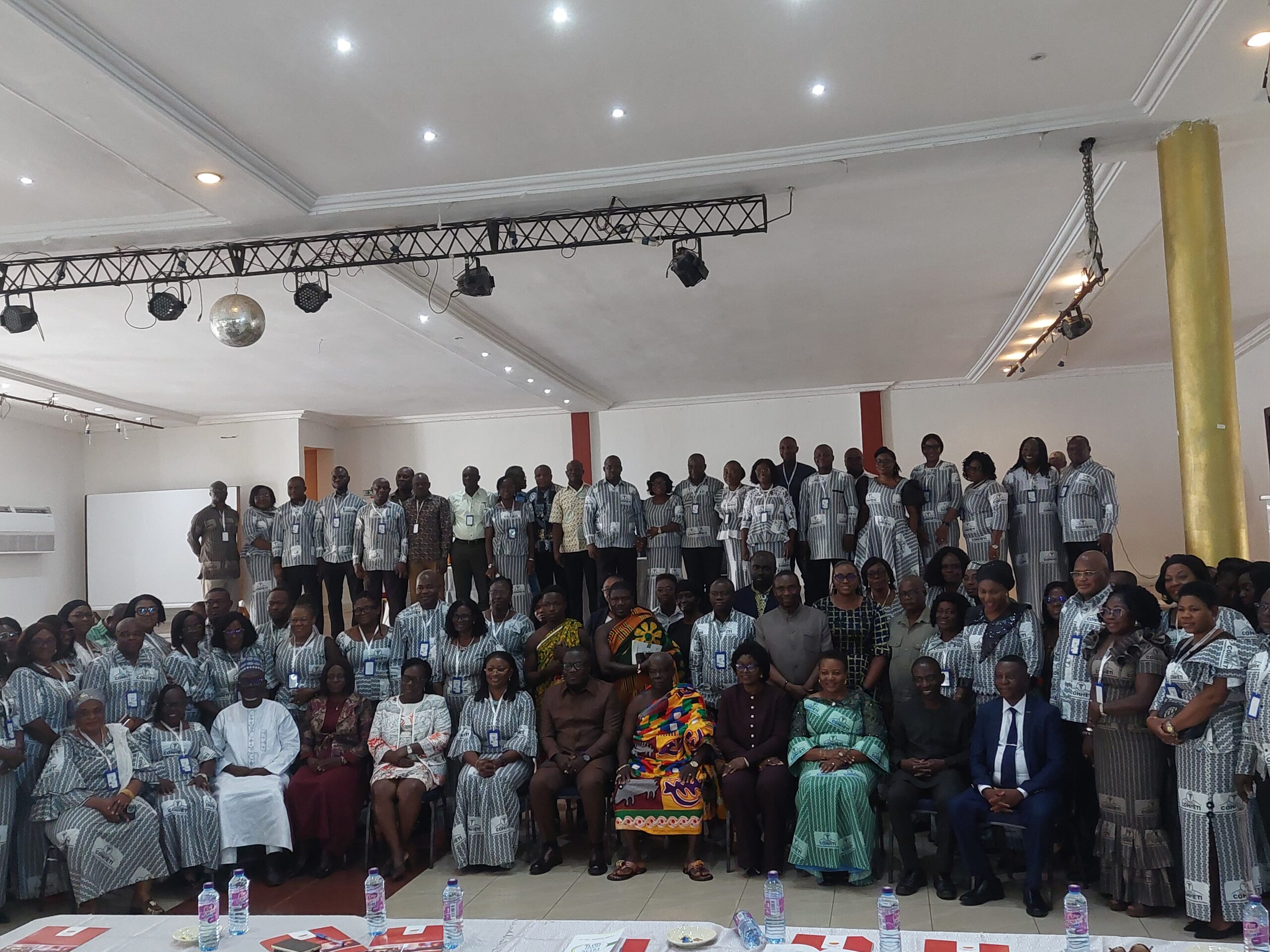
More than 70,000 health professionals in the country remain unemployed, Miss Margaret Mary Alacoque, the President Conference of Heads of Health Training Institutions (COHHETI) said on Tuesday.
She expressed concern about what she described as “over the overproduction of general nurses and midwives” and worried about the continuous establishment of new nursing training colleges in the country.
Ms Alacoque said this when she addressed the opening session of the 18th Annual General Meeting (AGM) of the COHHETI, underway at Abesim, near Sunyani in the Bono Region.
The seven-day conference is on the theme: “Transforming health training for a resilient workforce: specialisation, innovation, and quality assurance.”
Ms Alacoque called for a shift towards specialisation, saying, rather than establishing new health training institutions, there was the need for the nation to concentrate on adequately resourcing the existing ones to operate effectively.
Mr Joseph Addae Akwaboa, the Bono Regional Minister, called on stakeholders to embrace research, technology, and strategic partnerships to transform health training in the country.
He said the future of the nation’s healthcare “lies in blending traditional care principles with modern scientific and technological advancements” and reiterated the government’s commitment to enhance operations of health training institutions.
Mr Akwaboa said the government would improve infrastructure development, tutor recruitment, and regularisation, as well as curriculum reforms in those training institutions to meet global standards.
He gave the assurance that the government would continue to support the training institutions with the required resources and urged COHHETI to collaborate with the private sector and international partners to promote research, internship opportunities, and knowledge exchange.

TDC moves to collect revenue from defaulting companies

0

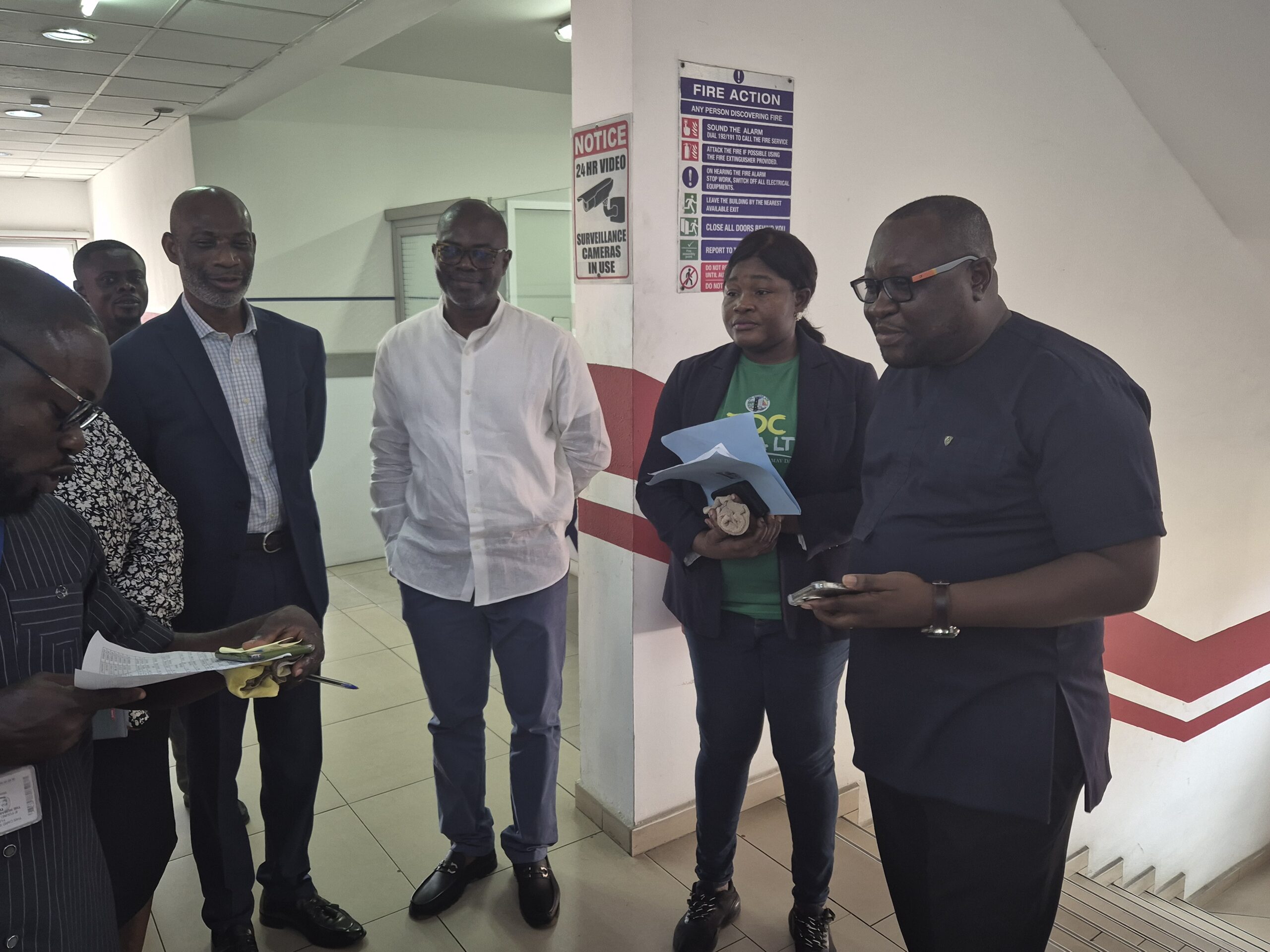
The TDC Ghana Limited, led by its Managing Director, Mr Courage Nunekpeku, and management staff, is embarking on a massive revenue collection drive from companies and other establishments that have defaulted for years in paying off their ground rent.

The establishments, which included churches, schools, companies, hotels, and industries, owe varied amounts of money, with some being in debt for about 10 years.

Some of the establishments visited were Naky’s Hotel, Amaris Terminal, the Tema Mall, and the Datus School, among others.

The exercise saw the locking up of companies, which forced management of the affected institutions to either issue part payment or full payment to show their commitment to clearing their debt to the TDC.

Mr. Courage Nunekpeku, the Managing Director of TDC, described the exercise as successful, adding that the exercise would be sustained by the end of the year.

Mr. Nunekpeku revealed that “we have so much out there; when we add the big guys, TOR and VALCO, we have in excess of 600 million Ghana cedis out there. We are sending this signal to everyone that they should come and fulfil their statutory obligation to the state by paying what is due the state.”

 “We were able to collect some of the monies; they are responding positively. We are serious and into collecting the revenue regardless of who is involved. We need to rake in all the revenue to be able to pay good dividends to the government,” he added.

He announced that the TDC would be conducting a special exercise on Sundays targeted at the churches, stressing that “even Jesus Christ said we should give to Caesar what is due Caesar, so give to us what is due us.”

He urged residents occupying the company’s residences and offices to clear their debts before they visit them.

Assembly member demands citizen involvement in fee-fixing process

0

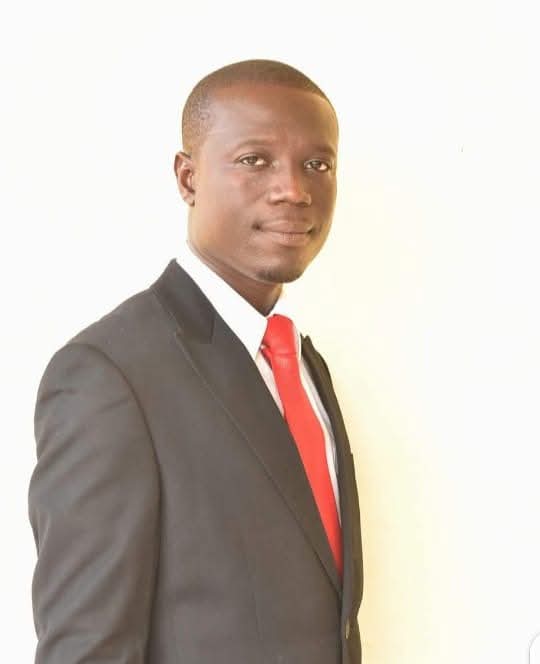
Mr Ebenezer Nartey, the Assembly Member for the Zongo Electoral Area in the Ada East District, has called for greater transparency, accountability, and citizen participation in the 2026 fee-fixing and composite budget process of district assemblies across the country. 

Mr Nartey, who also serves as chairman of the Ada Foah Area Council and a member of both the Finance and Administration and Social Services Committees of the assembly, said it was time for assemblies to “move from simply passing figures to delivering real development results.”

 “Assemblies must not just pass figures — we must pass hope,” he stated.

In a statement issued at Ada Foah, he stressed that the fee fixing and budget process should not be treated as a routine administrative activity but as a social contract between local government and citizens.

“Every rate and every fee we approve affects the market woman, the driver, the artisan, and the youth,” he said, adding that “We must therefore ensure that before fixing fees or approving budgets, the people understand the purpose, the benefits, and how their contributions will improve their communities.”

Mr Nartey urged all district assemblies to publish simplified versions of their 2026 Composite Budgets and Fee Fixing Schedules on notice boards, social media, and other community platforms to improve public awareness and accountability.

 “Transparency begins with information. When citizens know how much revenue is expected and how it will be spent, they become more willing to pay and to participate,” he emphasised.

 He also called on assemblies to ensure that their 2026 budgets prioritise essential community development projects such as sanitation, drainage systems, education, water facilities, and local roads, rather than focusing heavily on administrative overheads.

He advocated stronger oversight on project implementation and improved monitoring mechanisms to ensure value for money.

The Assemblyman proposed that assemblies should introduce Quarterly Public Accountability Forums, where the District Chief Executive (DCE), Coordinating Director, and Finance Officer present expenditure reports and progress updates to citizens.

“We are not just approving figures — we are shaping lives. We are not just fixing rates — we are fixing trust; this year, let us make the 2026 fee-fixing and budget process transparent, inclusive, and development-driven,” he said.

Mr Nartey called for responsible and people-centred leadership as assemblies prepared for the upcoming budget and fee-fixing sessions.

ACUC calls on African states to vote against economic blockade on Cuba

0

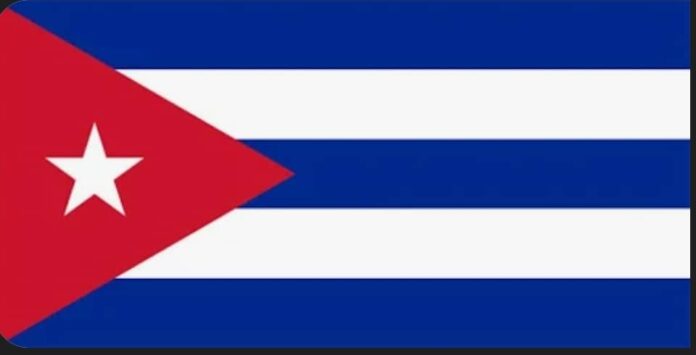
The AfriKan Continental Union Consult (ACUC) has called on African states to vote firmly once again against the United States economic blockade on Cuba.

In a statement signed by Dr. Benjamin Anyagre Aziginaateeg, the Chief Executive Officer of ACUC, and copied to the Ghana News Agency (GNA), it was indicated that the United Nations General Assembly would conduct its annual vote on the United States economic blockade against Cuba on October 28–29, 2025, giving member states another historic opportunity to stand for justice, multilateralism, and human dignity.

The consult commended the African Union for repeatedly expressing its firm rejection of unilateral sanctions and coercive economic measures imposed outside the framework of the UN Charter.

“Africa stands with Cuba. Africa and Cuba share a long history of solidarity, rooted in Cuba’s support for African liberation struggles—from Angola to Namibia and South Africa,” it stated, adding that it applauds the AU’s principled stance and urged African states to vote firmly once again against the blockade at the UN General Assembly.

It noted that the African Union’s 38th Summit of Heads of State and Government reiterated its strong opposition to the continued economic, commercial, and financial blockade causing incalculable damage to the Cuban people.

It added that the AU approved, for the 16th consecutive time, a principle condemning the economic, commercial, and financial blockade imposed by the North American government against Cuba.

According to the ACUC, as the United Nations General Assembly prepared for its annual vote on the U.S. economic blockade against Cuba, the international community was facing intensified political pressure from the United States to abandon decades of global consensus, justice, and respect for national sovereignty.

 “For 64 years, Cuba has endured one of the longest economic blockades in modern history, an act widely condemned as illegal under international law and morally indefensible. For 33 consecutive years, the UN General Assembly has overwhelmingly voted for the lifting of the blockade; yet, the United States, with the routine support of Israel, continues to defy world opinion and the UN Charter.”

The ACUC also commended Ghana for remaining a principled voice against the blockade, recalling that at the 80th UN General Assembly, President John Dramani Mahama reaffirmed Ghana’s commitment to solidarity, international cooperation, and respect for sovereignty. 

It added that the stance had been strongly reinforced by the Minister of Foreign Affairs and Regional Integration, Mr Samuel Okudzeto Ablakwa, through progressive diplomatic engagement, including recent meetings with the Cuban Foreign Minister.

“The ACUC calls on Ghana and all nations of conscience to maintain their unwavering vote against the blockade and resist any attempts at political pressure,” it stated, adding that the human cost of the blockade is not just a political dispute but also an attack on human life and dignity. 

It added that its economic and social impact included massive financial losses, as Cuba loses an estimated USD 629.6 million per month, USD 20.7 million per day, and USD 862,568 per hour due to the blockade, with, over time, accumulated damages calculated with respect to the value of gold now exceeding USD 2.1 trillion.

“The blockade has severely affected Cuba’s tourism sector. Visitors from the European Union dropped from 730,211 in 2019 to 324,032 in 2023, undermining a key pillar of Cuba’s economy.”

It stated that the blockade also causes damage to Cuba’s education sector, with the current period estimated at USD 89.7 million; while, in 2024 alone, the production of 2.1 million school textbooks was halted due to a lack of resources caused by the blockade.

It added that other sectors facing the heat of the blockade are health and scientific limitations, with over USD 1 million in losses to the pharmaceutical industry, while Cuba’s energy and mining sector suffered damages estimated at USD 496 million, with the National Electric Union alone reporting USD 279 million in losses, contributing to rolling blackouts and energy shortages nationwide.

It stressed that the blockade has been condemned in more than 2,000 international events, declarations, and resolutions, and more than 1,703 statements oppose the U.S. decision to falsely include Cuba on the unilateral list of state sponsors of terrorism.

CSIR-SARI holds on-farm demonstration on high pod clearance soybean lines

0

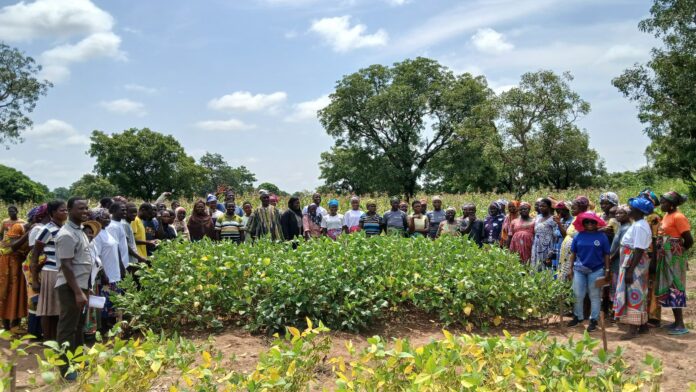
The Soybean Breeding Team of the Council for Scientific and Industrial Research-Savanna Agricultural Research Institute (CSIR-SARI), has held an on-farm demonstration at Salaga to bridge the gap between research and the adoption of improved soybean varieties by farmers.

The exercise formed part of CSIR-SARI’s efforts to involve farmers in the development, testing and selection of new soybean lines to ensure that research output addressed farmers’ practical needs.

It was also to help the farmers to understand good agronomic practices, identify high pod clearance, high yielding and early maturing lines suitable for their conditions and encourage the use of improved technologies to increase productivity and sustainability.

The demonstration featured both mother and baby trials, with the mother trial managed by the researchers to showcase improved agronomic practices such as row planting, proper spacing, fertilizer application and other good agronomic practices.

Farmers were also given seed packages for their own baby trials to compare the new soybean lines with their traditional varieties.

Over the years, many farmers in the area faced challenges such as low yields, poor soil fertility, and pest attacks due to limited fertilizer use, poor planting methods, and poor plant populations use, hence the demonstration farm, for them to learn practical ways to improve production and soil management.

Dr Ophelia Asirifi Amoako, Agronomist and Senior Research Scientist at CSIR–SARI, speaking during the event in the East Gonja Municipality of the Savannah Region, explained that it formed part of a new approach known as Participatory Varietal Selection (PVS), which allowed farmers to be directly involved in evaluating and selecting improved lines developed by researchers.

She said the approach sought to ensure that new varieties met the needs and preferences of farmers.

Through the PVS, farmers were given the opportunity to evaluate, rank and score the lines based on traits such as yield, pod size, early maturity, pod clearance, plant vigour and biomass, drought tolerance and resistance to pests and diseases.

Dr Amoako said most farmers did not apply fertilizer to their soybean farms and often failed to follow proper agronomic practices such as row planting and spacing.

Dr Charles Nelimor, Research Scientist and Soybean Breeder at CSIR-SARI, said the team leveraged the platform to showcased good planting practices and introduced two innovative soybean lines: one featuring high pod clearance for mechanized harvesting and another with early maturity traits to enhance resilience against climate change-induced rainfall variability.

Dr Francisca Addae-Frimpomaah, Head, Soybean Breeding Team at CSIR–SARI, said the expectation was that after farmers made their selections based on yield, maturity, height, pod clearance, and other desired traits, they would identify the lines they were most willing to adopt.

She emphasized that the goal was not to develop varieties that remained on research shelves, but to ensure that farmers cultivated and benefited from them once released.

She said involving farmers in the process helped them understood the traits of the new lines and the reasons they should consider planting them when they became available on the market.

Dr Addae-Frimpomaah appealed to the government to consider reversing the ban on soybean exports, explaining that the restriction had made it difficult for farmers to sell their produce since bulk buyers, who used to export, no longer came to purchase from them.

She said lifting the ban would help create a market for farmers and motivate them to expand production.

Mr Osman Suleman, a farmer, who also supported the SARI group in managing the field activities, described the exercise as very important for the community, saying it helped farmers understand improved methods, which could boost yields even on smaller farms.

He said the demonstration motivated many farmers to adopt the new practices after witnessing the visible results on the field.

Mr Suleman identified harvesting as a significant challenge for soybean farmers, saying manual harvesting of large farms often resulted in delays and substantial post-harvest losses, indicating that the introduction of high pod clearance lines offered timely solution, which would enable farmers to utilize mechanized harvesters and streamline their harvesting process

He appealed to CSIR–SARI, Ministry of Food and Agriculture, the government and other stakeholders to support farmers with mechanization, especially planters and harvesters to make production more efficient.

Other farmers observed visible differences between the new lines and their local varieties, noting better growth, healthier plants, high pod clearance, and improved pod formation.

Reddington beach resort to host Volta economic forum on October 31

0

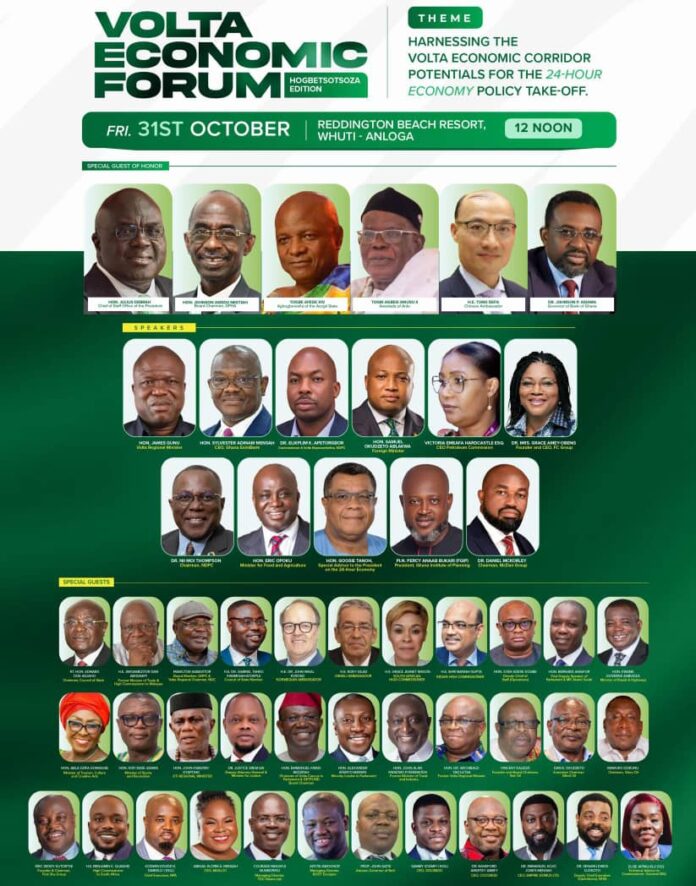
Reddington Beach Resort in Whuti in the Anloga district is set to host the much-anticipated Volta Economic Forum, the Hogbetsotsoza edition on Friday, October 31.

The forum is being organise by the Volta Corridor Investment Centre, in collaboration with other partners including Ghana Exim Bank, and would commence at exactly 1200 hours at the picturesque Reddington Beach Resort.

The Ghana News Agency gathered that a line of speakers such as Mr James Gunu, the Volta Regional Minister, Dr Elikplim Afetorgbor, the Chief Executive Officer (CEO), Independent Power Generators, Mr Samuel Okudzeto Ablakwa, the Foreign Minister, among several other notable special dignitaries had been announced to grace the event.

It was also revealed that there would be discussion on strategy that would tap into the Volta Economic Corridor’s potential for a 24-hour economy policy takeoff to benefit the greater populace of the country.

The prestigious special speakers expected to be presence during the forum include Mr Doe Adjahoe, the former Speaker of Parliament, the Volta Region Council of State member, Mr Bernard Ahiafor, the First Deputy Speakers of Parliament, Mr Senanu Kwasi Djokoto, the deputy Director of NHIS, and others were expected to add value to the discussions to harness economic potentials in the Volta region.

The Volta Economic Forum according to sources closed to the organising team indicated that the aim was to explore ways to boost economic activities in the Volta corridor which could have positive implications for Ghana’s overall economic growth.

Moderators for the event would be Mr Selorm Adonoo, of Citi FM and Channel One TV, Mr Roland Walker of TV3 and Ama Aklorde, who would be guiding the discussions among speakers and special guests for a successful and fruitful discussion during the forum.

It was also noted that the event would be broadcast live on TV3, to enable those who could not have the opportunity to attend in person to follow the proceedings.

Some residents of Anloga-Whuti who spoke to the Ghana News Agency, believed that the focus on the 24-hour economy policy discussions during the forum would likely be centered on maximizing productivity and economic output in the Volta corridor.

The Hogbetsotsoza edition of the Volta Economic Forum is anticipated to draw attention from stakeholders in Ghana’s economic development scene to help improve on the progress of various sectors in the country.

Many other citizens of Anlo were anticipating that hosting the forum at Reddington Beach Resort in Whuti-Anloga, was a perfect venue that would facilitate an engaging discussion on boosting the Volta Economic Corridor’s potential.

Some notable dignitaries for the forum are Togbi Agbesi Awusu ll, Awadada of Anlo, Togbe Afede XIV, Agbogbomefia of Asogli State, the Chief of Staff, Mr Johnson Asiedu Nketia, the NDC National Chairman, Dr Johnson Pandit Asiama, the BoG Governor, Mr Tong Defa, Chinese Ambassador to Ghana, among other high-profile personalities.

The event, themed “Harnessing the Volta Economic Corridor Potentials for the 24-Hour Economy Policy Take-Off,” promised to be a significant gathering that would empower ideas for development.

GNA

Edited by Maxwell Awumah/ Christabel Addo