Home Blog Page 46

Israel-Iran Ceasefire Confirmed by Trump

0
image copyright/afp/Israel-Iran Ceasefire Confirmed by Trump

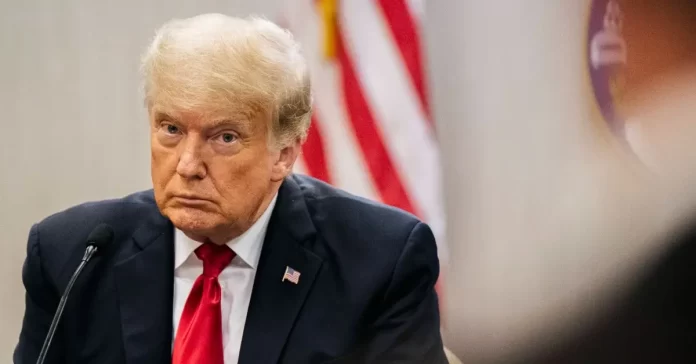
US President Donald Trump on Tuesday said a ceasefire between Israel and Iran, announced hours earlier, was now in place, ending the 12-day war.

In a post on his Truth social media, he urged both countries not to violate it.

The announcement came after Iran launched waves of missiles at Israel, which it described  as its last round, killing four people in the southern city of Beersheba.

It is unclear how many people were killed or injured in Iran overnight.

When Trump announced the ceasefire, he appeared to suggest the two countries would have time to complete missions that were underway before it began in a staged process.

“On the assumption that everything works as it should, which it will,” Trump wrote, “I would like to congratulate both countries on having the stamina, courage, and intelligence to end what should be called ‘THE 12 DAY WAR.'”

Calling the agreement a breakthrough, Trump ended his announcement with a sweeping message of unity: “God bless Israel, God bless Iran, God bless the Middle East, God bless the United States of America, and GOD BLESS THE WORLD!”

While the mutual strikes continued into the early hours of the morning, both Iran and Israel have now agreed to the ceasefire.

Ghana Olympic Committee engages SWAG to boost Olympic visibility 

0

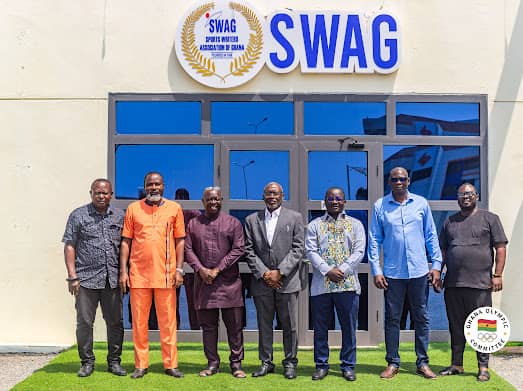
The Ghana Olympic Committee, (GOC) led by its President, Mr. Richard Akpokavie has called on the Sports Writers Association of Ghana (SWAG) to discuss ways to enhance media visibility by strengthening relations between the two institutions. 

The visit was to also officially present the new GOC administration to the leadership of SWAG since assuming office a few months ago. 

Mr. Akpokavie in his remarks, affirmed the GOC’s commitment to transparency and improved media engagement to promote Olympic sports and the interest of athletes. 

He highlighted the importance of the media in shaping public interest in Olympic disciplines and pledged stronger cooperation between the two bodies.  

As part of maintaining a long-lasting relationship with SWAG, he said the GOC intends to introduce joint initiatives including media workshops, press briefings, and regular stakeholder engagements to keep the media updated on its day-to-day activities.  

The GOC President took the opportunity to invite the leadership to the forthcoming Olympic day at the Accra Sports Stadium, which is to commemorate the founding of the International Olympic Committee (IOC). 

Mr. Akpokavie thanked the Sports Writers Association of Ghana for its continued support, particularly in promoting Olympic disciplines. 

Mr. Kwabena Yeboah, President of the Sports Writers Association of Ghana commended the GOC’s inclusive approach, describing the engagement as timely and necessary for the growth of sports. 

“As someone who has seen you as a player, an administrator, I think you are in a very good position to lead the GOC. It demands a lot of humility, readiness to learn and collaboration and these are the qualities we have already seen in your leadership, so I am very confident that you are on the right path,” he said. 

He urged the leadership of the GOC to accept criticism from journalists and remain open to feedback.   

Also present at the meeting were Mr. Charles Osei Asibey, Mr. Evans Yeboah, Mr. Bawah Fuseini, Mr. Kenneth Odeng Adade and Mr. George Owusu Ansah. 

Ghana, Hunan Province to deepen economic relations   

0

Ghana and China’s Hunan Province have committed to strengthening economic cooperation in agriculture and agribusiness, smart industrialisation, and sustainable mineral processing, following high level talks at the Fourth China-Africa Economic and Trade Expo. 

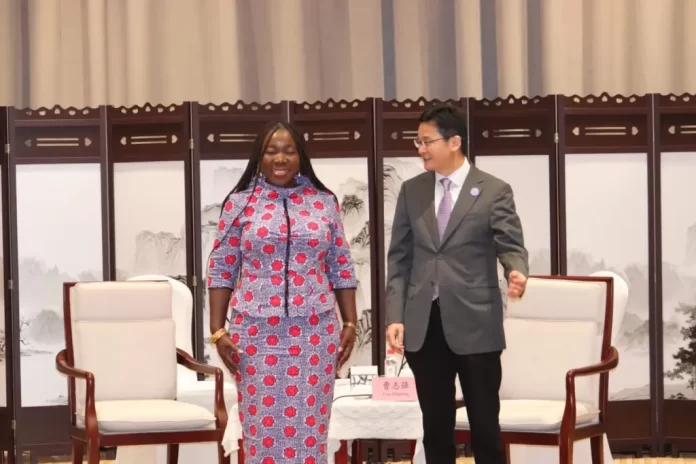
These agreements were reached when Mr Cao Zhiqiang, Vice Governor of Hunan, hosted Ghana’s Minister of Trade, Agribusiness and Industry, Mrs Elizabeth Ofosu-Adjare, for bilateral discussions, which centred on building stronger bilateral trade, investment, and technical exchanges between Ghana and the Hunan Province. 

Madam Ofosu-Adjare commended the Hunan Province for the level of industrialisation driven by innovation and underscored the need for partnership. 

The Province’s achievement was a clear indication that, by walking shoulder to shoulder, Ghana could leverage the strategic relationship to leapfrog its industrialisation agenda, she said. 

In addition, the Minister highlighted the country’s stable business environment, rule of law, competitive returns on investment, and youthful and growing middle-class as some of the key considerations not to be ignored by potential investors from the Province. 

 She underscored Ghana’s strategic location as a gateway to serve the region, as well as global markets. 

 The Minister invited more Hunan multinational companies to explore business opportunities in the manufacturing, garments and textiles, pharmaceutical, and components manufacturing sectors and to take advantage of the 24-hour economy policy. 

Bilateral trade between Ghana and Hunan Province was estimated at $2.5 billion by the end of 2024, with at least eight top multinational companies from Hunan operating in Ghana. 

 These include Zonda, Sany, Hunan Construction, and Zoomlion. 

 The Minister extended an invitation to the Vice Governor to lead a high-level delegation to explore more business opportunities in Ghana in the course of the year. 

Mr Cao, on his part, commended the Minister for making a strong case for investment in Africa, especially Ghana, during the CEO Dialogue. 

 According to the Vice Governor, the Province was committed to partnering the Government of Ghana and the private sector to enhance industrialisation for their mutual benefit. 

 Touching on the current economic development of the Province, the Vice Governor emphasised that it was one of the fastest-growing provinces in China, with 2024 GDP hitting approximately 5.4 trillion yuan (about $760 billion), growing around 5.5 per cent year-on-year, slightly above the national average.  

He noted that the tertiary sector (services) contributed significantly, while advanced manufacturing and the digital economy expanded rapidly.  

The Province, Mr Cao said, had positioned itself as the hub of industrialisation, innovation and research, aerodynamics, logistics and infrastructure development, and education among others.  

He agreed to the proposal by the Minister for technical exchanges between Ghana and Hunan to enhance skills and expertise development in critical sectors of the economy. 

Mastercard, Access Bank partner to empower Ghanaians with essential financial solutions  

0

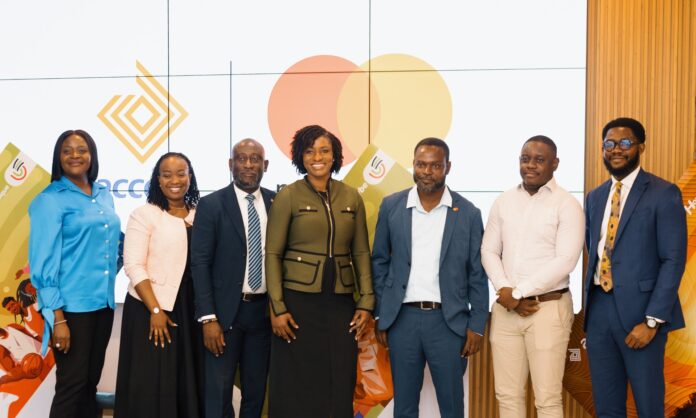
Mastercard and Access Bank (Ghana) PLC have partnered in a bold move to help empower the next generation with early access to financial tools and knowledge.  

This comes after the launch of an innovative, age-segmented card under the Bank’s youth banking proposition, AccessU, to empower Ghanaians aged 13 to 40 with essential financial solutions.  

The new proposition is structured into three key life stages: teens, young professionals, and middle-established professionals — with each stage offering tailored features that meet the evolving financial needs of Ghanaians.  

This initiative is part of Access Bank and Mastercard’s broader agenda to close Ghana’s financial inclusion gap. which is aimed at providing accessible, customised financial tools at critical life stages.   

“This launch reflects our shared commitment with Access Bank Ghana to shape a more financially confident and digitally included generation. By embedding financial literacy and secure digital tools from an early age, we are empowering Ghana’s youth to grow into financially responsible adults while also giving families peace of mind and contributing to a more inclusive digital economy,” said Folasade Femi-Lawal, Country Manager and Area Business Head for West Africa at Mastercard.  

Pearl Nkrumah, Executive Director, Retail & Digital Banking at Access Bank Ghana, added: “Our youth are not just the future; they are the now. Through our collaboration with Mastercard, we are not just offering banking solutions to young people, but we are enhancing their job market readiness, creating recruitment opportunities, empowering young entrepreneurs, and equipping them to achieve their dreams and impact Ghana and the rest of the world. This is about giving them agency over their financial choices, helping them to thrive, save, spend wisely, and dream bigger.”  

As part of the broader collaboration, Mastercard and Access Bank Ghana aim to also design a compelling proposition for women under the bank’s flagship women banking initiative, the ‘W’ Initiative, further advancing their goal to empower women financially and professionally.  

The age-segmented card will be made available across Access Bank’s physical branches and digital network. This Mastercard-Access Bank collaboration presents new opportunities for fintechs, merchants and educational partners to engage Ghanaians in more meaningful and responsible ways.  

For teens, the offering includes a prepaid or reloadable debit card with parental controls, expense-tracking tools, and scheduled allowances, aimed at teaching budgeting, saving, and financial responsibility.  

In addition, the card offers discounts on gaming, streaming services, and educational platforms. As users transition to young professionals, the card evolves to include a debit card paired with an entry-level credit card, using soft credit scoring to help first-time borrowers establish credit.   

This stage also introduces Buy Now, Pay Later (BNPL) integrations for e-commerce, travel, and gadgets, along with exclusive rewards on subscriptions such as Netflix and Spotify.   

The offering further supports wealth-building with investment-backed cashback cards. For middle-established professionals, the product expands to premium debit and credit cards that offer travel, lifestyle, career advancement and health insurance benefits, as well as business and SME-linked corporate cards for entrepreneurs and executives.  

The initiative also reinforces Access Bank Ghana’s positioning as a future-focused and youth-centric bank while supporting Mastercard’s commitment to advancing financial   

inclusion across Africa. The launch sets a new benchmark for how financial institutions can support young people and their families in today’s digital-first economy.  

Mahama charges MMDCEs to declare assets by July 15  

0

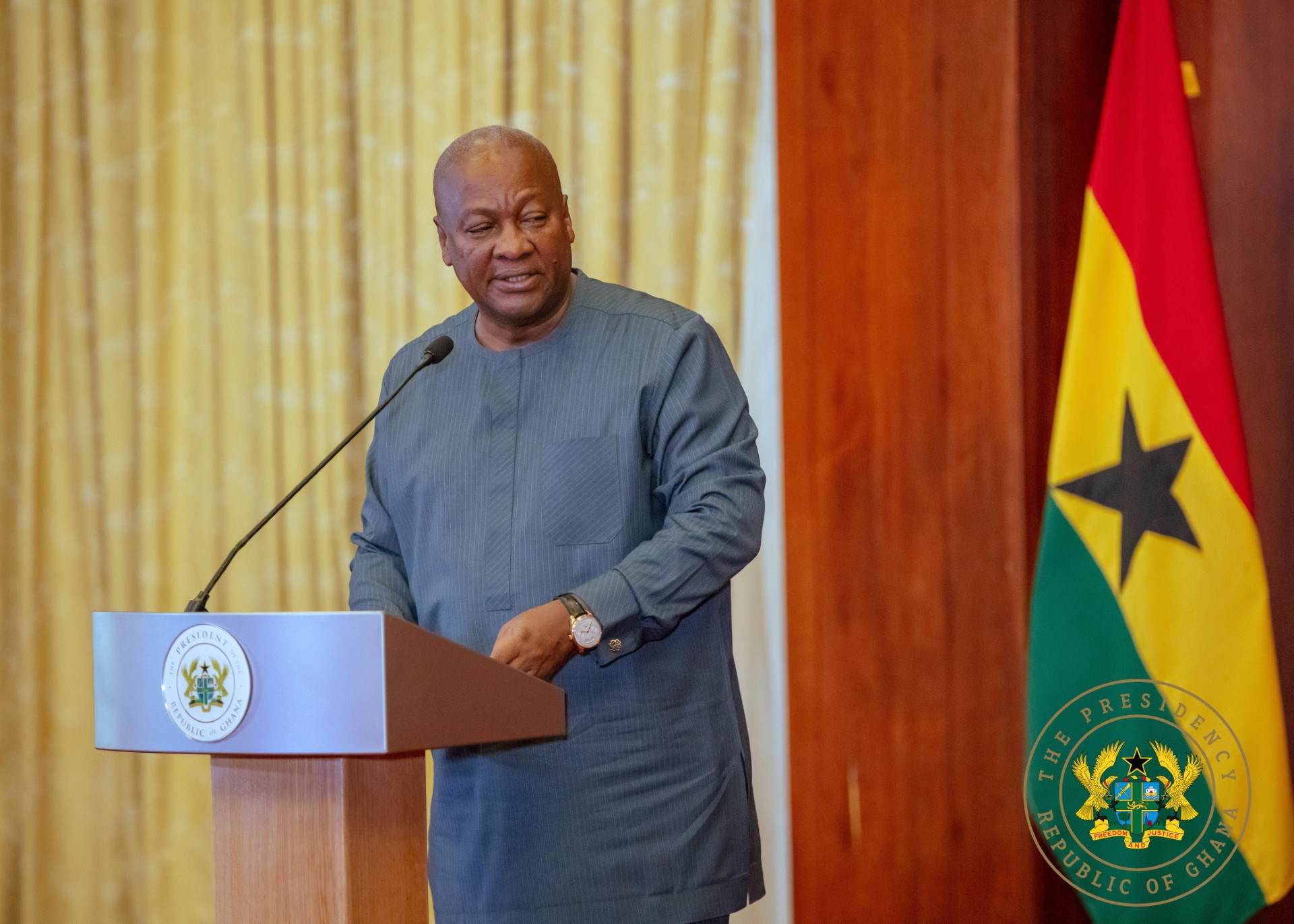
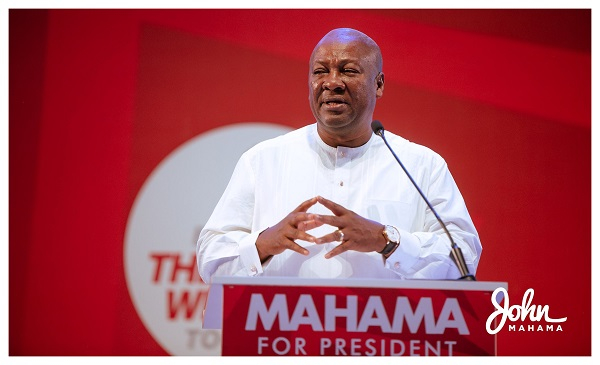
President John Dramani Mahama has directed all Metropolitan, Municipal and District Chief Executives (MMDCEs) to declare their assets by July 15. 

The Public Office Holders (Declaration of Assets and Disqualification) Act, 1998 (Act 550) mandates public officials to declare their assets and liabilities upon their assumption of office.  

The law aims to prevent corruption, detect illicit enrichment, and address conflicts of interest by requiring public officials to disclose their assets and liabilities.  

President Mahama gave the charge in his opening remarks at the orientation workshop for newly confirmed MMDCEs at the Institute of Local Government Studies at Madina near Accra. 

This year’s orientation on the theme: “Strengthening Local Governance Through the Reset Agenda”, reflects the core of the ruling National Democratic Congress’ (NDC) 2024 Manifesto, Resetting Ghana, Jobs, Accountability and Prosperity. 

President Mahama said the Government had taken steps to transfer the highest amount of funds in the history of the Fourth Republic to the MMDCEs from the District Assembly’s Common Fund.  

He said 80 per cent of the District Assemblies’ Common Fund was coming directly to the MMDCEs. 

He said the Government expected the MMDCEs to ensure the judicious and transparent use of these resources. 

He said the funds must be utilized in the interests of the people and not for their own comforts.  

President Mahama said the Auditor-General and other anti-corruption institutions would be watching the works of the MMDCEs. 

“And as I’ve said previously, if any of these institutions start investigating you, you don’t expect me to interfere on your behalf,” the President said. 

He reminded the MMDCEs that they were among the office holders required to declare their assets.  

“And so I expect that by July 15th, all of you would have declared your assets. I’ve given you enough time, haven’t I?” The President questioned. 

President Mahama reiterated that the ruling National Democratic Congress’ (NDC) Manifesto outlined a bold and people-centred agenda that placed local government at the heart of national development. 

He said the MMDCEs were the first line of implementation for many of the flagship programmes.  

President Mahama said the 24-Hour Economy, the Clean Up Ghana Initiative, Adwumawura, the National Apprenticeship Programme, Mahama Cares, and Feed Ghana policies were not abstract ideas. 

He said the policies required  structure, coordination, and leadership to bring them to life at the district level.  

He said the 2024 Budget Statement outlined the Government’s financing strategy and clarified that decentralised development was a priority.  

President Mahama again said the Government had committed 80 per cent of the District Assemblies’ Common Fund to Metropolitan Municipal and District Assemblies (MMDAs) this year to ensure that each Assembly was resourced to meet its people’s demands. 

He said every Assembly, from the least, even the least would receive not less than GH¢ 25 million this year.  

He said these resources were to be applied in ways that reflected local priorities and medium-term development plans.  

IMCC convenes high-level policy dialogue between Ghana and Development Partners  

0

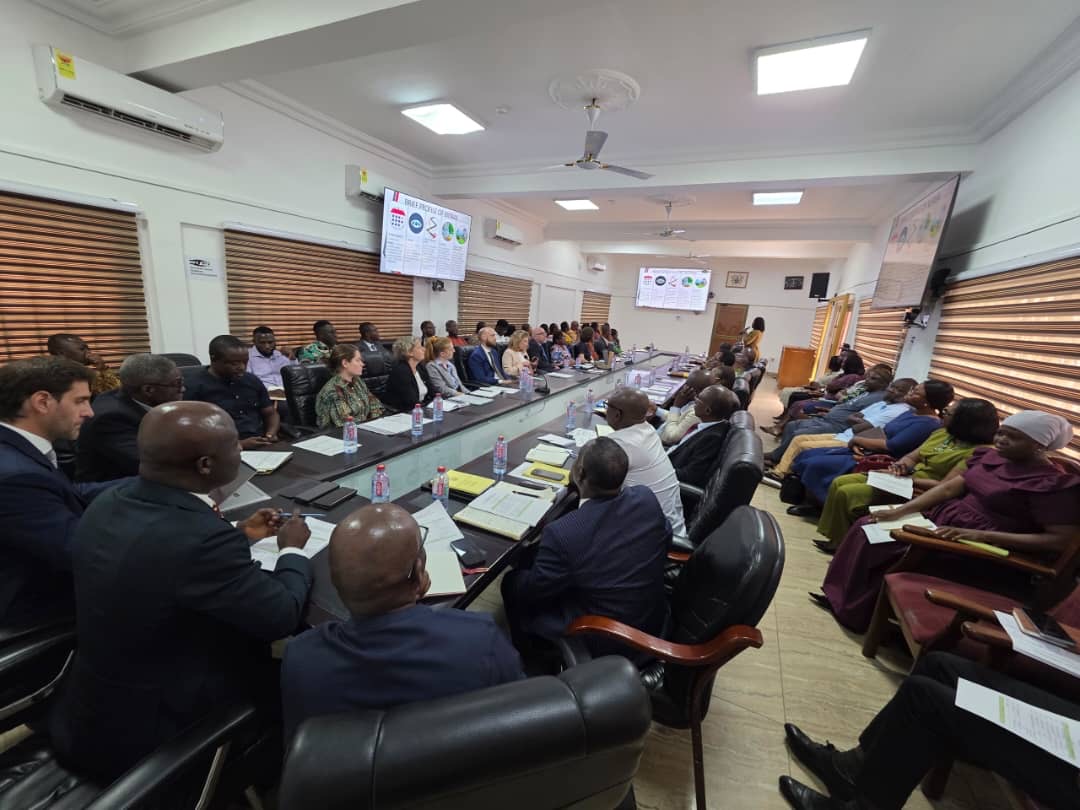
The Inter-Ministerial Coordinating Committee (IMCC) on Decentralisation has organised a high-level policy dialogue aimed at strengthening cooperation on decentralisation between the Governments of Ghana, Switzerland and Germany. 

Dr. Gameli Kewuribe Hoedoafia, the Executive Secretary of the IMCC, said, “We have called this high-level meeting to strengthen the relationship between Ghana and the Governments of Switzerland and Germany, particularly under the DACF–RFG programme.” 

He said IMCC wanted to build on the existing relationship in support of Ghana’s decentralisation and development priorities and in recognition of the resilient support of both Switzerland and Germany, the only countries who are currently supporting the DACF-RFG. 

He said the programme had enabled the construction of over 3000 infrastructural projects across the 261 MMDA’s. 

Mr Ahmed Ibrahim, the Minister for Local Government, underscored the importance the Government of Ghana placed on decentralisation, adding, “The President prioritizes decentralisation.” 

He noted, “The President is deeply committed to advancing decentralisation through several key reforms.” 

These key reforms are the election of MMDCEs on a non-partisan basis to strengthen accountability and enhance citizen participation; a progressive increase in the District Assemblies Common Fund (DACF) from 5 per cent to 7.5 per cent to expand the fiscal space available to MMDAs. 

Others are the finalisation and passage of the District Assemblies Borrowing Bill to empower assemblies to mobilise resources for development; and the deepened inclusion of Traditional Authorities and Religious Leaders to ensure their meaningful involvement in local governance. 

Madam Simone Giger, the Swiss Ambassador to Ghana, Benin and Togo, reaffirmed Switzerland’s commitment to the decentralisation agenda, stating, “In our new Cooperation Programme with Ghana, Local Governance and Decentralisation is one of the three priority areas.” 

She said Switzerland believed in the President’s vision and the Minister’s commitment.  

But decentralisation cannot happen unless higher levels of government are willing to hand over real power and resources. 

“Switzerland is walking the talk. Emphasising that they will support the sector with technical assistance, training, and hope to collaborate even further with the soon-to-be established University for local government studies,” he added. 

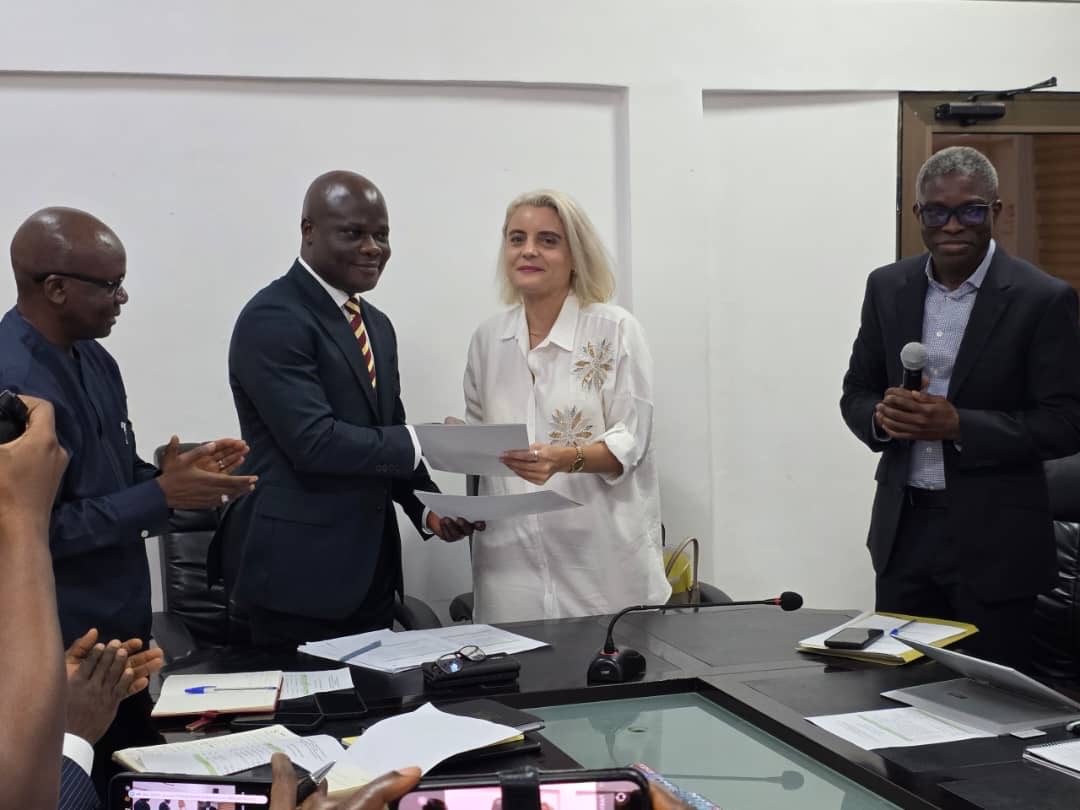
The event had a symbolic signing of the bilateral agreement between Switzerland and Ghana with a mutual commitment to scale up cooperation, enhance capacity building, and align decentralisation efforts with Ghana’s national development goals. 

Sanitation is a national emergency – President Mahama tells MMDCEs  

0

President John Dramani Mahama has called on Metropolitan, Municipal and District Chief Executives (MMDCEs) to deal with sanitation head on, saying it is a national emergency that demands their urgent and immediate attention.  

Speaking at the opening of an orientation workshop for MMDCEs at the Institute of Local Government Studies at Madina near Accra, President Mahama said dealing with sanitation was urgent due to its impact on public health and the environment. 

He said the relaunched National Sanitation Day would go beyond just monthly clean-up campaigns and become a strategic citizen-led movement for behavior change, environmental health, and sustainable urban development. 

“As MMDCEs, you will be judged by the cleanliness of your districts,” President Mahama said. 

“A filthy town is not merely an eyesore, it is a public health hazard and an indictment on leadership.” 

The President said sanitation would be one of the most important key performance indicators; adding that international experience affirmed this.  

“For those of you who have been to Kigali, I should send you there one by one. The Rwandan government, through empowered local authorities and monthly community clean-ups called Umuganda, has made the city one of the cleanest in Africa,” President Mahama said. 

He noted that in Singapore, strict enforcement of sanitation laws, waste segregation, and recycling had become standard practice. 

He said in the Scandinavian countries, municipalities led secular economy models that transformed waste into energy, jobs, and revenue.  

The President said the successes chalked by these countries were not accidental, but driven by committed local leadership, civic education, and accountability.  

“And we must learn from these models. So your mandate on sanitation, you are hereby tasked to establish district sanitation task forces with clear responsibilities and regular performance assessments,” he said. 

“You are tasked to mobilize communities including schools, faith-based institutions, and market groups for clean-up, education, and inspection drives.” 

President Mahama said the MMDCEs were required to partner with the private sector for waste-to-energy projects and sustainable recycling value chains.  

He directed them to enforce their sanitation bylaws rigorously, including penalties for illegal dumping, open defecation, and improper waste disposal. 

President Mahama said under the immediate last administration, they passed a law for Ghanaians to clean their front; saying “How many districts are implementing this ‘clean your front’?” 

“If everybody cleaned the front of his house, it would make your work easier.” 

President Mahama said if they could enforce the law and ensure that those who failed to do so were sanctioned, it would make their work easier and save resources. 

He said the government was working to include a national sanitation index in the local governance performance assessment framework.  

He told the MMDCEs that their districts cleanliness, drainage, and hygiene infrastructure would be measured and published each year.  

“The cleanest district will be named and the dirtiest district will be shamed. Let your legacy be a clean, green, and healthy economy,” he said. 

“Now let’s be clear about sanitation services. We pledged to the Ghanaian people that we will implement a Reset agenda, didn’t we? This agenda applies to every facet of national life, including sanitation and waste management.” 

He said the current waste management model was not working because it had become highly centralized. 

He said the MMDAs had largely not been involved in the procurement of waste management equipment and accessories; stating that they had also felt that supervision of sanitation workers and cleaners was not part of their responsibilities. 

He said there would be the implementation of a more effective model that transfers full responsibility for waste management and sanitation to MMDAs.  

Sporting director Deco goes to see the Athletic Club player in order to set up a summer move and get the Spain player and Lamine Yamal back together.

0

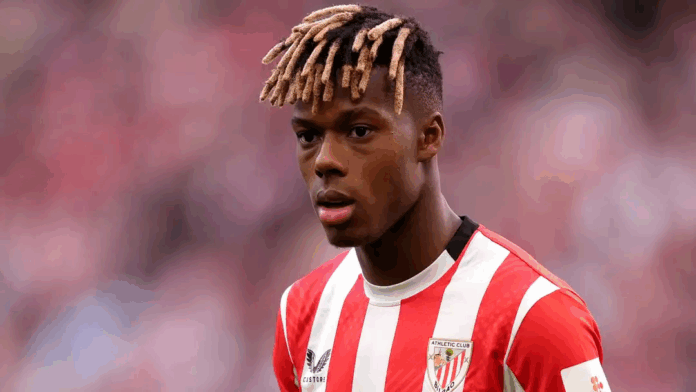
Barcelona’s sporting director Deco is reportedly in Ibiza to personally meet Nico Williams and move forward on a potential summer transfer.

In an attempt to rekindle their long-standing interest in the Athletic Club winger, Barcelona’s athletic director Deco has reportedly jetted to Ibiza to speak with Williams, according to multiple Spanish publications. Deco is anticipated to have direct discussions with Williams, who is presently on holiday on the island, to determine whether a relocation might be realistic this summer. Early in June, Deco met in private with Felix Tainta, the player’s agent, in Barcelona.

Although it’s still unknown if the Deco will see the 22-year-old attacker, all indications are that Barca manager Hansi Flick, who owns a home in Formentera, may be involved in a three-way meeting.

After winning Euro 2024 with Spain, Williams became hot property. Barcelona pursued him hard last summer, but Williams rejected the move in order to play European football. But after Barcelona’s remarkable turnaround under Hansi Flick, the Spaniard is eager to reunite with his national teammate and friend, Lamine Yamal, and made his desire clear to him and other Culers within the Spain squad during the UEFA Nations League games.

A few reports claimed that Real Madrid also made an approach, but Williams turned it down, making it clear that if he were to stay in La Liga, Barcelona would be his only choice. The winger has also attracted interest from Bayern Munich and Arsenal, but Barca currently appear to be Winger’s first choice.

Despite

Williams’ clear desire to join Barcelona, completing the deal will be anything but straightforward. La Liga president Javier Tebas has already warned the club that they will face major financial hurdles ahead of the 2025-26 season. According to Tebas, Barcelona are still struggling to register new signing, goalkeeper Joan Garcia, and any pursuit of high-profile targets, including Williams, will require them to offload players and generate significant funds.

GJA election: Incumbent Volta Chairman pledges better continuity 

0

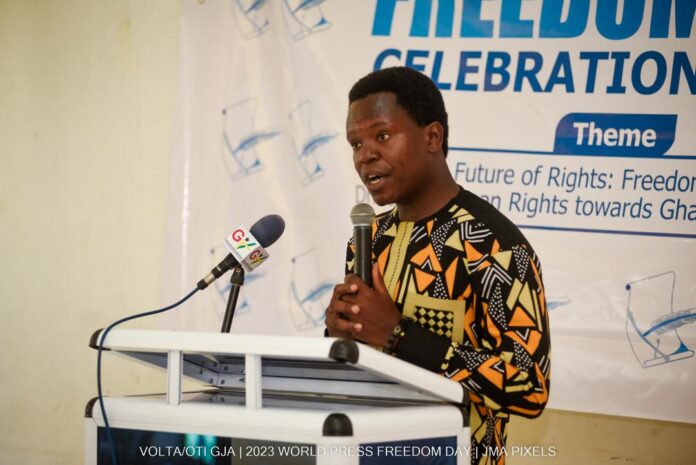
Mr. Emmanuel Agbaxode, the incumbent Chairman of the Volta Regional Ghana Journalists Association, who is seeking for re-election for the second term has pledged for better continuity and leadership when given the nod. 

He expressed commitment and dedication to promoting and improving the lives and the welfare of all journalists in the region to ensure comfortable and conducive working conditions for all. 

Mr. Agbaxode, in an interview with the Ghana News Agency, during his campaign tour at Keta, said that his major priority areas for the second term administration would be stronger capacity building, training and advocacy for journalists’ right, among others, leveraging to promote best practices. 

“My vision for the future is to help develop professional development and holistic welfare for Volta journalists and their involvement in inclusive decision making,” he said. 

Mr. Agbaxode, who is also the GNA Chief Reporter in the Volta Region, believed that having another term would provide the opportunity to build on the foundation laid and drive progress, dynamism and growth within the association for the benefit of all manner of people.  

He said that the GJA faced increasing calls to play more major proactive roles in media development, press freedom advocacy and improvements of welfare for journalists and his leadership would be crucial in addressing the challenges and promote the interest of all journalists in the Volta Region and beyond.  

His campaign messages elaborated on continuity of better administration and improve working conditions for journalists which include fair wages, professional development opportunities as well as provision of various forms of support and training to those who would need it.  

The GJA Chairman said some individuals, who are not executives but are found to usurp that authority to front for workshops for members for parochial interests and financial gains would not come along with his second coming and urged such characters to reform.  

Mr. Agbaxode’s leadership has been marked by significant achievements which include spearheading capacity-building initiatives and media engagement programmes and his commitment to promote the welfare of journalists in the region has earned him recognition and support from members who called for his second term to do more. 

Mr. King Norbert Akpablie, a GJA member in the Volta region, said the quality leadership roles exhibited so far by the incumbent GJA Volta Chairman with the experience, compassion, empathy and strong sense of justice has made him the ideal candidate for the GJA chairmanship position to continue. 

He expressed confidently that Mr. Agbaxode would continue to make a profound impact on the lives of journalists and embark on an aggressive membership drive for the Association. 

Mr. Agbaxode, who is second on the ballot paper, will be contesting Dr. Harrison Belley, whom he defeated in the last election. 

The GNA also gathered that a total of 53 GJA members in the Region would elect their leaders at both national and regional levels on Monday, June 30. 

Ghana’s Parliament takes major step towards strengthening economic governance  

0

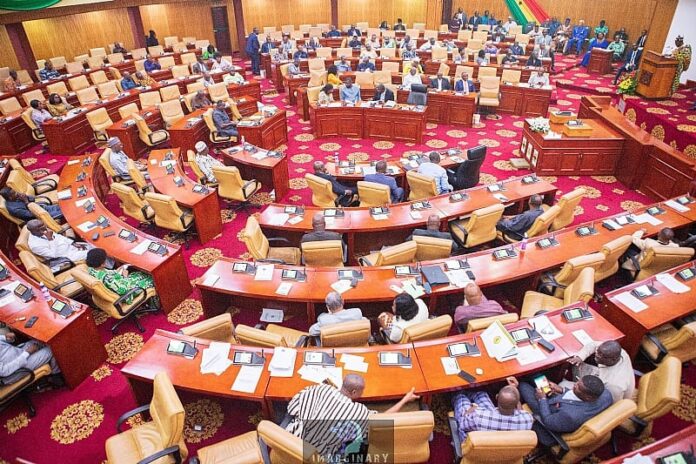
Parliament, in partnership with the UK’s Foreign, Commonwealth and Development Office (FCDO) and the World Bank, has launched a project to enhance its economic and financial governance capacity.   

The “Building the Capacity of Parliamentarians for Economic and Financial Governance” project is backed by £800,000 in funding from the FCDO through the World Bank.  

The project has, among the key objectives, to strengthen parliamentary oversight to improve fiscal management and deepen understanding of economic policies among Members of Parliament (MPs).  

It will also equip parliamentarians, especially new legislators, with necessary skills and knowledge to foster effective governance, accountability, and transparent management of public resources.  

“Economic governance that will enhance Parliament’s ability to evaluate allocations and uses of government expenditures and revenues, assess economic and distributional impacts of fiscal decisions, and ensure alignment with medium-term macroeconomic sustainability and inclusive development goals is another aim,” Mr Alban Sumana Kingsford Bagbin, the Speaker of Parliament, said at the launch in Parliament House on Wedneaday.  

He said the project marked a significant step towards fostering good governance and sustainable development in Ghana, underscoring the confidence of development partners in the country’s commitment to strengthening its democratic institutions and economic resilience.  

He added that the initiative would strengthen parliamentary oversight, improve fiscal management, and deepen understanding of economic policies among MPs over the next 18 months.  

Among the project components will be a technical Support to provide assistance on economics, Public Financial Management (PFM), tax policy, and administration to key parliamentary entities; training and Capacity building to develop training materials, toolkits, and handbooks for induction and training of members of relevant parliamentary committees and entities.  

“There will be the promotion of peer learning with other legislatures to enhance parliamentary capacity, transparency and accountability to support Parliament’s transparency and accountability efforts, fostering greater awareness and usage of published information by the media and civil society,” Mr Bagbin said.  

Madam Michelle Keane, Acting World Bank Division Director, said the World Bank was glad to be part of the important initiative.   

She said: “Members of Parliamentary committees require necessary skills and knowledge to enhance their ability to evaluate allocations and uses of government expenditures and revenues.”  

Mr Keith McMahon, Chargé d’affaires at the British High Commission, in his address, said the UK firmly believed that only Ghanaians and their elected representatives could drive Ghana’s prosperity.   

“We are proud to support both the public and parliamentarians to deliver the best economic outcomes for the country through this new partnership,” he said.