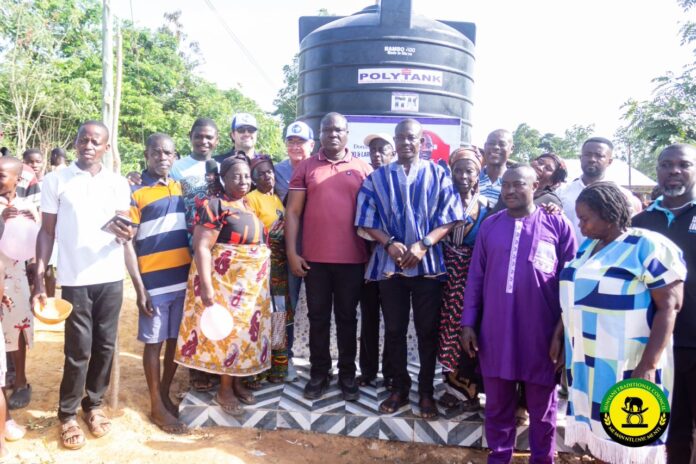
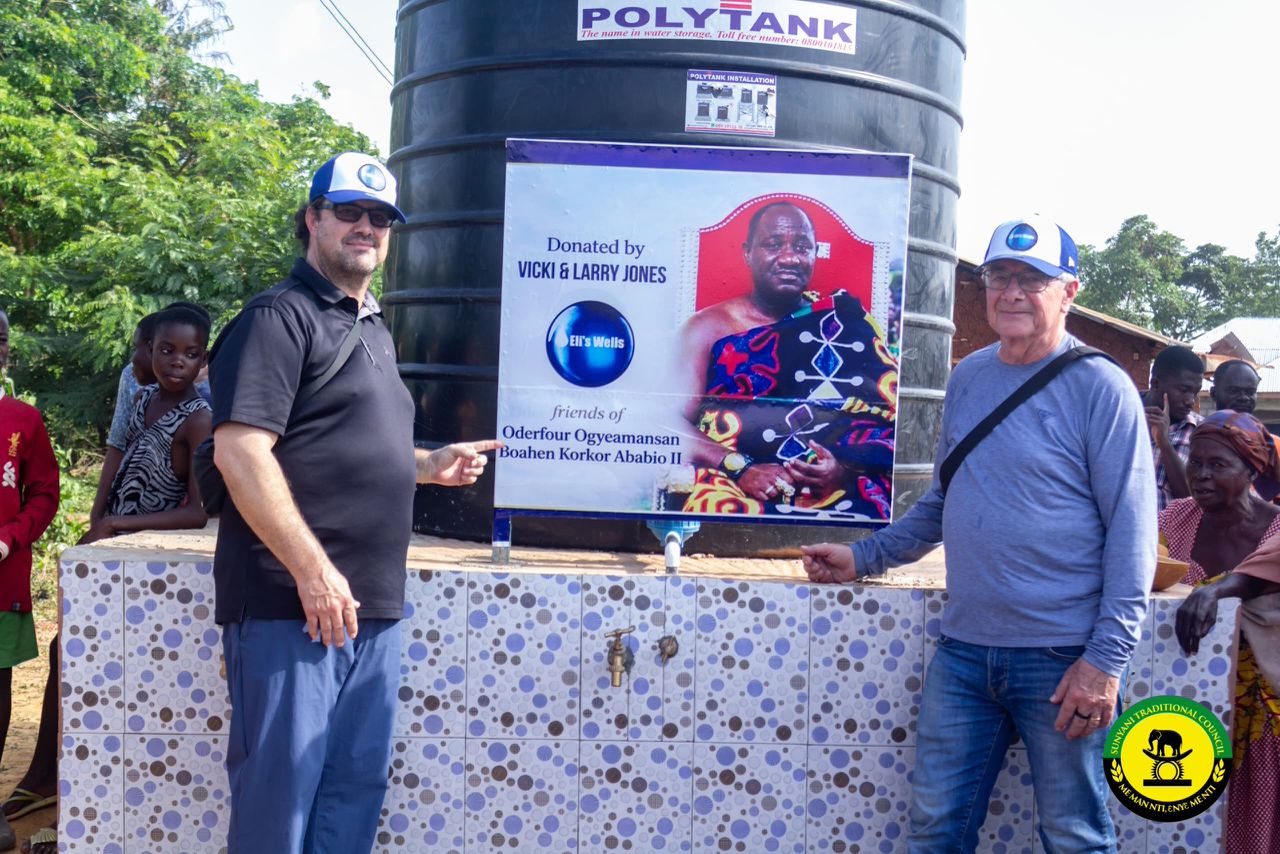
Mr Douglas Alley and Mr Jarred Stein, officials of Eli’s Well, a United States Non-Governmental Organisation (NGO) have pledged to enhance Ghana’s access to clean water by drilling more mechanized boreholes in the country. According to Mr Stein, an official of Eli’s Well USA, his son Eli came to Ghana as a missionary and “his struggles for common drinking water compelled us to start drilling boreholes for communities in Ghana, free of charge”. He said they were doing that: “through the kind support from our friends back home in the USA”. Speaking at the commissioning of two boreholes for the Baakoniaba and Yaw Sae communities in the Sunyani Municipality, Mr Stein said Eli’s Well remained dedicated to providing mechanized borehole water services for deprived communities in Ghana. According them, the gesture followed an appeal made by Ogyeamansan Boahen Korkor II, the Paramount Chief of the Sunyani Traditional Area. Mr Stein said: “We provided the people of Baakoniaba and Yaw Sae communities with the boreholes, to help alleviate their sufferings”. Mr Alley expressed his happiness working together with the beneficiary communities for enhancing access to potable drinking water. He said he was hopeful that the friendship between the NGO and the communities would be strenstrengthened morelleviate the plight of the people. “We hope that this is just the beginning of a landmark friendship”, Mr Alley stated and thanked the people for their spirit of friendship. Mr Ransford Antwi, the Chief Executive Officer of the Suncity Group of Companies and a local partner told the Ghana News Agency (GNA) that: “I decided to support them by sponsoring their accommodation whenever they’re in the city”. “That is a show of gratitude to them for the wonderful work they’re doing for our people”, he stated, saying that so far, Eli’s Well had constructed 19 boreholes for deprived communities. Mr Antwi commended the NGO for their selfless services and sacrifices to the people of Sunyani and its environs, saying that: “I see them as Angels on earth and God richly bless and empower them to do more,”.
President John Dramani Mahama, pursuant to section 11D of the Public Financial Management Act, 2016 (Act 921), as amended by the Public Financial Management (Amendment) Act, 2025 (Act 1136), has nominated five persons to constitute the Fiscal Council.
The nominees include: Dr Emmanuel Oteng Kumah, the Chairman, Professor Patrick Opoku Asuming, a representative from academia; and Mr Leslie Dwight Mensah, a representative from a research think tank.
The rest are J. Kweku Bedu-Addo, a former public policy expert from the Ministry responsible for Finance and Dr Henry Akpenamawu Kofi Wampah, a former public policy expert from the Bank of Ghana.
A statement issued by Mr Felix Kwakye Ofosu, the Presidential Spokesman and Minister of State in-charge of Government Communications, said the Fiscal Council would work to strengthen financial oversight, fiscal prudence and shape sound decision making in public financial management.
Stakeholders in the agriculture sector have intensified efforts to prevent the introduction of Banana Bunchy Top Disease (BBTD) into Ghana.
The disease, which affects banana and plantain, causes stunted growth, yellowing leaves, poor fruiting and, in severe cases, plant death.
Dr Lakpo Koku Agboyi, Senior Scientist in Invasive Species Management at CABI, said although BBTD had not been detected in Ghana, the country remained at high risk due to its presence in neighbouring countries such as Benin and Nigeria.
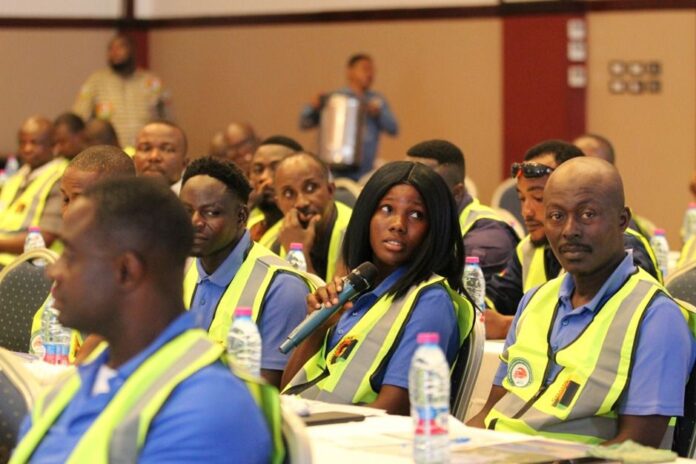
He told the Ghana News Agency at a stakeholder workshop in Accra that banana and plantain were staple foods, and any outbreak would have serious implications for food security and farmer livelihoods.
CABI is an international, intergovernmental, not-for-profit organisation that applies scientific expertise to address challenges in agriculture and the environment.
Dr Agboyi said the disease was spread by the banana aphid and through infected planting materials.
“Since most banana and plantain farmers source planting materials from their neighbours, there is a high risk of farmer-aided spread of the BBTD when it is introduced into the country,” he said.
A study by CABI found that many farmers had limited knowledge of the disease and its vector, and recommended sustained public education to support early detection, reporting and rapid response.
Over the past five years, CABI has supported surveillance and laboratory testing in collaboration with the Plant Protection and Regulatory Services Directorate and the Biotechnology and Nuclear Agriculture Research Institute.
Samples collected nationwide have so far confirmed the absence of the disease.
Professor Ken Okwae Fening, Associate Professor of Agricultural Entomology at the University of Ghana, said prevention remained the most cost-effective approach, as control after introduction would be difficult and expensive.
He advised farmers to avoid moving planting materials from unknown sources and to report unusual symptoms to agricultural extension officers.
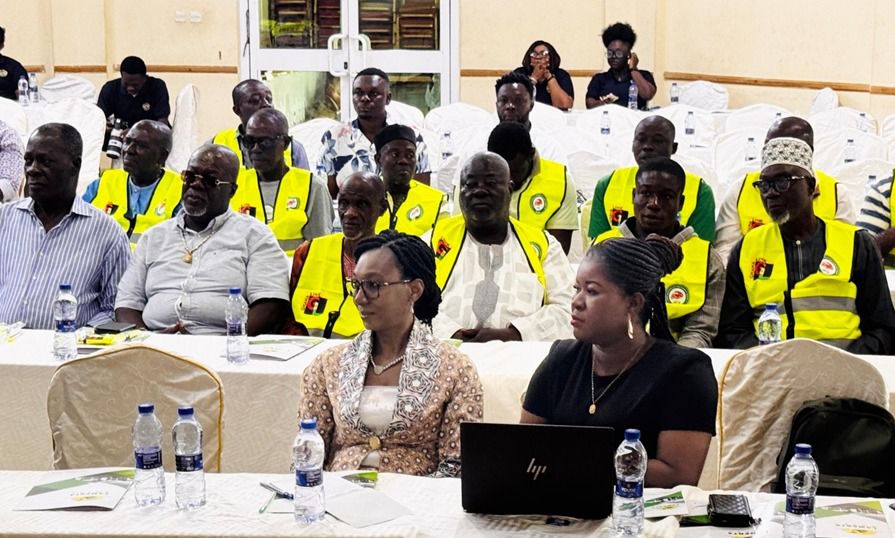
Participants called for strengthened collaboration among government agencies, researchers, development partners and farming communities to enhance prevention efforts.
They emphasised the need for effective border inspections, increased awareness, early reporting and coordinated action to safeguard banana and plantain production.
The Ghana Shippers’ Authority (GSA), in collaboration with Deutsche Gesellschaft für Internationale Zusammenarbeit (GIZ), has launched a nationwide sensitisation campaign for haulage truck drivers.
The exercise, also in partnership with the Joint Association of Port Transport Unions (JAPTU), is aimed at preparing stakeholders for the implementation of the Economic Community of West African States Supplementary Act on Axle Load Control.
A statement issued in Accra said the campaign, held in Takoradi and replicated in Kumasi and Tema, follows a policy announcement by the Ministry of Roads and Highways on the introduction of the long-anticipated Axle Load Regulations.
The statement noted that although the regulations were initially scheduled to take effect in January 2026, they were deferred at the instance of GSA to allow for broader stakeholder engagement.
The sensitisation seeks to deepen understanding of the policy framework, secure industry buy-in, promote compliance, and reduce potential conflicts between enforcement agencies and transport operators.
Musa Ibrahim emphasised that the initiative goes beyond road safety, describing the ECOWAS Supplementary Act as a landmark harmonisation platform to strengthen regional trade integration.
“This sensitisation is critical not only for safety but also for facilitating trade within the sub-region,” he said, adding that JAPTU remained committed to transparency, accountability, and trust in the implementation process.
James Hammond highlighted the importance of the programme under the GIZ Trade Hub initiative, a German government-supported project designed to promote intra-regional trade among ECOWAS member states.
He noted that compliance would enable drivers to operate without disruption while protecting road infrastructure through adherence to prescribed load limits.
Fred Asiedu Dartey, speaking on behalf of the CEO of GSA, commended GIZ for its continued support to transport and logistics development in West Africa, and JAPTU for mobilising its members for the workshops.
He underscored the central role of road transport in regional trade, particularly for land-linked countries such as Niger, Mali, and Burkina Faso, noting that effective implementation of the ECOWAS Act would enhance compliance, reduce border delays, and improve transit corridor efficiency.
Rhoda Djanitey explained that under Section 26 of Act 1122 (2024), haulage drivers would be required to register annually at a fee of GH¢250.
Registered operators, she said, would receive certification authorising them to operate across ports and transit corridors within Ghana and the sub-region. She added that formal registration would enhance institutional support, citing GSA’s recent intervention in facilitating the release of cargo trucks detained in Burkina Faso.
Elizabeth Ajarquah noted that Ghana maintains approximately 15,400 kilometres of highways, making axle load control a critical priority due to the high cost of road construction and maintenance.
She said the ECOWAS Supplementary Act seeks to harmonise axle load regulations across the sub-region, including standardised vehicle weights, dimensions, fines, and compliance mechanisms, with the ultimate goal of eliminating overloading.
She added that enforcement measures would include compliance technologies such as the “Dead Man Switch” to prevent axle tampering, corridor-based weighing fees, and provisions for auctioning abandoned vehicles after 90 days, in line with regional regulations.
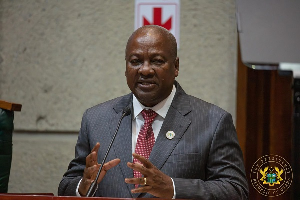
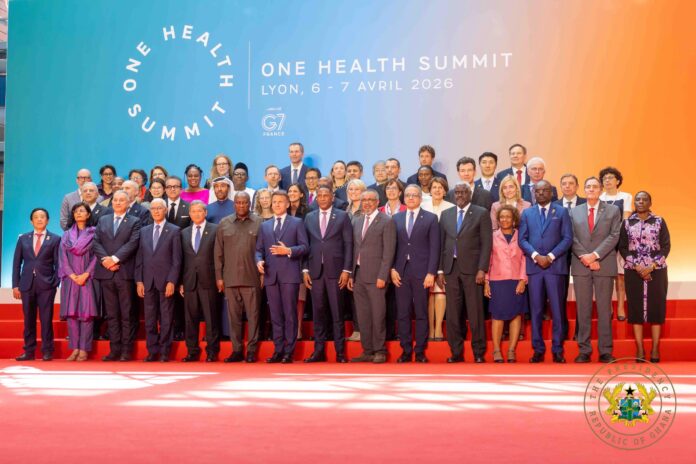
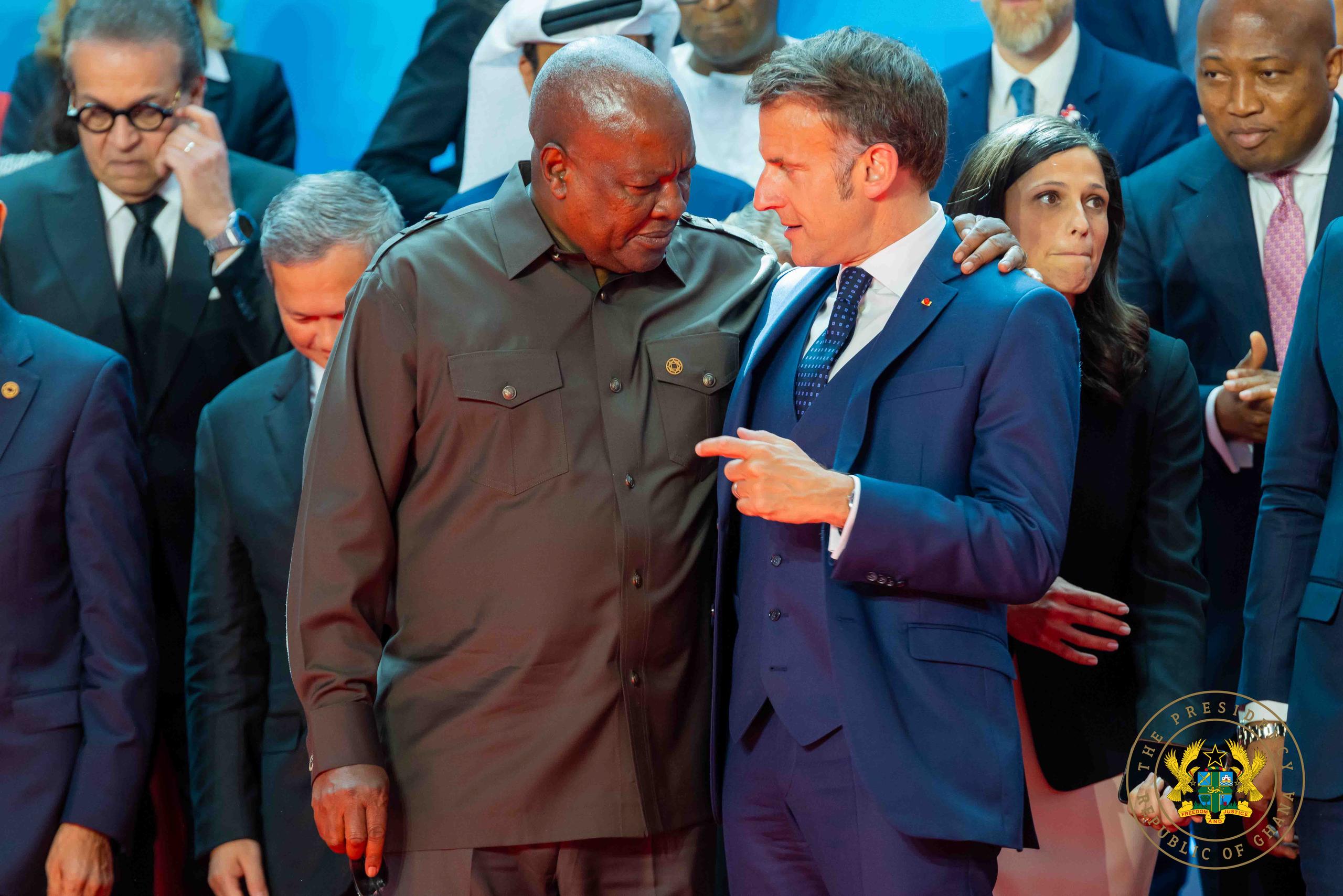
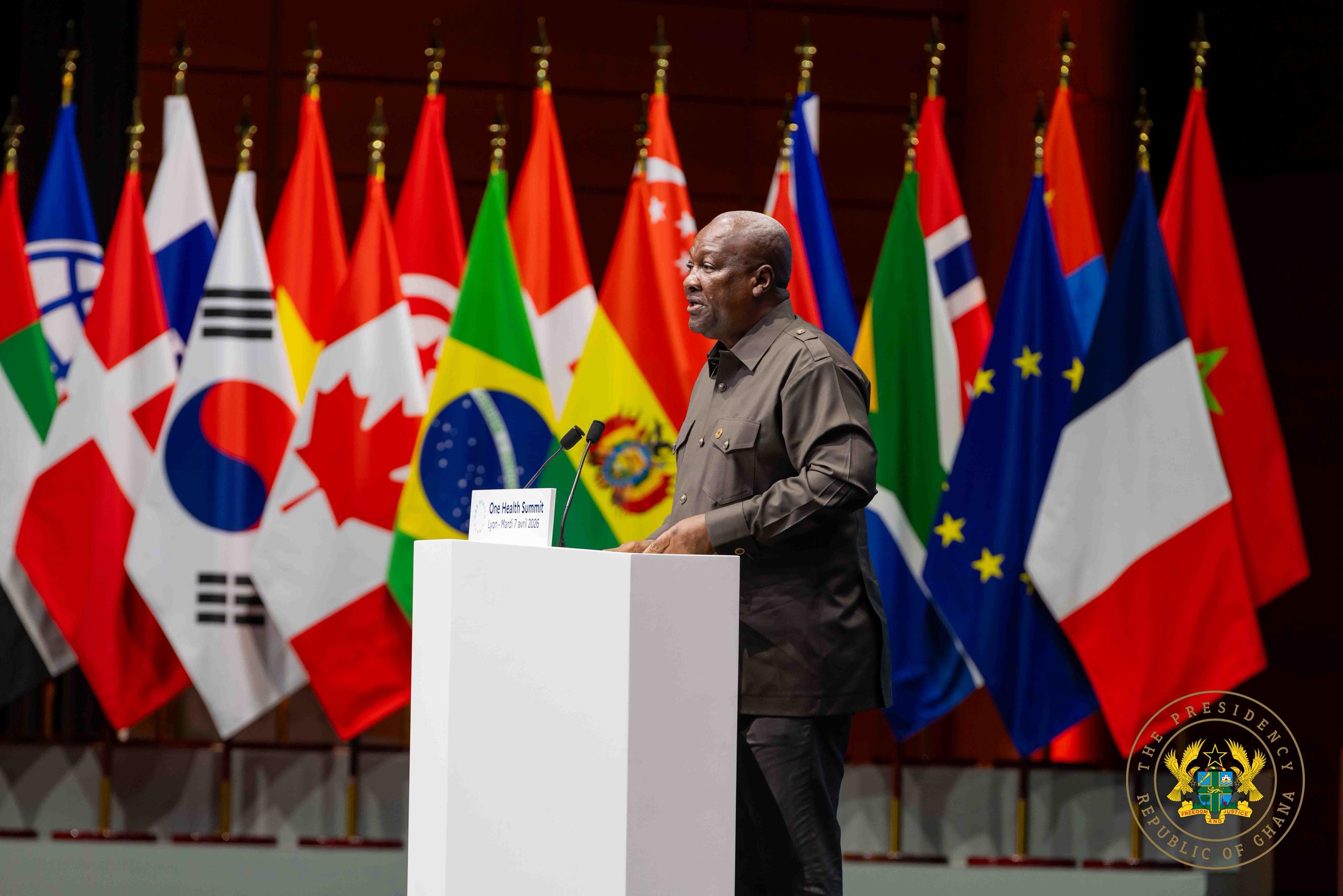
President John Dramani Mahama has called for global action to tackle rising health threats, outlining three key steps for world leaders while warning of deepening links between climate change, disease, and inequality.
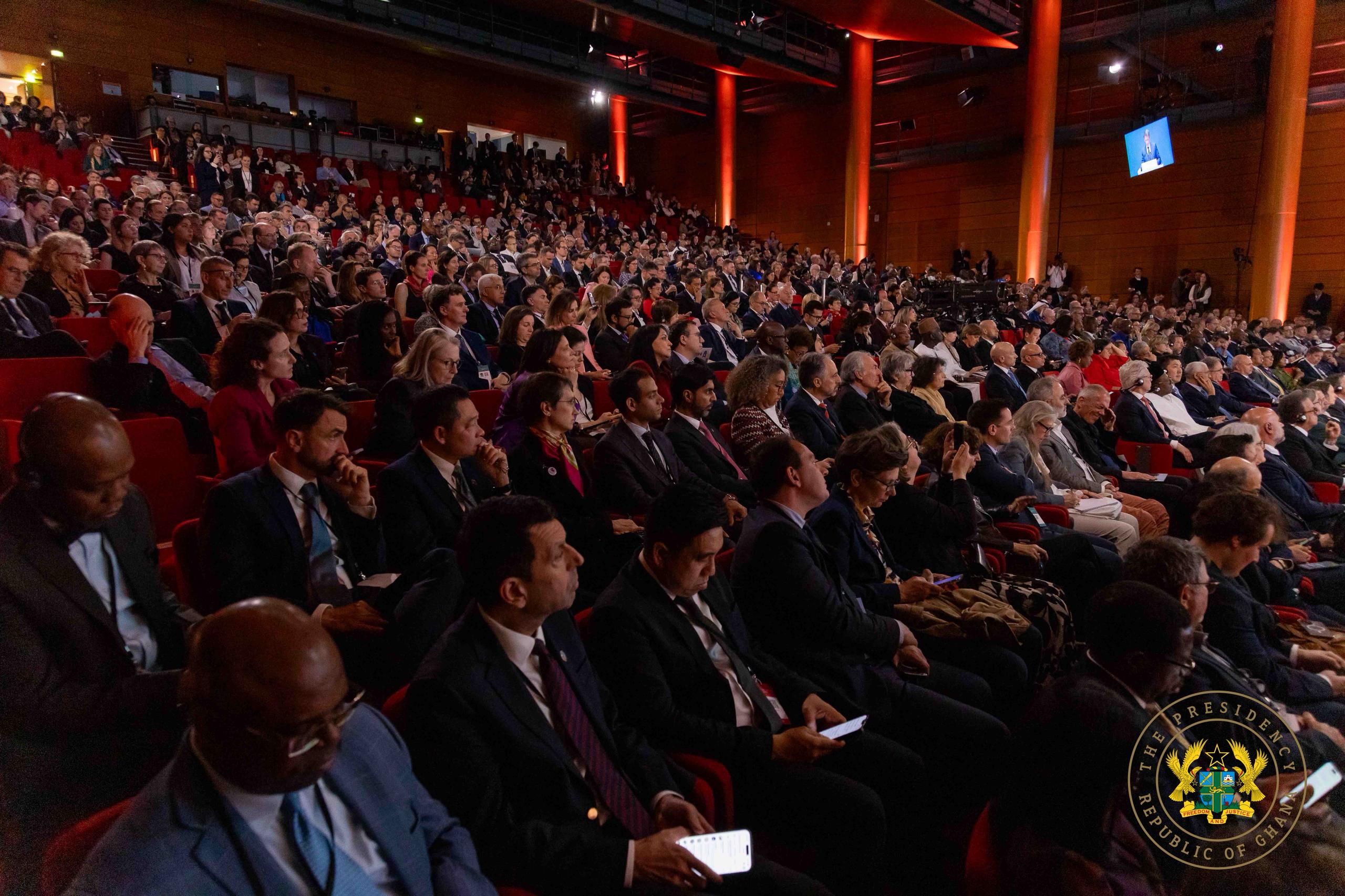
In his address at the One Health Summit 2026 in Lyon, President Mahama, who is the Founder and driving force behind the Accra Reset Initiative, said the time had come to move beyond rhetorics and deliver real outcomes.
“The period of declarations must come to an end. The moment for coordinated effort is here, and let us start from Lyon,” he said.
He said the first step must be a shift from commitment to action, insisting that global leaders must prioritise implementation over pledges.
President Mahama added that One Health strategies must be embedded into national development agendas and aligned with a broader global public health framework.
“Let us connect our One Health strategies for our national development agendas to a new global framework for public health,” he urged, adding that international security systems must also adopt the approach.
On his third call, the President stressed the need for prevention through strong surveillance systems.
“Let us concentrate on building a new preventive shield and an intelligent radar system at its source,” he said, explaining that early warning mechanisms at the community level remain the strongest defence against future pandemics.
He added that such systems must be “smart, dynamic, agile, and interoperable” to ensure efficiency and avoid unnecessary bureaucracy.
Beyond the calls to action, the President cautioned that the world was facing an unprecedented convergence of health threats affecting humans, animals and plants.
“Around the world, we are facing an overwhelming surge of health threats across borders. Every species is in the crosshairs, animals, humans and plants,” he stated.
He linked these challenges directly to climate change, saying it was the underlying force intensifying global risks.
“At the foundation of all these crises is the phenomenon of climate change; everything is interconnected,” he said, pointing to the links between infectious diseases, antimicrobial resistance and disruptions to food systems.
Drawing from Ghana’s experience, President Mahama said diseases and pests were affecting smallholder cocoa farmers, while illegal mining continued to degrade forests and pollute water bodies.
“Illegal gold mining leads to forest degradation and pollution of our water bodies, threatening the survival of precious populations of birds and insects,” he noted.
He also raised concerns about plastic pollution, warning that it was damaging ecosystems globally.
“Plastic pollution is poisoning all our ecosystems. We must advance international action in dealing with plastic pollution,” he stated.
On global inequality, the President described the current situation as unacceptable.
“The countries that are most at risk have the least resources to cope with. This must change,” he stressed, calling for fair access to financing, technology, data and innovation.
He added that a stronger Africa would benefit the entire world.
“A healthy and thriving Africa is no threat to anyone. It will be a positive force for global progress,” he said.
President Mahama also made a case for prevention-led health systems, describing them as more efficient and sustainable.
“Prevention is not only more effective, but also much more cost-effective than cure,” he stated, pointing to Ghana’s rollout of the Ghana Medical Trust Fund and primary healthcare programmes.
He argued that Africa’s traditional knowledge systems already embodied the One Health concept.
“In Africa, our lived experience leads us to accept without question that human survival, animal well-being, and environmental care form a single interconnected system,” he said.
Referencing past outbreaks, including COVID-19, Mpox, Lassa fever and Marburg, Mahama said the world has yet to fully adapt.
“Each crisis has highlighted the importance of the One Health approach,” he noted, adding that global systems remain slow to respond.
President Mahama urged leaders to show stronger political will in addressing fragmented systems.
“Let Lyon be the turning point,” he said.
President Mahama said decisions taken at the summit would have far-reaching consequences.
“The decisions we make at this summit will shape the future of global health security… let us ensure that they result in tangible, measurable outcomes for our people and our planet,” he stated.
The summit, hosted by France under its G7 Presidency, has brought together global leaders and experts to advance coordinated action on the interconnected health of humans, animals and ecosystems.
In a major move to bolster legal expertise within the Ghanaian sporting industry, the National Sports College, Winneba (NSC), is set to host an intensive five-day certificate course in Sports Law.
The program, scheduled to run from Monday, 13th April to Friday, 17th April, aims to equip sports administrators, legal practitioners, and stakeholders with the essential legal frameworks governing modern athletics.
The course features a robust schedule designed to cover the most critical pillars of sports jurisprudence. Participants will engage in both theoretical lectures and practical discussions led by a panel of international and local experts.
Madam Florence Boateng, Head of the Public Relations Unit of the College, told GNA Sports that the week would kick off with Enam Dzakpasu, who will guide participants through the foundational elements of sports law and the mechanisms used to resolve legal conflicts in the industry.
She added that Antonio Vicente would lead sessions on Tuesday focusing on sports contracts and employment relationships, bridging the gap between theory and practical application while Andre Costa dives deep into the world of professional football, specifically addressing the complex FIFA regulatory framework concerning player transfers and loan agreements.
“Thursday’s sessions will tackle two of the most pressing issues in global sports: Doping, facilitated by Fraser Williamson, and Court of Arbitration for Sport (CAS) proceedings, led by Aakash Batra,” she mentioned.
The program will culminate on Friday, 17th April, with a Mock Submission exercise. She explained that this hands-on session would allow participants to apply their week-long learning in a simulated legal environment, followed by a formal closing ceremony to award certificates.
As the business of sports becomes increasingly complex, the National Sports College continues its mission to professionalize sports management in Ghana. This course provides a rare opportunity for local professionals to learn from global facilitators, ensuring that Ghanaian sports operate under the highest standards of international law and integrity.
“The National Sports College stands as a beacon of excellence in sports education. This Sports Law course is a vital step in ensuring our administrators are prepared for the legal challenges of the modern era,” Bawah Fuseini, Director of the Sports College.
The Volta and Oti Regional Chapter of the Sports Writers Association of Ghana (SWAG), will mark its eighth year of existence with a public lecture aimed at promoting excellence and growth in sports journalism.
Dubbed the “Kwabena Yeboah Public Lecture on Sports Journalism,” the event is scheduled to take place on April 9, 2026, at the NAGRAT Hall in Ho, the Volta Regional capital.
The lecture forms part of activities to celebrate the association’s contributions to sports development and media practice in the region over the past eight years.
President of SWAG, Kwabena Yeboah, will deliver a lecture, the renowned journalist is expected to speak on the theme: “Eight Years of SWAG Volta; The Impact and Development in Sports Journalism,” focusing on issues of professionalism, ethics, accuracy, speed, fact-checking, and criticism with national interest.
The event will be hosted by SWAG-Volta /Oti Chairman, Eric Eli Adzie, with notable personalities billed to attend, including Charles Osei Asibey, General Secretary of SWAG, Dr. Harrison Kofi Belley, Chairman of the Ghana Journalists Association in the Volta Region.
Other guest speakers include the Volta Regional Director of the National Authority, Philipina Frimpong, Volta Regional Director of Tourism, Mrs. Roberta Okaine-Fumador, Former National Athlete, Godwin Adukpo, and renowned chief editors and journalists who are expected to share insights on sports development and the role of journalism in shaping the sector.
The lecture will provide a platform for stakeholders in sports and media to engage in meaningful dialogue and chart a path for the future of sports journalism in the region and beyond.
The Regional Association is encouraging all and sundry to attend, participate, and follow the discussions geared towards strengthening sports reporting and development in Ghana.
The deaths of sixteen Cameroonian citizens who were fighting alongside the Russian military in Ukraine were reported on Monday.
On March 5, 2026, the Cameroonian Ministry of External Relations released a list of 16 names that it had received verbally from the Russian embassy in Yaoundé.
According to the document, these Cameroonian citizens died in the area of the so-called “special military operation,” which is the term used by Russia to refer to its full-scale invasion of Ukraine that began in February 2022.
On Monday, national radio read the names of the 16 citizens. The deceased’s families were urged by the authorities to contact the government.
This is the first time that Yaoundé confirms the death of Cameroonian fighters involved with the Russian military in Ukraine.
In February, an investigation from the collective All Eyes on Wagner found that hundreds of African combatants enlisted in the Russian military between 2023 and mid-2025 had died.
With 94 deaths out of 335 fighters, Cameroon recorded the highest death toll among African contingents.
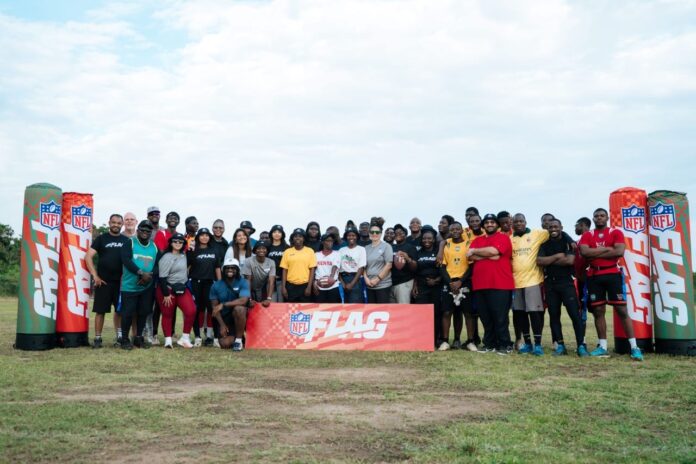
The National Football League (NFL), in collaboration with the International Federation of American Football (IFAF), as part of ongoing efforts to grow the game has hosted a four-day series of flag football development clinics in Ghana.
The event marked the electrifying beginning of something monumental for Africa, uniting passionate local educators, world-class international coaches, and influential global federation leaders under one vibrant, game-changing roof.
Flag football is one of the fastest-growing sports globally, with millions of players participating across more than 100 countries.
Ghana, alongside ten other African nations, has been privileged to benefit from this forward-thinking programme designed with a long-term vision to empower these educators with the tools, training, and resources needed to introduce, nurture, and scale the sport across schools nationwide.
Madam Afia Law, International Flag Football Development Manager at the National Football League, addressing participants, emphasized “Flag football continues to create new opportunities for athletes and communities around the world.”
She added that the team was proud to have selected Ghana, among other countries, to also partner with federations to expand access to the game and create sustainable pathways for growth across the region.
Together, the sessions emphasized both grassroots access and high-performance development, reflecting the NFL and IFAF’s shared commitment to building sustainable pathways for flag football at all levels of the game.
Mr. Lars Carlsen, Sport Manager at the International Federation of American Football, also underscored the significance of the clinic, stating that programmes like this demonstrate the power of collaboration in driving the global development of flag football.
“By working together with partners like the NFL, we are able to support national federations, strengthen coaching structures and continue building momentum for the sport as it grows internationally and moves toward its Olympic future.”
The four-day programming began with two days of locally focused development in Ghana, including a teachers clinic that provided a free opportunity for approximately 40 educators involved in the NFL Flag program.
Sessions also focused on building coaching frameworks, developing sustainable school-based programs and introducing game fundamentals, with on-field drills and gameplay offering participants hands-on experience in implementing what they learned.
The final two days expanded to an international focus, as the Africa Coaching Clinic brought together IFAF delegates and coaches from across the continent for on-field instruction, collaboration and knowledge-sharing.
The clinic featured participation from a retired Olympic sprinter from Sierra Leone, underscoring the increasing connection between flag football and the Olympic movement.
Prosper Koomson won the men’s race at the seventh edition of the Kwahu Mountain Marathon, edging former Ghana half marathon record holder Ishmael Arthur in a close finish.
Koomson, representing Arrows Athletics Club, crossed the line in 1 hour, 15 minutes and 03 seconds, finishing one second ahead of Arthur of the Ghana Armed Forces.
The two runners traded the lead for most of the race before Koomson surged clear in the final metres.
“I decided to match Arthur’s pace from the start because of his experience. He tested me at the final stage, but I didn’t give up,” Koomson said after the race.
Koomson would motivate him to intensify his training ahead of future competitions.
Arthur, who finished in 1:15:04s, said his preparation was strong but described the outcome as unexpected.
“I have been competing here for six years. This finishing surprised me, and I believe it won’t happen again,” he said, adding that the challenging terrain makes the race a benchmark for endurance runners.
Ayisi Godfred of Suhum finished third in 1:18:58s, followed by Emmanuel Amponsah of the Ghana Fire Service in 1:21:28s and Koligma Nabesame of the Oti Region in 1:24:50.
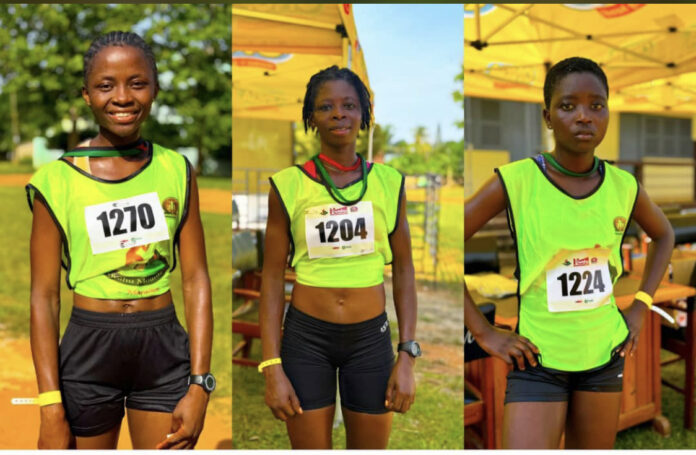
The women’s race was won by Portia Anaaba, who claimed her first major half marathon title.
Competing for All Nations Athletics Academy in the Ashanti region, Anaaba finished in 1:32:52 after pulling clear of teammate Christiana Asibi Mumuni in the latter stages.
Mumuni took second place in 1:35:17s, while Stephani Konlan of Arrows Athletics Club was third in 1:37:17s.
The marathon course, which passed landmarks including Rock City Hotel, is known for its steep climbs and scenic routes.
On the sidelines of the marathon, a cooking competition showcased some sumptuous Ghanaian delicacies.
The marathon organised by the Marathon Foundation Ghana in collaboration with the Kwahu Traditional Council was supported by Franko, Yopoo Clean and Promasidor Ghana, producers of Onga, Twisco, Cowbell, among others.