
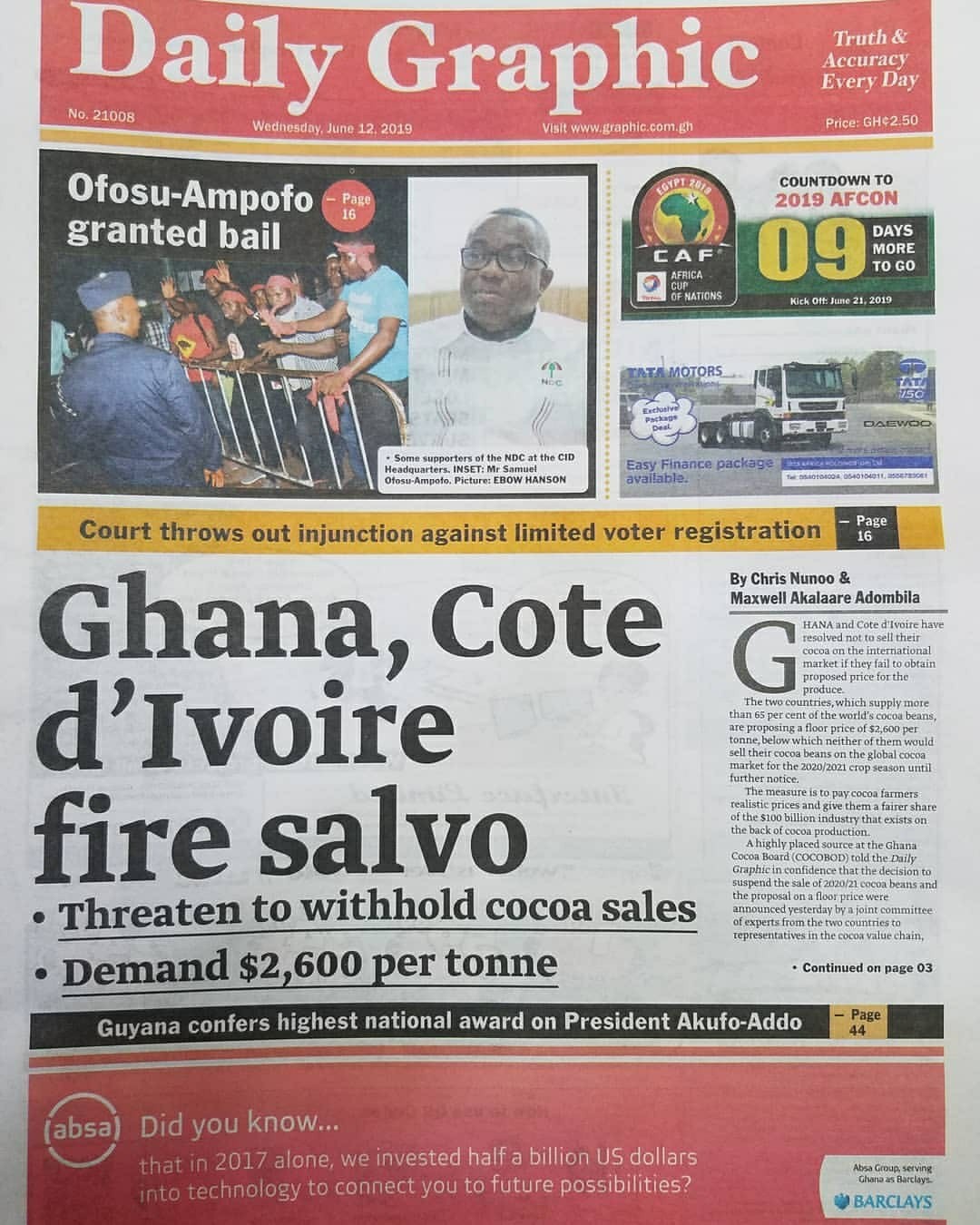
[ngg src=”galleries” ids=”71″ display=”basic_thumbnail”]
Hazard warned ‘sometimes the grass isn’t greener’ as Chelsea legend reflects on €100m Real Madrid move

The Belgium international has completed a move to the Santiago Bernabeu, with Pat Nevin saying he may face a “tough” few years in the Spanish capital
Eden Hazard has been warned that “sometimes the grass isn’t greener”, with Chelsealegend Pat Nevin saying the Belgian could face a few “tough” years at rebuilding Real Madrid.
A former Blues star has no issue with a 28-year-old forward having taken the decision to head for Spain in a €100 million (£88m/$112m) deal.
Hazard is considered to have offered enough across seven years at Stamford Bridge to be deserving of a move to a club that he always dreamed of representing.
There is, though, a feeling that one of the finest talents on the planet has joined Madrid at a difficult period in their illustrious history.
Hazard has been acquired to help aid their recovery from a forgettable 2018-19 campaign, but it will take much more than one player to deliver the kind of reward that all parties are hoping for.
“It may be surprising to a lot of people [but] I’m delighted for him,” Nevin told BBC Radio 5 Live.
“Absolutely really happy for the guy, he wanted that.
“He’s given seven years to that club and he has been stunning through those seven years.

“His behaviour has been impeccable, he is the most skilful player I think has ever played for Chelsea Football Club.
“Certainly among the very few, three or four greatest players that’s ever played for the football club as well.
“He’s given all those years to it, good luck to him in his next adventure, he deserves it.
“Do you know what, I think most Chelsea fans would feel exactly the same way about it.
“Boy we will miss him and we’ll miss his skills, being able to see them in the Premier League. But you have to live with it and go forward.
“I just like the fact that the good guys now and again are allowed to shine and be special, and I liked his personality as well.
“Well done Eden, I hope you have a good time at Real Madrid.
“I’ll just say one thing: sometimes the grass isn’t greener.
“And I’ll tell you what, Real Madrid might be a tough one for the next few years.”
Hazard departs Chelsea having netted 110 goals for the club in 352 appearances and helped them to two Premier League titles, two Europa Leaguesuccesses, one FA Cuptriumph and a League Cup win.
‘I will not speak’ – Ronaldo refuses to answer Ballon d’Or questions despite Nations League triumph
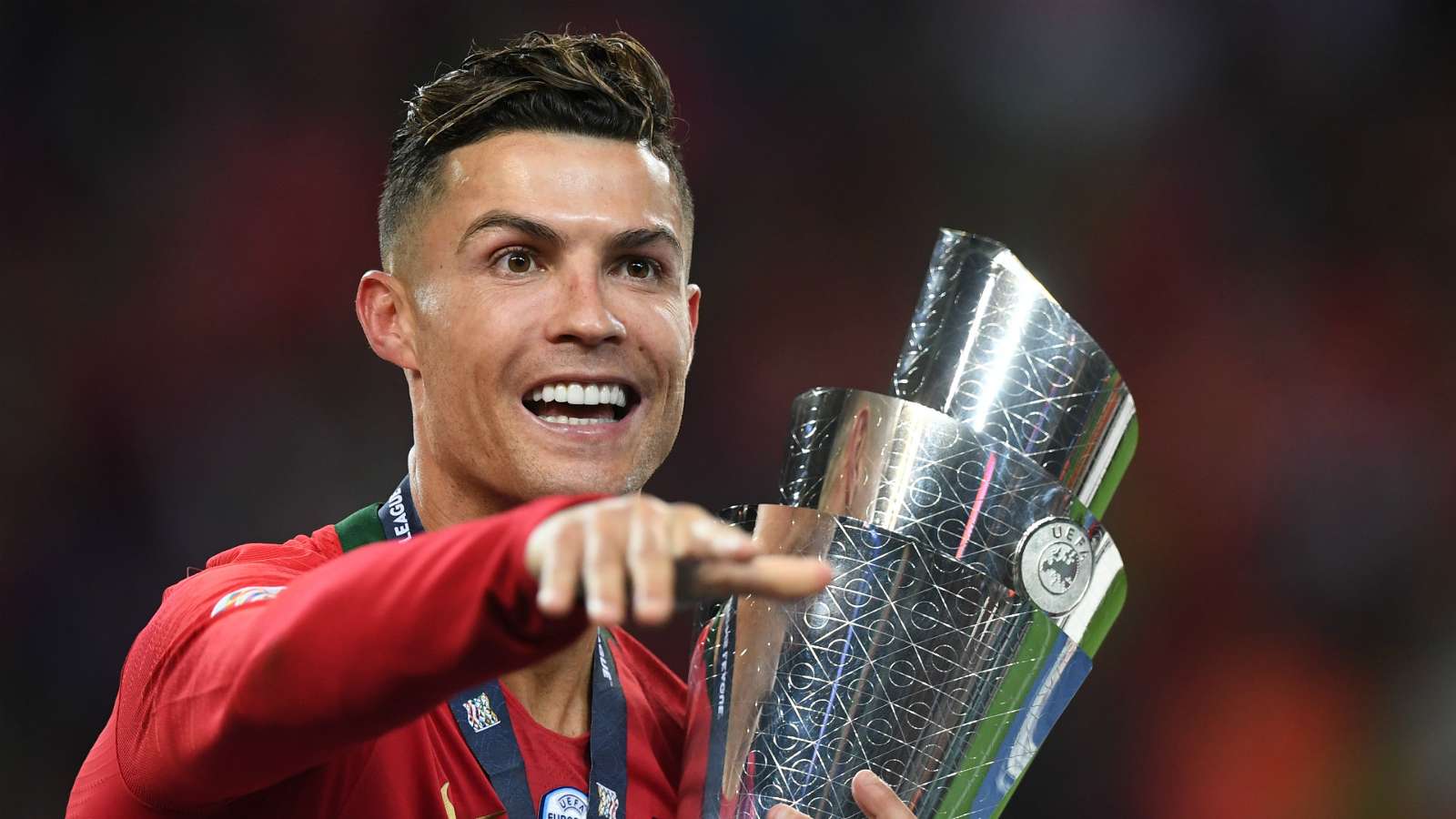
The Juventus forward would not be drawn into debate over the award when pressed by reporters following his second international trophy
Cristiano Ronaldo refused to answer whether Portugal’s victory over the Netherlandswill aid his chances of reclaiming the Ballon d’Or.
The Portugal star and his long rival Lionel Messi had won every Ballon d’Or for a decade until Luka Modric broke up that dominance with his victory in 2018.
It is expected Messi’s standout season will return him to the forefront of the conversation in 2019, and the Barcelonastar will have an opportunity to pad his resume when Argentinatake part in the Copa America this summer.
There also appears to be a new challenger in the form of Liverpooldefender Virgil van Dijk, who helped guide the club to their sixth Champions Leaguetitle. a narrow miss of their first-ever Premier League title despite posting the third highest point total in the competition’s history, as well as helping the Netherlands to the Nations League final.
However, Ronaldo may have made an argument of his own after helping Juventusto yet another Serie Atitle, while his hat-trick against Switzerlandin the Nations League semi-final proved instrumental in his nation’s quest for their latest major trophy.
And with Ronaldo’s Portugal getting the better of Van Dijk’s Netherlands 1-0 in the final thanks to Goncalo Guedes’ 60th minute winner, there is some question whether the forward has vaulted himself back into the conversation.
But Ronaldo did not wish to discuss that in the mixed zone following the victory.
When asked if the Portugal’s victory takes him closer to a sixth Ballon d’Or, Ronaldo answered: “The goal for the match was to win and to play well.”
Ronaldo continued to be pressed as he left the mixed zone, but when once again asked about the award, told reporters: “No, I will not speak about the Ballon d’Or.”
The Nations League victory was a second triumph for Ronaldo on the international stage, following Portugal’s 2016 win in the European Championships.
Ronaldo scored three goals in seven games at that tournament in France, though he missed most of the extra-time win over the hosts in the final after going down with injury in the first half.
He also took part in Portugal’s run to the 2004 Euro finals, scoring two goals in six games, though the nation was defeated by Greece in the final.
Harry Maguire wanted by Manchester City and Manchester United this summer

Manchester City and Manchester United are set to go head to head for Harry Maguire now that England’s Nations League campaign is over, Sky Sports News understands.
The local rivals both want to sign the England defender this summer and are prepared to enter talks over a deal that would likely smash the record for an English defender.
But one source has told Sky Sports Newsthe Foxes believe he is worth in the region of £80million – more than the world record set by £75m Virgil van Dijk last year.
Both City and United are understood to be reluctant to pay that much – but any fee would almost certainly break the £50m City spent on signing Kyle Walker from Tottenham in 2017.

Maguire’s move is expected to be a market trigger for centre-backs this summer, with United putting Napoli’s Kalidou Koulibaly next on their list if they see Maguire move to the Etihad.
Although United boss Ole Gunnar Solskjaer wants to revamp his squad with the best young English talent he can, Pep Guardiola would be able to offer Maguire Champions League football and the prospect of trying to fill Vincent Kompany’s shoes.
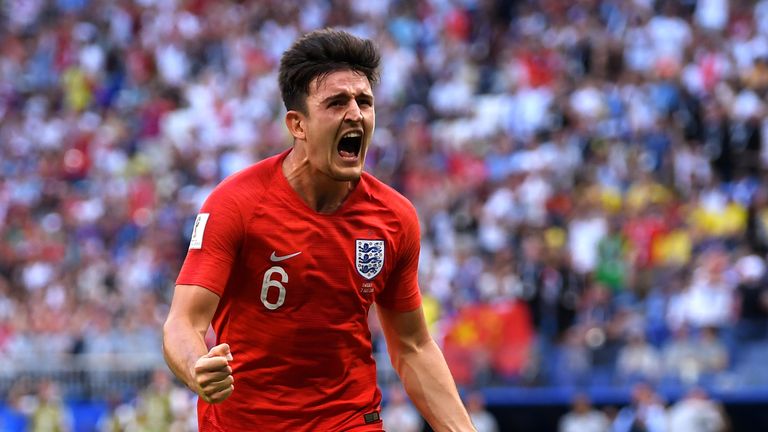
Although Leicester do not want to lose Maguire, they are understood to have begun drawing up a list of potential successors that includes the Burnley defender and England hopeful James Tarkowski.
Maguire will not agitate for a move if it does not materialise, Sky Sports Newsunderstands, with the player said to be thankful to the Foxes for putting their faith in him with a £17m deal from Hull City in 2017.
Since he moved to the King Power, Maguire has established himself as first-choice in Gareth Southgate’s England squad and became a household name with his immense performances at last year’s World Cup.
Blood donation: What are the rules about giving blood?

Giving blood is something that comes with a lot of rules.
But there are also a lot of myths and half-truths that people believe.
The number of men giving blood has dropped by 24.8% over the past five years, and the number of women giving blood has dropped by 6%, according to NHS Blood and Transplant (NHSBT).
They’re asking for more donors – and the chances are you’re eligible.
So what actually are the rules around giving blood?
There’s no ban on veggies giving blood
Myths around blood donation are something NHSBT is used to dealing with – and a few years ago a survey was commissioned to find out what misconceptions people had.
It found that 3% of the more than 2,000 adults they asked thought being vegetarian could stop people from donating.
The concern comes down to iron – a key component in blood – and a worry that vegetarian diets contain less of it.
If your blood is low in iron, you won’t be allowed to donate for your own safety.
But as long as you follow a well-balanced diet you should get enough iron in your body.
If you’ve got tattoos and piercings, you’re not automatically banned
You can still give blood if you get a tattoo or a piercing, contrary to what 20% of people surveyed by NHSBT believed.
There is a rule though: you have to wait four months from the date of your tattoo or piercing before donating.
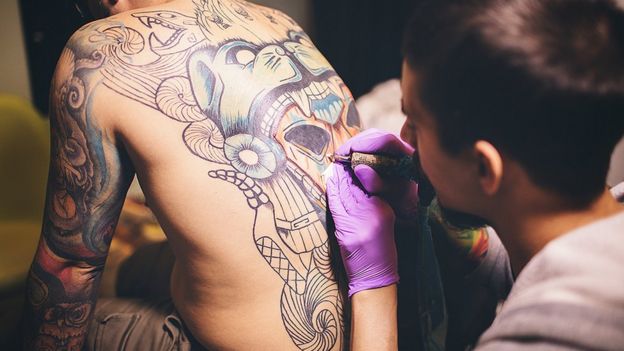
And if you give blood between four months to a year after having a tattoo or piercing, staff at the donation centre might have a few extra safety checks to do.
Don’t worry, there isn’t a limited amount of blood in your body
The average adult has around 10 pints of blood in their body.
Making a donation uses about one pint, and your body works quickly to replace all the fluids and cells that have been lost. The blood you’ve donated is usually replenished within 24 hours.
Your body is incredible – it can make around 2m new red blood cells every second, according to NHSBT.
If you’ve been sick, you might need to wait a while
You should be completely recovered from any infection for at least 14 days before giving blood – and if you’ve been on antibiotics you’ll have to wait seven days after finishing your medication before donating.
If you’re on specific medical treatment, check with your local blood donation centreto see if you’re eligible to give blood.
The rules around sex are less complicated than you might think
You can give blood without a waiting period unless…
You’re a man who’s had sex with another man in the last three months.

You’ve had sex with a partner who’s injected any type of drugs within the last three months.
You’re a sex worker – although you may be accepted if you’ve not received money or drugs for sex in the past three months.
To sum up, you can donate blood if…
- You are fit and healthy
- Weigh between 7 stone 12 lbs and 25 stone (or 50kg and 160kg)
- Are aged between 17 and 66
- Are over 70 and have given blood in the last two years
Chinese imports drop as growing tensions with US cloud trade
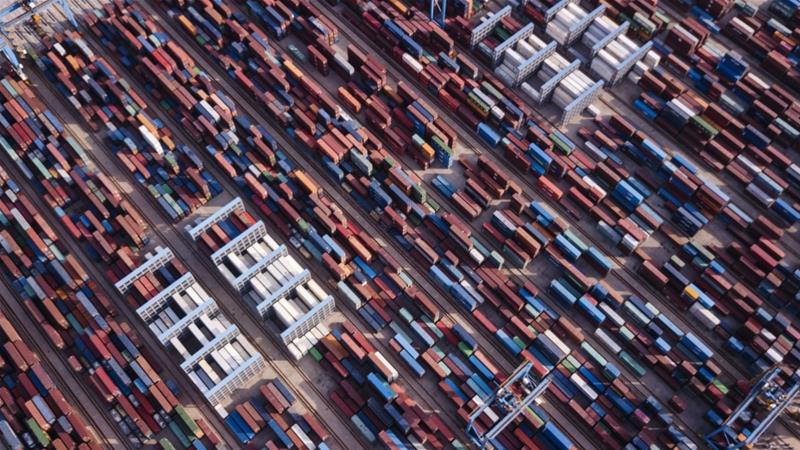
China’s imports tumbled in May and a surprise rise in exports wasn’t enough to dispel concerns that the economic dispute with the U.S. will intensify and damage the global economy.
Imports declined by 8.5% in May from a year earlier, according to the customs administration, more than double the forecast drop. While exports rose 1.1% compared to an expected decline, shipments to the U.S. fell for a second month.
The fall in imports underscores the weakness of the domestic economy while the uptick in exports may well prove temporary, as it’s likely driven by manufacturers front-loading shipments ahead of threatened new U.S. tariffs. That’s worrying for the global economy, and with no sign of any breakthrough so far between the U.S. and China, it only increases the importance of a possible meeting between Presidents Donald Trump and Xi Jinping at the G-20 leaders summit in Osaka later this month.
“We expect export growth to remain positive in June, likely supported by continued front-loading of China’s U.S.-bound exports,’’ said Lu Ting, chief China economist at Nomura Holdings Inc. in Hong Kong. “Beijing will likely step up its stimulus measures to stabilize financial markets and growth.’’
Some commodity imports dropped, with the volume of soy-bean imports down 12.2% in the first five months from a year earlier, and copper products and iron ore also down. Oil, natural gas and coal imports were all up over the same period
“Import growth slumped on slowing domestic economy and on the prospect of worsening trade tensions,” said Xia Le, Hong Kong-based chief Asia economist at Banco Bilbao Vizcaya Argentaria SA. “As some of the Chinese imports are processing trade, they will cut purchases when the outlook for exports declines.”
Finance chiefs from the world’s largest economies warned at the weekend that escalating trade and geopolitical tensions pose the biggest risk to global growth. They said that although growth appears to be stabilizing, it “remains low and risks remain tilted to the downside,” according to a statement at the end of their summit in Fukuoka in southwestern Japan. As trade and geopolitical tensions intensify, they said they stand ready to address these risks with further action.
For the domestic economy, People’s Bank of China Governor Yi Gang said in an interview last week that there’s “tremendous” room to adjust monetary policy if the trade war deepens, and also signaled that he is not wedded to defending the nation’s currency at a particular level.
Nomura’s Lu said exports will tumble in the third quarter when he expects threatened U.S. tariffs on about another $300 billion of products to be imposed. The U.S. Trade Representative started reviewing imposing 25% tariffs on those products last month.
“This is a set of disturbing numbers,’’ said Tao Dong, vice chairman for Greater China at Credit Suisse Private Banking in Hong Kong. “Not only are Chinese exporters rushing delivery to the U.S., trying to beat the tariffs launching date, but also the Chinese tech companies are rushing imported component orders in fear of supply disruptions. It seems to suggest domestic demand has weakened more than expected.”
Oil price climbs after Saudi-Russia pact
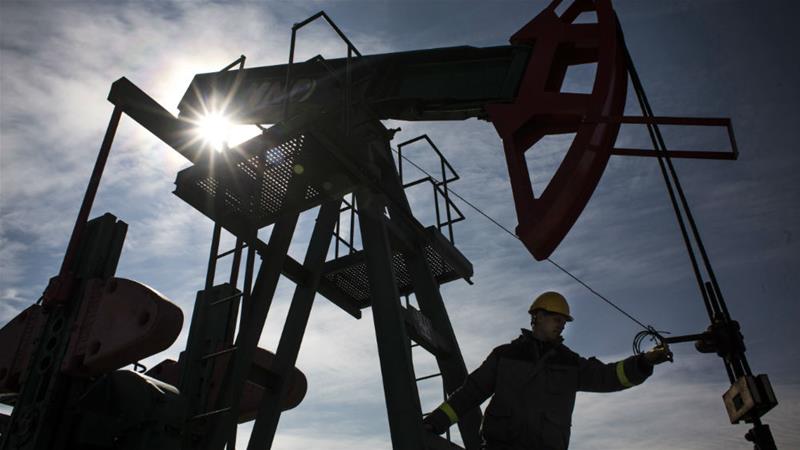
Oil extended gains above $54 a barrel after drilling activity slowed in the world’s biggest producer and the top two crude exporters agreed to try and keep global markets in balance amid weakening demand.
Futures rose 0.6% in New York after jumping 2.7% Friday. U.S. working rigs fell to the least since early 2018 last week, Baker Hughes data show. Saudi Arabia Energy Minister Khalid Al-Falih said Friday he was sure OPEC and its allies will extend output cuts into the second half of the year. His Russian counterpart, Alexander Novak, said the two countries had agreed to take coordinated action.
Crude has fallen around 18% from a peak in late April and volatility has jumped as deteriorating U.S.-China trade relations cast a pall over the global growth outlook, while rising tension in the Middle East kept investors on edge. A united front from the Organization of Petroleum Exporting Countries and its allies is helping to restore some stability, although the group has yet to confirm a date for its next meeting at which it will decide on the output curbs.

“Oil prices continue to swing on headline news and fundamentals have taken a back seat in the current climate,” said Howie Lee, an economist at Oversea-Chinese Banking Corp. in Singapore. “The macro environment is not tranquil” and any delays from OPEC on its next meeting will “likely lead to a safety first mentality,” he said.
West Texas Intermediate futures for July rose 30 cents to $54.29 a barrel on the New York Mercantile Exchange at 7:34 a.m. in London after climbing as much as 1.6% earlier. The contract jumped $1.40 to $53.99 on Friday and eked out its first weekly gain in three weeks.
Brent for August settlement added 28 cents, or 0.4%, to $63.57 a barrel on London’s ICE Futures Europe Exchange after advancing as much as 1.3% earlier. It closed up 2.6% at $63.29 on Friday. The global benchmark crude was trading at a $9.12 premium to WTI for the same month.
American working rigs fell by 11 to 789 in the week through June 7, according to the Baker Hughes data. That was the fourth drop in five weeks and takes the decline this year to 96.
While Saudi Arabia and Russia appeared to be in agreement on extending output cuts, they stopped short of any specific commitments on production volumes when the current agreement expires at the end of June.
“I don’t think there will be a need to deepen the cut, but whether we need to scale it back a little bit will depend on what happens in Iran, Venezuela, other countries,” Al-Falih said.
G20 finance chiefs: Global growth at risk due to trade row
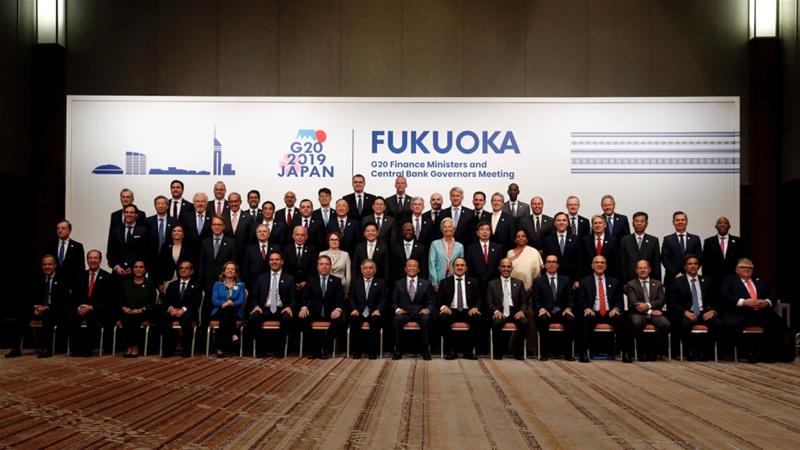
Group of 20 finance leaders said on Sunday that trade and geopolitical tensions have “intensified”, raising risks to improving global growth, but they stopped short of calling for a resolution of a deepening United States–Chinatrade conflict.
After reports of rocky negotiations that nearly aborted the issuance of a communique, finance ministers and central bank governors meeting in southern Japan affirmed language issued in Buenos Aires last December that offered tepid support for a rules-based multilateral trading system.
“Global growth appears to be stabilising, and is generally projected to pick up moderately later this year and into 2020,” the G20 finance leaders said, in a communiqueissued as the meetings in Fukuoka closed.
“However, growth remains low and risks remain tilted to the downside. Most importantly, tradeand geopolitical tensions have intensified. We will continue to address these risks, and stand ready to take further action,” the communique said.
It also said that G20 finance leaders had agreed to compile common rules by 2020 to close loopholes used by global tech giants such as Facebook and Google to reduce their corporate taxes.
And the communique contained pledges to increase debt transparency on the part of both borrowers and creditors and to make infrastructure development more sustainable, an initiative launched in the wake of complaints that China’s massive Belt and Road infrastructure drive was saddling poor countries with debt they could not repay.
But the final language reportedly excluded a proposed clause to “recognise the pressing need to resolve trade tensions” from a previous draft that was debated on Saturday.
The deletion, which G20 sources told the Reuters news agency came at the insistence of the US, shows a desire by Washington to avoid encumbrances as it increases tariffs on Chinese goods. The statement also contains no admissions that the deepening US-China trade conflict was hurting global growth.
A positive tone
But some analysts said the talks were less confrontational than they might have been. An agreement on Friday – as the G20 meeting kicked off – by US President Donald Trump to not impose punitive tariffs on Mexican goods in return for Mexico’s commitment to control migration flows into the US set a positive tone for the meetings.
“Japan was really trying to keep the big issues on the sidelines,” Martin Schulz, senior research fellow at the Fujitsu Research Institute, told Al Jazeera. “The European Union was pushing for some advance on the trade side, which was extremely unlikely, and the US looked in such a confrontational mood just before the meeting, so it was a really open question how it would go.”
The G20 represents 19 of the world’s largest developed and developing nations and the EU.
International Monetary Fund Managing Director Christine Lagarde said she “emphasised that the first priority should be to resolve the current trade tensions” while working to modernise international trading rules.

The IMF warned last week that while growth was still expected to improve this year and next, the US-China tariff war could knock 0.5 percent from global GDP output in 2020, about the size of G20 member South Africa’s economy.
Netherlands-based investment bank ING said in a report last week that it sees global trade growing at its slowest pace in a decade.
“The strong setback to world trade growth at the end of 2018 and the damage from the trade war will make 2019 the worst year for trade since the financial crisis, with only 0.2 percent growth,” it said in its report.
US Treasury Secretary Steven Mnuchin said on Saturday he did not see any impact on US growth from the trade conflict, and that the government would take steps to protect consumers from higher tariffs.
Mnuchin met People’s Bank of China Governor Yi Gang on Sunday in the first meeting of high-level US officials in a month. In a tweet, Mnuchin called the meeting “constructive” and “a candid discussion on trade issues,” but offered no other details.
At the Buenos Aires G20 summit in December 2018, the US and China agreed to a five-month trade truce to allow for negotiations to end their intensifying trade war. But those talks hit an impasse last month, prompting both sides to impose higher tariffs on each other’s goods as the conflict nears the end of its first year.
Trump-Xi summit
The widening fallout from the US-China trade war has tested the resolve of the group to show a united front as investors worry if policymakers can avert a global recession.
The bickering over trade language has dashed hopes of Japan, which chairs this year’s G20 meetings, to keep trade issues low on the list of agendas at the finance leaders’ meeting.
Mnuchin said Trump and Chinese President Xi Jinping would meet at a June 28-29 G20 summit in Osaka.
Mnuchin described the planned meeting as having parallels to the two presidents’ December 1 meeting in Buenos Aires, when Trump was poised to hike tariffs on $200bn worth of Chinese goods.
Trump took that step in May and will be ready to impose similar 25 percent tariffs on a remaining $300bn list of Chinese goods around the time of the Osaka summit.
At the Buenos Aires meeting, the G20 leaders described international trade and investment as “important engines of growth, productivity, innovation, job creation and development. We recognise the contribution that the multilateral trading system has made to that end.”
The leaders in that communique called for reform of the World Trade Organization rules that were falling short of objectives with “room for improvement,” pledging to review progress at the Japan summit.
Sudan’s military blames protesters for deadly crackdown
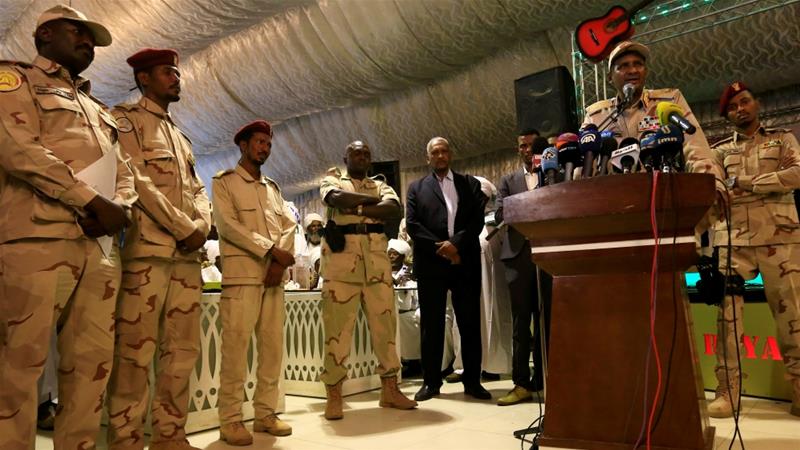
Sudan‘s ruling military has accused the protest movement of escalation as the second day of the opposition’s general strike kicked in.
Opposition and protest groups had called on workers to stay home after security forces stormed a protest camp on June 3, killing dozens and dealing a blow to hopes of a peaceful transition after the overthrow of President Omar al-Bashir in April.
Lieutenant General Jamaleddine Omar, from the ruling military council, said on Monday that by closing off roads and setting up barricades, the protesters committed a crime.
“The Alliance for Freedom and Change (umbrella protest movement) is fully responsible for recent unfortunate incidents… including blocking roads which is violating international humanitarian laws,” Omar said.
He said the military and the Rapid Support Forces – the paramilitary group accused of violently dispersing the weeks-long protest camp last week – have beefed up their presence across the country “to restore life back to normal”.
Meanwhile, protest leaders urged the Sudanese people to continue the general strike, part of a civil disobedience campaign launched on Sunday. It comes after weeks of protests to pressure the ruling Transitional Military Council (TMC) to hand power over to a civilian-led government.
Deaths and standstill
At least four people were killed on Sunday as Sudanese security forces moved to quell the civil disobedience campaign that left streets in the capital Khartoum largely deserted.
Two people died after being beaten and stabbed and two people were shot dead, the Central Committee of Sudan Doctors (CCSD) said, blaming paramilitary groups.
Security forces arrested a number of airport officials and employees of Sudan’s central bank on Sunday, according to the dpa news agency, citing colleagues of those detained.
Public transport was barely functioning and most commercial banks, private companies and markets were shut, though some state banks and public utility offices were open.
Waleed Madibo, from the Sudan Policy Forum, said the campaign is unlikely to bring down the TMC, but it could divide its leaders.
“By using violence as an imperative, it [the military] left the civic society no option but to go through with civil disobedience. They’re already rounding up political dissidents, they started assassinating leaders of the sit-in, and by doing so the Transitional Military Council has totally eliminated any chance of a political outcome,” Madibo told Al Jazeera.
Led by men in army fatigues, the raid on the weeks-long sit-in outside the army complex left more than 100 people dead, according to doctors close to the demonstrators.
The health ministry, however, said 61 people died in the crackdown, 52 of them by “live ammunition” in Khartoum.
Mediation talks
The call for “civil disobedience” came a day after Ethiopian Prime Minister Abiy Ahmed visited Khartoum, seeking to revive talksbetween the generals and protest leaders on the country’s transition.
The TMC seized power in April after removing al-Bashir on the back of months-long protests against his nearly 30-year rule.
Since then, it has resisted calls from protesters and Western nations to transfer power to a civilian administration.
Several rounds of talks with the demonstrators finally broke down in mid-May.
In a bid to revive the negotiations, the Ethiopian prime minister held separate meetings with the two sides in Khartoum on Friday.
But three members of an opposition delegation who met the Ethiopian prime minister were later arrested, their aides said on Saturday.
On Monday, state television reported that the three opposition members were released.
Yasir Arman, deputy chief of the Sudan People’s Liberation Movement-North which is part of the protest movement, was released along with Ismail Jalab and Mubarak Ardol.
Arman arrived in Khartoum in late May to take part in talks with the ruling generals but was seized two days after the crackdown began.
“The Transitional Military Council is not really serious about negotiating with civilians. This could not have been more blatant in the eye of the opposition and it certainly paralyses any effort to move forward in negotiations,” Eric Reeves, a researcher on Sudan at Harvard University, told Al Jazeera.