Home Blog Page 1337

I’m Only Investigating Nine MPs – Martin Amidu

0

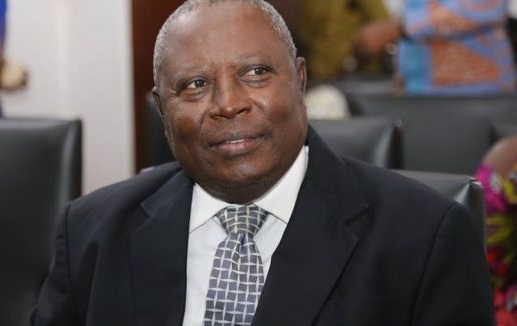
The special prosecutor Martin Amidu has stated he is only investigating nine Members of Parliament over suspected cases of corruption.

Reacting to a comment by the Majority Leader Osei Kyei-Mensah-Bonsu that the special prosecutor has a “tall list” of MPs he is probing, Mr. Amidu said: “About eight (8) other Members of Parliament from the NDC and the NPP, aside from the Hon. Mahama Ayariga, have been invited and released by Mr. Speaker for statements to be taken from them for suspected corruption and corruption-related offences.”

“The Office of the Special Prosecutor wishes to state that nine out of 275 Members of Parliament cannot by any acceptable use of the English language be said to be a tall list even for the purposes of an invitation to release Members of Parliament to assist the investigation of corruption offences,” Mr Amidu said in a statement.

“The records must therefore be set right by not remaining silent and lend credence to the falsehood that there is a tall list from the Special Prosecutor of “members who will be facing possible prosecution by the SP for various offences.”

“The Office of the Special Prosecutor shall, particularly, under the present first Special Prosecutor continue to invite members of both the Executive and Parliament without fear or favour, affection or ill will, to assist the Office in investigating the suspected commission of corruption and corruption-offices or as witnesses in such cases as required by the mandate of the Office.”

Below is the full statement:

PRESS RELEASE FROM THE OFFICE OF THE SPECIAL PROSECUTOR

THE OFFICE OF THE SPECIAL PROSECUTOR HAS NO TALL LIST OF MEMBERS OF PARLIAMENT FOR POSSIBLE PROSECUTION

Silence, they say, is golden. But there is also the saying that in normal social and administrative interaction “silence means consent except in the law of contract”.

The Minister for Parliamentary Affairs and Majority Leader, the Hon. Osei Kyei Mensah Bonsu, is reported in a publication on Ghana Web of 5th June 2019 to have said in an interview on Okay FM’s Ade Akye Abia as paraphrased by the report that: “…. Parliament through the Special Prosecutor has received a tall list of parliamentarians, both NDC and NPP members who will be facing possible prosecution by the SP for various offences.”

The Office of the Special Prosecutor wishes for the purpose of transparency and accountability to state unequivocally that the Office has not submitted any tall list of parliamentarians from both the NDC and the NPP to the Leadership of Parliament as the list of parliamentarians or “members who will face possible prosecution by the SP for various offences.”

The Office of the Special Prosecutor has from time to time made written requests to the Rt. Hon. Speaker to release named Members of Parliament to assist it in conducting investigation into allegations of the suspected commission of corruption and corruption-related offences.

Apart from the Hon. Mahama Ayariga, who is a 1st Accused in a pending case filed in the High Court and therefore facing possible prosecution, the Office has not made any decision whether or not to charge any other Member of Parliament for a corruption offence let alone for such member to face possible prosecution by this Office.

Should there be any bi-partisan agenda for publishing such untruths the public should be told upfront and boldly of their intentions and not through subterfuge.

About eight (8) other Members of Parliament from the NDC and the NPP, aside from the Hon. Mahama Ayariga, have been invited and released by Mr. Speaker for statements to be taken from them for suspected corruption and corruption-related offences.

The investigators have not submitted any investigation dockets or recommended to the Special Prosecutor whether or not they ought to be charged with any corruption offences.

The Office of the Special Prosecutor wishes to state that nine out of 275 Members of Parliament cannot by any acceptable use of the English language be said to be a tall list even for the purposes of an invitation to release Members of Parliament to assist the investigation of corruption offences.

The records must therefore be set right by not remaining silent and lend credence to the falsehood that there is a tall list from the Special Prosecutor of “members who will be facing possible prosecution by the SP for various offences.”

The Office of the Special Prosecutor shall, particularly, under the present first Special Prosecutor continue to invite members of both the Executive and Parliament without fear or favour, affection or ill will, to assist the Office in investigating the suspected commission of corruption and corruption-offices or as witnesses in such cases as required by the mandate of the Office.

When the list gets tall it will mean that the stables of corruption are getting very dirty and smelly and need to be cleared vigorously to excise the canker as demanded by the electorate at the 2016 Elections and actualized by His Excellency the President and Parliament. The Office has no evidence of such a tall list yet.

It is true as disclosed in the interview by the Minister and Majority Leader who is a dual member of the Executive and the Legislature, that the Leadership of Parliament engaged the Office of the Special Prosecutor, represented by the Special Prosecutor and the Deputy Special Prosecutor, in the morning of 3rd June 2019 in discussions over Hon. Mahama Ayariga, a 1st Accused person whose case was pending for hearing (arraignment) on 4th June 2019 pursuant to a Cause List issued by the High Court, Accra.

The invitation by the Rt. Hon Speaker to the Special Prosecutor for the discussion was dated 31st May 2019 and received in the evening of the same day and has reference number OP/SPKR/19/030 and is not a classified document.

The Special Prosecutor made it clear at the discussions with the Leadership of Parliament that no provisions of the Constitution referred to by the Rt. Hon. Speaker in his invitation letter and submission at the meeting were applicable to Members of Parliament charged as accused persons for the crimes of corruption and put before a Court of competent jurisdiction for trial.

The determination of the days on which the trial criminal court will conduct the trial was entirely for the Court to decide and not for the Special Prosecutor to compromise in a private meeting with the Leadership of Parliament.

The Special Prosecutor stated clearly that the Office will abide by any decision rendered by the Courts on the matter but will not in a side-meeting with the Leadership of Parliament agree, in advance, not to oppose such an application when raised by lawyers for the accused persons in Court simply because of their membership of Parliament.

The Rt. Hon. Speaker’s certificate on immunities and privileges to the Court on 4th June 2019 was issued after the engagement of this Office with Parliament on 3rd June 2019 and the results are well known.

The Executive and Parliament have a Constitutional and legal duty to respect the independence and impartiality of the Office of the Special Prosecutor as promised to the electorate in the 2016 elections.

Any appearance of a bi-partisan mounting of pressure on the decision making process of the Office of the Special Prosecutor sends a wrong signal not only to the citizens of Ghana but also to the international community to whom the appearance was given that all citizens are willing to equally submit to investigation and prosecution for suspected corruption and corruption-related offences.

The fight against suspected corruption has to be engaged in whole heartedly by every citizen and with total commitment as enjoined by the Constitution.

This is the time to move from lip service to real action in the fight against corruption subject only to the due process of the law.

The Special Prosecutor wishes to assure the Ghanaian public whose votes actualized the Office that he is not going to betray them and walk away from this job to satisfy any bi-partisan pressure.

The solution to gaining exception for Members of Parliament from investigation and possible prosecution for suspected corruption offences is to get the first Special Prosecutor out of office in a bi-partisan manner by impeachment or to allow the appropriate independent constitutional institution to do so.

It will not work to allege a bi-partisan tall list for possible prosecution of parliamentarians when no such a tall list exists or has been submitted by the Special Prosecutor’s Office to any office: it only enables the creation of an artificial bi-partisan smoke screen for purposes of unduly delaying or running away from justice for a category of suspects accused of the commission of corruption offences.
We’ve Not Yet Leased Out Nyinahin Bauxite Concession – Oppong Nkrumah

0

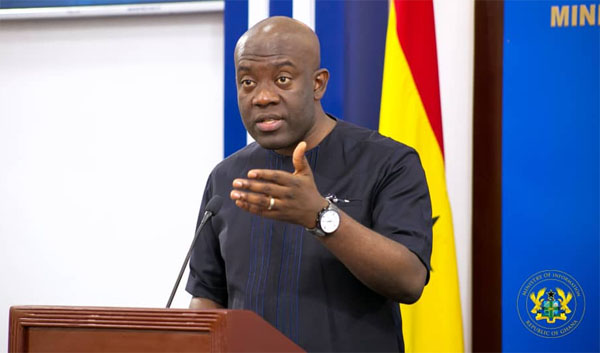
The Minister of Information, Kojo Oppong Nkrumah has dispelled claims by residents of Nyinahin in the Ashanti Region that they have not been dealt with properly with regards to activities of the bauxite enclave there.

According to him, the government has not even completed the necessary procedures to obtain the information needed for stakeholder consultations and the way forward hence, the concerns raised by the local authorities are misinformed.

Residents of communities in and around Nyinahin have expressed dissatisfaction with the government’s handling of plans to mine bauxite in the area especially on how the concession was allegedly awarded without their input.

The elders and the youth say the government has not engaged leaders of the communities in any dialogue to settle on how the mining activity under the $2 billion Synohydro deal will benefit community members.

But speaking on Eyewitness News, Mr. Oppong Nkrumah maintained that, the communities in question would be engaged after the validation of the volume of bauxite in the enclave.

“Let us ask whether any concession has been given out. Their claim is a false premise because no concession has been given out. The state is seeking to validate the volume [of bauxite] that we have there. When you validate those ones, you go to the next step of giving a lease to a company possibly to mine that bauxite. That lease will contain all other environmental impact assessment that needs to be done by the EPA before you give out that lease for a particular development project to be done. So if anyone says that a concession has been given without consulting them, then that person is misinformed. If you say a lease has been given; then to who?”

“There is no body who has been given a lease. The state through its own express is seeking to validate the quantum. When we are done, we will get to the next stage. For example, if you are going to give a lease, the necessary consultations between local authorities will take place because all mineral resources are vested in the President on behalf of the Republic. At this stage, the state needs to validate the quantum before it proceeds with any kind of further conversation”, he added.

Concerns raised by residents

Research shows that bauxite mining at Nyinahin could last for over 150 to 300 years; and is estimated at $45 billion.

This is significantly longer than at Atewa where, according to research, bauxite can only be mined for 30 years.

But the estimated impact of the bauxite in Nyinahin, along with Awaso, and Tabi Offin, will not be as significantly damaging as mining in a watershed Atewa that provides water for five million Ghanaians.

A member of the Nyinahin Elders Association and the Odikro of Yawberema, Nana Boakye Ansah said a discussion of that sort will help secure a better future for the generations in and around Nyinahin.

“[We] want to seat on a table with the government, produce papers for an agreement and send to Parliament so it can be a source of confidence between the people of Nyinahin and surrounding areas and the government of Ghana so that in the near future, even if we are dead, our children can have some benefit from the bauxite.”

Background

In June 2017, the government announced that Ghana will establish an integrated aluminium industry by mining and refining its bauxite deposits, particularly in the Nyinahini enclave.

The Ghana Integrated Aluminum Development Corporation, a Public holding company has been established and entrusted with the management and development of bauxite.

Request for proposals to select a mining company and an off-taker for the refined bauxite are yet to be announced.

It is estimated that Ghana’s bauxite deposits in refined form could earn the country an export value of over $350 billion.

Source: Citinewsroom.com

ECG Not Sold

0

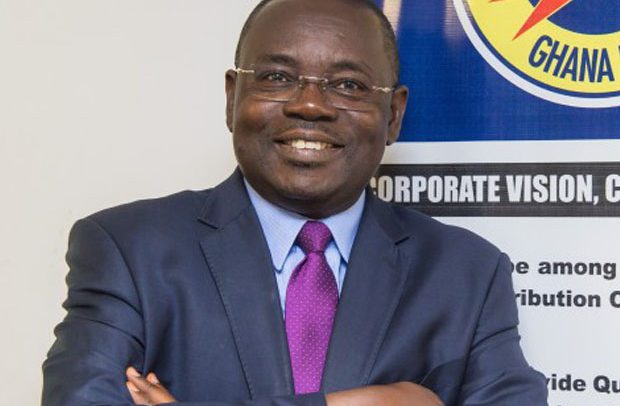
Managing Director of the Electricity Company of Ghana (ECG), Samuel Boakye-Appiah, has indicated that his outfit has not been sold out.

According to him, ECG continued to exist after the transfer of its electricity distribution services to Power Distribution Services (PDS).

He made this known at a media encounter on Thursday, June 6, 2019, in Accra.

The objective of the media encounter held at the Alisa Hotel in Accra was to inform stakeholders and the general public about ECG’s new role in Ghana’s power sector and assure them of the company’s continued existence following the transfer of its electricity distribution business to a concessionaire, Power Distribution Services (PDS) on March 1, 2019.

The transfer of the electricity services to PDS has been misconstrued by a section of the public to mean that ECG has been taken over by PDS.

But Mr. Boakye-Appiah insisted that “ECG has not been sold. ECG has not changed to PDS. ECG is still ECG. We are now an Asset Owner, Energy Trader and a provider of training and consultancy services among other future business lines.”

He added that Ghana’s energy sector has witnessed a major change in power distribution with the introduction of PDS Ghana Limited under a Concession Agreement which officially took effect on March 1, 2019.

He noted that ECG, which was until then the power distributor in Ghana, has not been sold or taken.

He indicated that the company “is still a going concern and is operating as a responsible asset owner, bulk energy trade, monitoring the concessionaire, and providing training and skills development for the energy sector in Ghana and beyond.

According to the MD, ECG would continue to play a key role in Ghana’s energy sector as a responsible asset owner safeguarding the value and condition of the distribution network and ensuring PDS compliance with the concession agreement.

In August 2014, the Government of Ghana signed the Compact II with the Millennium Challenge Corporation involving $498.2 million as the sum of the energy project.

“ECG will sell energy in bulk to PDS. PDS will in turn pay for the energy consumed and make lease payments to ECG for using ECG’s networks. PDS is now responsible for electrical network operations including regular maintenance, fault repairs, commercial operations,” he said.

BY Melvin Tarlue

One million new STIs every day, says WHO

0

One million new sexually transmitted infections (STIs) occur every single day, the World Health Organization has estimated.

That means more than 376 million new cases annually of four infections – chlamydia, gonorrhoea, trichomoniasis, and syphilis.

The WHO highlights a lack of progress in stopping the spread of STIs, and says its figures are a “wake-up call”.

Experts are particularly concerned about the rise in drug-resistant STIs.

The WHO regularly evaluates the global impact of the four common sexually transmitted infections.

It looks at published research and collects reports from its workers in countries around the world.

Compared with its last analysis in 2012, the WHO reports “no substantive decline” in the rates of new or existing infections.

It suggests around one in 25 people globally has at least one of these four STIs, with some experiencing multiple infections at the same time.

The figures suggest that among people aged 15-49 in 2016 there were:

  • 156 million new cases of trichomoniasis
  • 127 million new cases of chlamydia
  • 87 million new cases of gonorrhoea
  • 6.3 million new cases of syphilis

Trichomoniasis is caused by infection by a parasite during sex. Chlamydia, syphilis and gonorrhoea are bacterial infections.

‘Harbingers of a wider crisis’

STI symptoms can include discharge, pain urinating and bleeding between periods. However, many cases have no symptoms.

Serious complications can include pelvic inflammatory disease and infertility in women from chlamydia and gonorrhoea, and cardiovascular and neurological disease from syphilis.

If a woman contracts an STI when she’s pregnant, it can lead to stillbirth, premature birth, low birth-weight and health problems for the baby including pneumonia, blindness and congenital deformities.

Dr Peter Salama, of the WHO, said: “We’re seeing a concerning lack of progress in stopping the spread of sexually transmitted infections worldwide.

“This is a wake-up call for a concerted effort to ensure everyone, everywhere can access the services they need to prevent and treat these debilitating diseases.”

Practising safe sex, particularly through condom use, and better access to testing are both crucial, the WHO says.

In terms of treatment, bacterial STIs can be treated and cured with widely available medications.

But syphilis treatment has been made more difficult because of a shortage in the specific kind of penicillin needed, and there has been an increase in cases of so-called “super-gonorrhoea” which is almost impossible to treat.

Dr Tim Jinks, head of Wellcome’s Drug Resistant Infection programme, said: “Untreatable cases of gonorrhoea are harbingers of a wider crisis, where common infections are harder and harder to treat.

“We urgently need to reduce the spread of these infections and invest in new antibiotics and treatments to replace those that no longer work.”

Newspaper Headlines Thursday 6th June 2019

0

[ngg src=”galleries” ids=”67″ display=”basic_thumbnail”]

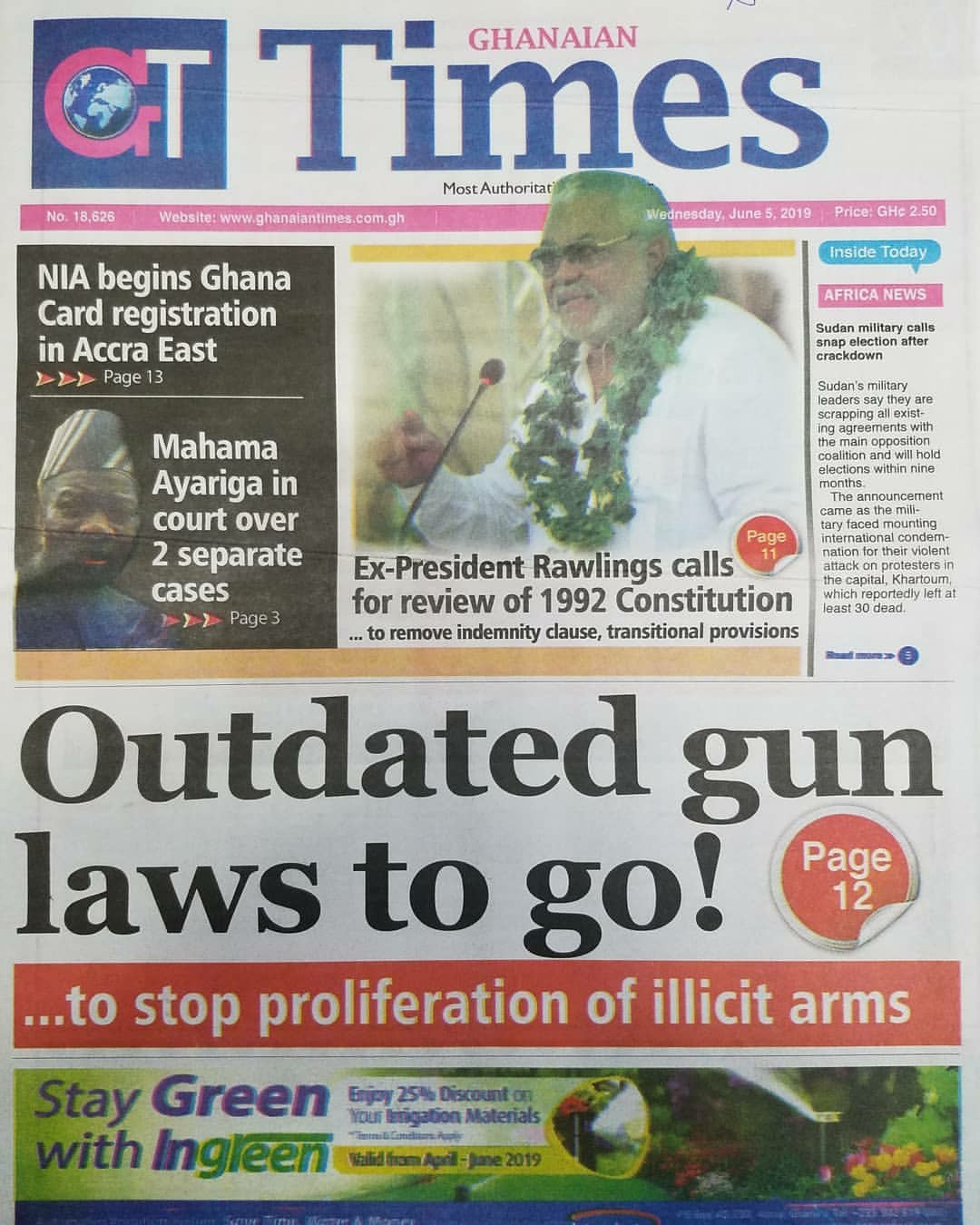
Newspaper Headlines Wednesday 5th June 2019

0

[ngg src=”galleries” ids=”66″ display=”basic_thumbnail”]

Ghana makes significant strides in addressing children’s right – Gender Minister

0

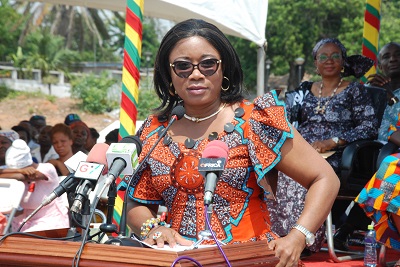
Ghana has made significant strides in addressing children’s right in the area of health, education, social welfare and justice since it ratified United Nation Convention on the Rights of the Child (UNCRC) three decades ago, Mrs. Cynthia Morrison, Minister for Gender, Children and Social Protection has said.

She said in spite of all the successes chalked, there was still a lot of work to be done to ensure a Ghana that embraces all interests of children, adding that the government was poised to commit all the necessary resources to achieve that feat.

The minister made those remarks in a speech read on her behalf by Dr Afisah Zakariah, Chief Director of the Ministry at the validation of key findings on ‘Ghana Children’s Study’, a situational analysis survey undertaken in 2018 to find out the quality, accessibility and availability of education, health, water, sanitation and social welfare facilities available to children.

The occasion was also used to launch a campaign dubbed, “End Violence against Children” which sought to draw public attention to suppress all actions that perpetuate violence against children at the home, school, workplace, welfare institutions and community settings.

The study, which was the third undertaken by the Department of Children under the Ministry, was through the collaboration of OAfrica, a non-profit organisation which supports orphans and vulnerable children in Ghana with financial support from the European Union.

Mrs Morrison said the report revealed significant achievements made by the government in addressing children’s needs regarding schooling and provision of infrastructure, healthcare and sanitation facilities.

She said one of the major strategies for monitoring and measuring progress in the quest to implement the Convention on the Rights of the Child (CRC) was through periodic situational analysis on the state of Africa’s children.

“The situational analysis study findings cover the views of children on issues affecting them, highlighting comprehensive details about the quality, accessibility and availability of education, health, water and sanitation, among others, which were available to children,” she added.

Mrs Morrison said, the study which revealed that about 57.2 per cent of the children sampled did not possess birth certificate was an indication for the need to further strengthen the capacities of Birth and Death Registry to make sure every child has a birth certificate.

She said another important revelation of the study was that some children still drop out of school due to varying reasons, in spite of the various social intervention programmes instituted by the government to increase enrolment, participation and retention of children in school.

Mrs Morrison said according to children sampled, corporal punishment still prevailed in the school, in spite of the tough stance taken by the Ghana Education Service.

She said the report also gave highlights of major policy gaps in the attempt to address the needs of the children, indicating that despite the achievement in promoting and protecting the right of children, there was still more to do to guarantee the enjoyment of the fundamental right of every Ghanaian child.

Mrs Morrison said that the research indicated that children experienced violence at home with 50.8 per cent corrected through caning and whipping, and 7.7 per cent through physical punishment with bare hands, while overwhelming children experienced punishment at school, with a little over 80 per cent of the children reporting that the corrective method used was caning.

She said the new Ghana Education Service guidelines required that cane should not be used in schools, saying, “We have therefore identified a substantial gap between policy and implementation and will focus on this on our second campaign.”

Mrs Morrison said it was imperative to find access to some of the challenges that emerged from the funding, saying that “it would be my greatest desire if the conclusions and recommendations of the report draw attention of all child rights and protection actors to find suitable actions for addressing children’s needs, and this includes the allocation of requisite resources at national, regional, local and household levels”.

Mr Platini Ashiagbor of OAfrica, said this year, their office would bring together about 500 non-governmental organisations and stakeholders in Ghana to participate in ‘KidsOurFuture NGO’ forum, which would focus on finding answers and solutions to the questions, and also creating a common platform for child rights in the country, especially for the most vulnerable.

He said at OAfrica, it was their belief that positive parenting was the best for children and that their campaign was designed to show the full horror of violence against children, in the hope that it would raise the necessary awareness to create a new culture of parenting.

BY LAWRENCE MARKWEI

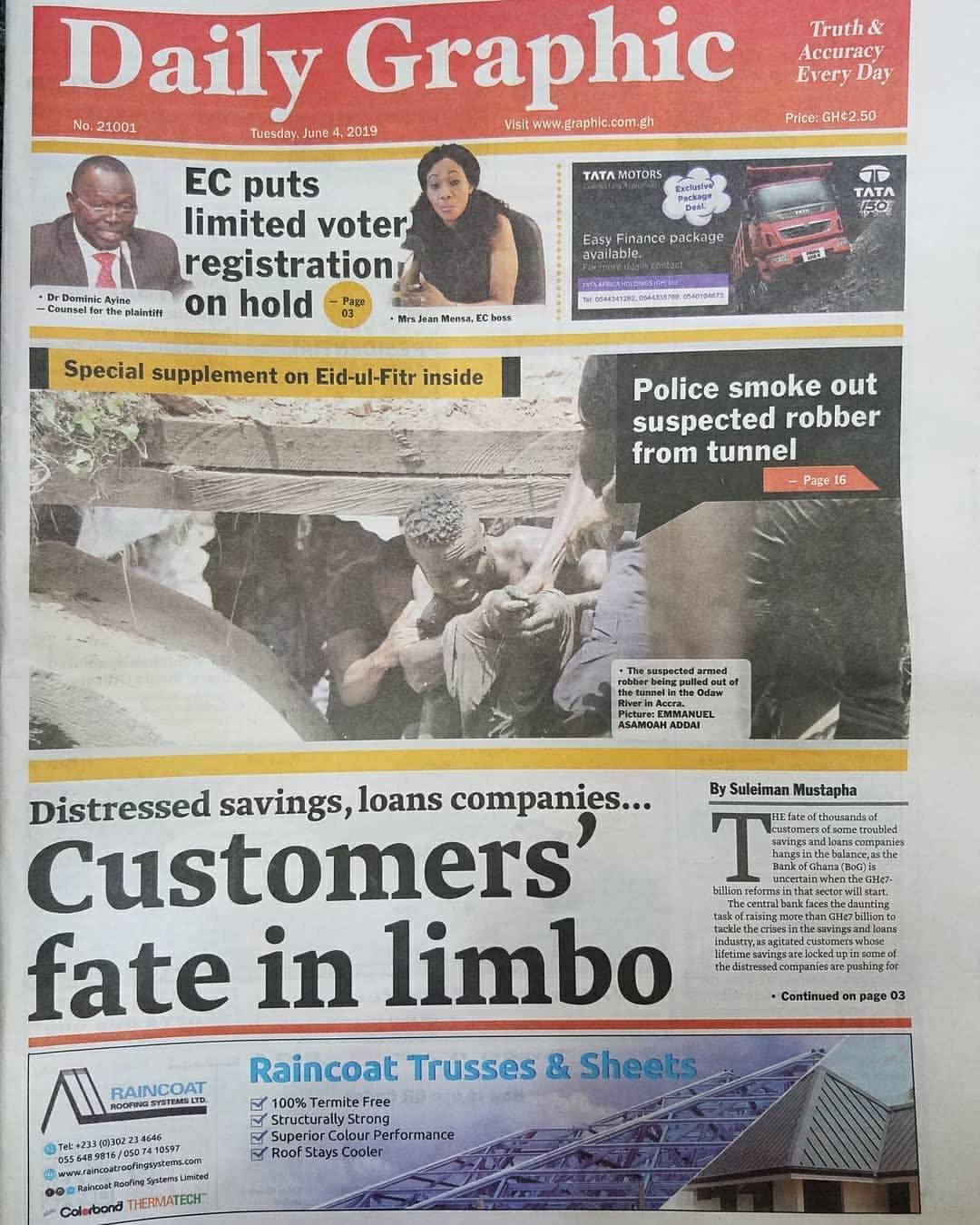
Newspaper Headlines Tuesday 4th June 2019

0

[ngg src=”galleries” ids=”65″ display=”basic_thumbnail”]

Germany’s Infineon to buy Cypress in 9-bn-euro deal

0

German chipmaker Infineon sealed a definitive agreement to make an offer for US competitor Cypress that values the firm at around nine billion euros ($10.1 billion), the two companies said in a statement Monday.

Infineon, which has been grappling with a bout of consolidation in the semiconductor sector, said it agreed to pay $23.85 per share in cash for Cypress.

“With this transaction, we will be able to offer our customers the most comprehensive portfolio for linking the real with the digital world,” Infineon chief executive Reinhard Ploss said in a statement.

“This will open up additional growth potential in the automotive, industrial and Internet of Things sectors,” he added.

The companies currently have complementary focuses.

Infineon, which spun off from the Siemens conglomerate in 1999, focuses on power semiconductors, sensors and security solutions.

California-based Cypress, which bought the Internet of Things division of Qualcomm in 2016, focuses on microcontrollers as well as software and connectivity components, as well as flash memory.

“Combining these technology assets will enable comprehensive advanced solutions for high-growth applications such as electric drives, battery-powered devices and power supplies,” they said in the joint statement.

Infineon said the deal is expected to have a positive effect on earnings from the first year, with revenue growth of at least 9 percent, a double-digit increase in margins and a drop in the investment-to-sales ratio.

It targets 180 million euros in annual savings by 2022, and put the long-term potential of synergies at more than 1.5 billion euros per year.

The German firm said that while a consortium of banks will underwrite the funding of the acquisition of Cyprus, it intends to ultimately finance around 30 percent of the transaction with a capital increase, use some cash reserves and finance the rest with debt.

The $23.85 offer price is nearly a 50-percent premium to the 30-day volume-weighted average price during the period from 15 April to 28 May, before market rumours began of a deal.

Infineon said the acquisition, which it expects could close by the end of this year following regulatory approvals as well as by Cypress shareholders, will make it the world’s number eight chip manufacturer.


Source : AFP

Supermarkets in Asia are Now Using Banana Leaves Instead of Plastic Packaging

0

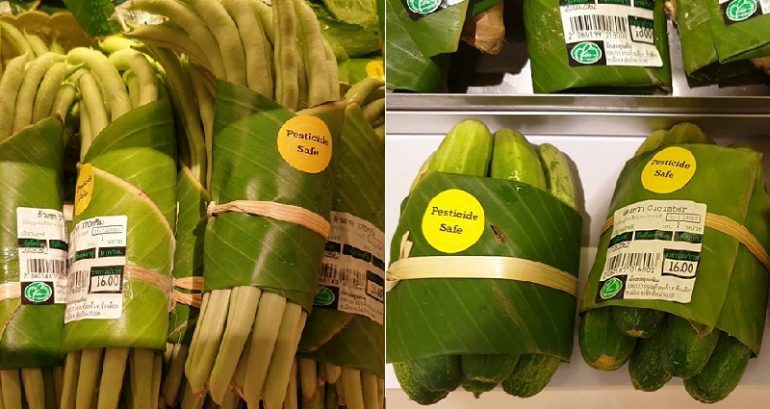
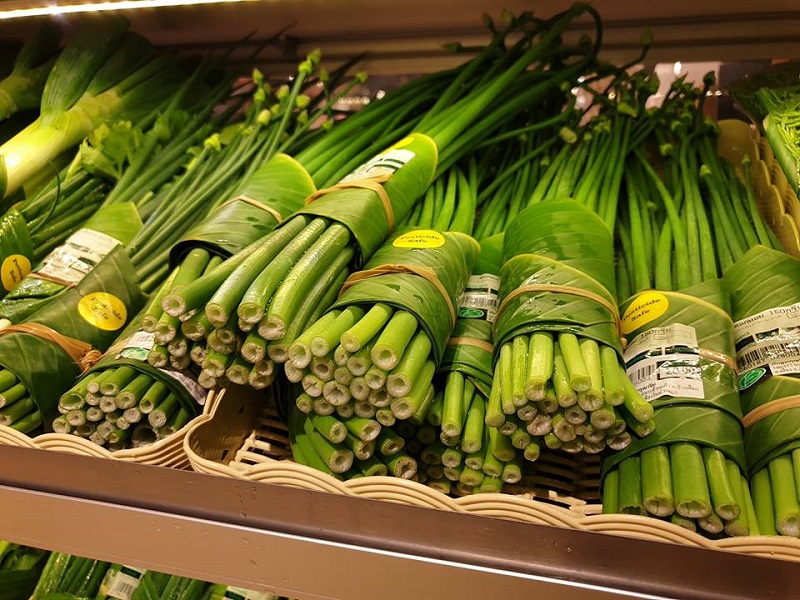
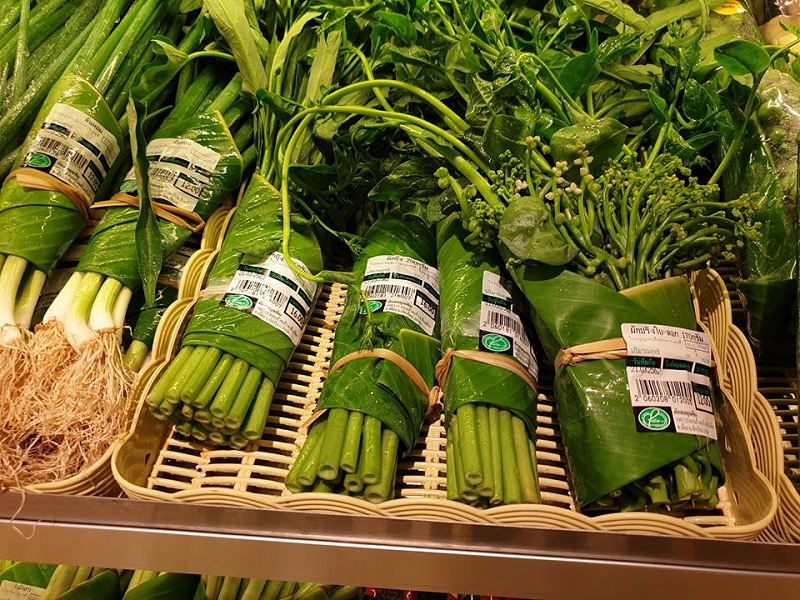
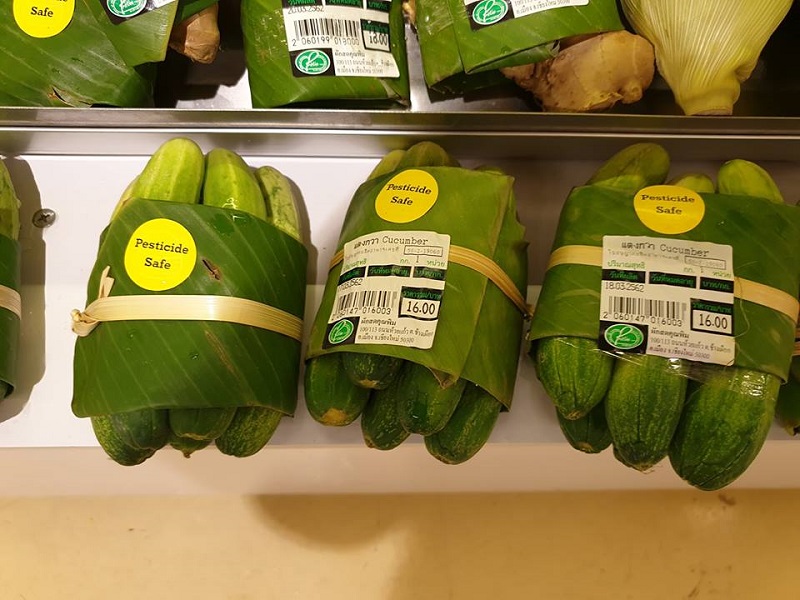
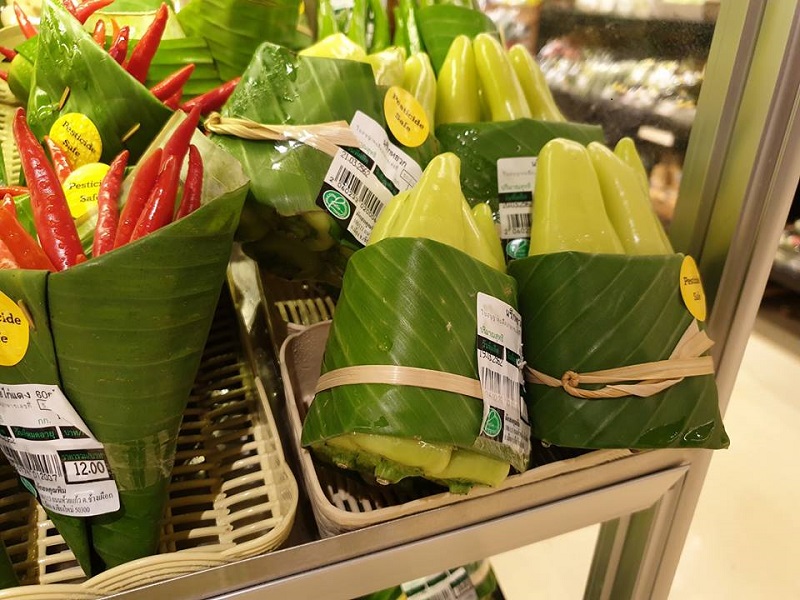
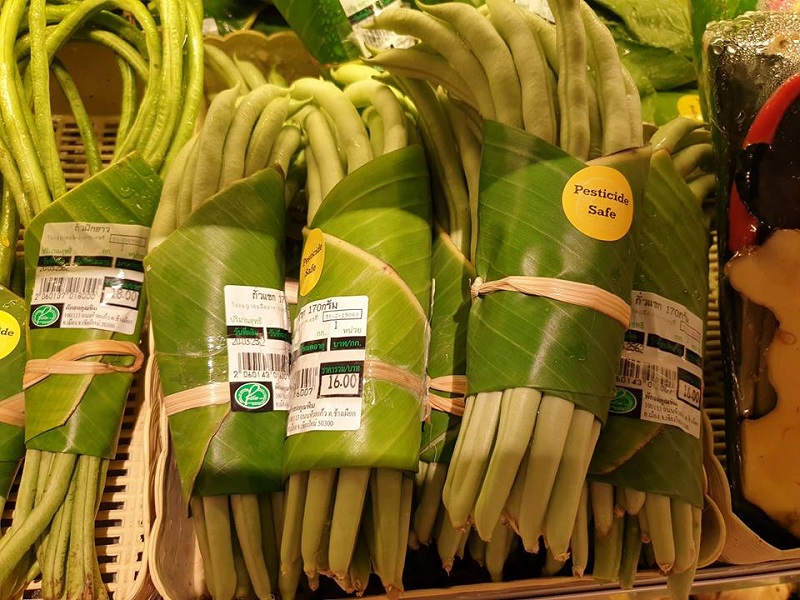
Supermarkets in Vietnam have adopted an initiative from Thailand that makes use of banana leaves instead of plastic as a packaging alternative.

Image via Pixabay

Rimping supermarket in Chiangmai, Thailand earned praise on Facebook for coming up with the eco-friendly packaging after a local firm featured it on their page last week.

The novel idea, which was an instant hit among netizens, soon caught the attention of Vietnamese supermarkets.

Big supermarket chains in Vietnam, such as Lotte Mart, Saigon Co.op, and Big C have all started to follow in the Thai store’s footsteps by experimenting with banana leaves as a packaging alternative in their stores as well.

In an interview with VnExpress, a representative from the Lotte Mart chain shared that they are still in the testing phase but are planning to replace plastic with leaves nationwide very soon.

Aside from wrapping vegetables and fruits, the grocery chain intends to also use the leaves for fresh meat products.

Customers have since been applauding the effort.

“When I see vegetables wrapped in these beautiful banana leaves I’m more willing to buy in larger quantities,” a local customer named Hoa was quoted as saying. “I think this initiative will help locals be more aware of protecting the environment.”

According to VN Express, the use of the leaves as packaging is a welcome addition to the numerous other efforts establishments in Vietnam are experimenting with to reduce plastic waste.

Big C, for instance, already offers biodegradable bags made with corn powder in its stores.

With Vietnam ranking number four in the world for the most amount of plastic waste dumped into the ocean, such efforts are of the utmost importance.

A recent report highlighted the incredible amount of plastic waste generated by Vietnamese people, disposing of about 2,500 tons of plastic waste per day.

Image via Pixabay/Ben Kerckx

As a Vice report noted, banning or reducing single-use plastic bags in supermarkets is a growing trend in Asia.

Just recently, South Korea banned the use of disposable plastic bags, requiring supermarkets and other commercial establishments to provide recyclable containers to customers.

Singapore supermarkets have also been launching campaigns informing the public on the need to reduce plastic bag use. Meanwhile, Taiwanese shops have started charging for single-use plastic bags to discourage customers from using them.

Meanwhile, China has seen a 66% drop in plastic bag use in over a decade since banning the use of ultra-thin plastic bags in 2008.


Source : NextShark