Home Blog Page 186

Avoid electoral violence – Gomoa Potsin Chief urges political parties

0

The Chief of Gomoa Pontsin, Nana Twaeku Adansuwah IX, has admonished political party actors to desist from enticing the youth to engage in violence during and after the December 7 polls for peace and harmony to prevail.

Political party leaders, he noted, were expected to create the enabling environment for the teeming unemployed youth to acquire gainful jobs instead of influencing them to cause mayhem during elections.

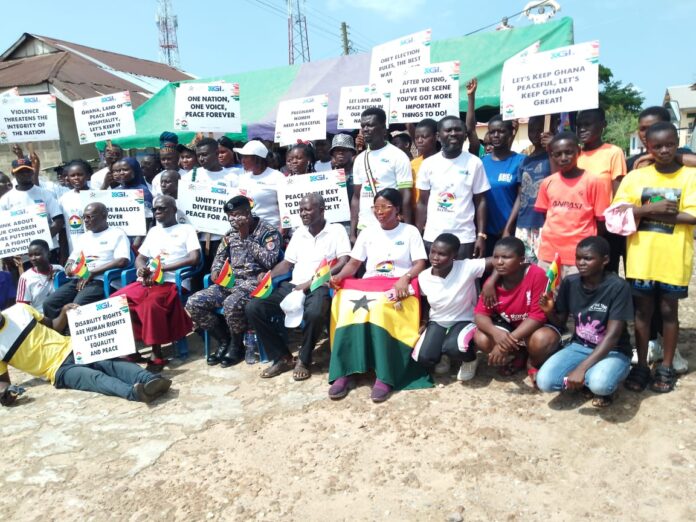
Nana Adansuwah was addressing members of the Community Partnership for Citizens Action International  Development (COPCAID), a non-governmental organisation, after ‘A Walk for Peaceful Election 2024’ at Gomoa Potsin in the Central Region.

The three-kilometre peace walk was jointly organised by KGL Foundation, COPCAID, and other stakeholders from the Gomoa Potsin-Junction to the Community Centre.

It was to create awareness on the need for peace and togetherness among all political actors to prevent electoral violence.

The Chief urged political parties to incorporate job creation policies and programmes into their manifestoes to harness the talents of the Ghanaian youth.

He cautioned the youth not to allow themselves to be influenced with small amounts of money by political actors to “snatch ballot boxes and cause violence at voting centres” as the law would take its course.

He appealed to the government to construct the Gomoa Postin- Junction to Gomoa Awomerew Road, which links to the main Agona Swedru /Winneba –Junction Road, to facilitate commercial activities.

Chief Inspector Appiah Kubi, in charge of the Gomoa Potsin Police Station, cautioned the youth against violent acts as the political campaign heats up.

“It will be prudent for all Ghanaians to protect the peace for the transformation and development of the country,” he said.

Chief Inspector Appiah Kubi said the security forces were ready to discharge their duties during and after the general election and warned the youth against indulging in practices that would undermine the progress of the country.

Mr Benjamin Buabeng, Project Coordinator for Hero Network, and Convener of the peace walk, said Ghanaians must avoid electoral violence because it created huge setback to a country’s transformation, where women, children, and people with disability suffered the most.

He said political leaders must tolerate one another and endeavour to initiate programmes to benefit society in its entirety.

Mr Michael Aggrey, Programmes Manager of COPCAID, said the peace walk was the first in the series of campaigns to ensure continuous awareness creation for a violence- free election.
Gov’t committed to ensuring completion of Boankra Inland Port- Osei Mensah

0

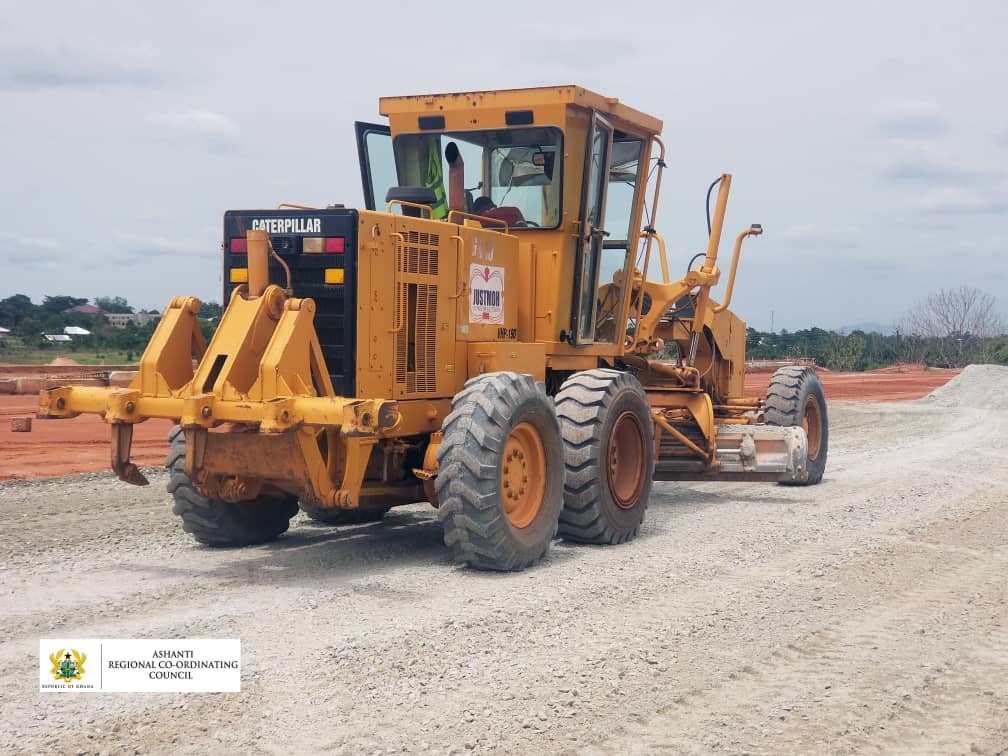
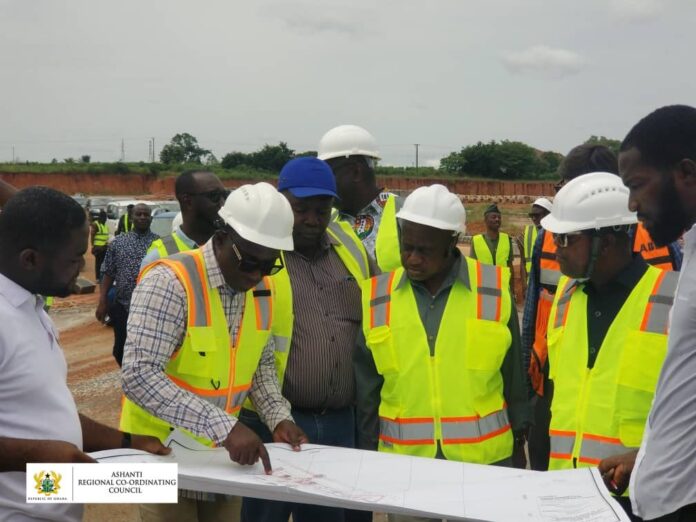
Mr Simon Osei Mensah, the Ashanti Regional Minister, says the Government is committed to the task of the successful completion of the Boankra Inland Port project in the Ejisu Municipality to boost economic growth.

Despite the financial challenges facing the country, the Government had strived to allocate the necessary funds to accelerate progress of the project to meet the deadlines, he told journalists after inspecting the work done on Monday.

“Government is satisfied with the progress and quality of work executed so far,” he added.

The Boankra Logistics Terminal (BILT), owned by the Ghana Shippers Authority, Ghana Ports and Harbours Authority (GPHA) and the Ministry of Transport, is being financed by the Government of Ghana.

The project was strategically located to boost the industrialization agenda of the Ashanti Region.    

“Where BILT is located, we have a site for the Ghana Free Zones Authority as well as the Ashanti Industrial Park,” Mr Osei Mensah said.

“These things will not function properly without the logistics terminal. It is, therefore, important to ensure that the terminal is completed and operational to bring in all these activities here.”

The completion of the customised civil works, drains, culverts, and bridges, which were critical works in such type of road construction was necessary, he said, adding that the remaining tasks would be finished in due course.

Dr Aron Adade, the Project Director, explained that the Phase 1, which included civil works, earthworks, road networks, drainage systems, container freight terminals, container handling facilities, bonded warehouses, administration and operations block buildings, were about 50 percent complete.

The remaining 50 percent would consist of the superstructure and the terminal bay accordingly, he said.

The project consists of impressively crafted road network, container freight station, truck parking, fire and police stations, commercial area, administration block, and associated infrastructure.

Mr Kwesi Baffour Sarpong, the Chief Executive Officer of the Ghana Shippers Authority (GSA), said the journey had been marked by challenges, but government’s commitment to realising the vision of the BILT remained resolute.

The BILT is a key component of the government-initiated Ghana Trade and Investment Gateway Programme, a crucial driver of economic progress and regional connectivity.

Mr Sarpong said the project held immense significance for economic growth, which would reduce port congestion and costs, overall transportation costs, and drive regional trade facilitation for Ghana and the neighbouring countries.

It would further establish Ghana’s leadership role, especially within the framework of the African Continental Free Trade Area.

The proximity of the project to the recently completed Kumasi International Airport and Ghana’s sea port would further accord the country the regions premier multimodal transportation hub in West Africa and beyond, he said.

Mrs Stella Wilson, Board Chair of GSA, commended the Minister for taking time to visit the site and assured him of GSA’s full commitment to ensuring the project’s goal was achieved through enhancing the economic status of the middle belt and northern sectors of the country.

Ghana’s resources are waste without human capital development – President

0
IMG_20240507_162057_1

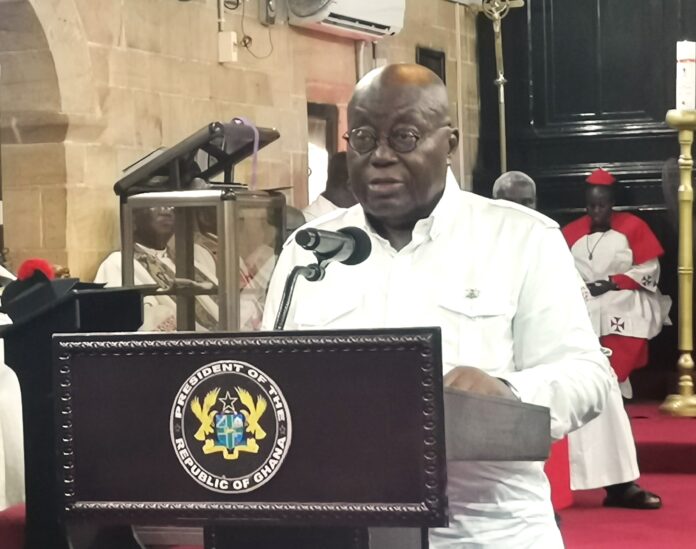
President Nana Addo Dankwa Akufo-Addo has provided insight into the Government’s ambition to broaden Ghana’s human capital base, stating that the agenda is to ensure rapid development.

“We are paying a great deal of attention to the reconstruction of our educational system, right from primary school to university, because our view is relatively simple – it is people that develop nations, not resources,” he stated.

President Akufo-Addo, in an interaction with officials of the US-based Indiana University (IU), at the Jubilee House, Accra, said “education has been at the centre of what we are trying to do here in Ghana in the last decade.”

The country’s objective is to balance its vast natural resources with the necessary human capital for wealth creation and sustainable growth.

Ghana, despite its well-endowed resources, is still struggling to make the most out of what nature has bequeathed the West African nation – gold, diamond, bauxite, iron ore, lithium, cocoa, oil, arable land, natural gas reserves, among others.

The World Bank, in its 2022 report on Country Climate and Development Report on Ghana, noted that the country had not been able to maintain its natural resources.

The country lags in most indicators of sustainable use of natural resources and environmental health, says the Report.

“You can have all the resources you want but if you do not have the human capital in exploiting them, it is like not having at all,” President Nana Akufo-Addo noted, justifying the huge investment in education under his administration.

The IU delegation, led by Hilary Kahn, the Vice President for International Affairs, is in the country to deepen partnership with the University of Ghana, Legon, as part of its global engagement strategy.

Ghana’s foremost university has been a long-standing partner of the IU, with a focus on research collaboration, faculty and student exchanges, and joint initiatives in Artificial Intelligence, climate change, environmental and health sciences, data science, development policy and African languages and cultures.

Dr Kahn said the IU was delighted to be associated with the University of Ghana, and hoped the collaboration would inure to the benefit of the two countries, especially around human resource development.

President swears new ministers into office

0

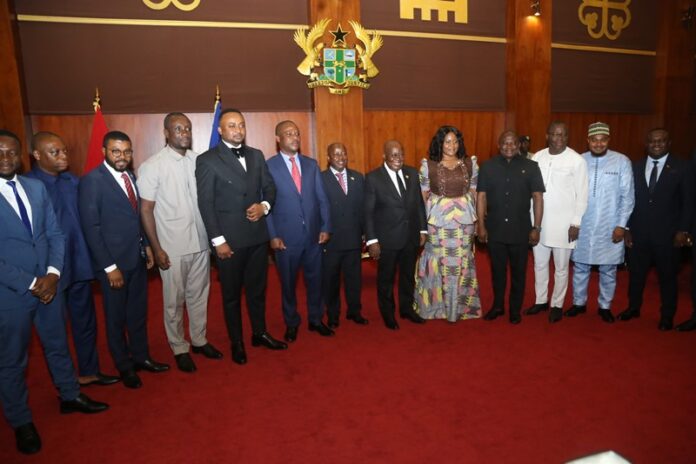
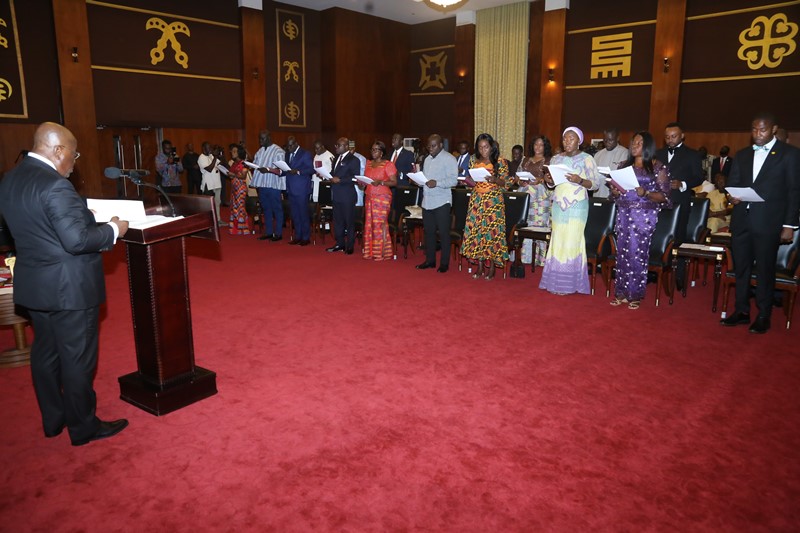
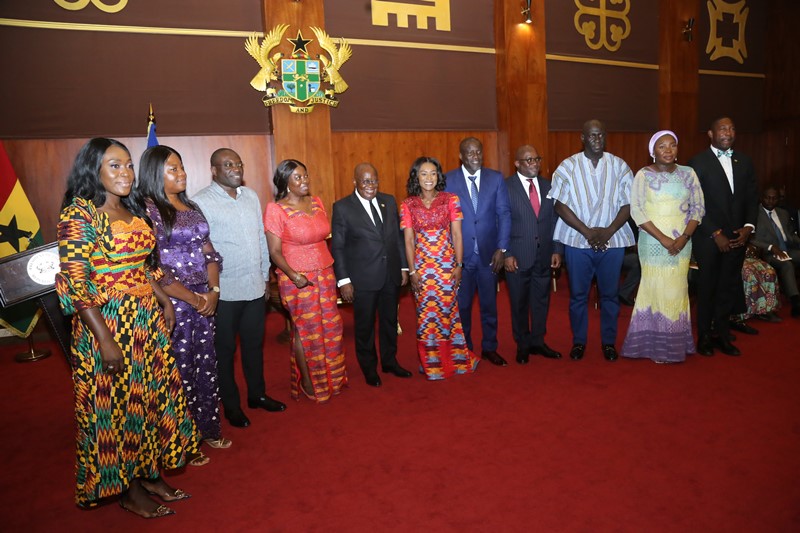
President Nana Addo Dankwa Akufo-Addo Monday swore in office 24 ministers and deputy ministers, urging them to make significant contributions to his administration as his tenure concludes in seven months.

At a brief ceremony at the Jubilee House on Monday evening, congratulated them on their appointments and said that though they had joined the last lap oh administration, he was confident that they would make a remarkable difference to enviable achievement of his government.

He urged them to uphold the interest of the Ghanaian people and to dedicate themselves

“You have joined the government with only seven months to go, but I am confident that there is enough time for you to make a difference and significant contribution.

“Indeed, anyone who has something to do can make a point within a short period and I am sure with your various competences, experiences, and talents, make this distinctly possible. “

The appointees, whose portfolios were approved by Parliament last Friday, swore to the oaths of allegiance, office and secrecy administered by the President.

President Akufo-Addo charged them to uphold the principles of the oaths they had taken in carrying out their duties.

“Your appointment has come at a critical moment in the history of our country and your success in this endeavor would be a consequence of your respect to the oaths you have solemnly sworn to uphold the interest of the republic, defend its constitution and promote the interest of the citizenry.”

The President reminded them of the solemn commitment that the ruling New Patriotic Party had made to serve the Ghanaian people honestly and competently.

He said it was extremely important that integrity permeated their work and asked them to remain above reproach in their public dealings.

“In these remaining months, I urge you to work tirelessly for the realization of my mandate, which is to help ensure that every citizen has access to opportunities for growth and prosperity… the quality of your integrity which would permeate your work in these last few months is extremely important.”

President Akufo-Addo asked them to work tirelessly to promote the mandate that ensures access to quality life for citizens.

They must focus on carrying out the mandate of their offices to improve the fortunes of the country.

The President thanked members of Parliament, particularly the majority caucus, for their approval of the ministers.

He did, however, express regret that the minority walked out of the approval process.

“It was a pity that at the last moment, the minority, which participated in all the prior processes, found it necessary to walk out of parliament and the formal approval stage.

“We thank God that the walk out was not fatal to the vote of approval. We learn every time more and more about the vagaries of Parliamentary life,” he said

The appointees included eight ministers, 14 deputy ministers and two regional ministers.

The ministers included Mrs. Abena Osei-Asare, Minister of State for the Ministry of Finance, Mr Andrew Kofi Egyapa Mercer, Minister for Tourism, Art and Culture; Madam Lydia Seyram Alhassan, Minister for Sanitation and Water Resources; and Mr Martin Kwaku Adjei-Mensah Korsah, Minister for Local Government, Rural Development and Decentralisation.

The rest were Madam Ophelia Mensah Hayford, Minister for Environmental, Science Technology and Innovation; Madam Darkoa Newman, Minister for Gender, Children and Social Protection; Dr Bernard Okoe-Boye, Minister for Health; and Madam Fatimatu Abubakar, Minister for Information.

The Regional Ministers are Mr Daniel Nii Kwartei Titus Glover, Greater Accra Regional Minister; and Mr Daniel Machator, Minister for Oti Region.

The Deputy Ministers included Dr Benjamin Sekyere Yeboah, Deputy Minister for Gender, Children and Social Protection, Mr Sylvester Tetteh, Deputy Minister for Information; Mr Charles Acheampong, Deputy Minister for Communications and Digitisation; and Madam Adelaide Ntim, a Deputy Minister for Health.

Others were Mr Alexander Akwasi Acquah, Deputy Minister  for Health; Mr Vincent Ekow Assafuah, Deputy Minister for Local Government, Rural Development and Decentralisation; Mr John Kobina Abbam Aboah Sanie, Deputy Minister for Energy; Mr Collins Adomako Mensah, also a Deputy Minister for Energy; Dr Prince Hamidu Armah, Deputy Minister for Works and Housing; Professor Kingsley Nyarko, a Deputy Minister for Education; and Dr Festus Awuah Kwofie, Deputy Minister for Employment, Labour Relations and Pensions.

The rest were Mr Akwasi Konadu, Deputy Minister for Lands and Natural Resources; Mr Musah Abdul Aziz Ayaba, Deputy Minister for Fisheries and Aquaculture Development and Dr Alexander Ampaabeng, Deputy Minister for Finance.

Mr Glover, the Greater Accra Regional Minister, who spoke on behalf of the ministers, expressed appreciation for the confidence reposed in them and pledged that they would discharge their responsibilities to the best of their abilities.

ECOWAS must be decisive in dealing with terrorism in Sahel region- Akufo-Addo

0

President Nana Addo Dankwa Akufo-Addo has urged ECOWAS heads of state to reach an agreement and establish a clear policy direction to combat terrorism in the Sahel region.

He emphasized that if ECOWAS were to make any meaningful impact in resolving regional terrorism challenges, a strategy must be agreed upon immediately.

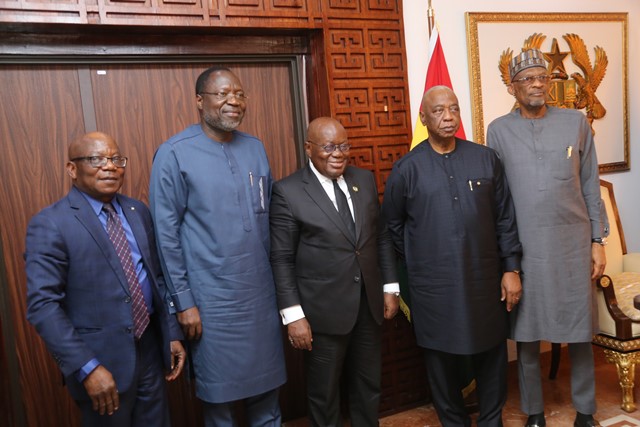
President Akufo-Addo made the remarks when the President of the ECOWAS Commission, Dr. Omar Alieu Touray, called on him at the Jubilee House in Accra on Monday.

Dr. Touray and his entourage were in Accra to seek President Akufo-Addo’s leadership and advice on combating terrorism in the region.

He was also there to get the President’s backing for efforts to discourage Niger, Mali, and Burkina Faso from quitting the Commission.

President Nana Addo was unequivocal that Ghana would be unable to lead the charge on the issues unless the regional bloc worked together.

“This cannot be a Ghanaian initiative. It must be an ECOWAS-wide initiative and I feel that for us to have real clarity going forward, we need an agreement amongst the heads of state as to our strategy going forward.

“It is on that basis that we can flesh out the other matters that you have talked about.

“The whole scenario that is emerging requires that we have a consensus amongst us as to how we treat the alliance of Sahel states. For me, that is the noble point.

“The epicenter of terrorism in our region is there…I think it is important that the Heads of State meet to clarify exactly what are the parameters in which we should go in trying to define the policy,” he stated.

Dr. Touray told President Akufo-Addo that his assistance would be required to bring Niger, Burkina Faso, and Mali back into the regional bloc. 

“Your leadership will also be required in bringing the three countries that have indicated their intention to leave ECOWAS. We believe ECOWAS needs to continue to engage them because their exit from ECOWAS threatens us in more than one way.”

Dr Touray said the exit of the three countries threatened the security of the region, because Niger, Burkina Faso and Mali were the epicenter of the fight against terrorism in the Sahel.

He argued that the departure of the trio from the bloc presented a threat to regional administration, emphasizing that it could lead to unconstitutional actions with public support, and urged President Akufo-Addo to “bring them back to ECOWAS.”

Dr also apprised the President on the results of recent engagements and discussions on regional counter-terrorism measures, which the commission was certain would yield the intended results.

“On your instructions and on the instruction of your colleagues, we have convened meetings of Chief of Defence Staffs, Ministers of Defence and Security to look at ways and means of deactivating ECOWAS’s standby force and review ECOWAS plans of action which ends this year but not much has happened since when it was adopted,” he said

Some of the proposals obtained as part of their engagements include the creation of a regional standby force of at least 5000 men and women, with a support budget of around $2.4 billion.

Another plan is to form a Brigade of 1500 men and women, with a budget about $1 billion.

Dr. Touray mentioned that the Commission was looking for assistance with how to raise funds, either internally or through external sources, to meet its peacekeeping financial requirements.

“We believe your mission would include leading us on ways to raise the 25 per cent that we need to raise, whether we decide to go for the 5000 or 1500 and whether we would have to raise the resources internally or with partner support,” he said.

Drawing religion into politics, dangerous development – NCCE

0

The National Commission for Civic Education (NCCE) has appealed to the media not to propagate political messages that fuel religious intolerance ahead of the 2024 General Election.

The Commission said religious intolerance and divisiveness in political campaign messages were dangerous and urged the citizenry to disregard political actors who promoted such deeds.

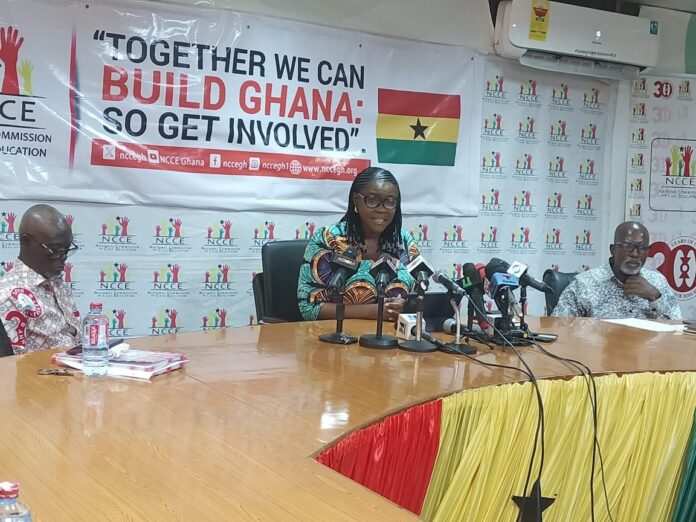
Addressing a press conference in Accra on Monday, Ms Kathleen Addy, Chairperson, NCCE, also appealed to the media to cross-check facts before publication and discourage the use of intemperate language on their platforms.

The meeting heralded the official commencement of work of the NCCE’s Inter-Party Dialogue Committees (IPDC) – a unifying body to promote peace and tolerance among political parties before, during, and after the general elections.

The IPDCs serve as a platform for dialogue and collaboration among political parties, stakeholders, and citizens to address electoral concerns, promote tolerance, and mitigate conflicts.

Ms Addy said religious tolerance was essential in promoting peaceful coexistence and encouraged citizens to safeguard the peace and harmony existing among various religious groups.

“We are paying close attention to religious intolerance and ethnic-based campaigns that are divisive and do not augur well for us.

“It is a very unhealthy practice, and we hope that as time goes on and we deepen and mature in our democracy, we will see less of that,” she said.

The NCCE reiterated its caution against the continuous monetisation of elections, describing the phenomenon as a threat to Ghana’s democracy.

Ms Addy urged the public to desist from demanding money from political actors as doing so would weaken their ability to demand accountability.

“We want to see a situation where this time the media is consciously disallowing political actors from using their platforms to promote negative things, she said, and added: “let’s not give oxygen to fake news.”

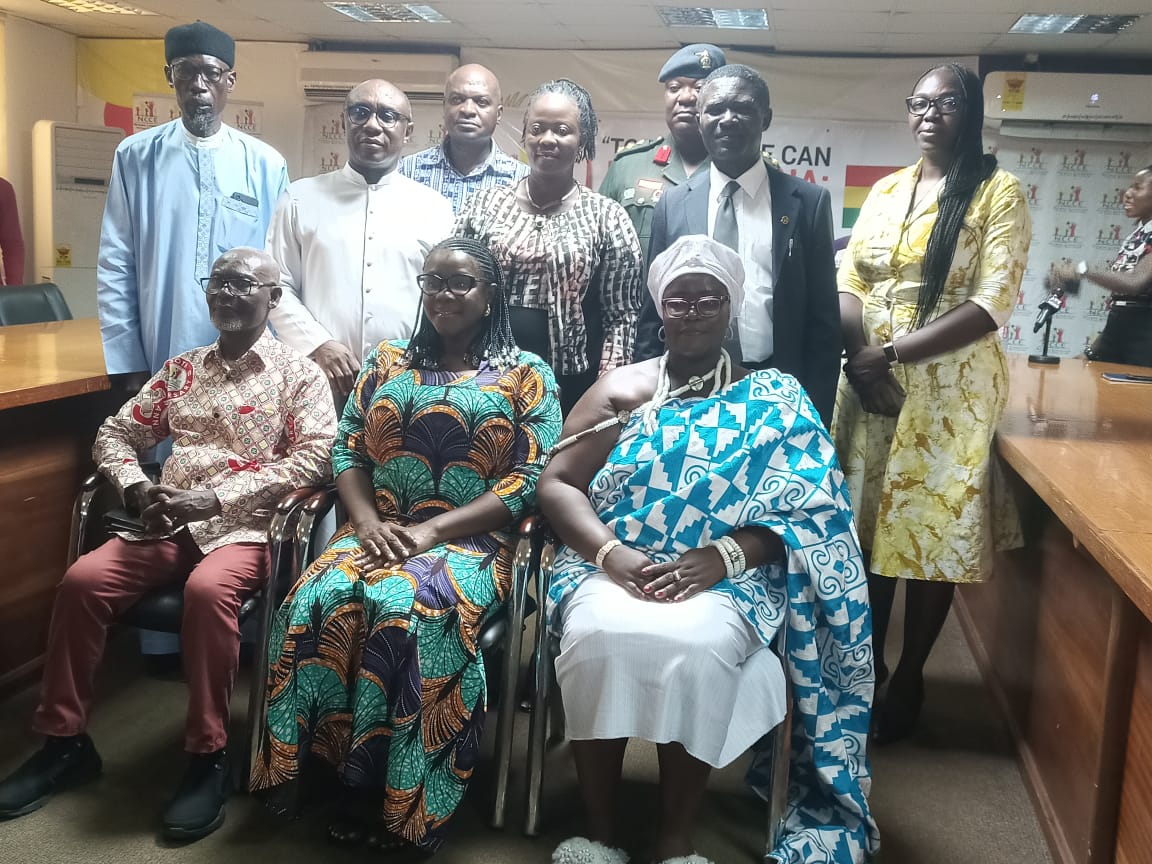
Sheikh Armiyawo Shaibu, the spokesperson of the National Chief Imam, appealed to the youth to abstain from politicians who had the intention to influence them to perpetuate violence for political power.

He also appealed to the media to constantly educate the public on their civic responsibilities and promote positive practices.

“If you don’t educate, what you do is to ‘mis-educate,’ when you do not inform, you misinform.” Sheikh Shaibu said.

Reverend Father Kwasi Adjei Clement, Secretary General, Catholic Bishops Conference, appealed to the media not to entertain any political party which sought to draw politics into religion and rallied the public to disregard such political messages.

Manye Naa Badu Adiagba I, representative of the Abelenkpe and Dzorwulu Traditional Stool, urged the NCCE’s dialogue committees to trace and detect early warning signals and device proactive measures to counter any disturbance in the upcoming elections.

Health Minister urges Ghanaians to invest in health facilities

0

Dr Bernard Okoe-Boye, Minister of Health, has urged Ghanaians to invest in the country’s health facilities to ensure quality and effective healthcare delivery.

He said it was necessary for individuals and affluent Ghanaians to support hospitals within their local communities, adding that such commitment would lessen the cost of healthcare delivery and serve as a motivation for health workers.

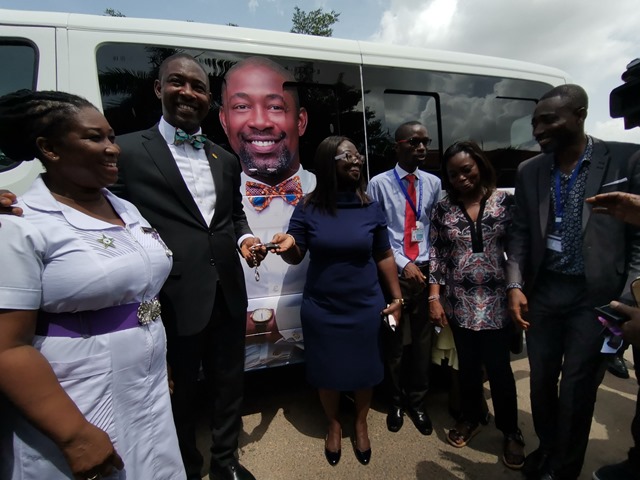
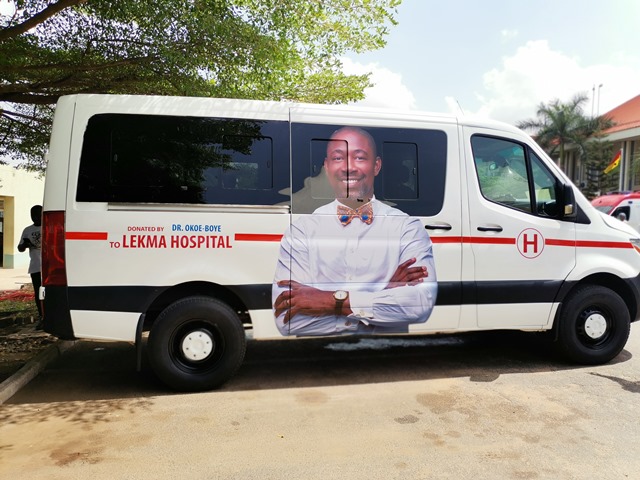
Dr Okoe-Boye made the call when he donated a 20 seater Benz bus worth GHC 500, 000. to the Lekma Hospital, with support from Good Heart Alliance International, a Non Governmental Organisation (NGO), to the facility and the community.

The Minister said through effective collaboration, the Municipality had been transformed in many ways, including the establishment of a stadium, a bigger National Health Insurance Scheme ( NHIS) claims processing centre, which would serve five regions in Ghana, the provision of an ambulance  and would soon see the  establishment of a nursing trainee hostel.

He said: “When we support hospitals, it will reduce the cost of care. Recently people complain about expensive dialysis sessions. Hospitals charge some of these monies because they are trying to recover all the monies they put into the care but if hospitals get support from endowment funds and individuals, it is not every cost they will recover from patients. So it is an assignment for all of us and once they all come on board, it will always be safer.”

He encouraged staff of the Hospital to use the bus to advance the hospital work, saying, “We are here to support you so that you work in a very comfortable atmosphere, and be happy while working so that we can also be safe anytime we visit you.”

Dr Okoe-Boye announced that a Lekma Hospital Endowment fund would be instituted in the next three months to support health service within the Municipality and to benefit the local people.

“Let us support our hospitals when we are strong and healthy so that when we need help they will also be in a position to help us,” he added.

He also announced the expansion of the Lekma Hospital to accommodate the increase in population  with support from the Chinese government, which would see the expansion of the emergency centre, theatre and wards for women and children and a new paediatric facility to ensure quality of health care delivery.

Dr Akua Gyimah-Asante, Medical Superintendent, Lekma Hospital, commended the Minister for his immense contribution and support to the facility and asked for more.

“The significance of this donation cannot be overstated because it symbolises more than just a vehicle, it represents a beacon of hope and solidarity in our collective pursuit of better healthcare for all. As we reflect on the journey of the Lekma hospital we are reminded of the countless lives touched and the tireless effort of healthcare professionals,” she said.

Mr Daniel Titus Nii Kwartei Glover, Greater Regional Minister, stressed that  the transformational agenda of the Minister had improved health services at the facility and urged the community to support him and enjoy more development.

rpt

Farming offers dignified livelihood—Bryan Acheampong

0

Dr Bryan Acheampong, Minister of Food and Agriculture, has called on the Ghanaian youth to go into farming since it offers fulfilling and dignified livelihood.

He said the youth were an integral part of the nation’s development agenda, whiles agriculture held a vital position in Ghana’s economy, hence the need for the youth to change the misconception that that farming was a drudgery for the uneducated with minimal economic returns.

The minister was speaking at the Seventh Annual Agricultural Students’ Career Guidance and Mentorship Dialogue Bootcamp, (AG-STUD 2024), which opened in Accra on Monday.

The six-day bootcamp, organised by Agrihouse Foundation, is on the theme, “Accelerating our efforts in enabling and advancing career opportunities for Agri-youths: Role of public, private, and development partners.”

He said the AG-STUD was an initiative that exemplified the strategic measures and endeavours that value chain actors and stakeholders were implementing to dispel the misconceptions surrounding agribusiness among the youth.

“In reality, modern agriculture transcends traditional notions; it now offers diverse career opportunities in fields such as research, environmental sustainability, financial management, engineering, and various technical areas for young people to explore.”

Dr Acheampong said, “such initiatives serve as platforms for nurturing understanding and fostering enthusiasm for agriculture among young individuals, ultimately shaping a more vibrant and informed agricultural sector.”

He said “these bootcamps over the years have positively impacted the lives of over 6,000 participants, with most of them securing employment, initiating their businesses, and receiving invaluable mentorship and training from industry experts.”

The sector Minster urged participants to make the most of the sessions, saying it was a chance to explore new ideas, innovations, and technologies that were transforming agriculture. “It is an opportunity to be part of a community that is passionate about agriculture and committed to its growth and development.”

“We firmly believe that the future of agriculture rests in the hands of the youth, and we are steadfast in our commitment to offering the essential support and resources to aid in your success. I have no doubt that you will rise to the challenge and elevate Ghana’s agriculture to unprecedented heights,” he added.

Dr Zanetor Agyeman-Rawlings, Member of Parliament for Klottey Korle, said the beauty of the bootcamp was understanding that it was not just the skill of understanding which variety to plant, which season to plant, and where to plant, but developing oneself to become that successful agribusiness person inspiring lives and changing societies.

She said the agriculture sector, despite its numerous challenges, had many potentials for the youth, saying “as young people with interest in the sector you must be focused, serious, willing to learn and have the discipline and integrity and you will succeed, while others remain unemployed.”

She said, “as young people who will be taking various positions soon, keep the challenges of the sector in mind, and let your voices be heard because there are policies in place, but the challenges are real and unacceptable, and we must make things better.”

Ms Alberta Nana Akyaa Akosa, Founder and Executive Director, Agrihouse Foundation, said the AG-STUD aimed to enabling the Agri youth to understand the diverse career opportunities within the sector and to get influential people to inspire them.

“So, we have diverse coaches and mentors, who will help them build the can-do spirit and support them to develop their business plans that can be bankable and generate enough support.”

Some activities lined up for the bootcamp include, Agri-ted talk mentorship soft skills development sessions, Ag-Voyage and coach meet-up sessions, and Agri-inspire, mindset shaping, innovative role play and credibility and accountability sessions,

Others are Agri-booster and competency-based training sessions, and Agri-value, the future of the Agri-youth dialogue, beginner agribusiness competition and input dealer seal pitch.

Winners of the beginner agribusiness competition would be supported with starter packs, whiles an input dealer deal shop would be established for the winner of the input dealer deal pitch. In all 350 students are expected to participate. 

Migration expert urges travellers to go the right places for right information 

0

Travellers have been urged to be vigilant and prudent in dealing with opportunities and information presented to them by travel agencies and their affiliates.

DSI Mr Richard Owusu-Brinfour, Head of Migration Information Bureau, said, travel agencies and their affiliates could manipulate unsuspecting travelers and it was imperative for them to seek adequate information about their travels.

“Agencies and their affiliates can be manipulative whether they are legally registered and licensed, but the students must do due diligence in what they are getting into, particularly with State authorities handling such issues,” he said. 

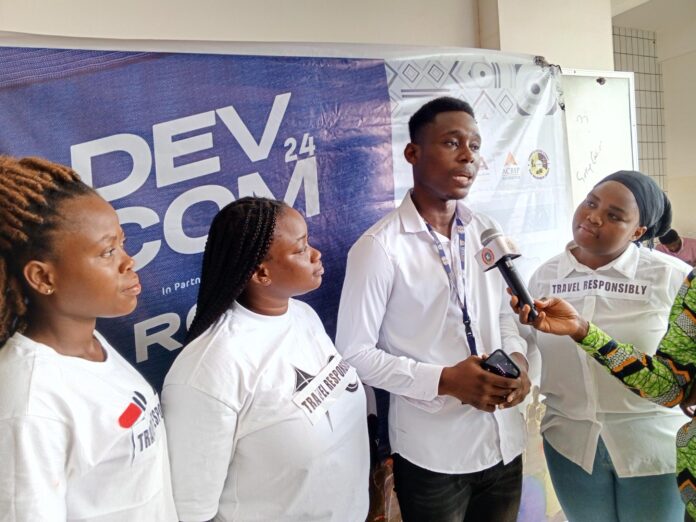
DSI Owusu-Brinfour said this during a sensitisation forum for Development Communications students of the University of Professional Studies (UPSA), Accra, on the campaign, “Migrate Right Africa” which sought to highlight challenges and appropriate ways to travel.

“We want to emphasise positive migration to yourself, family and country. Let us travel the right way by seeking information,” he said.

In an interview with the Ghana News Agency (GNA), he said students should refrain from using forged documents to avoid deportation and called on them to abide by the immigration rules of foreign lands.

The International Organisation for Migration (IOM) Quarterly Returns Reports on Ghana indicate that a total of 172 individuals returned to Ghana between January and March.

Mrs Sandra Yeboah Nyarko, Lecturer, Communications Studies Department, UPSA, said the youth must be made to understand that one did not need to travel before having a better life but could be industrious and resourceful in Ghana and later travel.

As the Project Lead for Migration Right Africa, the Lecturer said most of the youth had lost focus and thrown their hands in despair but urged them to make use of their skills and networks during these difficult times.     

“All we are saying is that they must travel the right way by engaging the agencies to know where they go, who they deal with and how to go. I have cases where people have lost their lives or came back with mental disorders.” Mrs Nyarko said. 

Miss Roberta Asare Onasis, a Level 400 student, told the GNA that she had intentions to travel to gain exposure but had learnt about the dangers and prospects associated with illegal travel.     

VTF trains female artisans in Enterprise Management Skills

0

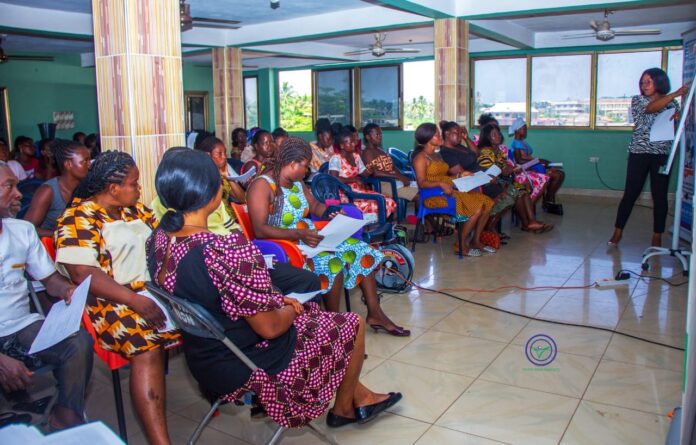
The Vocational Training for Females (VTF) Programme, a Non-Profit Organisation, has trained 138 artisans, mainly fashion designers and tailors, at Mampong and Ejisu in the Ashanti Region, to boost their capacities in Enterprise Management Skills (EMS).

The four-day workshop covered topics such as Customer Service, Time Management, Costing and Pricing, Business Planning, Records Keeping, and the Balanced Entrepreneur to enhance their capabilities in enterprise management.

The EMS are a set of tools or skills needed for the success of

running sustainable businesses, which include planning, scheduling, and communication skills.

The VTF Programme is, therefore, committed to promoting skills training and employment for women and the youth, hence the workshop was part of a broad-based training programme to support Small and Medium Enterprises (SMEs).

The Programme, in strengthening Technical and Vocational Skills training, has observed, over the years, that micro-entrepreneurs and self-employed persons play an important role in employment creation, particularly for the youth and females, and thus need a tailored intervention and support to thrive.

“Unfortunately, they lack the necessary knowledge, skills and attitudes to manage their businesses and this results in low productivity levels and low sales which hinder such businesses from growing and sustaining their income,” Mrs Patience Adiekeke Morrison, the lead facilitator at the training, said.

She noted that for the past years, VTF had been very much concerned about supporting such enterprises through training, coaching, and mentoring to better appreciate their work with seriousness.

Mrs Morrisson, the Gender and Entrepreneurship Development Officer of the VTF Programme, said considering the potential of SMEs in socio-economic development, continuous training and consistent support would help such businesses to thrive and expand to enable them to employ others and reduce the unemployment rate in the country.

She, for instance, mentioned customer care as a key component of growth in self-employed enterprises, yet that seemed not a priority for players in the industry and hoped that the training would help change the narrative.

Many such business owners, which the VTF had trained and mentored, were doing well, she said, and urged the participants to embrace the training to enhance their products and improve the economic wellbeing.