Home Blog Page 2

Mahama renews advocacy for UN reform to grant Africa permanent  

0

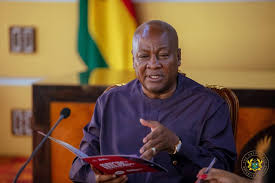
President John Dramani Mahama has renewed Ghana’s advocacy for the United Nations reform to grant Africa permanent representation on the UN Security Council.  

He reiterated that it was a matter of global justice to rectify the continent’s historical exclusion from the Council’s decision-making process.  

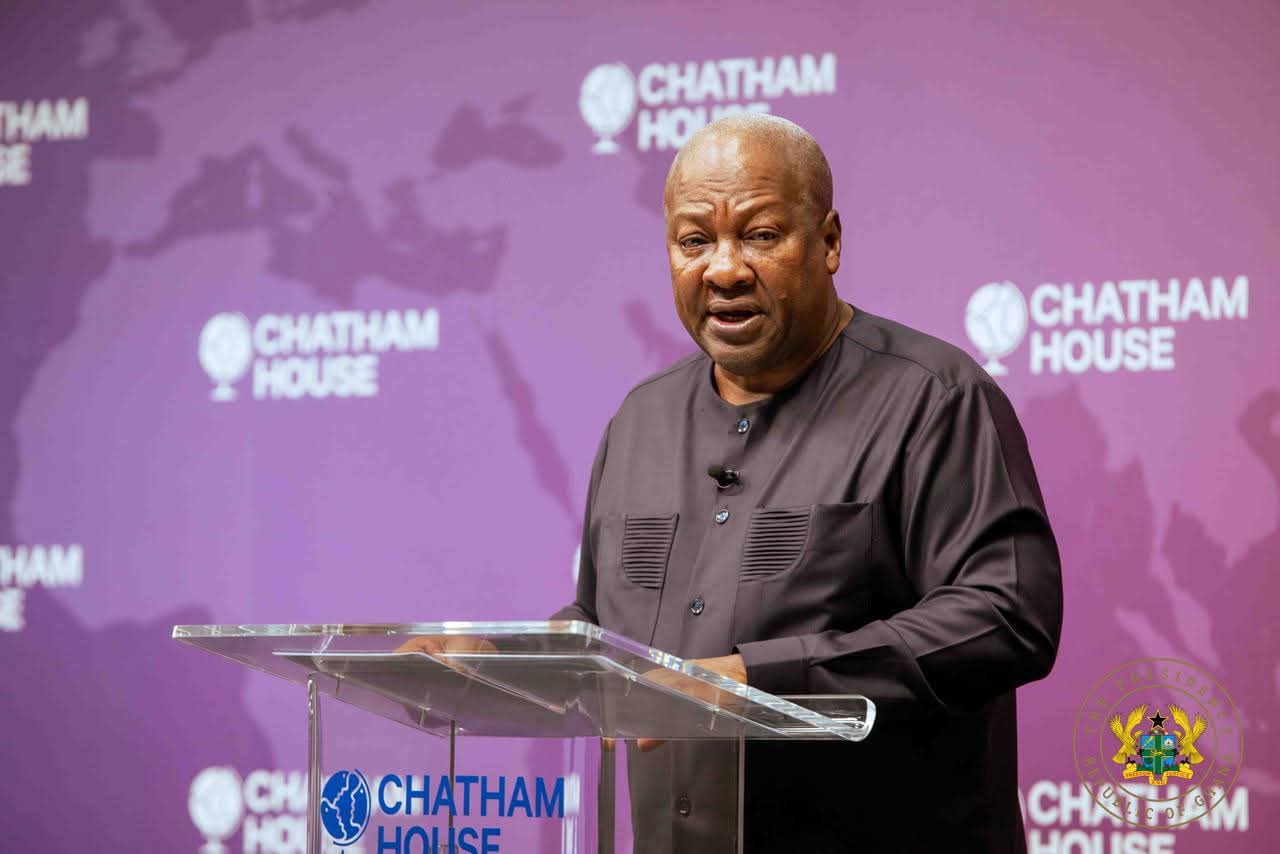
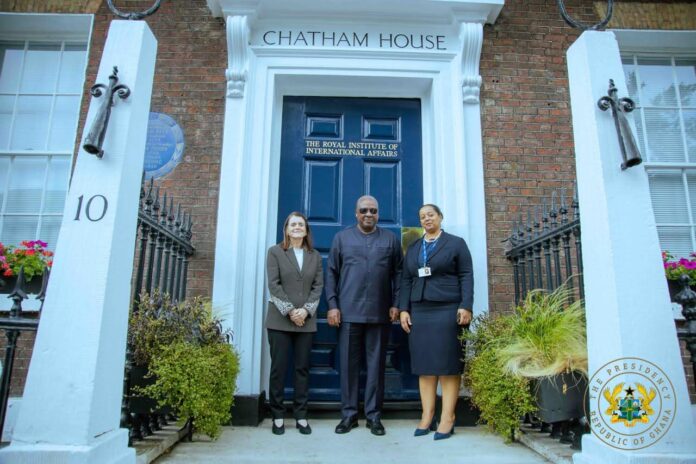
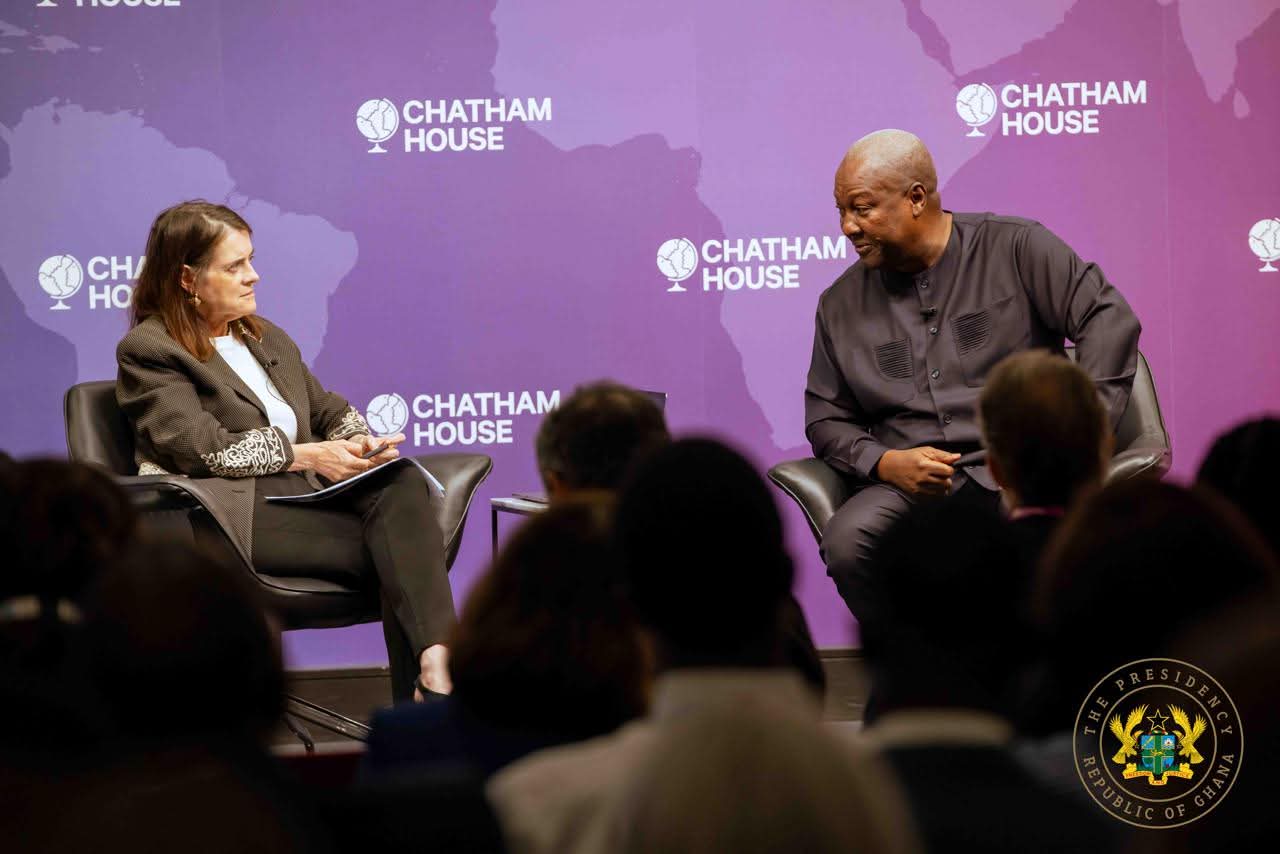
The President made the call in his presentation delivered at the Chatham House in London, during which he shared Ghana’s perspective on: “Navigating a Changing Global Order: Ghana’s Strategic Priorities”.  

He said Ghana believed that the institutions of global governance must evolve to reflect comprehensive political realities rather than power structures of 1945.   

The President said the international system could not sustainably preserve its legitimacy, while significant portions of humanity remained structurally underrepresented in global position-making.  

He said Africa, with 54 member states at the United Nations and a population projected to constitute nearly one quarter of humanity by 2050, continues to be excluded from permanent representation on the United Nations Security Council.   

“This is not nearly a procedural anomaly; it is a historical injustice. And a structural imbalance that undermines the credibility of the multilateral system itself.”  

President Mahama said Ghana continued to support comprehensive reform of the United Nations system, including equitable representation for Africa on the Security Council.   

He said the post-1945 international order despite its imperfections and inequalities established important norms and institutions that helped provide relative global stability.  

He noted that the Charter of the United Nations advanced principles intended to regulate relations among states, sovereign equality, territorial integrity, peaceful settlement of disputes, non-interference, and the collective pursuit of peace and development.   

He said these principles laid the normative foundations upon which many formerly colonised nations, including Ghana secured their independence and asserted their sovereignty.  

“Today, however, many of these norms are on the street. We increasingly witness a selective application of international law, the erosion of multilateral consensus, and the growing tendency for strategic competition to take precedence over collective responsibility,” the President said.  

He noted that conflict across regions continued to test the credibility of the international system, exposing the fragility of the institutions designed to uphold peace and stability, while climate financing commitments remained unmet, and development assistance contracting across many regions.  

President Mahama said the world was becoming increasingly technologically interconnected and yet politically fragmented.   

He said for countries in the Global South, the central question was no longer whether the international order was changing.  

“The question is how to navigate this transition with resilience, strategic clarity, and sovereign confidence.”  

The President said for Ghana, this movement demanded neither retreat or passivity, and that it demanded purposeful engagement.  

He said Ghana’s response to this changing global environment was anchored in the four broad strategic priorities.  

These include reforming global governance, leading African integration, building balanced and mutually beneficial partnerships and strengthening sovereign agency over a national development trajectory.   
Interior Minister calls for collective action against drug abuse, trafficking

0

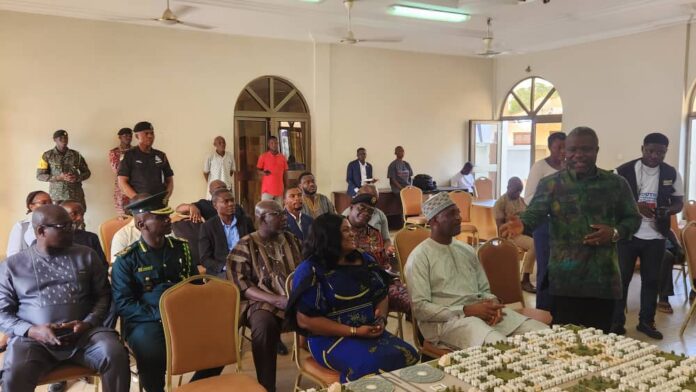
Mr Muntaka Mohammed-Mubarak, Minister for the Interior, has expressed concern over the growing menace of drug abuse among the youth, describing it as a major threat to national security and social development.

Speaking during an engagement with chiefs of the Asogli State and religious leaders as part of his two-day working visit to the Volta Region, the Minister appealed to traditional authorities, religious leaders, and other stakeholders to intensify public education on the dangers of narcotic drug use and trafficking.

Mr Muntaka said the increasing use of illicit substances by young people had reached alarming levels and required a coordinated national response.

“The level of drug abuse among our youth is becoming worrying, and as the Ministry responsible for the Narcotics Control Commission, we are deeply concerned. We cannot only arrest those using the drugs without addressing where they are coming from,” he said.

The Minister noted that investigations by security agencies had identified parts of the Volta region as areas where the cultivation of marijuana was prevalent, attracting attention from neighbouring countries and international organisations.

He disclosed that some countries, including Nigeria, had raised concerns about the movement of marijuana believed to originate from Ghana, while the United Nations Office on Drugs and Crime had also shown interest in Ghana’s efforts to combat the trade.

Mr Muntaka urged chiefs and religious leaders to use their platforms to educate the public on the harmful effects of drug abuse and discourage the cultivation and sale of illicit substances.

“We cannot justify the cultivation of illegal drugs because it serves as a source of livelihood. Criminal activities cannot be defended on economic grounds. We must find alternative means of livelihood for those involved,” he stated.

The Minister acknowledged concerns raised by some community members regarding the conduct of security personnel during anti-drug operations but explained that officers often faced dangerous situations, including armed resistance from traffickers.

He said the Government remained committed to ensuring professionalism among security personnel while intensifying the fight against drug-related crimes.

Mr Muntaka also highlighted government’s investment in security infrastructure, including the expansion of the Signal Bureau’s surveillance operations to Ho and other regional capitals.

He said the enhanced surveillance system was helping security agencies to monitor public spaces and strengthen crime prevention efforts across the country.

Mr Muntaka called on traditional authorities and community leaders to collaborate with security agencies by providing timely information to help maintain peace and security.

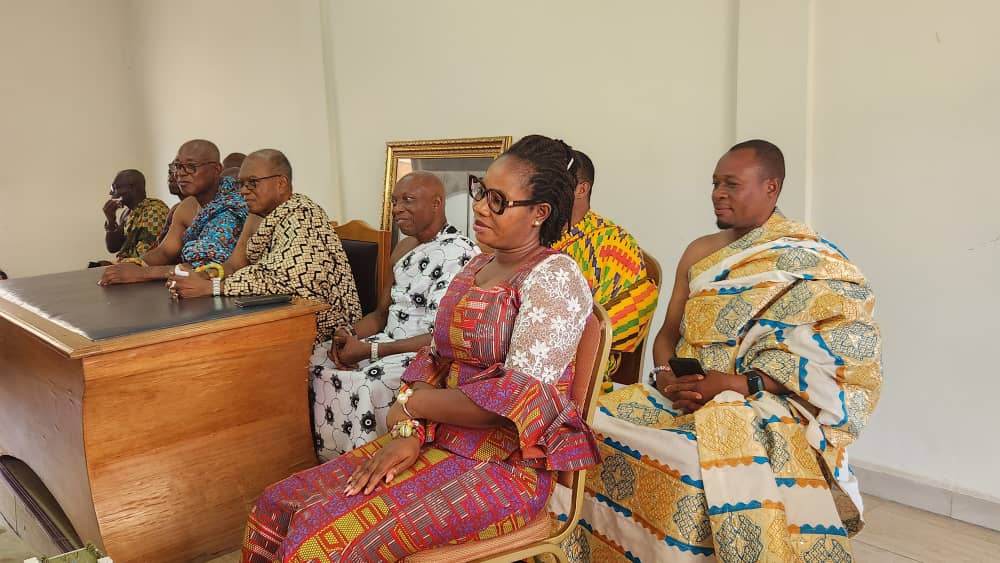
Responding on behalf of the Agbogbomefia, Togbe Adzie Lakle Howusu XII, Warlord of the Asogli State, pledged the support of traditional authorities in combating drug-related activities in the region.

He said chiefs would continue to provide relevant intelligence to security agencies to help curb the cultivation, distribution, and use of illegal drugs.

Togbe Howusu noted that demand for narcotic substances was a key factor driving production and called for intensified efforts to reduce consumption, especially among the youth.

He also urged authorities to strengthen enforcement of road traffic regulations involving commercial motorcycle (Okada) and tricycle (Keke) operators, some of whom, he said, exhibited behaviour suggestive of substance abuse.

The chiefs welcomed the Minister to the region and wished him a successful tour.

Abdul Latif wunzalgu: The journey of a rising starlet

0

At an age when many are still searching for their breakthrough, Abdul Latif wunzalgu has already had a glimpse of what the future could hold. 

The GAZ Nobles Football Club youngster recently achieved a lifelong dream by earning his first call-up to Ghana’s Black Starlets, proudly wearing the national jersey and making a bold statement on the international stage.

GAZ Nobles is a community-centered youth development organization based in Agona Swedru, dedicated to discovering, grooming, and promoting talented young footballers through football, education, and life skills. 

Wunzalgu’s journey from the local pitches of Agona Swedru to wearing the Black Starlets jersey greatly highlights the effectiveness of GAZ Nobles FC’s development model. 

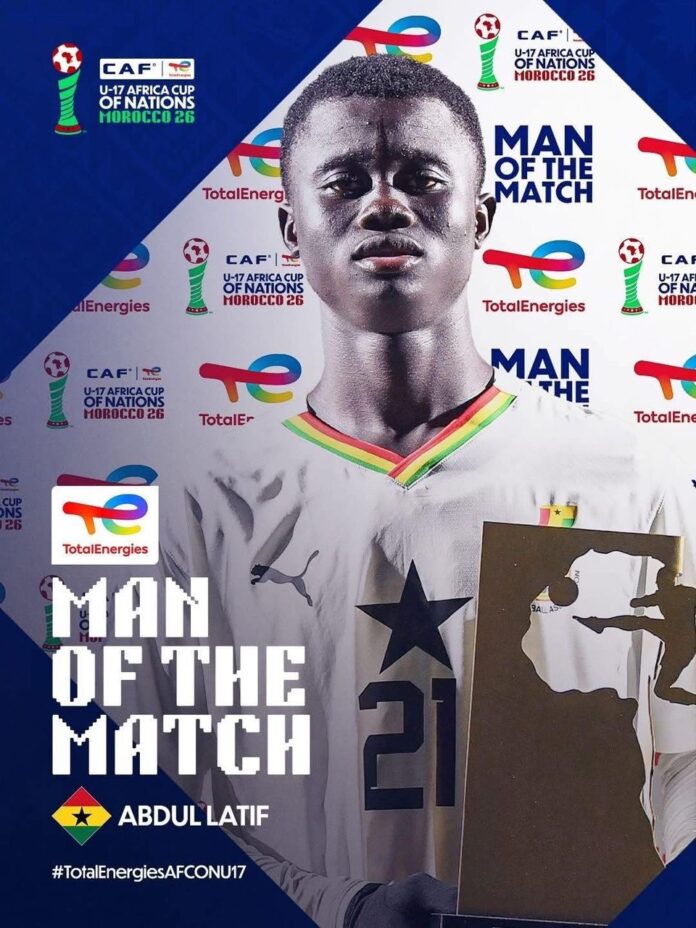
During the 2026 U17 Africa Cup of Nations in Morocco, his outstanding performances earned him the prestigious Man of the Match award in the World Cup qualification play-off against Uganda.

The talented winger was one of Ghana’s brightest performers throughout the tournament, providing the assist for Ghana’s opening goal in the game.

Wunzalgu crowned his impressive campaign with a breathtaking second goal of the evening for his side which earned him the prestigious award. 

Discovered through the club’s talent identification initiatives, the young prodigy flourished under consistent technical training, personalized coaching using advanced analysis tools and unwavering support for his personal and academic growth. 

Building on this strong foundation of local talent development, GAZ Nobles FC, under the leadership of Mr. Nash Fiifi Eyison has entered into a visionary partnership with Spain’s Real Racing Club de Santander. 

The partnership aims to create real-life opportunities for young players by developing them first as individuals and then as footballers. 

 The club provides a structured environment that includes professional coaching with individualized performance assessments, strong academic support, and vocational training in various skills. 

Backed by Sterling-GP and the Nobles Development Group, the club also offers complementary programs such as training at the groups ICT Center of Excellence, training with GAZ Media Group career counseling, internships with associate companies. 

By bridging the gap between local talent and global opportunities, the project seeks to empower the next generation of footballers in Ghana, paving the way for international exposure and their success on and off the field. 

Marfo, Borteye and Mensah crowned champions at Damba Table Tennis Championship

0

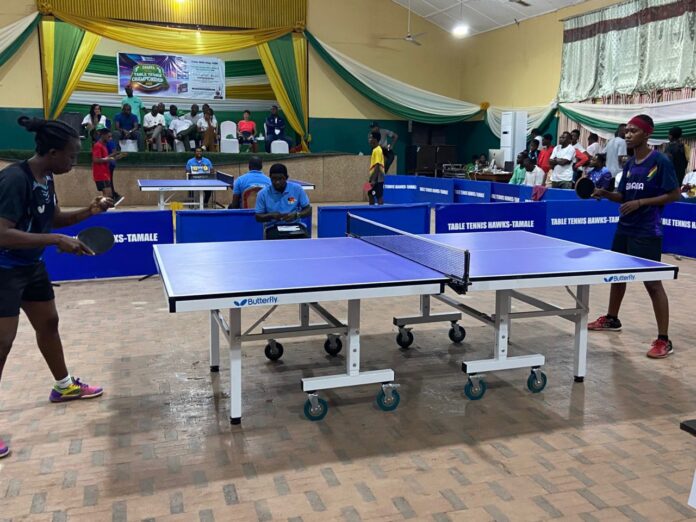
James Marfo, Joanita Borteye and Micheal Mensah Agyapong emerged champions in their respective categories at the third edition of the Damba Table Tennis Championship, which ended in grand style.

The championship, held on May 30 in Tamale, brought together some of Ghana’s finest junior and senior table tennis players from across the country in a highly competitive tournament aimed at promoting the development of the sport.

The event was supervised by Competition Manager William Asare-Berekorang and Referee David Senyo Ahiaba, and was attended by Mawuko Afadzinu, President of the Ghana Table Tennis Association (GTTA) and Executive Vice President (Marketing) of International Table Tennis Federation Africa.

In the Under-19 Girls category, Joanita Borteye of Greater Accra displayed outstanding form to clinch the title after defeating Lovelyn Akua Agyemang Ofori of Ashanti in the final.

Naomi Yeboah of Bono and Joy Esi Abaidoo of Ashanti finished in joint third place after impressive performances throughout the competition.

The Under-19 Boys title went to Micheal Mensah Agyapong of Ashanti, who dominated the division with a series of commanding displays while Richard Ofori of Greater Accra settled for the silver medal, while Hamza Issah and Frederick Mensah finished in joint third place.

Borteye extended her dominance into the senior ranks by capturing the Women’s Singles title.

She defeated Cynthia Kwabi in the final, while Judith Acheampong and Augustina Baidoo secured joint third positions.

In the Men’s Singles category, James Marfo became champion after overcoming a strong field of competitors.

Ali Mohammed finished as first runner-up, while Emmanuel Commey and Micheal Yeboah shared the bronze positions after reaching the semi-finals.

The championship also honoured outstanding performers with special awards J.J. Abaidoo received the Discovery Player Award, Frederick Mensah was named Promising Player, while Ali Mohammed won the Most Exciting Player Award.

Joanita Borteye was adjudged the Most Disciplined Player, with Micheal Mensah Agyapong receiving the Fair Player Award.

Participants and officials lauded the high standard of organisation, hospitality, quality playing conditions and professionalism exhibited throughout the event, describing it as a major contribution to the development of table tennis in Northern Ghana.

The championship was organised by Table Tennis Hawks-Tamale with support from a planning committee comprising Amos Tham-Mbiah, Osmond Amuah, Prof. Damien Tom-Dery, Reginald Addo Ankamah, Mark Brew, Philip Kojo Hinson, Ebenezer Nii Odotei Okpoti and Joseph Kofi Yeboah.

With participants drawn from Greater Accra, Ashanti, Eastern, Central, Bono, Volta, Northern and other regions, the championship once again reinforced its status as one of Ghana’s leading grassroots table tennis competitions.

Ghana, UK sign growth partnership agreement as roadmap for 2026–2028  

0

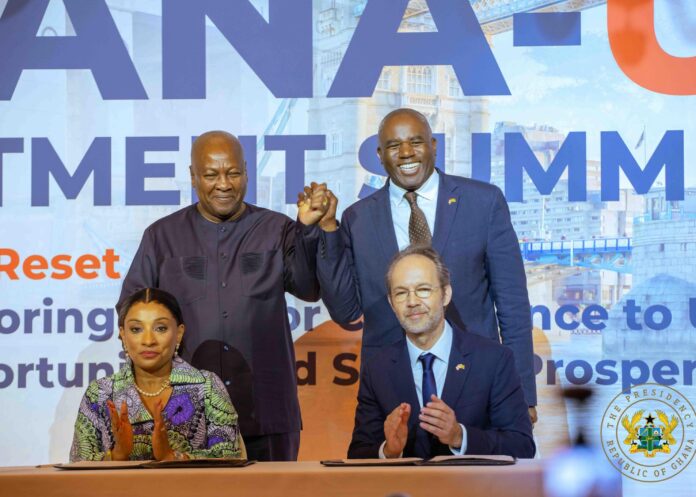
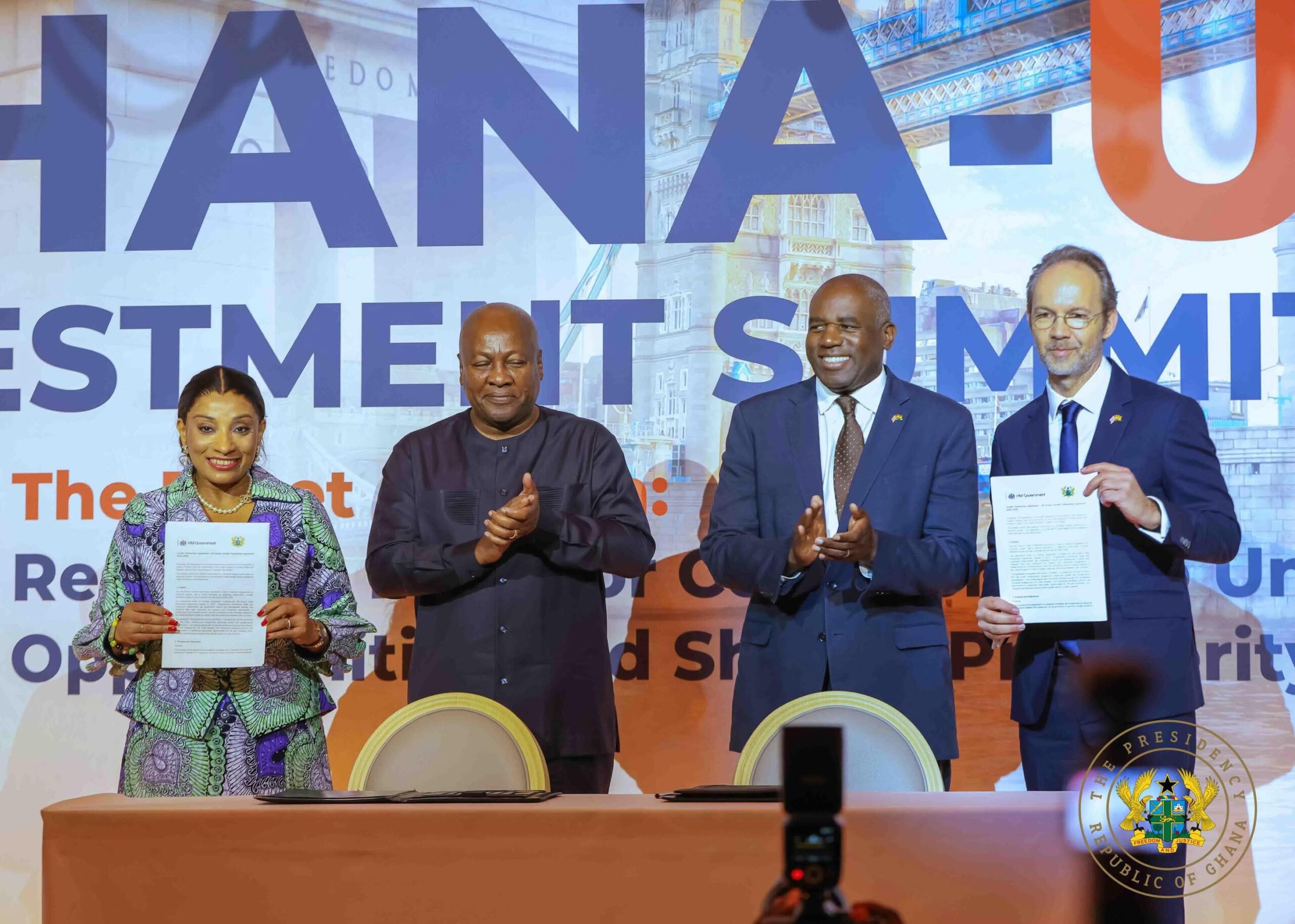
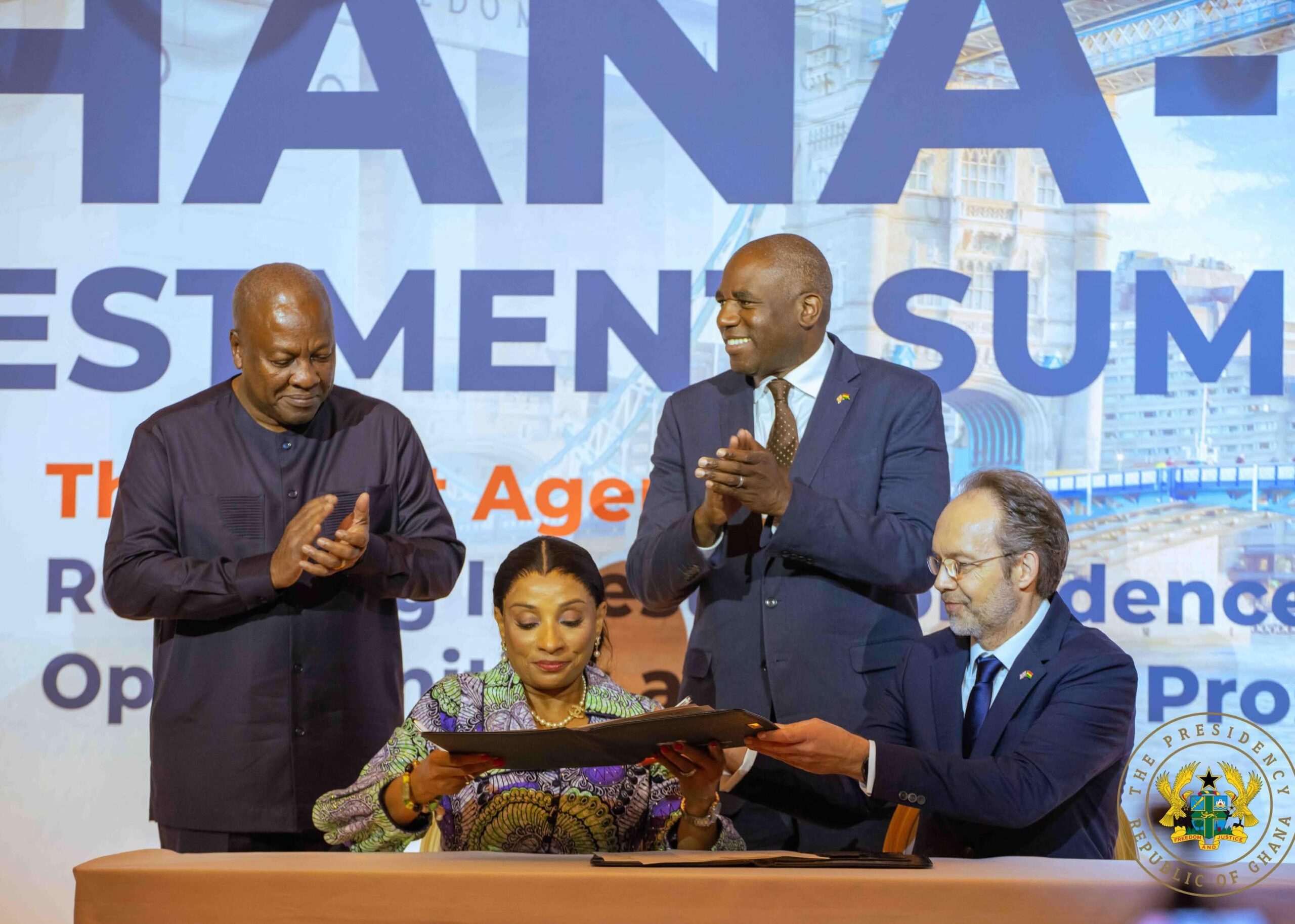
Ghana and the United Kingdom have signed a landmark UK-Ghana Growth Partnership agreement during the Ghana-UK Investment Summit in London, as a roadmap for 2026–2028.   

It aims to deliver tangible benefits for Ghanaians and businesses operating in Ghana.  

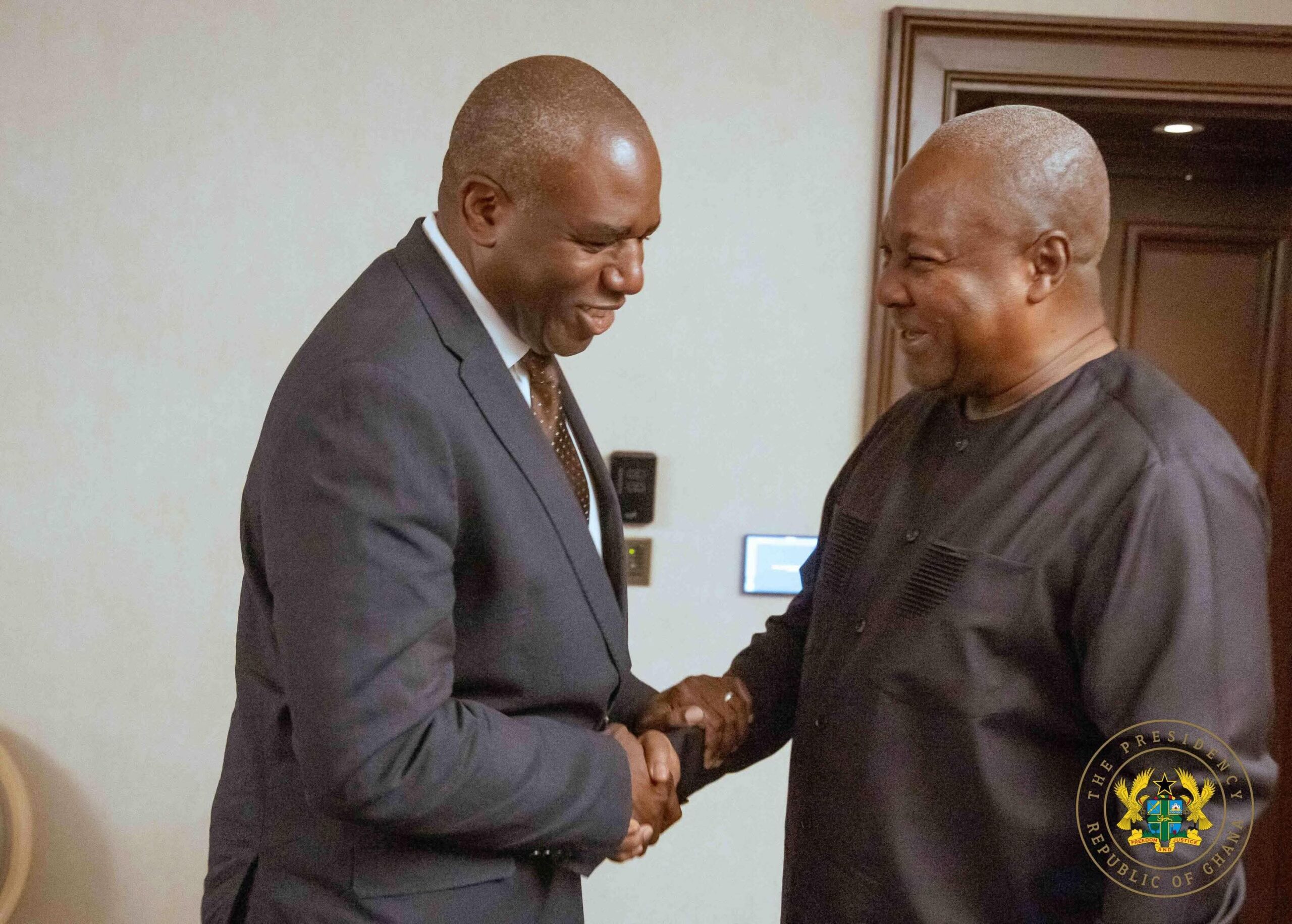
President John Dramani Mahama and the UK Deputy Prime Minister David Lammy witnessed the signing of the partnership.  

Mrs Sabah Zita Benson, Ghana’s High Commissioner to the United Kingdom and Ireland and Dr Christian Rogg, the UK High Commissioner to Ghana, signed for their respective countries.  

President John Dramani Mahama said the deals worth up to £215 million stood at the centre of their collaboration with the UK.   

“By prioritising private-sector growth, infrastructure, and skills development for our youth, we aim to ensure they can compete globally,” he said.  

The President said a groundbreaking £101 million UK-backed initiative, part of the partnership, would create the Gulf of Guinea’s very first commercial-scale ship repair and dry-docking facility.   

That he noted would generate up to 430 direct jobs, including 30 per cent reserved for women, the Takoradi Floating Dock Project would propel Ghana to the forefront of regional maritime hubs.  

He said the Partnership was unlocking millions in climate-aligned infrastructure, propelling an £85 million reforestation fund and an exciting £9 million investment dedicated to forest restoration in the Oti Region.   

The President said the transformative projects would generate local jobs and safeguard their environment.  

He said a £6 million partnership would support the implementation of the Ghana AI Strategy and energise science and technology collaboration across their universities.  

President Mahama said in the health sector, their systems would be transformed by a £4 million partnership for specialist clinical engineering training.   

He disclosed that a new transnational education guideline would also be launched to open up outstanding opportunities for Ghanaian students to access world-class training.  

2026 World Cup: Let’s be positive about squad, manager – Jordan Ayew urges Ghanaians

0

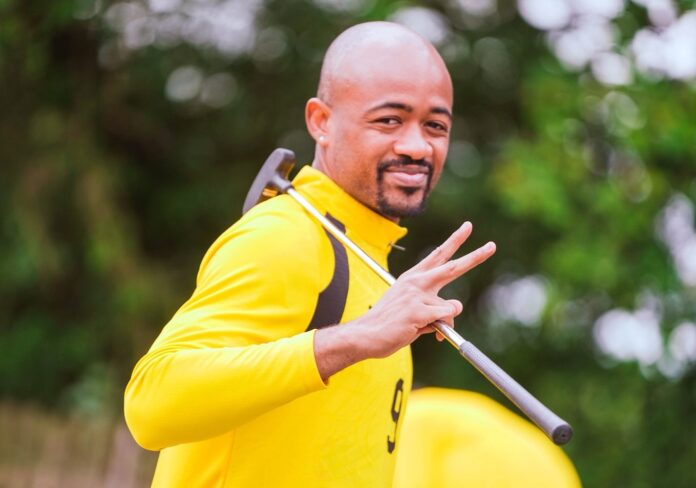
Ghana captain Jordan Ayew has called on Ghanaians to rally behind the Black Stars and new head coach Carlos Queiroz as the team prepares for the 2026 FIFA World Cup.

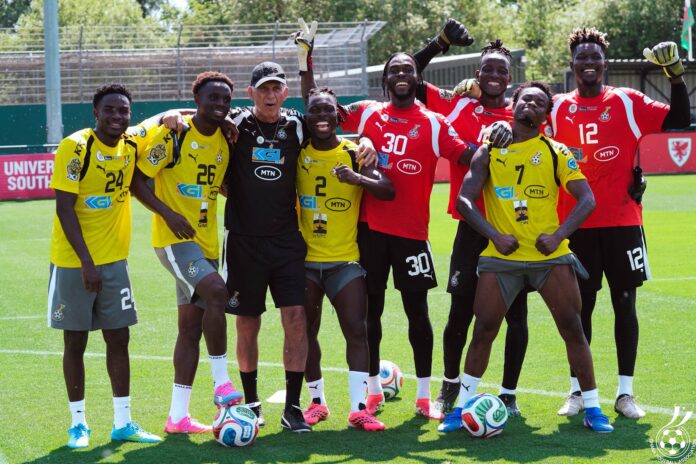
The Black Stars would also face Wales in an international friendly match later on Tuesday as part of preparations for the 2026 World Cup.

Speaking at a pre-match press conference on Monday, Ayew said the squad was focused on building a new chapter and urged fans to remain patient and supportive as the team develops ahead of the 2026 FIFA World Cup.

“So, listen, the past is the past, there’s a new chapter and we just need to focus on what’s ahead of us — and obviously tomorrow is the first step,” Ayew said.

“And I know Ghana; I know the country where we come from. Sometimes we take things a bit too personal, but I think we just need to all be patient and be relaxed and be positive about the squad, about the team and about the manager as well.”

Ayew praised Queiroz’s early impact, highlighting the players’ commitment and belief as key ingredients for success.

“As players, we just focus on what’s ahead of us and tomorrow is the first step,” he added. “But listen, we’ll see what happens tomorrow. We’re going in to perform well, to get results and to start building from there.”

The Ghana skipper noted that the integration of new players into the squad was progressing well, expressing confidence that the team could exceed expectations on the global stage.

“We have a lot of new players and we just want to improve. We just want to go there and put on a show and represent Africa and Ghana the best we can,” he said.

“And I am confident that with the manager’s ideas and the boys’ commitment, I am sure that we will surprise people.”

Ghana have been drawn in Group L for the World Cup, where they would open their campaign against Panama in Toronto before taking on England and Croatia in Boston and Philadelphia respectively.

Djiku out as Ghana coach Carlos Queiroz names official 26-man squad for 2026 World Cup

0

Ghana head coach Carlos Queiroz has named a 26-man squad for the 2026 FIFA World Cup, with defender Alexander Djiku ruled out through injury.

Djiku, who was named in the initial 28-man squad, has been replaced by Derrick Luckassen, who plays for Cypriot club Pafos.

Hearts of Oak goalkeeper Solomon Agbasi who also missed out on the 26-man squad, has been added an additional member of the squad in case of injuries to the three goalkeepers in camp, including Benjamin Asare, Lawrence Ati-Zigi and Joseph Anang.

Young goalkeeper Paul Reverson has been dropped from the squad.

Gideon Mensah, Baba Abdul Rahman, Thomas Partey, Alidu Seidu, Abdul Fatawu Issahaku, Kamaldeen Sulemana, Antoine Semenyo, Iñaki Williams and captain Jordan Ayew would be making another FIFA World Cup appearance after making the final list.

Olympique Lyon winger Ernest Nuamah has been declared fit to participate in the tournament having recently recovered from a long-term anterior cruciate ligament injury.

The Black Stars have been in camp for over a week ahead of their friendly against Wales scheduled for Tuesday, June 2, 2026.

The Black Stars are drawn in Group L, where they would open their campaign against Panama in Toronto before facing England and Croatia in Boston and Philadelphia respectively.

Full squad list:

Goalkeepers: Benjamin Asare, Lawrence Ati-Zigi, Joseph Anang

Defenders: Baba Abdul Rahman, Gideon Mensah, Marvin Senaya, Alidu Seidu, Abdul Mumin, Jerome Opoku, Kojo Oppong Peprah, Derrick Luckassen

Midfielders: Elisha Owusu, Thomas Partey, Kwasi Sibo, Augustine Boakye, Caleb Yirenkyi, Abdul Fatawu Issahaku, Kamal Deen Sulemana, Christopher Baah Bonsu

Strikers: Jordan Ayew, Inaki Williams, Prince Adu Kwabena, Ernest Nuamah, Antoine Semenyo, Brandon Thomas-Asante

Ghana-South Africa relations remain intact despite xenophobic attacks – Mahama  

0

President John Dramani Mahama says Ghana’s diplomatic relations with South Africa remain strong despite recent xenophobic attacks that have forced the evacuation of some Ghanaian nationals.  

Speaking at Chatham House, a leading policy institute in London, during his five-day official visit to the United Kingdom, President Mahama described the attacks as unfortunate and expressed disappointment over the growing hostility towards foreign African nationals.  

“We do not have any breach in our diplomatic relations. What happened was that it’s not the first time there have been these xenophobic attacks in South Africa,” he said in response to a question on Ghana-South Africa relations.  

“They say we shouldn’t call it xenophobia. I don’t know what else or the name you can give it. But there have been these surges in anti-foreign attacks.”  

The President said previous incidents had mainly affected nationals from neighbouring countries such as Mozambique, Malawi, Zimbabwe and Nigeria, but the latest attacks had increasingly targeted Ghanaians.  

“Lately, Ghanaians have gotten involved. This is the first time we’ve really had Ghanaians getting a part of the direction of attacks,” he said.  

President Mahama explained that worsening security conditions and attacks on foreign-owned businesses created circumstances that compelled the Government to organise voluntary evacuations for citizens who felt unsafe.  

He said many Ghanaians living in South Africa worked as skilled professionals and entrepreneurs, particularly in barbering, hairdressing, nail care, beauty services and other small businesses that contributed to local economic activity.  

According to him, shops belonging to foreigners were locked during the attacks, while many migrants feared moving freely because they could be identified and assaulted.  

The situation worsened with reports of raids on health facilities.  

“And if you were not South African, you were asked to leave the hospital. Even if you were ill, it created a very toxic atmosphere,” he said.  

President Mahama said many displaced Ghanaians from Durban and other communities sought refuge at Ghana’s High Commission in Pretoria.  

“At this point we had nearly 200 of our citizens in our embassy,” he said.  

The President noted that the Government decided to evacuate citizens after concerns grew over their safety and the apparent inability to contain the attacks quickly.  

“It didn’t look like the South African authorities were doing anything to try to quell what was happening and also to provide protection to those who had been displaced,” he said.  

“And so we did the first evacuation flight. We’re going to do two more to take those who want to leave. It is voluntary. We asked, do you want to stay or you want to leave? And many of them say they feel threatened. And so they want to leave.”  

President Mahama said the incidents underscored the need for African countries to deepen cooperation and address obstacles to continental integration.  

He emphasised that migration remained an important driver of development and that African economies benefited significantly from the movement of people, skills and investments across borders.  

“I think it’s unfortunate what is happening in South Africa. We need to drill down to what causes these flare-ups in terms of xenophobia,” he said.  

President Mahama said African countries must empathise with South Africa and support efforts to address the underlying economic and social conditions that fuel periodic outbreaks of anti-foreign sentiment.   

He noted that reducing unemployment and tackling inequalities inherited from the apartheid era were critical to finding a lasting solution to the problem.  

“And so all of us must empathize with South Africa or must sympathize with South Africa,” he said.   

“And we must help South Africa to be able to drill down and find out what it can do to reduce unemployment rates amongst the black populations.”  

The President suggested that some of the tensions might stem from structural challenges dating back to the apartheid era, including persistent unemployment among sections of the black population.  

He called on African leaders and policymakers to help address the root causes of the violence and challenge perceptions that migrants were responsible for economic hardships.  

“After the last fellow African leaves, is it going to change unemployment among blacks in South Africa?” he asked.  

“After the last shop has been closed and everybody has left, is it going to change unemployment in South Africa?”  

President Mahama reiterated that migration benefited both host countries and migrants, citing the contributions of Ghanaian professionals abroad and other African nationals working in Ghana.  

He noted that Ghanaian doctors, nurses, academics, entrepreneurs and skilled workers had made valuable contributions to economies across the continent, including South Africa, just as South Africans, Nigerians and Sudanese continued to contribute to Ghana’s development.  

“And everybody brings some advantage. They either bring their knowledge or they bring investments,” he said.  

“And I think we should get over this fear of foreigners coming into our countries.”  

Anti-Gay Bill has long constitutional road before becoming Law – Mahama 

0

President John Dramani Mahama says the Human Sexual Rights and Ghanaian Family Values Bill still has a considerable constitutional process to undergo before it can become law, despite its recent passage by Parliament.

Speaking at Chatham House in London on Monday during his official visit to the United Kingdom, President Mahama said several procedural and legal issues surrounding the Bill would have to be addressed before any presidential assent could be considered.

Responding to a question on the legislation, commonly referred to as the anti-gay Bill, the President said concerns had already emerged regarding the circumstances under which Parliament passed the Bill.

He noted that the Speaker of Parliament had taken steps towards addressing some of the issues that had been raised.

“I just got some communication that the Speaker was reading a statement to address the issue of the lapses in the passage of the Bill,” President Mahama stated.

The President explained that questions had been raised over whether Parliament had the required quorum at the time the Bill was approved.

He said there were also concerns about procedural lapses associated with its passage.

President Mahama noted that the Human Sexual Rights and Ghanaian Family Values Bill had generated unprecedented public interest and debate in Ghana, underscoring the importance many Ghanaians attach to issues relating to family values and cultural norms.

He said Parliament had been considering the Bill for some time and was expected to pass it last week.

Providing further insight into the constitutional process, President Mahama recalled that while serving as Opposition Leader, he had publicly outlined the options available to a President when such legislation is presented for assent.

“It must come for assent. And so once the President gets it, you go through it because you’re not part of the discussion in Parliament,” he said.

The President explained that the legislation was introduced as a Private Member’s Bill rather than a Government Bill, a distinction that required additional legal scrutiny before a decision could be made.

The Attorney-General and the President’s legal advisers would carefully examine the Bill to ensure that all constitutional and procedural requirements had been met.

“This was not a Government Bill. And so we’ll look at it and make sure that everything is in order before the President is advised to assent,” he explained.

President Mahama  noted that under Ghana’s constitutional arrangements, the President could seek advice from the Council of State if concerns arose regarding any aspect of the Bill.

The Council of State serves as an advisory body to the President on matters of governance and national importance.

He added that where substantial concerns were identified, the President could return the Bill to Parliament with specific observations for reconsideration.

“And so that’s still quite a way to go before that Bill becomes law,” President Mahama said.

The Human Sexual Rights and Ghanaian Family Values Bill has remained one of the most debated pieces of legislation in Ghana in recent years.

The latest passing of the Bill has also generated debate.

 The Minority New Patriotic Party (NPP) has expressed concern that amendments before its passage had watered down some of the original provisions and weakened the Bill’s intended effect. 

They argued that the changes departed from the objectives of the original legislation and called for the preservation of what they described as the Bill’s “core protective measures.”

The legislation was first passed by Parliament in February 2024 during the administration of former President Nana Addo Dankwa Akufo-Addo. However, it did not receive presidential assent before the end of his tenure. 

The Bill also became the subject of legal challenges at the Supreme Court, with petitioners seeking constitutional interpretations on aspects of the Bill and the legislative process. 

The 2024 version of the Bill also attracted strong opposition from some civil society organisations, human rights advocates and professional bodies, which argued that certain provisions could lead to discrimination, vigilante actions or violence against persons accused of being LGBTQ+. 

Critics also contended that some clauses could adversely affect the work of professionals such as lawyers, academics, journalists, counsellors and healthcare providers whose responsibilities may require them to discuss, research, report on or provide services relating to issues addressed by the legislation.

 These concerns formed part of the broader national and international debate surrounding the Bill and contributed to the legal challenges that followed its passage.

Supporters of the legislation, however, have argued that it is intended to safeguard Ghanaian family values, cultural norms and social traditions, making it one of the most closely watched legislative measures in the country’s recent history.

President Mahama’s remarks at Chatham House formed part of his five-day official visit to the United Kingdom, during which he has engaged political leaders, policy experts, investors and members of the Ghanaian community on issues relating to governance, economic recovery and international cooperation.

The Future of Ghana-UK Economic Cooperation Is Bright – Ghana High Commissioner 

0

Mrs Sabah Zita Benson, Ghana’s High Commissioner to the United Kingdom  and Ireland, (UK) said Ghana-UK economic cooperation has a bright future, with both countries positioned to build a partnership that promotes prosperity, innovation, and sustainable growth for future generations. 

Speaking at the opening of the Ghana-UK Investment Summit 2026 in London, Mrs Benson reaffirmed the Ghana High Commission’s commitment to serving as a bridge between investors and opportunities in Ghana. 

“We stand ready to facilitate engagements, provide information, and support businesses seeking to establish or expand their presence in our country,” she stated. 

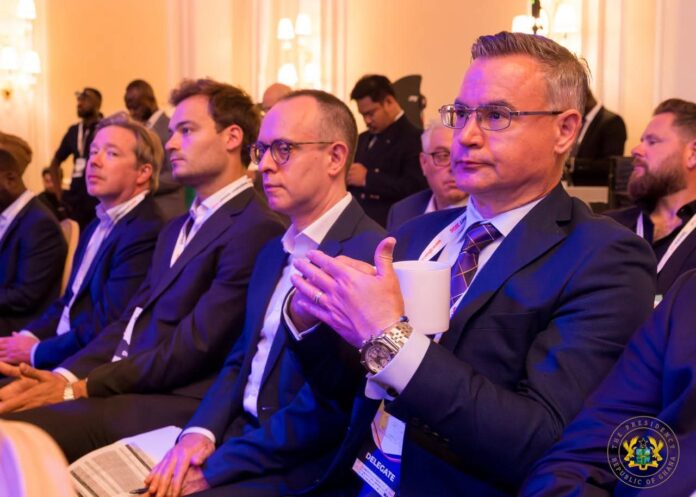
The two-day Ghana-UK Investment Summit, opened by President John Dramani Mahama, is being organized by the Ghana High Commission in the United Kingdom in collaboration with Invest Africa and the UK-Ghana Chamber of Commerce. 

The summit brought together a distinguished gathering of business leaders, institutional investors, policymakers, and development partners. 

Mrs Benson encouraged participants to engage openly and explore the vast opportunities available. She also expressed gratitude for their interest in Ghana as a destination for investment, partnership, and long-term business growth. 

“This gathering reflects our shared belief that the relationship between Ghana and the United Kingdom should continue to evolve into a modern economic partnership built on mutual prosperity, innovation, sustainability, and shared growth,” she said. 

“We have convened this summit to bring together government leaders, investors, financiers, entrepreneurs, and business executives to explore how we can best work together to unlock new opportunities, deepen commercial ties, and create lasting value for our two countries.” 

Mrs Benson noted that at a time when the global economy is undergoing profound change, Ghana presents significant opportunities for investors seeking a stable, democratic, and forward-looking partner in Africa. 

She said Ghana is entering a new phase of economic transformation and that, under the leadership of President John Dramani Mahama, the government is pursuing an ambitious agenda aimed at restoring economic stability, accelerating industrialization, creating jobs, and positioning Ghana as a competitive hub for investment, manufacturing, logistics, and services in Africa. 

The High Commissioner explained that central to this vision is the development of a 24-hour economy, designed to increase productivity, enhance exports, create employment opportunities, maximize the use of infrastructure, and attract investment into value-added industries through a well-structured day-and-night economy. 

“Our ambition is not only to attract capital; we seek genuine partnerships across the various sectors of our economy that support industrialization, job creation, skills development, technology transfer, infrastructure development, and sustainable economic transformation,” Mrs Benson said. 

“We want investors to see Ghana as a trusted market, a long-term sustainable partner, and a gateway to the wider African market.” 

She emphasized that Ghana offers a compelling investment proposition, combining political stability, a strong democratic tradition, a strategic geographic location, abundant natural resources, a youthful and talented workforce, and preferential access to a continental market of more than 1.4 billion people through the African Continental Free Trade Area (AfCFTA). 

According to her, these advantages position Ghana as a gateway to Africa’s emerging opportunities. 

Mrs Benson expressed sincere appreciation to all the companies, institutions, and individuals represented at the summit, noting that their presence demonstrates confidence in Ghana’s future and recognition of the opportunities the country offers. 

“We are very grateful for your willingness to engage with us, explore new possibilities, and contribute to Ghana’s development journey,” she said. 

She added that over the two days, participants would hear directly from policymakers, industry leaders, and investors about opportunities across priority sectors, including infrastructure, energy, mining, agribusiness, manufacturing, financial services, technology, healthcare, and tourism. 

The summit, she said, would also provide opportunities for meaningful engagement, enabling participants to explore partnerships and identify projects capable of delivering mutual benefits for both Ghanaian and British businesses. 

Mrs Benson expressed confidence that the summit would strengthen relationships that would continue long after the event concludes. 

“The true measure of success will not be the conversations we have here, but the collaborations we establish, the investments we facilitate, and the shared prosperity we create together in the years ahead,” she said. 

In line with President Mahama’s vision of promoting Ghanaian-owned businesses abroad, she noted that participants would also visit both public and private businesses during the summit. 

She further expressed gratitude to the Government and people of the United Kingdom for their longstanding friendship and business partnership with Ghana. 

“A lot has been achieved over the decades, and together we will achieve even more,” she said. 

In his remarks, Dr Christian Rogg, the British High Commissioner to Ghana, announced that the UK-backed Private Infrastructure Development Group (PIDG) is making its largest investment to date—a £101 million ship repair and dry-docking facility at Takoradi Port in Ghana. 

According to Dr Rogg, the project is expected to create up to 430 jobs, 30 percent of which will be reserved for women, while strengthening Ghana’s position as a regional maritime and logistics hub. 

He also pledged the UK Government’s full support for Ghana’s socio-economic development.