Home Blog Page 3

Ghana to Host 4th African Conference on Family, Sovereignty and Values at Parliament House 

0

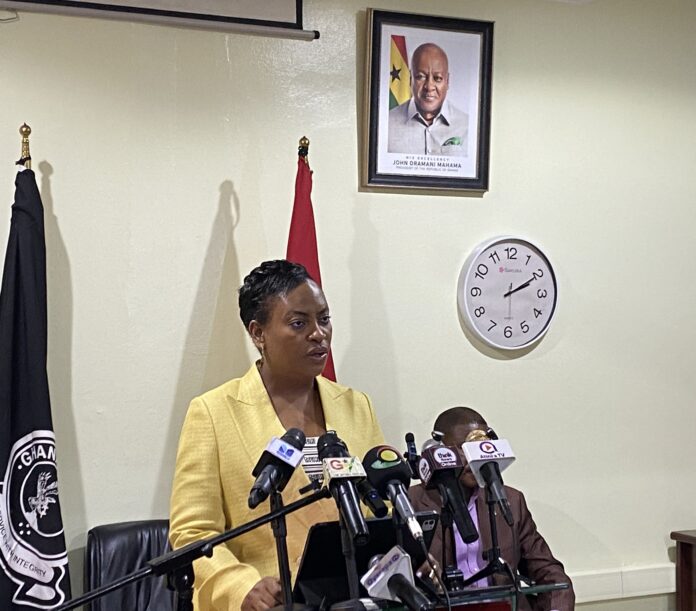
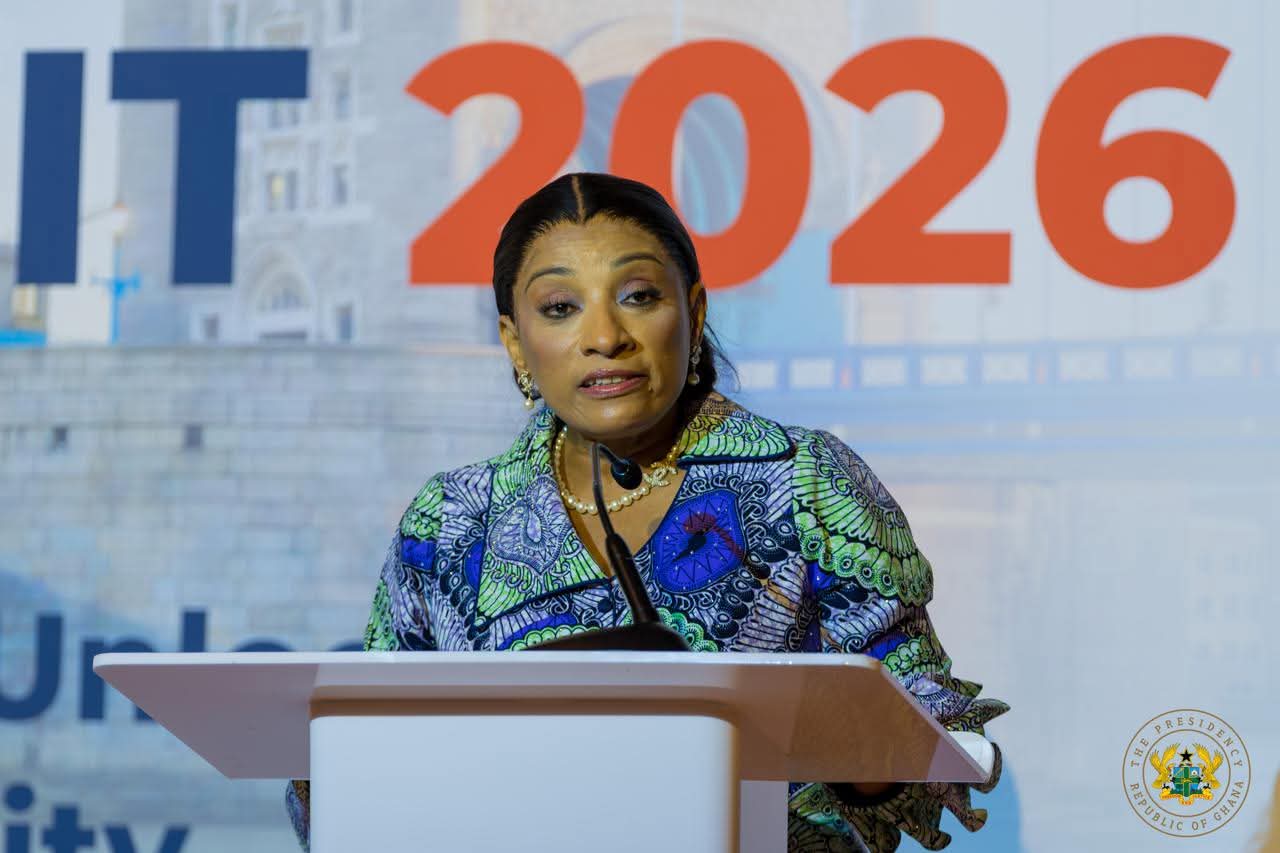
Ghana is fully prepared to host the 4th Session of the African Conference on Family, Sovereignty and Values at Parliament House in Accra, with more than 300 delegates from over 30 countries expected to participate and advance work on a draft “African Charter of Family, Sovereignty and Values,” Speaker of Parliament Alban Sumana Kingsford Bagbin has announced. 

Speaking at a press conference at Parliament House on Monday ahead of the conference, scheduled from June 3 to June 6, 2026, Mr Bagbin said the event would bring together parliamentary leaders, policymakers, academics, religious leaders, civil society representatives and development partners from across Africa and beyond. 

He described the conference as a significant platform for Africa to reaffirm its identity, values and sovereignty amid growing social, cultural, and ideological challenges. 
“This conference is not merely a gathering; it is a declaration that Africa will no longer sit mute or stand in silence,” Mr Bagbin said. 

“It is a declaration that we shall reclaim and protect our values, not merely in aspiration, but through dignified unity. It is therefore both timely and necessary for African parliaments and institutions to engage in meaningful dialogue on how we preserve and promote the values that define us as a people.” 

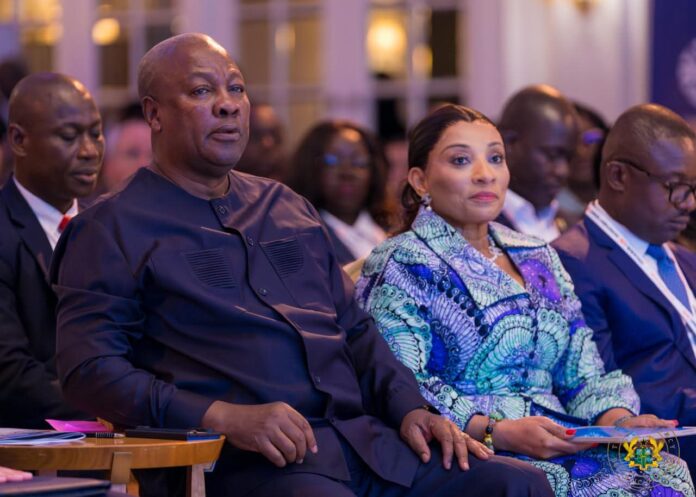
President John Dramani Mahama is expected to attend the opening ceremony as Special Guest of Honour. 

Mr Bagbin said the venue had been moved from the originally announced Ridge Church to Parliament House following extensive consultations. 

“After thorough consultations, it was deemed appropriate to move the conference to a location better suited to the significance and objectives of this gathering,” he said. 

“Parliament House is a symbol of Ghana’s democratic resilience and Pan-African commitment. It provides the most appropriate institutional setting for discussions aimed at shaping laws, policies and actions that strengthen families, uphold sovereignty and preserve Africa’s shared values.” 

He apologised for any inconvenience caused by the change and thanked delegates, stakeholders and Members of Parliament for their understanding. 

According to the Speaker, representatives from all five African regional blocs will participate in the conference, underscoring its continental character and growing relevance. 

A key outcome of the conference, he noted, will be further work on the proposed African Charter of Family, Sovereignty and Values, a continental framework intended to guide member states in protecting family systems, cultural identity and national sovereignty. 

Mr. Bagbin said the conference was taking place at a critical moment for the continent. 

“This year’s conference is being organised at a time when the African continent is confronted with evolving social, cultural and ideological challenges that have profound implications for family systems, sovereignty and cherished values,” he stated. 

“We are meeting at a moment when African values face a dual assault: the cultural erosion associated with globalisation on one hand, and the painful rise of xenophobia within our own continent on the other. When external ideologies and concepts of identity are increasingly presented as universal truths, Africa must find its voice and speak with clarity.” 

He outlined key thematic areas for discussion, including the protection and strengthening of the African family system, preservation of African cultural values and sovereignty, the role of parliaments in safeguarding societal values, youth development and moral leadership, legislative responses to emerging social and ideological issues, and strengthening cooperation among African states. 

Delegates will also examine the growing influence of artificial intelligence and digital technologies on family systems, child protection and social cohesion. Discussions will focus on ethical frameworks, data privacy safeguards and responsible digital governance to ensure technology serves the interests of African societies. 

The Speaker expressed confidence that the conference would produce strong resolutions and renewed commitments towards policies and legislative frameworks that protect the integrity of the family, respect national sovereignty and preserve the moral and cultural foundations of African societies. 

On Ghana’s readiness to host the event, Mr Bagbin said all logistical and administrative preparations had been completed. 

“I am pleased to announce that Ghana is fully prepared to host this prestigious conference,” he said. 

“Parliament House and all designated support facilities are ready to receive guests from across Africa and other participating countries.” 

He noted that arrangements covering accommodation, registration, transportation, security, media coverage and interpretation services had been finalised. 

“As of today, more than 30 countries have officially registered to participate, with an expected attendance of over 300 delegates,” he said. 

“These include Speakers and Presidents of Parliament, Members of Parliament, policy experts, religious leaders, academics, civil society representatives and development partners from across Africa and beyond. This strong level of participation reflects the growing importance of discussions surrounding family, sovereignty and values on the African continent.” 

Beyond the formal deliberations, participants will experience Ghana’s cultural heritage through exhibitions, cultural performances and networking events designed to promote African identity, unity and shared values. 

Mr Bagbin said guided tours of some of Ghana’s historic sites had also been arranged to showcase the country’s rich history, cultural heritage and tourism potential. 

He called on the media to support the conference by promoting constructive dialogue on issues affecting Africa’s future and fostering greater appreciation of the continent’s values and identity. 

Mr Andrew Amoako Asiamah, Second Deputy Speaker of Parliament and Chairman of the Local Organising Committee, said the topics selected for discussion were critical to Africa’s future, particularly in relation to cultural identity and value systems. 

He reiterated that one of the conference’s most important objectives would be advancing work on the draft African Charter of Family, Sovereignty and Values. 

“The issues that we are going to discuss are very important. The conversation about our values can never begin too early, and we encourage all stakeholders to support this initiative,” he said. 

Mr Asiamah expressed appreciation to the Speaker for his leadership and involvement in the preparations and said the Local Organising Committee was confident Ghana would successfully host the event. 

“On behalf of the Local Organising Committee, we thank the Speaker for his support and leadership. We are confident that Ghana is ready and that this conference will be successful,” he said. 

Mr Ebenezer Ahumah Djietror, Clerk to Parliament, noted that Ghana’s hosting of the conference was significant, particularly as Uganda had hosted the previous three editions. 

“It is appropriate that Ghana hosts the conference this time around,” he said. 

“The discussions will focus fundamentally on how Africans assess their independence, exercise authority and continue the search for their true identity.” 

He expressed confidence that the conference would contribute meaningfully to continental conversations on sovereignty, cultural preservation, and Africa’s future development. 
Fidelity Banks records strong financial performance in 2025 

0

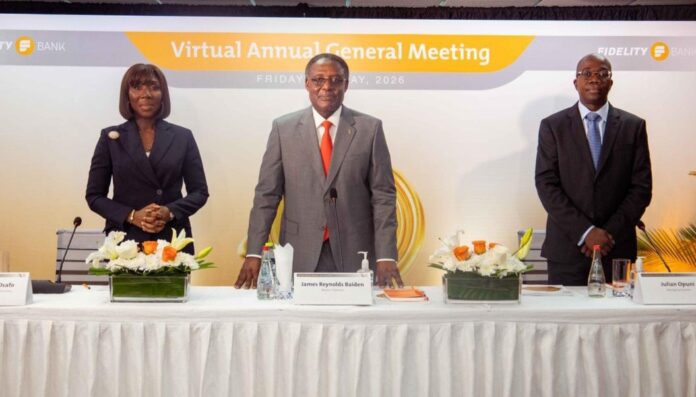
Fidelity Bank Ghana recorded Profit Before Tax of GHS1.46 billion in 2025, representing 21 per cent increase from the GHS1.21 billion recorded in 2024. 

The bank’s operating income also reached 2.68 billion in 2025, moving from the GHS 2.34 billion achieved the previous year, said a release copied to the Ghana News Agency after the Banks 2026 Annual General Meeting (AGM). 

Mr James Reynolds, the Board Chairman, described the results as a reflection of disciplined strategy execution, resilient operational performance, and sustained customer confidence.  

The Bank’s total assets increased by 17% to GHS 25.98 billion, while wholesale and customer funding liabilities grew by 13 percent to GHS 21.68 billion. 

“One of the Bank’s strongest performance areas was lending. Gross loans and advances rose sharply by 51 percent from GHS 3.14 billion in 2024 to GHS 4.74 billion in 2025, underscoring its commitment to supporting corporate businesses, SMEs, retail customers, and emerging growth sectors across the economy,” it said. 

The Bank’s Non-Performing Loan ratio also improved significantly to 7.09 per cent, below the industry average of 18.9 per cent. 

“Importantly, the Bank maintained a high-quality loan portfolio. Our proactive risk management approach resulted in a significant improvement in asset quality,” Mr Baiden said. 

Following approval from the Bank of Ghana, the Board declared a dividend of GHS 11.20 per share. 

Mr Julian Opuni, the Managing Director, Fidelity Bank, said the Bank’s growth was driven by disciplined execution, targeted expansion, and investments in innovation, automation, analytics, and customer-focused digital platforms. 

“Our digital channels, analytics capabilities, and core platforms remain central to delivering seamless, personalised, and reliable banking solutions,” he stated. 

Fidelity Bank, in 2025, deployed over GHS 170 million to support green businesses and climate-smart initiatives, reinforcing its sustainability agenda. 

“The Bank advanced programmes such as the GreenTech Innovation Challenge and Orange Inspire Creative Challenge, while its Waste-to-Cash initiative recycled 14.7 tonnes of paper during the year.  

“Corporate social responsibility initiatives also impacted more than 40,000 lives across 10 regions in Ghana,” it said. 

Fidelity Bank, in 2025, earned local and international recognitions, including Best Private Bank in Ghana by Euromoney, Best SME & ESG Bank in Ghana by Global Banking & Finance Awards. 

There rest were Bank of the Year at the Ghana Business Awards, and Ghana’s Best Bank for ESG by Euromoney Awards for Excellence. 

The bank said it will continue to position itself as a long-term partner in Ghana’s economic transformation, balancing strong commercial performance with innovation, sustainability, and inclusive growth.  

CRC proposes reduction of NMC membership from 18 to seven

0

The Constitution Review Committee (CRC) has proposed an amendment to Article 166 of the 1992 Constitution to reduce the membership of the National Media Commission (NMC) from 18 to seven.

The Committee proposed that the Commission should comprise two persons nominated by the President – one individual and one legal practitioner with at least 18 years’ experience – two persons nominated by associations of media owners, one of whom must be female, and two persons nominated by associations of professional journalists, one of whom must also be female.

The report proposed that the Commission’s membership should consist of nominees from identifiable bodies, with members serving on a part-time basis, while the day-to-day administration and performance of the Commission’s functions would be handled by a chief executive officer (CEO).

 The CEO is designated as the Executive Secretary, who would serve as an ex-officio member of the Commission.

The CRC, chaired by Professor Henry Kwasi Prempeh, officially submitted its final report to President John Dramani Mahama on December 22, 2025, proposing significant amendments to Ghana’s 1992 Constitution.

The report seeks to enhance governance efficiency and institutional reforms and made recommendations affecting key state institutions, including the National Media Commission.

Appointment

The Committee also proposed that the Executive Secretary should be appointed by the President in accordance with a nomination submitted by the Council of State and subject to prior approval by Parliament.

Under the proposal, the Council of State would be responsible for selecting suitable nominees for vacancies on the Commission through an open, competitive and merit-based recruitment process administered on its behalf by the Public Services Commission (PSC).

The Committee further proposed that vacant positions on the Commission should be publicly advertised by the PSC, indicating the qualifications required for the role.

The report said the PSC would undertake an initial screening of applicants and provide the Council of State with a shortlist of qualified candidates, who would then be interviewed or vetted until a final nominee is selected for submission to the President.

The President would subsequently forward the nominee to Parliament for approval, after which the nominee would be formally appointed.

Tenure

The Committee proposed that the Executive Secretary should hold office for a single, non-renewable term of 10 years or until attaining the age of 65 years, whichever comes earlier.

It stated that the Executive Secretary should be subject to removal under the same conditions applicable to Commissioners or Deputy Commissioners of other independent constitutional bodies.

Tenure of NMC Board Members

The Committee also recommended that other members of the Commission should serve a five-year term, renewable once.

It proposed amendments to Chapter Twelve of the Constitution to guarantee the Commission adequate operational resources in line with its regulatory mandate. The Committee recommended that the Commission should be eligible for subventions and grants from the Democracy Fund.

Regulation of Media

The Committee proposed an amendment to Article 164 to align media freedom provisions with contemporary standards and best practices by ensuring that restrictions on media freedom must be based on law, reasonably necessary to achieve a stated public interest, proportionate, and limited in effect to the protection of the reputations, rights and freedoms of others.

The NMC was established on July 7, 1993, by an Act of Parliament (Act 449) in accordance with Chapter 12 of the 1992 Constitution to promote and safeguard media freedom and independence, encourage responsible journalism, and investigate, mediate and settle complaints against the media.

The Commission is also responsible for registering, regulating and monitoring media activities in Ghana.

The current 18-member governing board of the National Media Commission (NMC) is chaired by Prof Akua Biritwum, with Richard Mawuli Quashigah representing the Office of the President.

Parliament’s representatives on the Commission are Mahama Shaibu and Philip Fiifi Buckman for the Majority Caucus, while Korkor Laurette Asante represents the Minority.

Other members include Eva Okyere, representing the Ghana Bar Association; Ernest Owusu Addo for publishers and owners of the private press; and Anthony Obeng Afrane, representing the Ghana Association of Writers and the Ghana Library Association.

The religious bodies are represented by Rev. Ruby Amable for the Christian group comprising the National Catholic Secretariat, the Christian Council and the Ghana Pentecostal Council, while Hajj Muhammad Amir Kpakpo Addo represents the Federation of Muslim Councils and the Ahmadiyya Mission.

Other members are Professor Isaac Abeku Blankson, representing journalism and communication training institutions; Esther Amba Numaba Cobbah for the Ghana Advertising Association and the Institute of Public Relations Ghana; Rev. Isaac Owusu for the Ghana National Association of Teachers (GNAT); and Kobby Asmah and Kofi Yeboah, both representing the Ghana Journalists Association (GJA).

Figures from the National Communications Authority (NCA) indicate that Ghana has 784 authorised FM radio stations and 130 television stations, with 563 FM stations currently operational.

Of the operational FM stations, 159 are regional stations, 31 are government or state-owned FM stations, while five are foreign FM radio stations.

Ghana’s farmgate cocoa price beats Côte d’Ivoire despite criticism 

0

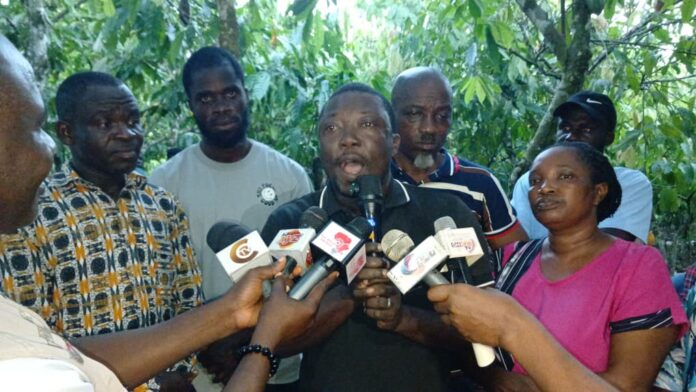
Cocoa farmers in Ghana are currently earning more per bag than their counterparts in neighbouring Côte d’Ivoire, Nana Attakorah Asante has said, rejecting opposition claims that producers are worse off under the current administration.  

Speaking to the Ghana News Agency, Nana Attakorah Asante, Communications Officer of the National Democratic Congress (NDC) of the Abura-Asebu-Kwamankese (AAK) Constituency, said current cocoa prices showed that Ghanaian farmers were earning more than their counterparts in Côte d’Ivoire and described attempts to suggest otherwise as politically misleading.  

His remarks followed recent visits by some leading New Patriotic Party (NPP) members, led by Rev. John Ntim Fordjour, Member of Parliament for Assin South, to communities within the constituency, including Obengkrom, where they engaged cocoa farmers and criticised the government’s cocoa pricing policies and economic management.  

Mr Asante said the NPP delegation entered some cocoa-growing communities to convince farmers that the government had failed them following recent cocoa price adjustments linked to global market downturns and economic pressures.  

However, he said prevailing cocoa prices within the West African sub-region showed that Ghanaian farmers were earning more than their counterparts in Côte d’Ivoire, accusing the delegation of spreading “falsehood” to mislead farmers.  

“They came into the communities and told cocoa farmers that this government has cheated them on prices, but that is not the reality on the ground,” he said. “As we speak, Ghana cocoa farmers are earning more than those in Côte d’Ivoire.”  

He added that claims that cocoa farmers had stronger purchasing power under the previous administration did not reflect current market realities.  

“Our opponents said cocoa farmers could buy more cement under the previous administration, but when you compare current prices and purchasing power, that argument does not hold,” he said.  

His comments come amid growing public debate over cocoa producer prices following recent adjustments announced by the Ghana Cocoa Board as part of measures to stabilise the sector.  

Mr Asante said Ghana’s cocoa producer price currently stood at about GH¢2,587 per 64-kilogramme bag following the latest adjustments earlier this year.  

By contrast, he said cocoa farmers in Côte d’Ivoire currently earned about GH¢1,200 per bag under that country’s mid-crop pricing system.  

A Ghana News Agency investigation similarly found that Ghana’s farmgate price remains significantly higher than Côte d’Ivoire’s, citing the same price range of about GH¢2,587 compared with roughly GH¢1,200 per bag. 

Nana Asante said the higher producer price in Ghana had contributed to increasing cases of reverse cocoa smuggling from Côte d’Ivoire into Ghana.  

“Before, people were smuggling cocoa from Ghana to Côte d’Ivoire. Today, the reverse is happening because Ghanaian prices are more attractive,” he stated.  

Mr Asante also dismissed claims that cocoa farmers had lost purchasing power under the current administration, arguing that declining inflation and falling cement prices had improved farmers’ ability to afford building materials.  

“Currently, cement prices in many parts of the constituency range between GH¢72 and GH¢82 per bag. Farmers can still buy around 30 bags of cement with proceeds from one bag of cocoa and even get some balance,” he said.  

Mr Asante said government interventions in the cocoa sector extended beyond producer prices, citing ongoing fertiliser distribution, cocoa spraying exercises and plans to improve farmers’ share of the Free-On-Board cocoa price.  

He further accused the opposition of attempting to create disaffection among cocoa farmers through political propaganda, claiming some participants in the engagements were brought in from outside the affected communities.  

“They came with a political agenda, but after we engaged the people and explained the facts, many residents understood the true situation,” he said.  

Mr Asante maintained that ongoing development projects facilitated by the Member of Parliament, Mr Felix Ofosu Kwakye, within cocoa-growing communities in the constituency demonstrated the government’s commitment to improving livelihoods.  

He cited road projects, classroom blocks, CHPS compounds, boreholes and water supply interventions across the constituency.  

“These projects are visible in the communities. The people can see and testify to what is happening,” he added.  

Mr Asante called for discussions on cocoa pricing and farmer welfare to be guided by facts rather than partisan politics, stressing the importance of the sector to Ghana’s economy and rural livelihoods.  

“This sector supports thousands of families and contributes significantly to the national economy, so we must be careful not to mislead farmers with false information,” he said.  

He maintained that the ruling NDC remained committed to improving the welfare of cocoa farmers through better pricing policies, agricultural support programmes and rural development interventions.  

“We are urging cocoa farmers to look at the realities on the ground and compare the figures themselves,” he added. “At the moment, Ghanaian cocoa farmers are earning more than their counterparts in Côte d’Ivoire, and that is a fact everybody must acknowledge.”  

Ghana and Côte d’Ivoire together produce about 65 per cent of the world’s cocoa and have in recent years collaborated under the Côte d’Ivoire 

Ghana Cocoa Initiative to strengthen farmer incomes and improve influence over global cocoa pricing.  

Police arrest man over non-consensual sharing of intimate images

0

The Police have arrested a 36-year-old entrepreneur at East Legon in Accra for allegedly sharing intimate images without the consent of victims.

The suspect, identified as Joshua Kojo Anane Boate, was arrested on May 6, 2026, in a joint intelligence-led operation by the Cybercrime Unit and the Bureau of National Investigations.

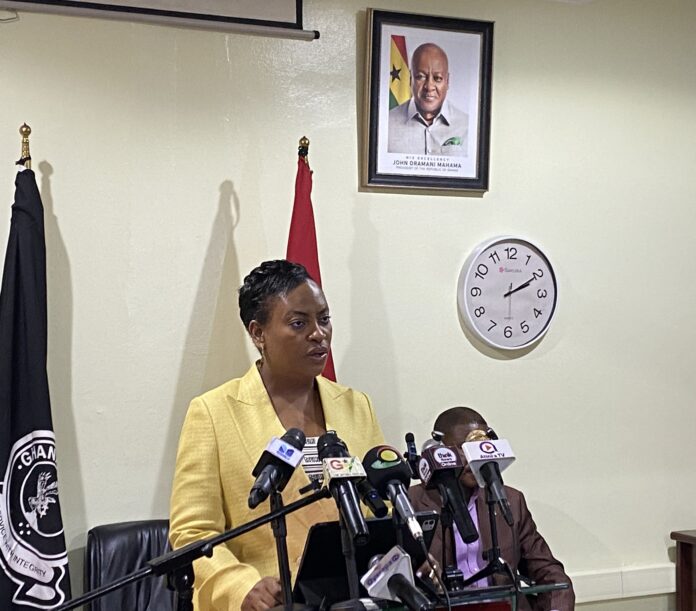
Commissioner of Police Lydia Yaako Donkor, Director-General of the Criminal Investigations Department, briefing the media in Accra on Tuesday, said the suspect allegedly operated a Telegram platform known as “VIP Sleep Fetish 2025”.

She said the suspect allegedly drugged unsuspecting female victims with Alprazolam, commonly known as Xanax, sexually abused them, recorded the acts and shared the videos and images on the platform.

COP Donkor said investigations indicated that the suspect frequented nightclubs in 2025, where he allegedly seduced, sedated and sexually assaulted female victims before recording and disseminating their intimate images without consent.

She said a search conducted during the arrest led to the retrieval of an iPhone 17, an iPhone 13 Pro Max, a feature phone, a memory card, a Seagate external hard drive, a MacBook laptop, an iSafe device, and empty sachets of Alprazolam and Midazolam pills.

The CID Director-General said the electronic devices had been retained for digital forensic examination, while the empty drug sachets were being prepared for submission to the Food and Drugs Authority for verification and classification.

COP Donkor said the suspect had been arraigned before court and investigations were ongoing.

The Ghana Police Service reiterated its commitment to combating online sexual exploitation and abuse and urged the public to report suspected cases to the nearest Police station or through approved reporting channels.

CCTV captures suspect burning car dealer’s body

0

The Criminal Investigations Department (CID) of the Ghana Police Service says CCTV footage captured a murder suspect allegedly attempting to destroy evidence after the crime.

The footage allegedly showed the suspect transporting the body of Theophilus Ashitey Amarh, a 27-year-old car dealer, to Adamafio Link, off the Legon Bypass Road, where he removed the vehicle’s number plate and set both the vehicle and the body ablaze.

Commissioner of Police Lydia Yaako Donkor, Director-General of the CID, disclosed this during a press briefing in Accra on Tuesday.

“However, CCTV footage captured the suspect at the scene,” she added.

The burnt body of the deceased was discovered inside a vehicle at Adamafio Link on April 7, 2026.

Police investigations revealed that the deceased had allegedly been lured to the suspect’s residence on April 6, 2026, under the pretext of a vehicle sale, where he was allegedly attacked and sustained fatal head injuries.

COP Donkor said the suspect, identified as Wisdom Tetteh, a close friend and neighbour of the deceased, allegedly sold the deceased’s Hyundai Elantra saloon car for GH¢170,000.00 and collected part payment of GH¢80,000.00.

She said the suspect was arrested on April 30, 2026, in the Republic of Togo through INTERPOL collaboration while allegedly attempting to sell the deceased’s mobile phone.

The suspect was subsequently handed over to the Ghana Police Service at the Aflao Border and conveyed to the CID Headquarters Homicide Unit for further investigations.

On May 5, 2026, the suspect was arraigned before a court and remanded into Police custody to assist investigations.

The neighbour whose vehicle was allegedly used to transport the body has been granted Police enquiry bail and is assisting with investigations.

The CID said severe burns sustained by the deceased prevented conclusive visual identification, compelling investigators to obtain DNA samples from the deceased’s mother for forensic analysis.

Ghana to evacuate 300 citizens from South Africa

0

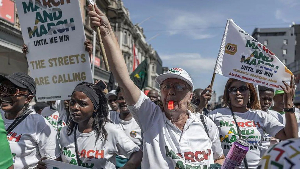
President John Dramani Mahama has approved the immediate evacuation of 300 Ghanaians from South Africa following a resurgence of xenophobic attacks targeting foreign nationals.

The evacuees had registered with Ghana’s High Commission in Pretoria in response to a prior advisory from the Ministry of Foreign Affairs.

Mr. Samuel Okudzeto Ablakwa, Ghana’s Minister for Foreign Affairs, confirmed the evacuation on social media Tuesday.

“His Excellency John Mahama has granted presidential approval for the immediate evacuation of 300 Ghanaians in South Africa,” he said.

Mr Ablakwa said that the evacuees had complied with the Ministry’s earlier directive to remain vigilant and maintain contact with Ghanaian diplomatic officials.

“These distressed Ghanaians had earlier complied with the Foreign Ministry’s advisory and registered with our High Commission in Pretoria to be rescued following the latest wave of xenophobic attacks,” he said.

Mr Ablakwa reiterated the government’s commitment to protecting Ghanaians both at home and abroad.

“The Government of Ghana shall continue to safeguard the welfare of all Ghanaians home and abroad,” he said.

The decision follows reports of renewed attacks in parts of South Africa targeting West African migrants, which have fueled concern among regional governments and migrant communities.

Earlier, Mr Ablakwa condemned the attacks during the Ghana-Sierra Leone Permanent Joint Commission for Cooperation in Accra, describing them as “naked hatred and baseless xenophobia,” and urged South African authorities to protect foreign nationals.

Ghana has engaged the South African Government diplomatically, receiving assurances that investigations would be conducted and measures taken to restore calm.

South Africa has experienced repeated outbreaks of xenophobic violence over the years, often linked to unemployment, crime, and economic hardship.

Previous attacks have resulted in deaths, injuries, and the destruction of property belonging to foreign nationals.

The South African Government has rejected claims of targeted xenophobic violence against African nationals, stating that while isolated incidents have occurred, authorities acted swiftly to contain them and enforce the law.

Pretoria also denied reports that Ghanaian and Nigerian nationals were killed during recent protests.

Following these developments, Ghana formally requested the African Union Commission to place “Xenophobic Attacks in the Republic of South Africa against African Nationals” on the agenda of the Eighth AU Mid-Year Coordination Meeting, scheduled for June 24–27, 2026, in Cairo, Egypt.

In the diplomatic letter, Ghana described recurring attacks on African migrants in South Africa as a matter of urgent continental concern, undermining African solidarity and unity, particularly given the continent’s historical support for South Africa during the anti-apartheid struggle.

President Cyril Ramaphosa, in a statement during South Africa’s Freedom Day on April 27, 2026, condemned xenophobia and urged that concerns over illegal migration not fuel hatred against immigrants.

“We did not walk alone into freedom. We were carried by a tide of solidarity from the nations of Africa,” he said. “South Africa should never trample into the dust the African fellowship that made our freedom possible.”

South Africa’s Minister of International Relations and Cooperation, Ronald Lamola, also engaged with Ghanaian and Nigerian officials and African ambassadors in Pretoria to clarify developments.

Parliament confirms detention of Asante Akim North MP at Amsterdam’s Schiphol Airport

0

Parliament has confirmed Mr. Kwame Ohene Frimpong, an Independent Member of Parliament (MP) for Asante Akim North, has been detained at Schiphol Airport in Amsterdam, Netherlands.

In a statement signed by Mr. Ebenezer Ahumah Djietror, the Clerk to Parliament, and issued to the Ghana News Agency on Tuesday, it said, Parliament had been informed of the detention and that the Speaker and the leadership of the House were in contact with Ghana’s Mission in the Hague to obtain full details.

“The Speaker and the Leadership of the House are in touch with Ghana’s Mission in the Hague for detailed information on the matter,” the statement read.    

It said the public would be informed “appropriately” once more information became available.

Meanwhile, the circumstances surrounding Mr. Frimpong’s detention and any charges involved have not yet been disclosed.

Ghana’s Mission in The Hague is expected to provide consular assistance and updates as the situation develops.

Bank of Ghana’s losses to clear within three years – Prof Quartey 

0

Professor Peter Quartey, a Development Economist, has expressed confidence about the Bank of Ghana (BoG) curtailing its losses in the next three years, projecting an improved financial outlook by the end of 2026. 

Prof Quartey, who is now the Acting Director of the Legon Centre for International Affairs and Diplomacy (LECIAD), said though the bank’s loss was a concern, the actions it took to achieve price stability and support economic growth was necessary. 

“The discussion of the losses as against the mandate of the bank, which is to ensure price stability and enhance economic growth. The bank is not a loss-making entity and was not set up to make profit. Having said that, it must minimise the loss,” he said. 

“In the next three years, I expect that they should be showing surplus. In the 2026 financial statement, I expect a lower loss and in the subsequent years, it should reduce, and within three years I don’t expect to see losses on the books of the central bank.” 

Prof Quartey said this in an exclusive interview with the Ghana News Agency, on Tuesday, noting that breaking-even or recording a surplus by the central bank required implementing a combination of structural economic changes and operational shifts. 

Among them were shifting the financial burden of gold purchases to the government, increasing national exports through value addition to generate more foreign exchange, and promoting digital finance. 

Others were minimising losses from gold purchases by improving the Gold Board’s efficiency to reduce smuggling, which would eliminate the need for the central bank to pay high premiums to small-scale miners to attract gold. 

Prof Quartey also encouraged sustained macro-stability to lower the high frequency of open market operations as well as allowing the central bank to operate as an independent, de-politicised.  

He expressed optimism that the pressure of open market operations would ease considerably as the extent of macroeconomic stability would translate into reduced frequency and cost of the Bank of Ghana’s liquidity absorption exercises. 

On the issue of gold purchases, he said the Ghana Accelerated National Reserve Accumulation Programme (GANRAP) has shown the government’s commitment towards accumulating reserves equivalent to 15 months of import cover. 

He noted that under the GANRAP arrangement, the Minister of Finance would finance the gold purchase budget directly, meaning the revaluation losses previously borne by the central bank would no longer accrue to it. 

Prof. Fred Dzanku, Associate Professor of Development Economics, Institute of Statistical, Social and Economic Research (ISSER), in an analysis of the central bank’s 2025 financials, said the costs were the financial footprint of policy intervention. 

Prof Dzanku noted that evidence showed that the action of the central bank reflected its stability mandate, delivering macroeconomic benefits, insisting that though Bank of Ghana was not a profit maximisation entity, it ought to control its losses. 

“Empirically, a 10 per cent depreciation raises inflation by roughly 2.6 percentage points in Ghana. This implies that even modest stabilisation – say reducing depreciation pressures by three to eight percentage points – could avoid inflationary pressures equivalent to roughly GHS11–29 billion at current GDP levels,” he stated. 

“In that sense, the losses and the potential inflation avoided are in the same broad range. Stability is costly – but unchecked inflation would also impose significant economic and welfare costs,” Prof Dzanku said. 

Ghana’s Ambassador to Guinea meets management of AWA in Accra

0

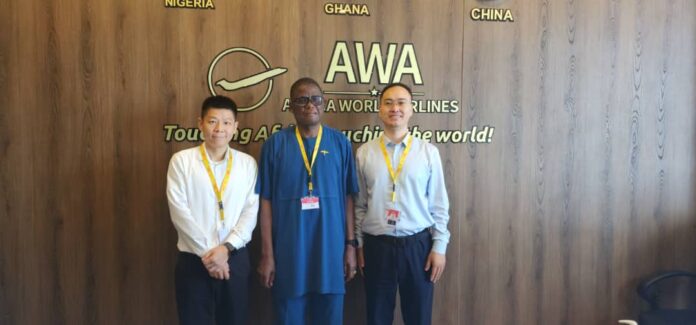
The African World Airline(AWA) has concluded plans to start operations on the Accra-Conakry-Accra route with effect from 4th August , 2026.

This was confirmed when Mr  Maxwell Awiaga, Ghana’s Ambassador to Guinea met the Management of AWA represented by Mr. Lian Liam, the Chief Safety Officer(CSO) and the Chief Operations Officer(COO) of the Airline.

The meeting which was at the instance of the Ambassador was for him to offer some suggestions on the flight times, number of flights per week,  the type and size of the aircraft to use for the benefit of both the Airline and passengers.

The Ambassador at the end of the meeting, was invited to join the inaugural(first) flight from Accra to Conakry on 4 August, 2026.