Home Blog Page 203

Ghana is making progress towards obtaining an official waiver from creditors for the third tranche of $360 million.

0

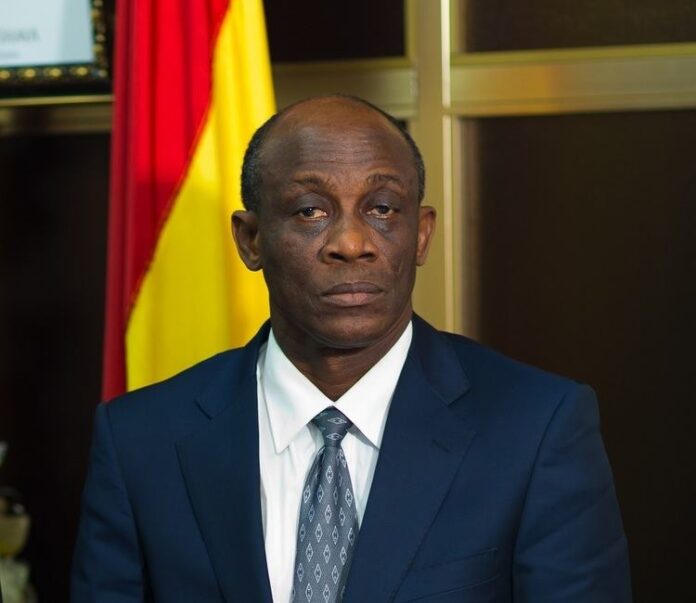
Former Finance Minister Mr. Seth Terkper has expressed confidence in Ghana’s ability to secure a waiver from official creditors to facilitate the approval of a third tranche of US$360 million for the country. Mr. Terkper, who led Ghana’s 16th International Monetary Fund (IMF) loan-support program in 2015, acknowledged the challenges but remained optimistic, stating, “it may be difficult, though not impossible to secure another waiver because these are major waivers.”

Speaking at a virtual media briefing on Friday, April 26, Mr. Terkper, currently serving as the Executive Director of a consulting firm, Public Financial Management (PFM) Tax Africa Network, emphasized the importance of ongoing negotiations. Ghana has reached an interim agreement with its official creditors but has yet to finalize a Memorandum of Understanding (MoU) for debt treatment aligning with the program’s parameters.

Although the MoU is not a prerequisite for the third tranche disbursement, the IMF has stressed the importance of reaching an agreement with official creditors. Mr. Terkper clarified that these waivers are not minor fiscal discrepancies but significant issues, suggesting that the reported challenges are manageable.

Mr. Terkper’s optimism stems from Ghana’s previous success in securing waivers from key creditors such as France and China during the initial stages of the loan-support program, similar to the process during the first review.

He urged the government to take decisive actions to establish sufficient buffers for debt repayment and curb the accumulation of debt. “If you do not allocate funds for debt repayment during times of growth, it’s an illusion; you can never diminish your debt accumulation,” stressed the former Finance Minister. This proactive approach, he emphasized, is crucial because the country’s revenue is not expected to increase significantly by the end of the three-year program, and current expenditure projections may not suffice for debt sustainability and economic resilience.

Ghana’s total revenue and grants were 15.8 percent of Gross Domestic Product (GDP) in 2022, projected to decline slightly to 15.7 percent in 2023, and then increase to 16.7 percent in 2024. By 2025, revenue is forecasted to rise to 17.3 percent, followed by 18.2 percent in 2026, and 18.1 percent in 2027, before declining to 18.0 percent in 2028. Conversely, expenditure, which accounted for 27.7 percent of GDP in 2022, is expected to decrease to 20.4 percent in 2023, with a slight uptick to 21.7 percent in 2024, before decreasing again to 21.6 percent in 2025. In 2026, expenditure is projected to increase slightly to 21.8 percent, followed by reductions to 21.2 percent in 2027 and 21.1 percent in 2028, according to the program’s estimates.

Mr. Terkper attributed this scenario to uncertainties surrounding the completion of the domestic modernized and automated tax system (Integrated Tax Administration System, ITAS), as well as the lack of ambition in the program to increase the tax-to-GDP ratio by two percentage points.

“Ghana must take proactive steps, such as establishing a reliable debt repayment mechanism like the Sinking Fund, to address its financial obligations,” he suggested.

He further advocated for the government to utilize the Energy Sector Recovery Act (ESLA) to settle debts owed to Independent Power Producers (IPP), while emphasizing the importance of the Bank of Ghana’s commitment to maintaining zero financing of government expenditure.


Dr. Bawumia embarks on a nationwide campaign tour beginning on April 29th.

0

The New Patriotic Party’s Presidential Candidate, Dr. Mahamudu Bawumia, is set to kick off his nationwide campaign tour on Monday, April 29th, starting from the Eastern Region. This extensive tour, spanning the first week of June, will cover all 275 constituencies across the 16 regions of Ghana.

Under the theme “Bold Solutions for our Future,” Dr. Bawumia’s campaign focuses on three key pillars: the battle of ideas and character, the battle of records, and the battle of effective campaigning. According to a statement from Mr. Dennis Miracles Aboagye, the Director of Communication for the Bawumia Campaign, the campaign will prioritize issue-based discussions, offering practical and tailored solutions to address the concerns of Ghanaians.

The campaign itinerary includes engagements with various stakeholders, including traditional leaders, clergy, youth groups, traders, drivers, farmers, students, as well as interactions with businesses and associations. Dr. Bawumia will visit market centers and other public spaces to listen to the concerns of both traders and consumers.

Additionally, the campaign will involve media engagements, townhall meetings, and continued stakeholder interactions across the country. Since his election as the NPP Flagbearer in November 2023, Dr. Bawumia has been actively consulting with various groups nationwide, alongside his duties as Vice President of Ghana. He has been working to establish the necessary structures, personnel, logistics, and programs for a comprehensive, inclusive, and impactful presidential campaign.

The statement highlights Dr. Bawumia’s confidence, fueled by the strong support from the party’s grassroots and the growing enthusiasm within the NPP. It emphasizes the importance of electing a leader with impeccable standards of character, performance, work ethic, vision, wisdom, integrity, and credibility as Ghana moves forward into its next phase of development.

The Municipal Chief Executive (MCE) of Tarkwa Nsuaem pays visits to two communities.

0

Mr. Benjamin Kessie, the Municipal Chief Executive (MCE) of Tarkwa Nsuaem Assembly, recently conducted a working visit to the Techiman and Adieyie communities, accompanied by key officials including the Municipal Coordinating Director, Mr. Boffour Ahmed Haruna, the Presiding Member, Mr. Joseph Kwofie, the Assembly member for the Teberebie electoral area, Mr. Bernard Obeng, and heads of departments.

The primary aim of the visit was to assess the development challenges confronting these communities and strategize on implementing sustainable solutions. Among the pressing issues identified were inadequate infrastructure such as roads, lack of clean drinking water, limited access to communication networks, poor sanitation facilities, unemployment, and insufficient housing for teachers and nurses.

Nana Kwame Yeboah, Chief of Techiman, appealed to the assembly to include their school in the Ghana School Feeding Programme, emphasizing its potential positive impact on enrollment and attendance rates.

In Adieyie community, Nana Damtey I, Chief of the area, urged the assembly to expedite the completion of a market project to facilitate smooth business operations for women traders.

During interactions with the communities, Mr. Kessie reassured residents that the assembly was committed to implementing development projects across all communities within the municipality. He urged collaboration between residents and the assembly to foster peace and unity, emphasizing that sustainable development hinges on a peaceful environment.

Information Technology, a crucial skill demanded in the job market – Industry Experts

0

Industry stakeholders have emphasized the pressing need for Management of Tertiary Institutions to incorporate Information Technology (IT) into their curricula to equip students with essential skills for today’s job market. This call was made during the “Employer Skills Seminar (EMSIS) micro project,” hosted by the Industrial Liaison Office of the Bolgatanga Technical University (BTU) with support from the Education Collaborative and Ashesi University.

At the seminar, which focused on preparing students for employment, speakers highlighted the critical role of IT skills in securing job opportunities. They cited the increasing automation of government transactions, exemplified by the Ghana Integrated Financial Management Information System (GIFMIS), as a clear indicator of the indispensability of IT proficiency across various professions.

Mr. Fuseini Nantogma, the Finance Officer of the Garu District Assembly, emphasized that IT skills are essential for professionals in roles such as Accountant, Procurement Officer, Planner, Secretary, and Transportation Officer to effectively perform their duties in today’s digital environment.

Mr. Fidelis Amobire, a Procurement Officer, shared challenges faced by colleagues lacking IT skills during the introduction of GIFMIS, highlighting the importance of upskilling to remain relevant in the workforce.

Mr. Samuel Aduko, the Director of Procurement at BTU, emphasized the widespread reliance on IT in both public and private sectors, stressing the importance of students taking IT studies seriously to enhance their employability.

Mr. Alexis Ayamdor, the Project Lead, underscored the significance of extracurricular activities in career development and expressed gratitude to Education Collaborative and Ashesi University for their support in implementing the project.

Professor Theophilus Azungah, the Dean of the School of Business and Management Studies, commended industry stakeholders for sharing valuable insights and urged students to leverage the knowledge gained from the seminar.

Overall, the seminar aimed to align students’ skills with industry demands, contributing to their career readiness and employability in the ever-evolving job market.

GNPC graduates 206 artisans in Accra

0

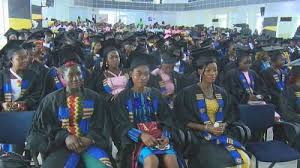
The Ghana National Petroleum Commission (GNPC), in collaboration with the Aseda Foundation, has successfully trained and graduated 206 artisans in the Greater Accra Region. This initiative, known as the Skilled Artisan Project (SAP), is part of the government’s efforts to empower Ghanaian youth and create job opportunities in Technical and Vocational Education and Training (TVET) fields.

The graduates have been equipped with skills in various trades, including steel bending, exterior decoration, spraying, dressmaking, hairdressing, bakery, and shoemaking. Each graduate received a set of startup kits tailored to their specialization to support them in their entrepreneurial endeavors.

Mr. John Ntim Fordjour, Deputy Minister of Education, praised GNPC’s commitment to generating employment within the TVET sector during the graduation ceremony. He applauded the GNPC Foundation for its dedication to supporting the government’s agenda of providing training in diverse fields.

“We are impressed by the range of skills you have acquired. Beyond acquiring these skills, it is heartening to see that you will be provided with the necessary tools to launch your own businesses or enterprises,” he remarked.

He encouraged the graduates to use their skills to effect positive change in their communities.

Dr. Dominic Eduah, Executive Director of the GNPC Foundation, emphasized that the training would not only enhance the employability of the artisans but also empower them to pursue their entrepreneurial aspirations.

Since 2018, the Foundation has impacted over 2,500 individuals across six regions nationwide, aiming to create job opportunities for more than 10,000 individuals.

Prof. Nii Oboade Notse Odaifio Welentsi III, Vice President of the Greater Accra House of Chiefs, commended the GNPC Foundation and its Board of Trustees for supplementing the government’s efforts to make technical education accessible to all.

“Today’s gathering marks not only a celebration of your accomplishments but also underscores the steadfast dedication of the Ghana National Petroleum Company (GNPC) to empowering and fostering the development of our youth,” he remarked.

“Through initiatives like the Artisan Project under the GNPC Foundation Programme, avenues are provided for young Ghanaians to acquire invaluable skills that not only benefit them individually but also contribute to the advancement and prosperity of our nation,” he continued.

Prof. Nii Oboade Notse Odaifio Welentsi encouraged the graduates to fully utilize the skills they have acquired and to abandon any plans of seeking opportunities elsewhere in search of better prospects.

The Trade Minister pitches Ghana’s industrialization vision to investors from the United States.

0

Mr. Kobina Tahir Hammond, Ghana’s Minister of Trade and Industry, is advocating for United States (US) investors to engage in mutually beneficial trade ventures with Ghanaian counterparts through the government’s industrialization agenda.

He highlighted the 1D1F (One District, One Factory) initiative as a prime area for potential partnership, emphasizing its attractive incentive packages. During an official visit to Washington, DC, the Minister made this appeal while visiting the offices of the Corporate Council on Africa (CCA) and the US Chamber of Commerce.

In discussions with both organizations, Mr. Hammond aimed to familiarize himself with their operations and priorities, seeking opportunities for collaboration and support.

Furthermore, the Minister disclosed the government’s efforts to attract garment manufacturers to Ghana, citing Dignity DTRT as a successful example. He noted the company’s establishment of a cutting-edge garment factory and its partnership with an American importer.

However, Mr. Hammond voiced concern over the impending expiration of the Africa Growth and Opportunity Act (AGOA) and urged the Chamber to advocate for its renewal. Ghanaian textile and garment dealers fear the potential impact on their businesses if AGOA expires.

AGOA, enacted in 2000, has been pivotal in US economic policy and commercial engagement with Africa. The act grants duty-free access to the US market for over 1,800 products from eligible sub-Saharan African countries. These nations must demonstrate progress toward establishing market-based economies, rule of law, political pluralism, and due process to maintain AGOA eligibility. Additionally, they must eliminate trade barriers, enact anti-corruption measures, reduce poverty, and uphold human rights to qualify for AGOA benefits.

“By providing new market opportunities, AGOA has helped bolster economic growth, promoted economic and political reform, and improved U.S. economic relations in the region,” the website notes.

Thirty two countries are eligible for AGOA benefits in 2024.

In 2015, Congress passed legislation modernising and extending the programme to 2025.

For her part, the President and Chief Executive Officer of the Corporate Council for Africa, Ms. Florizelle (Florie) Liser, highlighted the longstanding relationship of her entity with Ghana, noting that the President Nana Addo Dankwa Akufo-Addo, had once been the guest of the Council.

She informed the Minister that the Council hosted the Annual US-Africa Business Summit, and that of 2024 would take place in Dallas, Texas.

Ghana’s President has been invited to attend it.

She said a key feature of this year’s event is a collaboration with the Millennium Challenge Corporation (MCC) on a special 20th anniversary celebration on the margins of the summit in Dallas, where they would be hosting former President George Bush, who established the MCC.

Ghana is one of the first countries to have a compact from MCC.

On the Minister’s request for more advocacy on the extension of AGOA, she said the Council had already engaged with Members of the House’s Ways and Means Committee, (which is the trade committee at the US House of Representatives), on the subject and advocated for its extension.

She explained that this was very crucial because about three years ago, Ghana doubled its exports of apparel under AGOA due to the establishment of the Tema Textiles enclave.

She highlighted the importance of AGOA to Ghana.

At the meeting with U.S. Chamber of Commerce, Mr. Rick Wade, Senior Vice President of Strategic Alliances and Outreach at the US Chamber of Commerce, said the Chamber was working on an initiative dubbed: “Advance with Africa”, a roadshow to reach out to the 2.6 million black-owned businesses in the US to invest in Africa, particularly, Ghana.

He assured the Minister that the US Chamber of Commerce was ready to work with him to strengthen business ties between US and Ghana.

Dr Guevera Yao, Vice President, U.S.-Africa Business Center of the U.S. Chamber of Commerce, said the Biden Administration prioritised the diaspora as a group capable of transforming Africa.

The administration has thus set up the President’s Council on African Diaspora Engagement (PAC-ADE) tasked with giving the President advice on how to engage the Diaspora to do more in Africa.

The CCA, a Business Association with a three-decade legacy, comprises members from both the United States and Africa, spanning small and medium enterprises (SMEs) to multinational corporations. Its core mission is to champion US trade, investments, and business engagement with Africa.

CAF Confederation Cup: FC journey’s Dreams cut short as Zamalek eliminates them.

0

The Baba Yara Stadium witnessed the disappointment of thousands of football fans in Kumasi who had gathered in support of Dreams FC’s quest for continental glory.

Despite the overwhelming support, Ghana’s representatives in the CAF Confederation Cup suffered a decisive 0-3 defeat to Zamalek SC, a setback felt deeply considering the immense backing typically reserved for Black Stars matches.

Following a commendable performance in the first leg in Cairo, hopes were high for Dreams to secure a historic final spot leveraging their home advantage. However, Zamalek showcased their worth, justifying their substantial investments with a dominant display that secured them an emphatic victory.

Undeterred by the sizable crowd, Zamalek displayed confidence and finesse, particularly evident in their first-half performance. The early stages of the match were fiercely contested, with both teams vying for an early breakthrough.

Zamalek seized the lead in the 11th minute through Hamza Mathlouthi’s header from a corner kick, catching Dreams FC off guard.

Despite Dreams’ efforts to mount a comeback, including a missed opportunity by John Antwi, Zamalek’s defense held firm, thwarting any attempts to equalize.

Despite holding a one-goal advantage, Zamalek adopted delaying tactics even before the half-hour mark, prompting referee Allaou Mahamat to caution goalkeeper Mohammed Awad, who was particularly guilty of time-wasting.

Just as Dreams FC seemed to be gaining momentum, the visitors extended their lead unexpectedly. Samson Akinyoola received the ball just outside the box, expertly placing his shot beyond the reach of the helpless Solomon Agbasi.

Trailing by two goals, Dreams FC pushed forward in an attempt to narrow the deficit before halftime. However, their efforts were in vain as Zamalek’s defense held firm until the referee signaled the end of the first half.

In the second half, Dreams FC launched an onslaught in the opening five minutes to reduce the deficit, but they were thwarted by the resilient defense, marshaled by a goalkeeper who had proven formidable throughout the match.

Despite enduring numerous attacks, Zamalek gradually gained control of possession, impressing the home fans with their precise passing and ball control.

Their exceptional performance culminated in a meticulously executed goal that shattered any hopes of a comeback.

Beginning their attack from the right flank, three Zamalek players effortlessly bypassed two Dreams FC defenders before releasing Mostafa Shalaby, who charged into the box unmarked to score their third goal.

With what seemed like an insurmountable lead, Zamalek opted to control the pace of the match, effectively managing the game to consume time.

This strategic approach proved effective for the remainder of the match, securing their spot in the finals at the expense of Dreams FC.

Nungua Traditional Council conducts ‘Jenten Nishwamo’ in preparation for the Homowo festivities.

0

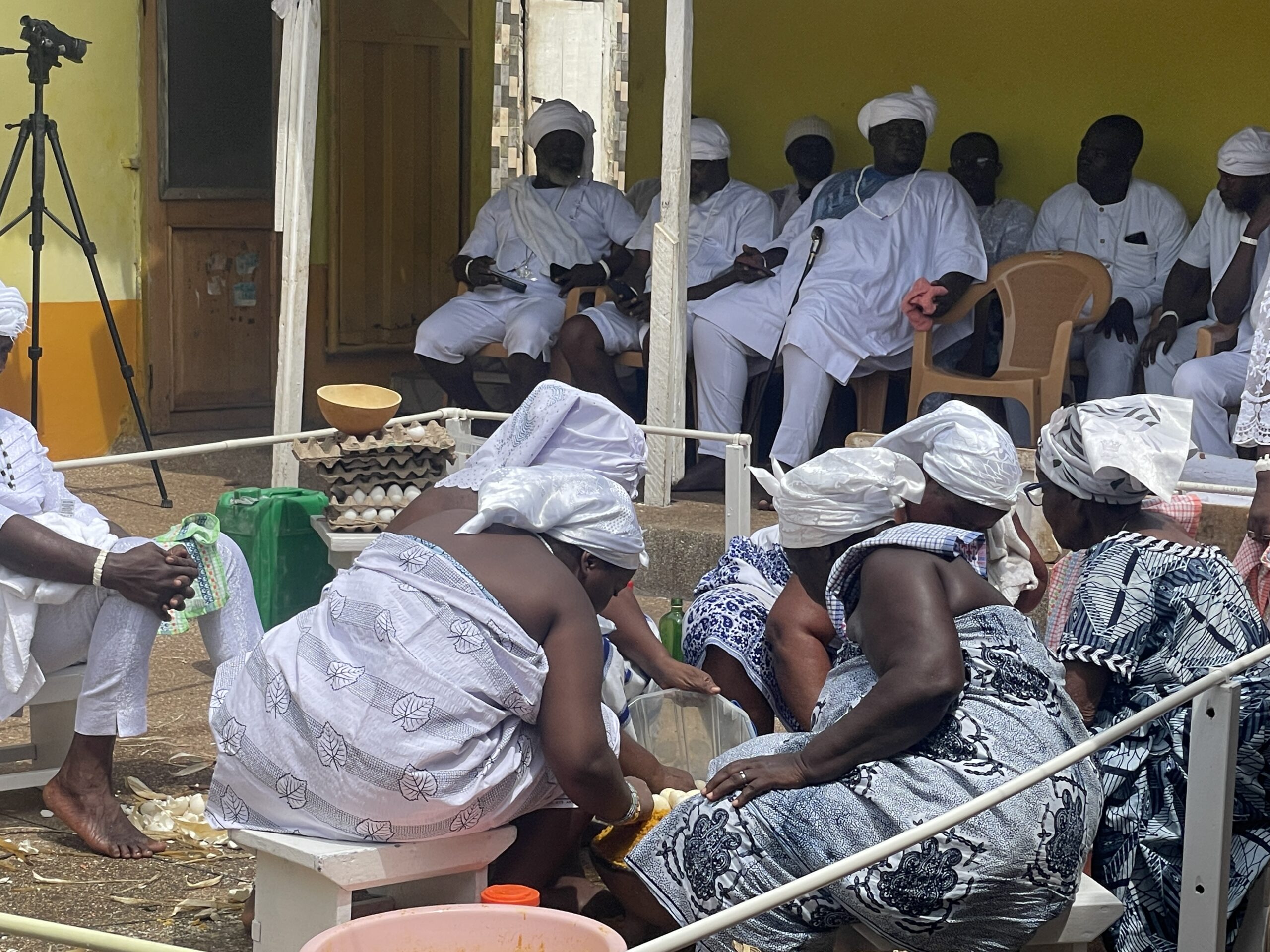
The Nungua Traditional Council recently carried out the “Jenten Nishwamo” ritual, a customary practice preceding this year’s Homowo celebrations.

Jenten Nishwamo involves offering the gods a traditional unleavened corn dish known as “kpokpoi,” prepared by the area’s traditional priests and priestesses. This act is performed by the traditional authorities to appease the deities of the region, ensuring they abstain from partaking in the kpokpoi prepared for the actual Homowo festival.

The ritual commenced in the morning with the preparation of the meal in a sacred space at Kpowulu No, representing the Gborbu Groove. Only a select few were permitted by Nuumo Borketey Laweh Tsuru XXXIII, Gborbu Wulomo-Shitse, to witness the preparation, with silence maintained by those involved, communicating solely through sign language.

The Gborbu Wulomo serves as the intermediary between the people and the ‘living god’ and their 99 deities, also holding the title of Overlord of the GaDangbe State in Nungua customs and traditions.

Following the preparation, the Oofu Wulomo, second in command to the Gborbu Wulomo, carried the dish while the Gorbu Wulomo-Shitse sprinkled it at the temples of the 99 gods of the GaDangbe State.

Nii Bortey Frankwa, Mankralo of Nungua Traditional Area, emphasized the event’s traditional and historical significance, stating it helps maintain balance since Nungua is considered the center of the world. He mentioned the ritual’s historical roots tracing back to their time in Israel, spanning over 820 years.

Nii Frankwa highlighted the significance of Naa Yoomo Ayemode, the newest priestess of the Gborbu shrine, whose recent unveiling added to the ceremony’s exceptional nature.

He mentioned that the ceremony also cleared the way for them to enjoy the new corn after honoring the gods.

Nii Frankwa announced that they would conduct seven additional traditional rituals before the commencement of the official Homowo festivities in July.

Homowo, or Kplejoo, is a traditional festival observed by the GaDangbes in the Greater Accra Region of Ghana. The festival begins at the end of April and extends into May, coinciding with the planting of crops before the onset of the rainy season.

The GaDangbe people commemorate Homowo in memory of the famine experienced during precolonial Ghana.

DVLA in the process of setting up offices in the three remaining regions.

0

The Driver and Vehicle Licensing Authority (DVLA) reaffirms its commitment to establish permanent offices in all regions across the country. Currently operational in 13 out of Ghana’s 16 regions, Prince Opoku Adusei, Deputy CEO overseeing Operations, emphasized during a Board visit to the Volta region that offices would soon be established in the remaining three regions.

“We are mandated to ensure offices in the three remaining regions,” he stated, disclosing that lands have been allocated to the Authority and procurement processes are underway.

The Board assured that office projects in the Oti and North East regions would commence next year. This visit is part of an annual assessment of service quality nationwide, with a focus on offices in the southern parts of the Volta Region.

Interactions with staff were conducted to understand their challenges, with plans to address identified issues. Mr. Frank Davies, Chairman of the Board, personally engaged with staff, emphasizing commitment to fulfilling the Authority’s mandate.

Management in the Volta Region highlighted challenges posed by commercial tricycle operators, contributing to underage driving issues on the roads.

Chairman of the Transport Union Calls for Expedited Completion of Culvert to Enhance Safety

0

Mr. Gorgisberg Fiagbenu, Chairman of the Juapong/Adidome Transport Union, has mobilized local authorities and representatives to address safety concerns and facilitate smooth transportation within the area.

Issues have been raised regarding the detour route from Adidome to Juapong, passing through Sakpatekope in the North Tongu District, where unfinished culvert construction poses a significant risk to commuters during rainfall.

Mr. Fiagbenu has urged the leadership of the North and Central Tongu District Assemblies, as well as Members of Parliament, to prioritize the completion of the culvert. Recognizing the urgency, he has set a deadline for completion by the end of May, particularly given uncertainties surrounding the reconstruction of the collapsed Sayikope Bridge on the Aklakpa River.

Members of the Juapong/Adidome Transport Union have emphasized the critical need for the culvert’s completion to ensure commuter safety and stimulate socioeconomic activities in the two districts. They stress the urgency of local authority support, especially as the rainy season heightens.

Additionally, they express hope for government assistance in reconstructing the collapsed Sayikope Bridge before the year’s end.