Home Blog Page 294

Association of Ghana Industries bemoans influx of imports, unfair trade practices

0

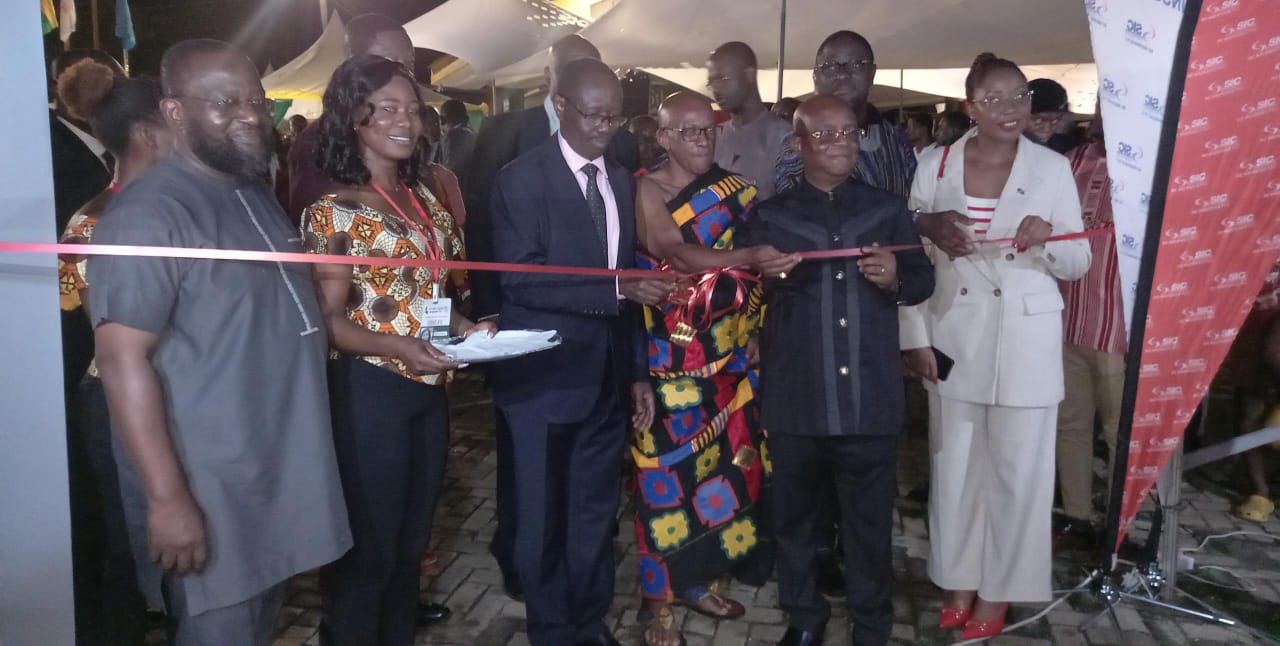
Dr Humphrey K. Ayim-Darke, President of the Association of Ghana Industries (AGI), says the Association was concerned about the influx of imported goods through unfair trade practices and rife smuggling through the borders.

He said there was the need to halt the menace since it was making production in the country uncompetitive.

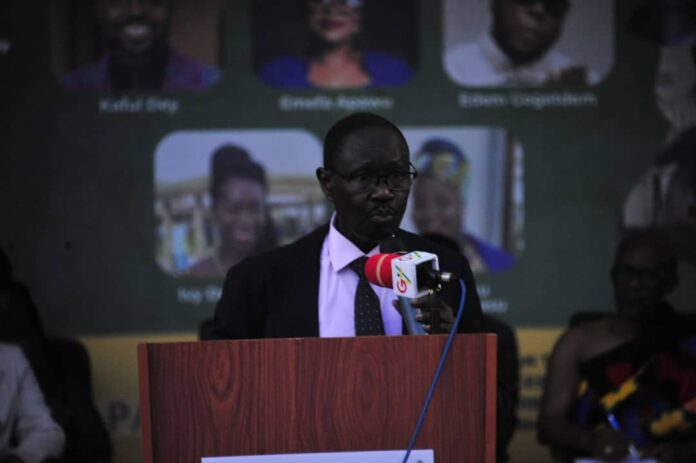
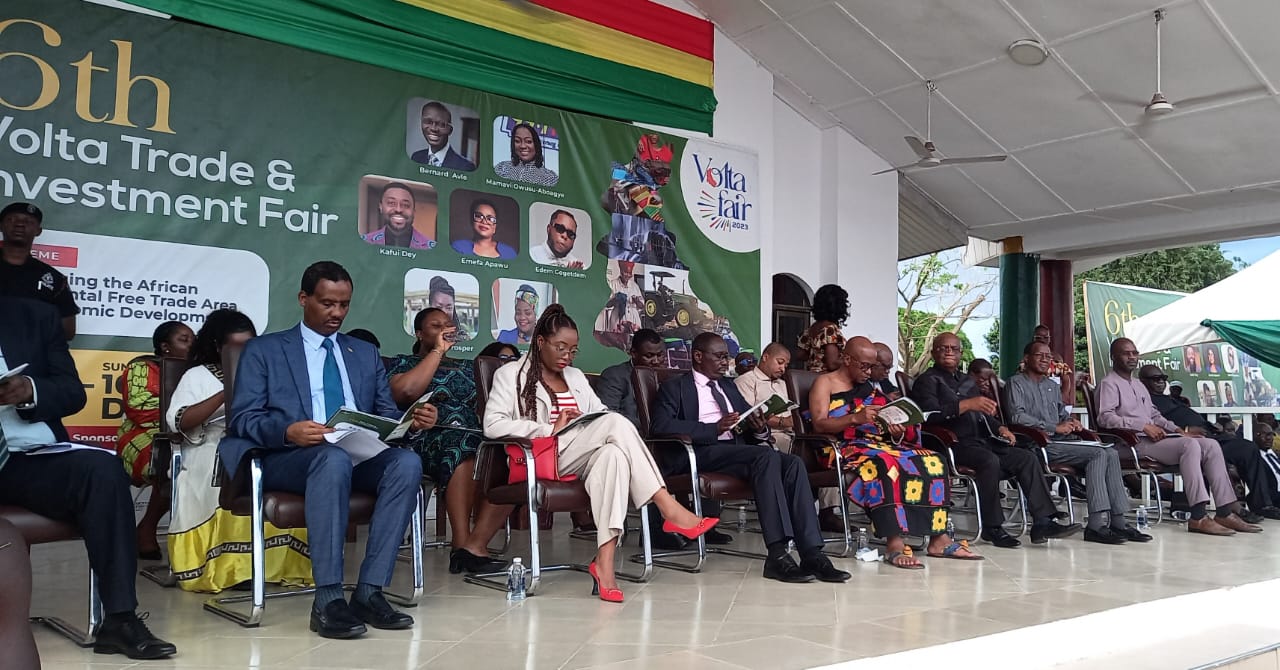
Dr Ayim-Darke, speaking at the opening ceremony of the Sixth Volta Trade and Investment Fair in Ho, said it also affected the efforts and desires for growth and called on the Volta Regional Minister and traditional authorities to help fight the menace.

He said it would not be prudent to leave the industrial development to mere forces of supply and demand.

“It is our strong belief that regulation to some extent can bring fairness and correct the market failures that bedeviled our middle-developed economy to streamline efforts that would aid significant competitiveness in our industry.”

He said the AGI believed and supported the recent Legislative Instrument (LI) tabled by the Trade Minister since it was the way to bring competitiveness to the country.

Dr Ayim-Darke said as much as the principle was correct, issues regarding implementations could still be deliberated on where the Committee and its Chair and the reporting procedures regarding tabling of applications, the processes and the role of the Trade Minister to accept or deny applications for restricted products could further be discussed and brought to bear on the economy.

He said the AGI had no doubts that the National Export Strategy if well implemented would enhance the country’s participation in AfCFTA and was hopeful that the Fair would continue to attract local investment to support the private sector leveraging opportunities in the single African market.

Dr Ayim-Darke said he was impressed with the enthusiasm and support demonstrated by various sponsors including the ABSA Bank among others.

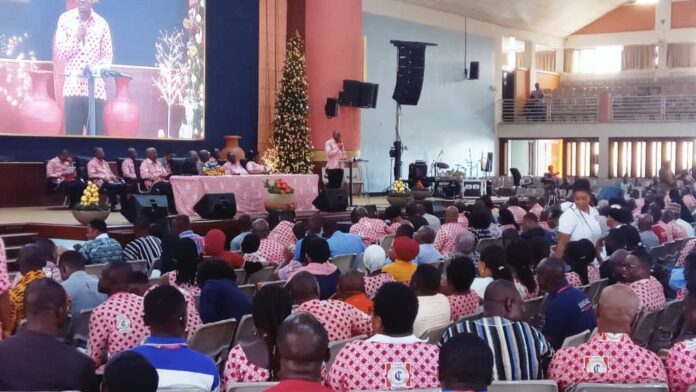
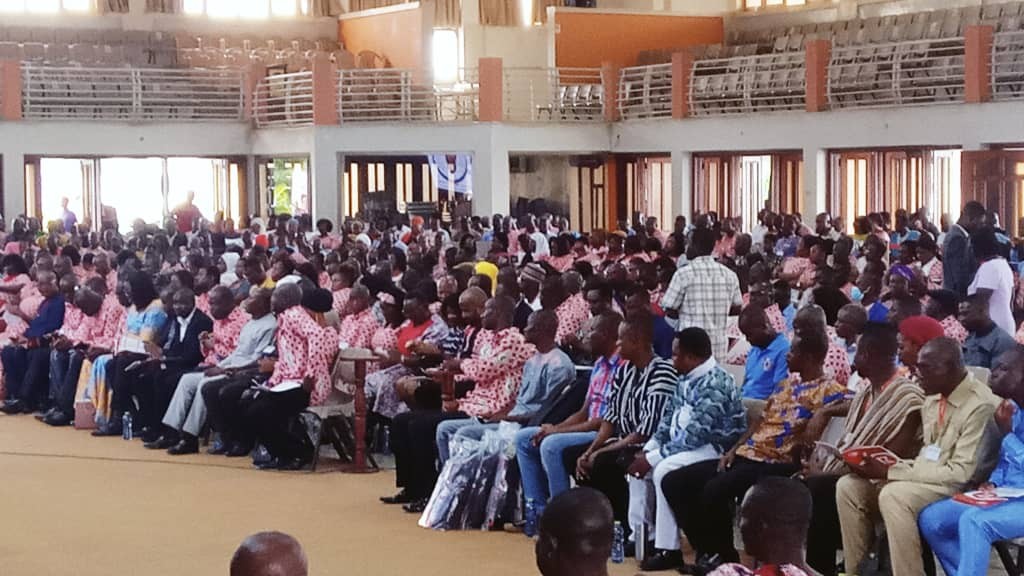
The Fair being held at the Ho Jubilee Park is on the theme: “Leveraging the African Continental Free Trade Area (AfCFTA) for Economic Development.

Dr Archibald Yao Letsa, Volta Regional Minister, said, “We can only grow competitive industries with business incubators when our economies are on the producing end and not at the receiving end.”

He said the vision was to make the region a producing and exporting one, which demanded an innovative and strong trade and industrial drive.

Dr Letsa said they were so concerned about trade and investment in the region because they were drivers of local economic development and growth.

“Trade and investments are principal sources of employment and make goods and services available to consumers at competitive prices.”

Dr Letsa noted that the domestic private sector partners, young entrepreneurs, academia and technocrats brought an invigorating blend of urgency and pragmatism, “a can do attitude” and willingness to roll up their sleeves and get things moving.

He entreated all local exhibitors to pay a little more attention to packaging and modeling for the sale of made in Ghana goods because the massive industrialisation drive by the government meant that there must be a way to dispose of the products, therefore, packaging must be done well.

Ms Emma M. Theofulus, Deputy Minister of Information, Communication and Technology, Namibia, said it was time for Africa hence the talk about Africa rising could no longer be seen as an expression but accompanied by action for it to be a reality.

“It is time for us to have our own version Tesla, Alibaba, Airbnb and Amazon. All that innovation and solutions must come from here in the Volta region.”

She said she wanted to be able to catch a train from Ho with stops along the west of the continent of Africa straight to the capital city of Namibia, Windhoek.

“The oppressors and imperialists have put limitations on our potentials by putting up our artificial borders that were hindering cocoa and its wine to be exported straight to Namibia.”

Ms Theofulus said limitations were put on shea butter to be exported straight to Namibia and on Namibian beef to be imported into Ghana, adding that the limitations also hindered the coming of Namibians into the Volta region “to come and experience your beautiful landscapes.”
IPP’s on life support, supply of power not guaranteed – Chamber

0

The Chamber of Independent Power Generators, Ghana says it may not be able to sustain the production of electricity if the government’s outstanding debts are not paid off promptly.

The Chamber said it members were owed an estimated $2.3 billion, and discussions with the Government over a payment plan had failed to yield positive results in the last three months.

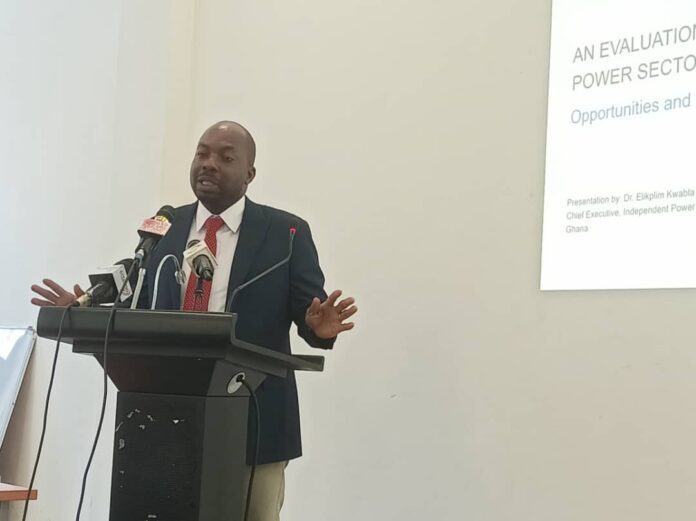
Delivering a lecture on opportunities and challenges in Ghana’s energy sector on Tuesday, Dr Elikplim Kwabla Apetorgbor, Chief Executive of the Chamber, said Independent Power Producers (IPP’s) had been saddled with debts, making their operations unsustainable.

The lecture was organised by the Think Progress Ghana, a think tank, in collaboration with the Ghana Institute of Management and Public Administration (GIMPA) chapter of the Graduate Students Association of Ghana (GRASAG).

Dr Apetorgbor said the major challenge affecting Ghana’s energy sector related to finance and cautioned that investors would not be attracted to the sector if the situation did not improve.

“Currently we (IPPS) are on life support, and we cannot guarantee continuity. We have gotten to a critical point. There are pressures coming consistently from the lenders and the managers of these IPPs,” he said.

Independent power producers account for 47 per cent of the country’s total power generation mix and contribute 67 per cent of Ghana’s thermal power.

They comprise Sunon Asogli, Cenpower, Karpowership, AKSA, Twin City Energy and CENIT.

Mr Ken Ofori-Atta, the finance minister, during the presentation of the Mid-year budget in July this year, indicated that the Government was engaging the IPPs to address the impact of excess capacity payments on the economy.

The IPPS had threatened to shut down their supply and demanded that the government cleared at least 30 per cent of the arrears.

Dr Apetorgbor said the IPPs will not accept any form of debt restructuring from the Government, indicating it would have dire consequences on the economic viability of the power producers.

“The debts are actual costs; it is not our savings or profit so we cannot restructure,” he said.

Dr Apetorgbor questioned the basis for the announced 1.52 per cent reduction in electricity tariff, describing the move as “unstrategic.”

He said the move would decline the revenue of the Electricity Company of Ghana, open the company’s debt gap, and discourage investors from investing in Ghana’s energy sector.

“It has the potential to plunge the nation into darkness,” he cautioned.

Dr Kwami Adanu, Senior Lecturer at the Department of Economics, GIMPA, said the country must desist from signing new thermal power agreements and figure out how to raise money to pay accumulated debts in the energy sector.

It is clear that in the medium to long term, this country needs to look at micro grids. They normally use renewable fuels, and we should be focusing more on that,” he said.

Africa’s producers must consider the wider single market of AfCFTA

0

Mr. Silver Ojakol, the Chief of Staff of the AfCFTA Secretariat, has called on producers on the African continent to consider the prospects of the African Continental Free Trade Area Agreement (AfCFTA).

He said the vast resources of the Continent alongside its large human population should encourage producers to come onboard the single market being offered by the AfCFTA, Africa’s most ambitious continent-wide trade consolidation initiative in modern times.

Mr. Ojakol, who was delivering the keynote address at the opening of the 6th Volta Trade and Investment Fair in Ho said the AfCFTA was to drive the development of the continent and that its seven protocols covered all areas of trade facilitation.

“The single market means local producers should up their game. They must scale up their trading game if they want to take advantage.

“Producers should look at a wider single market with a predictable trade regime,”he said.

Mr. Ojakol said the free trade area had the opportunity of the estimated 1.5 billion population with a GDP of US$3.4 billion and expected to hit 7 trillion by 2035.

Presently, only about 274 million hectares of its 874 million hectares of arable lands are being utilised and the Chief of Staff counted “large sums of strategic minerals.”

He said the strength of human resource adding to the other natural resources on the continent should drive a sustainable development agenda for Africa, noting that 80 per cent of the continent’s entrepreneurs were SMEs, which contributed a 40 per cent of cross border trade.

Mr. Ojakol added that the AfCFTA remained a catalyst for infrastructure development and had the efficiency to attract investors with resources in Africa to “drive the continental agenda.”

He said trade facilitation infrastructures such as the ambitious Abidjan-Lagos Highway project was a priority and that other initiatives, including harmonising standards and the conformity of local products to help facilitate cross border trade, were being undertaken.

The top official said programmes such as the Pan African Payment system being implemented would eventually eliminate dependence on foreign currencies for international trade, and that the AfCFTA Secretariat was working to get banks to support financial programmes curated for SMEs.

He said the AfCFTA focused on developing four industrial sectors, which include the automobile, pharmaceutical, transport and logistics, and agro processing, and that SMEs should consider that the “ideal value chain and tap into it.”

He commended the Volta Regional Coordinating Council and the Association of Ghana Industries (AGI) together with their partners for organising the fair and said SMEs should use the opportunity to create business linkages.

“The AfCFTA has been a major development of our time, and we must together harness the opportunities that it creates.

“We might not get such an opportunity again. We must implement the agreement as it will contribute to lifting more than 100 million people out of poverty,” the Chief of Staff stated.

This year’s Volta Fair is on the theme “Leveraging the African Continental Free Trade Area for Economic Development,” and more than 400 exhibitors and about 20,000 visitors are expected.

Dr. Archibald Yao Letsa, Volta Regional Minister, who had revived the fair in recent times, said, “these are times to showcase the strong investment potentials in Volta,” and that stakeholders were looking forward to providing export routes for businesses in Volta.

He said Volta was promoting a “one district one export product” initiative under the AfCFTA, and that all must work together to promote investments that would protect the ecosystem of a richly endowed Region. 

“Sustainable industrialisation must be the next stage of our industrialisation. The vision is to become a production and exporting economy and we can turn our economic potential in Volta around.”

Present at the opening ceremony were high level dignitaries such as the national leadership of the Association of Ghana Industries, several envoys from various African continents, and Africa’s youngest MP and Minister from Namibia.

Ms. Emma Theofulus, the Namibian top official, who is Deputy Minister for Information, Communication and Technology, and was a special guest, said Africa should be able to leverage its resources to develop, and called for structures to drive trade and integration across the continent.

We must focus on commercial and technologically driven smart agriculture for food security- Dr Bawumia

0

Vice President Mahamudu Bawumia has urged stakeholders in the agriculture value chain to embrace technology and digitalisation to take advantage of the changing dynamics of the industry.

The Vice President expressed excitement about the possibilities available to leverage big data and Artificial Intelligence to bring some certainty into a venture dependent on the weather in Africa.

“The future of agriculture is no more about cutlasses and hoes. The emerging technologies in Artificial Intelligence, blockchain, internet of things, etc are now the way to go to make agriculture smart in conformity to the Fourth Industrial Revolution. This is one of the ways to make agriculture attractive to this new generation.”

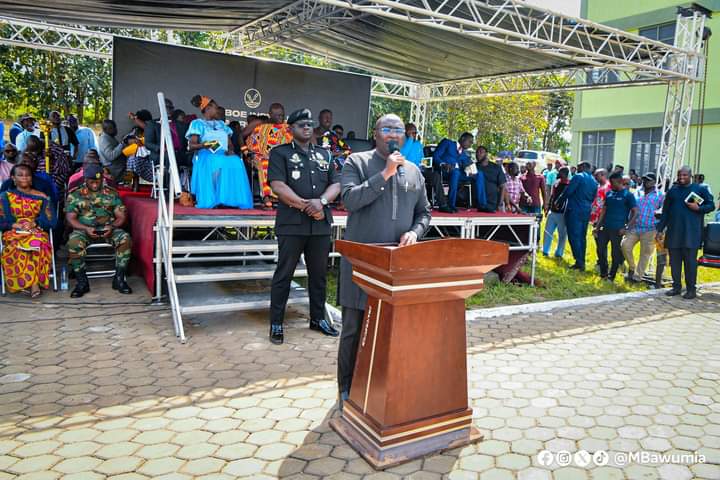
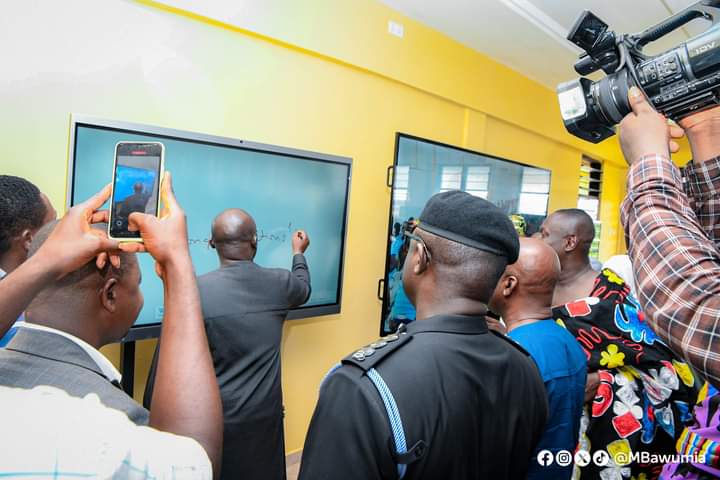
Vice President Bawumia made the call during the commissioning of the Siriboe Institute of Agribusiness and Skills Development at Juaben in the Ashanti Region.

The brainchild of Nana Yaw Sarpong Siriboe I, Akyempimhene of Juaben Traditional Area and reigning National Best Farmer, the Institute aims to train and equip students with adequate theoretical and technical skills in agribusiness and entrepreneurship.

It is also intended to empower students to establish and operate their enterprises effectively.

The 700-seater capacity facility, with spaces for formal lectures, demonstrations, and workshops, a creche for young mothers to enable them gain knowledge without sacrificing their maternal obligations, a cafeteria and practical demonstration farm located in the 400-acre Siriboe Farms Complex.

The Institute was established with his prize money (one million Ghana Cedis) for winning the 2022 Best Farmer Award, resources from his farm (Siriboe Farms) and his personal savings, according to Nana Yaw Sarpong Siriboe I, who is the third-youngest person to win the National Best Farmer Award.

Dr Bawumia reiterated the Government’s commitment to providing skills training, especially to the youth.

He lauded the Founder of the Institute for recognizing the importance of skills development, practical training, and hands-on experience for the youth.

“Today, this centre is being opened to offer opportunities for young people who have the desire to engage in smart Agriculture and the skills set needed for the future of work.

“I am particularly delighted with the partnership of this centre with other academic institutions of higher learning and the High Schools. It provides proof that Siriboe Institute of Agribusiness and Skills development is youth focused.

“Within the last seven years the NPP government has put a lot of measures in place to build the Start-up and Entrepreneurship Innovation Ecosystem in Ghana”.

Currently Ghana ranks 99th on the global Innovation index and among the top five robust start-ups ecosystem in Africa.

He said the government had provided support for the youth through Start-ups and MSMEs such as the National Entrepreneurship and Innovation Programme (NEIP), the Ghana Enterprise Agency (GEA), the Youth Employment Agency, the National Youth Authority and other Ministries, department, and agencies.

“The government also has supported 45 Innovation Hubs across the country through NEIP with about US$ 7 million, with this centre we are launching today being part of the beneficiaries of the new NEIP Hubs Grant Programme,”the Vice President stated.

Dr Bawumia challenged the leadership of the Institute to make it a “centre of excellence for agriculture innovation and skills development”, thus, pledged government’s support to achieve the goal.

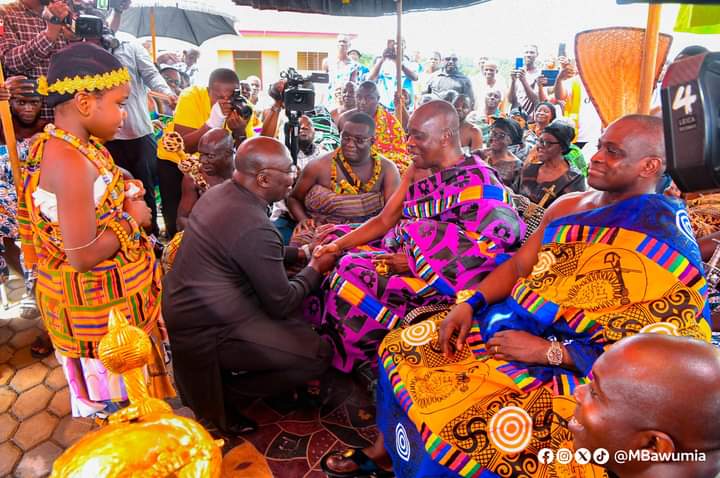
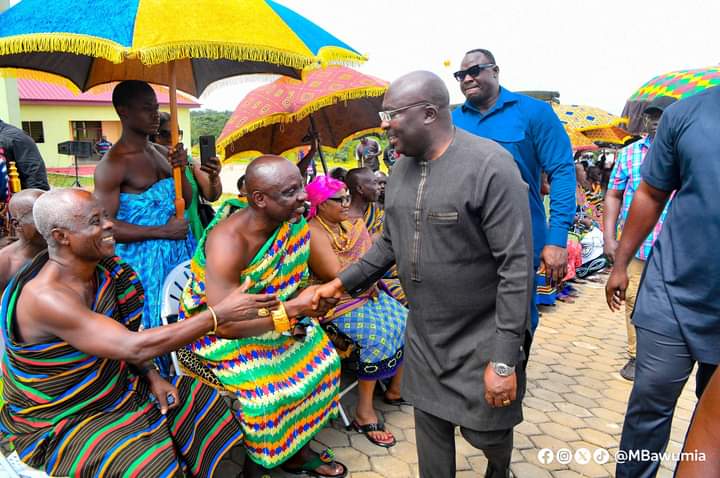
The ceremony was attended by the Omanhene of the Juaben traditional Area, Nana Otuo Siriboe II, who is also Chairperson of the Council of State; Nana Effah Apenteng, Omanhene of Bompata traditional area; Dr Yaw Osei Adutwum, Minister for Education, Mrs Ama Pomaa Boateng, MP for Juaben; and representatives from the Ministry of Agriculture and the ADB Bank.

Health Accounting Staff demands urgent steps to address salary disparities  

0

Members of the Health Accounting Staff Association of Ghana (HASAG), are demanding urgent steps from relevant authorities to address the wide gap between them and their counterparts in other sectors in terms of remuneration. 

      Mr Emmanuel Kofi Dennis Amoah, National President of the Association who made the call, said the gap between them and their counterparts in institutions such as the Ghana Revenue Authority, Controller and Accountant General Department and Audit Service was worrying. 

       “We call on all the authorities concerned to, as a matter of urgency, take a look at this problem and address it for the benefit of our members,” he demanded at the 17th Annual General Congress of the association held in Kumasi. 

      Delegates from all the 16 regions attended the congress which was on theme, “Enhancing Resource Mobilisation and Financial Accountability in the Health Sector Amidst Current Economic Challenges.” 

      The National President said many of their members who were deputy chief accountants had not been promoted for over five years due to policy issues and called for the anomaly to be addressed forthwith.  

     He said many had gone on retirement without progressing to the chief accountant grade for no justifiable reason. 

      The association, he said, would soon initiate steps to negotiate for better conditions of service for members with Gamey and Gamey Group leading the negotiation process. 

     He hinted that efforts were also underway to acquire lands in all regions for future projects and the acquisition of an official vehicle to enhance the association’s operations, he hinted.    

     As part of efforts to support members in times of need, he announced a fund would be set up to help members with critical conditions and increase welfare packages for retirees and bereaved members. 

      Dr. Anthony Adofo Ofosu, the Deputy Director General of Ghana Health Service, said proper accounting for financial resources opened the avenue for more donor funds to support service delivery. 

     “I therefore wish to encourage all of us finance and internal audit professionals gathered here today to play our roles well in achieving this core mandate,” he urged them. 

      The Deputy Director General said the management of the Service was working closely with relevant stakeholders to secure financial clearance for finance and internal audit staff who had been working for many years without mechanis/ADation. 

       This, he said, would enable segregation of duties and thereby strengthen the internal controls and ensure greater accountability and transparency. 

     Mr. Francis Kofi Nunoo, Financial Controller, Ministry of Health, said accountants were expected to play a vital role in implementing health financing reforms amidst Ghana’s economic challenges. 

      He entreated the leadership of the association to keep members in check to ensure they upheld the highest level of integrity and professionalism at work. 

      He further urged members of the association to embrace and accept electronic means of executing their activities, assuring that the Ministry would continue to build the capacity of accountants. 

Petroleum Workers Union’s resistance to the Torentco agreement is rebuked by the TOR board.

0

The General Transport, Petroleum, and Chemical Workers Union (GTPCWU) of the Trades Union Congress (TUC) Ghana has been reprimanded by the Board of the Tema Oil Refinery (TOR) for their resistance to the refinery’s agreement with Torentco Asset Management Limited.

The GTPCWU filed a request with the Special Prosecutor on Monday, November 20, asking them to look into the lease between TOR and the Torentco transaction.

We would like to urge that your highly valued office look into and get engaged in the current leasing agreement of Tema Oil Refinery to Torentco Asset Management Limited, now Tema Energy and Processing Limited, with the same people involved, according to a petition filed by the Workers Union.

The Union said it believes “the actions of the individuals behind Tema Energy and Processing Limited seek to induce workers of TOR with 20% of its shares through misrepresentation of workers in an entity by the name “TOR Workers Charity Trust” that never existed nor heard of at TOR, apart from the five individual directors and direct beneficiaries of this trust.”

They expressed fear that the country might be shortchanged because the Board of Directors of TOR has been compromised in the deal.

“We are tempted to believe the BoDs have been compromised to shortchange the country, Ghana. Otherwise, why will the BoDs be adamant in the face of all these red flags? Even when entities such as Falcon American Oil and Legacy Capital have also approached the management of TOR with very lucrative and compelling proposals, the BoD and Management have been resolute in ensuring that regardless of all the red flags, they will lease TOR to Torentco/TEPL for six (6) years.”

However, the TOR Board, in a statement issued on Sunday, November 26, 2023, described the concerns raised by the GTPCWU as callous.

“The Board is saddened and disappointed by the precipitous action taken by the leaders of the GTPCWU both nationally and at TOR who have taken it upon themselves to jump to baseless and, frankly, insulting conclusions without engaging management or the Board to ascertain the facts.”

“It is unclear what has motivated such behaviour by the leaders of GTPCWU, but the board and management will conduct an internal process to understand and deal with this. They continue to express concerns about the impact of the lease on the rights of the workers, but even this has not been articulated.”

The board said enquiries at the refinery indicated that the vast majority of workers were hopeful for the conclusion of the proposed transaction in direct contrast to the assertions made by leaders of the GTPCWU, adding that “Their other callous allegations are complete without merit and thoroughly refuted by the board.”

Ghana’s trade surplus rises to $2.058 billion, a 16 percent increase.

0

According to the Bank of Ghana’s (BoG) most recent figures, between July and October, Ghana’s trade balance grew by US$310 million.

This indicates that from the US$1.75 billion reported in July 2023, Ghana’s trade balance increased by around 16 percent.

With this increase, the nation’s overall trade balance as of October 2023 was US$2.058 billion, or 2.7% of GDP, according to the Bank of Ghana’s November 2023 Summary of Economic and Financial Data.

This revised trade balance also marks a 10 percentage point rise from the US$1.85 billion reported in October 2022, according to the year-over-year interpretation.

Currently, the country’s total exports stand at US$13.45 billion, up from the US$9.47 billion observed in July 2023.

However, it represents a 6.5 percent drop compared to the US$14.36 billion recorded in October 2022.

Gold remains the most significant contributor to exports. It contributed $6.07 billion in exports as of October 2023, compared to $4.02 billion in July 2023.

Following closely were crude oil exports, which totaled $3.06 billion in October 2023, compared to $2.04 billion in July 2023.

Cocoa came in third with $1.70 billion, up from $1.54 billion recorded in July this year.

Balance of Payment

Ghana’s balance of payment remained negative as of September 30.

The country had a balance-of-payments deficit of $617.0 million, which is about 0.8% of GDP.

The Capital and Financial Account Balance was $1.47 billion in deficit.

In addition, Gross International Reserves were $5.15 billion in October 2023, equivalent to nearly Net International Reserves amounting to US$2.15 billion.

Majority to engage Minority over LI seeking to restrict importation of tripe, others

0

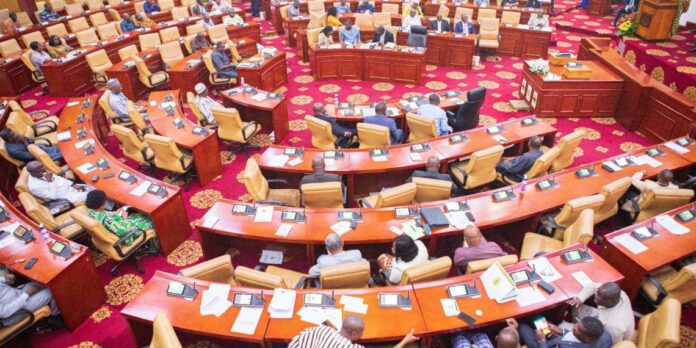
The majority in parliament said that in order to guarantee that the Import and Export Regulations 2023 are sanitised before they are introduced, they will meet with the minority caucus today.

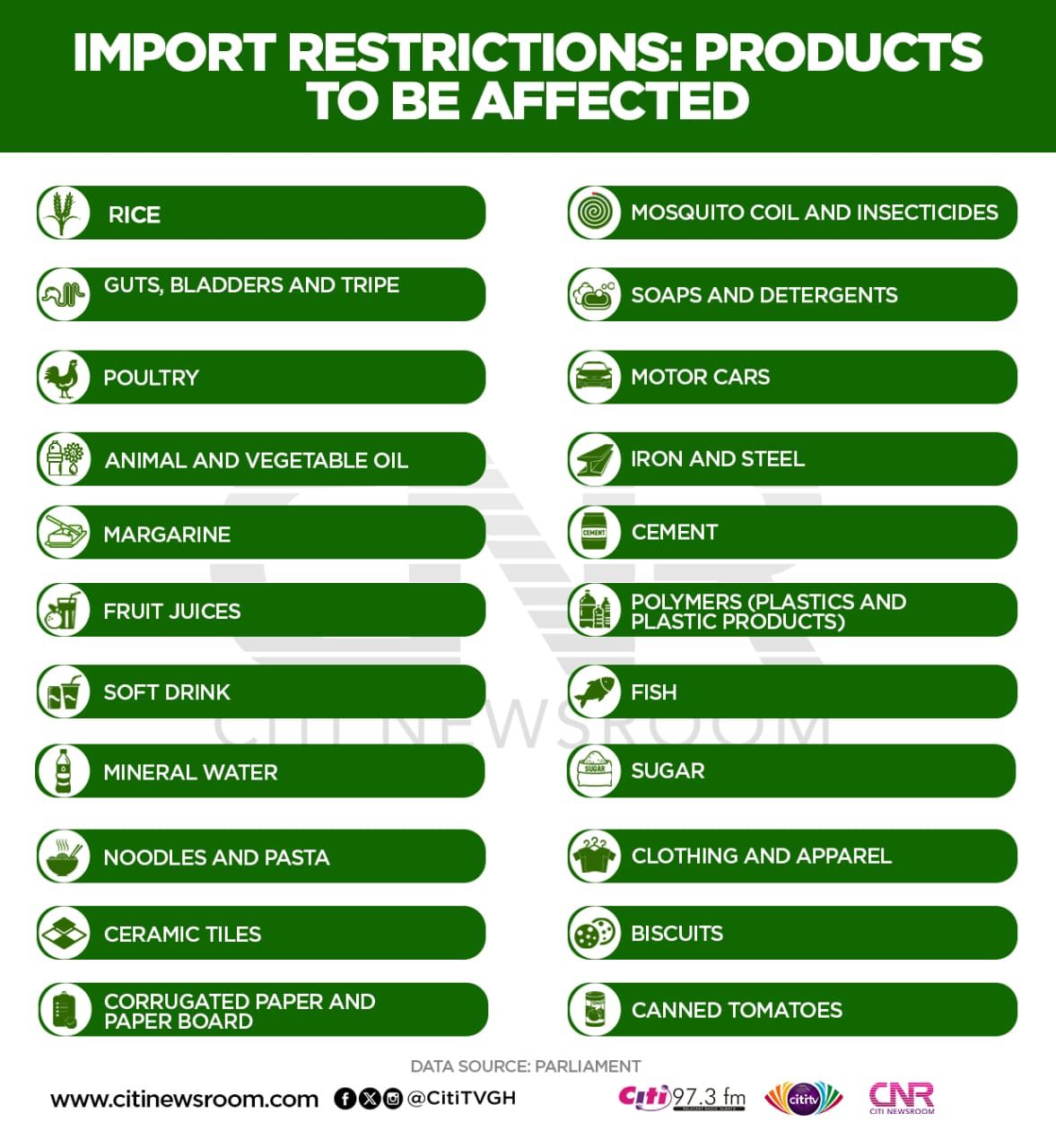
When the Minister tried to present the Legislative Instrument (LI) to the house, the Minority objected a second time. The LI aims to limit the importation of some specific strategic foodstuffs including rice, chicken, and sugar.

Speaking to reporters, Majority Chief Whip Frank Annoh-Dompreh expressed optimism that a compromise would be reached so that the LI could be tabled.

“Starting from Monday, I will personally get involved. It has been limited to subsidiary legislation and other constitutional bodies. We will also get involved and ensure that we sanitize it. Because we are not doing this with mischief, and because nobody has absolute control over what is good and what is not good… more than 90% of all the amendments proposed came from our side, specifically the Majority Leader.”

“So if it’s the case that we are engaging in abetment of crime and therefore on the quiet we are supporting Minister K.T Hammond to do the wrong thing, why would we come out and publicly make amendments?”

Meanwhile, some six business associations have also kicked against the LI asking Parliament to immediately reject it to allow for further consultations.

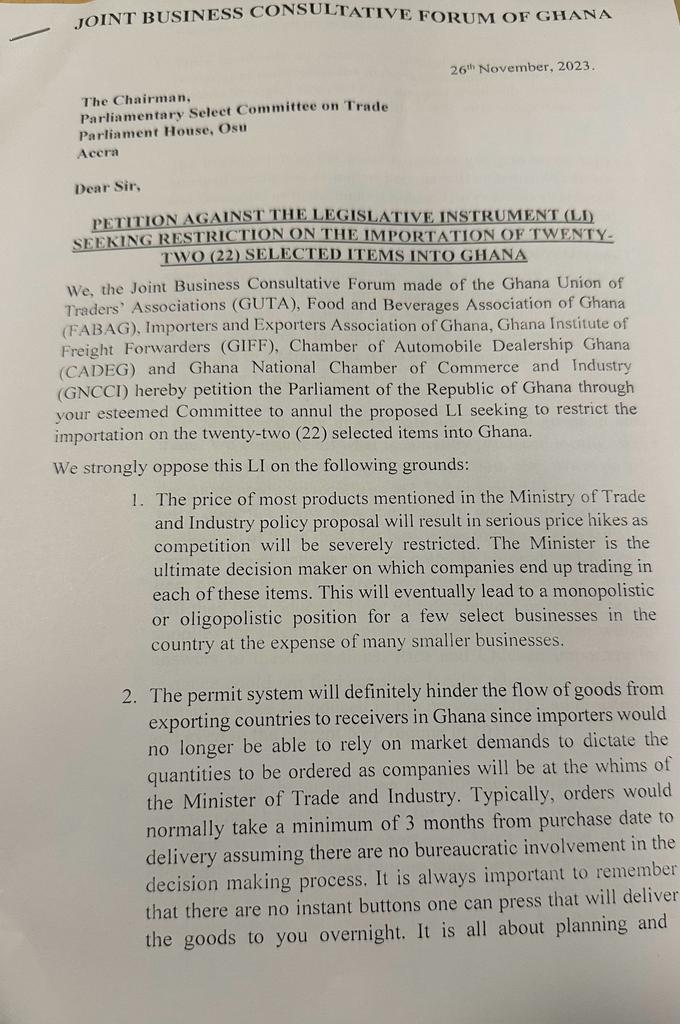
The groups under the umbrella name, Joint Business Consultative Forum include the Ghana Union of Traders’ Associations (GUTA), Food and Beverages Association of Ghana (FABAG), Importers and Exporters Association of Ghana, Ghana Institute of Freight Forwarders (GIFF), Chamber of Automobile Dealership Ghana (CADEG), and Ghana National Chamber of Commerce and Industry (GNCCI) have petitioned Parliament over the bill.

Parliament is petitioned by six industry organisations to reject the import restrictions measure.

0

A petition against the proposed legislation has been filed with Parliament by six business organisations that will be impacted by the import restrictions bill.

The Ghana Union of Traders’ Associations (GUTA), the Food and Beverages Association of Ghana (FABAG), the Importers and Exporters Association of Ghana, the Ghana Institute of Freight Forwarders (GIFF), the Chamber of Automobile Dealership Ghana (CADEG), and the Ghana National Chamber of Commerce and Industry (GNCCI) are among the organisations that fall under the umbrella name of the Joint Business Consultative Forum.

The bill, if passed, will restrict the importation of 22 products in the country.

Tempers flared up last Friday when the legislative instrument was laid in Parliament, with the Minority opposing it.

The Minority argued that the LI if passed, would benefit only a section of the New Patriotic Party members.

In a petition dated November 26, the business six associations argued that if passed, the L.I. will adversely affect the prices of goods, the free flow of goods, and could also cripple businesses.

The groups are therefore calling on Parliament to reject the bill.

“We vehemently oppose this LI and would appreciate its immediate rejection by Parliament to allow for proper consultations and dialogue to take place.”

“We strongly oppose this LI on the following grounds: The price of most products mentioned in the Ministry of Trade and Industry policy proposal will result in serious price hikes, as competition will be severely restricted.”

They stressed, “The Minister is the ultimate decision maker on which companies end up trading in each of these items. This will eventually lead to a monopolistic or oligopolistic position for a few select businesses in the country at the expense of many smaller businesses.”

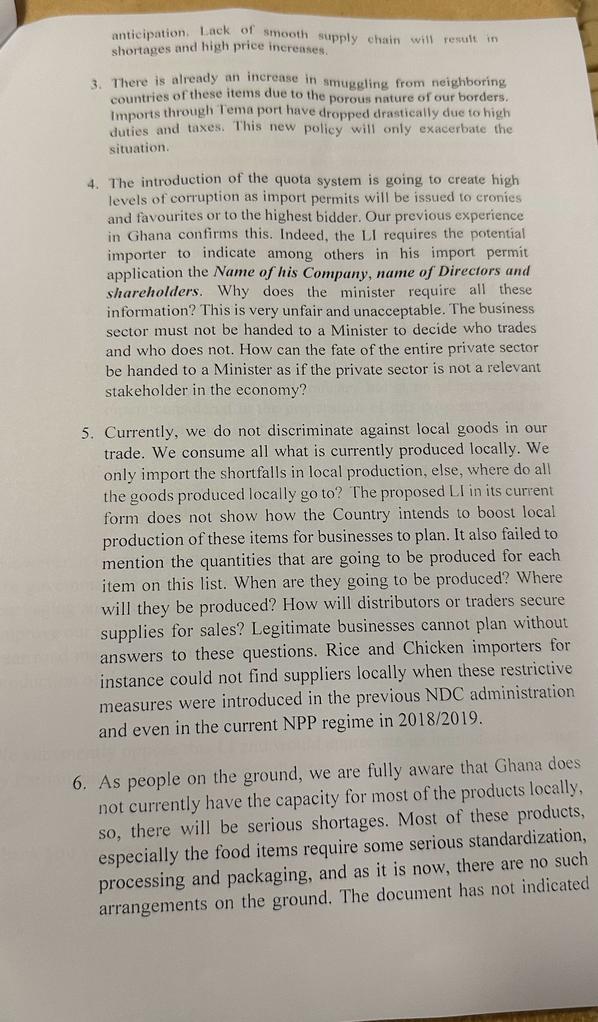
They also expressed fear that the permit system will hinder the flow of goods from other countries.

“The permit system will definitely hinder the flow of goods from exporting countries to receivers in Ghana since importers would no longer be able to rely on market demands to dictate the quantities to be ordered, as companies will be at the whims of the Minister of Trade and Industry.”

“Typically, orders would normally take a minimum of 3 months from purchase date to delivery, assuming there is no bureaucratic involvement in the decision-making process.”

The importation of ‘Yemuadie’ (tripe), rice, diapers, and other products will be restricted if the LI is passed.

The French Foreign Minister affirms France’s commitment to communication with China.

0
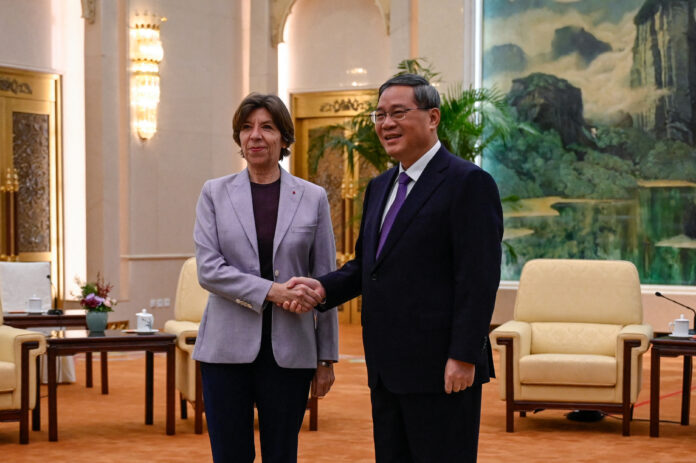
Chinese Premier Li Qiang (R) and French Foreign Minister Catherine Colonna shake hands at the Great Hall of the People in Beijing, China on November 24, 2023. Jade Gao/Pool via REUTERS

Speaking on Friday, French Foreign Minister Catherine Colonna reaffirmed France’s commitment to communication with China following Beijing’s outrage over an EU anti-subsidy investigation into Chinese-made electric vehicles, which was supported by Paris.

The goal of Colonna’s visit to the Chinese capital was to promote cross-border contacts between visitors and students from both nations. However, trade concerns following the EV investigation—which Beijing has denounced as “protectionist”—threaten to eclipse this goal.

After their June meeting in Paris, Colonna told China’s Premier Li Qiang, “We are really committed to dialogue with China,” and she was “honoured” and “happy” to see him.

Reiterating that she was “honoured” to have been welcomed by Li, Colonna said on X, the platform that was once known as Twitter.

“With China, we are working to find answers to global climate, biodiversity and debt challenges, and to deepen and rebalance our economic relationship,” she wrote.

Colonna’s trip precedes a visit by the European Commission and Council presidents, Ursula von der Leyen and Charles Michel, to Beijing in early December for the first in-person summit with President Xi Jinping in four years, after China-EU relations nosedived during the pandemic.

European officials have repeatedly vowed to reduce economic dependencies on China in critical sectors – otherwise known as “de-risking” – in the face of what the G7 calls China’s “economic coercion“.

French President Emmanuel Macron, who met with Xi in China earlier this year, has argued the EU should stop being naive and demand a level playing field with countries like China, and had been pushing the European Commission behind the scenes to launch the probe.

China is France’s third-largest trade partner, but French and other European firms are deeply concerned about China’s vast trade imbalance with the EU, its opaque legislation on cross-border data transfers and cheap Chinese EVs flooding the European market, threatening domestic carmakers.

France is also concerned about Chinese attempts to force French cosmetics companies to share manufacturing secrets with Chinese parties.

France is China’s top source of cosmetics and wine imports, according to China’s customs agency, with French luxury titans such as LMVH (LVMH.PA) particularly dependent on Chinese consumers. The lack of a strong rebound in luxury demand following China’s post-pandemic re-opening has spooked investors.

Xi insisted that China welcomes investment from French firms in a telephone call on Monday with Macron, who urged fair treatment for foreign companies in China.

The Chinese premier, in his meeting with Colonna, took an upbeat stance on broader bilateral ties.

“Under the strategic leadership of President Xi Jinping and President Macron, the relationship between China and France has been developing better and better in all aspects since this year,” Li said.

“Next year will be the 60th anniversary of the establishment of diplomatic relations between China and France, and both of us are sustaining our efforts in the hope that the 60th year would see a big development and a big breakthrough.”