
Home Blog Page 30

SEC cautions public against unlicensed Mekanism Marketing Investment Scheme 

0

The Securities and Exchange Commission (SEC) has warned the public against engaging with Mekanism Marketing Limited, an online investment entity operating without regulatory approval. 

 In a public notice, the Commission said Mekanism Marketing Limited was neither licensed, authorised nor approved to operate in Ghana’s capital market. 

 The SEC said any investment activity promoted by the entity constituted an illegal and unauthorised capital market operation and advised the public to exercise extreme caution and refrain from committing funds to any of its products or services. 

 The Commission’s investigations showed that Mekanism Marketing Limited used social media advertisements and various online platforms to solicit funds from the public. 

 It said the entity requested deposits from participants under the pretext of investment opportunities and promised fixed daily returns based on the amount invested. 

 Participants were reportedly required to undertake vague and unspecified online tasks described as “Job 1” to “Job 10” as a basis for earning daily, monthly or annual income. 

 The Commission described the promised returns as unrealistic and unsustainable and said the features of the scheme pointed to a fraudulent operation designed to lure unsuspecting members of the public. 

 It said such schemes posed serious financial risks and undermined the integrity of the capital market. 

 The SEC reminded the public that under Section 109 of the Securities Industry Act, 2016 (Act 929), no person might operate as a market operator, broker, dealer, investment adviser or fund manager, or engage in any capital market activity without a valid licence issued by the Commission. 

 It said any person who contravened the Act committed an offence under Section 206 and was liable to administrative and criminal sanctions. 

 The notice also cited Section 294(1)(b) of the Companies Act, 2019 (Act 992), which made it unlawful for any entity to issue public invitations for investment in securities without meeting the statutory requirements. 

 The Commission said individuals or groups involved in such unauthorised capital market activities might face penalties under Ghanaian law. 

 It said it was collaborating with relevant law enforcement agencies to identify and take appropriate action against those behind the suspected scheme. 

 The SEC urged the public to verify the licensing status of any individual or organisation offering investment services before committing funds. 

 It said the Commission could be contacted through its toll-free line, main office telephone numbers, official email address or website for verification or further enquiries. 

 The notice reaffirmed the SEC’s commitment to protecting investors and safeguarding the stability and integrity of Ghana’s capital market. 

Government settles GHS10bn DDEP interest obligations 

0

The Government has paid GHS10 billion in interest obligations under the Domestic Debt Exchange Programme (DDEP), marking the sixth coupon settlement since the programme began. 

The payment represents the second full cash settlement without any Payment-In-Kind component, reflecting strengthened fiscal capacity and improved solvency. 

A statement issued in Accra by the Ministry of Finance, said the settlement covered cedi-denominated DDEP coupon obligations in line with the restructuring memorandum and the Government’s broader debt management and fiscal consolidation strategy. 

It said the timely payment sent a strong positive signal to domestic and international investors, reinforced market confidence, and was expected to support Ghana’s credit outlook. 

The statement explained that the settlement would also enhance stability within the financial sector, particularly, among banks and pension funds, which hold significant volumes of government securities. 

“The Government remains fully committed to meeting all future DDEP obligations,” it said, adding that this commitment was supported by strong fiscal buffers, improving macroeconomic fundamentals, declining inflation, lower interest rates, and a stable cedi. 

Ghana launched the Domestic Debt Exchange Programme in December 2022 as part of broader efforts to restore debt sustainability and macroeconomic stability after severe fiscal pressures triggered one of the country’s worst economic crises in decades. 

The programme formed a central pillar of Ghana’s debt restructuring agenda under a US$3 billion Extended Credit Facility arrangement approved by the International Monetary Fund (IMF) in May 2023.  

It aimed at stabilising the economy, restoring investor confidence, and rebuilding foreign exchange buffers.  

Under the programme, the Government restructured most domestic bonds to reduce interest costs and smoothen debt servicing pressures, generating significant fiscal relief and creating space for critical public spending.  

The IMF has since commended Ghana’s progress, noting improvements in fiscal discipline, inflation control, and debt restructuring outcomes.  

Analysts say the consistent and timely servicing of restructured debt obligations is vital to sustaining market confidence, safeguarding financial sector stability, and supporting Ghana’s return to international capital markets.  

UESD launches 2026 community development challenge competition for 30 basic schools 

0

The University of Environment and Sustainable Development (UESD) in Somanya has launched its 2026 Community Development Challenge (CDC) competition for 30 basic schools.  

The CDC is a practical, action-orientated learning approach where students and participants identify real problems in a community and design sustainable solutions through research, engagement, and implementation. 

This year, the focus is a school gardening competition for basic school pupils in the Eastern Region to promote food security, environmental awareness, and climate-smart farming. 

Thirty basic schools are taking part in the competition, including Asokore Methodist JHS, Akwadum R/C Basic School, Asokore SDA Demonstration A, Agavenya R/C Basic, Aburi Presby B. JHS, Nuaso Saint Dominic R/C JHS, Aseseeso Presby JHS, and Oborpah West M/A, among others.  

Each participating school will be assigned crops to nurture over a period of three months. At the end of the period, a team of experts will evaluate their work to determine the winner. 

Participants are expected to nurture organic vegetable gardens without using synthetic chemicals.  

They will cultivate crops such as carrots, cucumbers, lettuces, and garden eggs, applying sustainable farming techniques that can be replicated at home. 

Speaking at the launch, the pro-vice chancellor of UESD, Professor Edward Wiafe Debrah, emphasised the importance of targeting basic schools. 

 “Children are so powerful in bringing change in the environment. They can educate their parents and peers not to litter, and they can also demonstrate responsible behaviour to shape society,” he said. 

Prof. Debrah added that the program seeks to develop young leaders who are environmentally conscious and capable of addressing future food security challenges. 

He highlighted the significance of reviving backyard farming practices, recalling Ghana’s historic “Operation Feed Yourself” programme.  

“There was a time when food was abundant because households cultivated their crops. We want to revive that mindset, so parents do not always have to spend money on basic vegetables like okra, peppers, and tomatoes,” he noted. 

Guest speaker Dr Frank Kweku Ackaah, senior lecturer in the Department of Crop Science at the University of Cape Coast, described the school gardens as multi-purpose learning spaces. 

“A school garden is more than a farming plot. It ‘s a science laboratory, a nutrition classroom and a leadership training ground. Pupils learn by doing, not just by reading,” he said. 

He explained that the competition encourages innovation, documentation, and accountability while strengthening environmental education and agricultural skills among students. 

Yilo Krobo Municipal Director for Agriculture, Mr Benjamin Alabi, also lauded the initiative as timely and innovative. 

“Agriculture is life. Without food, no one can survive, so this initiative is a step in the right direction, especially with the emphasis on organic methods,” he said, highlighting the health benefits of reducing chemical pesticides and insecticides in food production. 

Teachers from participating schools welcomed the initiative, expressing confidence that it would inspire pupils to adopt sustainable farming practices, develop life skills, and promote healthier communities. 

 Beyond the competition, the program is expected to encourage families to establish home gardens, improve nutrition, and reduce dependence on purchased vegetables. 

The UESD Community Development Challenge positions school-based organic gardening not only as a practical solution to food insecurity but also as a tool to cultivate climate-smart, environmentally conscious citizens capable of shaping Ghana’s future.


Ho stadium vendors required to obtain authorization, NSA Announces 

0

Madam Philippina Frempong, Volta Regional Director of the National Sports Authority (NSA), has directed all traders at the Ho Sports Stadium to secure formal authorization. 

Madam Frempong, issued a directive regulating commercial activities within the Ho Sports Stadium, urging all prospective vendors to obtain official approval before operating. 

Speaking to Ghana News Agency (GNA), she announced that hawkers, small-scale traders and other commercial operators must be registered to conduct business within the facility. 

Madam Frempong said the directive was necessary to maintain order, strengthen sanitation systems, and ensure the effective management of the stadium.  

“We are committed to safeguarding both the facility and the public who use it,” she stated. 

She explained that the registration and accreditation exercise would allow management to structure commercial activity in a way that promotes safety and enhances the general experience for patrons during sporting and public events. 

Traders are required to contact the Stadium Administrator for registration, after which they may be granted permission to operate within designated zones of the stadium. 

The process includes annual registration and the payment of a monthly sanitation levy to support environmental cleanliness, waste control and public health standards within the stadium precinct. 

Management emphasised that unapproved commercial activities within the stadium premises are prohibited and may attract sanctions in line with existing operational regulations. 

The NSA noted that regulating trading activities would help eliminate congestion, prevent disorderly conduct, and protect the facility from misuse while allowing legitimate vendors to operate responsibly. 

Madam Frempong reaffirmed the Authority’s commitment to fostering a clean, safe, and business-friendly environment that supports livelihoods without compromising the integrity of the stadium. 

They urged all interested persons to comply fully with the directive to ensure smooth operations and sustained maintenance of the stadium facility. 

PFJs’ GHS 2.8bn funds failed to boost Ghana’s seed industry – LCIC 

0

Ghana’s private seed sector failed to convert major public investments into stronger production capacity under the Planting for Food and Jobs (PFJs) Phase One, Dr Amos Rutherford Azinu has said. 

Dr Azinu, the Founder and Chief Executive Officer (CEO) of the Legacy Crop Improvement Centre (LCIC), said the government’s support was intended to expand seed production and improve national food security, but the expected transformation did not occur. 

In an interview with the Ghana News Agency, Dr Azinu said the government invested GHS 2.8 billion in PFJ’s first phase between 2017 and 2022, to expand access to improved seeds and raise national productivity. 

He said the support aimed to establish a competitive seed industry that could bolster food security and lessen reliance on imports. 

Dr Azinu said PFJ delivered increased production of some crops, but the seed sector did not experience the expected transformation. 

He said many private operators failed to reinvest public support into infrastructure, such as conditioning plants, storage, and quality assurance systems. 

He noted that PFJ began in 2017 as a flagship programme, targeting higher yields through fertiliser and seed subsidies. 

He indicated that weak governance and limited accountability contributed to the underperformance, insisting that under the programme, some beneficiaries only acquired vehicles and other personal assets, instead of expanding production capacity. 

quality seed. 

Dr Azinu said the pattern showed gaps in oversight and verification mechanisms, and these shortcomings affected farmers directly, while many smallholders continued to face shortages of high-quality seeds, as distribution delays persisted. 

Again, storage and processing remained inadequate in several producing areas and these challenges prevented the country from converting public spending into sustained productivity improvements. 

He said claims that the private seed sector lacked government support were inconsistent with PFJ’s scale of investment, arguing that the programme design relied on private firms to match public support with long-term capital investments; this did not materialise in many cases. 

Dr Azinu called for a full audit of PFJ seed-related expenditures and supplier performance. 

He said such an audit should probe assets acquired, facilities developed, and volumes produced by beneficiary companies, adding that recovery measures could be considered where funds were misapplied. 

He recommended stronger controls for future programmes, including milestone-based disbursements, independent verification of seed volumes, infrastructure upgrades, and quality assurance processes, while digital tracking systems were deployed to improve transparency across the seed value chain. 

Dr Azinu said LCIC would continue to support reforms through research, early generation seed production, and stakeholder engagement.generation seed production, and stakeholder engagement. 

If accountability improved and investments aligned with national production targets, Ghana could still build a resilient seed system, Dr Azinu said. 

He noted that independent assessments had shown that PFJ delivered output gains but also faced delays, quality concerns, and efficiency gaps that reduced its overall impact. 

Dr Azinu says future agricultural programs should focus on measurable outcomes, including certified seed availability, farmer access, and productivity gains. 

He said improvements in these areas would support food security, reduce price volatility, and strengthen rural livelihoods. 

HPV vaccination campaign: 1.9 girls vaccinated, 300,000 more  to be  reached

0

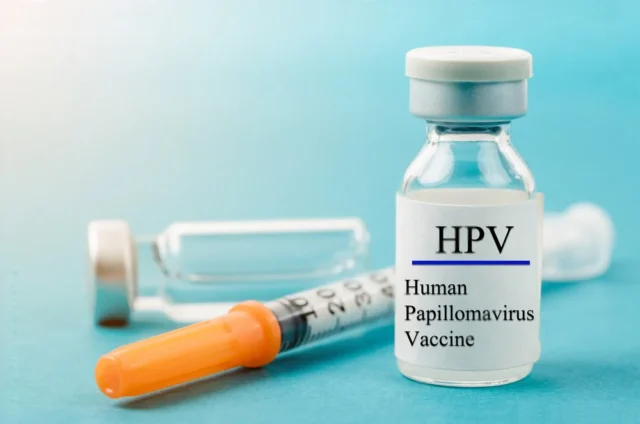
Ghana has successfully vaccinated about 1.9 million girls against Human Papillomavirus (HPV) following a nationwide campaign conducted in October 2025, the Ghana Health Service (GHS) has said. 

Dr Selorm Kutsuati, the Acting Manager, Expanded Programme on Immunisation (EPI), told the Ghana News Agency (GNA) in an Interview that despite significant successes, it was not enough as nearly 300,000 girls within the target group were yet to receive the vaccine.

The vaccination campaign, which took place in October 2025 formed part of efforts to protect girls between age nine and 14 years against cervical cancer.

“Vaccinating 1.9 million girls is good. But for us, it is not good enough. Our policy is to reach every child. Even if it is just three girls left, we want to reach them,” she added.

Dr Kutsuati said following the mass campaign, the HPV vaccine had now been integrated into routine immunization services and was available at all public health facilities nationwide.  

She acknowledged that despite the slow uptake often after campaigns, health workers were still actively seeking out those who missed earlier doses.

“After a campaign, routine immunization can be slow for a while.  “Most of the eager recipients have already been vaccinated, so the health system has to go out and actively look for the remaining girls.”

Dr Kutsuati said to address this gap, the Ghana Health Service was intensifying school health outreach programmes, noting that the majority of eligible girls were enrolled in school.

Districts have identified schools that were not reached during the October campaign and are prioritising them for visits this year, she stated.

“The year has just begun, and we are strategizing on how best to reach the remaining girls. “Our teams know the schools they could not reach earlier, and those schools will be prioritised.”

She noted that parental resistance, fueled largely by misinformation, remained one of the biggest challenges to the programme.

The Acting EPI Manager said in response to this, districts were engaging parents through Parent-Teacher Associations (PTAs) and community-based activities to build trust and provide accurate information about the vaccine’s safety and benefits.

“We are still engaging parents. PTAs are crucial platforms that bring parents, teachers and health workers together, and we have encouraged districts to make full use of them.”

The programme is also turning to data and geospatial analysis to better identify underserved areas and target remaining eligible girls more efficiently.

She said while the HPV vaccination programme focused exclusively on girls aged nine to 14 years, there was growing demand from adults who wished to be vaccinated but could not afford the cost in the private sector.

“Unfortunately, this programme does not cover adults. It is strictly for girls aged nine to 14. However, we will continue to advocate governments and organizations to subsidize the vaccine in the private sector for older people who want it,” she assured.

Dr Kutsuati advised parents whose girls were within the age bracket to vaccinate them for their protection and encouraged adults seeking the vaccine to undergo appropriate testing, particularly if they were sexually active, before taking the vaccine.

She was optimistic that the remaining 300,000 girls would be reached within the year to protect them against the deadly disease.

“So far, so good, but it could be better. And what will make it better is simple — let’s get our girls vaccinated,” she stated.

Cervical cancer is the second most common cancer among women in Ghana, with approximately 3,072 new cases and 1,815 deaths annually, or roughly 5-8 deaths per day, often driven by late-stage diagnosis. 

A single dose of the Gardasil 4 (HPV) vaccine to be administered to these young girls, however would protect them for life.

Staple food prices drop marginally in Kadjebi District 

0

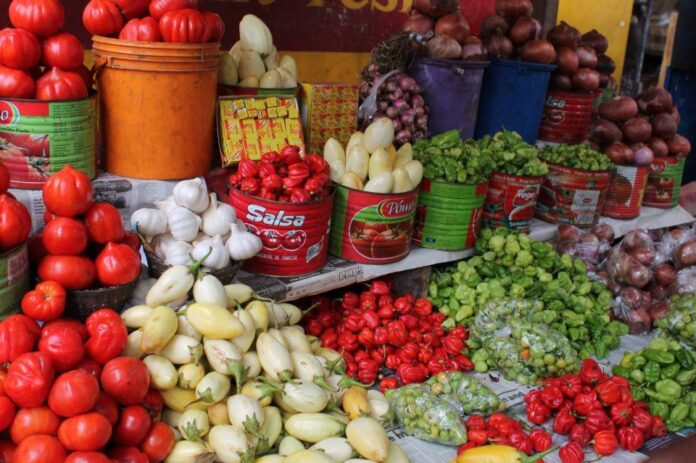
Prices of some staple food items, including rice, maize and beans, have recorded marginal reductions in the Kadjebi District of the Oti Region, a market survey by the Ghana News Agency (GNA) has revealed. 

The survey, conducted at selected markets in the district, showed that although prices have declined compared to previous months, patronage remains low as many consumers continue to struggle with limited purchasing power. 

Ms Gift Ayim, a rice trader, said a bowl of rice, which sold at GH¢50.00 throughout 2024 and early 2025, has dropped to GH¢30.00. Despite the reduction, she expressed concern about poor sales, noting that many customers were unable to take advantage of the lower prices due to financial constraints. 

Similarly, Madam Vida Amenyo, a maize seller, said the price of a bowl of maize had reduced from GH¢25.00 to GH¢10.00. She explained that although the reduction was unfavourable to traders considering the cost of sourcing the produce, it was necessary to attract buyers. 

Some consumers welcomed the slight reduction, but said prices remained high relative to their incomes, calling for further measures to ease the cost of living. 

The marginal drop in prices is attributed to improved supply from farming communities; however, traders remain concerned that sustained low demand could negatively affect their livelihoods. 

South Tongu NDC bans early declarations for 2028 parliamentary primaries 

0

The National Democratic Congress (NDC) in the South Tongu Constituency of the Volta Region has imposed a ban on declarations of intent to contest the party’s parliamentary primaries ahead of the 2028 general elections. 

The directive, contained in a press release dated February 3, 2026, and signed by the Constituency Secretary, Dr Lawer Egbenya, and sighted by the Ghana News Agency, instructs party members to refrain from holding meetings or making declarations regarding their intentions to contest the next parliamentary primaries. 

Dr Egbenya explained that the decision was aimed at preventing premature campaigning and maintaining party unity, as the constituency focuses on branch-level reorganisation for the benefit of all members. 

“Acting on the leadership of the Constituency party led by Chairman Michael Tsikudo, I write to inform all party stakeholders, members and sympathisers in the South Tongu Constituency that information available to us indicates that some party members have begun holding meetings with branch executives,” he said. 

He noted that such meetings were intended to ostensibly declare intentions to contest the 2028 parliamentary primaries. 

Dr Egbenya stressed that the party had not called for declarations or opened nominations for interested persons and therefore directed that no branch or ward should grant audience to any individual or group seeking to make such declarations. 

He further announced that the party would soon commence its reorganisation process at the branch level, with details to be communicated later, and called on all stakeholders, members and sympathisers to support the Constituency Executives Committee (CEC) to successfully carry out the all-important exercise. 

He warned that any breach of the directive by party stakeholders, leading members or executives would attract severe sanctions. 

The South Tongu Constituency remains a stronghold of the NDC and is currently represented in Parliament by Mr Maxwell Kwame Lukutor, who won the seat after defeating the incumbent, Mr Kobena Mensah Woyome, in the party’s earlier primaries. 

The decision comes as the party prepares for the 2028 elections and seeks to consolidate support in the constituency. The ban is viewed as a measure to prevent potential conflicts, strengthen grassroots’ engagement, and ensure unity, with its impact on the party’s internal dynamics expected to be closely monitored. 

Christians Advised to Avoid Bitterness, Serve God with Commitment 

0

Pastor Gabriel Amoako, outgoing secretary-treasurer of the Upper West Administrative Field Unit (UWAFU) of the Seventh Day Adventist (SDA) Church, has urged Christians to eschew bitterness and serve God with full commitment to fulfil their Christian mission. 

He said bitterness hampers spiritual growth, but God uses individuals who serve faithfully to achieve extraordinary things, citing Abraham, David and Samson as examples. 

Pastor Amoako delivered the advice during a sermon themed “Run Your Race Before You” at a farewell ceremony organised after his five-year tenure in the UWAFU and as Wa West District Pastor for Kpaguri SDA Church. 

“Fix your eyes on Jesus Christ, so that no matter the challenges, He will be faithful and enable you to run your race to achieve your heavenly crown,” he said. 

He added: “This race requires total commitment, patience, and endurance. To succeed, we must discard bitterness and learn to forgive one another.” 

Pastor Whaley Asonre Aboungo, UWAFU Director, advised Pastor Amoako to remain steadfast and rely on God’s strength amid challenges. “Your appointment to Asante South reflects your faithfulness, integrity and dedicated service. While we will miss you, we rejoice for this higher calling,” he said. 

Mrs Rose Waahu, UWAFU Women’s Ministry Director, praised Pastor Amoako’s wife for her love, honesty, and care for all, and described Pastor Amoako as honest in finance and one of the Unit’s best secretaries-treasurers. 

Church members commended him as a perfectionist and dedicated leader whose sacrifices strengthened the Unit’s finances and overall growth. 

Pastor Amoako has been transferred to the Asante South Ghana Conference in the Bekwai District, after serving five years in the North Central Ghana Union Conference (NCGUC) and UWAFU. 

In a citation, the Church recognised him for integrity, diligence, sound financial stewardship, strengthening administrative systems and contributing significantly to the Unit’s stability and growth. 

Pastor Amoako expressed heartfelt gratitude to Church leadership and members for honouring him and his family. 

July closed season deepens hardship for fishing households – Sankofa study 

0

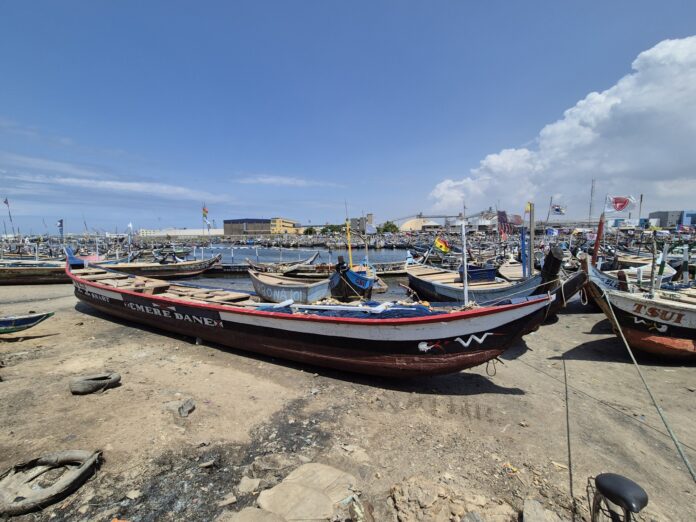
The annual July fishing closed season, while intended to rebuild Ghana’s dwindling fish stocks, has intensified economic hardship for fishing households, particularly women and children, a new Sankofa research study has revealed. 

 The Creating Synergies between Indigenous Practices and Scientific Knowledge (ISIPSK), popularly known as the Sankofa research project, was led by the University of St Andrews in Scotland in collaboration with Ghana’s Fisheries Commission and other stakeholders. 

 The study, conducted across eight major fishing communities in Ghana’s four coastal regions, found that although the closed season provides fisherfolk time to rest and repair gear, the suspension of fishing-related activities leads to a complete halt in income for many households. 

 About 70 per cent of fisherfolk surveyed indicated that fishing was their sole source of livelihood, leaving families vulnerable during the one-month closure, the report said. 

 The economic strain, the study noted, translated into reduced household food security, increased school absenteeism among children, and rising social vices in coastal communities. 

 Women were found to bear a disproportionate burden during the period, as they assumed responsibility for household upkeep when male fishers were unable to provide income or fish for food. 

 “During the closed season, women carry the weight of feeding the family and managing household expenses,” the report stated, describing the impact as “distinctly gendered.” 

 The research further revealed that some youth migrated to illegal small-scale mining areas during the closure in search of income, a shift that worsened environmental degradation and exposed them to health risks. 

 The report called for livelihood diversification programmes and social protection measures to cushion vulnerable fishing households during the closed season. 

 The study showed that 82 per cent of fisherfolk agreed urgent action was needed to halt the decline in fish stocks, yet only 26 per cent believed a July closure was effective in rebuilding depleted resources. 

 Small pelagic species such as sardinella and anchovies – popularly referred to as “the people’s fish” – were reported to be on the brink of collapse, threatening food security for millions of Ghanaians. 

 Fishermen interviewed argued that July did not align with their indigenous ecological knowledge, which recognises May and June as a natural fishing lull due to rough sea conditions. 

 “The closed season is not a bad idea, but it would be better in June instead of July to align with the natural period the sea closes itself,” a fisher in the Greater Accra Region was quoted as saying. 

 The report noted that implementing the closure in July compelled some fishers to intensify fishing efforts before and after the period, sometimes resorting to illegal methods to recover lost income. 

 Researchers recommended that future fisheries management policies integrate indigenous knowledge with scientific data to improve compliance and sustainability.