Home Blog Page 302

Akufo-Addo: “Slave Trade reparations are not a plea for alms.”

0

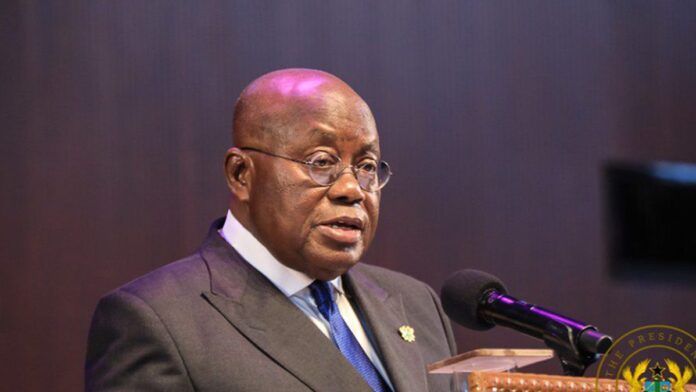
According to President Akufo-Addo, the demands made by Africans and Africans living abroad for justice rather than charity are behind the demand that European countries that participated in the transatlantic slave trade 400 years ago provide restitution.

According to President Akufo-Addo, the issue of restitution and the need for reparatory justice cannot coexist. He stated that the repatriation of all cultural assets of African nations that were forcibly and illegally removed from Africa and sent to European nations should be the means of completing the restitution.

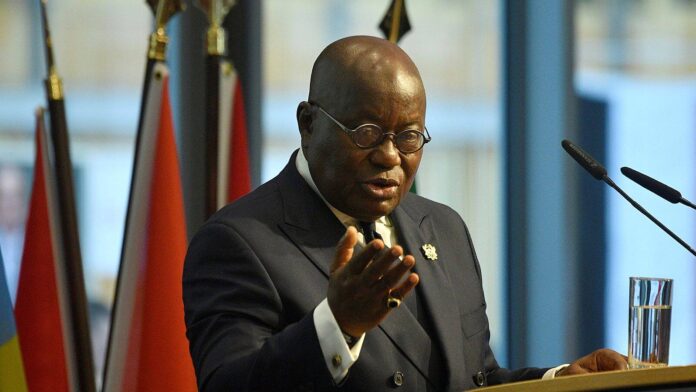
Speaking at the maiden edition of the Accra Reparations Conference (ARC 2023) held at the Kempinski Hotel, Gold Coast City, on Tuesday, 14 November 2023, President Akufo-Addo said reparations for African and Africans are long overdue, noting that victims of other injustices in human history have rightly received reparations and that, Africans deserve the same for the damage caused by the transatlantic slave trade.

“The call for reparation is not a plea for alms but a valid demand for justice. If reparations can rightly be paid to victims and the descendants of victims of the Holocaust, so can reparations also be paid to the descendants of the victims of the slave trade. It has been four hundred years, and we want to bring closure to this tragedy.

“While at it, let me point out that the subject of reparations must go along with the subject of restitution. The initiative for the return of African cultural properties to the continent must also be an issue of major concern for all Africans. We must call for the return of African cultural properties that were illegally and shamelessly transported from the continent” President Akufo-Addo said.

Tracing the history of the transatlantic slave trade, President Akufo-Addo, said “It began with some 20 slaves from West Africa being forcefully sent in 1619 to the commonwealth of Virginia, in what was to become part of the United States of America. This initial action he noted, “was the first of 36,000 voyages to and from Africa which resulted in some 20 million Africans from Central and West Africa being sold into slavery in the Americas and the Caribbean”.

“We are also told that 10% of this number, that is, some 2 million Africans lost their lives en route to their destinations with the Atlantic Ocean serving as their final resting place. As if this was not enough, the continent had to endure centuries of being colonized by the same people who undertook the slave trade.

“The identity and personality of Africans were brutally assaulted, and the imprints of colonialism and imperialism woven deeply into the fabric of our lives. The effects of the slave trade have been devastating to the African continent and to the African diaspora. The entire period of slavery meant that our progress economically, culturally, and psychologically was stifled” President Akufo-Addo stated.

Fair treatment

In his statement, President Akufo-Addo traced the history of the payment of reparations to victims of historic injustices such as the holocaust and even those who owned slaves when the slave trade was finally abolished. To this, President Akufo-Addo noted that there must be no reason why the payment of reparations to Africans who suffered from the devastating effects of the transatlantic slave trade should be questioned.

“Reparations for Africa and the African diaspora are long overdue. Predictably, the question of reparations becomes a debate only when it comes to Africa and Africans. When the British ended slavery, all the owners of enslaved Africans received reparations to the tune of some 20 million pounds sterling, the equivalent to some 20 billion pounds sterling but enslaved Africans themselves did not receive a penny.

“Likewise, in the United States of America, owners of slaves received $300.00 for every slave they owned, the slaves themselves, and received nothing. Take the case of Haiti, which had to pay reparations amounting to 21 billion United States dollars to French slave owners in 1825 for the victory of the Haitian revolution, the first in the Americas and the Caribbean which freed the slaves” President Akufo-Addo said.

“It was a payment made under duress that impoverished Haiti throughout the 19th century until today. Native Americans received and continue to receive reparations, Japanese Japanese-American families who were incarcerated in internment camps in America during World War Two, received reparations. Jewish people, six million of whom perished in the concentration camps in “Hitlerised” Germany, received reparations including homeland grants and support.

“So, it is time for Africa, 20 million of whose sons and daughters had their freedoms curtailed and sold into slavery, also to receive reparations. No amount of money can restore the damage caused by the transatlantic slave trade and its consequences which have spanned many centuries, but surely, this is a matter that the world must confront and can no longer ignore” he added.

Demand for apology

President Akufo-Addo also called on Africa’s “slavemaster” to render a formal apology to the entire continent for carrying out the slave trade “crime.”

“Even before these discussions of reparations conclude, the entire continent of Africa deserves a formal apology from the European nations involved in the slave trade for the crimes and damage it has caused to the population, psyche, image, and character of the Africans the world over,” President Akufo-Addo remarked.

Shared commitment to justice

The conference was organized by Ghana in close collaboration with the African Union (AU) Commission. In her solidarity statement, her Excellency, Dr Monique Nsanzabaganwa, Deputy Chairperson of the African Union Commission, said the demand for reparations is not an attempt to rewrite history or to continue the cycle of victimization but, is a call to recognize the undeniable truth and right the wrongs that have gone unpunished for far too long and continues to thrive presently.

“Reparations demonstrate our shared commitment to justice, reconciliation, and healing. We gather here today with a sense of unity that transcends geographical borders and ideologies. Our shared belief in the necessity of reparations binds us together, and it is only through our collective strength that we will be able to put what we believe into action.

“We are here today to chart a new course, one that will pave the way for a better, more equitable world devoid of keeping Africa under subjugation while other parts of the world thrive. Reparations are more than merely financial transactions; they are a moral and ethical obligation. They represent our acknowledgement of past wrongs and, more importantly, the resolve to make amends,” Dr Monique Nsanzabaganwa said.

“It is a tangible step toward justice, equality, and healing for those who have suffered and continue to suffer the consequences of historical injustices. To build this “united front,” I reiterate the importance of working together in a collaborative and cooperative spirit.

“The cause of justice knows no bounds, and only by working together can we overcome the challenges that lie ahead. In the pursuit of reparations, we also must address the lingering structural inequalities. It is about quality education with the conscious effort to work towards the positive transformation of the psyche of Africans, quality access to healthcare, economic empowerment, and the reconstruction of our dignity as a people. Our vision is to make Africa an influential global player in a more equitable world, ” Dr Nsanzabaganwa added.

High profile dignitaries

Among the high-profile dignitaries who attended the conference were his excellency (H.E.), Azali Assoumani, President, the Union of Comoros, and AU Chairperson, H.E. Victoire Tomegah Dogbé, Prime Minister of the Republic of Togo, H.E. Gervais Ndirakobuca, Prime Minister, Republic of Burundi, Dr Musalia Mudavadi, Prime Cabinet Secretary and Cabinet Secretary for Foreign and Diaspora Affairs, Republic of Kenya and H.E. Adão Francisco Correia De Almeida, Senior Minister & Chief of Staff, Republic of Angola.

The others were H.E. Ronald Lamola, Minister of Justice, Republic of South Africa, H.E. Eldevina Materula, Minister of Culture and Tourism of the Republic of Mozambique, H.E. Mr Laid Rebiga, Minister for War Veterans and Rights Holders, Peoples’ Democratic Republic of Algeria,Bell Ribeiro-Addy MP – Chair, All Party Parliamentary Group for Afrikan Reparations and H.E. Dr. Monique Nsanzanaganwa Deputy Chairperson, African Union Commission.
NDC may lose Odododiodio seat if present concerns are not dealt correctly – Ade Coker

0

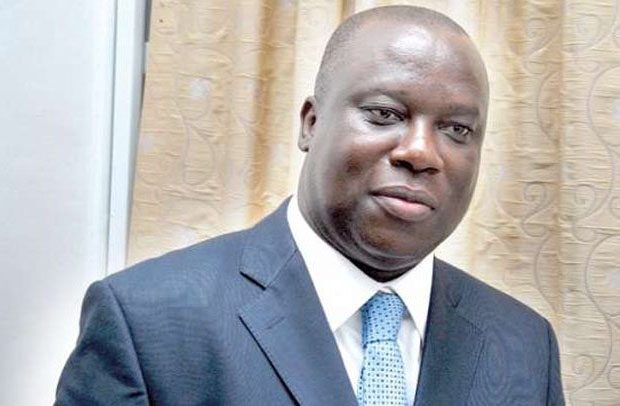
The National Democratic Congress (NDC), according to former Greater Accra Chairman Joseph Ade Coker, is in danger of losing the Odododiodio seat if the problems surrounding the party’s parliamentary primary in the district are not properly resolved.

Following a violent incident at the Greater Accra Regional office during the screening of candidates for the constituency, the party has postponed all procedures associated with the parliamentary primary in the Odododiodio Constituency.

The violence was then submitted to a special committee for inquiry by the NDC’s Functional Executive Committee (FEC).

Speaking on the Face to Face show on Citi TV, Ade Coker stressed the importance of handling the issue properly to ensure that the party does not lose the seat in the 2024 general elections.

“If they don’t handle it well, we will lose that seat, and people must be up and doing because people who have gone to contest in that constituency don’t deserve to be there because that is not their constituency. There is a former NPP person who has been brought in, and he is contesting contrary to the party’s constitution, demanding that he should have served the party within a timeframe before contesting. Unfortunately, there is another person who is a former MP for Amasaman who should have gone to Amasaman to ensure that they win the seat again, yet he is contesting at Odododiodio.”

Akufo-Addo requests an apology for transgressions made during the slave trade.

0

President Akufo-Addo is requesting that the West issue an official apology and pay reparations for the alleged cruel treatment of Africans during the slave trade.

According to Akufo-Addo, Africa has to be made whole for the violations of human rights committed by the slave owners.

Speaking at the inaugural Accra Reparation Conference, Nana Akufo-Addo asserts that although reparations are necessary, European nations involved in the slave trade also have a need to apologise for the atrocities they did against Africans.

“It is time for Africa, thirty million of whose sons and daughters had their freedoms curtailed and sold into slavery, also to receive reparations. No amount of money can restore the damage caused by the Transatlantic Slave Trade and its consequences, which spanned many centuries, but surely, this is a matter that the world must confront and can no longer ignore.”

“And even before these discussions on reparations conclude, the entire continent of Africa deserves a formal apology from the European nations involved in the slave trade.”

Today in Parliament, Ofori-Atta will submit the 2024 budget.

0

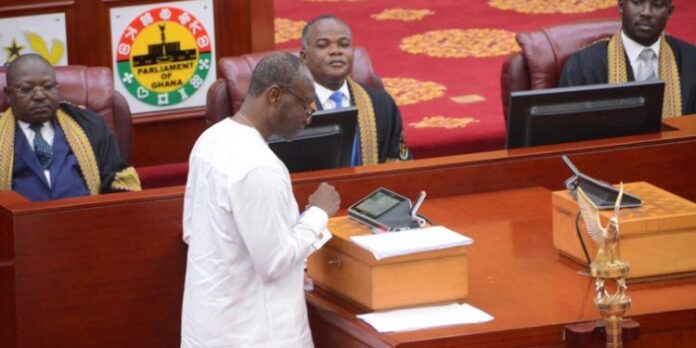
Today, November 15, the government’s 2024 Annual Budget Statement and Economic Policy are anticipated to be presented to Parliament by Finance Minister Ken Ofori-Atta.

On behalf of President Nana Addo Dankwa Akufo-Addo, the Finance Minister is to carry out this constitutional activity.

The budget’s presentation was uncertain because the Finance Ministry had not released a statement, but on Tuesday, November 14, a statement confirmed and guaranteed the presentation.

“In accordance with Article 179 of the 1992 Constitution and section 21 of the Public Financial Management Act, 2016 (Act 921) the Minister for Finance will, on behalf of the President, lay before Parliament the Budget Statement and Economic Policy of Government of Ghana for the 2024 Financial Year, on Wednesday, 15th November, 2023,” the Ministry announced in its statement.

Groups, including the Ghana Union of Traders’ Association(GUTA), the Food and Beverages Association of Ghana (FABAG), Importers and Exporters Association of Ghana, and a host of other trading associations, had called on the government to introduce major tax cuts to reduce the economic and financial burden on Ghanaians ahead of the presentation.

The Concerned Drivers Association of Ghana also called for a reintroduction of road tolls in the budget to help repair Ghana’s deplorable roads.

Some Members of Parliament have also called on the government to share in the pain of the suffering Ghanaian and rather introduce expenditure cuts and not more taxes.

“We met the Minister of Finance at the Finance Committee and he indicated that he intends to raise an additional GH¢11 billion which is about 1 percent of our GDP and we told him that we think the people of Ghana have been taxed so much and the tax burden is already high and so it will be inappropriate to come with new taxes and so the Minister should rather come with cost-cutting expenditure measures,” one lawmaker told Citi News’ Parliamentary correspondent, Nii Ayikwei Okine.

Financial analysts had urged the government to prioritize revenue generation while reducing its expenditure.

Professor John Gatsi advised the government to prioritise income collection in the 2024 budget.

0

Professor John Gatsi, an economist at the University of Cape Coast, has advised the government to prioritise income mobilisation in the budget for 2024.

Today, Wednesday, November 15, the government’s 2024 Annual Budget Statement and Economic Policy are anticipated to be presented to Parliament by Finance Minister Ken Ofori-Atta.

On behalf of President Nana Addo Dankwa Akufo-Addo, the Finance Minister will carry out this constitutional activity.

Various groups, including the Ghana Union of Traders’ Association (GUTA), the Food and Beverages Association of Ghana (FABAG), the Importers and Exporters Association of Ghana, and several other trading associations, have called on the government to introduce major tax cuts to alleviate the economic and financial burden on Ghanaians ahead of the presentation.

The Concerned Drivers Association of Ghana is also advocating for the reintroduction of road tolls in the budget to help repair Ghana’s deplorable roads.

Speaking in an interview on Eyewitness News on Citi FM on Tuesday, Prof. Gatsi indicated “We should ensure that we maximize revenue mobilization, realign expenditure, and focus on things that will generate the growth the country needs to anchor in all fiscal indicators so that we will see our way clear.”

He stressed that what the country needed to do was to “focus on revenue mobilization as well as defining a very clear attractive environment for businesses that will allow them to engage in productive activities.”

Meanwhile, the Member of Parliament for Yapei-Kusawgu, John Jinapor, says the Finance Minister, Ken Ofori-Atta, intends to raise an additional GH₵11 billion through the imposition of new taxes in the 2024 Budget.

“We just met the Minister of Finance at the Finance Committee, and the minister indicated that he intends to raise an additional GH₵11 billion, which is about 1 percent of GDP, but we have told him that we think that the people have been taxed so much. It will be inappropriate to come with new taxes; rather, the minister should look at cost-cutting,” Jinapor said.

He added, “I think that it is improper and unacceptable to further come out with new taxes and increase the tax burden on Ghanaians.”

Ethical business practice should be pursued relentlessly and aggressively – Governor

0

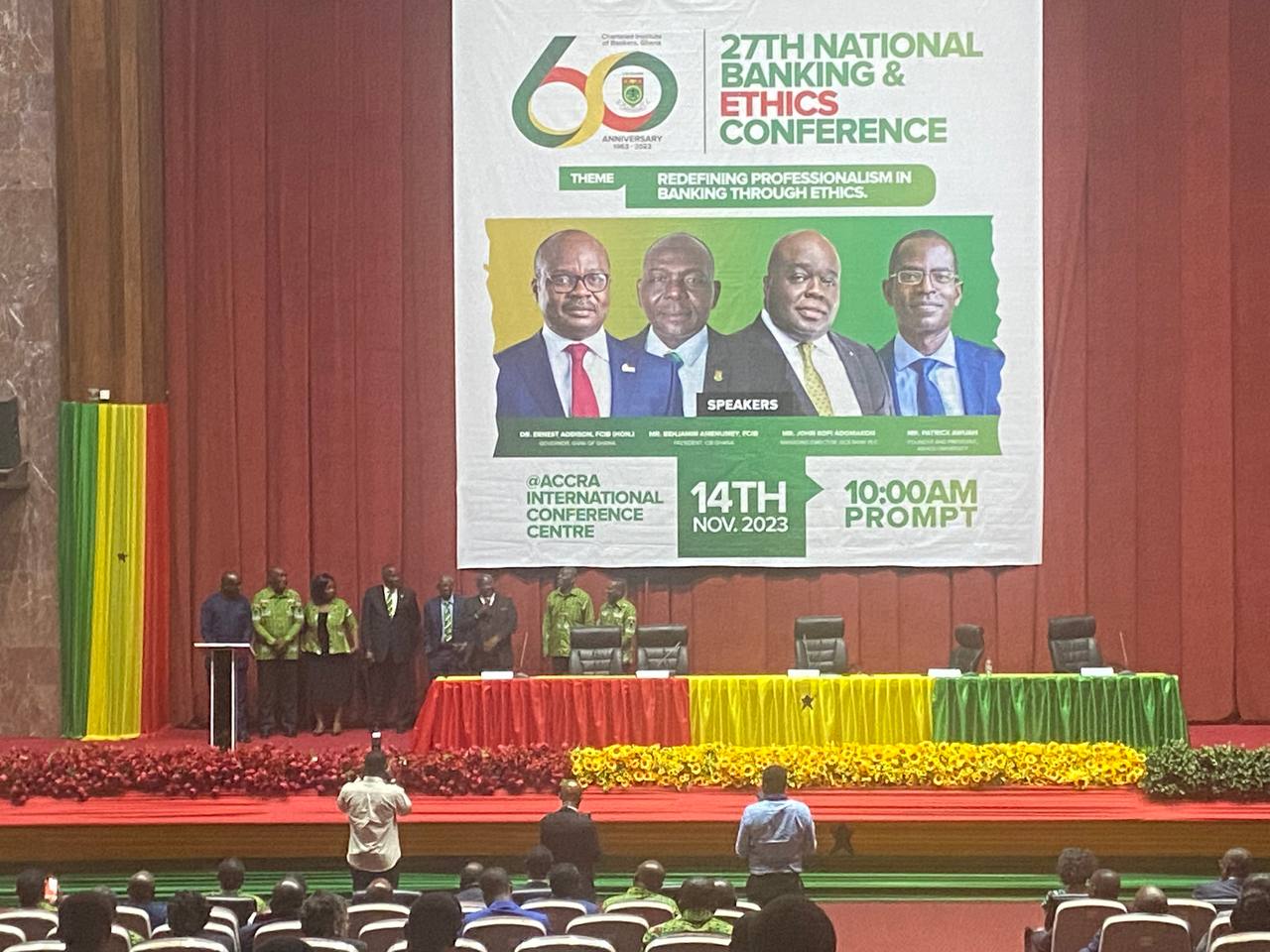
Dr Ernest Addison, the Governor of the Bank of Ghana, says ethical business practice should be pursued relentlessly and aggressively by all industry players.

He said in doing this, “we must adopt a collaborative approach, involving every individual in the institution, so that ‘doing the right thing’ becomes embedded in the work culture.”

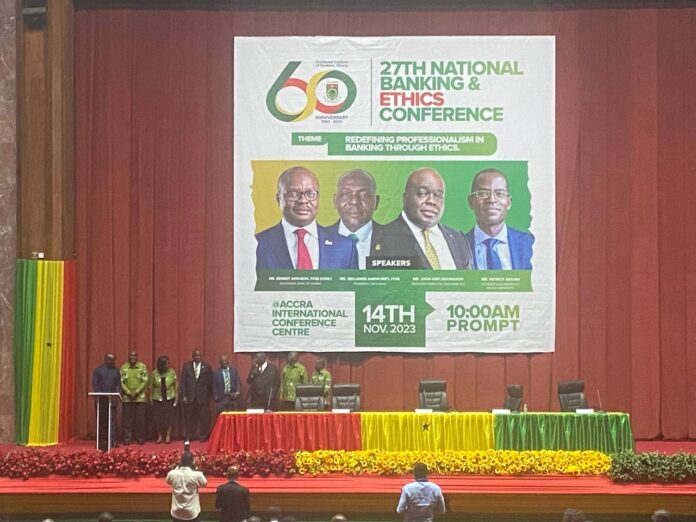
Dr Addison was speaking in a speech read for him by Dr Bernard Otabil, Office of Ethics and Investigations at the 27th National Banking and Ethics Conference in Accra organised by the Chartered Institute of Bankers (CIB), Ghana.

The Conference is on the theme: “Redefining Professionalism in Banking Through Ethics.”
The CIB also launched a newly redesigned flagship Chartered Banker (ACIB) curriculum and an Ethics Certification Programme 

He said each bank must aim to create a values-driven culture, agreed on by both  the leader and leadership team, which should serve as a constant reference within the bank’s systems and processes.  

“When the culture within the banking sector is values-based and values-driven, stakeholders, including depositors, will likely align their values to that of the bank,” he added.  

Dr Addison said a strong ethical organizational culture supported by ethical decision-making and conduct would emerge and enhance professionalism within the industry.   

The Governor said the Banks, Special Deposit Institutions (SDIs), and Payments Service Providers (PSPs) Fraud reports, the Bank of Ghana issues yearly, give strong signals that their focus on ethics and ethical behaviour should be strengthened. 

“A single case of fraud, involving an employee of a bank or any financial institution, affects the whole industry and weakens public confidence in the industry,” he said. 

He said although the 2022 Banks, SDIs, and PSPs Fraud report showed a decline in staff involvement in fraud cases to 188 in 2022 from 278 in 2021, the persistence of these unethical acts among employees of Banks and SDIs remained a concern.  

“As reported, most of the incidents involved bank staff and had to do with cash theft (cash suppression) from customers’ accounts and fraudulent withdrawals on accounts of customers,” he added.  These trends show the need to educate and inculcate ethical behaviour among the staff of financial institutions. 

The Governor said raising awareness of ethical issues, providing banking professionals with ethical training, and fostering a culture of ethics were important building blocks to establishing the right culture within banking institutions. 

He said this would also help banking professionals develop the knowledge and skills to navigate complex ethical dilemmas as well as anticipate and deal properly with ethical blind spots.  These new professional development programmes would help create the required specialised knowledge and improve competency for the benefit of the industry. 

But, more importantly, it would help banking professionals imbibe the right ethical values to contribute to building the right ethical culture in the various institutions. 

He said the focus on professionalism and ethics being championed by the Institute inspires a lot of hope for the industry. 

The Governor said the importance of ethical behaviour in banking and financial markets had never been as relevant as it was today because of the moral and economic efficiency issues involved.

“This industry thrives on trust and the lack thereof threatens the stability and sustainability of the entire financial sector with adverse economic consequences,” he added.    

Mr. Benjamin Amenumey, President of CIB Ghana, said the industry had witnessed some external and internal events, which had impacted the confidence of the industry significantly.

He said the banking sector clean-up which was necessary to COVID-19 and then the Domestic Debt Exchange Programme and some of these events were not within their control. 

He said the recent Bank of Ghana fraud Report showed some alarming trends even though there were a reduction in some variables.

“This significant concern is what the Institute is trying to address, and it is in that light that our theme “Redefining Professionalism in Banking through Ethics” is appropriate and timely,” he added.

He said this year also marks the 60th Anniversary of the Institute and their discussion would focus on: Ethics, Giving voice to values, Responsible Banking and Sustainability.

“For our industry to be sustainable and the country to develop. We need professional bankers and they needed to be trusted bankers to promote the interest and activities of the industry,” he said.

Germany earmarks €400,000 to train 270 Ghanaian enterprises

0

About 270 Ghanaian enterprises from 10 regions in the country are to be trained under phase III of the International Labour Organisation (ILO) Sustaining Competitive and Responsible Enterprises (SCORE) programme beginning next year.

The €400,000 programme, funded by the German Federal Ministry for Economic Cooperation and Development (BMZ) under the “Invest for Jobs” initiative is to help selected enterprises improve productivity, resource efficiency and working conditions.

It is to be implemented by the Management Development and Productivity Institute (MDPI) within a nine-month period under the supervision of the Deutsche Gesellschaft für Internationale Zusammenarbeit (GIZ) GmbH.

Speaking at the Launch of the programme, Mr John Duti, the Team Leader of Invest for Jobs, urged Ghanaian enterprises to make environmental protection a core of their operations.

He said while the country needed to grow economically, it should not be at the expense of the environment, which needed to be sustained for the well-being of citizens and future generations.

He, therefore, urged Small Medium Enterprises (SME) to adopt green processes and technologies to grow the green economy.

“The Just Transition paradigm means working towards a green transformation of the economy while promoting decent employment, social inclusion, poverty eradication and gender equality at the same time. That’s what SCORE is doing,” he said.

In 2021, GIZ Ghana under its flagship “Invest for Jobs” programme, signed a first grant agreement with the MDPI to train 60 SMEs based on the SCORE methodology.

Subsequently, a second grant agreement was signed in August 2022 to train an additional 74 SMEs.

Madam Bernice Adjei, Director General of MDPI, said the crucial role of the SME in growing the Ghanaian economy warranted more interventions targeted at improving their efficiency and productivity.

She commended the German government for the support and urged it to consider procuring Personal Protective and Equipment (PPE) for trainees especially those from the northern part of the country.

She observed there were enterprises operating in unfavourable working conditions adding that, “most of the enterprises are not protected and sometimes what they are doing have a lot of fumes and the tools are not adequate for what they do”.

SCORE is a global training programme that seeks to improve workplace organisation, cooperation, and safety in SMEs and promote resource-efficient and cleaner production.

SCORE combines practical classroom sessions with in-factory consulting on best international practices in the growth of manufacturing and service sectors of enterprises, job creation and economic development.

The SCORE Training modules cover Workplace Cooperation, Quality Improvement, Resource Efficiency, Workforce Management, Occupational Safety and Health at Work, Lean Manufacturing, Gender Equality, Responsible Business, Hospitality Coaching and Working Time.

In Ghana, the programme was launched in 2011 and funded by the State Secretariat for Economic Affairs, (SECO) till 2021 when the german government took over the roll out of the programme.

Government to increase salaries by 23 per cent next year

0

The base pay on the Single Spine Salary Structure (SSSS) has been increased by 23 per cent starting from January 2024.

From June, it will go up again to 25 per cent to December.

The Government and Organised Labour agreed on this at the end of negotiations for the 2024 Single Spine Salary Structure Base Pay on Tuesday, November 14, 2023.

The government was represented by the Fair Wages and Salaries Commission (FWSC), Ministry of Employment and Labour Relations (MELR), and Ministry of Finance (MoF) and employers were represented by Organised Labour comprising worker unions, associations, and institutions within the Public Service of Ghana on the other part.

Mr Ignatius Baffour Awuah, Minister for Employment and Labour Relations, Dr Anthony Yaw Baah, Secretary General of the Trades Union Congress (TUC), Benjamin Arthur, Chief Executive of Fair Wages and Salaries Commission and Dr Isaac Bampo Addo, Chairman of Forum signed the agreement.

We need new partnerships to broaden the impact of YEPDI- Zotoo

0

Mr Joseph Zotoo, a Project Lead at the Youth Employment Pathway Development Initiative (YEPDI), has called for new partnerships to broaden the impact of the initiative.

He said this would focus on providing greater access to laptops and learning opportunities for young people in the communities.

“We are eagerly seeking collaboration with partners who can offer financial and material support, ensuring more youths have the privilege of accessing technology and educational resources through our Job Centres and our platform,” he said.

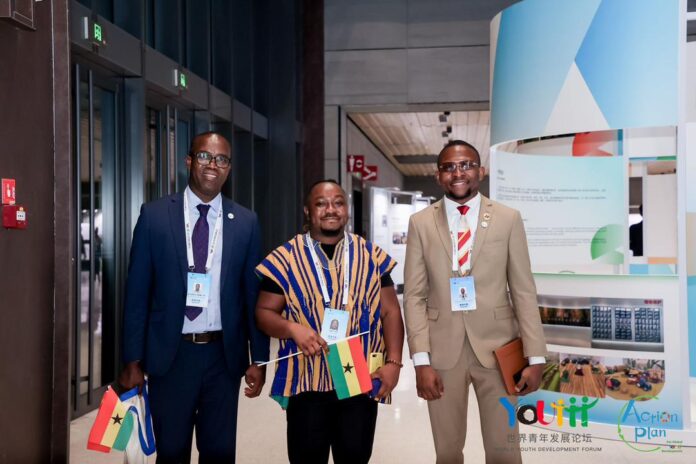
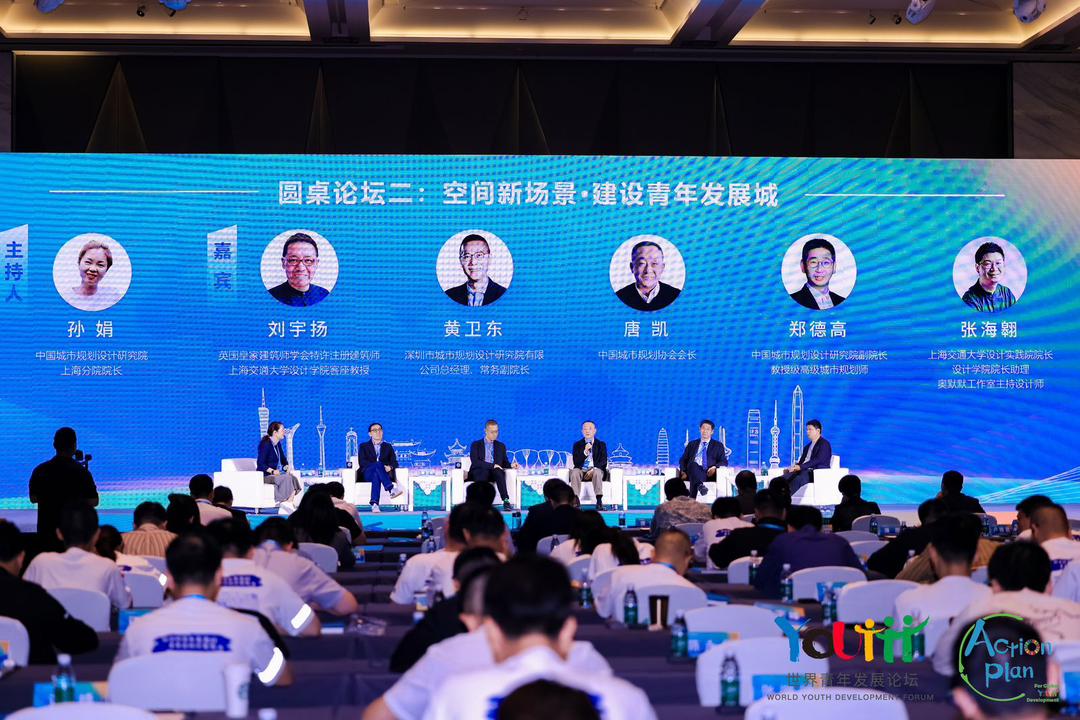
Mr Zotoo made these remarks when he delivered a presentation at the International Forum on Youth Entrepreneurship in Dalian, China. 

He said the YEPDI offers training in employability, transferable skills, remote working capabilities, and business development services, aiming to nurture well-rounded individuals adept in various sectors, including consulting and entrepreneurship.

He said YEPDI had provided training for 225 young people backed by the KGL Foundation in Ghana within a year.

Additionally, TalentsinAfrica’s Internship Academy had also effectively trained and placed over 1000 youths in internships since 2019.

He counted his journey, the Project Lead said access to technology and internships fundamentally shaped his career and this path led him to encounter the co-founder of TalentsinAfrica, a pivotal organization committed to boosting youth employment through comprehensive training programmes and job opportunities.

Mr Zotoo said, “The menace of youth unemployment is widely recognized. Our gathering here signifies our privileged position in devising solutions.”

Reflecting on personal advantages, he said, “receiving a laptop from my aunt after high school was my initial privilege and it opened doors to learn typing and conduct extensive research, laying the groundwork for developing business proposals for my ideas.”

He said his next significant opportunity was joining an ‘Internship Academy’ led by my co-founder, Mr Emmanuel Leslie Addae, which further pointed out my transferable and employability skills.

He said these privileges equipped him with the knowledge that made him a sought-after freelancer and consultant, working for and collaborating with esteemed organizations like German Sparkassenstiftung, The Or Foundation, Mastercard Foundation, Making Cents

International, Footprints Africa, and Challenges Ghana, among others.

He said his ability to work remotely and his deep understanding of the entrepreneurial ecosystem were distinguishing factors in his career.

“Reflecting on my career trajectory, I realized that the solution to youth unemployment lies in overcoming poverty-related barriers to privileges,” he said.

Splenda Ghana donates eleven health facilities

0

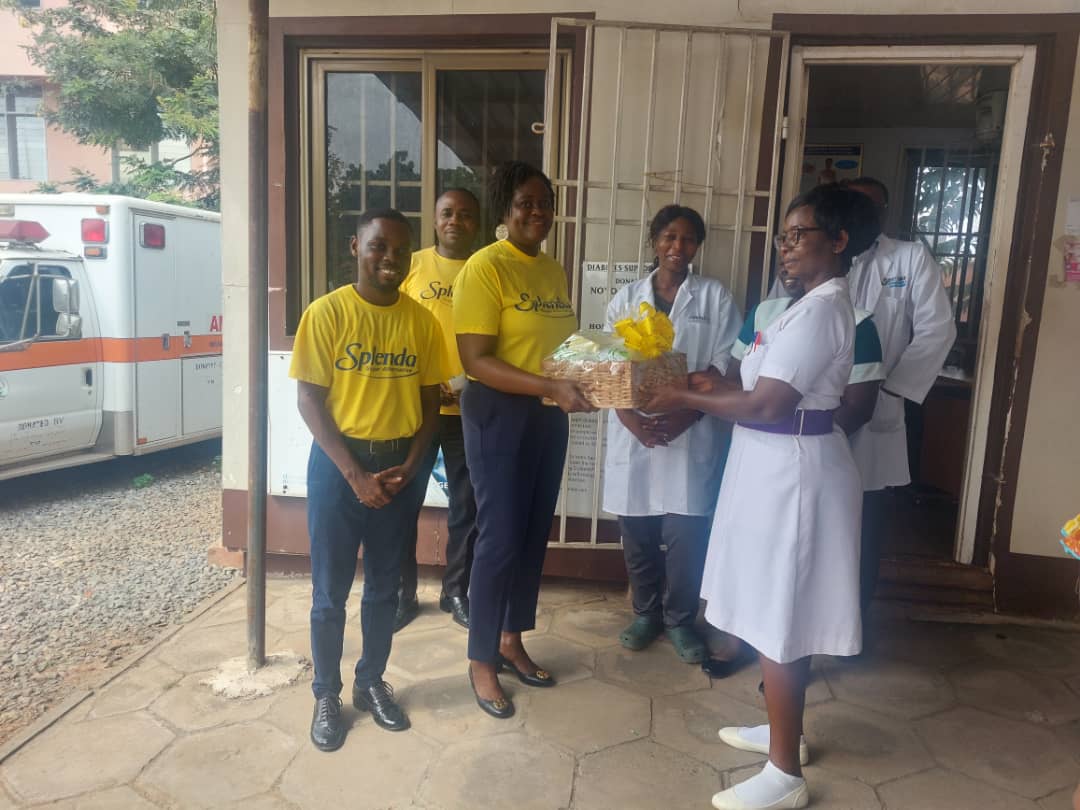
– Splenda Ghana, an importer of Splenda Zero Calories and Splenda Stevia Sweeteners, has donated its products “Splenda Sweeteners” worth thousands of cedis to eleven diabetic health facilities in the Greater Accra and Eastern regions.

The facilities are the Mamprobi Polyclinic, Lapaz Community Hospital, Kaneshie Polyclinic, Achimota Hospital, Maamobi General Hospital, and the Madina Polyclinic.

The rest are Tema Community 22 Clinic, La Polyclinic, Ashaiman Polyclinic, the Eastern Regional Hospital, and Matthew 25 Clinic.

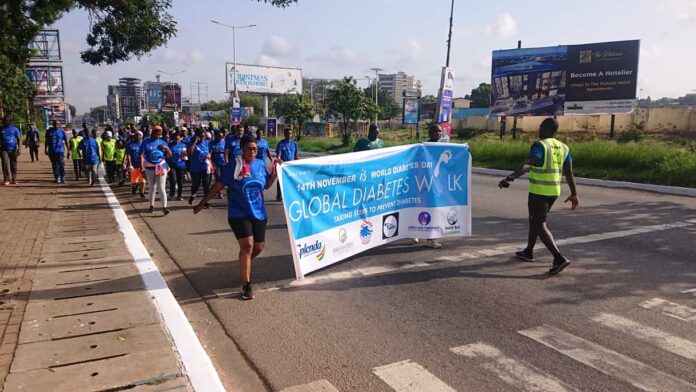
A statement issued and copied to the Ghana News Agency (GNA) said the Organisation also presented glucometers to some selected health facilities, partnered Elwak Keep Fit Club and Mamprobi Polyclinic to organise a health walk for patients and other clients.

 Mrs Maabena Webb, the Managing Director of Brighter Purpose Group Limited and the Team Lead for Splenda Ghana, making the donation, said the initiative aligned with the Company’s Corporate Social Responsibility (CSR) of promoting healthy living.

She said it also formed part of activities to commemorate the 2023 World Diabetes Day (WDD).

WDD is marked on 14th November every year since its institution in 1991 by the International Diabetes Federation (IDF) and the World Health Organization (WHO) in response to growing concerns about the worldwide escalating health threat posed by diabetes.

 The Day is the world’s largest diabetes awareness campaign reaching a global audience of over one billion people in more than 160 countries (worlddiabetesday.org).

 Diabetes is a chronic, metabolic disease characterised by high levels of blood glucose (or blood sugar), which leads to serious damage to the heart, blood vessels, eyes, kidneys, and nerves.

According to statistics by the WHO, 24 million adults are living with diabetes in Africa, and the number is expected to rise by 129 per cent to 55 million by 2045.

Mrs Webb said that was why “Splenda, a global brand of sugar substitutes in the management of diabetes supports medical advice to diabetics and non-diabetics on the consumption of regular sugar, which is high in calories and raises blood glucose levels.

“This is why we are donating one of our products, the natural Splenda Stevia Sweetener to enable diabetics to enjoy their beverages and still continue to live healthy lives.”

She said a study by WHO indicated that the African region had the highest numbers in statistics regarding undiagnosed cases of diabetes.

“Knowing this, we at Splenda Ghana have tasked ourselves to join the IDF to educate the world, especially Ghanaians and Africans about the risks of diabetes, and also support those who have already been diagnosed to manage the condition.”

Mrs Webb also a member of the Blue Circle Voices Network, an IDF diabetes advocacy group, shared her experience with gestational diabetes and advised Ghanaians to live healthy lifestyles by eating healthy, engaging in regular physical activities, maintain a normal body weight and avoid smoking.

Mr Baffour Ohene-Kena, the Head of Administration and Human Resources at Splenda Ghana, speaking on the theme for 2023 World Diabetes Day, said, “Our theme for this year, ‘Know Your Risk’, is appropriate as it cautions us about our lifestyle.”

He said it was time Ghanaians made health their priority by living better lifestyles and advised persons living with diabetes to pay attention to their doctors’ instructions while asking relevant questions concerning their health during reviews.

Splenda Ghana was established in November 2020 as a subsidiary of Brighter Purpose Group (BPG) Limited (a renowned business investment and consulting company).

It serves as a channel for BPG to drive its Corporate Social Responsibility (CSR) initiatives in Ghana and Africa.