Home Blog Page 309

Include basic life support studies in educational curricula – IMaH

0

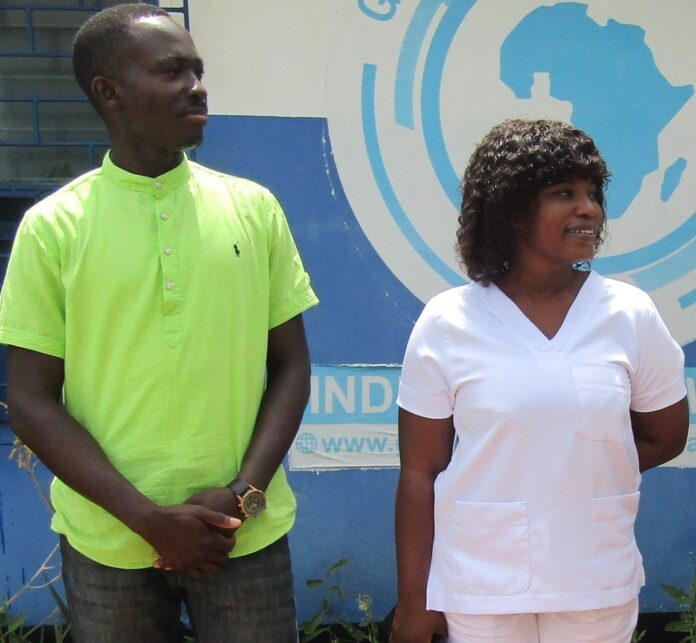
Emergency nurses at the International Maritime Hospital (IMaH), Tema, have called on the Ministry of Education to include Basic Life Support (BLS) skills training into school curricula to empower students with some techniques, which they can employ in times of emergency.

Ms Juliet Owusu Dwamena and Mr Samuel Adu Ntiamoah, both IMaH Emergency nurses, who made the call, noted that in recent times, heart related diseases had continued to be a major health concern, and must collectively be tackled to save lives.

Ms Dwamena explained that research continued to improve how the public responded to emergencies based on the life support skills acquired.

Speaking on the weekly Ghana News Agency’s  health platform of the Tema Regional Office to enhance health literacy, she said simple BLS knowledge increased a person’s chances of survival until advanced care was given.

Ms Dwamena emphasised that performing the appropriate steps swiftly and confidently could restore life to someone experiencing cardiac arrest.

“The heart pumps blood via the lungs, where it takes in oxygen and expel carbon dioxide. This blood then returns to the heart and is pumped out to vital organs such as the heart and brain, as well as the rest of the body,” She said.

 “When the heart stops beating, blood flow stops, and the person falls unconscious. Without blood flow, the heart and brain rapidly deteriorate due to a lack of oxygen.”

“These acts that comprise BLS attempt to prevent or reduce the damage until the underlying cause of the problem is remedied.”

 Mr Ntiamoah noted that someone with BLS skills could provide high-quality chest compressions to distribute oxygen to the brain and vital organs to a victim of cardiac arrest and save life.


Election 2024: Mahama and Bawumia are no match – Alan

0

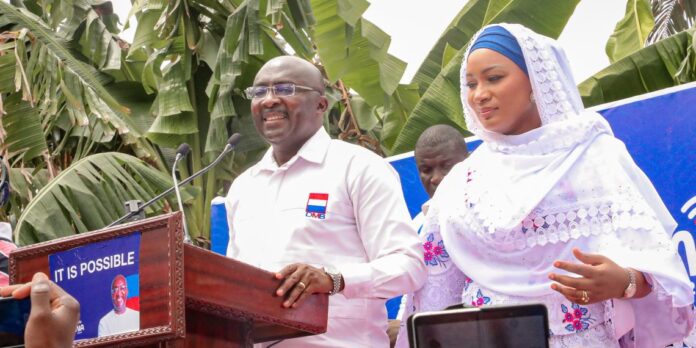
Alan Kyerematen, the founder of the Movement for Change and an independent presidential candidate in the 2024 general election, has stated that neither the NDC’s John Dramani Mahama nor Vice President Dr. Mahamudu Bawumia can match his vision for the country in the upcoming 2024 elections.

While congratulating Vice President Bawumia on his nomination as the NPP’s flagbearer, Kyerematen stated that the result was generally anticipated. He noted that the electoral process looked to have been intentionally and tactically skewed in favour of a single candidate, as seen by the primary results.

“Whilst using this opportunity to congratulate His Excellency the Vice President on taking over the mantle of leadership in the NPP, his selection as flagbearer is not a surprise to any serious political watcher. It was the widely anticipated outcome of the elections. I had been saying all along that the electoral process had been strategically and tactically skewed in favour of a particular candidate. That is what we saw on Saturday,” Mr Kyerematen said in an interview with the Daily Ghanaian Guide.

Kyerematen also raised questions about the margin of victory, noting that the Vice President’s 60% vote share, although substantial, might indicate that he lacks complete control over the ruling NPP.

“Judging from the widely publicized expected margin of not less than 80% in favour of the Vice President, I am inclined to think that the 60% vote for him provides a clear indication that the Vice President does not have total control of his own Party. The election results must also be analysed against the background that the Vice President has been campaigning for the Flagbearership since 2020 and has been the beneficiary of both State and Party sponsored support.”

Regarding the common refrain of “Break the Eight” within the NPP, Kyerematen expressed his belief that this narrative did not align with the everyday concerns of the majority of Ghanaians, who grapple with economic challenges and unemployment. He opined that the NDC did not provide a credible alternative either.

Consequently, he advocated for a “Third Force” in Ghana’s politics and asserted that the newly established Movement for Change under his leadership is the beacon of hope for the nation.

“Well, the emerging chorus and narrative from the Party for ‘Unity’ to Break the Eight, has very little relevance to the loud public demand for change in the political leadership of our country, to respond to the critical challenges of our time. The call to Break the Eight does not reflect the everyday concerns of the majority of Ghanaians, about the ailing economy and the lack of jobs for the teeming youth of Ghana.

“So for me, the chances of NPP Breaking the Eight is very slim. In the same vein, however, the NDC does not provide a credible alternative. It is against this background, that the ever-increasing appetite of Ghanaians for a ‘Third Force’, must be considered as the only hope for Ghana to rise again. This is where the newly established Movement for Change under my leadership, becomes the saving grace for Ghana.”

Alan’s withdrawal from the NPP Presidential contest benefited Bawumia and Ken Agyapong – Mussa Dankwah.

0

According to Mussa Dankwah, Executive Director of Global Info Analytics, Alan Kyerematen’s withdrawal from the New Patriotic Party (NPP) presidential primary helped both Vice President Dr Mahamudu Bawumia and Kennedy Agyapong, Member of Parliament (MP) for Assin Central.

Dr. Bawumia received 118,210 votes, or 61.47% of the vote, while Mr. Agyapong received 71,996 votes, or 37.41%.

The Vice President also led in 14 of the country’s 16 regions, with the Assin Central MP winning the remaining Central and Volta regions.

In an interview on Point of View on Citi TV on Monday, Mr. Dankwah said, “There was Alan effect everywhere. If you look at the success of Bawumia and even Kennedy, they all benefitted from Alan’s exit from the race because the polls show that about a third of Alan’s supporters voted for Bawumia and the other two-thirds voted for Kennedy. So they both benefitted from Alan’s exit.”

Meanwhile, the governing NPP has dismissed suggestions that it was under pressure to elect Dr. Bawumia as its first non-Akan flagbearer ahead of the 2024 election.

According to the party, the perception that the NPP is an Akan-dominated party played no role in Dr. Bawumia’s election.

National Organizer of the NPP, Henry Nana Boakye, in an interview with Citi News, said delegates of the party saw the Vice President as the NPP’s best bet in the 2024 election.

“First of all, we need to understand that his persona, his ability to woo people to himself also worked,” Nana Boakye said, adding, “Over the years, he has also sacrificed a lot. He had to put aside his profession and join and be a running mate for almost 12 years before becoming the Vice President.”

Wonderful progress awaits Ghanaians if Bawumia is elected president – Former Interior Minister

0

Former Interior Minister in the Kufuor administration, Alhaji Malik Al-Hassan Yakubu, has congratulated Vice President Dr. Mahamudu Bawumia on his election as the New Patriotic Party (NPP) flagbearer and expressed confidence in him to bring about the economic development and growth that the country requires.

The former Yendi lawmaker termed Bawumia’s election as a destiny option that will begin Ghana’s progress in the global economy.

“It [Bawumia’s election] is a choice of destiny, and in the epoch of every country’s history, there are periods which, if you recognize and take advantage of them, then you are up for a significant effort in your country’s history. We are in a world economy where certain ideas, when applied, bring about major changes in your economy, and China has done that and is bearing results. In Ghana, Bawumia has been advocating a certain idea, which is the digital economy, and he has applied it in Zimbabwe, where it has worked. He keeps saying digitalization is the way to go. If you look at the Port and Harbor Authority, GRA, and other areas, it is working and bearing fruit. If you were to see the number of technocrats who came to witness his election, you would understand that he is a significant asset,” the former Yendi legislator told Umaru Sanda Amadu on Eyewitness News on Citi FM.

“The direction he is going, if he is given the opportunity to lead this country, I have no doubt in my mind that we will witness wonderful progress in our economy. The quality of his ideas will move this country forward, and I have no doubt in my mind. If he goes on to win the 2024 elections, we will see significant improvements in our economic fortunes,” he added.

Dr. Bawumia won the NPP flagbearer election over the weekend with 61.47% of the votes.

USAID SAGES Activity launched to improve learning outcomes in 1,254 primary schools 

0

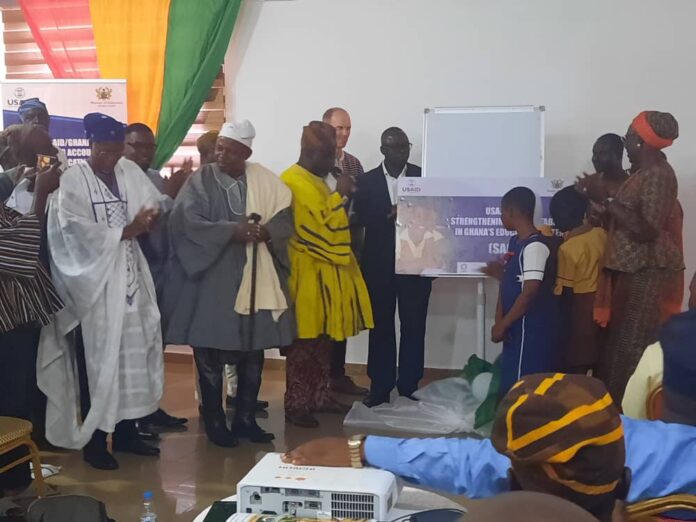
The USAID/Ghana Strengthening Accountability in Ghana’s Education System (SAGES) Systems Strengthening Activity has been launched to assist the Ministry of Education (MoE) and its agencies to strengthen accountability in 1,254 primary schools in country. 

     The SAGES Systems Strengthening Activity, which is a five-year (April 01, 2023 to March 30, 2028) $50 million Cooperative Agreement with the Ghana Mission of USAID, supports the MoE’s objective to strengthen accountability mechanisms in the education sector as outlined in the Education Strategic Plan for 2018-2030. 

     It is being implemented in the 17 USAID Zones of Influence Districts in the Northern, North East, Upper East, and Upper West Regions, and will work directly with all public basic schools and their communities in the area. 

     It is to deliver capacity strengthening interventions for regional and district-level staff, including District Directors of Education, and School Improvement Support Officers to strengthen district, school and community engagement with the Education Accountability Framework (EAF). 

     Cooperative for Assistance and Relief Everywhere (CARE) and its consortium partners – AfriKids, Community Development Alliance, Crown Agents, Ghana National Education Campaign Coalition, and School for Life are the implementing partners. 

     Madam Rose Tchwenko, Country Director for CARE, speaking (virtual) during the launch of the SAGES Systems Strengthening Activity in Tamale on Monday, said it would build on the past successes to improve learning outcomes for children in the country. 

     In its analysis of the education sector, the MoE identified lack of accountability as one of the primary causes of poor learning outcomes in primary schools in the country. 

     Consequently, the MoE prioritised strengthening accountability mechanisms as a primary means of enhancing education service delivery and developed the EAF to guide the effective implementation of the strategy. 

     While the EAF has been validated, it is not yet operational. The EAF will be operationalised as part of this SAGES Systems Strengthening Activity to assist and collaborate with the MoE and its agencies to strengthen accountability and improve education service delivery in country. 

     Madam Tchwenko said the SAGES Systems Strengthening Activity was important because of the centrality of education to the future of the country. 

     Nana Baffuor Awuah, Director, Pre-Tertiary, MoE, urged all partners and stakeholders to come on board with their expertise to ensure effective implementation of the Activity to achieve the desired results. 

     Mr Jonathan Thomsen, Deputy Office Director, Office of Education, USAID Ghana, said the SAGES Systems Strengthening Activity was manifestation of the United States (U.S) Government’s commitment to support the Government of Ghana to achieve its education goals. 

     Mr Thomsen said the Activity would empower communities to demand quality education and expressed confidence that it would make a significant and lasting impact on education in the country. 

     Alhaji Shani Alhassan Saibu, Northern Regional Minister, whose speech was read on his behalf, commended the U.S Government for its relentless efforts at ensuring quality education for children in the country. 

     Sagnar-Naa Yakubu Abdulai, Paramount Chief of Sagnarigu Traditional Area, whose speech was read on his behalf, was positive that the SAGES Systems Strengthening Activity would yield the desired impact. 

More young people express interest in contesting District Assembly Level elections

0

Many young people in the Bono East Region have expressed interest in contesting this year’s District level elections so they can lead in the mobilization of resources for development.

Most of the contestants are young men and women who have exhibited positive intentions to contest in the District Assembly and Unit committee level elections to represent their electoral areas.


The District Assembly is a local government body responsible for the overall development of the district. 

The Assembly elections slated for December 19, 2023, focus on promoting local governance and the decentralized concept across the country.

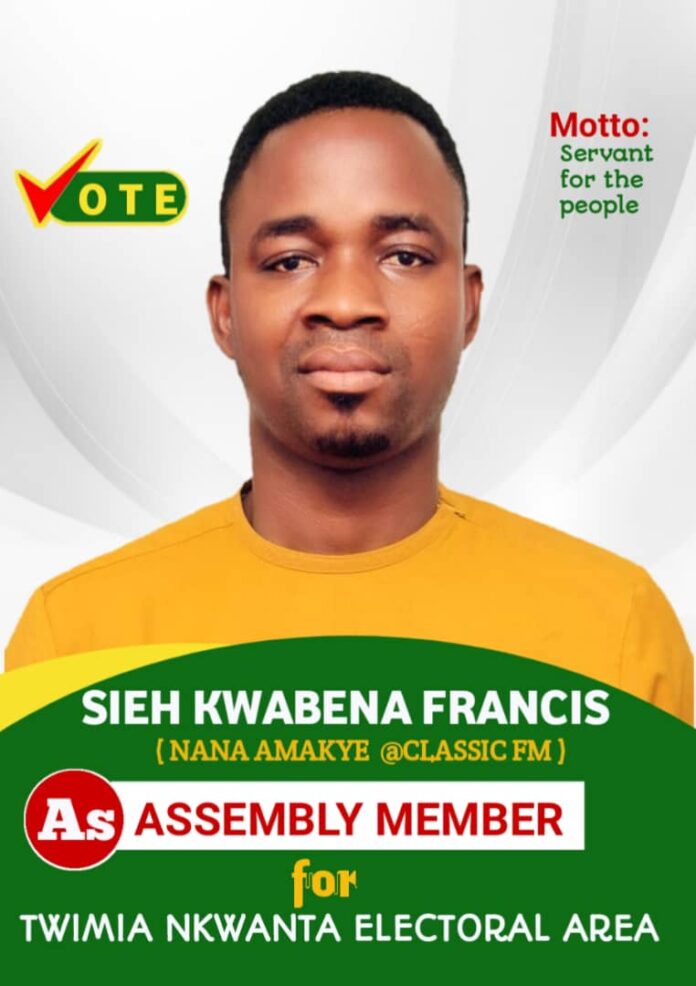
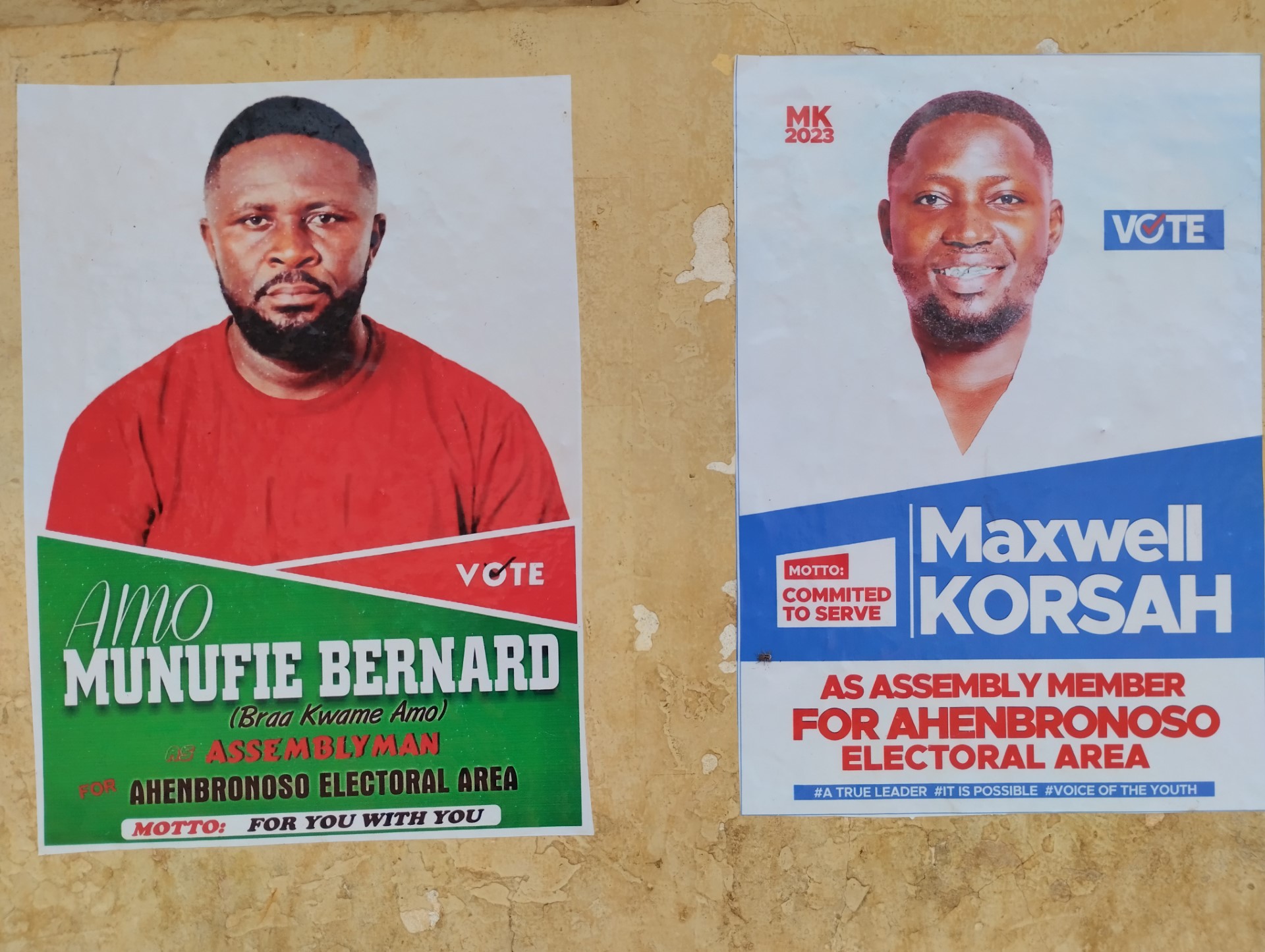
The Ghana News Agency’s look through the community saw posters of some of the youth contestants displayed in the town and on social media to show their readiness to take up the mantle.  

 In an interview with the GNA at Techiman, Mr. Francis Kwabena Sieh, a contestant, who is a teacher and a broadcast journalist, appealed to the electorate to vote for him to help promote the socio-economic development of the Twimia-Nkwanta electoral area in the Techiman Municipality.

He said he would consult and work together with stakeholders to attract more investors to the area. 

Mr. Yussif Sulemana, incumbent Assembly member for the Parambo electoral area in the Pru East District, expressed commitment to promote the welfare of the people in the area by connecting the community to development partners to seek support for the area.

He asked the people to give him the nod to continue the good work in the area. 

Mr. Ishmael Lamptey, the Bono East Regional programmes officer of the National Youth Authority (NYA), commended the youth for showing interest in the local assembly elections, adding that they were driving force for the national development.

Mr. Lamptey indicated that the emerging trend of the youth participating in elections resonated with the NYA mission to empower and project the youth and foster a sense of ownership, responsibility and civic duty among the youth and in the decision-making processes.

Guinea dismisses troops and prison personnel in response to the previous leader’s breakout.

0

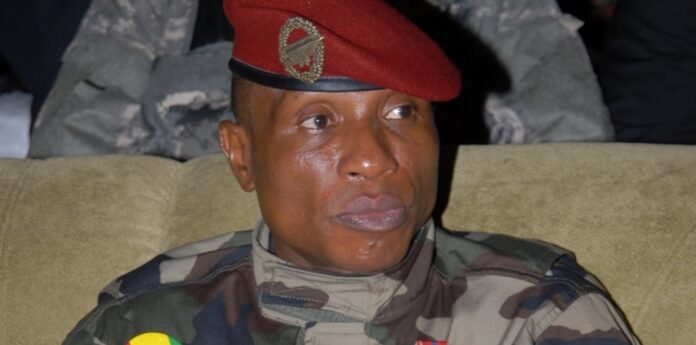
Over the jailbreak of former junta commander Moussa Dadis Camara and two others, Guinea has fired more than 60 military and prison authorities.

Camara was snatched from a prison in the capital, Conakry, on Saturday, but he was returned in custody by the end of the day following a countrywide manhunt.

Colonel Mamady Doumbouya, commander of the Junta, announced on Sunday that he had sacked the military and jail authorities for “breach of employment and misconduct.”

The guys who were released are presently on trial for their suspected participation in the deaths of over 150 people and the rape of over 100 women during a rally in the city in 2009.

In an interview with the BBC, Camara’s lawyer claimed he was taken against his will, saying the former leader has confidence in Guinea’s judicial system

Camara came to power in a 2008 coup, staying in power until 2010 when Alpha Conde became the country’s first freely elected president.

Following several terms in office, Conde was overthrown in a 2021 coup by Doumbouya who has led the country since then.

Lawyers for Niger’s deposed president petition a regional court to restore him to power.

0

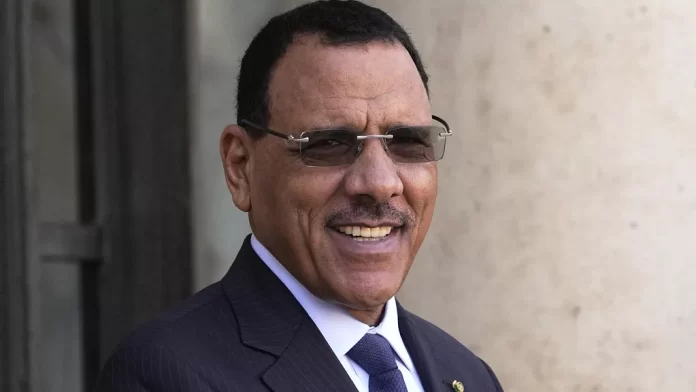
The legal team of former Niger President Mohamed Bazoum has asked a West African regional court to reinstall him, claiming that his imprisonment and removal from power violated his political rights.

Soldiers deposed Bazoum on July 26, claiming his failure to confront the region’s escalating instability. This was one of eight comparable power changes in West and Central Africa in the previous three years.

The attorneys for Bazoum brought their case to the Community Court of Justice, a body intended to deal with issues inside the ECOWAS regional bloc. It is vital to highlight that the court’s decisions are not binding on member states, and there is no mechanism in place to enforce its decisions.

Seydou Diagne, a member of Bazoum’s legal team, argued that the removal of Bazoum’s government constituted a violation of his political rights. Diagne, speaking from Dakar, Senegal, via video link, called for Bazoum’s unconditional release and his reinstatement as president. The legal team also contended that the detention of Bazoum, along with his wife and son, infringed upon their human rights.

In response, Aissatou Zada, a lawyer representing the Niger junta, asserted that Bazoum, his wife, and son were not arbitrarily detained or held against their will. Zada argued that they had the freedom to move about, with Bazoum being held at home for security reasons.

Notably, Bazoum’s legal team claimed they had been unable to communicate with him since October 20, following allegations by the junta that the former president had attempted to escape with the help of accomplices. The court is expected to make a decision on this case on November 30.

Kenya: 15 people killed in floods triggered by heavy rainfall

0

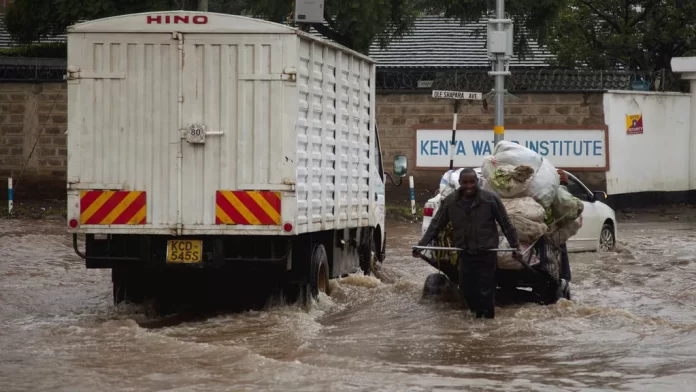
According to the Kenyan Red Cross, at least 15 people have perished in floods caused by East Africa’s severe rains, which have shut off highways, washed away dozens of houses, and killed cattle.

“As of yesterday (Sunday), 15,264 households were affected, with 15 reported casualties and at least 1,067 livestock deaths,” the Kenyan Red Cross announced on X (previously Twitter).

The rainy season in the Horn of Africa from October to December is being exacerbated this year by El Nio, a climatic phenomena often associated with increasing temperatures, droughts in some areas of the world, and heavy rains in others.

Flooding has left around twenty people dead and 12,000 displaced in the Somali region of eastern Ethiopia, the local government announced on Saturday.

In neighbouring Somalia, 14 people have died and almost 114,000 have been displaced since the start of the rainy season, according to the UN humanitarian agency (Ocha).

In Kenya, the heavy rains have hit the particularly arid north in particular.

Images broadcast by the local media showed torrents of water running through villages, forcing residents to flee to higher ground.

Another video also showed a civilian helicopter rescuing passengers from the roof of a truck caught in the floodwaters in Samburu county, around 300 kilometres north of the capital Nairobi.

Kenya’s meteorological service warned last week that the heavy rains “are likely to be accompanied by gusty winds”, which “could tear off roofs, uproot trees and cause structural damage”.The Horn of Africa is one of the regions most vulnerable to climate change, and extreme weather events are occurring with increasing frequency and intensity.

Since late 2020, Somalia and parts of Ethiopia and Kenya have been hit by the worst drought in the region in 40 years. By the end of 2019, at least 265 people had died and tens of thousands more were displaced during two months of incessant rain in several East African countries (Burundi, Djibouti, Ethiopia, Kenya, Somalia, South Sudan, Tanzania and Uganda).

Turkey: Blinken concludes his Mideast tour with tepid, if any, support for pauses in the Gaza battle.

0

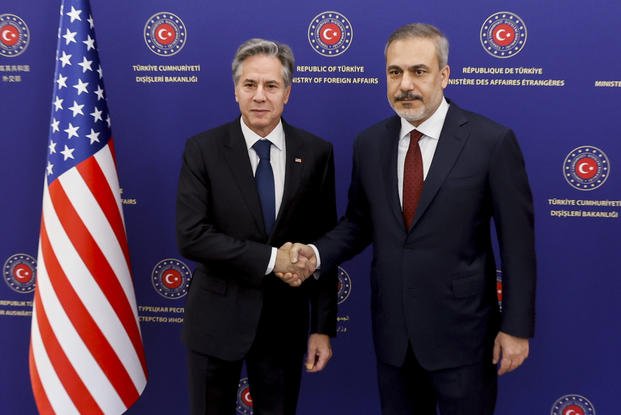
On Monday (November 4), US Secretary of State Antony Blinken met with Turkish Foreign Minister Hakan Fidan in Ankara.

It’s the latest visit on Blinken’s diplomatic tour since the conflict between Israel and Hamas erupted on October 7th, killing about 1,400 Israelis and at least 9,448 Palestinians.

The battle promises to have far-reaching consequences for Washington’s ties with Turkey, a NATO member.

Washington is hoping that Turkey’s parliament would eventually accept Sweden’s blocked bid to join the US-led NATO security alliance.

The United States has also been tightening sanctions against Turkish individuals and companies that are deemed to be helping Russia evade sanctions and import goods for use in its war on Ukraine.

And Ankara is upset that Congress is holding up the approval of a deal backed by US President Joe Biden to modernise Turkey’s air force with dozens of US F-16 fighter jets.

No consensus in sight despite grueling Middle East tour

On Sunday (Nov. 05), Blinken met with the President of the Palestinian Authority in the occupied West-Bank

Also on Sunday, the U.S. top diplomat arrived in Baghdad, highlighting the importance of coordinating efforts to deliver essential supplies.

Blinken met Iraqi Prime minister Mohammed Shia al-Sudani to discuss the Gaza war and attacks on American troops by Iranian-allied militias in Iraq.

The deteriorating humanitarian situation in Gaza was also addressed.

Meanwhile, Iraq’s influential religious leader Muqtada al Sadr urged his followers to condemn the visit.

The US shuttle diplomacy aims at limiting the regional fallout from the war in Gaza and overcome what has been Israeli Prime Minister’s refusal to consider a U.S. proposal for intermittent pauses in its attack on Hamas long enough to rush vital aid to Gaza’s civilians.

Netanyahu had pushed back Friday (Nov. 03) against the U.S. pressure to start implementing pauses in the fighting, saying there would be no temporary cease-fire until Hamas releases some 240 foreign hostages it is holding.

“This is a process,” Blinken told reporters on the matter Sunday (Nov. 05). “Israel has raised important questions about how humanitarian pauses would work. We’ve got to answer those questions,” including how pauses would affect Hamas hostages. “We’re working on exactly that.’’

Blinken’s mission, his second to the region since the war began, has found only tepid, if any, support for his efforts to contain the fallout from the conflict. Israel has rejected the idea of pauses while Arab and Muslim nations are instead demanding an immediate cease-fire as the casualty toll soars among Palestinian civilians under Israeli bombardments of Gaza.

Arab states are resisting American suggestions that they play a larger role in resolving the crisis, expressing outrage at the civilian toll of the Israeli military operations and believing Gaza to be a problem largely of Israel’s own making.