
Home Blog Page 32

Ghana urged to establish Cotton Development Authority for textile revival 

0

Ghana’s textile industry revival will remain fragile unless the government creates a National Cotton Development Authority to drive seed production and value chain integration, the Legacy Crop Improvement Centre (LCIC) has warned.   

The Centre said the country’s ambition to resuscitate what was once a vibrant textile sector is at risk of collapsing without urgent investment in domestic cottonseed development, arguing that the absence of a stable seed system remains the industry’s biggest bottleneck. 

In a letter to the Minister of Trade, Industry and Agribusiness, LCIC stated that the current approach overlooks the core foundation of textile manufacturing, describing it as “an exercise in futility” without a proper cotton seed system. 

“The textile industry does not begin at the factory floor; it begins in the farm,” Dr Amos Rutherford Azinu, Founder & Chief Executive Officer of LCIC, said. “No seeds, no threads.”   

Ghana’s textile sector, once a regional leader, now relies heavily on imported cotton.  

Analysts describe the country’s textile and garment industry as a strategic and expanding sector, driven by the production of African prints (wax and batik) and apparel for local, regional, and U.S. markets, particularly under the African Growth and Opportunity Act.  

LCIC warned that this dependence on imported raw materials leaves manufacturers vulnerable to global price swings, currency fluctuations, and supply chain disruptions. 

“We are attempting to rebuild the roof while ignoring the crumbling foundation,” Azinu stated.   

The Centre outlined key benefits of domestic cottonseed production, including economic independence, expanded rural employment, full value chain integration, agricultural diversification, and improved quality control.  

“Cotton farming and seed production would generate income for thousands of rural families,” he noted.  

LCIC identified several gaps in Ghana’s textile revival plan, including weak research capacity, inadequate extension services, outdated ginning facilities, poor logistics infrastructure, limited farmer cooperatives, weak pricing mechanisms, and insufficient technical training.  

To effectively address these challenges, it urged the government to establish a National Cotton Development Authority with a clear mandate and adequate resources. 

Dr Azinu stressed that Ghana must follow the example of Asian textile exporters. “Countries like Bangladesh and Vietnam did not dominate textile exports by importing all their raw materials,” he said.  

“They built value chains that connected farms to factories. Ghana can and must do the same.”   

With a direct appeal, he said: “Visions without foundations remain mirages. Our textile revival will only achieve lasting impact when Ghanaian cotton, grown from Ghanaian seeds by Ghanaian farmers, feeds Ghanaian factories producing world-class textiles.”   

LCIC, an indigenous Ghanaian seed company headquartered in Otarese in the Eastern Region, has positioned itself as a leading advocate for agriculture‑led industrial transformation, combining commercial seed production with policy advocacy for the future of Ghana’s textile industry.  

The award‑winning firm is committed to strengthening the country’s agricultural sector through innovative seed solutions. 

The company is said to operate a 200‑acre farm equipped with modern irrigation systems and manages a 50‑ton seed gene bank with cold‑storage facilities, supporting the long‑term preservation of high‑quality seeds.  

Over the years, its work has strengthened Ghana’s commercial seed sector and improved national food security and sustainability.  
Melcom honours founder with GH₵40,000 donation to four schools  

0

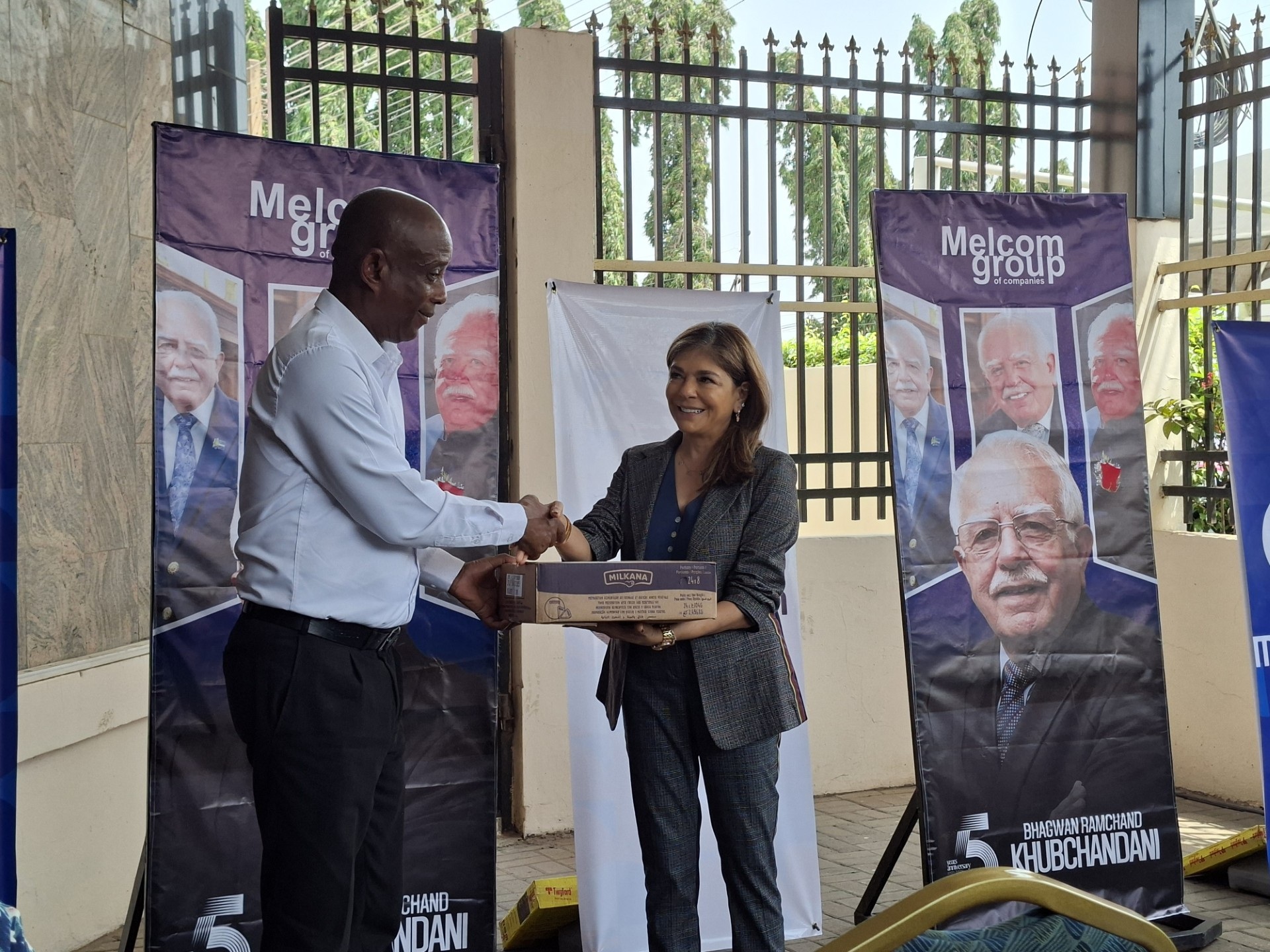
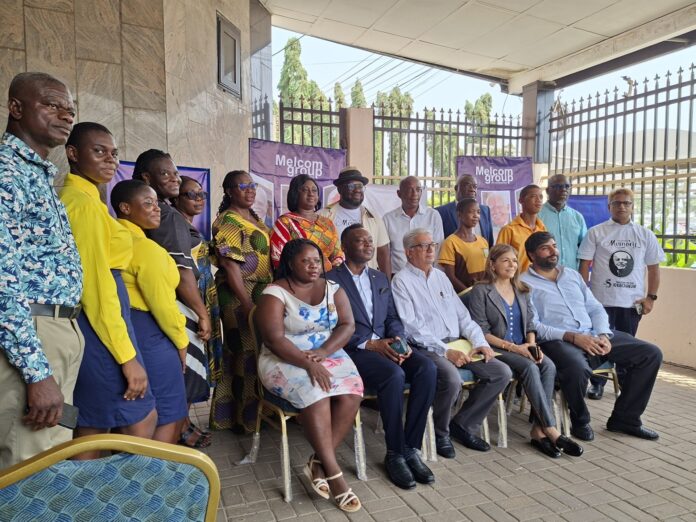
The Melcom Group of Companies marked the Fifth Anniversary of the passing of its Founder and Chairman, Mr. Bhagwan Ramchand Khubchandani, by donating GH₵40,000 worth of food and educational items to four selected institutions.  

 The event, which took place at the Melcom Head Office in the North Industrial Area, served as a tribute to the philanthropic vision of the late founder, whose leadership focused heavily on the pillars of health and education.  

The beneficiary institutions; Amanorkrom Presby JHS Library, Dzorwulu Special School, Akropong School for the Blind, and Accra Wesley Girls School, received a comprehensive package of support designed to address both student welfare and academic resources.  

 The items included bags of rice, corned beef, and light meat tuna, alongside packs of bottled water.  

 The Group also provided school bags, exercise books, and a wide selection of reading books to support the students’ academic journeys.  

Mr Ramesh Sadhwani, Joint Managing Director of Melcom Group of Companies, said the gestures was an extension of the Melcom Care Foundation’s mission, which had seen over GH₵25 million invested in community projects across Ghana since 2013.   

He noted that the late Chairman viewed education and health as critical sectors that impacted every facet of society, a belief that continued to guide the Group’s corporate social responsibility strategy.   

“This strategy has previously included the distribution of 70 medical refrigerators to over 50 hospitals and the collection of approximately 11,500 units of blood for the National Blood Bank through annual drives,” Mr Sadhwani said.   

He noted that beyond this immediate donation, the Group reaffirmed its commitment to education through its existing scholarship schemes for employees’ children.  

It is also in partnership with the University of Media, Arts and Communication (UNIMAC), which honours the late founder through the Best Graduating Journalism Student Award.   

The ceremony was attended by key management figures, including Madam Sonya Sadhwani, Group Executive Director, who assisted in the presentation of the items to the schools.  

Ms Eunice Agyeiwaa Marfo, the Girl Child Coordinator of Amanorkrom Presby JHS, commended the Melcom Group for their consistent support, noting that the food and educational materials would significantly alleviate some of the challenges faced by the students.  

Exploration for iron ore begins at Pudo 

0

Mr Abdulai Batia Santi, the deputy Chief Executive Officer in charge of Strategy and Investor Relations at the Ghana Integrated Iron and Steel Development Corporation (GIISDEC) on Tuesday announced that exploratory survey at Pudo to ascertain the presence of iron ore has commenced. 

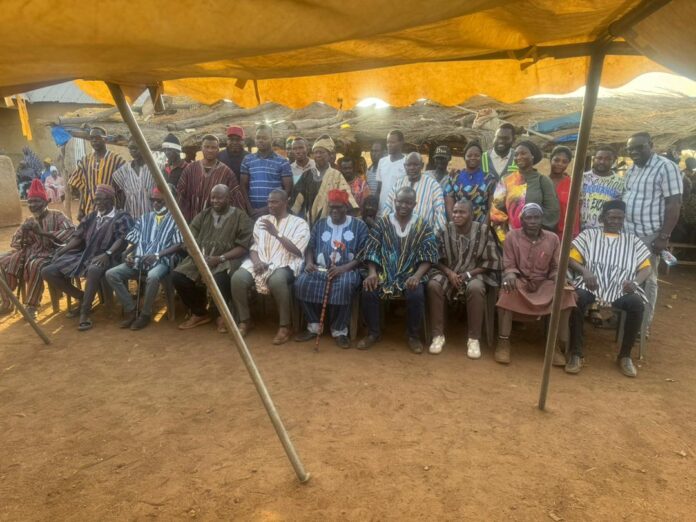
Mr Santi announced this at Pudo during a visit by officials of GIISDEC to Pudo, which he indicated was aimed at engaging local stakeholders in Pudo to interact, gather accurate data and formally notify the community of planned exploration activities in line with national policy and international best practices. 

The Deputy CEO said, the find represents a historic opportunity to harness Ghana’s mineral resources for national development while creating jobs and improving livelihoods in host communities. 

He stressed that iron and steel form the backbone of industrialised economies, noting that Ghana’s vision to industrialise could not be realised without a strong and integrated iron and steel sector. 

He also assured all that these activities would be carried out transparently and responsibly, with respect for the environment, community livelihoods and the authority of traditional leaders and landowners. 

He said community members were key partners in the journey, and without their support and cooperation, nothing could be achieved. 

 Mr Abdulai Batia Santi, an indigene of the area, expressed appreciation to President John Dramani Mahama for his appointment to the GIISDEC leadership, where he pledged to ensure that resources discovered in Pudo translate into tangible benefits for the community and the wider region. 

Pio Kwabalugu Emmanuel Ali IV, divisional chief of Kwapun expressed regret about the deplorable nature of the Sissala roads and called for action to address the problem.  

He said beyond the bad roads, the area also faced serious challenges with basic social amenities such as school and a clinic. 

He also appealed for the provision of pipe borne water to serve Pudo and surrounding communities to salvage the suffering of the people in search of potable water. 

 Mr Bening Adamu Yakubu, the Sissala East Municipal Chief Executive called for unity and cooperation for development. 

 The MCE highlighted the economic and developmental impact of the project and acknowledged the potential inconveniences such as relocation and land-related concerns and called for peaceful resolution of disputes. 

He announced that the Livelihood Empowerment Against Poverty (LEAP) would be introduced in the Pudo community this year to benefit eligible residents. 

Mr Issah Mohammed Bataglia, the Member of Parliament for the Sissala East Constituency expressed confidence that Ghana’s mining laws and local content policies would protect the community’s interests. 

The MP appealed to chiefs, elders, and residents to maintain peace and create a welcoming environment for the exploration team.  

UNDP Ghana to Launch Investment Case for Improved Air Quality and Health 

0

Air pollution is increasingly shaping Ghana’s public health and development outlook, with implications that extend far beyond the environment. 

 From rising health costs to lost productivity and pressure on urban systems, poor air quality affects lives and livelihoods across the country. 

In response, a new investment case for improved air quality and health in Ghana is being developed by the United Nations Development Programme (UNDP) to provide a comprehensive assessment of the economic losses due to inaction on air pollution as a major environmental driver of non-communicable diseases, and of the economic benefits of taking specific actions, including co-benefits related to climate change. 

The investment case, being funded by the Clean Air Fund, is designed to bridge the gap between data and decision-making. 

By examining the health, economic, and institutional dimensions of air pollution, it aims to equip policymakers and partners with a clear basis for prioritizing interventions, mobilizing financing, and coordinating action across sectors. 

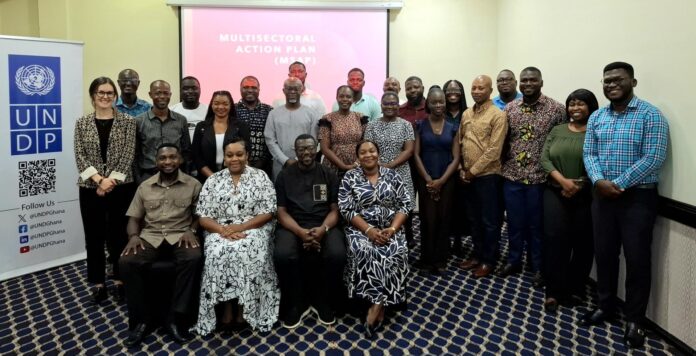
To ensure relevance and practicality, the work has been informed by a series of technical reviews and validation meetings and a recent multi-sectoral workshop bringing together government institutions, development partners, civil society, academia, and technical experts.  

Discussions focused on validating evidence, assessing feasibility, and identifying pathways for sustainable implementation. 

Air pollution cuts across various sectors including transport, energy, waste management, agriculture, industry, and making coordinated action essential. 

Participants emphasized the importance of strong institutional collaboration and alignment with national development priorities, including climate action, health system strengthening, and sustainable urban growth. 

Dr. Edward Ampratwum, Head of Inclusive Growth and Accountable Governance at UNDP Ghana, speaking at the discussions, described air pollution as both a health and development emergency, underscoring the need for united, cross-sectoral responses informed by credible evidence. 

Dr Atiwoto, Director for Research, Statistics and Information Management from Ministry of Health, acknowledged the critical work undertaken by UNDP, with support from the Clean Air Fund, to develop the investment case for improved air quality and health, noting that, the document provided an important evidence base for advocacy and national decision making. 

As Ghana advances its health and development ambitions, clean air is increasingly recognized as foundational to sustainable growth.  

Insights emerging from the investment case and consultations are expected to inform national planning processes, including climate and health policy frameworks. 

 Investing improved air quality delivers multiple benefits; healthier communities, stronger productivity, and reduced long-term economic costs. 

The forthcoming investment case is intended to serve as a strategic tool to strengthen advocacy, unlock investment, and accelerate coordinated action. 

 Its development signals a growing consensus: cleaner air is not only possible, but essential for Ghana’s future. 

The investment case for improved air quality and health in Ghana will be officially launched in the coming weeks. 

NPP unity in Asawase: Ali – Suraj organises special all white party for supporters of presidential aspirants 

0

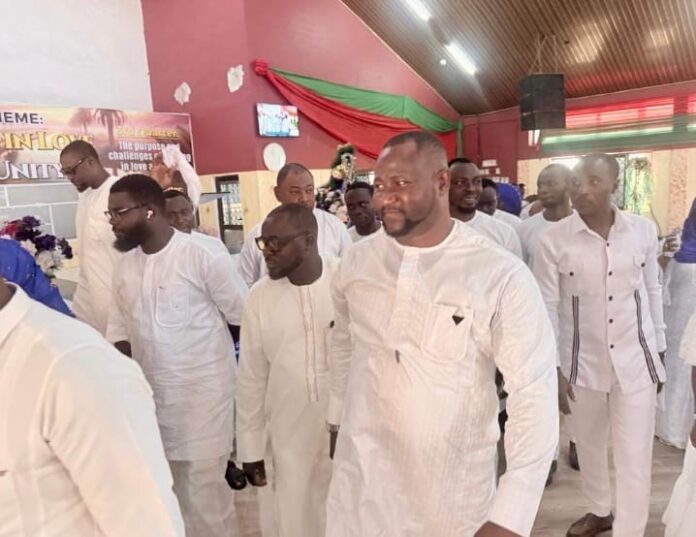
Alhaji Ali Suraj, the Director of Operations of Dr. Mahmudu Bawumia’s campaign team for NPP presidential primaries in the Asawase constituency, has taken the initiative to organise a special all white party aimed at bringing together all supporters of the various aspirants in the race.  

The event, which took place in a vibrant atmosphere at Sawaba junction, a suburb of Asawase, was organised not only to celebrate the spirit of camaraderie among party members, but also to foster a sense of unity and cohesion within the party. 

‎The gathering attracted a diverse group of individuals, including party loyalists, volunteers, and supporters of the New Patriotic Party (NPP) from across the Asawase constituency. 

 It served as a powerful symbol of unity, showcasing the commitment of the party to stand together despite the competitive nature of the primaries.  

Alhaji Suraj speaking at the event, stressed the need for party members to come together to work towards achieving a common goal of recapturing power in the 2028 general elections. 

He said it was importance to ensure that all supporters, particularly those of the aspirants who did not emerge victorious, felt included and celebrated as part of one large family.  

He said, the inclusive approach reflected the NPP’s core values of unity and solidarity among its members. 
‎Alhaji Suraj commended delegates in the constituency for conducting themselves well throughout the electoral process. 

He highlighted the commendable behaviour exhibited by party members, noting with satisfaction that, there were no incidents of violence or disruption at the Asawase election center.  

This peaceful conduct not only reflected the maturity of the party’s supporters but also sets a positive precedent for future elections, demonstrating that, democracy could flourish in a respectful and orderly manner within the constituency, he added. 

He said the party was not merely a social gathering but an essential step towards healing and reinforcing the bonds among party members as they look forward to future challenges and opportunities.  

Agambilla appeals to President, Speaker to ban wearing of suits 

0

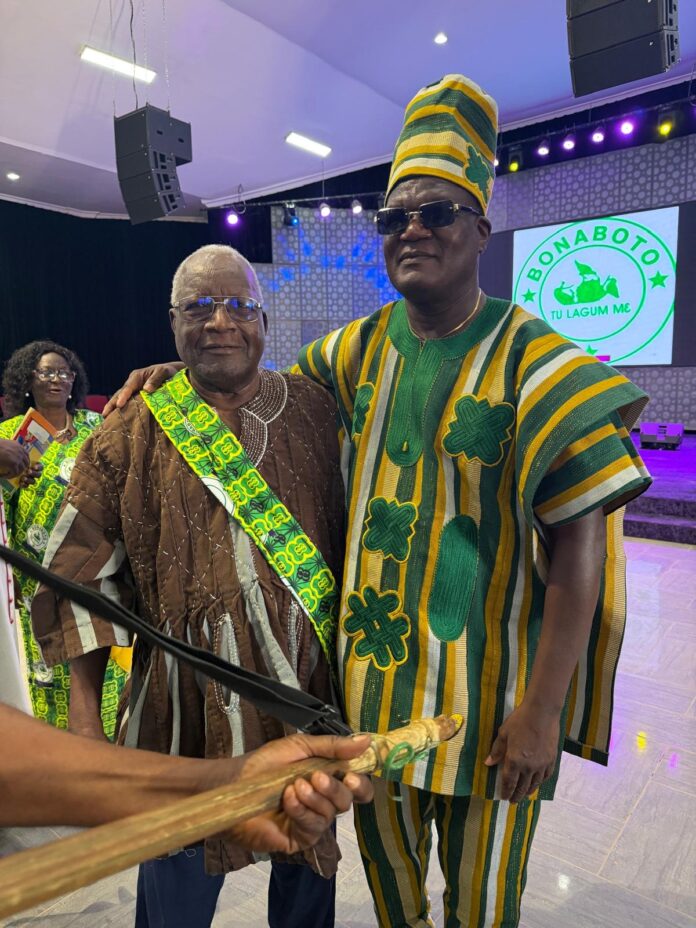
Mr Gabriel Agambila, the Founder of Alagumgube has appeal to President John Dramani Mahama and Speaker of Parliament Alban Bagbin to consider a ban on wearing of suits during Parliamentary Sittings. 

He argued that suits were expensive imported items that primarily benefit foreign economies rather than supporting local Ghanaian communities. 

Mr. Agambila in an interview said Ghana’s continued reliance on Western-style suits in official settings reflected colonial-era norms that no longer aligned with the country’s cultural identity. 

Traditional Ghanaian attire such as kente, batakari (fugu), and other locally inspired designs are culturally expressive, dignify, and suitable for formal occasions.  

These garments carry historical meaning, communicate social values, and reflect indigenous craftsmanship.  

He said encouraging local attire in state institutions would affirm national pride, cultural confidence, and authenticity in governance. 

Mr. Agambila pointed out that the cost of one high-quality suit could instead purchase around five different smocks or Kentucky-style traditional outfits. 

These local alternatives, he said, could be worn throughout the week while channeling money back into the constituencies and boosting the domestic textile and garment industry. 

Mr. Agambila, who has previously advocated for greater use of made-in-Ghana fabrics in public institutions, extended his call beyond Parliament, urging religious bodies across the country to designate the last Sunday of each month as a “traditional fabric wear day” to encourage widespread adoption of local attire. 

He appealed to public and private institutions to make wearing Ghanaian fabrics compulsory for workers every Friday, a move he believed would significantly grow the local fabric industry and create more economic opportunities for artisans and producers. 

Mr. Agambila called on the Minister of Education to implement policies requiring the use of traditional or locally made fabrics in schools, either as part of uniforms or on designated days. 

Regal Influence Summit 2026 — Beyond Influence, Toward Impact

0

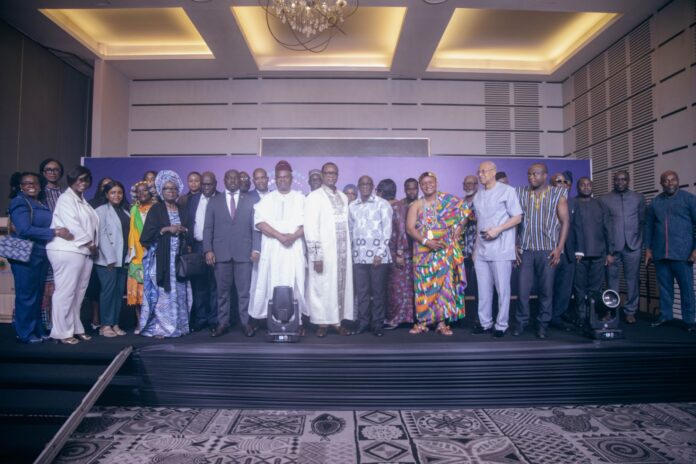
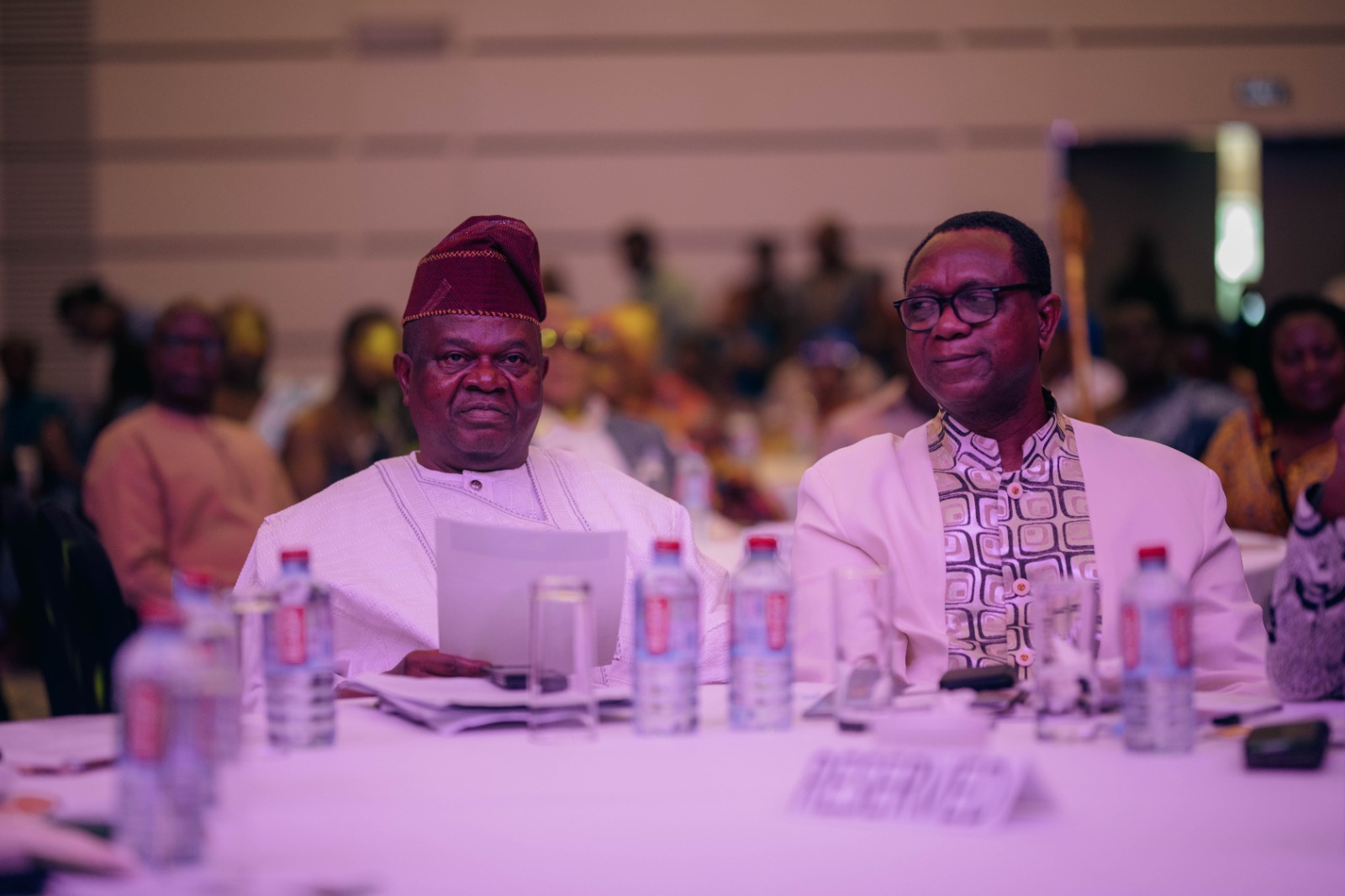
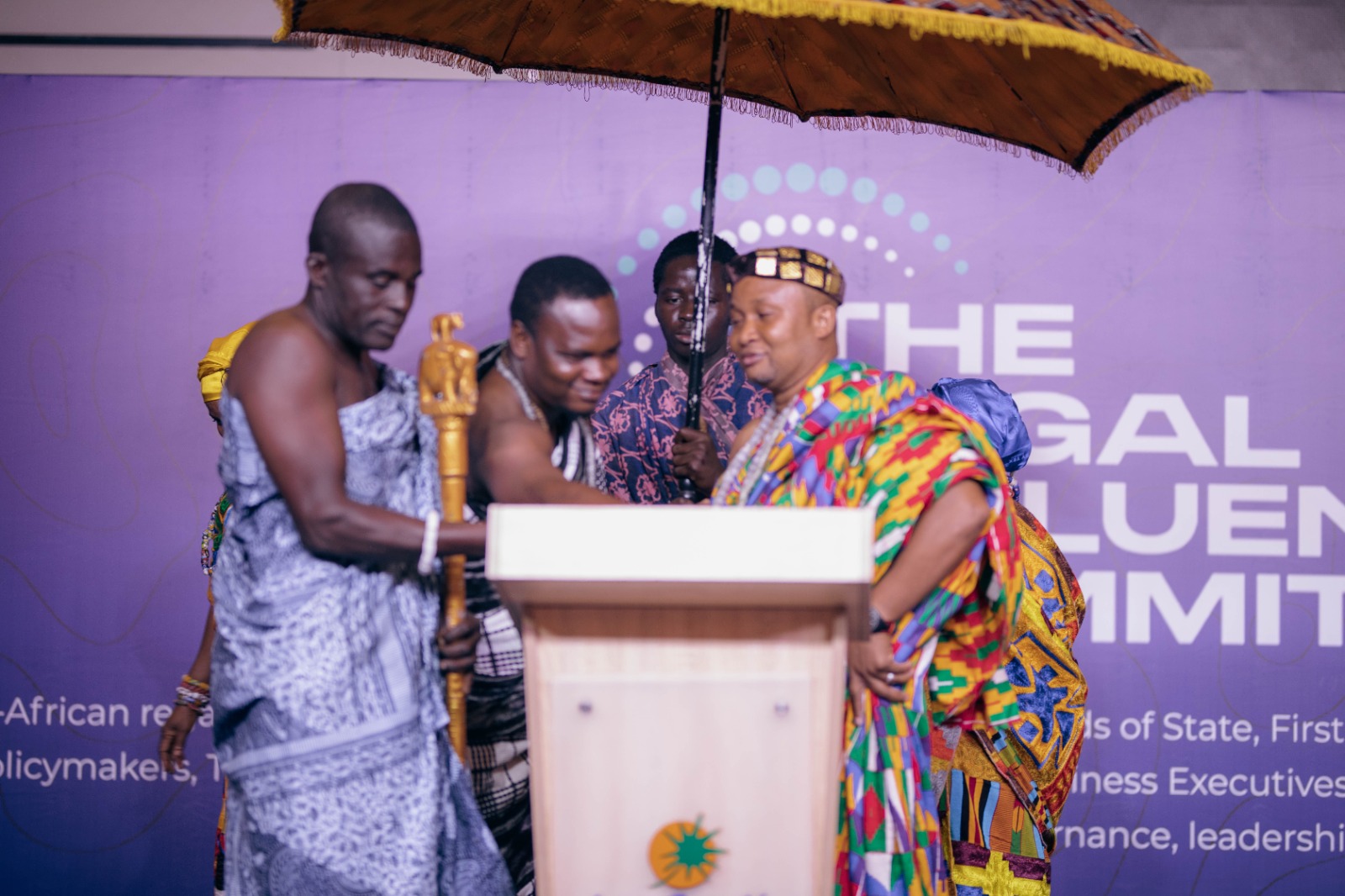
The Regal Influence Summit 2026 convened policymakers, traditional leaders, entrepreneurs, financiers, and civil society actors in Accra with one clear message: Africa’s future must be deliberately built, not passively inherited.

At the heart of the summit was a call to redefine influence — from visibility to measurable impact. Speakers emphasized that leadership must translate into tangible outcomes: jobs for the youth, dignity for citizens, inclusion for women, and sustainable economic systems.

A major focus was Africa’s youth unemployment crisis, with over 30% of young people unable to find work. The summit challenged governments, financial institutions, and the private sector to shift attention toward entrepreneurship and SME development as the true engines of job creation.

Discussions also highlighted the urgent need to bridge the gap between informal enterprises and formal finance, calling for transparency, innovation in SME financing, and long-term partnerships. With the African Continental Free Trade Area opening access to a unified market, speakers urged African businesses to think beyond borders.

Women’s leadership and political representation featured prominently, reinforcing the reality that Africa’s development cannot be achieved without empowering women at decision-making levels.

The Regal Influence Summit concluded with a powerful charge: less rhetoric, more results; less competition, more collaboration; and a commitment to policies and partnerships that uplift the vulnerable and secure Africa’s future.

The KRIF Foundation is a Pan-African leadership and development organisation committed to shaping transformative leadership across Africa. Driven by the belief that influence must translate into impact, the Foundation creates platforms that connect policy, enterprise, youth empowerment, and social inclusion.

Through initiatives like the Regal Influence Summit, the KRIF Foundation brings together leaders from government, traditional institutions, business, finance, and civil society to confront Africa’s most pressing challenges — unemployment, weak systems, gender inequality, and underdeveloped entrepreneurial ecosystems.

The Foundation’s work is rooted in collaboration, accountability, and action, with a strong emphasis on youth development, women’s empowerment, and sustainable economic growth. KRIF Foundation stands for leadership that delivers results, protects the vulnerable, and builds legacies that endure beyond applause.

ECOWAS LAUNCHES USD 719,733 HUMANITARIAN ASSISTANCE PROJECT IN TOGO

0

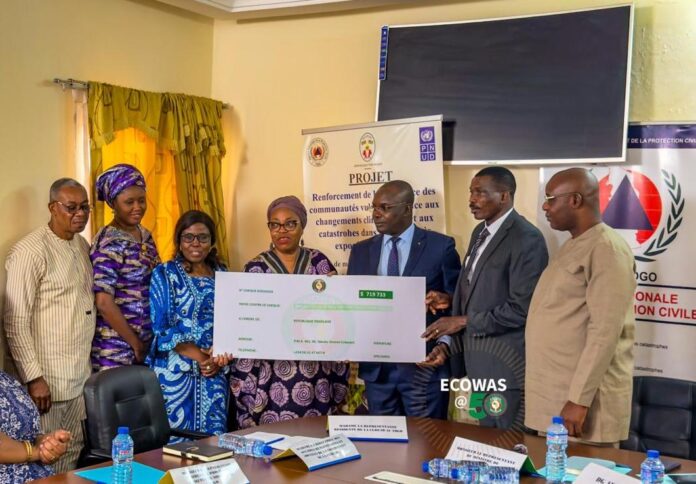
In line with ECOWAS Vision 2050, the Economic Community of West African States (ECOWAS), through its Directorate of Humanitarian and Social Affairs, has allocated USD 719,733 to the Republic of Togo to support refugees, internally displaced persons (IDPs), asylum seekers, returnees, and host communities.


The humanitarian assistance project was officially launched on Monday, 26 January 2026, during a symbolic ceremony in Lomé, where the ECOWAS Representative to Togo, Ambassador Deweh Emily Gray, formally presented a cheque to Commissioner KADJA Hodabalo-Pitemnèwèa, representing the Minister of Security and Civil Protection of Togo.


The ceremony reaffirmed ECOWAS’ strong commitment to solidarity, regional cooperation, and humanitarian action, in line with Vision 2050 — an ECOWAS of the People, Peace and Prosperity for All, where borders do not limit opportunities and every citizen has a voice.


Funded by ECOWAS, the intervention is implemented and coordinated by the National Civil Protection Agency (ANPC) under the authority of the Ministry of Security and Civil Protection of Togo, with technical support from the World Food Programme (WFP). The project seeks to alleviate the suffering of the most vulnerable populations while mitigating the impact of humanitarian crises.


The initiative aims to strengthen the livelihoods and production capacities of displaced persons and host families, improve access to safe drinking water, hygiene, and sanitation services and provide food and non-food assistance to 10,000 vulnerable people, including refugees, IDPs, and members of host communities.


Speaking on behalf of the Commissioner for Human Development and Social Affairs, Prof. Fatou Sow SARR, the ECOWAS Director of Humanitarian and Social Affairs, Dr. Sintiki Tarfa-Ugbe, called for shared responsibility in supporting populations affected by conflict, crises, climate change, and other disasters.

She outlined the programme’s phased approach, combining immediate humanitarian assistance with long-term recovery and community resilience, and urged governments, partners, and communities to uphold protection, solidarity, and inclusion.


“Humanitarian support is not charity; it is justice. It is the recognition that every individual, regardless of circumstance, has the right to safety, dignity, and hope,” she stated.


In his welcome address, the Director General of the National Civil Protection Agency (ANPC), Lieutenant-Colonel BAKA Yoma, reaffirmed ANPC’s commitment to the transparent and effective implementation of the project in line with ECOWAS guidelines and WFP standards. He highlighted its strategic importance in strengthening social cohesion in the Savanes and Kara regions through urgent humanitarian support and sustainable resilience-building efforts.


On behalf of the Government of Togo, Commissioner KADJA Hodabalo-Pitemnèwèa called on all stakeholders to take full ownership of the project, stressing that such commitment is essential to its success and sustainability. Underscoring the initiative as a reflection of the Government’s continued determination, alongside its partners, to leave no one behind while reinforcing stability and social cohesion in affected communities.

South Africa: Joint Committees Expose Councillor Payroll Irregularities at Amajuba District Municipality

0

The joint oversight committees, including the Portfolio Committee on Cooperative Governance and Traditional Affairs (COGTA), Standing Committee on Public Accounts, and the Standing Committee on Auditor-General, today raised serious concerns over payroll irregularities at Amajuba District Municipality.

It was revealed that two individuals were being paid for a single councillor position, resulting in wasteful and potentially unlawful expenditure. This irregularity exposes significant weaknesses in financial oversight and administrative accountability at the municipality.

The committees learnt about this irregularity during an engagement with the municipality as part of their four-day joint oversight visit to KwaZulu-Natal aimed at focusing on municipalities identified by the Auditor-General of South Africa as distressed or dysfunctional.

Committees emphasised that the Amajuba District Municipal Manager, as accounting officer, bears full responsibility for ensuring proper payments and adherence to council resolutions. The mayor, speaker and deputy mayor were also criticised for inconsistent and inaccurate information regarding councillor numbers and payroll, further undermining public trust.

The committees made it clear that failure to address such irregularities constitutes serious governance lapses. They further called for the MEC responsible for cooperative governance and cooperative affairs to conduct a thoroughly investigation of this significant concern.

In response, the Municipal Manager committed to recouping the overpayments and enforcing proper payroll processes. The committees stressed that all individuals responsible for authorising or facilitating the improper payments will face strict consequence management. Immediate corrective action is required to protect public funds and restore credibility to the municipality.

Beyond payroll issues, the committees highlighted other critical areas of concern at Amajuba, including absenteeism, poor fleet and diesel management, ineffective use of consultants, water supply and infrastructure challenges, and a mismatch between budget expenditure and service delivery outcomes.

The municipality has been directed to provide comprehensive reports and strategies addressing these issues, including strengthening oversight, improving revenue collection, and ensuring functional disciplinary and accountability structures.

The committees have further mandated that a detailed post-audit action plan be submitted within three months, covering all identified governance, financial and operational irregularities. This plan must include specific corrective measures, timelines and accountability frameworks to restore proper administrative processes, safeguard public funds and ensure efficient service delivery to the communities of Amajuba District.

The committees also engaged with Ugu, Newcastle, Uthukela, Umkhanyakude and Umzinyathi district municipalities, as well as Inkosi Umtubatuba Local Municipality, and raised serious concerns about governance, financial management and service delivery. Across the municipalities, the committees called for the submission of detailed action plans and reports to address audit findings, mismanagement of conditional grants, irregular and wasteful expenditure, infrastructure oversight failures, and persistent water and electricity losses.

These reports, to be submitted within three months via the MEC, will inform follow-up engagements where officials will be held accountable for corrective action ahead of the next audit cycle.

At Ugu District Municipality, the committees focused sharply on the ongoing water crisis, directing the municipality to report comprehensively on water interventions, tanker operations, service coverage and outstanding challenges, while stressing that water tankers are not a permanent solution.

The Ugu District Municipality acknowledged the crisis and committed to completing outstanding water projects by the end of March, while reporting vandalism and suspected sabotage of infrastructure, with arrests already made.

Newcastle and Uthukela municipalities were instructed to address deep-seated governance weaknesses, including audit reliance, acting appointments, infrastructure failures, procurement irregularities, excessive use of consultants and going-concern risks, with the committees emphasising that consequence management, improved controls and sustainable service delivery are non-negotiable.

The committees further expressed grave concern over persistent governance and service delivery failures at the Umzinyathi District Municipality. They stressed that weak internal controls, questionable procurement practices and poor accountability can no longer be tolerated and warned that failure to implement corrective measures and consequence management will trigger further oversight and possible intervention.

The Chairperson of the Portfolio Committee on COGTA, Dr Zweli Mkhize, underscored Parliament’s constitutional oversight mandate and directed municipalities to urgently submit credible, time-bound action plans to address the Auditor-General’s findings.

He warned that failure to do so would undermine service delivery and attract further oversight and consequence management. Dr Mkhize reaffirmed that the committee will closely track implementation and hold accounting officers accountable, while thanking municipalities for their participation in the engagements.

DETAILS OF THE PROGRAMME 
Thursday, 29 January 2026
Engagements will be held with:

  • Endumeni Local Municipality
  • Nongoma Local Municipality
  • Nquthu Local Municipality
  • Msunduzi Local Municipality
  • Mhlathuze Local Municipality
  • Impendle Local Municipality

Friday, 30 January 2026

The committees will conclude the oversight visit with engagements with the Dr Nkosazana Dlamini Zuma District Municipality and traditional leadership.

ISSUED BY THE PARLIAMENTARY COMMUNICATION SERVICES ON BEHALF OF THE CHAIRPERSON OF THE PORTFOLIO COMMITTEE ON COOPERATIVE GOVERNANCE AND TRADITIONAL AFFAIRS, DR ZWELI MKHIZE.

For media enquiries or interviews with the committee Chairpersons, please contact the committee’s Media Officer:

Name: Malentsoe Magwagwa (Ms)
Cell: 081 716 5824
Email: mmagwagwa@parliament.gov.za

Distributed by APO Group on behalf of Republic of South Africa: The Parliament.

Ghana, Netherlands strengthen cooperation on reparations, artefact restitution   

0

Ghana and the Kingdom of the Netherlands have strengthened cooperation on reparations, artefact restitution, heritage preservation and creative arts development following high-level talks in Accra.  

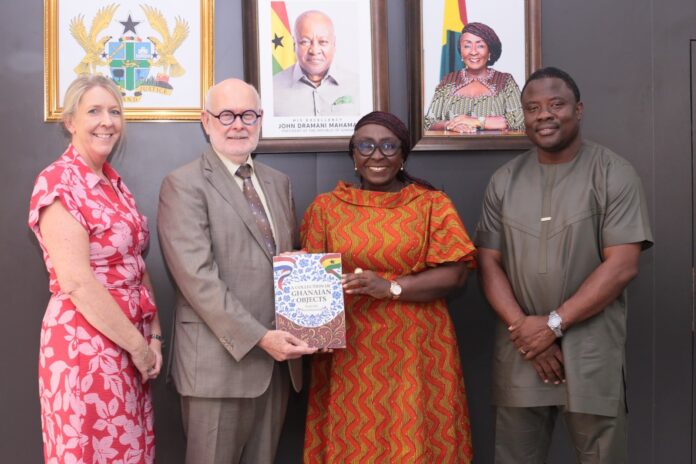
The meeting was between Madam Abla Dzifa Gomashie, Minister for Tourism, Culture and Creative Arts, and a Netherlands delegation led by Mr Jeroen Verheul, Ambassador of the Kingdom of the Netherlands to Ghana.  

A key outcome of the meeting was the formal handover of an inventory of Ghanaian artefacts currently held in Dutch collections.  

The inventory, compiled by the World Museum in Leiden and presented in both digital and printed formats, is expected to support Ghana’s efforts to identify artefacts of historical and cultural significance for possible restitution.  

Madam Gomashie welcomed the initiative, describing it as “a practical and important step toward historical justice and consistent with Ghana’s reparative justice agenda.”  

She said the process would complement the work of President John Dramani Mahama in his role as the African Union’s Special Envoy on Reparations.  

The meeting also discussed the preservation of Ghana’s forts and castles, including Fort Prinzenstein, with a focus on shared international responsibility for their conservation through UNESCO-supported mechanisms.  

On the creative economy, the Minister said there was the need for increased investment, skills development and strong institutional partnerships to unlock the sector’s full economic potential.  

She said Ghana had litigation-free land available for investment and stressed that sustainable growth in the creative industries would require strategic partnerships beyond public funding.  

Mr Verheul reaffirmed the Netherlands’ commitment to the restitution of objects acquired through force or coercion, following formal requests and joint provenance research by Ghanaian and Dutch experts.  

He said decisions would be guided by an independent restitution committee.  

The Ambassador also confirmed Ghana’s designation as a Netherlands focus country for cultural cooperation, supported by a structured programme and dedicated funding since 2024.  

Edited by Kenneth Sackey, GNA