Home Blog Page 44

Young Chartered Accountants Network launched

0

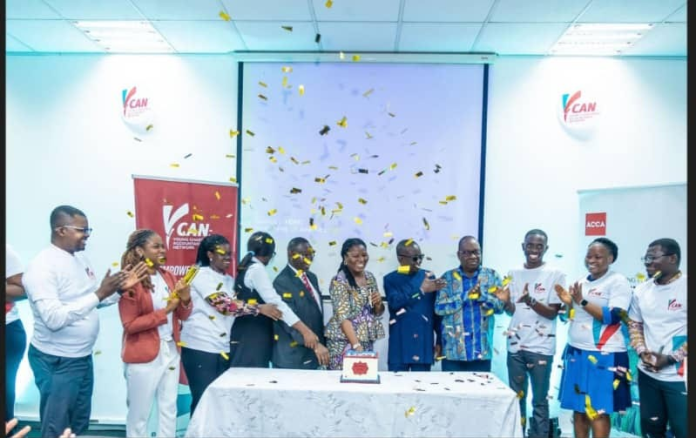
A group established to empower newly qualified accountants to thrive in a rapidly evolving business and regulatory environment has been launched.

Known as the Young Chartered Accountants Network (YCAN), the group is to serve as a platform that bridges the gap between qualification and mastery by offering mentorship, skills development, and networking opportunities relevant to the accounting profession.

Madam Sena Dake, an organiser of the initiative, highlighted the shifting demands of the industry, driven by digital transformation, sustainability reporting, governance reforms, and global integration.

The Immediate past president of the institute of chartered Accountants of Ghana observed that young accountants often grappled with questions around specialisation, career direction, and professional relevance, making YCAN a timely response to these challenges.

“YCAN is more than just a network; it’s a movement. We are creating a vibrant ecosystem where young accountants can access mentorship, gain emerging competencies, and pursue purposeful career paths,” she added

The activities of the network is centered on a five-year Professional Development Plan (PDP) tailored to each member.

Working closely with mentors, members will set clear career goals, identify milestones, and track monthly progress.

Quarterly networking events will provide further opportunities for knowledge sharing and access to new opportunities.

YCAN’s focus areas include sustainability reporting, data analytics, development finance, fiscal planning, financial reporting standards, and entrepreneurship.

The network also intends to develop concepts that enhance financial reporting systems for Micro, Small, and Medium Enterprises (MSMEs), while equipping members with practical, entrepreneurial skills.

The launch marks the beginning of what is expected to become a strong platform for shaping the next

generation of finance leaders in Ghana and beyond.

Vice President holds bilateral meeting with Special Advisor to UN Secretary-General

0

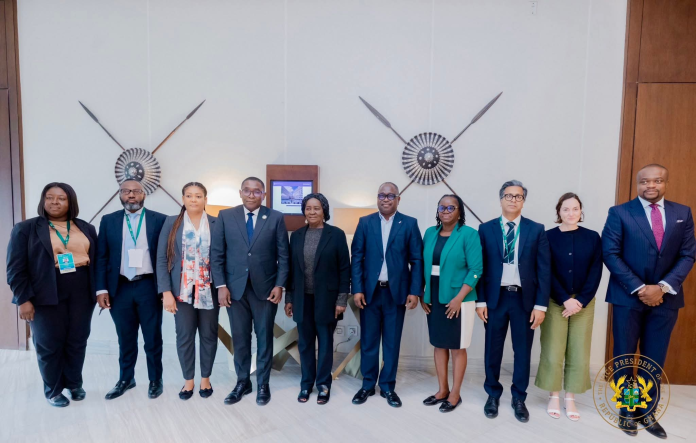
Vice President Professor Naana Jane Opoku-Agyemang has held a bilateral meeting with Mr Selwin Hart, Special Advisor to the United Nations (UN) Secretary-General on Climate Action and Just Transition in Addis Ababa, Ethiopia.

A statement issued by the Office of the Vice President said she accepted Mr Hart’s condolences on the recent tragic helicopter crash that claimed the life of eight prominent Ghanaians including two cabinet ministers.

It said the two went on to discuss the critical importance of advancing global climate action in 2025.

The Vice President reiterated the fact that climate change recognizes no national borders.

“Since many of the causes of climate change are man-made, we must find sustainable and fair solutions together,” Vice Opoku-Agyemang stated.

She stressed the injustice of climate impacts, noting that poorer countries, who contributed the least to the crisis, often bear the heaviest burdens.

“Rising sea levels, particularly affecting small islands and coastal communities, have led to pressing issues such as migration and food insecurity,” she stated.

She urged the United Nations to amplify voices of the vulnerable countries globally and advocated for a multidimensional and Pan-African approach, where countries share strategies, integrate adaptation measures, and scale up solutions collectively.

The Vice President highlighted Ghana’s ongoing initiatives, including the use of floating solar panels at the Bui Dam to diversify energy sources, and the work of institutions such as the University of Energy and Natural Resources in preparing citizens to sustain climate-related policies.

She emphasized that climate solutions must go hand in hand with reforms to the international financial architecture, as unsustainable debt servicing continues to divert resources away from critical sectors such as education, healthcare, and climate adaptation strategies.

“We need a holistic approach to climate, debt, and development challenges. Fairness, equity, and accountability must guide global action if we are to achieve just and lasting solutions,” the Vice President said.

Traders, commercial drivers laud Sunyani decongestion exercise, call for sustenance

0

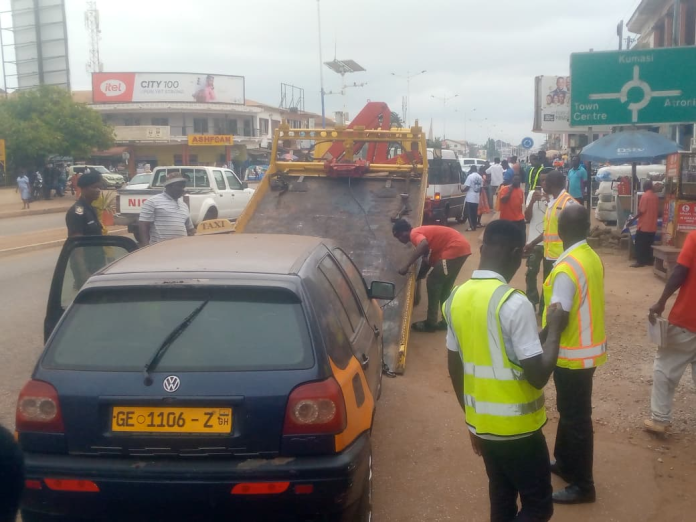
Traders and commercial drivers at the Sunyani Central Business District (CBD) have lauded the Sunyani Municipal Assembly’s decongestion exercise, asking the Assembly to sustain it through a bye-law.
They described the growing congestion at the CBD as a nuisance, unfriendly to driving and safety, and urged the Assembly to do more and to demolish structures at unauthorised places in the enclave.
The Sunyani city authorities, led by Mr Vincent Antwi Agyei, the Sunyani Municipal Chief Executive (MCE), were undertaking the decongestion exercise to bring sanity to the CBD.
Commenting on the exercise in an interview with the Ghana News Agency (GNA) in Sunyani, Mr Felix Kusi Felix, a commercial driver commended the Assembly and hoped that the exercise would be sustained.
Auntie Yaa, a trader, said she was hopeful that the Assembly would enact and enforce a bye-law to deter hawkers and petty traders from selling along the streets and urged the offenders to desist from politicising the exercise, to achieve the intended purpose.
The MCE later told the media that the Assembly had intensified awareness before undertaking the exercise, saying no vehicle would be allowed to load passengers at unauthorised places.
He advised commercial drivers to always ensure that they picked up passengers at designated lorry stations, warning that those who failed to do so would be sanctioned and made to pay a fine of GHC200.
He assured the people that the exercise would be sustained by the Assembly and its partners, to achieve the purpose of creating a conducive atmosphere for buying and selling in the enclave and urged the cooperation of both traders and drivers.

TMA inaugurates Tema Central Sub-metro council

0

The Tema Metropolitan Assembly (TMA) has inaugurated its Tema Central Sub-Metro Council, with a call on the sub-metro to help increase revenue to facilitate development. 

Ms Ebi Bright, the Tema Metropolitan Chief Executive (MCE), in a speech read on her behalf by Mr John Nana Owu, the Tema Metropolitan Coordinating Director, commended the sub-metro for increasing its revenue and urged them to do more. 

Ms Bright said by law the sub-metro was entitled to 50 per cent of what it collected, adding that the TMA had been strictly following the provision. 

She gave assurance of the TMA’s sustained commitment towards providing them with the needed support to make the sub-metro functional and a model for local development. 

The MCE explained that the inauguration followed the replacement of appointed members of the Council in accordance with the Local Government Act and the legislative instrument that established the TMA. 

The sub-metros, she stated, help to strengthen grassroots governance and development for the people, adding that they acted as a direct link between the community and the Assembly for the voices of residents to be heard and their issues catered for. 

She reminded assembly members of the relaunch of the national sanitation day and their duties to ensure that their electoral areas were clean, reminding them that President John Dramani Mahama had made sanitation issues a key indicator for the performance of Metropolitan, Municipal and District Assemblies (MMDAs). 

Meanwhile, Mr Emmanuel Swanzy Martin has been elected as the Tema Central Sub-metro Chairman after he garnered 16 votes as against his contender, Mr Anthony Kow Sam-Anoon, who received four votes out of the 20 total votes.

Mr Martin, in his acceptance speech, expressed gratitude to the Councilors for the confidence reposed in him, indicating that he did not take lightly the responsibilities placed upon his shoulders, and pledged to build upon the foundation laid by his predecessor.

He said he would be guided by the task from the MCE for them to improve revenue, ensure good sanitation, and orderly development to make the community healthier and more conducive.

He further assured that he was committed to working hand in hand with Councilors, traditional authorities, civil society organisations (CSOs), and residents, stressing that government was a shared responsibility.

“If people talk about poverty, I know what it is…”-Afenyo-Markin inspires Volta students

0

Mr Alexander Afenyo- Markin, the Minority Leader, has encouraged students from the Volta Region with his personal life experience to inspire them to achieve greater heights in education.

“We have seen life a bit and so, if people talk about poverty, I know what it is…

“I have seen poverty before, but here I am. So, please don’t give up. God has many ways of opening doors for everyone. Never give up on yourself,” he emphasized.

Mr Afenyo-Markin, also the Member of Parliament for Effutu in the Central Region, gave the advice when he presented GHS 105,000 to 33 university students from the Volta Region to pay their tuition fees.

“I’m offering a helping hand, so take advantage of it. learn, build capacity and move on…Life has never been easy, it’s rough but with your faith in God, trust me, no danger can befall you…

Out of you, there will be MPs, ministers, president, great businessmen and women someday.

“It’s a great pride for me to support one of my own,” the legislator stated.

“Each day has its own promises. Difficult times will come. At 47, I know what I am talking about…Life is like that. Take it easy, go through difficult times and it shall be well,” he stated.

The Effutu legislator continued his narration: “Recently I was telling some kids that when I started life some of my mates I had wanted to marry and their parents said “no, today, they regret it.

“My daughter told me that she went to a very prominent person’s home and the person said: “Oooh, your dad is very intelligent”… and I said: “Don’t mind her. At one time, if she knew how my future would be, she would have allowed me to take her daughter. I was then skinny, and she couldn’t see the blessing ahead,” Mr Afenyo-Markin recalled, amid laughter from the audience.

The Effutu legislator said it took the benevolence of his friends’ parents to gain admission to secondary school.

Additionally, he said, it was Dr Paa Kwesi Nduom’s Bursary that enabled him to pay his final year and SSSCE registration fees.

The legislator indicated that his biological father who was an Agric officer lost his job at age 39 and his mum, a “Pupil teacher” did not have enough money to provide all his basic needs, hence he hassled to take care of himself through undertaking menial jobs to pay his university fees.

Mr Gideon Senator Xorvi, the President of Volta Students Association, University of Ghana, on behalf of his colleagues, expressed gratitude to Mr Afenyo-Markin and pledged to study hard to justify the investment made in their education.

Mr Afenyo-Markin’s biological father, Moses Apetogou Kofi, hails from Tsiame in the Keta Municipality of the Volta Region while his mother is a Fante from Winneba in the Central Region.

Mr Afenyo-Markin has quite an impressive educational background despite challenges in the formative years.

He studied law at Buckingham University and later pursued a master’s degree in international politics and security studies at Bradford University. His commitment to education and youth development is evident in his initiatives, such as the “One Teacher, One Laptop” programme and the construction of 14 libraries in his constituency

GH¢47 Million in Unpaid Taxes: GRA takes steps to recover debt from state institutions

0

The Ghana Revenue Authority (GRA) has disclosed that nine institutions owe the state a total of GH¢47 million in unpaid taxes as of 2023, with the Graphic Communications Group Limited, among the institutions.

According to the Auditor General’s Report of 2024, Graphic Communications Group Limited owes the GRA a debt of GH¢3.4 million, while GIHOC Distilleries owes GH¢2.1 million, with the Tema Oil Refinery (TOR) having a debt of GH¢136,000.

According to Mr Anthony Kwasi Sarpong, the GRA Commissioner General, the Authority was taking steps to recover the outstanding amounts, particularly from state-owned enterprises that attributed their inability to pay to persistent cash flow challenges.

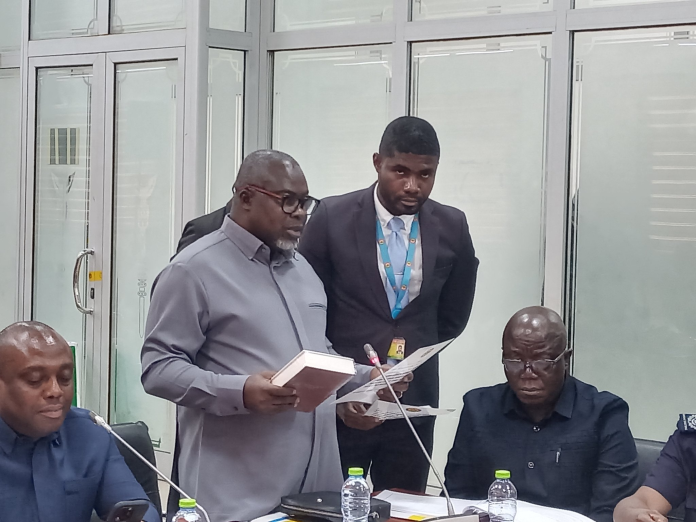
“We are intensifying efforts to recover these arrears and ensure that all institutions meet their obligations to the state,” Mr Sarpong told the Public Accounts Committee (PAC) of Parliament during its public hearing in Parliament House on Monday.

The Deputy Minister of Finance, Mr Thomas Ampem Nyarko, led the Ministry of Finance, the Controller and Accountant-General’s Department, the GRA, and other agencies under the ministry to answer some questions on infractions highlighted in the 2024 Auditor-General’s report.

Mr Sarpong emphasized that the authority was committed to improving tax compliance across all sectors.

“Madam Chair, at the GRA, it is our aim to address revenue mobilization challenges and strengthen fiscal discipline in the country,” he said.

Mr Edward Apenteng Gyamerah, Commissioner for Domestic Tax Revenue, GRA, also revealed that unpaid Value Added Tax (VAT) liabilities amounted to GH¢116 million.

The PAC public hearing, which began on Monday, August 19, ended on Monday, August 25.

The Committee is expected to reconvene on Monday, September 29, to examine the Auditor-General’s report on MDAs for the year ended December 31, 2024, Madam Abena Osei Asare, the Chairperson of PAC, announced after Monday’s hearing.

Veep urges politics for prosperity

0

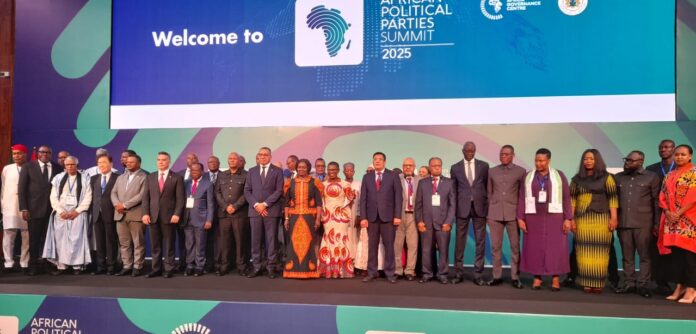
Vice President Professor Naana Jane Opoku-Agyemang has called on African political parties to focus on delivering prosperity rather than merely seeking political power.

Addressing the inaugural African Political Parties Summit in Accra, Prof. Opoku-Agyemang said politics that did not pursue the wellbeing of citizens “is empty,” and urged parties to prioritise national interest and long-term development.

“Our people do not ask us to perform politics for their own sake. They deserve politics that translates into food security, decent jobs, functional schools, accessible healthcare, efficient infrastructure, security and justice,” she stated.

“They expect us to focus not just on the next election but more importantly on the next generation,” she added.

The three-day summit is being held under the theme “From Politics to Prosperity: Strengthening Inter-Party Collaboration for Africa’s Development and Economic Transformation.”

It brought together over 160 delegates from across Africa, and served as a platform for dialogue, consensus-building, and inter-party cooperation aimed at strengthening democratic governance and catalysing economic transformation.

A 2024 Afrobarometer Report revealed that 66 per cent of Africans preferred democracy, with majorities rejecting one-man rule (80%), one-party rule (78%), and military rule (66%).

However, 53 per cent were willing to accept military intervention if elected leaders abused power, and support for elections declined by eight per cent across 30 countries.

Mr Jeff Radebe, Special Envoy of the President of South Africa, expressed concern over declining trust in political parties, stating: “If our politics does not lead to prosperity, then it is nothing more than destruction.”

He emphasised that national strength depended on governance quality rather than resource abundance, and criticised the prioritisation of personal and party ambitions.

“The citizens of Africa that we serve do not need manifestos. They cannot build their futures on political promises that dissolve after elections,” Mr Radebe said.

Mr Fifi Kwetey, General Secretary of the National Democratic Congress, noted growing disillusionment among African youth and called for structural reforms within political parties.

He said Africa’s capacity “is far enormous than our challenges” and urged participants to explore ways of using political parties to fulfil public aspirations.

The summit will also witness the adoption of the implementation framework of the African Political Parties Initiative (APPI), a flagship platform for sustained inter-party engagement and capacity development

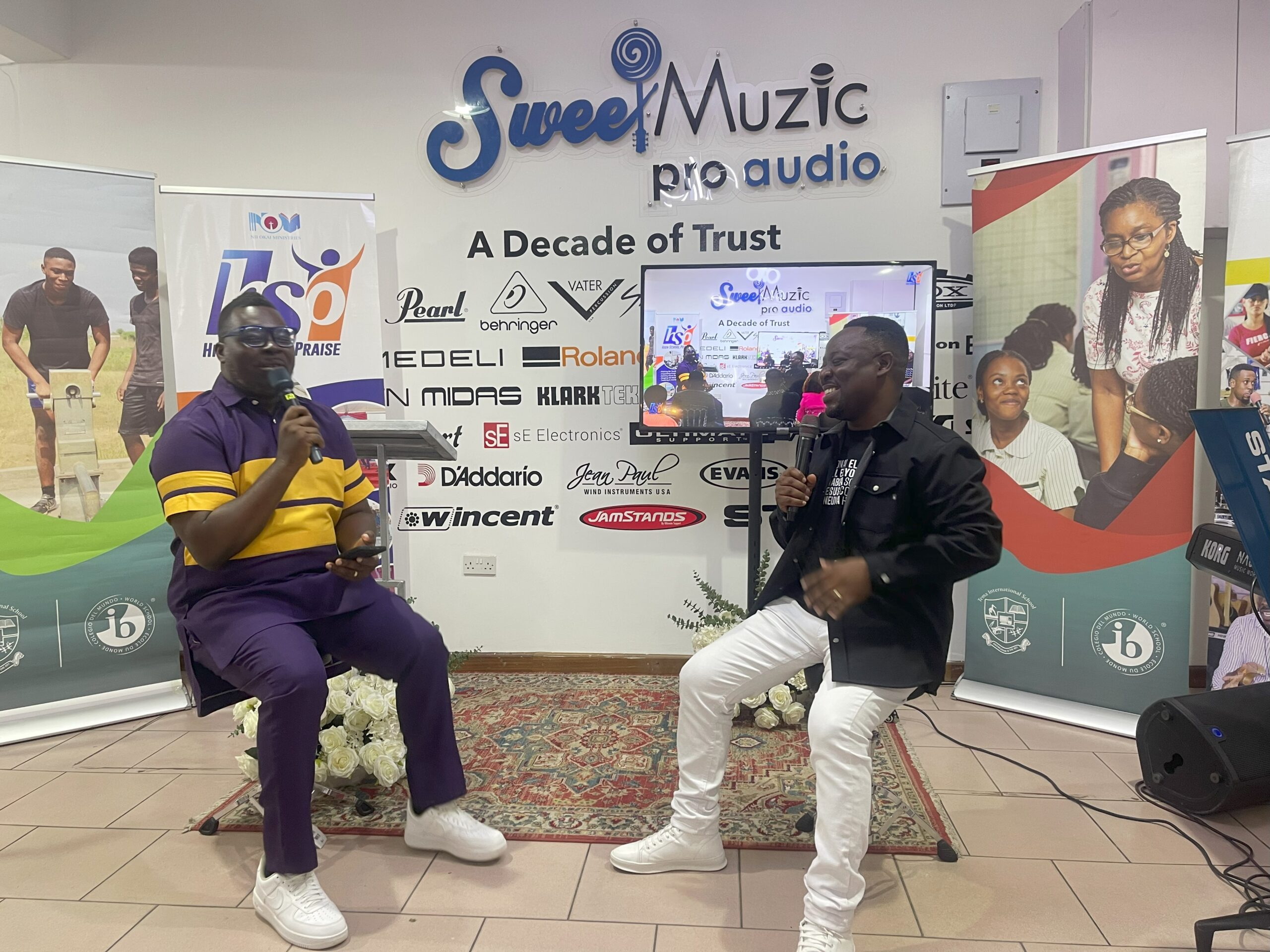
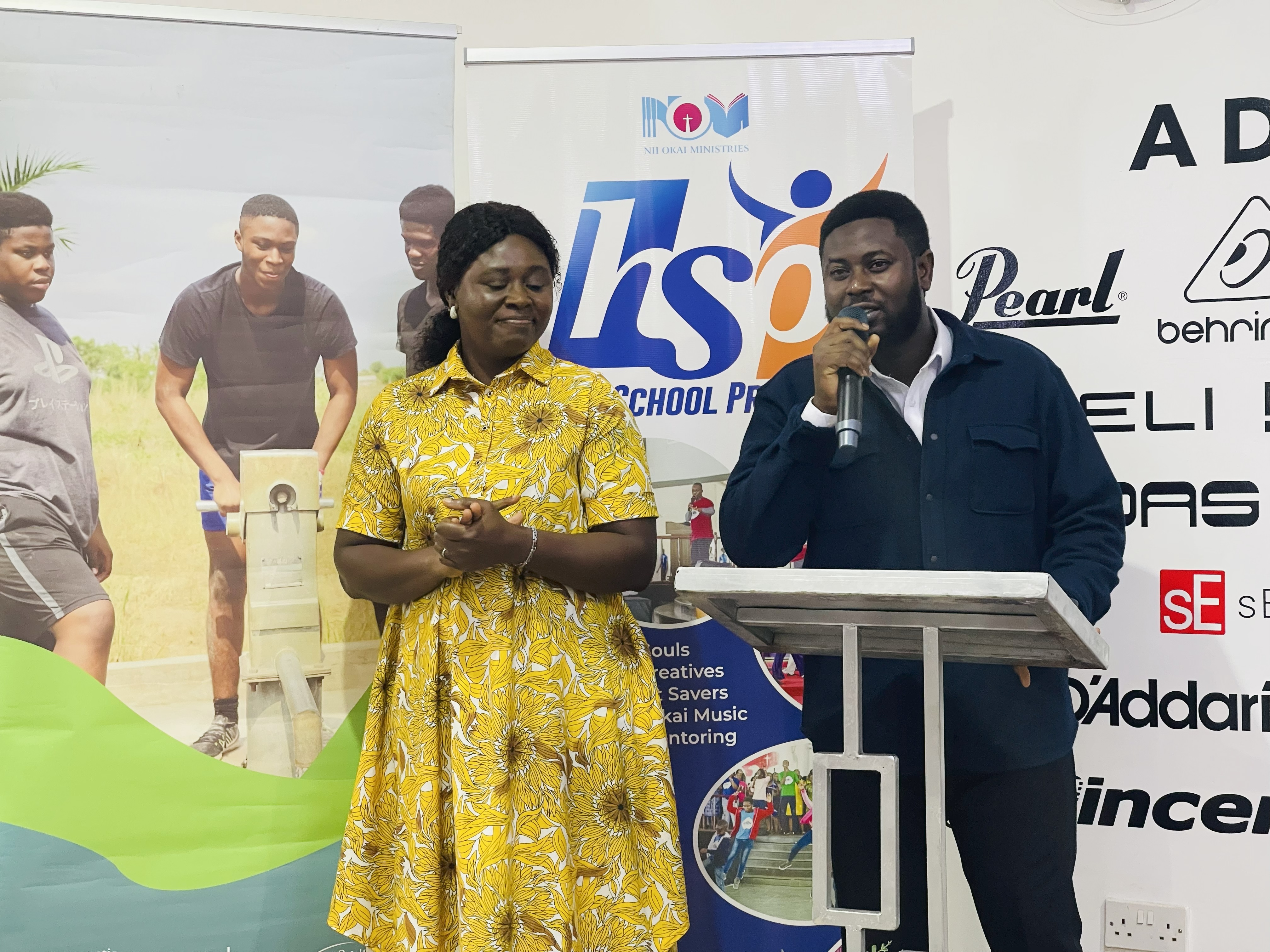
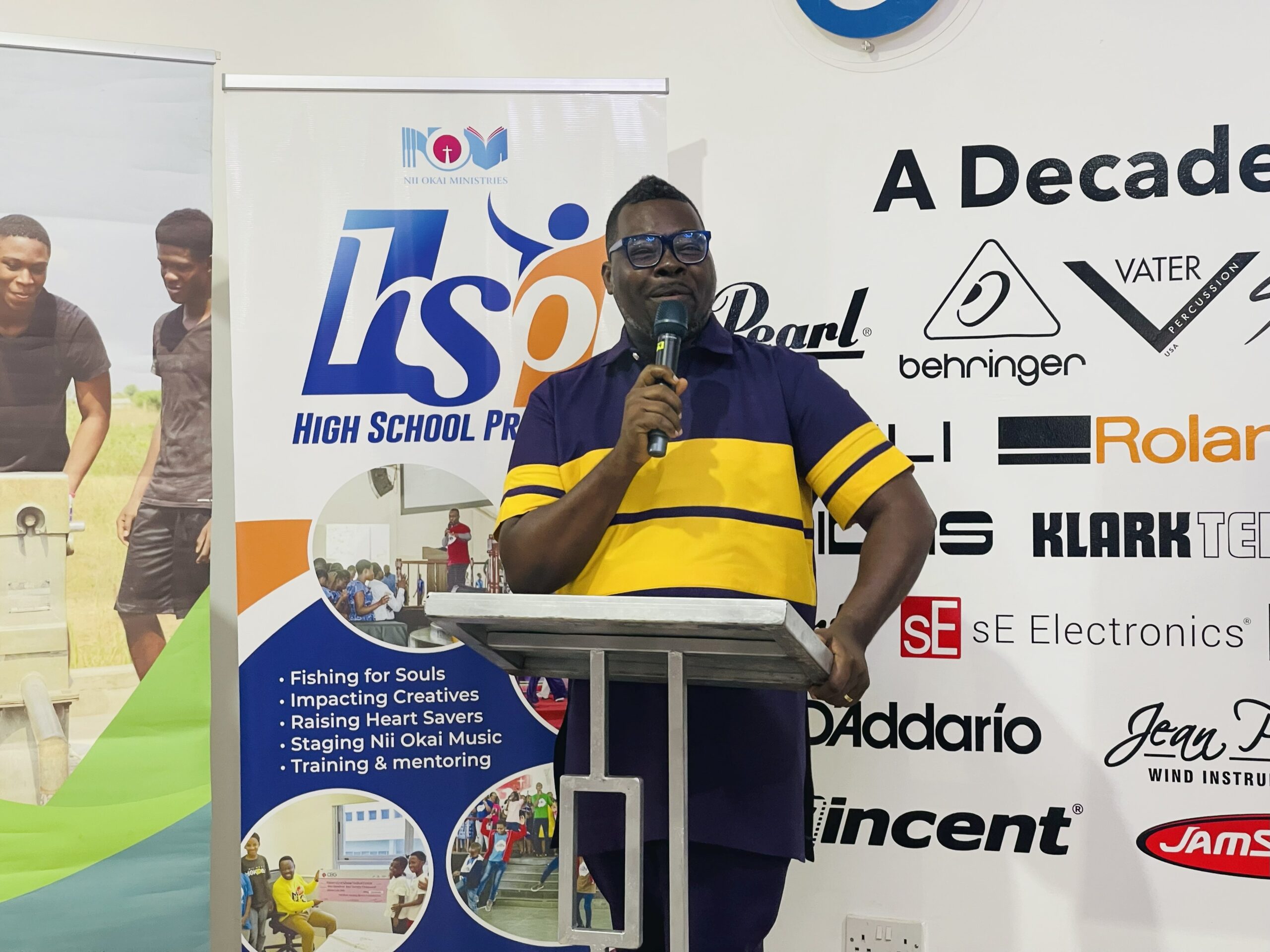
Nii Okai rallies high schoolers for concert, releases Foundations – Amapiano single

0

Nii Okai has unveiled a new direction for his flagship High School Praise event, kickstarting with the release of Foundations, his latest amapiano single. This year’s event seeks to engage students and alumni of participating schools in raising funds for heart surgeries through the Nii Okai Saving Hearts Foundation (NOSHF).

Since its inception three years ago, High School Praise has reached thousands of students, combining vibrant worship, talent development, and spiritual engagement. The 2025 edition will also include a live music recording with student performers and renowned gospel artistes such as MOGMusic, Naa Mercy, Cofi Boham, and Sammee Crentsil, led by Nii Okai himself. Foundations will be among the songs to be recorded during the event.

The concert is slated for Saturday, 27 September 2025, at 1:00pm and will be hosted by the Tema International School. Participating schools include Tema International School, Akosombo International School, Life International College, Ghana Christian International High School, and Vine Christian High School.

High School Praise is part of Nii Okai Ministries’ High School Mission initiative. “We believe in nurturing a generation that uses its gifts to serve God and society,” Rev. Nii Okai stated at the media launch on Tuesday, August 12.

The 2025 edition is supported by IT Consortium Limited, Sweet Muzic Pro Audio, the National Cardiothoracic Centre and Tema International School.

Nii Okai Ministries invites all high schoolers, alumni, organisations and individuals to support the campaign via the Chango shortcode 887*5067# or to log on to changoapp.com to donate towards High School Praise 2025 campaign. Additionally, a #FoundationsHeartBeatDance Challenge has been launched to boost awareness and fundraising efforts.

HR Connect Conference highlights HR’s expanding role in employee experience

0

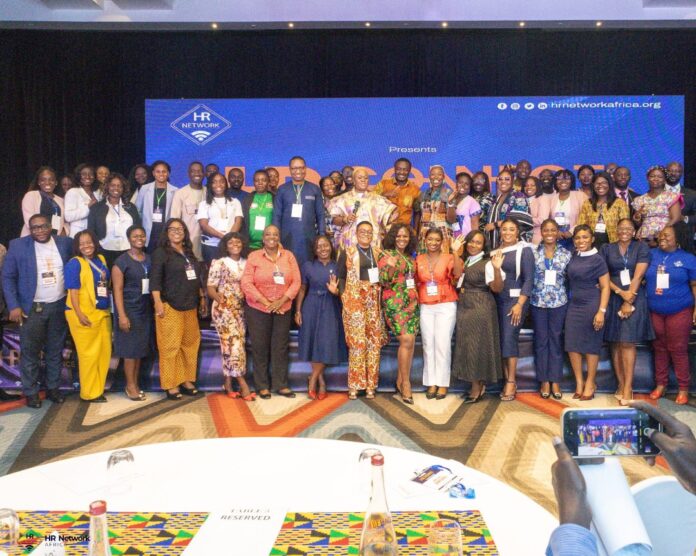
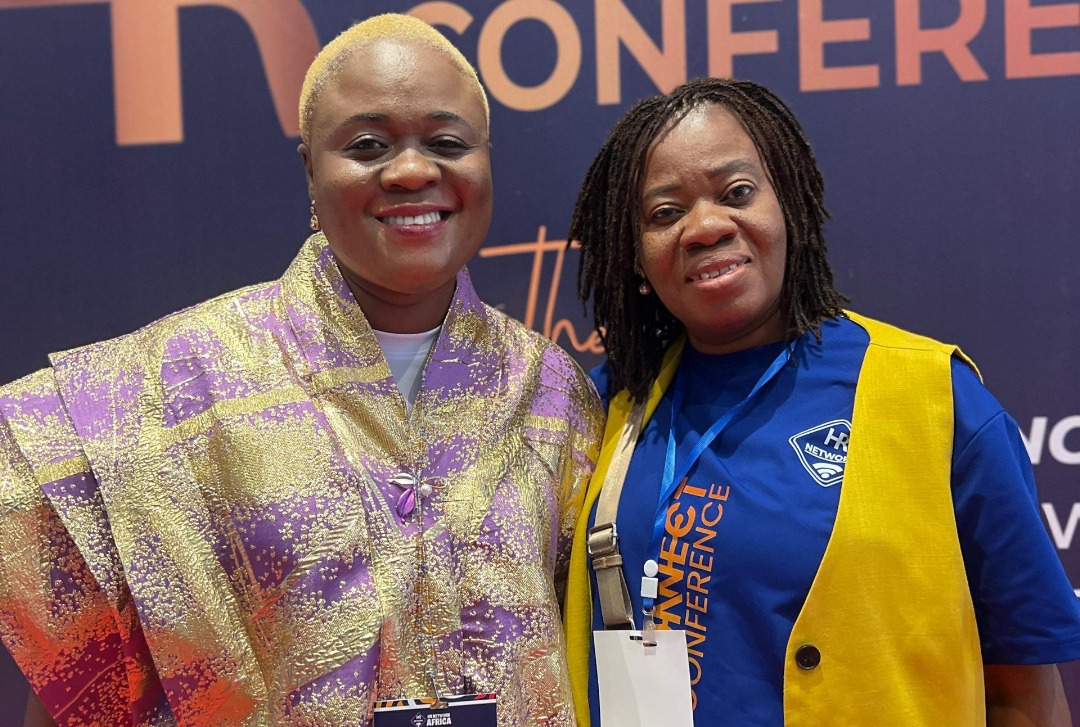
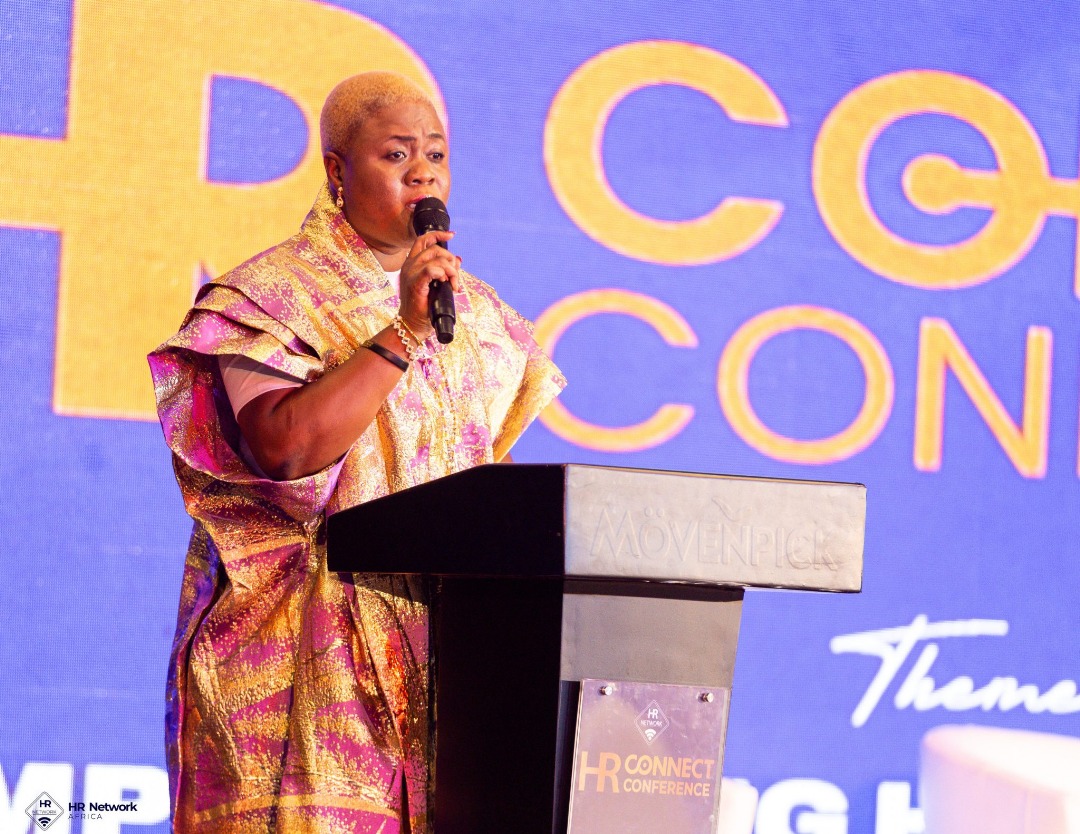
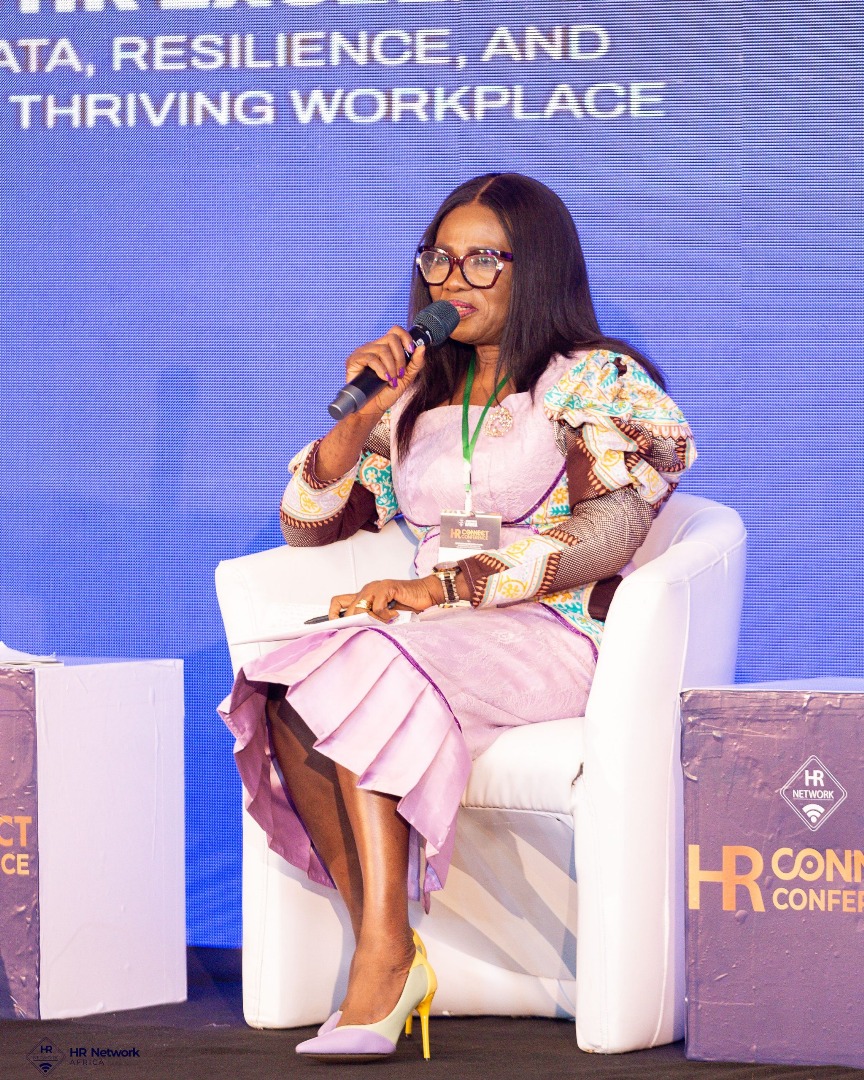
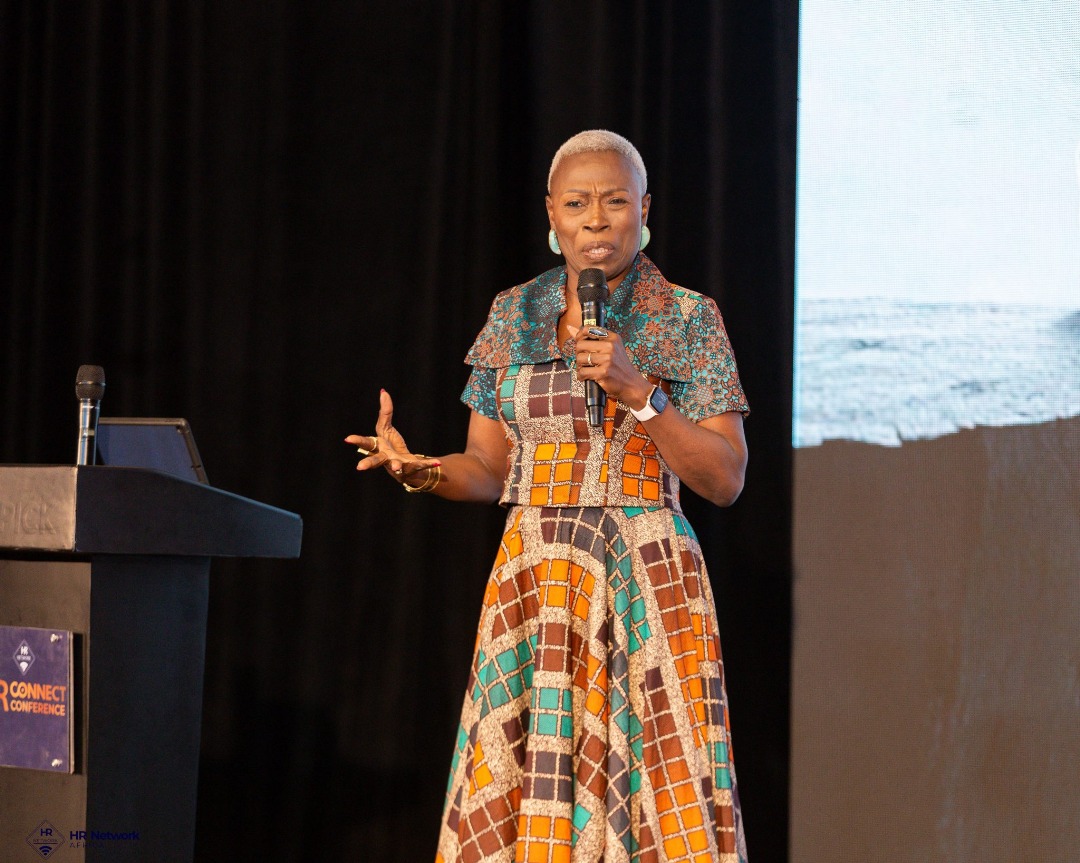
The 2025 edition of the HR Connect Conference brought Ghana’s human resource leaders, executives, and industry stakeholders together on August 8 for a day dedicated to redefining the modern workplace. Hosted at the Mövenpick Ambassador Hotel, the annual gathering, organised by HR Network Africa, ran under the theme “Empowering HR Excellence: Leveraging Data, Resilience, and Wellness for a Thriving Workplace.”

Opening keynote speaker Dr. Irene Stella Agyenim-Boateng, Vice Chairman of the Public Services Commission, called for a collective approach to employee well-being. “HR leading the well-being agenda doesn’t mean it’s only HR’s responsibility,” she said. “Leaders, employees, and other stakeholders must also be involved. Clear organisational regulations and policies, driven by HR, are essential.” She stressed that investing in wellness is a strategic necessity for attracting and retaining top talent, adding, “A key part of the employee experience is well-being. Organisations that take this seriously become employers of choice. HR professionals must also care for themselves to serve effectively.”

The conference programme blended keynote addresses with high-level panel discussions and networking sessions. Telecel Ghana CEO Ing. Patricia Obo-Nai, the company’s first Ghanaian chief executive, drew on more than two decades in IT and telecommunications to share practical insights on leadership, resilience, and organisational growth. Other prominent speakers included Margaret Jackson, Managing Partner at Rainbow Consult and Board Chair of HR Network Africa, and Laury Georges-Lane, CEO of LGL Consulting and Executive Advisory Group.

Cynthia Mawulawoe Kodowu, Convener of HR Network Africa, described the event as a fertile ground for exchanging ideas and sharpening skills. “Today has been about digging deep and learning from top experts across the globe,” she said. “HR is everything in an organisation: a mother, a mechanic, and more. To help companies thrive, we must empower HR and equip them with the right tools.”

Delegates hailed the gathering as a rare and enriching professional opportunity. One participant remarked that the experience was “truly unique” and expressed a commitment to attending future editions. The 2025 HR Connect Conference reaffirmed HR’s role at the heart of organisational success.

The event closed on an optimistic note, with a shared commitment to strengthening Ghana’s HR landscape through collaboration, innovation, and a renewed focus on workplace wellness.

Fidelity Bank commits to 24-Hour Economy; Ghana-China business ties 

0

Fidelity Bank Ghana has pledged to back the Government’s ambition to build a 24-hour economy, while it supports economic growth by promoting trade and investment between Ghana and China.   

Mr John-Paul Taabavi, Director of the Public Sector Group at Fidelity Bank, stated this at the just ended summit, in Accra, to strengthen trade and business between Ghanaian and Chinese business and trade partners.  

He said the Bank was providing real-time, practical solutions to support businesses and drive long-term growth.  

“Trade relationships don’t run on goodwill alone,” Mr Taabavi said. “They need banking infrastructure that works across time zones, understands cultural nuances, and provides consistent, inclusive access to capital.”  

The summit, held at the Labadi Beach Hotel, brought together government officials, business leaders and development partners from Ghana and China.  

 It was held under the theme: “Synergising Opportunities: Strengthening the Ghana-China Business Relationship and Fostering a 24-Hour Economy.”  

Mr Taabavi spoke about Fidelity Bank’s record in financing major industrial and infrastructure projects.  

“The 24-hour economy we envision is not just about staying open longer. It’s about building systems that work around the clock – systems that enable a Ghanaian SME to ship to Guangzhou at midnight, and a Chinese manufacturer to settle payments in real-time,” he said.  

“Ghana is ready. Fidelity Bank is ready. And with our friends from China, the opportunities are endless,” he added.  

He said Fidelity Bank was aligning its services with national priorities.  

 These include offering pre-approved credit lines to high-performing Ghanaian businesses and trade finance for companies that import solar products and telecom equipment.  

Mr Taabavi noted that building a 24-hour economy would require more than just financing.  

 He called for strong systems  would make trade predictable, support cold-chain logistics, and reward sustainability with better access and pricing.  

“We must build solid systems – ones that support cross-border trade predictability, prioritise cold-chain logistics, and reward sustainability not just in principle, but in pricing and access,” he said.  

He added that Fidelity Bank would soon introduce new measures to support business.   

These include deeper engagement with Chinese and Indian chambers of commerce and new green finance products for industrial clients.   

The Bank also plans to use predictive analytics to support SMEs that lack traditional credit histories.  

“Local banks matter,” he said. “Because we know the terrain, we know the players, and we are invested in the long-term success of Ghana.”  

He described the Bank as a reliable partner that “supports businesses to operate efficiently at any time of day or night.”  

Highlighting its commitment to the Chinese partnership, he mentioned the Bank’s role as a major syndicate partner in the Sentuo Oil Refinery project, which is now the largest privately-owned refinery in Ghana.  

He also referred to the Bank’s support for the Triton OCH pulp-to-paper project and its long-term partnerships with the Sunda Group.   

These projects, he said, showed Fidelity’s strong commitment to Ghana’s industrial development through international partnerships.  

To serve its growing Asian business clients, Fidelity Bank has set up a Local Corporate and Asian Business Desk.   

This desk is part of its Corporate and Institutional Banking Division. It is staffed with relationship managers who speak Mandarin and Hindi.   

This helps the Bank engage clients in a more culturally intelligent and effective way.  

Mr Taabavi said the Bank had also improved its corporate internet banking platform. The platform now offers multilingual features, which allow clients who speak Mandarin to use the system with ease.  

“Finance is about trust and trust grows in understanding,” he said. “Whether you’re a Ghanaian SME exporting cocoa nibs or a Chinese EPC contractor building in Tema, you deserve a banking partner that speaks your language – literally and operationally.”