
Home Blog Page 458

During the Elonjet debate, Twitter conveniently makes a location sharing policy available.

0

Elon Musk pledged in November that he would uphold free speech by refusing to block an account that tracked his private jet despite saying it posed a “clear personal safety concern.” That account was suspended today. then revived. then halted once more. It’s unclear what @ElonJet’s future holds, but it’s likely connected to a new set of guidelines from Twitter Safety regarding how it handles accounts that provide location data for other users.

Sharing another person’s live location is now restricted unless it is tied to a “public engagement or event,” such as a concert or political gathering, according to a series of tweets describing the new policy. There is a higher danger of bodily injury when someone tweets about someone else’s live location, according to the notice. Moving forward, we’ll delete Tweets that contain this information, and we’ll suspend accounts that share other people’s live locations. The post continues to make it clear that these guidelines only apply to “someone else’s” place. Your location can still be tweeted.

Historical location information is allowed, however, so long as “a reasonable time has elapsed, so that the individual is no longer at risk for physical harm.” That part of the policy could leave room for an account like @Elonjet — and while the account was briefly restored this afternoon, at the time of this writing it is once again suspended, as are the personal accounts of Jack Sweeney, the college student who runs @Elonjet. Musk has also said that “legal action” would be taken against Sweeney and “organizations who supported harm to my family” following a recent incident with a stalker and the billionaire’s son.

 

TikTok ban measure approved by US Senate for use on government equipment

0

The US House will still have vote on it before it can become a law.

A significant step has been taken in the No TikTok on Government Devices Act, which was presented by Senator Josh Hawley (R-Missouri). The TikTok app will no longer be accessible on any phones or other devices held by the federal government thanks to a unanimous vote by the US Senate to pass the legislation. Its clearance highlights officials’ worries that the parent business of the app, ByteDance, which is based in China, would give the Chinese government access to data collected from US users. The Chinese government may use TikTok to undertake “influence operations” or to “technically hack” millions of devices, FBI Director Chris Wray warned legislators only last month.

While the bill aims to prohibit the installation of TikTok on government devices, it carves out exceptions for “law enforcement activities, national security interests and activities, and security researchers,” according to Bloomberg. Hawley called the app a “Trojan Horse for the Chinese Communist Party” and said it has no place on government devices until it completely cuts ties with China. Meanwhile, TikTok spokesperson Brooke Oberwetter told Bloomberg that Hawley “has moved forward with… a proposal which does nothing to advance US national security interests.” Oberwetter added: “We hope that rather than continuing down that road, he will urge the administration to move forward on an agreement that would actually address his concerns.”

Just a few days ago, Senator Marco Rubio (R-FL) and Rep. Mike Gallagher (R-WI) filed a separate bill that aims to ban TikTok in the US completely. Unlike Hawley’s bill, theirs also targets all social media companies in or influenced by China, Russia, Cuba, Iran, North Korea and Venezuela. Rubio criticized the administration for having “yet to take a single meaningful action to protect American users from the threat of TikTok.”

Individual states, including Maryland and South Dakota, have already prohibited the installation of TikTok on government devices. As for Hawley’s bill, the US House will still have to approve it before it can become a law.


WHO chief claims that the fighting in Tigray “murdered” your uncle

0
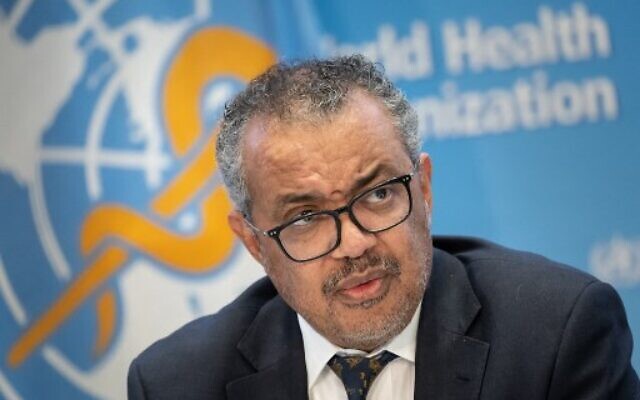
WHO Director-General Tedros Adhanom Ghebreyesus gives a press conference at the World Health Organization's headquarters in Geneva, on December 14, 2022. (Photo by Fabrice COFFRINI / AFP)

According to WHO Director-General Tedros Adhanom Ghebreyesus, his uncle was “murdered” by Eritrean troops in Tigray, an area of Ethiopia where a terrible war has been put an end by a peace agreement.

Tigrayan Dr. Tedros admitted that he had almost canceled the meeting “because it was a tough moment for me” at the conclusion of a press conference with the United Nations Correspondents Association.

He informed reporters, “I found out that the Eritrean soldiers had killed my uncle.

“He wasn’t alone. In the village, when they killed him in his home, more than fifty people in the same village were killed. Arbitrarily,” he denounced. “I hope that the peace agreement will hold and that this madness will stop,” added the 57-year-old head of the World Health Organization (WHO).

The fighting began in November 2020, when Ethiopian Prime Minister Abiy Ahmed sent the federal army to arrest leaders in the northern region who had been challenging his authority for months and whom he accused of attacking federal military bases.

The Ethiopian government and the Tigrayan rebels signed an agreement in Pretoria on November 2 that included a cessation of hostilities, the withdrawal and disarmament of Tigrayan forces, the re-establishment of federal authority in Tigray and the reopening of access to the region, which is in a dire humanitarian situation.

However, the agreement makes no mention of the presence in Tigray of the Eritrean army, which provided decisive assistance to the Ethiopian troops, or of its possible withdrawal.

The outcome of this conflict, which was marked by abuses and took place largely behind closed doors, is unknown. The International Crisis Group think tank and the NGO Amnesty International describe it as “one of the deadliest in the world”.

Tedros Adhanom Ghebreyesus, who headed the Tigray Regional Health Office before becoming Ethiopia’s health minister from 2005 to 2012, has repeatedly called for peace and unhindered humanitarian access to Tigray.


Chiefs are instrumental in preserving culture for economic growth- Okraku-Mante

0

Mr Mark Okraku-Mantey, Deputy Minister for Tourism, Arts and Culture, has urged chiefs to see their roles in preserving Ghana’s culture as paramount to propel economic growth.

He said the chiefs in their capacity as custodians of the lands could solve the pervasive land disputes that had become a disincentive to investment and development.

“We see some investors acquire lands legally for projects and only to see other family members, sub-chiefs selling same parcel of land to unsuspected buyers.”

Mr Okraku-Mantey said this at the launch of the Royal Chiefs Association of Ghana (TROCAG) held in Accra.

The Association seeks to revive and promote ‘abandoned cultural and traditional values’ and show to the world that chiefs were not idol worshippers but tool for development.

The Deputy Minister said, though the chiefs had not been the administrative heads of districts and Municipality, they had been clothed with traditional power to stall any illegality in their communities.

He urged the chiefs to take up the fight against galamsey and make it an integral part of their activities.

“Government is ever ready to partner you to tackle this canker. We are losing our forest cover and water bodies which are threatening our very survival,” he said.

The occasion brought together traditional leaders made up of Chiefs, Queen mothers, Warriors among others displaying their regalia and dance moves amidst drumming and singing.

Okatakyie Nana Anim I, Sanaahene of Akyem Tafo, who is also the President of the Association said, their goal was to support the State in turning the fortunes around.

He said discipline was the foundation stone of excellence and success and the Association would promote it among the youth in their communities.

The President said Ghana’s cultural values encapsulated discipline but “the western culture has infiltrated our values and gradually eroded discipline as our fabric of life.”

“We are not going to relent, we shall promote our cultural values targeting the youth of Africa and promote cultural exchange values between Ghana and the diaspora,” he said.

The composition of the Association is made up 86 chiefs who are divisional and sub-chiefs with some gazetted and others not.

AMA launches ‘Street Sweepers’ initiative to facilitate waste management

0

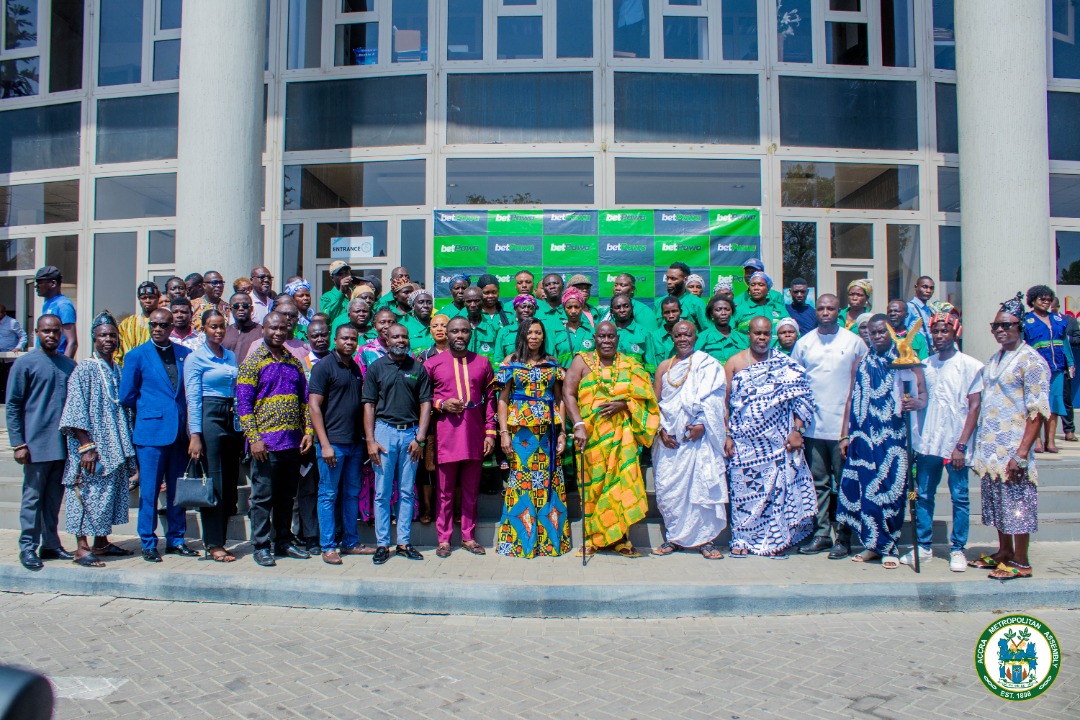
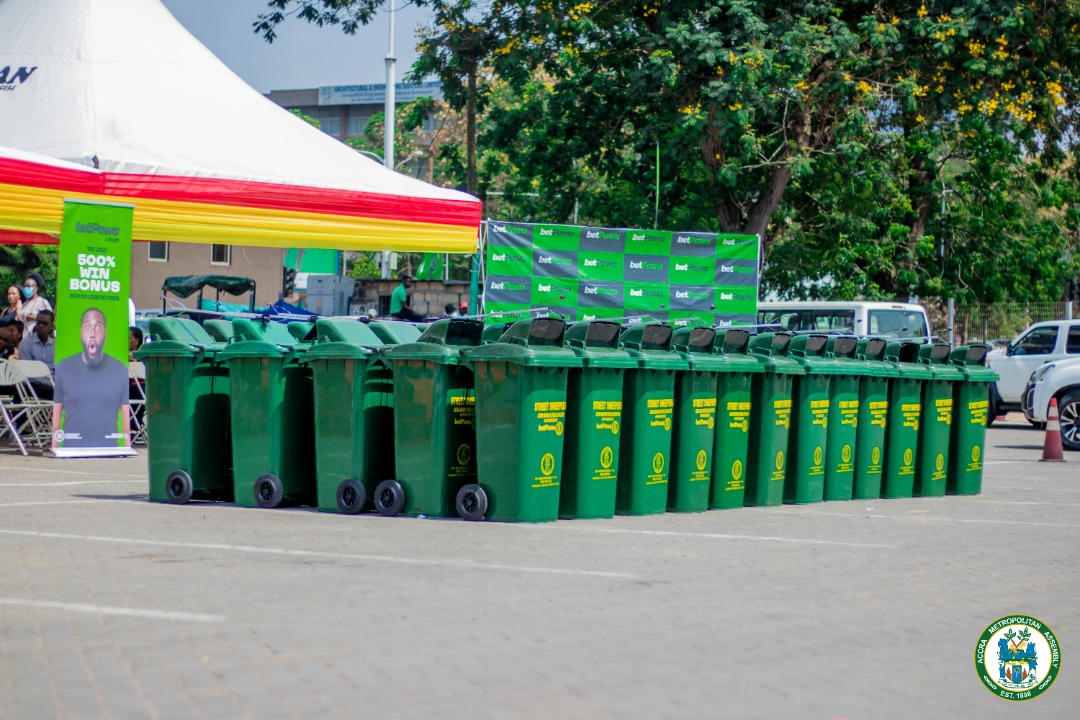
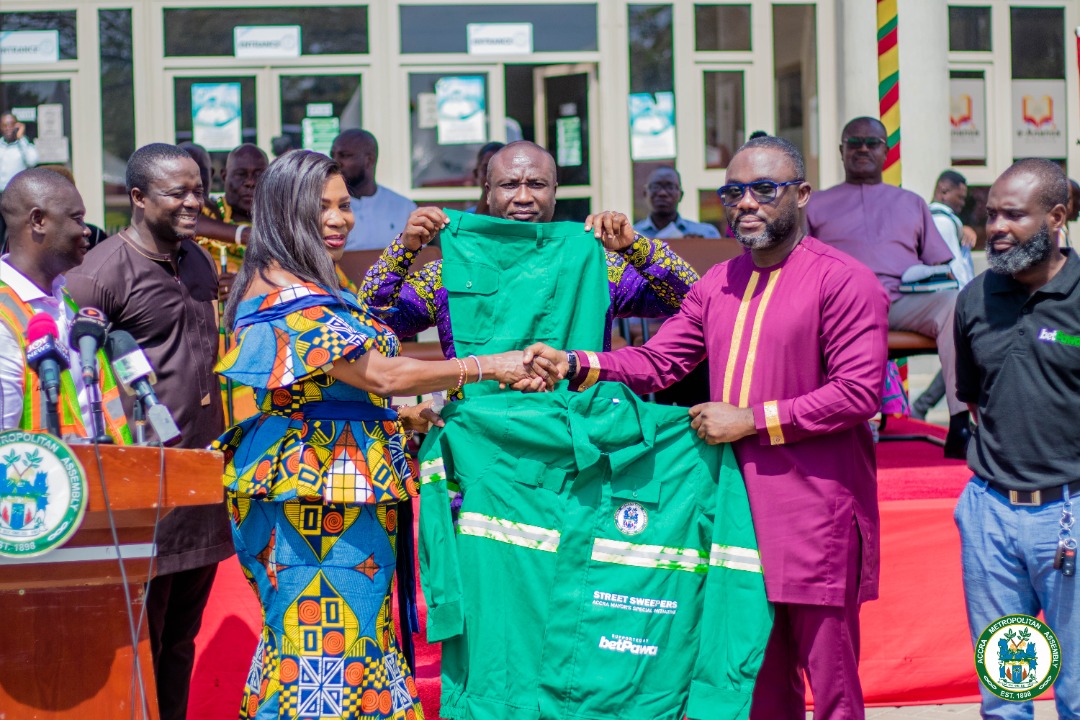
The Accra Metropolitan Assembly (AMA) has launched the Street Sweepers Initiative to help in managing waste in the city to complement the “Clean Your Frontage Project.”

The launch was in collaboration with betPawa, a gaming company, and the headline sponsor of the Ghana Premier League.

The Street Sweepers initiative is a special sanitation programme with 200 sweepers who would focus on four major ceremonial streets; John Evans Atta Mills High Street, Asafoatse Nettey Road, Kinbu Gardens through Octagon, and Circle to Kaneshie First Light.

They would be deployed in two working shifts of 12 hours per day from 0600 hours to 1800 hours.

They would also be supported by officers of the Public Health Department, who would enforce the sanitation bye-laws.

Mrs Elizabeth Kwatsoe Tawiah Sackey, the Accra Metropolitan Chief Executive, advised stakeholders, especially hawkers and traders, to police their immediate environs to complement the exercise.

She expressed gratitude to betPawa for supporting the initiative and called on other companies and stakeholders to get onboard to scale-up the project.

“I also urge other sister districts to join hands with the AMA to make Greater Accra the cleanest in Africa as envisioned by President Nana Addo Dankwa Akufo-Addo,” she said.

“The Street Sweepers initiative is not a duplication of role, but rather to complement the efforts of “Operation Clean Your Frontage,” which was launched by the Regional Minister, Hon. Henry Quartey, in June 2020, to make citizens more responsible in cleaning their premises, especially their frontage.”

This is to ensure a clean and healthy environment and ultimately cleaner communities.

Nii Armah Ashong-Katai, the Communication Manager of betPawa, said the company’s mission was to empower the people by providing opportunities to transform their lives.

“We look to doing this in ways that touch as many people as possible; that’s why we’re most associated with betting, football and the betPawa Premier League.”

He entreated everyone within the Accra Metropolis to play their role to ensure the success of the initiative while assuring that betPawa would do what it took to make a positive long-term difference in sanitation.

The company is constructing a new betPawa Football Arena at Prampram, it painted markets around Accra, and assisted the Gaming Commission of Ghana to launch a new responsible Gaming Call Centre.

Stakeholders urged to address adolescents’ poor health challenges

0

Mr Ernest Amoah Ampah, Programme Officer at the School Health Education Programme (SHEP) Unit, Ghana Education Service (GES), has advocated effective strategies to reduce the risk factors that contribute to the poor health of adolescents.

He said health workers should relate well with the young ones to enable them to detect mental health and other diseases early and provide treatment to limit their severity.

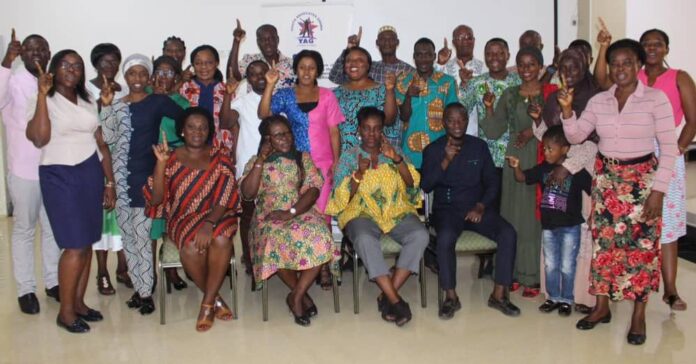
Mr Ampah gave the advice at a three-day training workshop to strengthen the capacity of SHEP Coordinators and Adolescent Health Focal Persons to effectively deliver Sexual and Reproductive Health and Rights education under the SHEP Programme.

It was organised in Tamale by the Youth Advocates Ghana, and formed part of the Youth for Health (Y4H) project to identify schools to set up Adolescent Health Clubs.

“About half of lifetime mental disorders begin before the age of 14, and 70 per cent by age 24,” he said.

Mental disorders in adolescents tended to persist into adulthood and had public health significance.

Mr Emmanuel Ametepey, the Executive Director of Youth Advocates Ghana, urged stakeholders to strengthen capacities on adolescents reproductive health systems in Ghana and target both boys and girls to ensure no one was left behind.

He gave the background of the Y4H project and said it was one of the European Commission’s flagship programmes to expand access to life-changing adolescent sexual and reproductive health care in rural and hard-to-reach areas in six countries in Africa implemented from 2022 to 2025.

It sought to increase demand for access to high-quality, discrimination-free Adolescent Sexual and Reproductive Health and Rights, increase public sector willingness to deliver and sustain high-quality information and services on those rights, and improve enabling policy and funding environment at the regional, national, and sub-national levels on the project.

Mr Ametepey said in Ghana, the project was being implemented by Marie Stopes Ghana and Youth Advocates Ghana in the Northern and Upper East regions.

Kenya introduces its tea brands in Ghana through AfCFTA market

0

Kenya has introduced its brands of tea in Ghana through the African Continental Free Trade Area (AfCFTA) market.

The introduction of the value-added products with a brand name KETEPA, deepens the bilateral trade between the two countries and commitment to maximise the opportunities AfCFTA presents.

Ghana had earlier through its National Coordination Office of AfCFTA shipped palm kernel oil and ceramics to Kenya and Cameroon under the Guided Trade Initiative (GTI).

The first consignment of a 20-foot container had 1700 boxes of the tea produced by the company, Kenya Tea Packers (KETAPA), a subsidiary of Kenya Tea Development Agency Holdings Ltd. (KTDA).

The Company is the leading tea blending, packing and marketing entity in Kenya with over 100 products.

Kenya is the third largest producer of tea globally – behind China and India, and in 2021, exported 305, 000 metric tons worth US$ 1.2 billion.

Speaking at the unveiling of the first consignment, Mr Eliphas Barine, Kenyan High Commissioner to Ghana, said, the African market is world’s largest free trade area with about 1.3 billion-person market.

He said, however, that intra-Africa trade was less than 20 per cent – a situation that needed to change as the continent was committed to creating wealth and prosperity for its people.

“…and the introduction of the KETEPA tea Ghana is a testimony of changing the narrative by leveraging the opportunities AfCFTA presents,” Mr Barine said.

He said Africa was under stress in her socioeconomic development and called for supporting and buying African products to create jobs for her rapidly growing youth population.

Madam Catherine Afeku, responsible for Strategic Communications, National AfCFTA Coordination Office, said, having KETEPA tea in Ghana indicated that the single African market was bearing fruits.

She said Ghana would sooner than later send some chocolate, other cocoa products and coconut oil to Kenya, so “there are opportunities in Kenya for our entrepreneurs to explore.”

In an interview with the Ghana News Agency, the former Minister for Tourism, Arts and Culture, said Africa needed trade to stop the dependency on the western world.

“There is a plethora of value-added products in Ghana and our jobs is to let the Ghanaian entrepreneurs know what is possible under the Guide Trade and AfCFTA,” she said.

“The GTI seeks to allow commercially meaningful trading, and test the operational, institutional, legal and trade policy environment under the AfCFTA.

“The products earmarked to trade under this initiative include ceramic tiles, batteries, tea, coffee, processed meat products, corn starch, sugar, pasta, glucose syrup, dried fruits, and sisal fiber among others.”

Ghana needs pragmatic thought leadership to transform economy beyond IMF programme—Agumenu

0

Dr Donald Agumenu, a Governance Expert, has called for pragmatic thought leadership to transform the economy and make it resilient beyond an International Monetary Fund (IMF) loan-support programme.

The Senior Fellow at the Centre for African Diplomacy and Global Engagement (Afro-Global) said Ghana’s problems could not be fully solved with the arrival of an IMF credit facility.

He said to manage Ghana’s current economic challenges and lessen the hardship on Ghanaians, there was the need for a “pragmatic thought leadership to plan and achieve a realistic, attainable and socially driven economic and industrial policies.”

He said: “The time for thought leadership is now, and the leadership should not wait any longer as it is critical the country should be navigated through time tested experiences, critical guidance and insights to managing change and complexities of our failing society.”

Dr Agumenu called for national plan benchmarked on sustainable economic policies, poverty alleviation, agricultural revolution, industrialisation, and the need to make Ghana an export driven economy through value addition and good governance.

“What is our short, medium and long term plan for this crisis? IMF, World Bank, African Development Bank or what?” he quizzed, adding that, “history has shown us that this [IMF programme] can only be a contingency approach”.

He was worried about the high business collapse and job losses, high stress levels, health and domestic crises due to the current economic hardship, and urged that leadership went beyond such contingency approaches and looked for an inclusive solution involving expertise from opposition parties.

He noted that the current inflation rate of 50.3 per cent, a debt to Gross Domestic Product (GDP) ratio of over 100 per cent, with Ghana being locked out of the international fiscal market “paints a bleak future,” and called on the citizens to join the call for thought leadership and other credible innovative ways to avert the situation to “actualise the Ghana we want”.

The Special Aide to late President Rawlings said it was time for ingenious industrialists and captains of industry with credible reputations to get involved in the solution mechanisms to get Ghana out of the current crisis and make it resilient.

He also said it was time Ghana propped up its indigenous companies and position them to grow and expand into other markets outside the country through a deliberate policy to ensure an upscale in foreign exchange earnings.

Dr Agumenu suggested to Parliament to consider granting observer status to civil society organisations, the Trades Union Congress (TUC), the Clergy and a permanent seat for the National House of Chiefs to be fully represented in the legislative chamber.

The presence of those stakeholder groups, he said, could be crafted so that their input were part of a larger collective policy framework for effective implementation.

The Governance Expert also called on the youth and women to be resolute in their actions and inactions towards choosing leaders so that “our gold, cocoa, timber and other raw materials are properly harnessed for social development”.

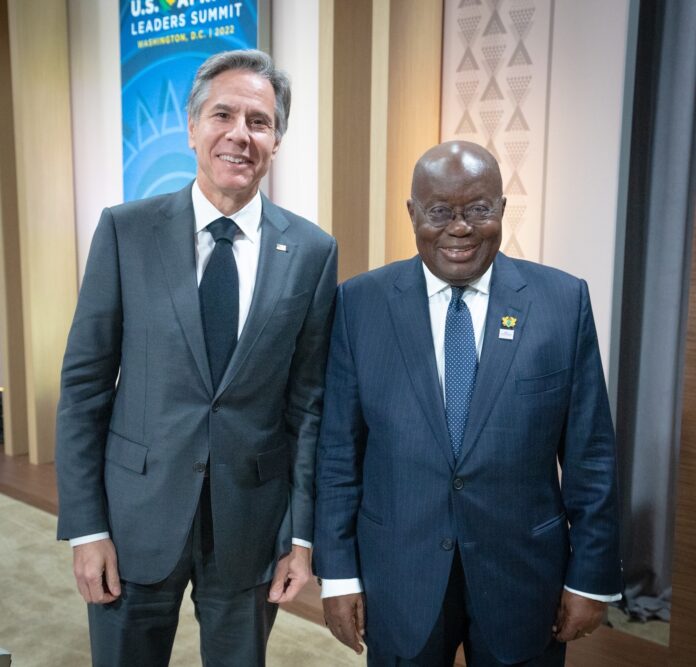
Akufo-Addo consults with Blinken, the US Secretary of State

0

On the fringes of the present US-Africa Leaders’ Summit in Washington, DC, President Nana Addo Dankwa Akufo-Addo met US Secretary of State Antony Blinken.

On December 14, the two got together to talk about their respective countries’ bilateral ties among other things.

The meeting went well, according to Secretary Blinken, who rated it “good.”

In a later tweet, he said, “I appreciate our strong US-Ghana relationship, particularly our work to support democracy, regional security, economic investment, and prosperity in West Africa, as well as our participation on the UN Security Council.”

President Akufo-Addo is in the US as part of African leaders invited by President Joe Biden for the Summit, which demonstrates the United States’ enduring commitment to Africa, and underscores the importance of the US relations with Africa.

Already, Ghana’s leader has held meetings with other government officials of the US.


Largest nursing strike in NHS history occurs in the UK.

0

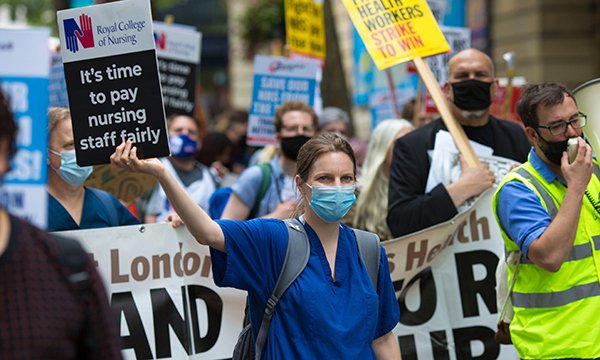
The largest strike in NHS history will begin at 08:00 on Thursday and involve nurses in England, Wales, and Northern Ireland.

The provision of “life-preserving” care will continue, as will some urgent care, but routine surgery and other planned treatments are likely to be interrupted.

After ministers declined to resume salary negotiations, the Royal College of Nursing claimed that staff had no choice but to accept the situation.

The RCN’s demand for a 19% wage increase was deemed unaffordable by the UK government.

Around a fourth of England’s hospitals and community teams, all of Northern Ireland’s health boards, and all but one of Wales’ health boards will be involved in the action. In Scotland, nurses are not on strike.

Under trade union laws, the RCN has to ensure life-preserving care continues during the 12-hour strike.

Chemotherapy and kidney dialysis should run as normal, along with intensive and critical care, children’s accident and emergency and hospital neonatal units, which look after newborn babies.

Beyond that, it will be up to NHS boards and trusts to negotiate services on a local level, with discussions likely to come down to the circumstances of some individual patients.

The biggest impact is likely to be in pre-booked treatment such as hernia repair, hip replacements or outpatient clinics.

The NHS has said it is “vital” people continue to come forward for emergency care during the strikes and anyone not contacted to reschedule an appointment should attend as planned.

The RCN balloted more than 300,000 nurses across individual NHS trusts and boards rather than in a single, national vote.

This means some nurses are not entitled to take industrial action, because the turnout in their local area was too low.

In England, the first round of strikes will go ahead in 51 of 219 hospitals, mental-health trusts and community services.

Strikes are also going ahead in all of Northern Ireland’s health boards and all but one in Wales, the Aneurin Bevan.

Most GP services will be unaffected, as nurses working directly for practices were not entitled to take part in the vote, but the strike will include district nurses working in people’s homes or community settings.

A second day of strike action will go ahead on 20 December, unless there is a breakthrough in talks.

More at BBC.com