Home Blog Page 460

Creditors’ assurances critical to securing $3bn IMF loan programme

0

Ghana needs assurances from its creditors and partners that it will meet its debt obligations to secure the approval of the Management and Executive Board of the International Monetary Fund (IMF) for the $3 billion loan-support programme.

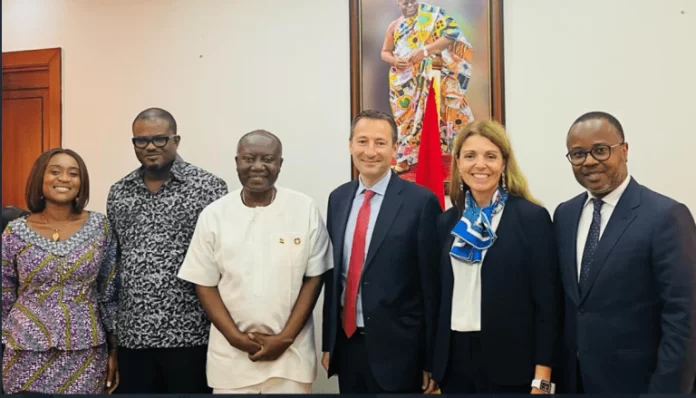
Mr Stéphane Roudet, the IMF Mission Chief for Ghana, said this at a press briefing in Accra after Ghana and the Fund reached a Staff-Level Agreement (SLA) on Tuesday, which is subject to the Management and Board’s approval.

The press briefing was jointly held by the Ministry of Finance, Bank of Ghana (BoG) and the IMF.

The loan support programme is aimed at restoring Ghana’s macroeconomic stability and debt sustainability to protect the vulnerable, preserve financial stability, and lay the foundation for strong and inclusive recovery and growth.

The $3bn, when secured, would be used to support the implementation of the Government’s three-year Enhanced Domestic Programme, restore macroeconomic confidence and alleviate the plight of Ghanaians amid the current economic hardship.

Mr Roudet said: “What is necessary for us to be able to present that programme request to the Board is assurances from Ghana’s partners and Ghana’s creditors that the program is fully financed.”

“So, as soon as we have assurances from creditors that is the case, when it’s sufficient for them to be made on that front, we will be able to present the programme to our Board,” he added.

He noted that the Ghanaian authorities have committed to a wide-ranging economic reform programmes, built on the Government’s Post-COVID-19 Programme for Economic Growth (PC-PEG), to help tackle the deep challenges facing the country.

The Mission Chief assured that the Fund would ensure that measures were put in place to strengthen public expenditure commitment controls, improve fiscal transparency including the reporting and monitoring of arrears.

Mr Roudet indicated that the Fund-support programme would help improve the management of public enterprises and tackle structural challenges in the energy and cocoa sectors to propel sustainable and inclusive growth.

Mr Ken Ofori-Atta, the Finance Minister, underscored the role of creditors in securing the loan and said: We can only get to the IMF Board if we get sufficient commitment from our creditors in support of the debt operation.”

He said the Government would leverage on the positive reaction of the announcement of reaching the Staff Level Agreement with the IMF, “to the very moment when the IMF Executive Board approves the programme request.”

Mr Ofori-Atta called for continued support by Ghanaians and all stakeholders to Government’s efforts to restore macroeconomic stability and promote robust and inclusive growth.

“Ghana stands ready to complete all Prior Actions before the end-March 2023 but more importantly, Ghana is committed to the IMF Programme as a whole,” the Finance Minister said.

Key deliverables of the programme include the preparation of the PC-PEG), a medium-term macroeconomic framework, Debt Sustainability Analysis (DSA) and Debt Management Strategy.

Others are reforms to address structural bottlenecks, improve competitiveness and promote efficiency and effectiveness, a memorandum of Economic and Financial Policies (MEFP), and an agreement on Prior Actions, which are expected to be completed before the Agreement goes to the Board.
Ending Gender-based Violence is a collective responsibility – NGO

0

Mr Salifu Issifu Kanton, Executive Director of Community Development Alliance (CDA) Ghana, has called for all hands to be on deck to help end the menace of Gender-Based Violence (GBV).

He advised children and young people to report people who perpetrated any act of abuse against them to their colleagues, parents, teachers, or the elderly to help curb the canker.

“If you are a schoolgirl, your class teacher is touching your breast or your buttocks; if you are a boy, your madam invites you to her office and asks you to remove her button or zip, speak it out, tell the schoolteacher, tell the head teacher, tell the proprietor and that is how we can stop it,” he explained.

Mr Kanton said this in Wa at the weekend during a panel discussion on the topic: “Unite Against Gender-Based Violence: Leave No Woman or Girl Behind” to climax the 16 Days of Activism against Gender-Based Violence.

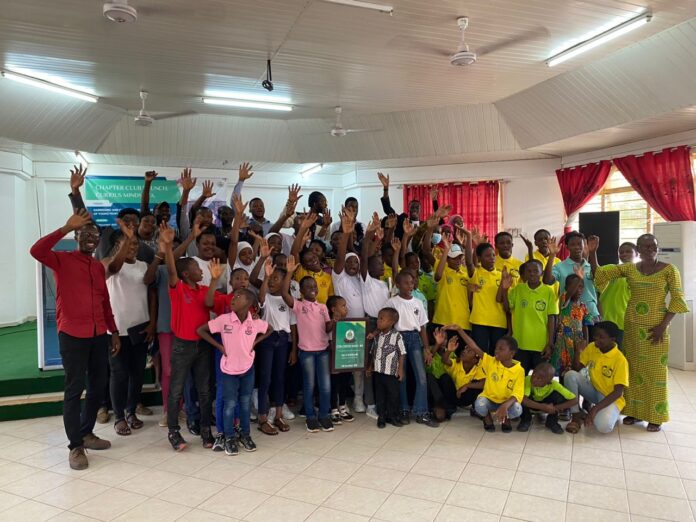
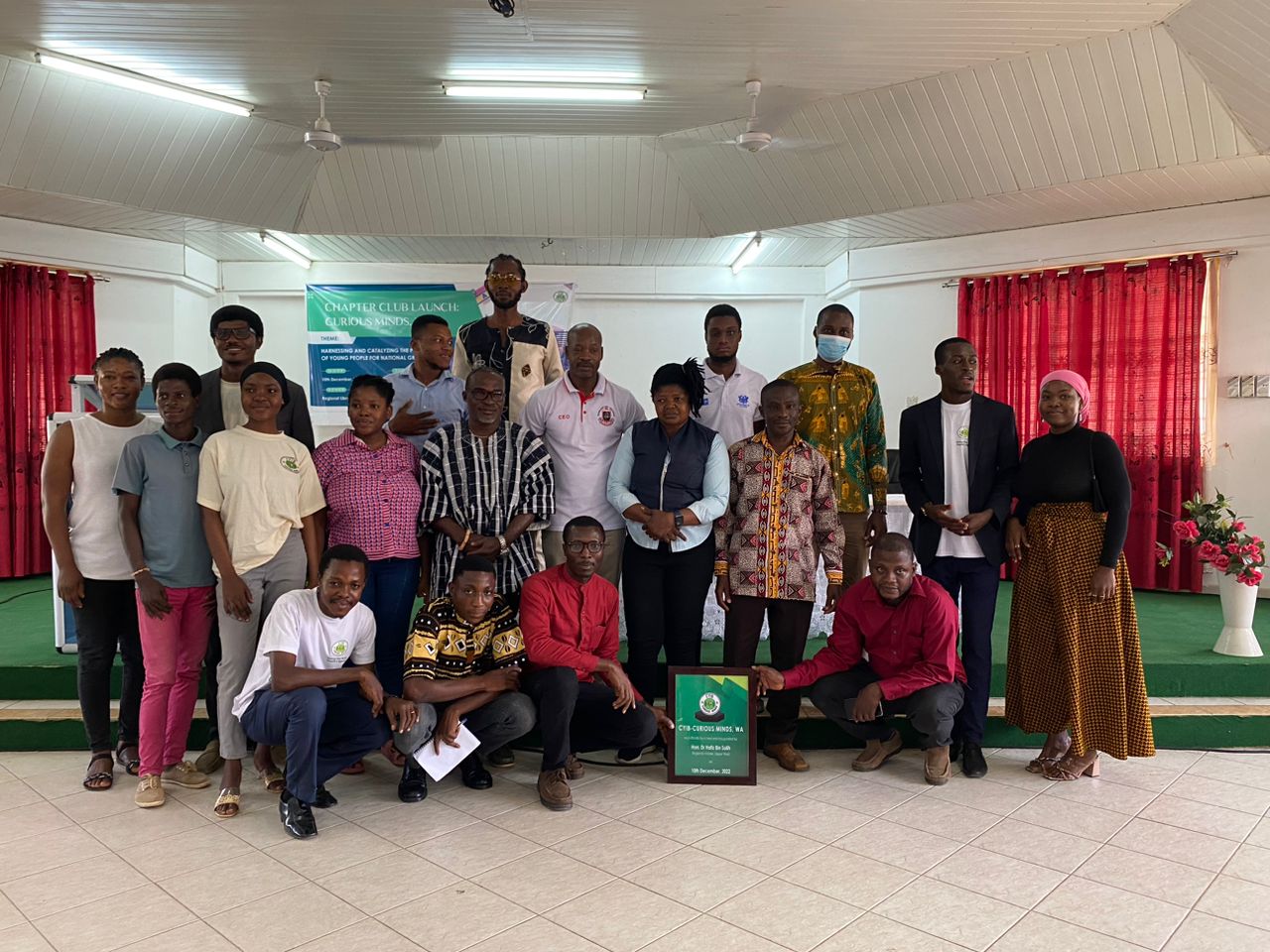
The event, organised by the Children and Youth in Broadcasting (CYIB)-Curious Minds, was also to launch the Wa chapter club of the CYIB-Curious Minds on the theme: “Harnessing and Catalyzing the Potentials of Young People for National Growth.”

The event was characterised by poetry and drama performances that spoke against GBV in all forms geared towards fighting the menace.

School children, stakeholders including representatives of the Department of Gender, Department of Children, and Department of Social Welfare, and youth groups among others attended the event.

“We are all part of it. Children can help address Gender-based Violence, the adults can do it, but the beginning point is, let’s talk about it. When we don’t talk about it, we can’t find a solution to it”, Mr Kanton explained.

Chief Inspector Madam Stella Niabi, the Station Officer of the Domestic Violence and Victim Support Unit (DOVVSU), Upper West Region, indicated that men also suffer GBV but were unwilling to report or speak about it due to the fear of social ridicule.

“Most men go through so much emotional and psychological abuse. The men are very quiet and are dying within. Some women take men through torture, “she said.

Madam Niabi noted that most men endure the abuses they suffered due to their ego and cited two reported cases of GBV against men, where in one incident a woman was sexually abusing the man, stressing the need for men to also speak out about abuses against them.

She also advised the children to defend and protect their bodily rights saying, “Each of you should be assertive when it comes to your body”.

Mr David Aburabura, the Deputy National Coordinator of CYIB-Curious Minds, noted that the organisation had chalked successes in producing resourceful personalities who were actively contributing to development both at the national and international levels.

He explained that the ability of the group to expand and engage more young people and children across the country would help curb the issue of young people engaging in social vices.

“We want to get more young people to join us in our advocacy to make sure that children’s rights are recognised and children are thrilled up to be able to demand their rights responsibly”, he explained.

Alhaji Dasaana Adamu, the Proprietor of Bomandi Preparatory School, who chaired the occasion, advised the young people and children to be confident in expressing their views and advocating their interests responsibly.

Mr Adamu, who was also a former Wa West District Chief Executive, called on parents to take the welfare of their children seriously to ensure they developed into responsible adults.

Waste segregation key to effective waste management – Environmental Advocate

0

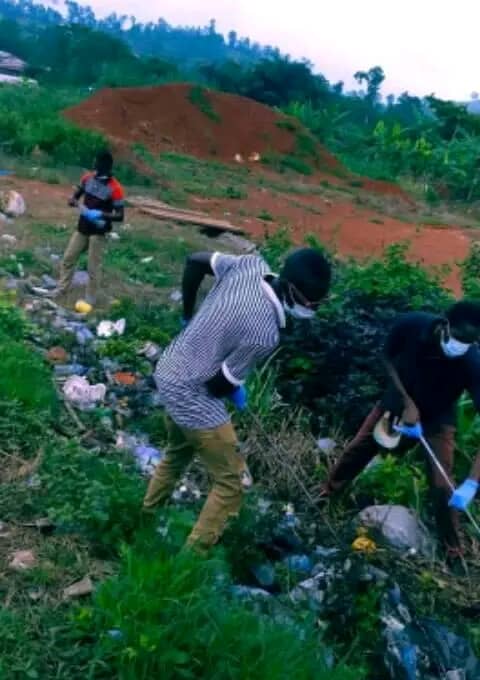
An Environmental Advocate and CEO of Free Nation Movement Ghana, Nana Nontwiri Opoku Castro, has called for the need for Ghana to encourage domestic waste segregation to address sanitation challenges in the country.

Speaking in an interview with the Ghana News Agency on sanitation challenges in Kasoa in the Awutu-Senya East Municipality, he noted that an aggressive approach was the way to go.

The Awutu-Senya East Municipality with its district capital at Kasoa and adjoining communities are bedevilled with sanitation issues mostly heaps of refuse on the streets and in market places.

He said, waste segregation was key in waste management as it would help to reduce communicable diseases and floods in the capital cities across the country.

He said, it was possible with intensive and consistent public education to encourage the populace to practice waste segregation.

Mr Nontwiri said segregated waste recycling plant could provide employment for the teeming youth and the government and other stakeholders must invest in that venture.

He stated that there were available melting machines for melting plastic wastes that government could purchase for recycling purposes to manufacture products or sell to companies to manufacture plastic products.

According to him, currently, the Chinese purchases the few collected plastics, melt and export to manufacture products.

He pointed out that encouraging waste segregation would also help avoid flood, create employment, improve agriculture and quality health.

Mr Nontwiri emphasized that aggressive approach was required to tackle sanitation in the municipality by committing resources including funding, transport, and a dumping site.

He said this would facilitate provision of waste bins, collection of domestic refuse and safe disposal, thereby, enhancing clean environment.

In addition, the assembly could effectively support an environmental taskforce to arrest individuals who dump domestic wastes on the streets and in the market places and punished to serve as a deterrent to others, he said.

He added that, Free Nation Movement Ghana, would be launching an initiative dubbed; “Operation Adiibekilwu” to wit “Someone will catch you” to undertake activities including collection of wastes and monitoring hotspot to arrest individuals who dump wastes in the streets and market places.

NAFAC 2022: Festival gets more exciting with simulations and more dances

0

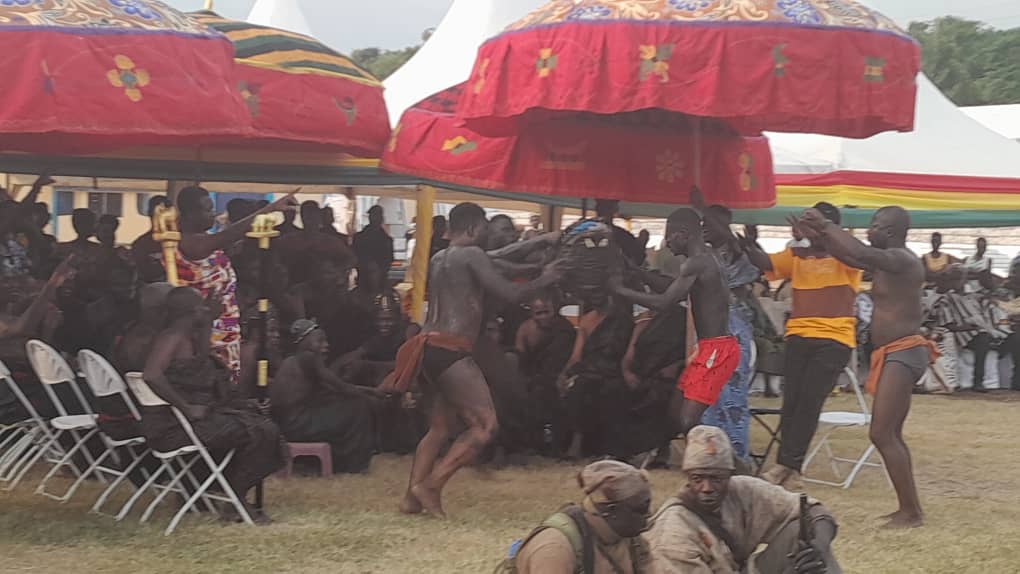
Creativity, surprises, ingenuity, and enthusiasm have been the real experience at the 2022 edition of the National Festival of Arts and Culture (NAFAC) currently taking place in Cape Coast.

Consequently, there is no end in sight for the entertainment and excitement characterising the biennial festival, which is expected to end on Friday, December 16, 2022.

Word on the street after the spectacular performances by the Western, Oti and Upper East Regions last Sunday was that “it may not get higher than this.”

The Western North, Northern, Volta and Bono East Regions raised the bar several feet higher on Monday afternoon through to the evening, with series of sensational festival simulations and indigenous dances when they took their turns at the national event.

The various troops turned many heads and kept the audience at the edge of their seats as these regions displayed their cherished cultures.

It was all applause and cheers until the last performance of the day which the audience wished never ended.

The Modest Dance Group from Sefwi Chirano in the Western North Region set the ball rolling with the “Dansuom” cultural dance in their predominantly yellow, black, and white multi-coloured outfits.

The performance featured all groups of ages including children as young as five years and the aged who danced to amazing sounds of drumming and singing.

Alongside the display, a story was told of a hunter who discovered monkeys playing melodious music with a calabash capsized in water in the 1960s.

The hunter sent the idea home when he fetched water into a basin and capsized a calabash in it.

He then beat the calabash with his hands to produce a melodious sound which was later developed into a traditional rhythm and dance of the Sefwi people known as “Dansuom.”

The euphoria at the Adisadel School Park grew even stronger when the Yamgari Naa Yili Cultural Troupe, the resident troop for Northern Regional Centre for National Culture (CNC) took their turn.

Draped in the traditional fugu outfit, the all-men group turned, twisted, struck metallic rods and shook hands as they did the Takai dance with drumming and singing.

At this point, Mion Sabaa Naa Inusah Amidu who could not contain his excitement was forced out of his seat by the inspiring performance to demonstrate his dancing skills amid cheers from the Ministers of State and the audience gathered.

The Takai dance is a royal dance which promotes unity.

The troupe returned later with a second dance, ‘Jera,’ a thanksgiving dance usually to celebrate bumper harvest.

The name of the troop, “Yamgari Naa” translates as “wiser than the king” and they can perform nearly every traditional dance in Ghana.

As a model group, they train many institutions including schools and have visited several countries across the world to perform.

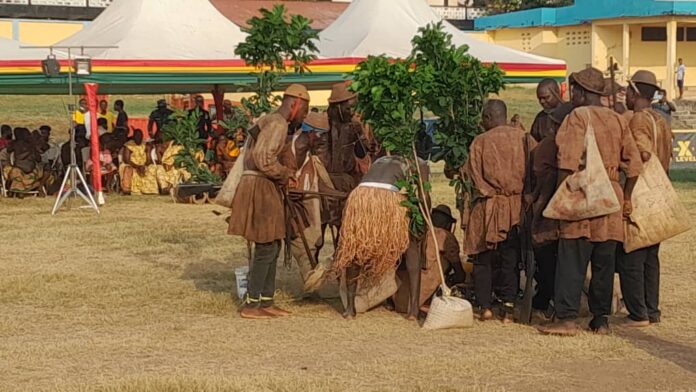
Before long, the Volta Region followed with a sensational display of the Adevu (hunting drum), a hunters’ dance by the Lume Adevu Troupe, from Lume, in the Ho Municipality.

With fantastic props – buckets and sacks with planted trees for forest, a plastic cheetah for wild animal, and muskets for guns, the hunters served a dramatic simulation.

Adevu is performed to celebrate and hail the bravery of hunters who use supernatural powers to kill wild animals that go into the community to harm women and children.

Dziedzorm New Generation Borborbor Group from the region also came to fan the flames with another thrilling display.

Borborbor is a recreational dance that is performed mainly for entertainment but in recent times, it is performed at funerals to assuage the pain of the bereaved.

Almost as if the best was saved for the last, an incredible simulation of Nkoranza Sessiman’s Fokuo Festival by the Bono East CNC resident group, ‘Bonokyempem Agofomma’  took the euphoria to another level.

The energy-filled drama which used fantastic props to aptly mimic the actual festival and tell a vivid story, received cheers and applause at every move of muscle by the group.

The festival is celebrated annually in the month of February by the chiefs and people of Nkoranza Sessiman in the Nkoranza Traditional Area to remember and honour the “Ntoa god” in Sessiman for its supportive role in their war of conquest.

It also signifies the strength and unity of the people of Nkoranza to fight for a common goal.

The Bonokyempem Agofomma aims to preserve and promote the Akan culture in the Bono Region.

NAFAC, Ghana’s biggest cultural festival is celebrated every two years on rotational basis to provide a platform to showcase the diversity and richness in the country’s ethnic and regional cultures to stimulate peace and unity.

This year’s celebration, which also marks the 60th anniversary of the festival is on the theme: “Reviving Patriotism, Peace and Unity through Cultural Diversity for Sustainable Development.”

President Nana Addo Dankwa Akufo-Addo opened the festival last Saturday.

Later, on Tuesday, the Upper West, Ahafo, Eastern and North East regions will take their turns to project their rich cultural heritage.

IMF, government to release parameters of deal struck at staff level

0

The International Monetary Fund (IMF) will today, Tuesday, December 13, announce the terms of a staff-level agreement reached with the government of Ghana, 3news.com has gathered.

As a result, the Fund will hold a joint press conference at 10:00am with the Ministry of Finance and the Bank of Ghana.

The sector minister, Ken Ofori-Atta, and the Bank’s Governor, Dr Ernest Addison, are expected to be in attendance.

The agreement follows months of negotiations between an IMF Mission and government officials as Ghana seeks to have an enhanced domestic programme (EDP).

An IMF staff team led by Carlo Sdralevich was in Ghana from Wednesday, July 6-13 after the country wrote to the Fund on Friday, July 1 to seek a bailout due to the worsening economic conditions.

The IMF staff team met with a number of stakeholders including Parliament’s Finance Committee, the Trades Union Congress, the private sector, civil society organizations, representatives from various government agencies, and development partners.

Later an IMF Mission led by Stéphane Roudet came by to gather data aimed at “restoring macroeconomic stability and laying the foundation for stronger and more inclusive growth”.

The press conference on Tuesday, December 13 is expected to lay bare the terms of the staff-level agreement reached.

Ghana is seeking a $3 billion deal from the IMF.


TUC reiterates its one-week ultimatum to government to exempt pension funds from Debt Exchange Programme

0

The Trade Union Congress (TUC), has reiterated its intention to advice itself if government fails to announce within a week the exemption of pension funds from the Debt Exchange programme.

Speaking at a press conference on Monday, December 12, 2022, Dr Yaw Baah, Secretary General, Trade Union Congress, said government should publicly announce that all pension funds, including Social Security and National Insurance Trust (SSNIT), were exempted from the Debt Exchange Programme.

He said the programme will negatively affect pension funds of the congress and its affiliate members and, consequently, their retirement income security.

“If government refuses to accede to our demand to exempt pension funds from the Debt Exchange Programme after the one-week ultimatum, all workers should be ready to participate fully in any industrial action to protect our pension funds.

“Workers will no longer bear the consequences of any IMF-inspired programmes, government is responsible for all the consequences of its decisions, including the decision to seek IMF bailout,” he added.

He bemoaned government’s lack of prior engagement with Labour given that substantial portion of workers’ pension was invested in government bonds.

“We have taken special note of the statement by the Minister of Finance that the Debt Exchange Programme is voluntary. We promised our members that we will scrupulously analyse the propriety or otherwise of the participation of our pension funds in the Debt Exchange Programme,” he added.

Dr Baah said the various IMF-inspired measures given by the Government to deal with the economic and financial crisis had some inappropriate solutions.

Government announced increment in taxes from January 2023, of which Value Added Tax (VAT) rate will go up by 2.5 per cent, the maximum personal income tax margin will be raised from 30 to 35 per cent and the E-Levy threshold will be removed.

These taxes will obviously hurt poor people and workers on fixed and low incomes because, as usual, businesses will pass on their share of the additional tax burden onto consumers, he said.

He opposed these tax measures and challenged government to use other measures to mobilize revenue, including plugging the leakages in the tax system, improving efficiency in tax collection, and dealing decisively with the serial infractions in Auditor-General’s reports.

He advised that a substantial reduction of ministries and ministerial portfolios would help save more revenue for the Government.

“The employment freeze in the public sector will be adding to the pain of Ghanaians, especially young graduates struggling to secure employment. What is the point of free SHS if graduates cannot secure jobs?,” he said.

He said the value of the Cost-Of-Living-Allowance (COLA) granted in July 2022 had been completely wiped out, workers on the Single Spine Salary Structure (SSSS) are receiving the lowest salaries in the public sector.

A substantial increase in salaries for workers, especially those on the Single Spine Salary Structure who are providing important public services such as health, education, security, and other public services for the country must be done.


Earth Tremor: NADMO calls on citizens to remain calm

0

The National Disaster Management Organization (NADMO), has called on all citizens to remain calm and continue with their daily activities as parts of Accra, Kasoa and its environs experienced earth tremor in the morning around 1155 Hours on Monday, December 12, 2022.

A statement signed by Mr Eric Nana-Prempeh, Director General for NADMO and copied to the Ghana news Agency said, NADMO was working closely with the Ghana Geological Survey Authority (GGSA) to obtain the exact details of tremor including the magnitude and epicenters.

It said the tremors were not damaging and there is no reported destruction of lives and property.

“NADMO calls on all citizens to remain calm. They are encouraged to go about their normal duties”, it said.

It added that homeowners in affected areas are encouraged to inspect their buildings for possible cracks and seek technical advice from engineers and other building Experts.

“Although information sharing is important, let’s be mindful of the kind of information we absorb on social media to be safe and go about our duties without fear or needless panics,” it added.


COVID-19: Tackling misinformation and hesitancy through vaccination campaign

0

For some Ghanaians, walking voluntarily to a COVID-19 vaccination centre may be a waste of time as they need more hours to work and feed their families.

The many misconceptions about the vaccine even reduces their willingness to get a jab and over the period some Ghanaian have been compelled to get vaccinated for travelling purposes.

While many have lingering concerns about COVID-19 Vaccines, data proves that it is both effective and safe, and health experts say vaccination is now the mainstay of COVID-19 prevention.

Ghana was the first country in the world to receive COVID-19 vaccines from the COVAX Facility, and started COVID-19 vaccination on March 1, 2021, for selected members of the public after which it was rolled out to all persons 18 years and above and then later to persons 15 years and above.

The vaccination drive started with a target of vaccinating 20 million people by July 2022, but as of August 10, 2022, about 19.8 million doses of COVID-19 vaccine mostly AstraZeneca had been administered.

To increase vaccination uptake, the Ghana Health Service (GHS) and its partners declared December 2021 as a month of COVID-19 vaccination across the nation for all persons 18 years and above including lactating mothers.

By the end of December 2021, a total of 2.9 million doses of the COVID-19 vaccines were administered, vaccine uptake later dropped to 1.6 million in January 2022.

The Ministry of Health (MOH) and the Ghana Health Service in efforts to reach more persons with the vaccine launched the 1st National COVI In efforts to reach more persons with the vaccine, the Ministry of Health (MOH) and the Ghana Health Service D-19 Vaccination Campaign Days (NVDs) in February 2022, where 2.5 million doses of vaccines were deployed within five to seven days.

During the National Vaccination Days, vaccines are taken closer to the people in their communities, the campaign makes it possible for vaccinators to go to the market centres, schools, churches, and mosque to administer jabs to the public.

Dr Patrick Kuma Aboagye, Director General of the GHS, said the second, third and fourth series of the national vaccination campaign days have yielded positive results, moving the total number of doses administered from 13.8 million doses as of the end of April 2022 to 21 million doses at the end of November 2022.

“During the last four NVD campaign series, the dynamics of vaccine distribution and level of vaccination became positively correlated with total vaccine receipts; as vaccine receipt quantities increased, vaccine distribution and level of vaccinations increased commensurately.”

Currently, over 12 million people in Ghana have received at least a dose of the COVID -19 vaccine with over 9 million fully immunized.

The Director General said the end is far from sight since the disease is unpredictable and a larger proportion of the vaccine-eligible population remains unvaccinated.

Dr Kwame Amponsa-Achiano, Programme Manager, Expanded Programme on Immunization, GHS, says National COVID-19 Vaccination Days campaigns has worked as an effective strategy for improving COVID-19 vaccination coverage within a short time

‘The National COVID-19 Vaccination Campaigns have shown to be an additional key strategy that gets a lot of persons vaccinated within a short time, four of such campaigns have been completed with impressive results,” he said.

He emphasised that COVID-19 vaccines can and do protect most people from hospitalization and death, which is why as many doses need to be administered around the world as rapidly, and equitably, as possible.

Dr Amponsa-Achiano said misinformation, disinformation and pockets of hesitancy have been a major challenge in getting more persons vaccinated especially in the Southern parts of the country.

To tackle misinformation about the COVID-19 vaccine, he said the GHS deploys health promotion officers to all districts across the country to engage eligible persons on the efficiency and safety of the vaccine three days ahead of the campaign.

Article 25 on the UN Convention on Human Rights states that; “Everyone has the right to a standard of living adequate for the health and well-being of himself and of his family, including food, clothing, housing and medical care and necessary social services……., hence, the right on every Ghanaian to receive adequate information on the safety of the vaccine to allow them to take a bold decision to get vaccinated.

Dr Francis Kasolo, the World Health Organisation (WHO) representative to Ghana said the COVID-19 pandemic continues to wreak havoc on healthcare systems and economies globally and Ghana needs to strengthen its transmission initiatives through vaccination.

“Ghana has fully vaccinated about 30 per cent of the population, although global vaccine supply has improved addressing issues of vaccine equity still persist and attaining 70 per cent coverage of the population in Ghana is no mean task and requires concerted efforts among stakeholders,” he said.

Dr Kasolo urged the media to use its platform to channel out accurate information to address myths and misconceptions about the COVID-19 vaccination.

“It is the primary responsibility of health workers to educate themselves and discuss the need for a vaccine with patient, build trust with the patient and your peers and motivate them to accept the vaccine,” he said.

He stressed the need for the government and stakeholders to use all available resources to address the risk factors of vaccine hesitancy.

The WHO rep said Ghana needs to actively engage and provide resources to community organizations to create awareness about the safety of the vaccine within their communities and encourage citizens to receive the vaccine in confidence.

“These interventions need to be adequately resourced and evaluated at the first step towards closing the gap in achieving broader vaccination for older children and adults,” he said.

Dr Kasolo said as Ghana considers transitioning COVID -19 vaccination from campaigns to routine vaccination, closing the coverage gap due to hesitancy will make the transition more impactful.

Ghana has since March 2021, received over 34 million doses of varied COVID-19 vaccines, of which 30 million doses have been distributed.

As of December 4, 2022, over 21 million doses have been administered, and about 9 million persons have been fully vaccinated with about 12 million persons, receiving at least a first dose.


COVID-19: Inspiring medical innovations in Ghana

0

In February 2021, almost a year after Ghana recorded its first cases of the Coronavirus pandemic, some hospitals begun to report lack of adequate ventilators and a shortage of oxygen to attend to patients.

The Intensive Care Unit (ICU) of the Greater Accra Regional Hospital, Ridge, for instance was reported to have run out of oxygen and called on donors to provide them with ventilators.

This was a result of the increasing number of critical care and severe cases of COVID-19 reporting at the Facility.

Dr Emmanuel Ahiable, the COVID-19 Case Management Lead at the Hospital, told the Ghana News Agency (GNA) in an Interview as part of the Journalists for Human Rights Project on “Mobilizing the Media in Fighting COVID-19” that critical care beds at the ICU was occupied since January 08, 2021, with high demand for oxygen.

Consequently, the ICU was said to be in urgent need of higher volumes of oxygen as each patient at the ICU required 15 liters of oxygen per minute, with patients staying on oxygen for at least two weeks.

Dr Ahiable said the situation was alarming in the beginning of 2021 because most cases referred to the facility were in critical condition.

He said after January 8, the unit expanded its eight-bed facility to 16, as it received more referrals from across the Greater Accra Region.

He said 20 out of the number recovered and discharged at the time were made up of 11 males, six females and a five-year-old boy died while 13 are still on admission.

Dr Ahiable said the spike in severe cases was worrying because more pregnant women were being brought to the ICU in critical conditions.

“Last month alone, we recorded seven cases involving pregnant women, one of them died hereafter delivering a 32 week old baby by herself,” he said.

Dr Ahiable said the Unit, therefore, urgently needed ventilators (Halminton C1) because patients who needed high volumes of oxygen recovered quickly on ventilators.

He noted that the Unit was also running out of COVID-19 test kits with more people walking in to get tested.

Dr Ahiable, therefore, appealed to government and private institutions to support the Facility in the fight against the pandemic by donating ventilators and oxygen to the unit.

A ventilator is a device that supports or recreates the process of breathing by pumping air into the lungs.

Sometimes, people refer to it as a vent or breathing machine.

Doctors use ventilators when a person cannot breathe adequately on their own because they are undergoing general anesthesia or have an illness that affects their breathing.

There are different types of ventilators, and each provides varying levels of support, the type a doctor uses will depend on a person’s condition.

Ventilators play an important role in saving lives, in both hospitals and ambulances.

At a medical fair held in Accra on December 5, 2022, the Academic City University College supported by iSTEAM Academy Limited and the Deutsche Gesellschaft für Internationale Zusammenarbeit (GIZ) GmbH, announced the development of a local ventilator in Ghana.

The development of the ventilator was funded by the German Federal Ministry of Economic Cooperation and Development.

The fair was on the theme: “Building Local Capacity in Medical Technology,” and provided a platform for the exhibition of products and services offered by the healthcare industry while highlighting Ghana’s innovation in medical technology.

Prof. Fred McBagonluri, Founding President of Academic City University College and Co-Founder of iSTEAM, said ventilators became an essential commodity when the COVID-19 pandemic ravaged the world.

“Ventilators became an essential commodity that saved many lives. Unfortunately, Ghana did not have enough of these lifesavers because, while some were available, they were prohibitively expensive,” he said.

Prof McBagonluri said the situation necessitated him to collaborate with GIZ and to secure funding to develop a low-cost ventilator in Ghana.

“The plan was for Ghana and Africa to develop their own version of low-cost ventilators tailored to its terrain, using off-the-shelf and locally available material under a project dubbed Locovent4Africa,” he said.

The project, he said, aims to develop, manufacture, and distribute low-cost ventilators using locally available and off-the-shelf materials in developing countries to assist healthcare professionals in treating patients suffering from acute respiratory diseases because of COVID-19 as well as other respiratory infections.

Prof McBagonluri said iSTEAM, an innovative STEAM-based education enterprise undertook the task to establish local production capabilities for the low-cost, locally adaptive, and non-invasive medical ventilator to serve, treat and save patients’ lives.

The COVID-19 pandemic despite its effects on the global economy and health system has ignited the need to produce local medical devices in Africa for Africa and Ghana is leading the way.

TUC’s Joshua Ansah incites workers against leaders over the debt exchange in “Show Madness.”

0

A handful of employees have been urged by the Deputy Secretary General of the Ghana Trades Union Congress (TUC) to rise up and fight for what is rightfully theirs.

According to Joshua Ansah, the political elites of the nation will take the workers for granted if they do not exhibit some sort of “madness.”

On Monday, December 5, he addressed members of the Ghana Mine Workers Union in a rally regarding the Debt Exchange Program implemented by the Finance Minister, Ken Ofori-Atta.

To loud cheers and applause from the many workers, he declared, “I want to inject the spirit of madness in all of you.”

“I am telling you because for six years now in your regular National Executive Council meetings, if you take the speeches by your General Secretary, you can see the things he has highlighted on, how many of them have materialised?

“Because they see us to be too gentle. They see Ghanaian workers to be people who can be cheated.”

Mr Ansah said it will be unacceptable for government to take 35 percent of investments in the name of the Debt Exchange Programme.

“Are we going to sit down for this to happen in this country? 35% payee, how much is the salary and you take the 35, how much will remain for you to take care of your family? Are you going to sit down for your pension to be hair cut? It should never happen,” he stressed.

He said if there should be any haircut, the president and his ministers’ hairs must rather be cut first.

“Why can’t the government reduce his ministers and save cost?”

Already, some labour unions have served notice they will not allow the Programme to affect their investments.