Home Blog Page 475

COVID-19 Fund raises GHS 62.33 million as of August 2022

0

The COVID-19 National Trust Fund has raised GH¢62.33 million as of August 2022.

A total of GH¢57.2 million out of the amount has been disbursed to support various projects, programmes, activities and for administrative purposes.

Dr William Collins Asare, the Administrator of the Trust Fund, made this known at the opening of the 1st Oku Ampofo Memorial conference on medicinal plants research organised by the Center for Plant Medicine Research in Accra.

The three-day conference is on the theme: “Medicinal Plant Research: Innovation and Prospects in a Pandemic Era”, and seeks to give the Center the opportunity to showcase preliminary results from on-going research project on the development of herbal products against COVID-19 with support from the COVID-19 National Trust Fund.

The Administrator said since the inception of the Fund in April 2020, a cumulative amount of GH¢22 million had been spent on various interventions.

The GHS22 million, he said, was used for the purchase and distribution of Personal Protective Equipment (PPE).

These are nose masks, thermometer guns, face shields, cover ups, overalls, Veronica buckets, disposal bed sheets, and disposable gloves.

The rest are hand/surface sanitisers, liquid soaps, tissue paper and other medical items, which have been distributed to about 150 hospitals, medical facilities, care management centers, COVID-19 Isolation Centres, small health centers, CHPS Compounds, and Schools in all the 16 regions.

Dr Asare said the Trust Fund had also supported various institutions such as the Noguchi Memorial Institute for Medical Research, the Veterinary Directorate of the Ministry of Food and Agriculture Laboratory, and the Ghana Health Service, with the cumulative amount of GH¢7,555,082.00 to contribute to their COVID-19 testing activities.

“The COVID-19 National Trust Fund has also disbursed a cumulative amount of GH¢8,316,000.55 to support the construction of projects at various medical facilities, including the support for the construction of the National Infectious Diseases Centre at the Ga East Municipality in Accra, which was commissioned in July 2020.

“The support for the rehabilitation and equipping of a COVID-19 Isolation Centre at the Pantang Hospital, which was commissioned in September 2021, the support for the rehabilitation and equipping of the Cape Coast Teaching Hospital COVID-19 Treatment Centre, which is currently on-going.

“This includes the support for the laying of a pipeline to connect the Greater Accra Regional Hospital’s Oxygen Plant to the COVID-19 Intensive Care Unit at the hospital, which was commissioned in July 2021,” he stated.

Dr Asare said the COVID-19 National Trust Fund partnered various public and private organisations, including the National Commission for Civic Education (NCCE), and the National Commission on Culture (NCC).

The Fund also supported the National Road Safety Authority (NRSA), InGenius Africa (a private content development/production house), Ebeye Yie Foundation, and many more, to create awareness and educate the public on Corona virus and how to  combat the pandemic.

He said the Trust Fund had spent a cumulative amount of about GH¢4,852,554.00 to promote effective information dissemination on the need for the continuous adherence to the prevention and safety protocols of the pandemic and for all eligible Ghanaians to get vaccinated against the virus.

The Administrator noted that a cumulative amount of GH¢4,995,375.92 had so far been provided by the Fund to research and innovation institutions in the quest to promote research and innovation on various aspects of the COVID-19 pandemic.

They are the Kumasi Centre for Collaborative Research in Tropical Medicine (KCCR), Noguchi Memorial Institute for Medical Research (NMIMR), and the Centre for Plant Medicine Research (CPMR) Mampong Akuapem.

Dr Asare stated that about 7,927 identified needy and vulnerable persons across the country affected by the COVID-19 pandemic were supported with GHC500.00 each, all constituting a total of GH¢3,964,500.00.

He said food items, including bags of rice, pasta, Indomie, tinned foods, and different types of drinks were distributed to children’s Homes, Orphanages, Children Hospitals, Aged Groups under the umbrella of HELPAGE Ghana.

Other needy persons were also given those items, especially during the lockdown period in Greater Accra, Kasoa, Greater Kumasi and its environs.

The Administrator appealed to the public and corporate bodies to continue to make contributions in cash and in kind to the Trust Fund because numerous requests for support kept coming.
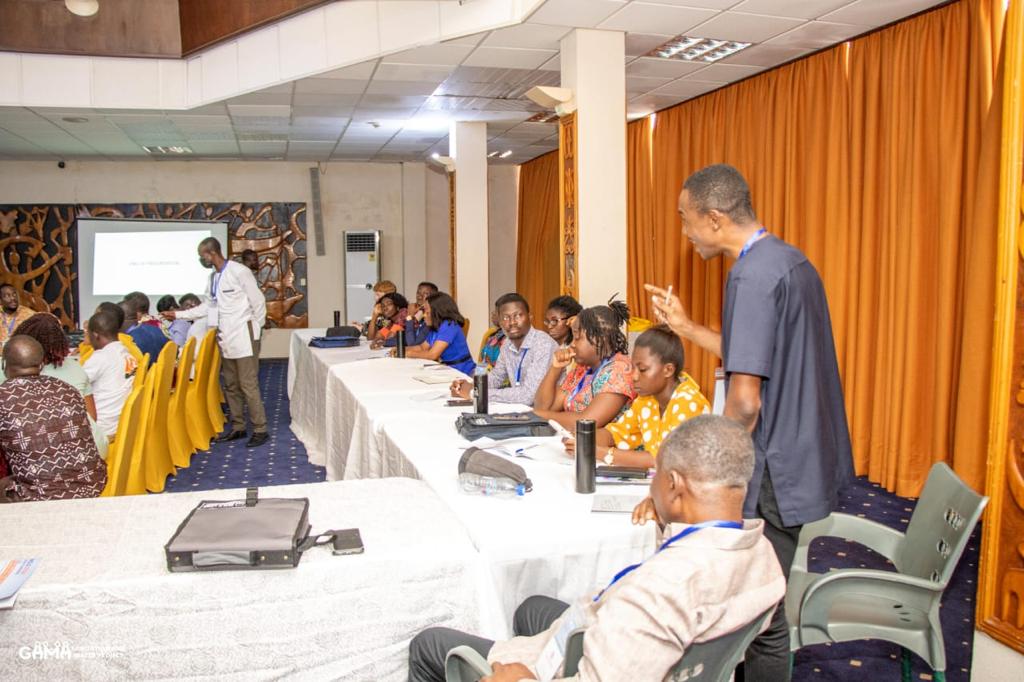
Let’s tackle drainage, solid waste and sanitation management together – GAMA

0

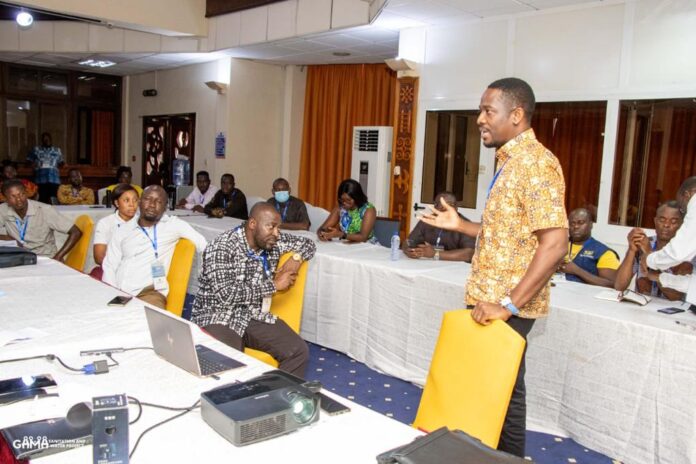
An integrated master plan to tackle issues of drainage, solid waste and sanitation management is key to bridging service delivery gaps.

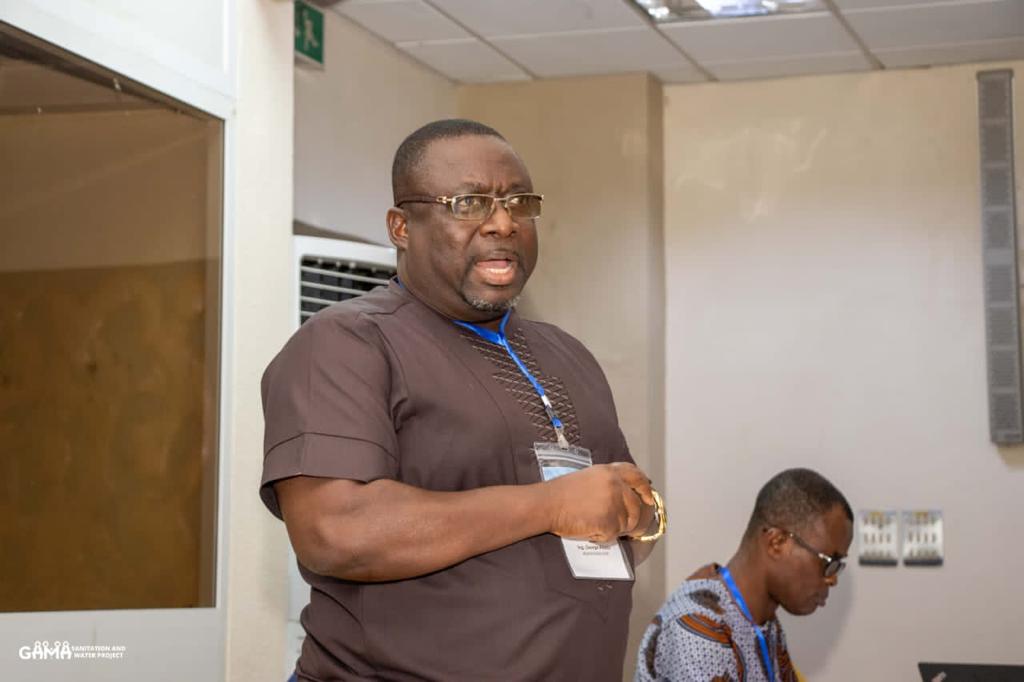
Mr George Asiedu, the Greater Accra Metropolitan Area Sanitation and Water Project (GAMA/SWP) Coordinator, said sanitation issues were related, hence the need for collaboration to resolve them.

“We realise that the problems are related, we have drainage problem causing flooding in the country and we have poor solid waste management, poor sanitation issues, with challenges to access to toilet and management of faecal matter,” he said.

“So, all these combined is a bigger challenge and whilst you focus on dealing with solid waste management, you realise either your drains are chocked… or you have the drains, yet they do not function because they have been used as receptacles for solid waste.”

He noted that the high incident of sanitation related sicknesses was because some people had connected their septic tanks into drains.

Mr Asiedu was sharing thoughts with the media on the topic: “Unresolved Challenges with Promoting Household Toilets in Low Income Communities in Ghana” at the on-going 33rd Annual MOLE Water Sanitation and Hygiene (WASH) Conference in Elmina.

It is on the theme: “Ghana’s Commitment To Water, Sanitation and Hygiene (WASH): Connecting Systems to Bridge Service Delivery Gaps,” being organised by the Ghana Coalition of Non-Governmental Organisations (NGOs) in the Water and Sanitation sector.

“If you take a particular location, you must look at all the components together, providing drainage alone is not enough because there can be a problem upstream and the collection of solid waste into the drains is possible, the drain will seize to function, yet a lot of money have been pumped into it,” Mr Asiedu said.

The GAMA SWP is World Bank grant of 150 million US dollars to support the Government’s effort to increase access to improved sanitation and water supply, with emphasis on low-income communities in the Area and to strengthen the management of the environment.

It has instituted an integrated plan to serve as a guide to industry players working towards improving water and sanitation.

The project has four components; provision of environmental sanitation and water supply services to priority low-income areas; improvement and expansion of the water distribution network, planning, improvement and expansion of GAMA-wide environmental sanitation services and institutional strengthening of municipal, metropolitan and national institutions.

It is intended to create a common space where policymakers, practitioners and researchers would gather to give account on the state of Ghana’s WASH Delivery systems through the review of available evidence.

It is also to review Ghana’s Commitment towards universal access to sustainable WASH services, approaches and models, and connecting the systems to bridge service delivery gaps.

USAID trains stakeholders to be COVID-19 vaccine myth busters

0

As part of efforts to tackle hesitancy and demystify perception about COVID-19 vaccines, a training workshop has been held for key stakeholders to become “myth busters” in the Western Region. 

The workshop, organised by the United States Agency for International Development (USAID) through its Care Continuum Project, was to encourage more people to get vaccinated as a safeguard against the COVID-19. 

It was held in collaboration with JSI Research and Training Institute, the Ghana Health Service, through the Global VAX project to enhance the vaccination efforts. 

Influential community members including leaders of youth groups, faith-based institutions, teachers, traditional authorities and artisans were selected for the training and equipped with skills to debunk misinformation and disinformation on the COVID-19 vaccines. 

They are to mobilise people, aged 15 years and above, pregnant women, people living with HIV, people with disability, and migrant population, among others, to access COVID-19 vaccines in the Western, Western-North and Ahafo regions and accelerate the delivery of more than three million COVID-19 vaccinations in these regions. 

Mr Richard Adupong, the Communication Advisor of USAID Care Continuum Projects JSI, said Ghana was at a significant turning point in its vaccination campaign with vaccine availability significantly ramping up with roughly 13.5 million vaccine doses received between December 2021 and early February 2022. 

He said as of February 18, 2022 Ghana had received more than 27.4 million COVID-19 vaccines with 19.3 million doses deployed. 

Information on COVID-19 vaccination safety from the Ghana Health Service and the World Health Organisation revealed that the vaccines were safe, free and accessible throughout the country, he said. 

Mr Daniel Bomfeh, the Western Regional Health Promotional Officer, who gave an update on the COVID-19 in the region, said it had recorded 8,785 positive cases from April 2020 to date with 8,702 cases discharged and 75 deaths as of October 2020. 

Active cases are now eight in four districts; Tarkwa, Ellembelle, Wassa-East, and Amenfi-East. 

Mr Bomfeh said the cases had reduced, but the disease was still 

prevalent, hence the health immunity campaign to get more people vaccinated. 

He said only 30.6 per cent of the population in the region had been vaccinated and advised the people to continue to adhere to the COVID-19 preventive protocols. 

Mr Bomfeh said the training would equip stakeholders with skills to handle rumours, risk communication, and advocacy to convince the populace to go for the vaccine. 

He charged the COVID-19 Myth Busters to ensure that effective risk communication resulted in effective response to public health disease outbreak. 

DAS Foundation organises breast cancer screening for Nii Boi Town community

0

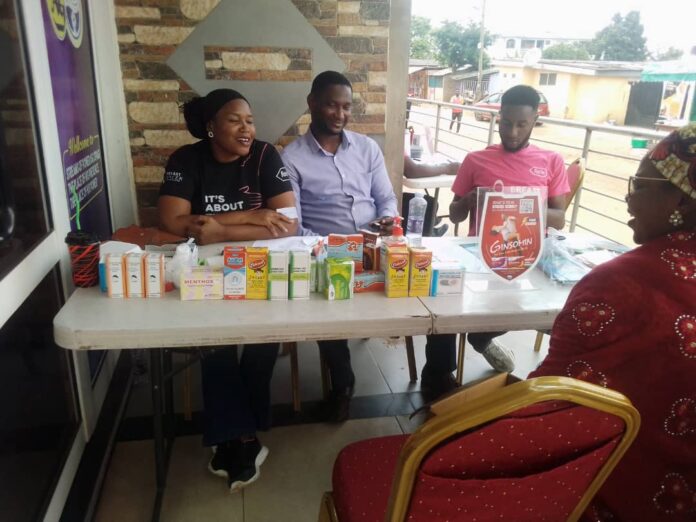
The Digni Awadzi Smith (DAS) Foundation has screened women at Nii Boi Town High Tension near Abeka Lapaz in the Greater Accra Region as part of its contribution towards the Breast Cancer Awareness Month (October).

Globally, October has been earmarked as “Pink October” to create awareness on breast cancer, educate and screen the populace, especially women, to help prevent the disease.

The Foundation, in collaboration with Health Belt Foundation, made up health professionals, screened hundreds of women to detect anomalies for early treatment.

Pastor Digni Awadzi Smith, the Founder of DAS, said he initiated the screening for women in the area to provide healthcare to those unable to go for regular check-ups.

They were also screened on Hypertension, Blood Pressure (BP) and Blood Sugar to support the health needs of the poor and needy in the community and asked to regularly exercise to keep fit.

Pastor Smith, who doubles as Head Pastor of Streams of Power Assemblies of God Church, said preaching only the Gospel was not enough because the physical needs of the people must be catered for.

The Foundation was an outreach ministry that seeks to support rural and peri urban areas to promote their well-being and to ease the burden on the vulnerable.

He urged religious bodies to extend help to the poor and needy in society apart from preaching the gospel to show them love.

The Founder and Director of Health Belt Foundation, Madam Rabiatu Mahmoud Wattigi, said commemorating the month required screening exercises for early detection and treatment.

The exercise had created awareness for women about breast cancer and the need to do self-examination regularly, she said, adding that all irregularities detected had been forwarded to the Korle Bu Teaching Hospital for action.

She said though the “Pink October” had ended the exercise would continue with rigorous advocacy to ensure that women got screened and sought treatment at the hospital.

Most of the times cases reported to the hospitals were in the advanced stages, which made treatment difficult and that was what the advocacy intended to prevent to save lives, she said.

Madam Wattigi said breast cancer had no definite cause, however, predisposing factors like hormonal and genetic were high indicators.

She said change in the breast size, swells and redness of the breast among other changes were some symptoms of breast cancer and women should know the “normality and abnormality of their breast and seek early medical attention.”

A beneficiary who pleaded anonimity said the screening was simple and urged other women to take advantage of such exercises to know their status and commended DAS Foundation and Health Belt for the initiative.

The program was organised with support from the Marigold Hope Foundation,  a non-governmental organisation.

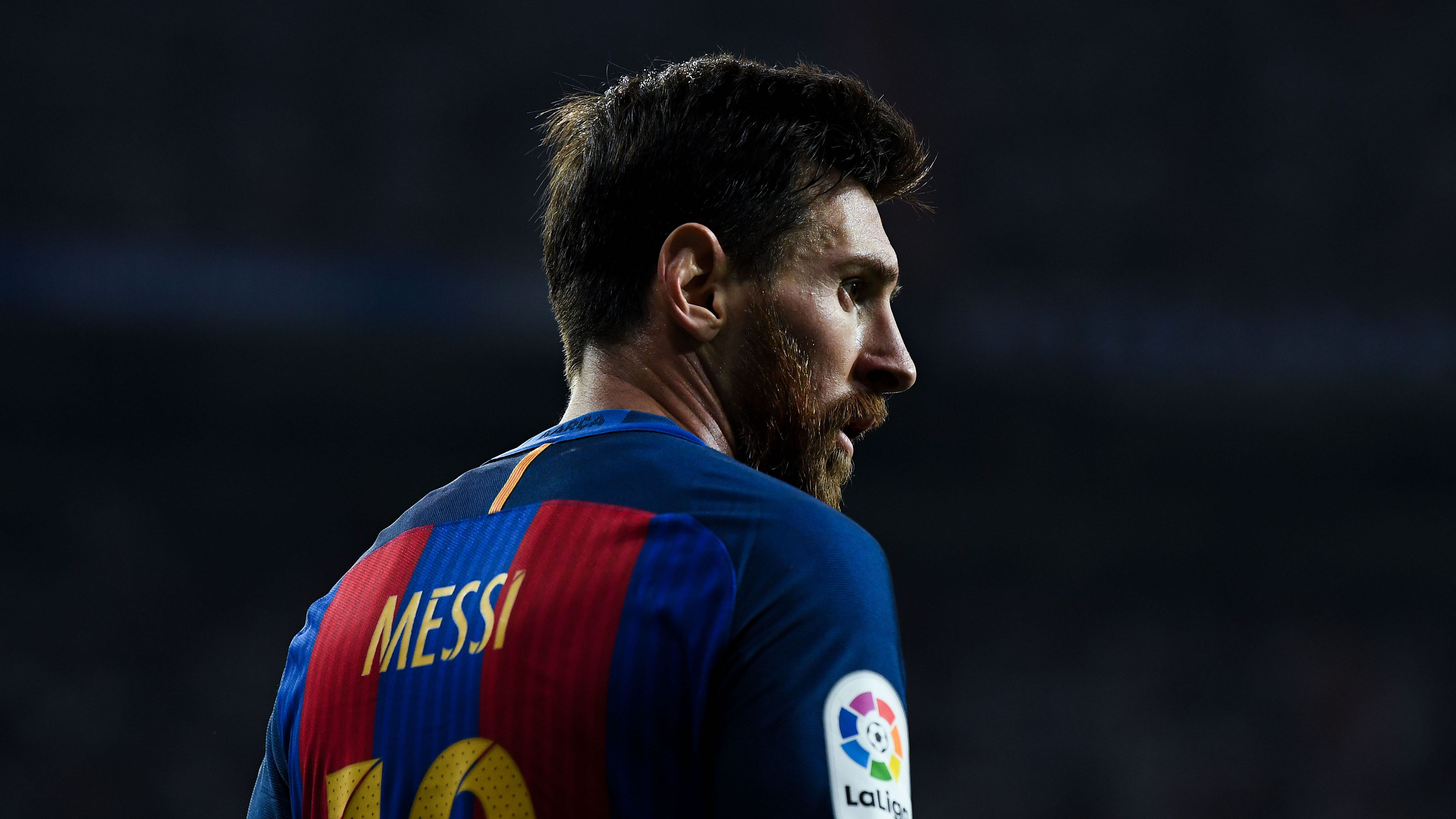
‘Messi made a mistake by breaking Barcelona’s marriage,’ says La Liga president Tebas, who wants the Argentine icon back at Camp Nou.

0
  • Argentine left Spanish football in 2021
  • Into the final year of his contract at PSG
  • Retracing of steps being speculated on

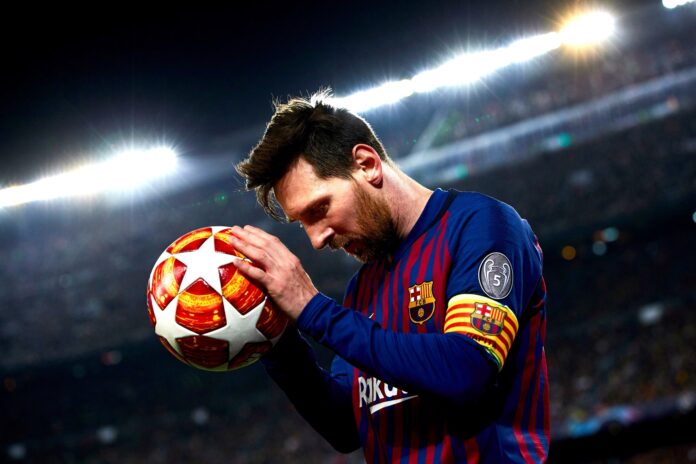
WHAT HAPPENED? The seven-time Ballon d’Or winner bid farewell to Spanish football in 2021 when leaving Camp Nou as a free agent, before linking up with Ligue 1 heavyweights Paris Saint-Germain. Messi is now into the final year of his contract in France and, with a retracing of steps to Catalunya being speculated on, Tebas believes an emotional reunion between the legendary Argentine and one of the world football’s biggest clubs should be put in place.

WHAT THEY SAID: La Liga president Tebas said at the Web Summit in Lisbon: “I don’t know if Messi will have one last show at Barca, that will depend on him. Hopefully he will come back. Above all, it would also be good for him to return to Spanish football, especially to the team that was the side that saw him grow. I think it was a mistake even for him, in my opinion, to break that marriage, it was a very beneficial long-term alliance for Messi and for Barca itself.”

THE BIGGER PICTURE: As rumours rage when it comes to Messi’s future, the same is true for his eternal rival Cristiano Ronaldo – with the Portuguese forward enduring a difficult time at Manchester United. He has also been linked with a return to Spain, where he previously starred for Real Madrid, with Tebas adding: “Well, I think Messi should come back before Cristiano. But they left, and we continue to be at the top level, right?”

IN THREE PHOTOS:

Lionel Messi Barcelona 2017-18Getty Images


Lionel Messi PSG 2022-23Getty


Lionel Messi Argentina 2022Crédito: Getty

WHAT NEXT FOR MESSI? Another shot at World Cup glory is fast approaching for the iconic 35-year-old, with a decision on his plans at club level – where a move to MLS has also been mooted – expected to be made once a quest for an elusive title in Qatar comes to a close.


On his first foreign trip, Burkina Faso’s junta chief holds talks in Mali.

0

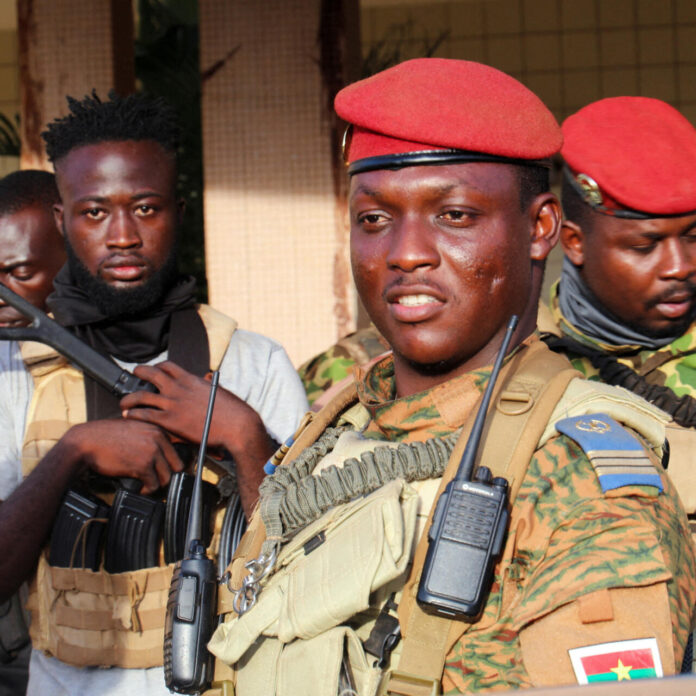
Burkina Faso’s new military leader visited Mali on Wednesday for his first foreign trip since taking power, engaging in “fruitful” peace and security talks with his Malian counterpart.

Captain Ibrahim Traore, who took power in Burkina Faso in a September 30 coup, flew to the Malian capital Bamako for a three-hour “friendship and working visit,” according to Mali’s foreign ministry.

Traore left Mali for Burkina’s capital, Ouagadougou, on Wednesday evening, according to an AFP journalist.

“With a view to improving the security of our respective populations, (Traore) and I had fruitful exchanges this afternoon on the major challenges that impact the peace and stability of our states,” Mali’s Colonel Assimi Goita, who came to power in an August 2020 putsch, said on Twitter late Wednesday.

He greeted 34-year-old Traore in the afternoon as he dismebarked from the plane at the airport in the capital Bamako.

The two men then headed to a VIP airport lounge for private talks before continuing on to the presidency for further meetings with their respective delegations.

A Burkinabe official had earlier said the main issue discussed would be “the fight against terrorism”, referring to the two countries’ bloody struggle against jihadists.

The two Sahel states rank among the poorest and most volatile nations in the world.

Both leaders came to power at the head of army officers angered by failures to roll back Islamists linked to Al-Qaeda and the Islamic State group.

Along with neighbouring Niger, the two countries have suffered thousands of fatalities and more than two million people have fled their homes.

Traore ousted Lieutenant-Colonel Paul-Henri Sandaogo Damiba, who in January had toppled Burkina’s last elected president, Roch Marc Christian Kabore.

Under Goita, Mali began to weave closer ties with the Kremlin, acquiring aircraft to strengthen its beleaguered armed forces and bringing in Russian “trainers”, described by Western countries as Wagner mercenaries.

As this relationship intensified, ties with Paris, Mali’s traditional ally, deteriorated and France became a target of vilification.

Paris this year pulled out the last troops it had deployed in Mali as part of its Barkhane anti-jihadist force in the Sahel.

The latest coup in Burkina has been marked by anti-French protests in which some demonstrators have waved Russian flags and demanded the departure of a contingent of 400 French special forces.

On Sunday, Burkina Faso’s new prime minister hinted that his country may look at stronger connections with Russia, in the light of “the new deal” in security.


Kunti Kamara, the Liberian rebel leader, has been sentenced to life in prison.

0
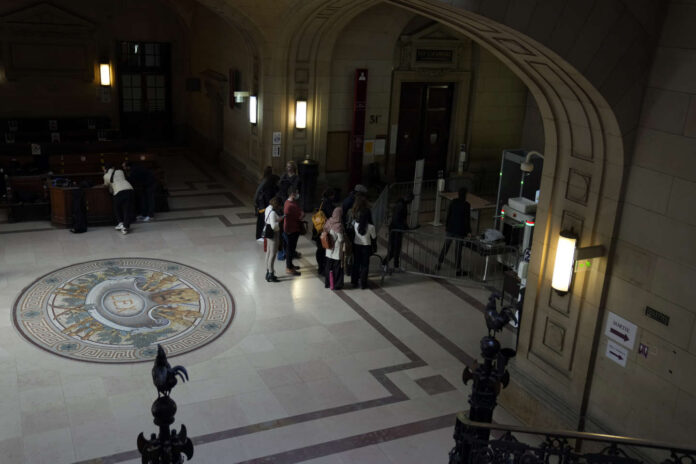
People wait in front of the entrance of the courtroom where a former Liberian rebel is on trial in Paris courthouse, Monday, Oct. 10, 2022. Kunti Kamara is notably accused of "complicity in massive and systematic torture and inhumane acts" against the civilian population committed in Liberia's Lofa county in 1993-1994. (AP Photo/Francois Mori)

Former Liberian rebel leader Kunti Kamara was found guilty by the Paris Court of Appeal of numerous atrocities committed during the country’s civil war 30 years ago, including rape and cannibalism. Kamara received a life sentence in prison.

Kunti Kamara, 47, was charged in 1993-1994 with “complicity in massive and systematic torture and inhumane acts” against civilians in Liberia’s Lofa County as a leader of the Ulimo armed group. He was less than 20 years old at the time.

Prosecutors sought a life sentence, while defense attorneys sought acquittal due to a lack of evidence.

“Your verdict will be historic,” prosecutor Aurélie Belliot had told the court, which was made up of three judges and a jury. “You must send a clear message: France must not be the last shelter for authors of crimes against humanity.”

During the investigation, he acknowledged having been a battlefield commander, leading about 80 soldiers during the civil war — a choice he said he made to defend himself against Charles Taylor’s rival faction.

With no material evidence because of the chaos of the war, accusations reliied on witnesses.

French police officers went to Liberia to identify witnesses and interview local residents. About 15 of them came to Paris to testify.

Crimes against humanity, rape and cannibalism

Kamara is being accused of having allowed and facilitated rapes and sexual torture of two young teenagers by some Ulimo soldiers.

One of the victims vividly described the pain and suffering she endured, crying until she felt unwell and was unable to continue testifying. She wasn’t able to come back to the court, and a message from her was read the next day saying she didn’t want to see Kamara again.

Kamara is also being accused of having participated in the killing of two civilians and an act of cannibalism.

Described by Belliot as the “active author of a collective killing,” he is accused of having eaten the heart of the victim after it had been removed by another soldier with an ax.

In addition, he is accused of having killed a sick woman, firing at her head with a rifle, and of having compelled people into forced labor under inhuman conditions. He and his group allegedly forced civilians to carry very heavy loads, including electric generators and food, for hours without food and water.

Accusations also include the torture of a man, whose arms were tied behind his back before being dragged on the floor until he was very seriously wounded.

Condemned under universal jurisdiction

Kamara was arrested near Paris in 2018, following a complaint filed by Swiss-based group Civitas Maxima, specialized in helping victims of crimes against humanity.

The trial by the Paris criminal court has been made possible under a French law that recognizes universal jurisdiction for crimes against humanity and acts of torture.

Prosecutor Claire Thouault stressed that Liberia never sent to trial those who committed crimes during the country’s back-to-back civil wars between 1989 and 2003 that killed an estimated 250,000 people.

She said that as soon as he arrived in Europe, Kamara “did everything to hide the reality of his actions and avoid any accusation.”

Kamara said he left Liberia after the end of the first civil war in 1997 and later went to the Netherlands.

He acknowledged he lied about his past to get asylum there, including by not disclosing he used to be an Ulimo soldier.

He was later granted citizenship and lived in the country for 12 years, before coming to Belgium and then France because prosecutors alleged that he felt his war activities were getting increasingly known by Dutch authorities.

Civil Rights groups hailed the trial as an important step to bring justice to victims.

Speaking ahead of the verdict, Sabrina Delattre, lawyer for Civitas Maxima, said because “there is total impunity in Liberia” for war criminals, “it’s very important for the victims that this trial took place. It’s really important that they were able to come here and give their testimony before the court.”

The country’s post-war truth and reconciliation commission in 2009 recommended prosecution for dozens of ex-warlords and their commanders bearing greatest responsibilities for the war. But successive governments have largely ignored the recommendations, much to the disappointment and frustration of war victims.

The trial in Paris follows a related case in Switzerland, where a court in June 2021 convicted a former Ulimo commander, Alieu Kosiah, to 20 years in prison for the rapes and killings of civilians among other crimes.

Kosiah was the first Liberian convicted of war crimes dating from the first civil war. He appealed the decision. Kosiah’s statements involving Kamara partly led to the arrest of his former comrade-in-arms.


Algeria hosts the 31st Arab League summit.

0

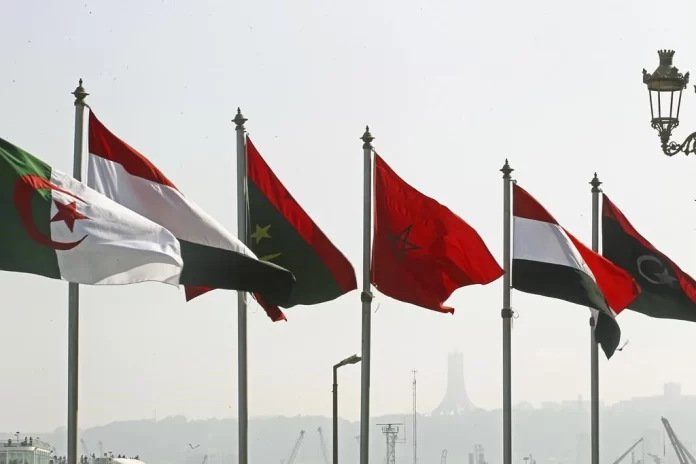
Arab leaders concluded the 31st summit of the largest annual Arab conference in Algiers on Wednesday (Nov 2).

The summit expressed “support for efforts to end the Libyan crisis through an inter-Libyan solution” as well as a “joint effort” by Arab states to end the fighting in Syria.

Arab leaders acknowledged the war’s dire consequences for their countries and, one after the other, called for “collective Arab action” to address common challenges.

Food and energy shortages, as well as the effects of climate change on their societies, are among them. However, they provided no information about a potential mechanism for feeding their people.

In a nod to Saudi Arabia, it expressed its backing for oil producers after the Saudi-led OPEC cartel and allied producers headed by Russia angered Washington by slashing production by two million barrels a day from November, further pushing up already elevated crude prices.

The statement said the “balanced” policy would help stabilise markets and “help the interests of both producer and consumer nations”.

Saudi Crown Prince Mohammed bin Salman, however, was the summit’s most notable absentee, staying away with a reported ear infection.

The summit final statement backed moves to make the state of Palestine a full member of the United Nations.

“Palestine is the pivotal cause to the Arab nation and states”, the Arab league secretary general said.

“Therefore, we were determined to continue to issue resolutions and translate them and present them to the United Nations and international organisations as happens every time”, Ahmed Aboul Gheit concluded.

Throughout its 77 years of existence, the Palestinian issue has been a central to the league. It is recently that more and more Arab countries have started to normalize ties with the state of Israel.

The summit took place at a time of heightened tensions in the occupied West Bank, where the Israeli military has conducted nightly arrest raids in searches for Palestinian militants.

Dozens of Palestinians have been killed in recent months, including armed gunmen, stone-throwing teenagers and people uninvolved in violence.


Ethiopia’s government and the TPLF have agreed to a cease-fire.

0

The UN calls Ethiopia’s announcement of a cease-fire between the government and Tigray rebels a “very welcome first step,” while Washington calls it a “major breakthrough” after more than a week of negotiations led by the African Union in Pretoria, South Africa.

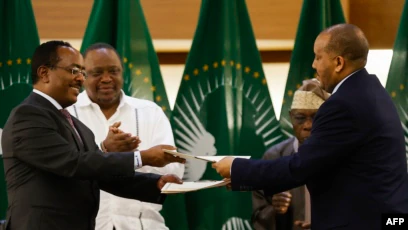
After two years of devastating conflict that has claimed thousands of lives and left millions in need of aid in Africa’s second most populous country, warring parties in Ethiopia announced an agreement to silence their guns on Wednesday.

After less than a week of negotiations led by former Nigerian President Olusegun Obasanjo, Prime Minister Abiy Ahmed’s government and Tigrayan rebels announced a surprise agreement.

“We have agreed to permanently silence the guns and end the two years of conflict in northern Ethiopia,” the government and Tigray People’s Liberation Front (TPLF) said in a joint statement after marathon talks.

The breakthrough was announced almost exactly two years to the day since the war erupted in November 2020.

“Today is the beginning of a new dawn for Ethiopia, for the Horn of Africa and indeed for Africa as a whole,” said African Union’s mediator, president Olusegun Obasanjo.

“The two parties in the Ethiopian conflict have formally agreed to the cessation of hostilities as well as the systematic, orderly, smooth and coordinated disarmament,” Obasanjo added at a briefing in Pretoria.

It was not immediately clear how the deal would be monitored to ensure it was implemented, and there was no mention by Obasanjo of international and rebel calls for Eritrea’s feared army to withdraw from the battlefield.

Diplomatic efforts to bring Abiy’s government and the TPLF to the negotiating table had taken on renewed urgency after combat resumed in late August, torpedoing a five-month truce that had allowed limited amounts of aid into war-stricken Tigray.

They were the first formal dialogue between the two sides since the start of the conflict that had raised concerns about the stability of Ethiopia and the volatile Horn of Africa region.

The delegations in Pretoria said it was now up to both sides to honor the agreement, while Abiy himself vowed a “strong” commitment to its implementation.

The head of the government team, Abiy’s national security adviser Redwan Hussein, praised the sides for their “constructive engagement to allow the country to put this tragic period of conflict behind us”.

Tigrayan delegation chief Getachew Reda said they were ready to “implement and expedite this agreement”, adding: “In order to address the pains of our people, we have made concessions because we have to build trust.”

The war has forced well over two million people from their homes, and according to US estimates killed as many as half a million.

Despite the peace process in Pretoria, intense fighting had continued unabated in Tigray, where government troops backed by the Eritrean army and regional forces waged artillery bombardments and air strikes, capturing a string of towns from the rebels.

The international community had voiced increasing alarm over the combat and the toll among civilians caught in the crossfire.


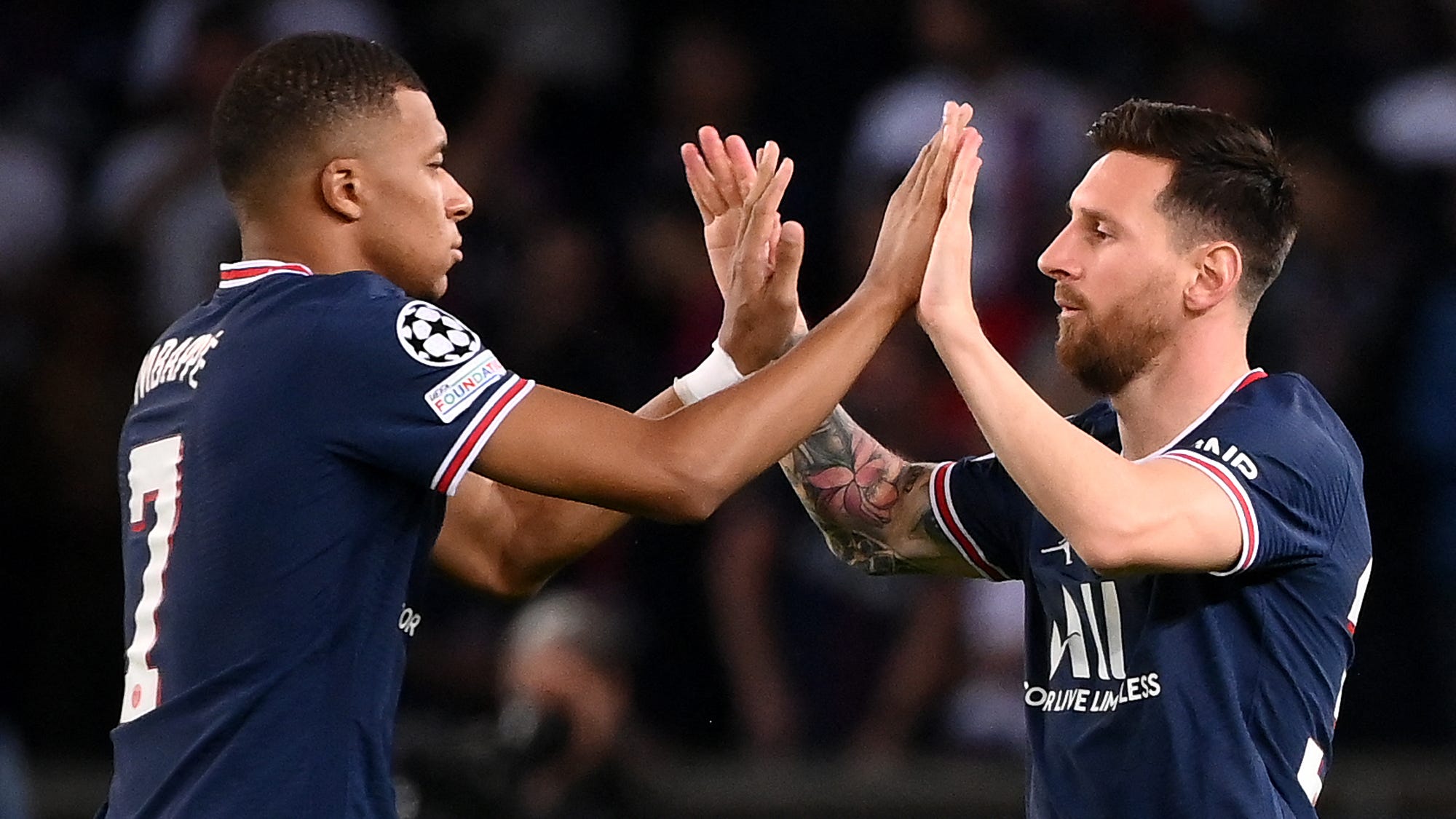
Mbappe equals Messi’s record with his 40th Champions League goal.

0
  • Mbappe opened scoring against Juventus
  • Reached the 40-goal mark in UCL
  • Became youngest player to do so ahead of Messi

WHAT HAPPENED? The French international scored a stunning long-range goal to open the scoring in their encounter against Juventus, which PSG went on to win 2-1. Mbappe’s solo effort was his 40th strike in the Champions League, and he is now the youngest player to reach that mark at 23 years and 316 days, beating the record Lionel Messi set when he was 24 years and 130 days old.

THE BIGGER PICTURE: Mbappe had earlier broken the record of the youngest player to score 15, 20, 25 and 30 Champions League goals, overtaking Messi each time. However, Manchester City’s Erling Haaland has since reached those milestones quicker than Mbappe and is currently just nine goals behind his haul of 40 with 19 months in hand on him.

IN TWO PHOTOS:


Messi Mbappe(C)Getty ImagesErling Haaland 2022-23Getty

WHAT NEXT FOR MBAPPE & MESSI? Both players will be in action at the weekend when PSG go up against Lorient in Ligue 1.