
International anti-corruption advocate, Mr Raphael Godlove Ahenu, on Monday said fighting corruption was not a political witch-hunting but a good course to salvage the public purse and to build a better society.
He cautioned government appointees and ministers of state against the abuse of political power and commended the government for efforts to prosecute public officers who allegedly abused their office.
“What some former ministers and public office holders are going through now must send a signal to ministers and appointees under President John Dramani Mahama’s administration that they would also be accountable one day”, he stated.
In an interview with the Ghana News Agency (GNA) in Sunyani, Mr Ahenu lauded the President Mahama’s administration for the efforts to control corruption and thereby prosecute alleged corrupt public officials.
He said: “As a nation we must fight corruption proactively by tackling the growing culture of impunity and lack of responsibility among public officials”, adding that “present ministers of state and public officers who have the privilege to serve the nation must learn from what is happening today”.
Mr Ahenu also the Founder and Chief Executive Officer of the Sunyani-based Global Media Foundation (GloMeF), a media advocacy, human right and anti-corruption non-governmental Organisation (NGO), said that “public office was a sacred trust and not an opportunity for selfish and ambitious politicians to enrich themselves”.
“I am therefore reminding ministers and appointees under President Mahama’s administration that one day they will surely be called for accountability.
In fact, they will be required to give account of how they executed their mandate and managed the public resources entrusted to them”, Mr Ahenu indicated.
He said despite the nation’s abundant resources, many families continued to live in abject poverty, unable to meet three square daily meal and attributed the situation to rise in corruption, which remained the bane of every developing country and in Africa.
Mr Ahenu urged ministers of state and public officials and politicians in general to perform their duties with a high sense of responsibility, integrity, saying “the time has come for all political appointees to understand that the era where people could abuse public office and walk away unpunished is over”.
He said GloMeF was strongly behind the government and would remain committed in the nation’s fight against corruption, calling on the civil society community and the media to also assist the government’s efforts in tackling the corruption menace and to build a better society for all.
“We should allow public officers to leave office before we hold them accountable because doing that will draw development backwards”, Mr Ahenu advised, saying “corruption fight is not a political witch hunt, but a good course to salvage public pursue”.
Fighting corruption is not a political witch-hunt-Advocate

MTN Ghana builds capacity of artisans on social media use
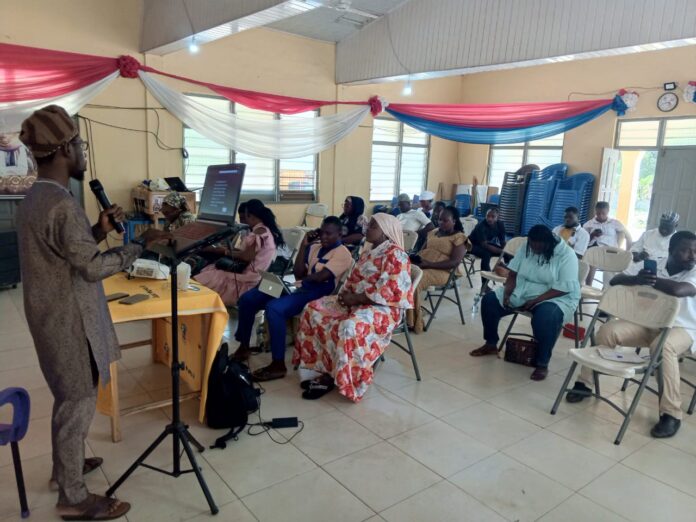
Mobile Telecommunication Network (MTN) Ghana has built the capacity of some artisans in the Upper West Region to leverage social media as a tool to boost their businesses and enhance incomes.
A total of 40 artisans, including hairdressers, dressmakers, tailors and barbers, participated in the two-day training on social media content creation and usage as part of the MTN’s annual Y’ello Care programme.
Speaking at the workshop in Wa at the weekend, Mr Seth Owusu Nyamekye, the MTN Territory Manager in charge of the Upper West Region, encouraged the participants to take the training very seriously.
He said effective use of social media such as Facebook, Tiktok and Twitter could transform their businesses and fortunes by targeting clients beyond their localities.
“As we speak now you can’t do anything without social media, and it is something that, if you leverage it as a business, it is going to increase your profit margin because you are not going to target people just within where you operate.
Social media has become the norm of the day and the best way to drive your business is through the social media platform”, he explained.
Mr Nyamekye entreated the participants to put the knowledge they acquired at the training into practice to help develop their businesses as well as to extend it to their colleagues who could not participate in the training.
He indicated that all the artisans at the workshop would receive MTN merchant SIM cards for easy and seamless financial transactions with their customers.
Mr Abdul Fatawu Mahabub, the Media Assistant at NoniHub, the workshop facilitator, took the participants through social media marketing and creating social media posts and engaging caption about their businesses.
The participants were also taken through how to post social media videos and images and how to create “hashtags” (#) with key words about their businesses, products and services.
“It is going to help them reach a wide range of audience and also increase their sales”, Mr Mahabub told the Ghana News Agency (GNA) in an interview.
Some participants, who also spoke to the GNA, expressed the hope that the skills they acquired at the workshop would impact their businesses greatly.
Madam Rashida Seidu, a hairdresser in Wa, said she was previously oblivious of the importance of social media platforms such as Facebook and twitter to her business development.
The participants expressed gratitude to MTN Ghana for the intervention and prayed that it would be a regular intervention for them to enable them grow their businesses.
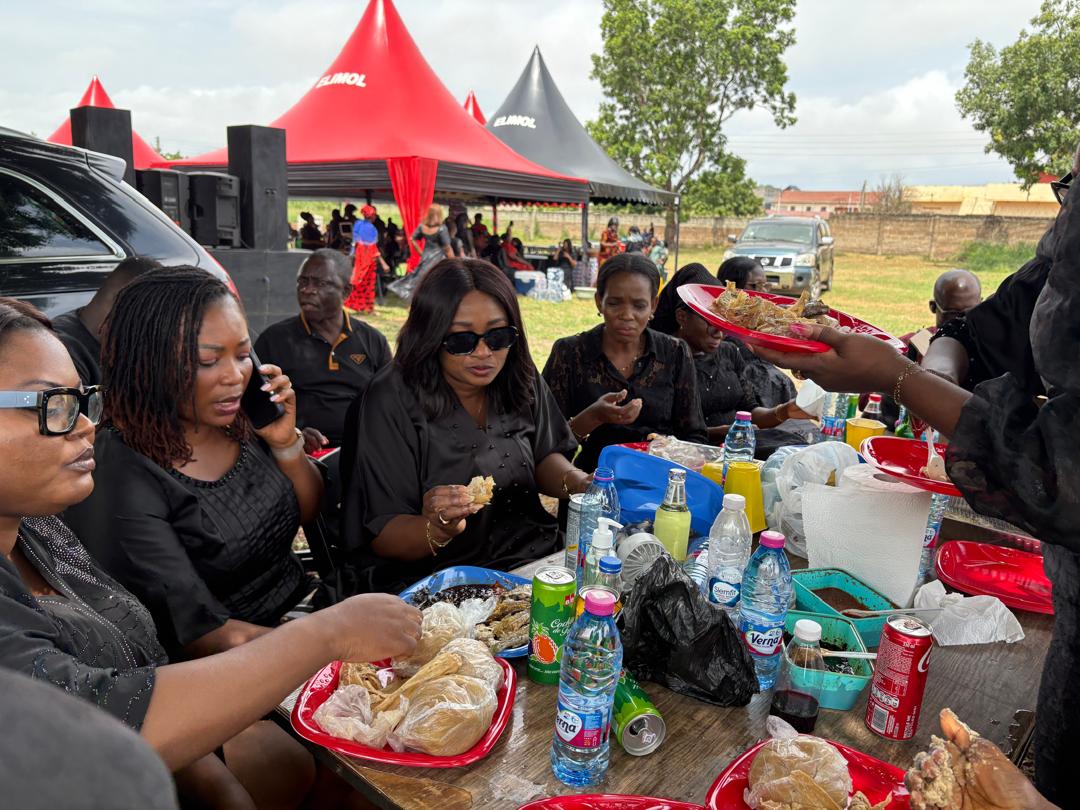
LEG empowers over 3,000 residents in 24 communities on mining laws
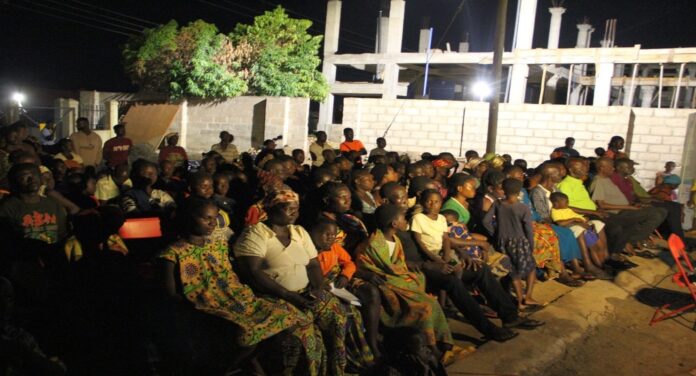
More than 3,300 residents from 24 mining-affected communities across four regions in Ghana have received intensive training on the country’s mining laws and natural resource governance.
The outreach which covered communities in Ashanti, Ahafo, Eastern, and Western North Regions was conducted by Livelihood and Environment Ghana (LEG), with support from the STAR Ghana Foundation under the AVID 2 project.
The capacity-building and community forums were designed to help residents understand the key provisions of the Minerals and Mining Act, 2006 (Act 703) and its accompanying Legislative Instruments, including (L.I. 2175).
The initiative targeted individuals often overlooked in legal and policy discussions, including women, youth, farmers, traditional leaders, and persons with disabilities.
They were equipped with knowledge on how to protect their rights when mining activities affect their land, homes, or livelihoods.
The training simplified legal content through the use of local languages, storytelling, and visual illustrations to break down complex provisions of the law, particularly on land acquisition, compensation, environmental protection, and community participation in decision-making.
“Many participants had never heard of Act 703 or knew how mineral revenues are supposed to be managed,” said Mr. Richard Adjei Poku, Executive Director of LEG.
He said the intervention was to fill that gap and empower community members to ask the right questions and hold duty bearers accountable.
A key feature of the training was the selection of 220 “Change Champions” – 10 from each community, with equal representation of men and women who demonstrated boldness, leadership, and a commitment to grassroots advocacy.
These champions will continue to serve as resource persons and voices for their communities, leading local efforts to demand fairness and transparency in mineral governance.
Copies of the Mining Laws were distributed to all the 220 Change Champions as reference and tools for engaging the local duty-bearers, including the mining companies.
The fora also clarified the roles of mining companies, government institutions, and community leaders in resource governance, and emphasised the importance of inclusive and transparent leadership in ensuring equitable development.
Participants were particularly engaged during sessions on how mineral royalties are shared and how local assemblies can be held accountable for the use of mining-related revenues.
Many of them expressed concern about poor infrastructure and services in their communities despite decades of mineral extraction.
Chiefs, queen mothers, youth leaders, women’s groups, and landowners actively took part in the discussions.
Mr. Poku said LEG would continue to support the communities and their newly trained local champions as part of an agenda to strengthen community voices and participation in Ghana’s extractive sector governance.
Minority Caucus criticizes government’s decision to indefinitely postpone energy sector levy
The New Patriotic Party (NPP) Minority Caucus in Parliament has criticized the National Democratic Congress (NDC) government’s decision to indefinitely postpone the implementation of the Energy Sector Levies (Amendment) Act, 2025, popularly known as the Dumsor Levy.
According to a statement signed by Alexander Kwamena Afenyo-Markin, the Minority Leader, and issued to the Ghana News Agency said, “this move is a clear indication of the government’s fundamental incompetence and hypocrisy,” it said.
The Dumsor Levy, passed by Parliament under a Certificate of Urgency, was to raise funds to cover energy sector deficits and pay down debts.
However, the Minority Caucus argued that the levy would have imposed additional financial strain on citizens already grappling with economic hardship.
The NPP Caucus maintained that the previous administration successfully maintained a stable power supply without such taxes, highlighting the current government’s alleged incompetence in managing the energy sector.
As a result, the statement has demanded the immediate repeal of the Energy Sector Levies (Amendment) Act, 2025.
“We call upon the government to table a repeal bill under a certificate of urgency,” it said.
Further, the statement has also called on the Minister for Energy and Green Transition to present policy documents related to the Loss Reduction Programme for parliamentary scrutiny. “This postponement exposes a government unprepared and unwilling to consult stakeholders before rushing into legislation stated.
“The same government that mocked external factors as excuses for economic mismanagement is now using the Middle East crisis as justification for crude oil price volatility. This is the height of hypocrisy and political opportunism,” it stated.
According to the statement, Ghanaians deserve both reliable electricity and freedom from excessive fiscal burdens, “objectives that are entirely compatible under competent leadership,” it added.
Committee chair proposes 10-Pesewa reduction in fuel levy to fund Ghana’s petroleum hub project

Mr Emmanuel Bedzrah, Chairman of Parliament’s Energy Committee, has proposed a 10-pesewa deduction per liter of fuel from the Unified Petroleum Price Fund (UPPF).
That, he explained, would support the Petroleum Hub Development Corporation (PHDC) in sustaining the country’s strategic Petroleum Hub Project.
Mr Bedzrah who made the proposal on the Floor of Parliament on Friday, emphasized that the allocation would enhance the project’s long-term viability and operational effectiveness.
The Petroleum Hub Project aims to attract foreign direct investment, strengthen energy infrastructure, and expand domestic capacity in Ghana’s oil and gas sector. Despite its potential, the project has faced challenges, including funding gaps and land acquisition delays.
Mr Bedzrah’s proposal therefore sought to overcome these hurdles and revitalize progress on the initiative.
“Mr Speaker, the Select Committee on Energy proposed that 10 pesewas from the Margins within the Unified Petroleum Price Fund, currently administered by the NPA, be allocated directly to PHDC.
“This funding will serve three vital purposes sustaining PHDC’s operations to deliver on its mandate without interruption, supporting the payment of land compensation to project-affected persons and communities in line with legal and ethical obligations, and investing in the training and capacity building of Ghanaians,” he explained.
According to Mr Bedzrah, also the National Democratic Congress Member of Parliament for Ho West, the proposed funding would address three critical areas.
“Mr Speaker, sustaining PHDC’s operations to deliver on its mandate; supporting land compensation for project-affected communities and investing in training and capacity building for Ghanaians are crucial areas the proposed funding will help address,” he said.
He added that the suggested allocation would also enhance the long-term viability and operational effectiveness of the hub initiative, which would position Ghana as a leading petroleum and petrochemical hub in West Africa.
The Vatican confirms In 2007, a Congolese customs official was assassinated after refusing a bribe.

A Congolese customs official who was assassinated for refusing a bribe was beatified by the Vatican on Sunday, providing a fresh example of holiness to young people in an area where corruption is rampant: someone who forbade the distribution of spoilt rice to the underprivileged. In 2007, Floribèrt Bwana Chui Bin Kositi was abducted and murdered for refusing to let the crossing of the border to the city of Goma in eastern Congo to receive rotten rice from Rwanda.
Floribèrt Bwana Chui Bin Kositi was beatified on Sunday at St. Paul Outside the Walls, one of the pontifical basilicas in Rome, under the direction of Cardinal Marcello Semeraro, head of the Vatican’s saint-making office.
The event attracted a cheering crowd of Congolese pilgrims and much of Rome’s Congolese Catholic community, who will be treated to a special audience Monday with Pope Leo XIV.
Faithful wore T-shirts and vests with Kositi’s portrait and erupted in chants and applause as soon as the beatification ceremony was concluded, waving Congolese flags. As an official with the Congolese government’s custom’s quality control office, the 26-year-old knew the risks of resisting bribes offered to public officials. But he also knew the risks of allowing spoiled food to be distributed to the most desperate.
“On that day, those mafiosi found themselves in front of a young man who, in the name of the Gospel, said ‘No.’ He opposed,” his friend Aline Manani said.
“And Floribèrt, I think that for me personally, I would say for all young people, is a role model,” she added. Pope Francis recognized Kositi as a martyr of the faith late last year, setting him on the path to beatification and to possibly become Congo’s first saint. The move fit into the pope’s broader understanding of martyr as a social justice concept, allowing those deemed to have been killed for doing God’s work and following the Gospel to be considered for sainthood.
“Our country almost holds the gold medal for corruption among the countries of the world,” Goma Bishop Willy Ngumbi told reporters last week.
“Here, corruption is truly endemic. So, if we could at least learn from this boy’s life that we must all fight corruption, I think that would be very important.” Transparency International last year gave Congo one of the poorest marks on its corruption perception index, ranking it 163 out of 180 countries surveyed and 20 on the organization’s 0-100 scale, with 0 highly corrupt and 100 very clean. The beatification has brought joy to Goma at a time of anguish.
Violent fighting between government forces and Rwanda-backed M23 rebels has led to the death of thousands of people and the rebels’ capture of the city has exacerbated what already was one of the world’s biggest humanitarian crises. It has renewed the hopes of many in the country of more than 100 million people whose development has been stifled by chronic corruption, which Francis railed about during his 2023 visit to the country.
Iran hits Israel with new missiles, leaving four dead and several others injured.
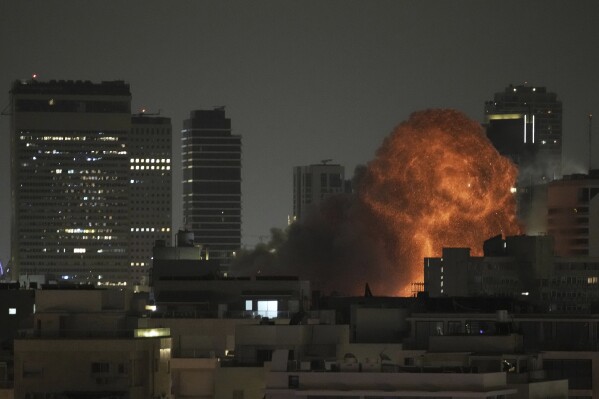
As emergency services reported at least four people killed and scores more injured in the fourth day of open combat between the regional enemies that showed no signs of abating, Iran launched a fresh round of missile assaults on Israel early Monday, setting out air raid sirens throughout the nation.
In response to Israel’s widespread strikes on its military and nuclear facilities, which have killed at least 224 Iranians since last Friday, Iran said it has fired almost 100 missiles and promised further reprisal.
The Israeli military responded to the strikes by claiming that fighter planes had hit ten command centres in Tehran that belonged to Iran’s Quds Force, an elite branch of its Revolutionary Guard that carries out military and intelligence operations outside of Iran. The attacks brought Israel’s death toll to at least 18.
Just before daybreak on Monday, Tel Aviv was shaken by powerful explosions that sent plumes of black smoke into the sky above the coastal city. These explosions were probably caused by Israel’s defence systems intercepting Iranian missiles.
Authorities in the central Israeli city of Petah Tikva said that Iranian missiles had hit a residential building there, charring concrete walls, shattering windows and ripping the walls off multiple apartments.
The Israeli Magen David Adom emergency service reported that two women and two men — all in their 70s — were killed in the wave of missile attacks that struck four sites in central Israel.
“We clearly see that our civilians are being targeted,” said Israeli police spokesman Dean Elsdunne outside the bombed-out building in Petah Tikva. “And this is just one scene, we have other sites like this near the coast, in the south.”
The MDA added that paramedics had evacuated another 87 wounded people to hospitals, including a 30-year-old woman in serious condition, while rescuers were still searching for residents trapped beneath the rubble of their homes.
“When we arrived at the scene of the rocket strike, we saw massive destruction,” said Dr. Gal Rosen, a paramedic with MDA who said he had rescued a 4-day-old baby as fires blazed from the building.
During an earlier barrage of Iranian missiles on central Israel on Sunday, Iranian Foreign Minister Abbas Araghchi said that Iran will stop its strikes if Israel does the same.
But after a day of intensive Israeli aerial attacks that extended targets beyond military installations to hit oil refineries and government buildings, the Revolutionary Guard struck a hard line on Monday, vowing that further rounds of strikes would be “more forceful, severe, precise and destructive than previous ones.”
Health authorities also reported that 1,277 were wounded in Iran, without distinguishing between military officials and civilians.
Rights groups, like the Washington-based Iranian advocacy group called Human Rights Activists, have suggested that the Iranian government’s death toll is a significant undercount.
Human Rights Activists says it has documented more than 400 people killed, among them 197 civilians.
Israel argues that its assault on Iran’s top military leaders, uranium enrichment sites and nuclear scientists was necessary to stop Iran from obtaining a nuclear weapon. Iran has always insisted its nuclear program is peaceful, and the U.S. and others have assessed that Tehran has not pursued a nuclear weapon since 2003.
But Iran has enriched ever-larger stockpiles of uranium to near weapons-grade levels in recent years and was believed to have the capacity to develop multiple weapons within months if it chose to do so.
Former French president Sarkozy stripped of Legion of Honour medal
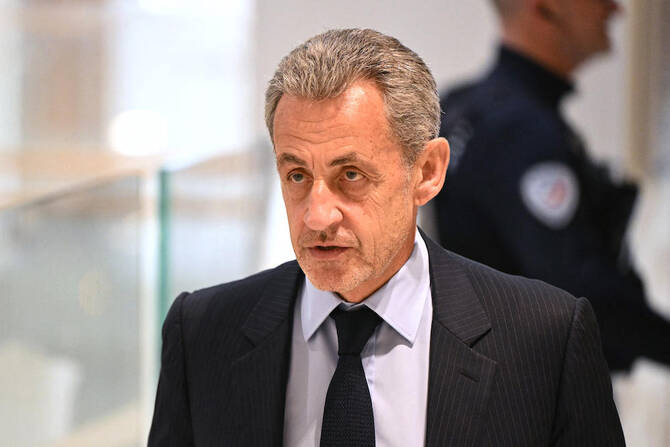
Former French President Nicolas Sarkozy has been deprived of his Legion of Honour award after being convicted of corruption and influence peddling while serving as the country’s chief of state last year, according to an announcement made Sunday.
The decision was issued by a decree published in the Journal Officiel, which publishes the government’s important legal documents. It follows the Legion of Honor’s guidelines. Since leaving office, the conservative politician who served as president from 2007 to 2012 has been at the centre of a number of legal challenges.
He was found guilty of corruption and influence peddling by both a Paris court in 2021 and an appeals court in 2023 for trying to bribe a magistrate in exchange for information about a legal case in which he was implicated. He was sentenced to wear an electronic monitoring bracelet for one year, a verdict upheld by France’s highest court, the Court of Cassation, in December.
Earlier this year, Sarkozy stood trial over allegations he received millions of dollars from Libya for his successful presidential campaign in 2007. He denies the claims. Prosecutors requested a seven-year prison sentence.
The verdict is expected in September.
Sarkozy becomes the second former head of state to be stripped of the Legion of Honor — France’s highest distinction — after Nazi collaborator Philippe Petain, who was convicted in 1945 for treason and conspiring with the enemy for his actions as leader of Vichy France from 1940-1944.
Hollywood producer Harvey Weinstein was stripped of his Legion of Honor award in the wake of widespread sexual misconduct allegations against him in 2017.
Disgraced cyclist and former Tour de France star Lance Armstrong also had his French Legion of Honor award revoked.
Sarkozy retired from public life in 2017 though still plays an influential role in French conservative politics.
Black Queens: Road to WAFCON 2025
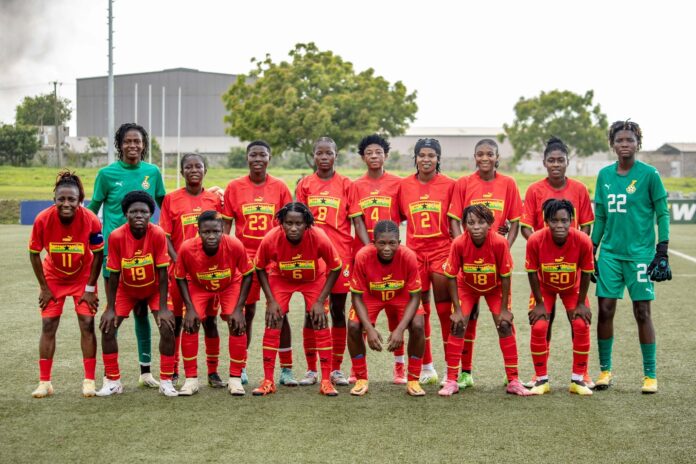
The senior women’s national team, the Black Queens, who do not get half the attention of the Black Stars, have been performing quite creditably,” former President Akuffo Addo remarked, capturing the pride of a nation rallying behind its champions.
Once regarded as a dominant force on the continent, the elite side now find itself under heavy pressure following poor results, tactical lapses, and off-field uncertainties clouding a promising campaign.
In a nation where fans are passionate about football, it is often the men’s game that dominates headlines, from domestic leagues to the national team. While the spotlight remains on the male teams, it is the Black Queens that keep rewriting the story with a weight of legacy across the continent.
In recent times, the team has struggled to assert its dominance in Africa, failing to overpower some underdogs in their pre-Women’s Africa Cup of Nations (WAFCON) campaign as Ghanaians have raised eyebrows about their readiness ahead of the party.
From powerhouse to puzzle, the Queens announced their dominance with a hard-fought qualification into the continent’s biggest stage after a long break (2018) clothed in challenges ranging from poor tactical decisions, unavailability of experienced players and other major factors.
Leaning on a ten-game winning streak, the West African giants exhibited authority against Namibia and Rwanda, netting 15 goals and conceding two, a way to announce the berth of a new chapter under Coach Nora Huaptel.
Her leadership was instrumental in revitalizing the team and instilling a renewed sense of purpose and competitiveness in the girls.
Runners-up in three of the first five editions of the Women’s Africa Cup of Nations (1998, 2002, 2006), featuring in three successive World Cups (1999,2003,2007), the Black Queens had some memories to embrace.
For Ghana, reaching the semi-final will be historic, not only as a gateway towards lifting the trophy but an entry into the 2027 FIFA Women’s World Cup, a stage they last graced in 2007 under former Coach Isaac Paha.
Just as the Queens were gradually regaining their strength on the continental stage, there was a huge blow from the camp of Nora Häuptle who announced her departure as head coach of Ghana. Her leadership had played a role in the nation’s transformational plan in developing women’s football.
In the quest to get the team rolling, the Ghana Football Association (GFA) in January announced Swedish tactician Kim Lars Björkegren to lead the female side insearch of a first WAFCON title, a feat they have been longing to reach since making a debut in 1998.
The 43-year-old with a reputation for tactical discipline took over a young squad that has tasted resurgence and now carries the weight of expectation.
The gaffer in his first interview said “I see so much talent in this country, and I am really sure that in the short term, we have the potential to succeed. In the long term, I can guarantee we will be successful,”
After five months in charge, Black Queens, a source of national pride, are on the verge of losing their status after being exposed in their preparatory matches.
“We have quality players in the team, but I think we need more of them. The coaches have to widen their net to scout for more players in addition to what they have, Elizabeth Owusuaa and some others can make things work and I believe there will be a turnaround,” Joe Nana Adarkwah, Black Maidens Head Coach told the GNA Sports.
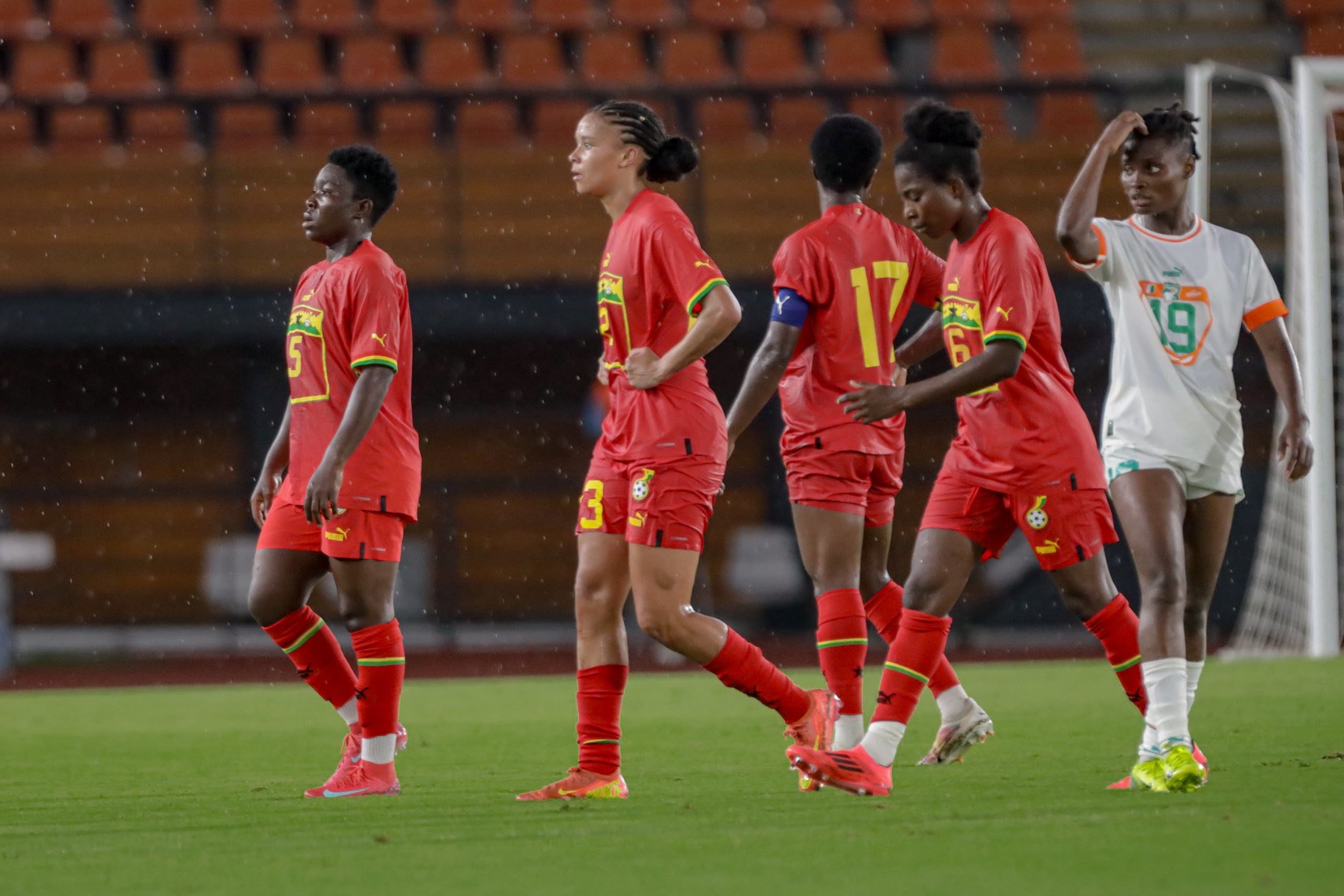
Under Björkegren, the Queens have lost three matches and recorded just a win in all five games played against Morocco, Senegal and Ivory Coast respectively.
While some say the technical staff should be given more time, others also believe five months is enough to get an already built team in shape for a major tournament ahead.
Selection concerns: overlooked talents
While the Black Queens have shown no shortage of attacking flair, their recent struggles can largely be traced to one area: a fragile backline. The team’s problem is not in scoring goals, but in stopping their opponents.
Coach Adarkwah believes the tactician is still new to the role and with limited time to prepare and little familiarity with the players he would understand their individual strengths and build tactical cohesion.
“The Coach is new to the girls so I can confidently say that whatever He is doing is going to help the team because without these friendly matches, he cannot see the performance of individual players”.
“We seem to have been a bit shakyin defending, and one key worry has to be about the right back position because we have not had any natural right back filling that space. In the last three or four games, we have seen Josephine Bonsu cover as a right back. She is a midfielder, so she is nowhere close to that position” Joy Sports Journalist Lawrence Baidoo told the GNA Sports.
“My worry is that if Björkegren wants to build a Black Queens team with new faces, then I am not sure of how we are going to see the Black Queens in the next two months or during WAFCON. If he is going to build on whatever Nora left, then I think we will make progress,” Sports Journalist Nana Adwoa Kwofie also poured out her frustrations.
The GFA’s DNA
The Ghana Football Association in July,2023 launched a football philosophy which aimed at developing the playing and coaching pattern of Ghana Football.
On the path of the Black Queens, the philosophy has been instrumental in the team’s growth. In the boardrooms, it has a perfect impact on the team ahead of the tournament, but on the pitch, there is a long way to go to make this dream a reality.
“We have been to the WAFCON before, even though this is a milestone because in five years we have not been there, qualifying alone is not enough.
This is the time to give the rest of Africa a showdown. Our best position has been second, but we have the quality in this team to become champions”, President Okraku said after the team’s qualification.
The Ghana Football Association remains committed in making sure the Black Queens will be adequately prepared for the competition ahead.
A future yet to unfold
With days left to commence the 2024 Women’s Africa Cup of Nations, the technical staff of the Black Queens must act decisively and ensure the team is ready to take up the battle ahead.
Coach Kim Lar needs to make use of the talent available, cutting off experiments and making merit-based selections.
By qualifying, the Queens have already completed the difficult part. They can now do more than just participate; they can compete, motivate, and succeed off the field with the correct leadership.
“As a Ghanaian, I want the team to go past the Group Stage, but they have to do a lot of work that can push them and they will surely pass through”, Coach Adarkwah said.
Ghana, who sit 66th on the World Ranking, would face 2022 Champions South Africa in their opening game before taking on Mali and Tanzania respectively.
We are going, and indeed heaven knows we are going for the ultimate.

Ghana Chamber of Mines engages journalists in Takoradi
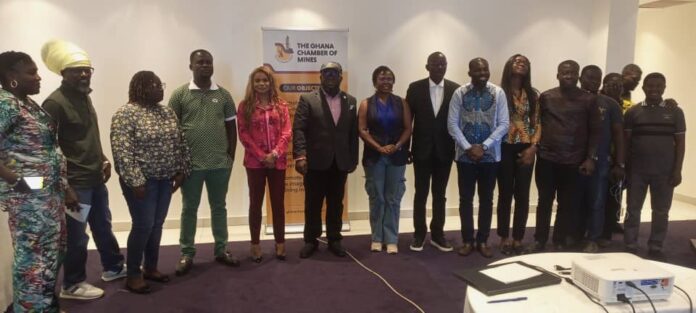
Dr Kenneth Ashigbey, the Chief Executive Officer of the Ghana Chamber of Mines, has emphasized the need to leverage local content by providing incentives for people to start manufacturing in-country to boost exports in the services sector.
Dr Ashigbey said this when the new leadership of the Chamber met journalists in Takoradi in the Western Region.
“Mining is about sustainable development and not just rent. We should focus on harnessing the full benefits beyond the direct fiscal contribution,” Dr Ashigbey concluded.
He tasked the media to optimise the inherent value of the mining sector for Ghanaians and also act as a positive catalyst for enhancing local content as well as champion Ghana’s sustainable development, especially in the communities as the Chamber prepares to celebrate the centenary of mining in Ghana.
He described 2024 as a good year, saying Ghana’s mining industry witnessed stability and would sustain the gains.
“We hope to continue on that trajectory-not only just to have the production and the revenues going up.”
According to him, Ghana recorded a broad based increase in production of traditional minerals in 2024. The historic level of gold production enabled Ghana to retain its position as Africa’s leading gold producer and the sixth largest gold producer, globally.
Ghana accounted for 2.8 percent of global gold output in 2024, an improvement over the 2.6 percent recorded in 2023.
The chamber achieved an all time high target of 4.8 million ounces in 2024, from the 2023 performance of 4.0 million ounces.
He noted that the vision was to be a respected, effective and unifying voice for the mining industry in Ghana.
“We believe that our predecessors have done a great job at that.”
He said the Chamber would conduct and invest more in exploration as there were signs of enough gold underground in Ghana, which could last for the next 900 years.
The CEO announced that three firms were undertaking reconnaissance and prospecting activities with one of them prospecting for almost 10 years.
Dr Ashigbey spoke about some members providing mining services even globally, and creating jobs, and called for a conversation on taxation on mining in Ghana and also to expose those involved in illegal mining operations to safeguard the health of communities and the local economy.
Manganese production, he told journalists, also showed a rise from thee million tonnes in 2023 to five million tonnes in 2024 while diamond improved from 0.202 million carats in 2022 to 0.332 million carats in 2024.
Bauxite saw an increase of 76. 5 percent from 0.959 million tonnes to 1.694 million tonnes over the same period, Dr Ashigbey stated.
The CEO described the chamber’s contribution to revenue as very significant and reported that, in 2024, producing members spent $ 5.5 billion on local procurement, translating into 73.7 percent of their mineral revenue with spill over supports to local industrial growth, skill development and employment.