Home Blog Page 49

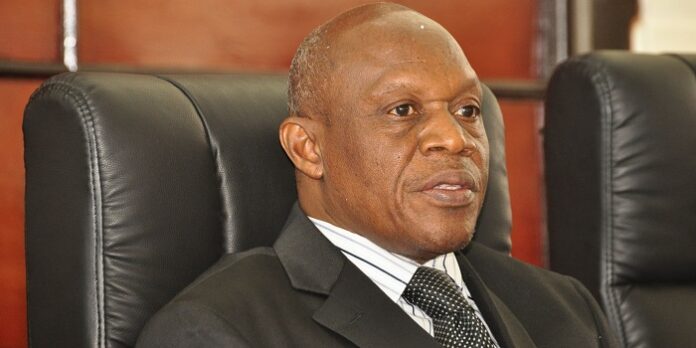
National Integrity Awards: Ghana has an opportunity to re-write new chapter of national life -Justice Atuguba

0

Justice William Atuguba, a retired Supreme Court Judge, says the proposed National Integrity Awards Scheme will provide Ghana a clean slate to re-write a new chapter of national life based on integrity, honesty and high ethical standards.

During the inauguration of a 13-member National Integrity Awards Committee, in Accra, Justice Atuguba stated that in view of the “poisoned nature” of Ghanaian society, the establishment of the integrity awards was fitting and appropriate.

The retired Supreme Court Judge was hopeful that the awards scheme would strengthen Ghana’s brand.

Speaker of Parliament Alban Bagbin, on Thursday, June 12 inaugurated the National Integrity Awards Committee at Parliament House in Accra.

The Committee is to promote integrity, honesty, and ethical conduct among Ghanaians.

The committee is made up of personalities from diverse backgrounds including religious leaders, anti-corruption institutions, government agencies, civil society organisations, and the private sector.

Speaker Bagbin, who is the interim chairperson, stated that the Committee’s establishment was a bold step towards promoting a culture of integrity in Ghana, with a focus on recognising individuals and institutions that had demonstrated exceptional commitment to integrity and ethical conduct.

The Speaker was hopeful   that the Committee would perform its responsibilities to the expectation of all Ghanaians, emphasising the importance of recognising and celebrating individuals who have upheld integrity, ethics, and the rule of law.

Speaker Bagbin remarked: “We need to celebrate what is right and denounce what is wrong with equal vigor.

“The committee’s work will likely have a lasting impact on the country, inspiring present and future generations to uphold integrity as a core value”.

Other members of the Committee are: Sheikh Aremeyaw Shaibu, Spokesperson of the National Chief Imam, Dr Mohammed Marzuq Abubakari, Personal Assistant to the National Chief Imam, Professor Akosua K. Darkwah, President of Network for Women’s Rights in Ghana, Ogyeahohoo Yaw Gyebi II, President of the National House of Chiefs, who doubles as Paramount Chief of Sefwi Anwiaso, and Nana Amponsah Dokua III, President of Queen Mothers’ Platform (Ghana), who doubles as Paramount Queen Mother of the Osudoku Traditional Area.

Other members are: Right Reverend Dr Lieutenant Colonel Bliss Divine Kofi Agbeko (RTD), Chairman of the Christian  Council of Ghana, Mrs Beauty Emefa Narteh, Executive Secretary of the Anti-Corruption Coalition, Madam Mary Awelana Addah, Executive Director of Transparency International Ghana, Mr Daniel Nii Korley Botchway, President of the National Union of Ghana Students, Nana Osei-Bonsu, Executive Director of the Private Enterprises Federation, and Mr Joseph Whittal, Commissioner of the Commission on Human Rights and Administrative Justice.

The National Intergrity Awards Scheme, according to the Speaker of Parliament, is a strategic initiative to enhance the ethical conduct of public officeholders and promote good governance, transparency, and accountability.

SML offices allegedly ransacked in Tema and Accra  

0

Operatives from the Office of the Special Prosecutor (OSP) and National Security have allegedly raided the Osu and Tema offices of Strategic Mobilization Ghana Limited (SML) on Monday June 9, 2025.  

The raids, according to the management of SML, have escalated a bitter dispute over revenue collection in the nation’s petroleum sector that industry sources claimed was being orchestrated by entrenched oil cartels.  

A statement issued in Accra by SML said the raids, ostensibly conducted over SML’s contract with the Ghana Revenue Authority (GRA), come amid mounting allegations that powerful petroleum industry players and oil cartels were driving a sustained campaign to dismantle oversight systems that have cost them billions in previously unreported revenue.  

It said during the raid, the operatives dismantled the real-time monitoring system including monitors, servers, computers and other critical tech components and arrested three innocent employees.   

“They literally destroyed the entire monitoring system which will significantly impact the operations of Customs Division of the GRA with millions expected to be lost daily,” Dr. Yaa Serwaa Sarpong, Director of Support Services at SML said.  

She said, “If you are not monitoring, the cartels will be having a field day. I was told a call came from Customs to not touch the main monitoring system, but they still went ahead to destroy everything, and this system was for Customs.”   

She said the OSP had been in active engagement with SML since March 2025 and correspondence between SML and the OSP showed that SML had been cooperating with the Special Prosecutor and had provided information based on requests from the OSP.   

She said SML’s revenue assurance platform had fundamentally transformed reporting in Ghana’s downstream petroleum sector. Before the company’s engagement, monthly reported fuel volumes averaged just 208 million litres far below actual market activity.   

She said accurate reporting had increased this figure to 450 million litres per month, adding that between May 2020 and December 2024, SML’s systems captured 14.1 billion litres of previously unreported fuel, generating over GH¢20 billion in additional tax revenue for the State.  

“This dramatic improvement in revenue collection has coincided with sustained opposition to the company’s operations,” she said.  

She said the scale of previous revenue leakages was enormous and in 2019 alone, 2.36 billion litres of petroleum products went untaxed, resulting in estimated losses of GH¢3.4 billion, or approximately GH¢283 million monthly.  

Since 2020 and at the height of COVID-19 pandemic, the Ghana Revenue Authority (GRA) has consistently achieved its revenue targets from the petroleum sector due mainly from the revenue assurance system deployed by SML.   

She said despite a comprehensive 306-page KPMG audit commissioned by President Nana Addo Dankwa Akufo-Addo in 2024 finding no evidence of financial misconduct, and public endorsements from both the GRA and Parliament’s Energy Committee, opposition to SML has intensified rather than subsided.  

The Energy Committee in the previous parliament, chaired by Hon. Atta Akyea, specifically noted that SML’s systems had disrupted a “well-entrenched network” of illicit actors and cartels in the petroleum sector.  

She said the GRA had similarly credited SML’s systems with significantly improving revenue assurance.  

However, sources familiar with the petroleum industry suggest these institutional endorsements have only strengthened resolve among the oil cartels and those seeking to undermine the revenue monitoring system.  

She said the campaign against SML has been led prominently by investigative journalist Manasseh Azure and various civil society groups, focusing on procurement irregularities and contractual disputes.  

SML has responded with a GH¢21 million defamation lawsuit, maintaining that attacks on its credibility serve interests that profited from previous tax leakages.   

Industry analysts suggest yesterday’s raid represents a critical juncture for Ghana’s revenue assurance efforts.  

The outcome could determine whether systems that have recovered over GH¢20 billion in additional tax revenue will be allowed to continue or dismantled under pressure from actors threatened by accountability measures.  

The petroleum sector remains one of Ghana’s most significant revenue sources, making the integrity of its monitoring systems crucial for national fiscal health.  

The OSP and National Security have not yet provided detailed justification for the raids beyond citing contractual concerns.  

Supreme Court quashes contempt conviction against Akwatia MP

0

The Supreme Court has overturned a contempt conviction handed down by the Koforidua High Court against Mr. Ernest Kumi, Member of Parliament (MP) for Akwatia.

In a 4-1 majority decision, the apex court also restrained the trial judge from sentencing the MP and nullified the bench warrant issued against him.

The five-member panel, presided over by Justice Gabriel Pwamang, indicated that the reasons for its ruling would be delivered on July 7, 2025.

Justice Pwamang dissented, while the majority decision was delivered by Justices Henry Kwofie, Professor Henrietta Mensah Bonsu, Ernest Gaewu and Adjei Frimpong.

Mr. Kumi had filed an application for certiorari and an order of prohibition at the Supreme Court, seeking to quash the February 2025 contempt conviction by the Koforidua High Court.

The High Court had earlier issued a bench warrant against him, despite an outstanding injunction application against his swearing-in as MP.

The MP, through his lawyers, argued that the High Court judge acted with bias and violated the rules of natural justice by proceeding to hear the contempt application while a motion to set it aside was pending.

He sought the Supreme Court’s intervention to nullify the High Court’s ruling and halt enforcement of the bench warrant.

Private sector eager, prepared to work with the government to boost production-GNCCI President

0

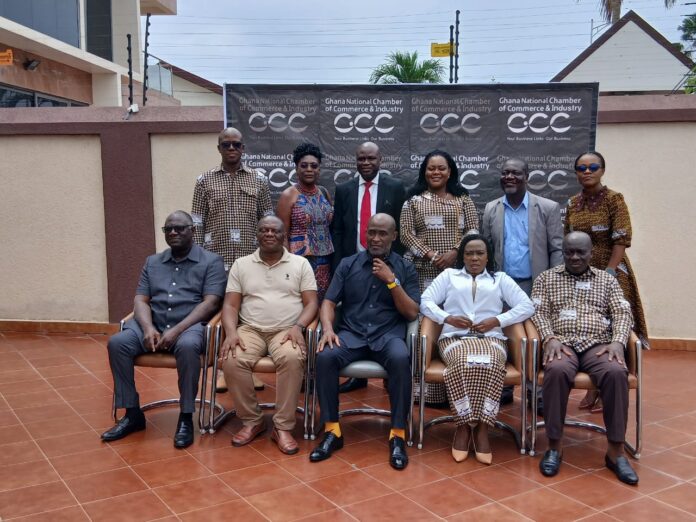
Mr. Stephane Miezan, the President of the Ghana National Chamber of Commerce and Industry (GNCCI), says the private sector is eager and prepared to work with the government to boost production and expand Ghana’s exports.

He said for this to happen effectively, there must be deeper engagement, shared goals, and mutual commitment between policymakers and the business community.

Mr Miezan was speaking at the launch of the 5th Chamber Business Awards on the theme: “Revitalising Ghana’s Development Agenda Through Strategic Public-Private Collaboration” in Accra.

He said the Chamber had chosen to use this year’s Business Awards as a platform not only to recognize excellence but also to champion the call for more structured and impactful public-private collaboration.

He said the Awards offered them the opportunity to celebrate Ghanaian businesses that excelled, adapted, and led in times of challenge but also a platform to reflect on the broader ecosystem that supported business growth.

The President said, “We see tremendous opportunities in areas such as value addition to agricultural produce, development of industrial infrastructure, digitalization, and entrepreneurship.”

He said Ghana’s economic potential had long been acknowledged yet remained underutilized due to structural bottlenecks in local production.

He said it was time to transition from promise to performance through a results-driven partnership between government and the private sector aimed at reducing production costs, incentivizing key industries, and supporting scalable enterprises.

“We must embrace an industrial transformation that positions Ghana as a manufacturing hub within the ECOWAS-ETLS and AfCFTA frameworks, while expanding our reach beyond the continent,” he said.

The President said in recent months, Ghana had recorded some notable improvements in macroeconomic performance.

“Indicators such as inflation, the exchange rate, the bank reference rate, and our reserve holdings have shown promising signs of recovery,” he added.

These developments, though commendable, must be viewed in the broader context of global economic uncertainty.

He said with slower global growth and shifts in international policy, particularly in the United States, the ability to remain resilient would depend on how the country position itself locally.

“This is why we believe now is the time to revitalise Ghana’s development agenda, with strategic collaboration

between the public and private sectors at its foundation,” the President added.

Mr Prince Ackuaku, the Chairman of the Planning Committee, said the Awards was an initiative that had grown to become one of the most prestigious platforms for recognising business excellence, innovation, and impactful partnerships in Ghana.

He said, “This theme reflects a growing national consensus that Ghana’s aspirations for inclusive growth, job creation, industrialisation, and resilience cannot rest solely on the shoulders of the government.”

The Chairman said the Chamber recognised that beyond profits and balance sheets, businesses played a pivotal role in nation-building by creating jobs, developing human capital, driving innovation, and supporting social development.

“These awards are therefore not just about celebration; they are about setting benchmarks, encouraging competitiveness, and inspiring partnerships that uplift our collective destiny,” he added.

Mr Ackuaku said the Chamber Business Awards would focus on honouring businesses and institutions that demonstrated not only profitability but purpose, those that innovated in tough times, collaborated with government or civil society for impact, and kept faith with Ghana.

He expressed the hope that this year’s programme would catalyze new thinking in the way the private and public sectors engage.

BoG says 2024 financial year saw improved performance despite loss

0

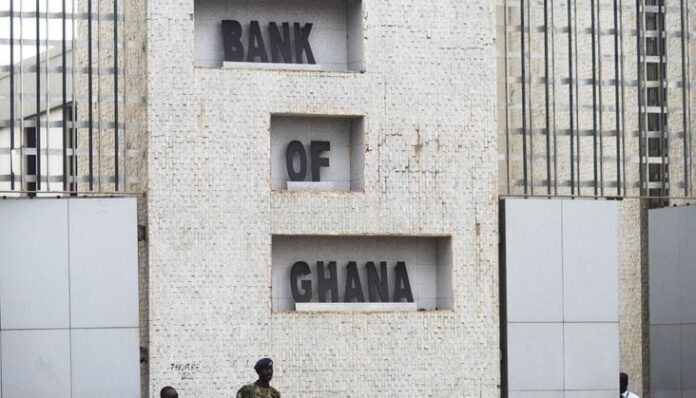
The Bank of Ghana (BoG) says it has seen improvements in financial performance and position for 2024 despite a loss of GH¢9.49 billion.

In a statement, the BoG said the GH¢9.49 billion operating loss for 2024 was the result of total operating income of GH¢9.40 billion falling short of  operating expenses of GH¢18.89 billion.

It said the performance led to GH¢4.02 billion gain in its equity position, bringing down equity position to

negative GH¢61.32 billion from GH¢65.34 billion in 2023.

A statement from the Bank said the key drivers of the operating loss included cost of open market operations of GH¢8.60 billion, revaluation and exchange differences (losses) totaling GH¢3.49 billion.

It said exchange losses of GH¢1.82 billion on the Government’s Gold-for-Oil Programme and currency issue expenses, of GH¢1.01 billion for 2024, from GH¢0.69 billion in 2023 contributed to the loss.

Another contributory factor was modification to the choice of accounting treatment of foreign exchange gains

and losses resulting from revaluation of the Bank’s assets and liabilities in gold, special drawing rights and foreign securities.

A statement issued by the Bank said the release of the 2024 Financial Statements reflected the Bank’s compliance with statutory obligations, continued commitment to transparency, accountability, and sound financial governance.

It said the Bank is committed to maintaining price and financial stability and creating an enabling environment for businesses and individuals to thrive.

The total assets for 2023 were GH¢140.41 billion and GH¢215.06billion

for 2024, while equity position for 2023 was negative GH¢65.34billion and Negative GH¢61.32 billion (Improved by GH¢4.02billion) for 2024.

Let us position Ghana Statistical Service as a leading force in national Development-Abu Kasangbata  

0

Mr Abu K.Kasangbata, a former Deputy Upper West Regional Minister has called for the re-positioning of the Ghana Statistical Service (GSS) as a leading force in National Development.  

“The Ghana Statistical Service (GSS) is undoubtedly one of the most vital yet underappreciated institutions in our national development framework. Globally, countries that have achieved meaningful development have done so by relying on accurate and timely data to shape policy, plan interventions, and evaluate outcomes”.   

In a statement copied to the Ghana News Agency in Accra on Wednesday, Mr Kasangbata said “Ghana must adopt the same model if we are serious about sustainable development and inclusive growth. Too often, we ignore the critical role that data plays in nation-building. We cannot talk about transforming Ghana without strengthening the foundation on which effective policy decisions are made and that foundation is data”.   

Mr Kasangbata said the GSS provided key economic indicators such as inflation rates, GDP, and the Consumer Price Index (CPI), but its mandate was far beyond that.   

“It provides data that can be used for planning, monitoring, evaluation of programmes and the development of policies that can be used to shape practices in sectors such as education, health, agriculture, infrastructure, and employment to improve the quality of life of the Ghanaian. These are the areas that directly affect the lives of ordinary Ghanaians”.  

He said it was therefore, imperative to view GSS not just as a technical agency, but as a strategic partner in national development.   

“This is a passionate appeal to the government to prioritise the Ghana Statistical Service by providing it with the resources, tools, and institutional autonomy required to function effectively. Doing so will ensure that development policies are grounded in evidence and aligned with the real needs of our people”.   

Mr Kasangbata said in an administration led by  President John Dramani Mahama, GSS must be positioned alongside the National Development Planning Commission (NDPC) as a key anchor in  national transformation agenda.   

“Particularly for implementing flagship programmes such as the 24-hour economy, the role of GSS in data collection, monitoring, and evaluation will be crucial. It will allow the government to assess progress accurately, identify gaps, and re-align strategies as needed”.   

He said if the GSS was empowered, Ghana would win.   

“Our nation can avoid wasteful spending, better target investments, and improve transparency and accountability. The time has come to treat the Ghana Statistical Service as a cornerstone of national development not a peripheral agency, but a critical engine for progress. Let us act now. Let us build on data. Let us build Ghana”.  

ICC Global Course: Newly trained Cricket Coaches charged to be ambassadors for change

0

Mr. William Glenwright, Head of Global Development, International Cricket Council, has urged newly trained coaches of the ICC Global level three coaching course to echo their voices as leaders and ambassadors of change.

Ghana’s Obed Harvey, among other 17 recognised cricket coaches assembled in Bahrain for a five-day intensive and well-structured training course which seeks to challenge, develop and elevate coaches from identified countries to lead at the highest levels within and beyond their respective borders.

 Mr. Glenwright speaking at the opening of the ceremony said the training had over the years grown from strength to strength, giving coaches a world class education experience in cricket.

He noted that coaches have profound responsibilities not only to train and guide athletes but also act as transformative figures to shape the future of coaching and cricket itself.

He further highlighted that standards of excellence, professionalism, and sportsmanship were key attributes that needed to be portrayed by these trainers in their line of duty.

The Head of Global Development further urged the team to make good use of the opportunity to help unearth young talents and make cricket a leading sport.

Mr. Obed Harvey, Ghana’s representative at the global event also speaking in an interview with the GNA Sport expressed excitement and gratitude to the Ghana Cricket Association for the opportunity to be part of the training course.

He said the course would be instrumental in their quest to make cricket a household sport both in Ghana and on the continent.

As part of ensuring progress after the week-long training, the decorated cricket player had been tasked to develop a coaching practice aimed at creating a better environment for players to be more effective at playing spin.

Participants were also taken through various areas such as psychological safety and emotional intelligence, highlighting the need to create a secure and non-judgmental space for players to learn and develop from apathy, anxiety, comfort to learning.

Young Revolutionary Cadres commemorate 46th Anniversary of June 4 uprising  

0

The Takoradi branch of the Young Revolutionary Cadres of the National Democratic Congress (NDC), on Wednesday held a wreath-laying ceremony and a durbar to commemorate the 46th anniversary of the June 4 uprising. 

The event, held in Takoradi, was on the theme: “Resetting Ghana for Accountable Governance.” 

Mr Joseph Nelson, the Western Regional Minister, in a speech read on his behalf commended the Young Revolutionary Cadres for taking the initiative to organise the 2025 celebration.  

He said the anniversary was a step in the right direction to reiterate the importance of the June 4, 1979, uprising in the current democratic dispensation of the country.  

He noted that: “The June 4 uprising was to restore dignity to the Ghanaian people and ameliorate the suffering of the people because they believed in good governance, democracy, probity, accountability, and the rule of law. 

On the theme, he stated that resetting Ghana was a process that needed discipline, hard work, honesty, commitment and patriotism to attain that feet.  

Mr Nelson encouraged the Young Cadres to be steadfast and guided by their core principles, and work to inculcate the values of the June 4 revolution in their lives to make society a better place for all. 

Mr Fredrick Faidoo, the Sekondi-Takoradi Metropolitan Chief Executive (MCE), said the revolution had stood the test of time, and had become an important event in the nation’s political history. 

He said the NDC government would keep on with its resetting agenda to meet the needs of Ghanaians just as the June 4 uprising stood for.  

Mr Samuel Donkor, a National Executive Member of the United Front Cadres, urged members to lift high the banner of the revolution and work hard towards achieving a better future for all Ghanaians.  

Rate of inflation slows to 18.4 per cent in May, lowest since February 2022

0

The rate of inflation slowed to 18.4 per cent year-on-year in May compared with 21.2 per cent in April 2025, marking the lowest rate since February, the Ghana Statistical Service said on Wednesday.

This is the fifth straight year-on-year decline in inflation, a clear signal that price stability is returning to our economy.

Dr. Alhassan Iddrisu, the Government Statistician said the monthly inflation stood at 0.7 per cent, slightly down from 0.8 per cent in April, indicating short-term price stability.

He said the core inflation eased to 18.5 per cent, signaling moderation in underlying inflationary pressures.

The Government Statistician said the food inflation fell to 22.8 per cent; non-food inflation declined sharply to 14.4 per cent, while goods inflation remained higher (20. Per cent) than Services inflation (14.3 per cent), adding that Goods contributed 79 per cent to overall inflation.

He said non-durable goods drove Ghana’s inflation, contributing 10.1 percentage points to headline inflation of 18.4 per cent.

He said services inflation in Ghana recorded a modest 0.7 per cent rise in May 2025, contributing 0.19 percentage points to the headline rate.

Locally produced goods inflation dropped more than imported items (down by 3.5 and 1.3 percentage points respectively).

He said top inflation contributors include yam, smoked herring, fish, vegetable oil, and ginger, mostly food items.

 Upper West recorded the highest inflation (38.1 per cent) with high food, education, and utilities inflation, meanwhile Ahafo Region posted the lowest at 14.5 per cent with 15 out of 16 regions recorded Year-on-Year declines.

He said the overall trend showed sustained disinflation, possibly influenced by strengthened cedi; tighter monetary policy; fiscal consolidation and positive market sentiments.

The Government Statistician said the Service remained cautiously optimistic that the trajectory would continue, offering relief to households and creating a more stable environment for businesses and investors.

He said with food inflation contributing almost 2/3 of the total inflation, households should adopt bulk purchasing, shared food buying, and consider local, in-season produce to reduce food costs.

He said households could also limit discretionary spending on items like restaurants (18.5 per cent inflation) and recreation.

”Given 20.1 per cent inflation in health, households should prioritise preventive care and take advantage of NHIS benefits to avoid high out-of-pocket expenses,” he added.

For businesses, he said, since local inflation was easing faster than imported inflation businesses could reduce cost pressures by sourcing locally and with high inflation in food and imported goods, businesses should strengthen local sourcing and reduce reliance on volatile inputs.

Dr Iddrisu said with disinflation underway, avoid sharp price hikes and build customer trust through transparent pricing and tailor distribution and pricing strategies to reflect regional inflation differences particularly in the north.

He said the government should continue to support macroeconomic policies that keep the cedi stable, reinforcing the disinflation trend.

He urged the government to implement targeted interventions in food logistics, utilities, and education access in high inflation regions such as the Upper West, which was still recording inflation above 38 per cent.

“Invest in post-harvest storage, transport infrastructure, and irrigation to stabilize food prices further and continue to protect vulnerable groups through expansion of targeted social protection in high-inflation regions and sectors, especially where food and education costs are rising,” he added.He said the government must promote local

production by supporting SMEs and agribusinesses to strengthen domestic supply chains and align monetary and fiscal policies through collaboration with the Bank of Ghana to monitor inflation drivers and evaluate the need for cautious monetary tightening if pressures persist.

Discipline, Commitment Key to Protecting June 4 Values – JJ Rawlings Foundation 

0

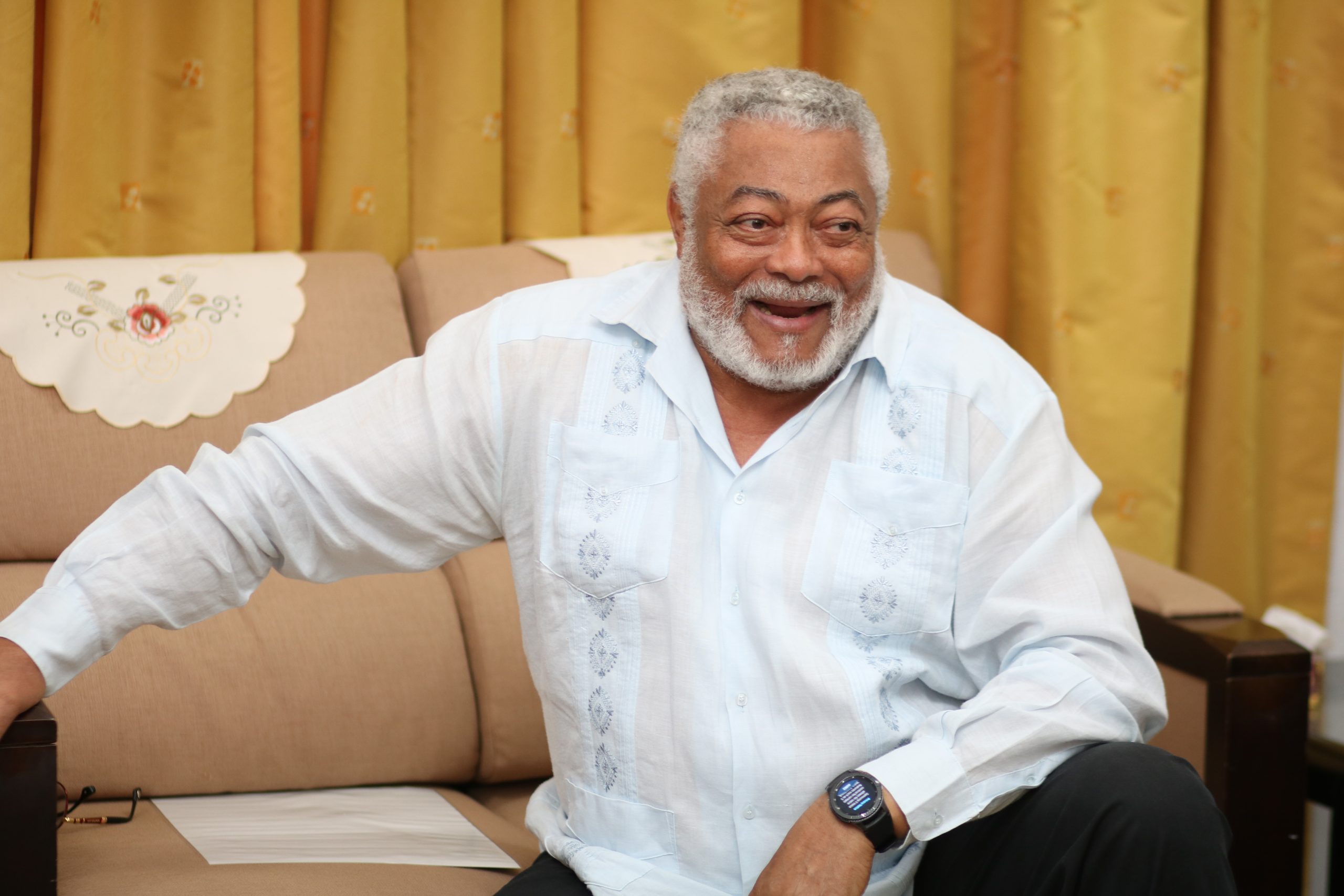
The JJ Rawlings Foundation has called for renewed discipline and commitment to uphold the values of the June 4 Uprising in 1979 as Ghana marks its 46th anniversary. 

In a statement issued on Wednesday in Accra, the Foundation described the 1979 Uprising as a pivotal moment in Ghana’s socio-political history, borne out of widespread corruption, economic hardship, and political instability. 

Quoting late President Flt Lt Jerry John Rawlings, the Foundation underscored June 4 as “a force that cannot be erased” and a symbol of probity, accountability, justice, and people’s power. 

The Foundation urged Ghanaians to honour the memory of those who sacrificed for the revolution by remaining steadfast in the ideals it represents.  

“For those of us living, let us remember that the survival of the ideals of probity and accountability are dependent on us” it said. 

Highlighting its ongoing efforts to preserve the legacy of Rawlings, the Foundation noted its environmental sustainability initiatives, including a nationwide tree-planting programme involving schools to promote climate resilience and biodiversity. 

It also cited exhibitions on Ghana’s political history, theatre performances, and a boxing industry roundtable as part of its civic engagement. 

Marking five years since the passing of Rawlings, the Foundation announced a series of commemorative activities for 2025, to be publicised in due course. 

The Foundation called on citizens to emulate the discipline and patriotism that fuelled the 1979 revolution to secure Ghana’s future. 

“We have the opportunity to prove to all that we are dedicated to moving Ghana Forward into a new era of confidence and development. 

“Such a pursuit involves transparency, patriotism and dedication to duty wherever we find ourselves. Failure is not an option,” it said. 

“As we mark 46 years since that watershed moment in June 1979, lets us remain disciplined, emboldened and committed in pursuit of the beliefs and values that have kept the flag of the AFRC, PNDC and the NDC flying these past four decades and more,” it urged. 

The June 4th Uprising in Ghana, which occurred in 1979, was a popular revolt against corruption and mismanagement by the ruling military government.  

Led by Flight Lieutenant Jerry John Rawlings, the movement arose from widespread frustration within the Armed Forces and a strong public demand for change.  

Rawlings, initially imprisoned for attempting to expose government corruption, was freed by lower-ranking soldiers, sparking a chain of events that accelerated the uprising.  

The movement swiftly gained momentum, leading to the overthrow of the military junta and setting the stage for subsequent political reforms in Ghana.