Home Blog Page 484

‘Gorilla glue doctor’ leads surgical reconstruction mission to Ghana

0

Dr. Michael Obeng, US-born Ghanaian Doctor, famed for cracking the infamous gorilla glue hairdo case, has led a team of surgeons to Ghana to undertake free reconstructive and plastic surgery.

The Doctor founded RESTORE, a non-profit organisation, which supports victims of tumors, keloids, fibroid, goitre and other related cases with free surgery, which benefited a total of 174 clients in a week-long stint at the Ho Teaching Hospital.

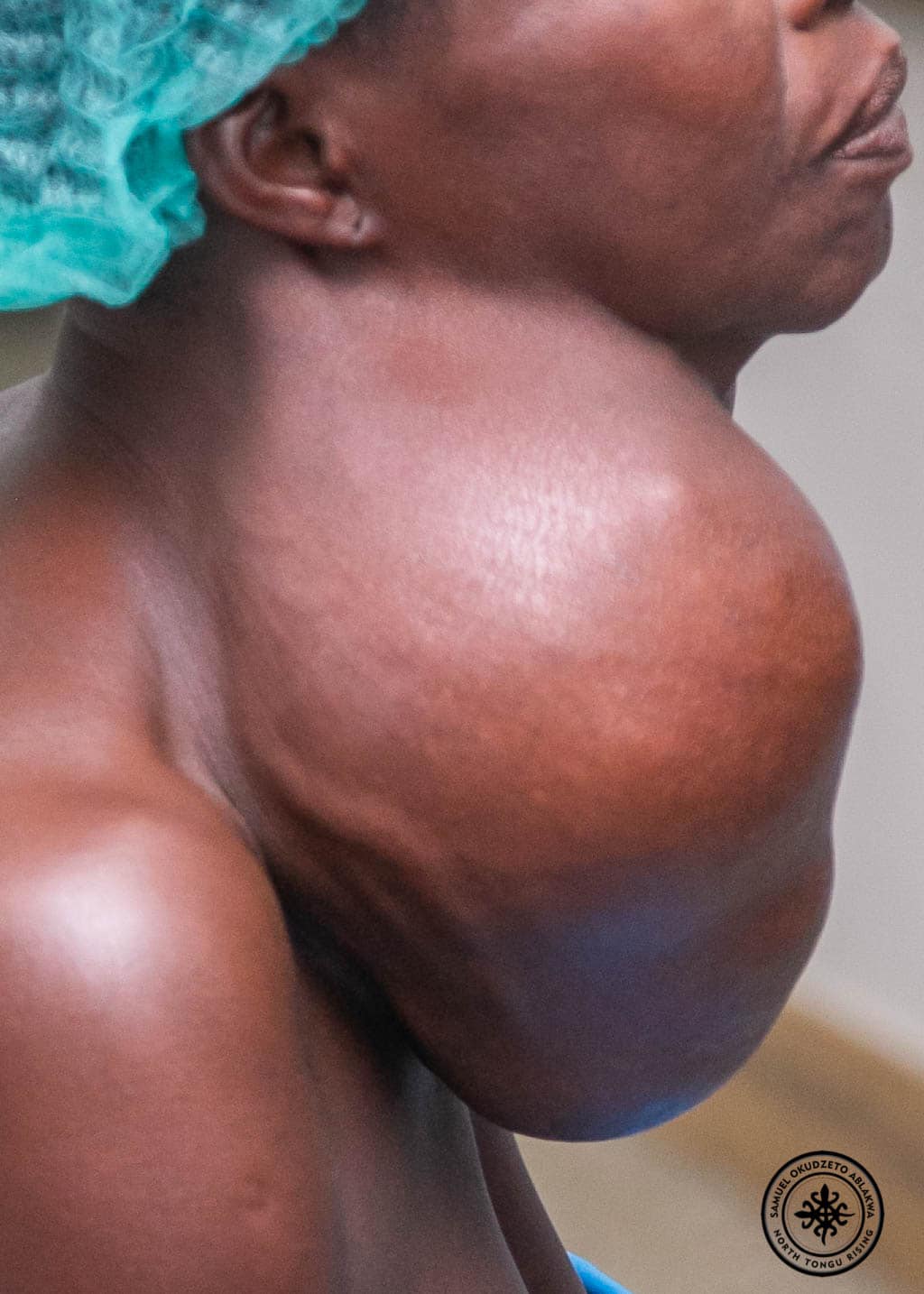
There were tumors that covered faces completely, with some cases requiring five-hour unbroken operating sessions.

One gender reassignment surgery was performed on a lady, who was born with genitals of both sexes.

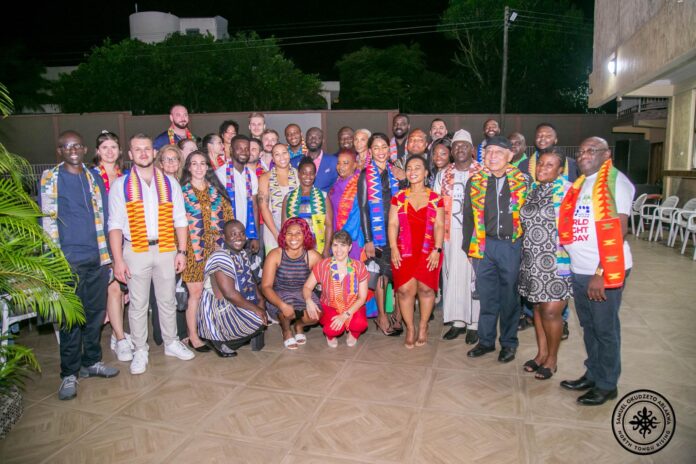
A dinner dance was held in honour of the team, which included 14 surgeons from among others, Germany, France, UK, Senegal, Mali, and the US, and most of whom were first time visitors to Ghana.

There was a family of anesthetics on the team, and the Senegalese Military Doctor, whose work got lots of mention.

There were also specialist dentists and chiropractors, who performed surgeries and frame adjustments.

Dr Obeng said in a toast, that the desire to restore hope in many, who had been removed from society due to their condition, drove his work and dedication.

Quoting scripture, he said his sacrifices found root in the need to give back his divine-given talents, and that the wholesome offerings of the team members bore the same significance.

“I thank my team for believing in me and leaving their homes to Ghana to support.

“These patients are hiding- be the moon in their lives,” he said, adding that “society needs to do more”, and promised to help the hospital undertake the needed surgeries.

Dawn Sutherland, Director of International Affairs at Restore, said the international organisation made history with the Ho project, assembling the largest number of surgeons in its 14-year history.

She reported that among the cases were 35 related to dentistry, and seven unique cases handled by the chiropractor.

“Most people were shut away in homes in villages, and we changed their lives. We took more than three kilos from the neck of one such woman,” she said.

Ms. Sutherland said the team had worked tirelessly for 16 hours a day and thanked the “awesome” support staff and management of the teaching hospital.

“Ho Teaching Hospital is the best hospital we have operated with. It is clean, it didn’t smell, and the grounds are beautiful. the people’s attitude was very nice,” she said, calling to maintain the “attitude and the atmosphere at the hospital.”

Dr. John Tampouri, Acting Chief Executive of the Hospital, said the team was “a hero in our midst.

“You did a lot, and you gave hope to this county. They did the work that God does – they restored hope and gave them confidence,” he said.

Dr. Tampouri said the Hospital considered the mission a relationship and promised to help ensure its sustainability.

Mr Samuel Okudzeto-Ablakwa, MP for North Tongu, who hosted the dinner, and had also supported the project with some logistics, thanked the team from Restore, and said the life transforming initiative would be supported to benefit more.

“People are seeing the work and want to support, and it will be institutionalised as an annual affair.
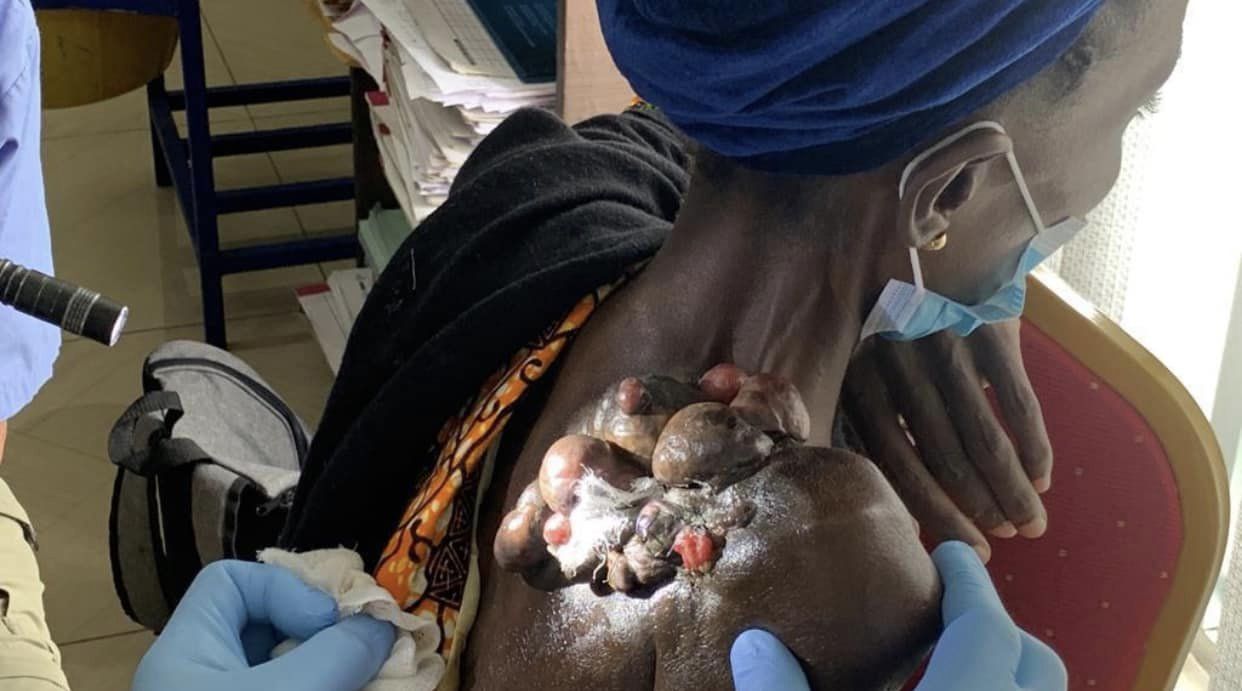
“We will make sure that all those wonderful people, who have been stuck in their homes, who have been banished, people call them whites among other names – we will make sure they smile again,” he said.

The MP, who had recently donated medical supplies and equipment to the Hospital, thanked others, including the Management of the Ho Teaching Hospital for hosting the surgery, and the exclusive Volta Serene Hotel for pampering the team.

A Ghanaian philanthropist, who wanted to remain anonymous, donated GHC 10,000 to facilitate the project.
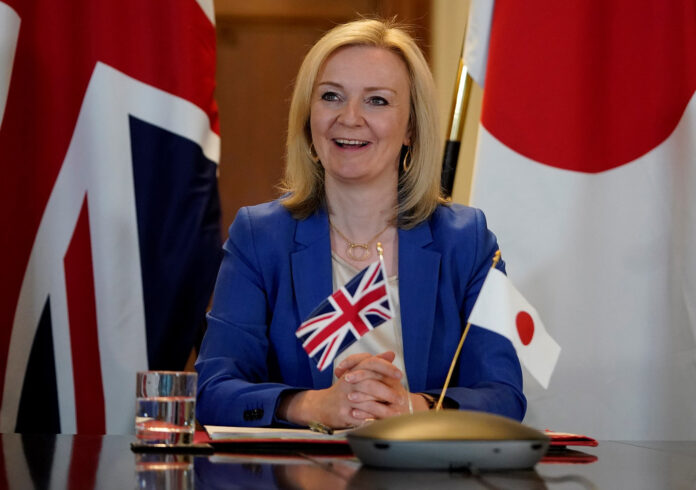
 

Liz Truss resigns as Prime Minister of the United Kingdom.

0

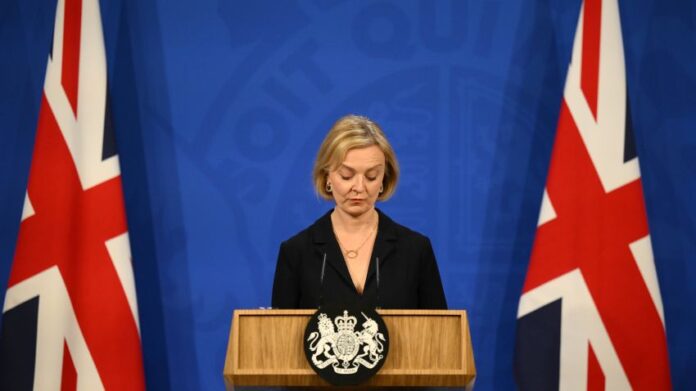
Liz Truss has resigned as Prime Minister of the United Kingdom (UK) after only six weeks in office.

She told reporters outside Downing Street that she had informed King Charles that she was resigning as Conservative Party leader.

In front of dozens of reporters, she claims she took office during a period of “great economic and international instability.”

“I recognize… given the situation, I cannot deliver the mandate on which I was elected by the Conservative Party,” she added.

Liz Truss resigns as Prime Minister of the United Kingdom, citing “great economic and international instability.”

0

Liz Truss, the resigned Prime Minister of the United Kingdom, says she took office during a period of “great economic and international instability.”

On Thursday, October 20, she announced her resignation.

She told reporters outside Downing Street that she had informed King Charles that she was resigning as Conservative Party leader.

In front of dozens of reporters, she claims she took office during a period of “great economic and international instability.”

“I recognize… given the situation, I cannot deliver the mandate on which I was elected by the Conservative Party,” she added.

This comes few days after sacking her first Finance Minister of a Ghanaian origin, Kwasi Kwarteng.

Mr Kwarteng was sacked on October 14 amidst the government’s tax cuts believed to have sparked financial market turmoil.

In a letter reacting to his dismissal, he said “You have asked me to step aside as your Chancellor, I have accepted.

“When you asked me to serve as your Chancellor,  I did so in full knowledge that the situation we faced was incredibly difficult, with rising global interest rates and energy prices. However, your vision of optimism, growth and change was right.


Ho Municipality signs sister city MoU with Gainesville Florida

0

The Ho Municipal Assembly and the City of Gainesville, Florida US, have signed a memorandum of understanding (MOU) to foster cooperation and development.

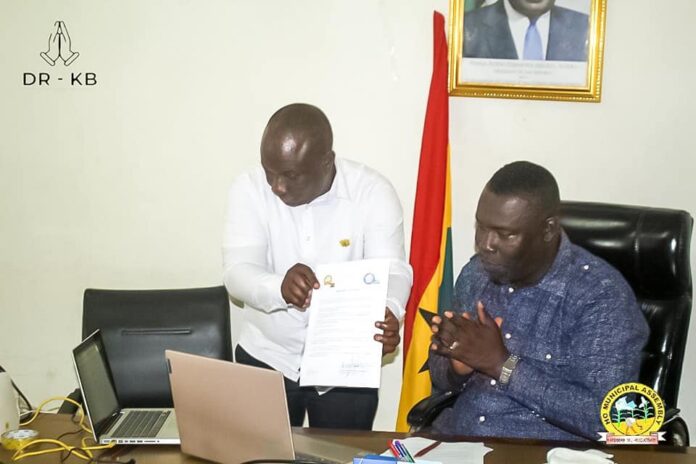
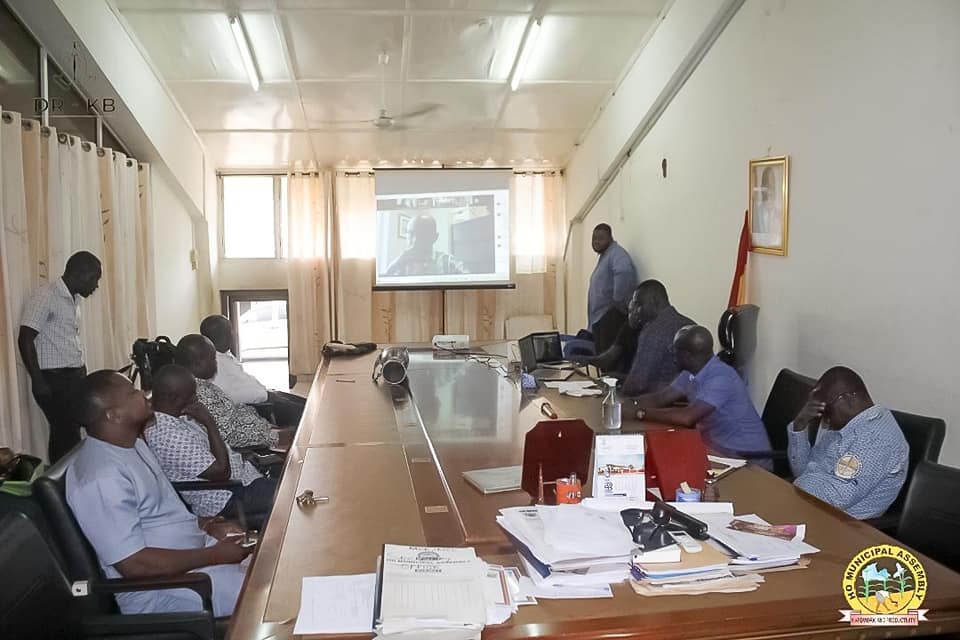
Lauren Poe, Mayor of Gainesville, and Divine Bosson, Municipal Chief Executive of Ho, signed the agreement via virtual meeting platform, Zoom, in the presence of local stakeholders.

The MoU would lead to the exploration of common interests in education, economic, and cultural sectors of both cities.

Mayor Poe held up Gainesville’s renewable energy acclaim, being the fifth largest producer of solar power per capita in the world, and said a sustained partnership should benefit all.

He said Ho had become Gainesville 10th sister city in the world, and the first in Africa.

“We are looking forward to a long relationship with the city of Ho. We are excited to broaden our relationship and continue working for peace and security. We will work together and focus on what to do together,” he remarked.

The mayor was optimistic about common interests in healthcare and education, as well as opportunities for collaboration between related institutions and organisations.

The Ho MCE, on his part, called the event “an epoch-making signage between our two cities,” and declared, “we are the best in Africa today.”

He said almost 70 per cent of the city’s 200,000 population resided in the urban centres and that the twin city programme would help develop its economic and social prospects.

Mr Bosson said the MoU was the city’s second, noting also that one with Namibia was on the table.

The MCE tasked technocrats of the Assembly to begin processes on the partnership programme, while announcing a trip to Florida in November to physically cement the deal.

Mr Bosson seemed most excited about the educational component of the project, which would create opportunities for exchange programmes between the cities, and said Ho had eight tertiary institutions, which helped lay claim to the designation as an education hub.

The MOU expects to create sustainable environment to help meet basic and fundamental social needs, and facilitate economic strengthening and creating opportunities for businesses.

The MCE said the Municipality’s first sister city partnership, which was with Finland, would be reactivated.

Technocrats at the Assembly, including the Presiding Member, and the Municipal Engineer, all pledged support for the programme.

Gainsville is the principal city of the Gainesville metropolitan area and has a population of about 150,000.

It is home to the University of Florida -fourth largest by population in the US, and which is the main driver of the local economy.

The Ho Municipality has Ghana’s prime health University, the University of Health and Allied Sciences (UHAS), which is a decade old institution that ranks among the best in the subregion.

The regional capital is also said to be the oxygen city of Ghana, and the spirit and soul of tourism development in the endowed Volta Region.

Building local capacity critical to the sustainability of mining industry – Jinapor

0

Building local capacity in the mining industry in Ghana is the surest way to sustain the industry, Mr Samuel Abu Jinapor, Minister of Lands and Natural Resources, has stated.

 “In building capacity, you must pay particular attention to building local capacity which is one of the most important policies of the government for the mining industry,” he told mining companies.

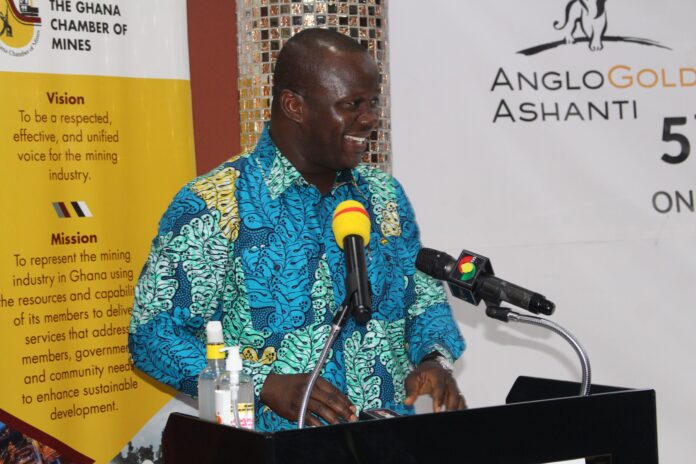
 The Minister, who was addressing the fifth Annual Conference of the Ghana Chamber of Mines on Human Resource Management at Obuasi, underlined the need to build a human resource base with strong local content and local participation that responded to the future needs of the industry.

  The conference, which was on the theme: “Transforming People Management for a Sustainable Mining Industry,” was to create a platform for the mining industry to celebrate achievements and highlight the challenges, which confront the industry, employers and labour.

 The conference, which was jointly put together by the Chamber and AngloGold Ashanti, also provided opportunity for industry players to discuss how to achieve a more sustainable and strong human resource base to stimulate development and growth.

 Mr Jinapor said the vision of the President was to make Ghana the mining hub of Africa, where mining and mining related activities, from exploration to downstream production, and from research to innovation would be centred.

“As Human Resource Professionals in the mining industry, you must familiarise with the requirements of Legislative Instrument 2431, particularly the localisation programme for the recruitment and training of Ghanaians,” he said.

 He said building the capacity of employees was not only for the benefit of the organisation but the country at large, adding that, a motivated and efficient workforce increased productivity and by extension improved the national economy.

 Mr Sulemanu Koney, the Chief Executive Officer (CEO) of the Chamber, said effective people management was intrinsically linked to corporate performance and sustainability, hence the need for human resource practitioners to constantly update themselves on managing employees.

 He said human resource was the central pillar of any organisation’s success, and that the Chamber was keen to see the attraction and retention of the best talent in the industry.

 The industry, he noted, could be productive and sustainable with the confluence of research, attraction and retention of the right talents and skills.

  “We will, therefore, continue to support academia through the Chamber’s Tertiary Education Fund to develop the right pipeline of talent and skills for our industry, and for Ghana as a whole,” he assured.

  The CEO emphasised that Environmental, Social and Governance (ESG) principles were taking centre stage globally in corporate performance considerations, saying, industry players, particularly, human resource professionals, could underestimate the critical role of social and governance issues in their respective organisations.

Mr Eric Asubonteng, Managing Director of AngloGold Ashanti, Obuasi Mine, who chaired the opening session of the conference, said the industry needed to be proactive in strengthening the employer value proposition from the human resource perspective.

  This, he said, could be achieved with a radical approach to attracting, retaining and nurturing talents.

 “Human resource practitioners must, therefore, intensify efforts to transform the industry through comprehensive people management practices and find innovative ways to boost the effectiveness and efficiency of our people,” he stated.

President inaugurates GH¢6.7 million maize processing factory at Nsuta-Kwagye

0

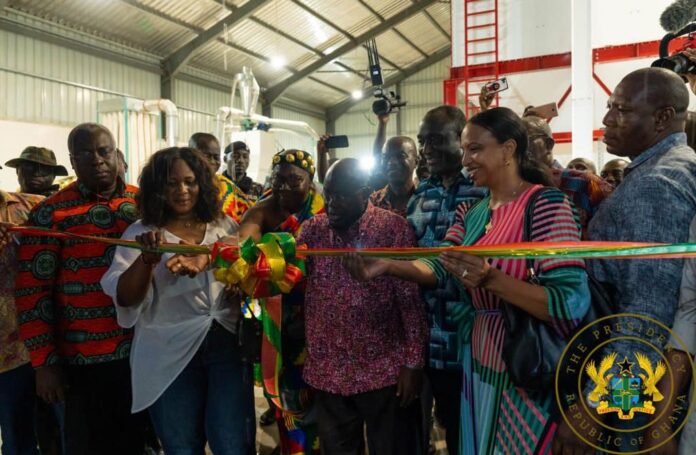
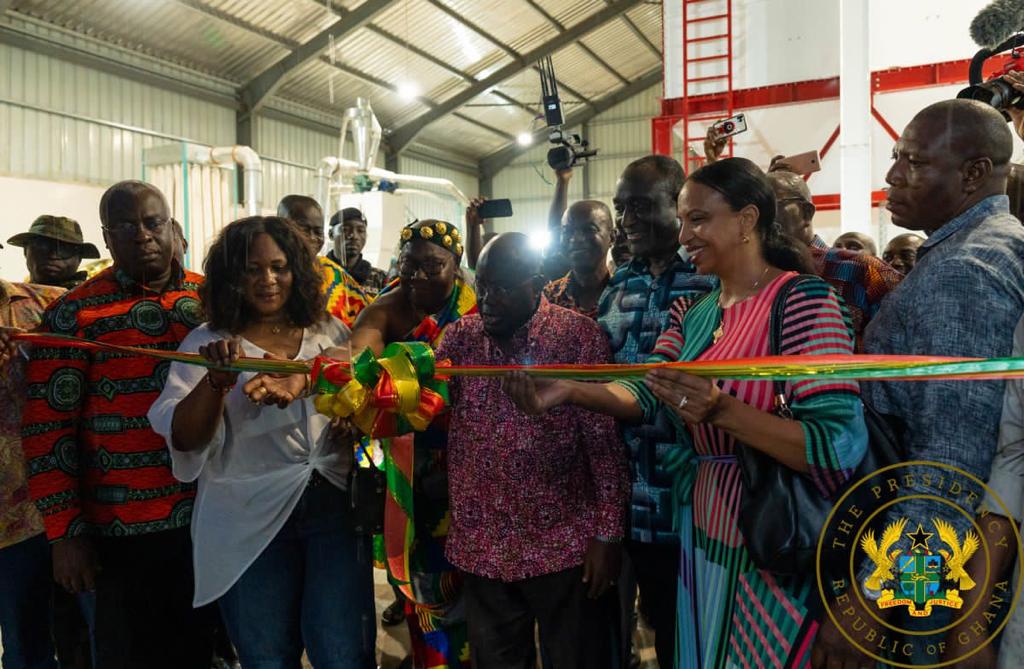
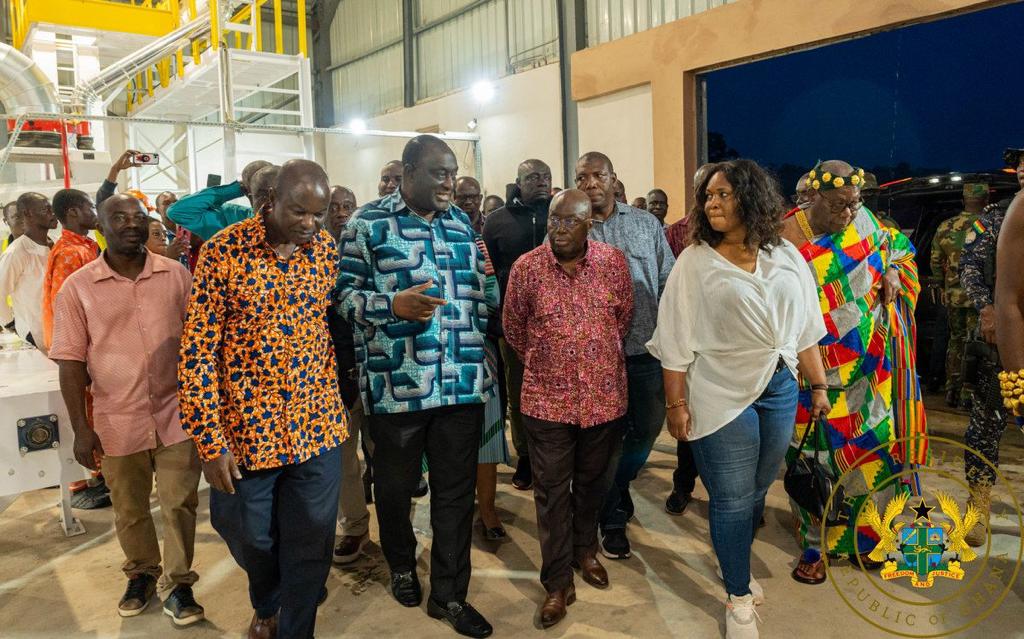
President Nana Addo Dankwa Akufo-Addo has inaugurated an ultra-modern maize processing factory at Nsuta-Kwagye in the Sekyere-Central District of the Ashanti Region, a project executed under the ‘One District, One Factory’ initiative.

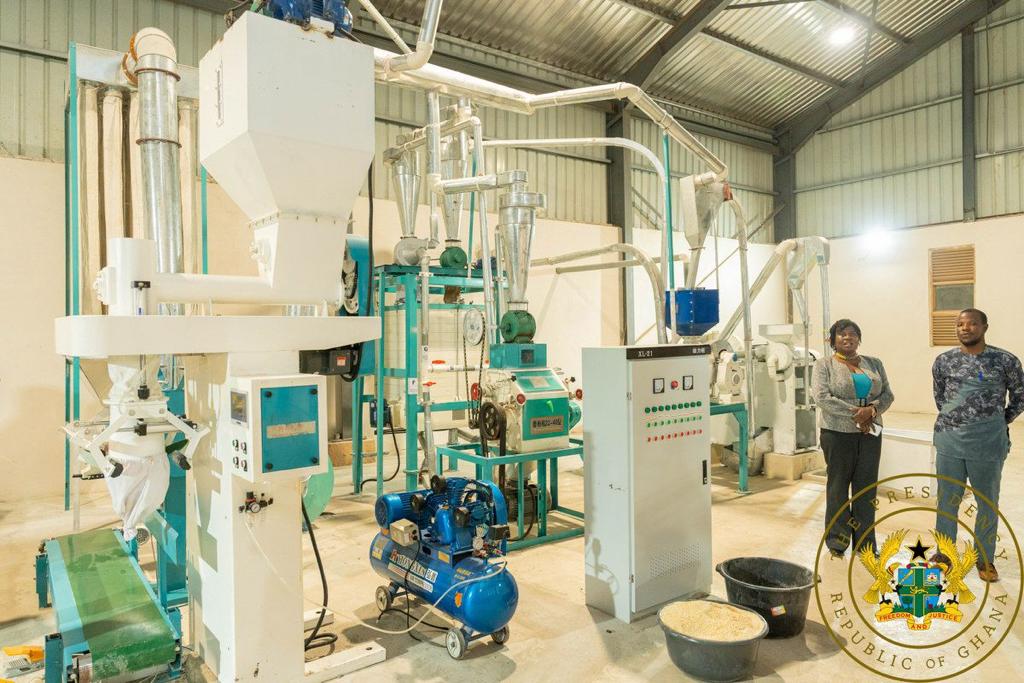
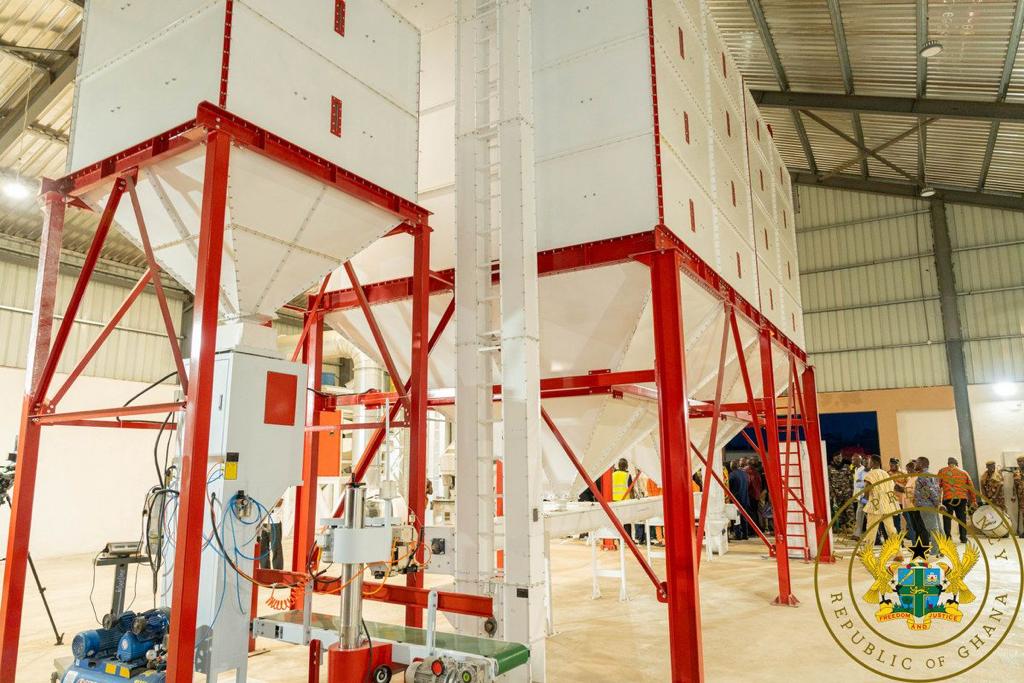
The GH¢6.7 million factory has the capacity to process four to five tonnes of dry maize, and five tonnes of maize grits per day.

Construction of the facility commenced in January 2020, completed and handed over in June, 2022, and fitted with state-of-the-art processing equipment, including a maize drying plant and a grit milling machine.

It has a standby generator and a mechanised borehole to supply the factory with water, a warehouse, fully furnished office accommodation for staff, conference room, laboratory, and a canteen for workers.

The inauguration was part of the President’s working visit to the region to inspect and commission infrastructural projects to enhance socio-economic activities.

He was assisted by the Minister of Trade and Industry, Mr Alan Kwadwo Kyerematen, who hinted that the Sekyere Maize Processing Factory was expected to directly employ some 118 workers.

These include management professionals, factory floor workers and plantation management personnel, who would work on nucleus maize farms.

Additionally, more than 600 farmers from the Sekyere Central Union of Maize Producers Associations, the mother association of all maize farmer-based organisations in the district, would be directly engaged as contract suppliers of maize to the factory.

The Minister said the authorities sought funding from the African Development Bank (AfDB) to introduce this new concept of establishing common user facilities in five districts where farmers engaged in the same commodity value-chains but lacked facilities to process their produce.

The concept was conceived in 2017, following a policy direction by the Ministry to realign the Rural Enterprises Programme to be consistent with the Government’s Industrial Transformation Agenda.

It seeks to enhance the ability of farmers and other agricultural value-chain actors, with little or no financial capacity to establish their own common user processing facilities for their produce.

Reports of illegal miners trapped underground untrue – AGA

0
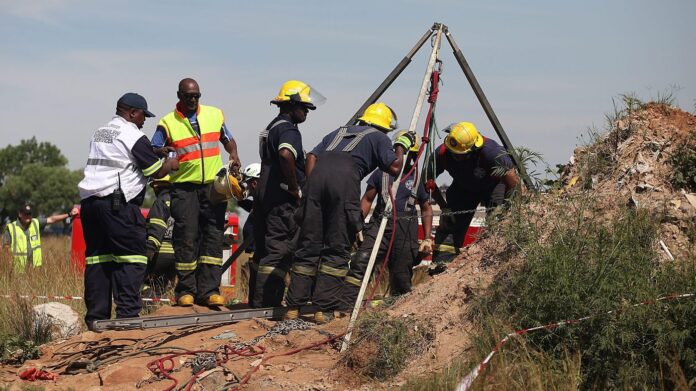
Rescue services and emergency personal try to free miners trapped underground in Benoni, east of Johannesburg, South Africa, on Sunday.

AngloGold Ashanti (AGA) Ghana has described as false reports that some illegal miners were trapped underground at its Obuasi Mine, in the Ashanti Region.

“Authorities and Mine security personnel have conducted a patrol of underground workings in the northern area of the Mine and are not aware of anyone remaining underground,” the international mining company affirmed.

A statement issued by AGA Ghana, copied to the Ghana News Agency (GNA), Accra, however,  confirmed the arrest of 11 illegal miners by the authorities on Tuesday, October 18, after exiting underground workings at the Obuasi Mine.

“Any unauthorised persons who may still be underground are encouraged to leave the Mine at any time by the exit points where public security personnel are stationed,” the statement noted.

It said intrusion of illegal miners into the company’s underground workings remained a significantly dangerous activity and “AngloGold Ashanti Ghana will work alongside authorities to ensure that only authorised mine personnel and contractors can access underground work areas”.

The company indicated that the safety of staff, security and community members remained a priority.


Rebecca Foundation launches project to reduce breast and cervical cancers

0

The Rebecca Foundation, in partnership with the Ghana Health Service (GHS), has launched the Capacity Building for Breast and Cervical Cancers in Ghana project to help reduce the high incidences of these diseases in the country.

The project, being rolled out in three districts; the West Gonja, Birim South, and Sekyere West, involve the training of more than 90 health workers who will be able to screen and treat breast and cervical cancers at the districts’ primary health care levels.

The GHS has indicated that breast and cervical cancers cause significant morbidity and mortality in Ghana as in 2020, an estimated 4,400 cases of breast cancer and 2,797 cases of cervical cancer were recorded with almost 50 per cent deaths.

The Rebecca Foundation, therefore, through the Organisation of African First Ladies for Development, secured funding from Roche, a multinational healthcare company, to undertake the project.

Under the project, Thermal Coagulation Machines have been purchased to be distributed to the district hospitals in the three project areas to assist in treating cervical cancer right at that level.

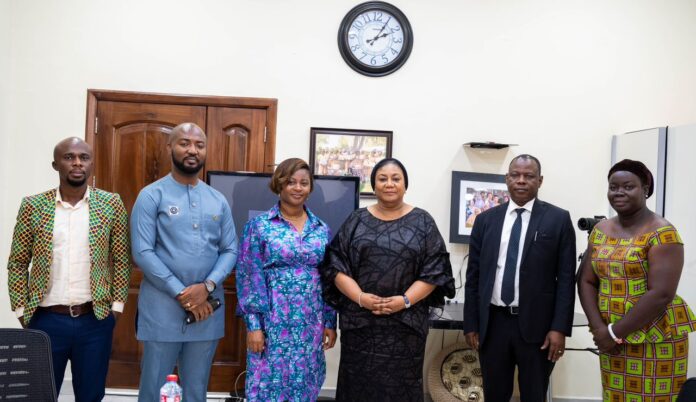
At the launch in Accra on Wednesday, Mrs Rebecca Akufo-Addo, the First Lady and Founder of the Rebecca Foundation, expressed regret that various studies indicated much more cases of breast and cervical cancers were being recorded in the country.

She said many reasons including late detection, inadequate access to information, stigma and fear could be accounted for that trend.

“The tragedy is that many of these women succumb to the disease…We cannot afford to lose them, and we should not have to,” she stated.

She said breast and cervical cancer survival, especially in more advanced countries, had improved over the last few decades, attributed to early detection through effective screening and treatment options made possible through cancer research.

“It is in this light that I took advantage of the support offered by Roche to improve the response and treatment for breast and cervical cancers in Ghana. This project will need the full commitment of Municipal and District Chief Executives.”

Mrs Akufo-Addo said the already purchased thermal coagulation machines for the health centres in the training districts were not enough, hence more machines were needed.

She said further support would be needed to help scale up the training in the operational districts, as well as to support community awareness creation.

She commended the Ghana AIDS Commission and many other leading experts who had contributed to the project, expressing the hope that together “we will get ahead of breast and cervical cancers in Ghana.”

Dr Patrick Kuma-Aboagye, the Director-General, GHS, said strategies to address those cancers required partnerships and multi-stakeholder inputs to ensure that “we can prevent cancers, detect them early and improve patient outcomes.”

He attributed the significant poor outcomes in Ghana largely due to poor awareness, limited number of screening sites and trained health workers to screen and manage cancers, among other things.

However, despite the challenges, Ghana had made significant strides to address cancer challenges at the national level with the launch of the Non-Communicable Disease (NCD) Policy and formation of the NCD Multi-sectoral Steering Committee.

He said strategic partnerships being used for the project would go a long way “to empower the Primary Health Care – which is the foundation of our health system.”

Dr Efua Commeh, NCD, Acting Programme Manager, GHS, said the three districts were selected for the project because they needed such interventions, as well as increased sensitisation and awareness creation on the two most prevailing female cancers.

Mr John Klu, Lead Access, Policy and Governmental Affairs, Roche, said his organisation was ready to support concerns of women aside its support to childhood cancers in Ghana.

Ms Sheila Sekyi-Oppong, the Legal Advisor and Strategist, Rebecca Foundation, said the project was expected to increase awareness and sensitisation for women to see the need to visit the hospitals regularly to be screened for the two cancers.

She expressed the hope that the success of the project would propel more support from other stakeholders to scale it up to other districts around the country.


Tigray conflict: peace talks scheduled for October 24 in South Africa

0

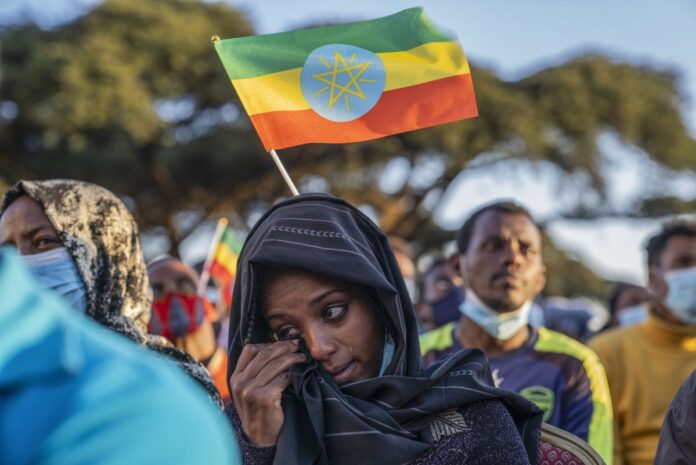
The African Union-led peace talks to end a two-year conflict in Ethiopia’s northern Tigray region are set to begin on October 24 in South Africa.

Redwan Hussien, Ethiopian Prime Minister Abiy Ahmed’s national security advisor, revealed the new date in a tweet on Thursday (October 20).

The African Union Commission “has informed us that the peace talks will take place in South Africa on October 24. We have reaffirmed our intention to participate “Prime Minister Abiy Ahmed’s National Security Advisor, Redwan Hussein, wrote.

The rebel authorities in Tigray’s northern region, which has been at odds with the federal government since early November 2020, have yet to confirm their involvement.

After a five-month truce that raised hopes of negotiations, large-scale fighting has resumed in northern Ethiopia since August 24.

Previous talks, convened in early October by the AU in South Africa, were eventually aborted, mainly due to organizational problems, according to diplomats.

The United Nations, the United States, the European Union (EU), and the AU have in recent days sounded the alarm over the intensification of fighting in Tigray, which has been caught in a pincer movement by federal Ethiopian troops and its allies, notably the army of Eritrea, a country bordering Tigray.

On Sunday, AU Commission Chairperson Moussa Faki Mahamat called for “an immediate and unconditional ceasefire”.


Ghana shops and traders have closed to protest rising inflation.

0

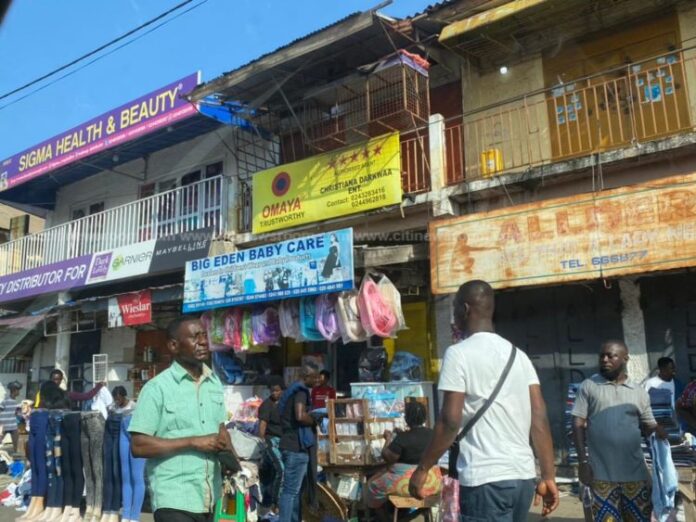
Traders in Ghana’s capital Accra shut down their stores and businesses for three days in a three-day protest against the country’s soaring cost of living, as the West African country grapples with the economic fallout from the Ukraine war.

Ghana has a high debt burden, with inflation reaching a historic high of 37 percent in September, and the local cedi currency plummeting against the US dollar.

“Prices and import duties have risen as a result of the cedi’s depreciation and the dollar’s appreciation. As a result of the duty increases, importers are finding it difficult to import items, and customers are no longer coming in “a merchant named Kwaku Anokye said

The daily gridlock in Accra’s Central Business District and the country’s largest vehicle spare parts district was mostly absent, with only street food vendors in front of the shuttered shops.

The Ghana Union of Traders Association (GUTA) union said the move sent a signal to the government that they were frustrated over poor economic management.

“The government should listen to the plea of these businesses, though the private sector is also one of the backbones of the economy. We employ most of the young people in the system, okay? If I am able to employ one or two guys in my shop at the end of the day I have taken some people off the street, you understand?”

“… so government should implement policies that will also cushion us for our businesses to grow while looking at other alternatives to also grow the economy. If government grows the economy and our businesses grow there will not be all of these”  added Edward Larbie, chairman of the Ghana Electrical Dealers Association.

President Nana Akufo-Addo is under pressure over his economic management after reversing his position and entering talks with the IMF over a $3-billion loan to shore up public finances.

Ghana’s central bank has increased its benchmark lending rate by 10 percentage points this year to 24.5 percent in a bid to tame price growth. But that increased borrowing costs for traders.

The International Monetary Fund has started talks with Ghana over a deal and last month IMF officials said they expected to reach an agreement before the end of the year.