Home Blog Page 487

‘Embrace and strengthen the culture of maintenance’ – President

0

President Nana Addo Dankwa Akufo-Addo is advocating a strict maintenance regime to enhance the lifespan of health projects, especially hospital facilities in the country.

The administrators ought to embrace and strengthen the culture of maintenance, he advised, saying they “will be held accountable for this”.

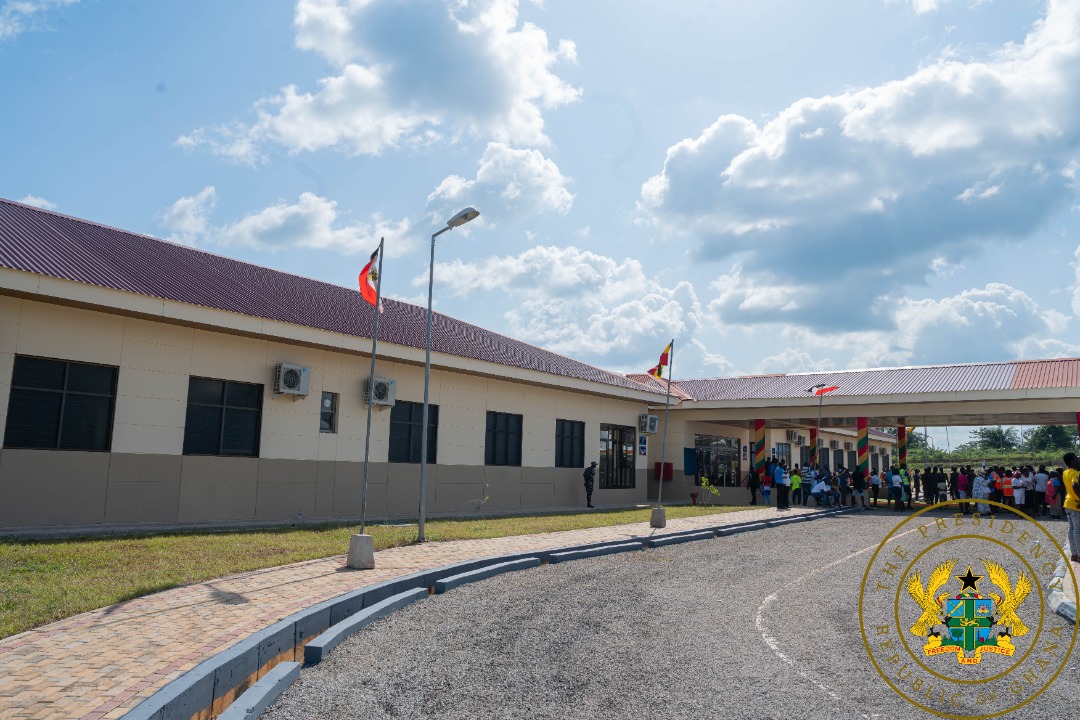
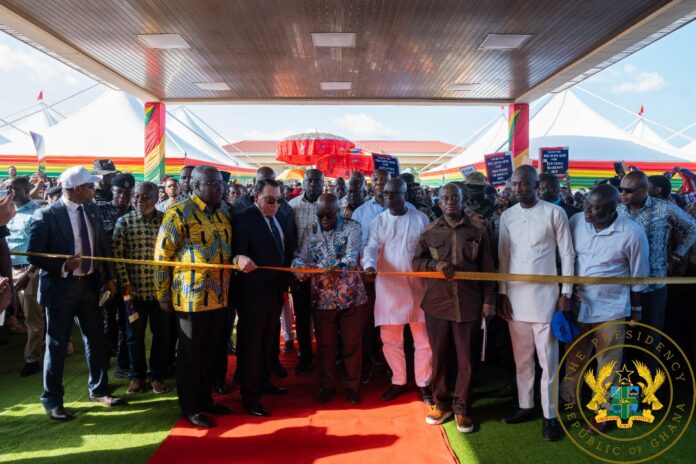
President Nana Akufo-Addo, who was inaugurating the Konongo Government Hospital, in the Asante-Akim Central Municipality of the Ashanti Region, tasked the duty bearers to ensure value for money in the projects executed since they come with a great cost to the nation.

“The leadership of this facility must set the examples for periodic and constant maintenance.

“We should be in the position some 10 years down the line to see it still in good condition. It should not fall in the ways in which several institutions in Ghana have gone,” the President advised.

The 60-bed hospital, undertaken by Messrs. Euroget De-invest, an Egyptian company, is resourced with modern medical equipment such as X-rays, ultra-scan machine, fully-equipped operating theatre, waste treatment and water plants, power station, a central air conditioning system, among others.

President Nana Akufo-Addo, who is on a working visit to the Region to inspect and inaugurate development projects, said under his Administration, some 32 major hospital projects were ongoing in Ashanti.

Under ‘Agenda 111’, he said, the government was constructing 16 district hospitals naaming the beneficiary districts as Trede, Kokoben, Boamang, Nsuta-Sekyere, Manso-Adubia, Mankranso, Kwabenakwa, Barekese, Kodie, Asiwa, Akrofuom, Adugyama, Adansi-Asokwa and Asokore-Mampong.

The rest are Bantama and Nyinahin, in addition to the construction of a psychiatric hospital at Onwe, in the Ejisu Municipality.

“Under the Euroget project, initiated by the New Patriotic Party (NPP) Government under President John Agyekum Kufuor, the Nana Akufo-Addo Government has seen to the completion of the Ahafo-Ano North District Hospital at Tepa, and the Asante-Akim Hospital in Konongo,” the President noted.

Dr. Patrick Kumah Aboagye, Director-General of the Ghana Health Services (GHS), lauded the government for its commitment to invest in health infrastructure as the nation strived to achieve universal health coverage.

GNA

Trade expert advises SMEs to research before investing under AfCFTA

0

Small and Medium Enterprises (SME) must research on products to invest and trade under the African Continental Free Trade Area (AfCFTA), Mr Charles Arthur Ntiri has advised.

The Head of Exports, Ghana National Chamber of Commerce, and Industry (NCCI) said it was important for SMEs to understand that not all products would qualify to trade under AfCFTA and as such not all businesses could be exported under AfCFTA due to stringent requirements.

He, therefore, encouraged businesses to consult appropriate State and private organisations to assist with the procedures and protocols for trade to prevent any loss in investment.

“I know a company that has invested so much and wants to take advantage of AfCFTA and right now we have to advise them to look at even where they source their raw materials,” he said.

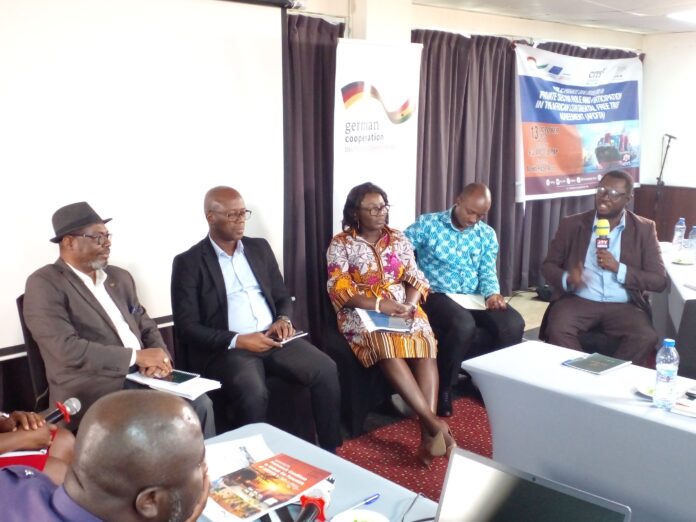
Mr Ntiri gave the advice at the first edition of a Public Private Dialogue (PPD) on Private Sector Role and Participation in AfCFTA organised by CUTS International and the GIZ.

Sharing findings of a research under the topic, “Improving the Framework Conditions for The Private Sector to Benefit from AfCFTA”, Mr Isaac Yaw Obeng, Head of Research, CUTS, disclosed that there was generally little knowledge among Ghanaian SMEs about the existence of AfCFTA.

While 60 percent of firms showed commitment to export to other African markets, he said only 22 per cent had acquired the required certificates for exports with 12 per cent having acquired an internationally recognised quality certification for export.

It was also revealed that 42 per cent of SMEs prepared audited financial accounts annually while only 20 per cent had good or excellent capabilities to secure funding from financial institutions.

Dr Ato Panford, Senior Advisor at the National AfCFTA Coordination Office, said good accounting and bookkeeping practices was vital requirement for SMEs that wanted to trade under AfCFTA.

With access to finance being a major challenge for SMEs, he said financial institutions were more willing to help businesses with good bookkeeping practices to expand their operations for the continental market.

“The timing to access the fund is important. We don’t wait until the order is ready and we start scratching our head asking where we can get finance,” he said.

Mr Wisdom Adongo, Senior Project Officer of the Private Federation Enterprises, also called for a review of tax systems, which had a huge impact on businesses, especially on the manufacturing sector that promoted value addition.

He said government could develop tax incentives for domestic businesses to ramp up production for local and African market through AfCFTA and make them competitive.

“We can also aid suppliers in the value chain who provide raw material to companies that export to ensure a sustainable supply chain for manufacturers looking to export, ” he said.

Slovakia: Two people killed in a shooting outside an LGBT bar

0

Two people were killed in a shooting outside an LGBT venue in Bratislava, Slovakia’s capital.

The attack on Wednesday evening near the Teplaren bar, close to the city center, injured a third person.

According to police, the suspected gunman was discovered dead on Thursday morning.

His motivation has not yet been revealed. Local media, however, reported that he had written social media posts indicating that he held anti-LGBT and anti-Jewish views.

The young man was also identified as the son of a former candidate for a far-right political party in Slovak media.

On Thursday, Prime Minister Eduard Heger condemned the attack, saying any form of extremism was unacceptable. Meanwhile, President Zuzana Caputova called on the country’s politicians to stop spreading hate.

The apparent hate crime sparked renewed calls for an end to homophobia in Slovakia, a relatively conservative EU country where same-sex marriage is not permitted.

The shooting, which shortly after 19:00 local time (18:00 BST) on Wednesday, sparked a police manhunt.

Officers reassured the public on Thursday morning that there was no risk of a follow-up shootings from the same perpetrator, having discovered the body of their main suspect.

Slovakia’s LGBT organisations expressed their shock at the rare gun attack.

“The pain is unbearable,” read a short social media post from the venue itself.

The third victim is believed to be an employee of the bar, who is recovering in hospital.


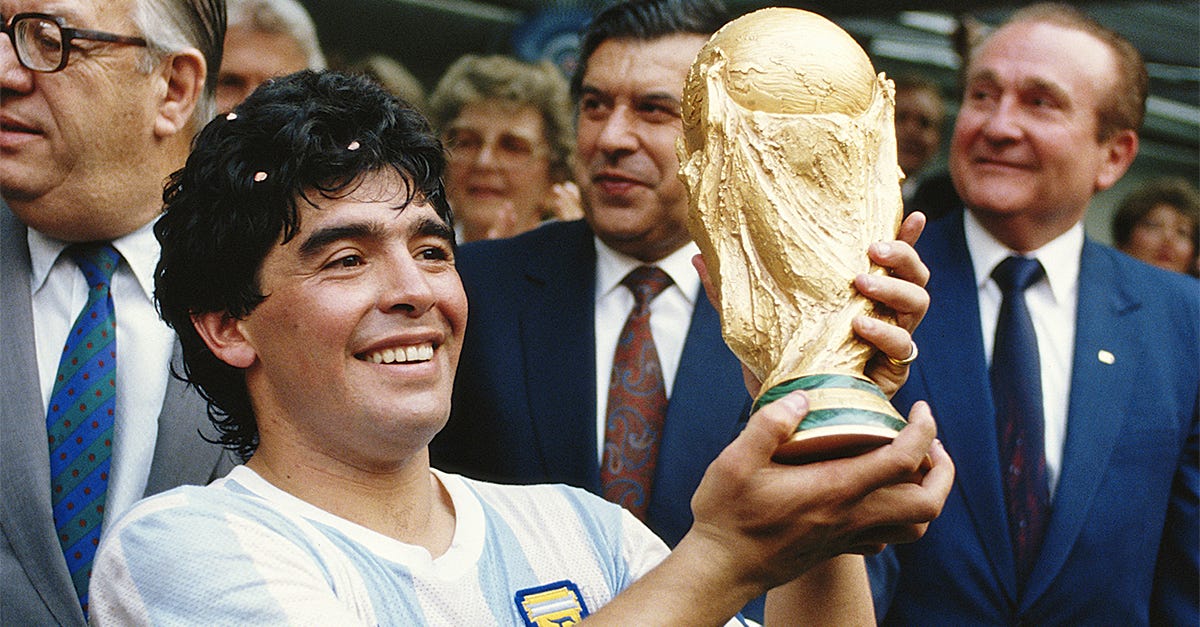
£2.5m-£3m! Maradona’s ‘Hand of God’ ball is expected to fetch a high price at auction.

0
  • Referee Ali Bin Nasser owns the ball
  • To be auctioned on November 16
  • Expected to fetch around £2.5m-£3m.

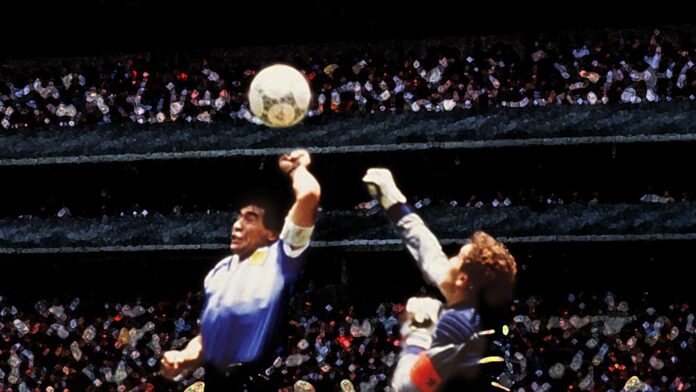
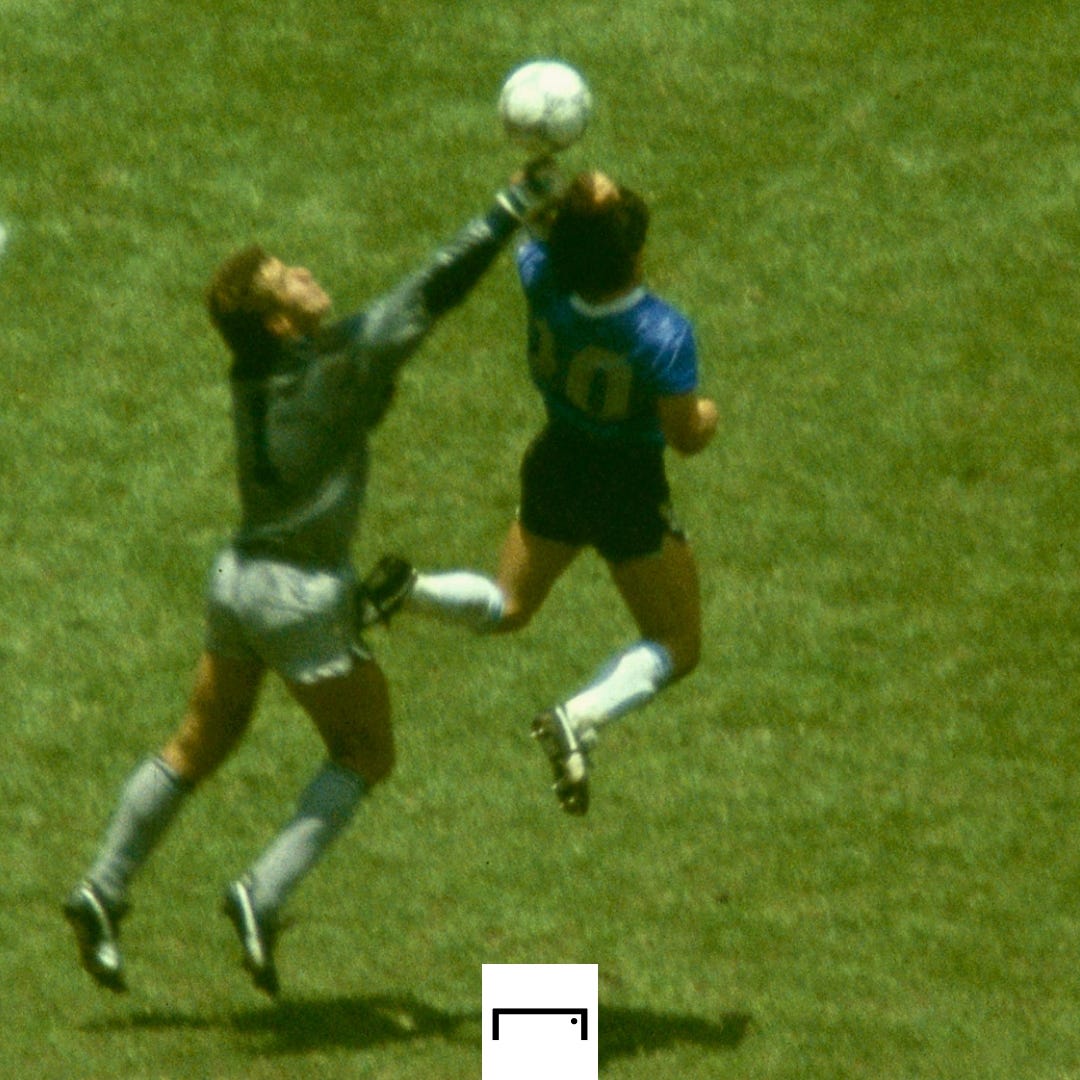
WHAT HAPPENED? The Argentine used his hand to score the opener in the 1986 World Cup quarter-final against England. The ball is currently under the custody of former Tunisian referee Ali Bin Nasser, who was in charge of the match. However, Nasser conceded that he could not spot the incident and was relying on his linesman for the decision. Auctioneer Graham Budd will lead the proceedings on November 16 in what is set to be another historic sports memorabilia auction.

WHAT THEY SAID: “This ball is part of international football history – it feels like the right time to be sharing it with the world,” Bin Nasser said.

“I hope the buyer is in a position to put it on display or share it with the public in some other way.”

THE BIGGER PICTURE: Shortly after the controversial incident Maradona scored a stunning solo goal which is now known as the “Goal of the Century”. Several other items including Nasser’s shirt and another signed shirt that he later received from Maradona will also be up for auction.

IN TWO PHOTOS:


Diego Maradona Peter Shilton Hand of God GFX Getty ImagesMaradona World Cup 1986Getty Images


DID YOU KNOW? Maradona’s shirt that he wore in the same match was sold earlier in May for £7.1m, which made it the most expensive football memorabilia ever.

WHAT NEXT? Interested parties will be able to submit an online bid for the same from October 28 with the auction set to take place on November 16.


Lewandowski admits Barcelona ‘forgot to defend’ against Inter as they sweat on Champions League last-16 spot

0
  • Points dropped on home soil
  • Require favours from elsewhere
  • Could end up in Europa League

WHAT HAPPENED? The Liga giants are sweating on progress to the knockout stages of elite European competition after being held on home soil by Serie A heavyweights. Xavi’s side opened the scoring through Ousmane Dembele, but then fell behind on two occasions before a stoppage-time equaliser from Lewandowski gave them a continental straw to clutch.

WHAT THEY SAID: The prolific Polish frontman told reporters after seeing costly errors leads to three goals being conceded in a crucial contest: “We had so much desire to score that we forgot to defend. We tried to attack with more players so that one of us lost coverage. We scored three goals but we conceded the same. We feel disappointed not to have won. We lacked cold blood and calm.”

THE BIGGER PICTURE: Barca now need favours from elsewhere in order to prolong their Champions League adventure in 2022-23, with a third-place standing behind Bayern Munich and Inter in Group C seeing them run the risk of dropping into the Europa League. Lewandowski added on the challenges being faced by the Blaugrana: “We’ve had a lot of injuries to the team in the recent weeks, it’s not easy to change the line-up all the time. We lack stability.”

IN THREE PHOTOS:

Robert Lewandowski Barcelona Champions League 2022-23Getty


Robert Lewandowski Barcelona Champions League 2022-23Getty


Robert Lewandowski Barcelona Inter Champions League 2022-23Getty

DID YOU KNOW? Lewandowski has scored 14 goals this season in all competitions. Only Erling Haaland (20) has scored more among the players from the top five European leagues.

WHAT NEXT FOR BARCELONA? Things are not about to get any easier for Lewandowski and his team-mates as they have a Clasico clash with arch-rivals Real Madrid to come on Sunday.


Ghana commits to ensuring radiation protection, safety

0

The Government of Ghana has reiterated its commitment to deepen support for protecting humanity and the environment from the harmful effects of cutting-edge technologies.

Mr Kwamena Essilfie Quaison, the Director of the Science, Technology and Innovation Directorate of the Ministry of the Ministry of Environment, Science, Technology and Innovation (MESTI), who made the statement in Accra, said government fully supported and shared in the vision of protecting people and the environment, and would do all in its power to help achieve that dream.

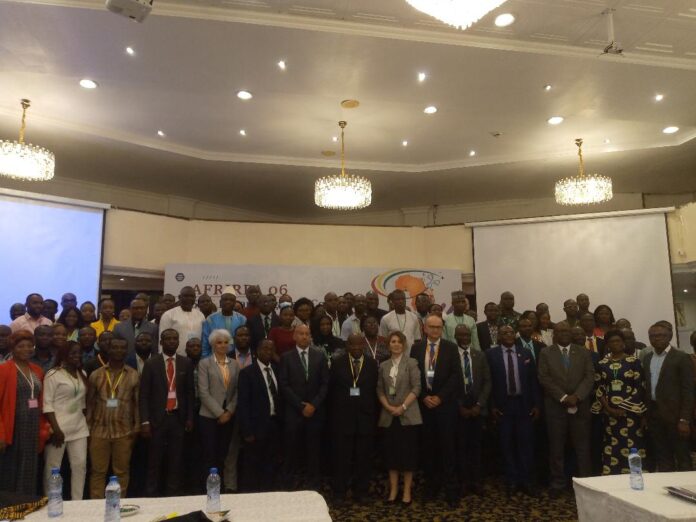
He was addressing the 6th African Congress of the International Radiation Protection Association (AFRIRPA‘06) underway in Accra, on the theme: “Embracing Radiation Protection Education and Safety Culture”.

It is being organised by the Ghana Association of Radiation Protection (GARP) in

collaboration with the International Radiation Protection Association (IRPA), International Atomic Energy Agency (IAEA), World Health Organisation (WHO), the United Nations Scientific Committee on the Effects of Atomic Radiation, and the International Commission on Non-Ionizing Radiation Protection.

Over 150 participants, including scientists, regulators, operators, technical service providers, academics, students and policy makers, from Ghana, Ethiopia, Kenya, Cote d’Ivoire, Sudan, Angola, Cameroun, Nigeria, Burkina-Faso, and Tanzania, with some expert from Germany and Hungary, are benefitting from intensive exchange of experimental knowledge and skills through appropriate networking and presentations of scientific papers,and posters from experts across Africa and beyond.

Mr Quaison said maintaining excellence in radiation protection education and safety culture amid emerging technologies was key, especially as Ghana sought to add Nuclear Power Plant technology in her energy mix.

He urged radiation protection professionals and tertiary institutions into health physics studies to enhance research and be innovative in linking up with industry and the corporate world to actualise study findings for the development of society.

Professor Cyril Schandorf, who chaired the Congress, commended the organisers and said with current technological development and application of radiation in major nuclear fields such as medical, research as well as industry, it was important to embrace all aspects of scientific advancement in radiation protection and safety culture to prevent people and the environment from hazards from the improper use of radioactive sources.

Prof. Schandorf was passionate about maintaining inter-generational continuity regarding attracting young scientists and physicists, observing that, “there seems to be a gap here,” and called for a clearer plan to retain rare resources, and to encourage more females to do sciences.

Prof. Samuel Boakye Dampare, the Director-General of the Ghana Atomic Commission (GAEC),  said  although among the various strategies proposed by the IAEA for the management of radiation exposure, education and training seemed to have a strong impact on radiation protection, some practitioners appeared to lack knowledge in basic international safety culture.

He explained that like any energy source, radiation had both positive and negative sides, and that the idea was to train highly qualified professionals, including young ones, for continuity in protecting occupationally exposed workers, and the public from harmful ionizing and non-ionizing radiation sources.

Therefore, the establishment of an accreditation and certification system in radiation protection education and training for all professionals employing ionizing radiation was considered as high priority, thus the Graduate School of Nuclear and Allied Sciences (SNAS) of the University of Ghana, recognised by the IAEA since 2006, had remained a major player as a Centre of excellence for training radiation protection practitioners for the country and Africa.

“I will charge us all to identify the obstacles to embracing radiation protection training and safety culture and seek to find answers to them in this congress and beyond,” he said.

Dr Bernard Le Guen, the President of the International Radiation Protection Association, said maintaining high skilled technicians and young professionals for quality service provision and the management of new technologies, particularly in the medical and industrial sectors was crucial for Ghana, Kenya and other African countries, that would have the opportunity to develop nuclear energy programmes.

Dr Francis Kasolo, the WHO Country Representative, affirmed the commitment of the Organisation towards global health safety, and encouraged countries globally to collaborate with the IAEA in its new project to establish and expand radiotherapy services for research and treatment, to reduce the burden of Non-Communicable Diseases.

WAHSUN in Accra to discuss health issues in West Africa

0

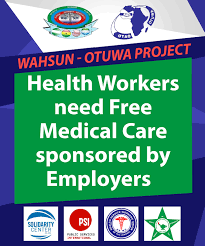
The 22nd plenary session of the West African Health Sector Unions Network (WAHSUN) was on Wednesday opened in Accra to discuss how health unions can mobilise to address health issues in West Africa.

The two-day hybrid session, which is being attended by health sector unions across the subregion, both online and in person, will discuss how climate change, galamsey and mental health affect the health of people and how to avert the situation.

Mr Kwaku Agyeman-Manu, the Minister for Health, who opened the session said Ghana was making conscious efforts to avoid being caught off guard in any future pandemic.

“We are improving the health infrastructure through the construction of 111 district hospitals with the state-of-the-art equipment and we are in the process of establishing a local vaccine manufacturing plant to manufacture vaccine,” he said.

He said Ghana was also actively engaged in cold-chain system enhancement to support the storage of the high volumes of vaccines and scaling up research labs in academia to improve biomedical research in the development of vaccine.

The Minister said amidst all the global and regional health challenges, human activities consistently impacted the planet leading to climate change, and in some cases, causing devastating effects.

“Climate change is already impacting health in many ways, increasing frequent extreme weather events, such as heatwaves, wildfires, storms, and floods disrupting food and water systems leading to illness and even deaths,” he said.

Mr Agyeman-Manu said although Africans may not be directly contributing to climate change, it was their responsibility to speak up and ensure that the world reduced fossil fuel and other factors that contributed to climate change.

Mrs Perpetual Ofori-Ampofo, President of the Ghana Registered Nurses, and Midwives Association and WAHSUN, said the meeting would empower health sector union leaders to adopt best healthcare practices in their countries.

Commenting on mental health care, she said mental health care in Ghana needed a lot of boosting and that the Mental Health Authority needed to be supported to enable the professionals work effectively.

“There is just a thin line between normalcy and mental illness, people need a lot of counselling and support when issues of stress and anxiety occurs, apart from those that are genetic that exists in families most mental health issue arise due to stress and everyday life issues.”

She said Ghana needed to end ‘galamsey’ because it had impacted even the unborn generation and destroying the eco-system.

The plenary session is on the theme: “The correlation between climate change and health, the role of health sector unions”.

Breast Cancer: Over 70 per cent diagnosis in advanced stages

0

Over 70 per cent of breast cancer cases diagnosed are in advanced stages, resulting in limited treatment success and high death rates, Dr. Winfred Ofosu, Eastern Regional Director, Ghana Health Service, has said.

Dr. Ofosu said it was disheartening that many women lost their lives through breast cancer, though they could be saved when detected early.

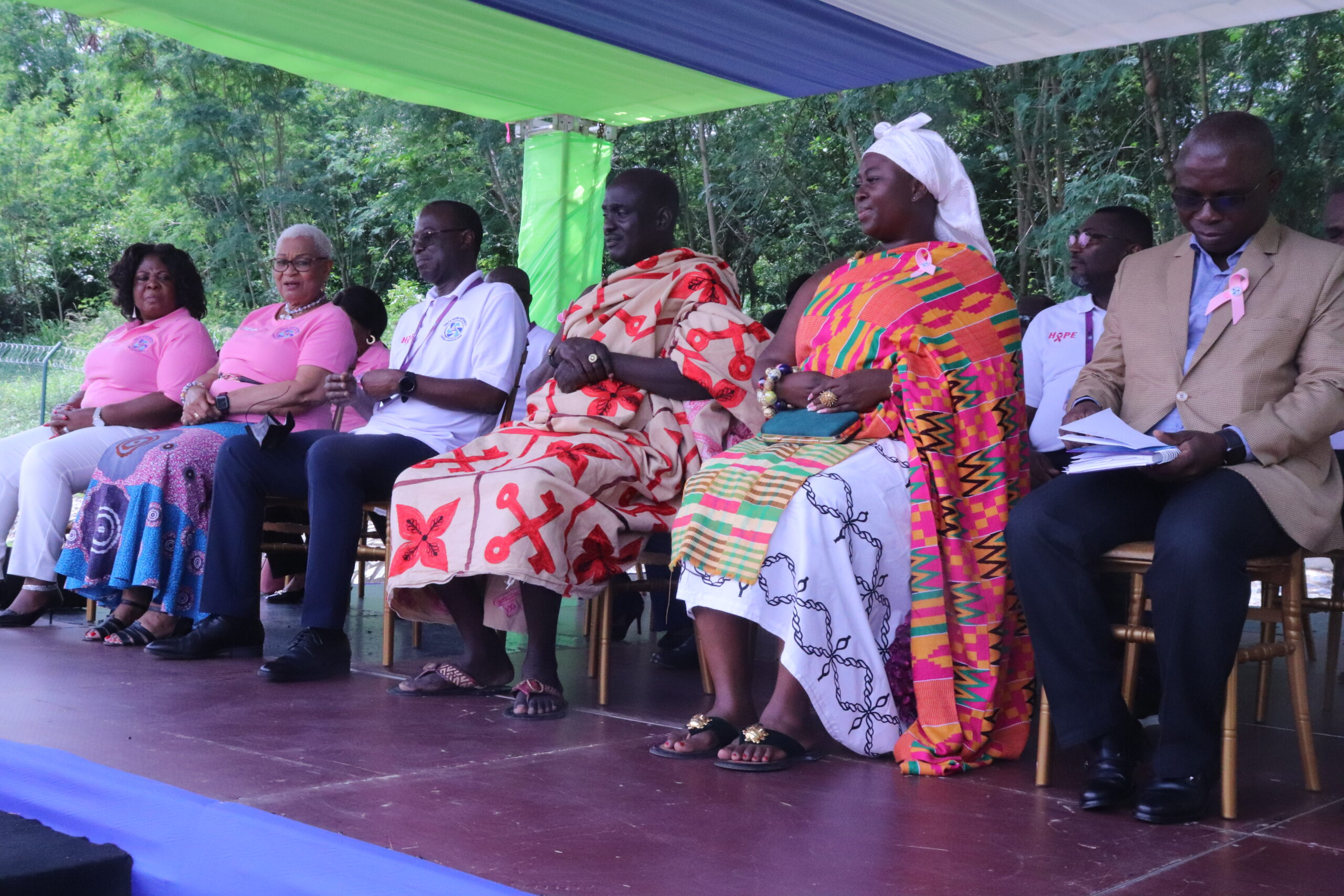
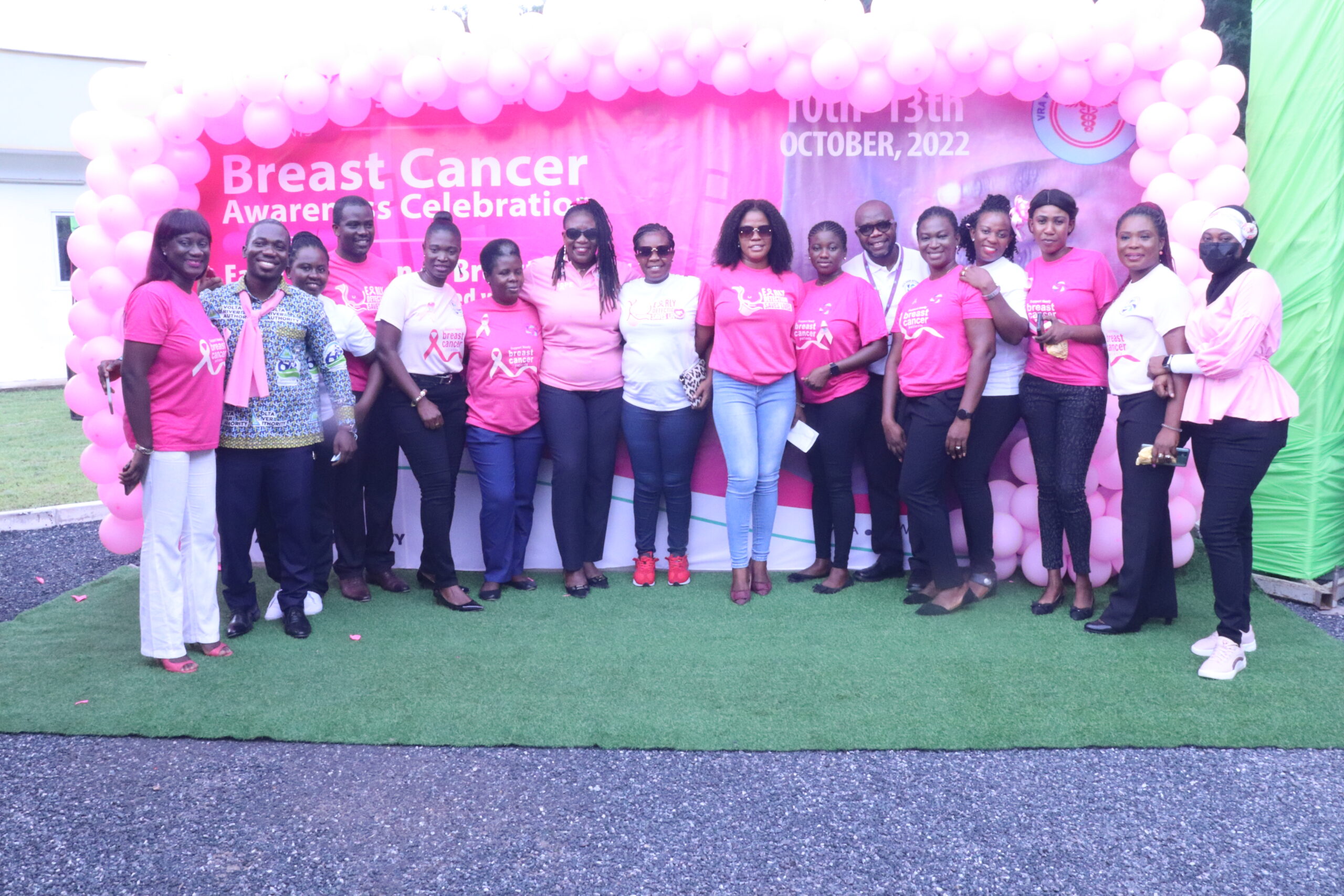
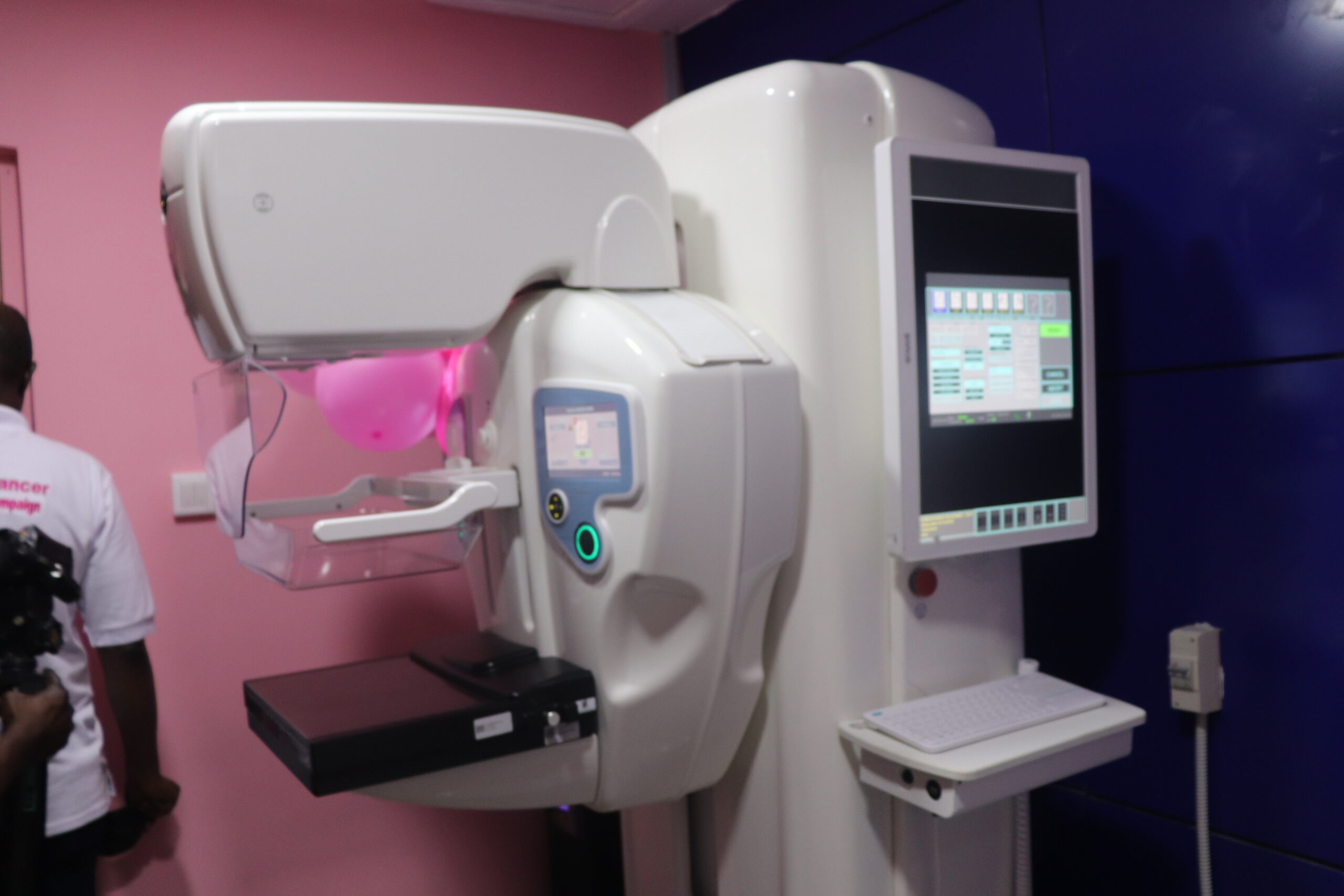
The Eastern Regional Director of Health Services was speaking at a ceremony to commission a mammogram machine at the Volta River Authority (VRA) Hospital at Akosombo in the Easter region.

It was on the theme: “Early detection of breast cancer saves lives-get screened with a mammogram.”

The commissioning is part of efforts to increase breast cancer awareness as Ghana joins the world this month to create awareness on breast cancer for early detection and treatment.

The mammogram machine will serve staff of the Authority and all women within the catchment area.

Dr. Ofosu said Non Communicable Diseases (NCD) such as breast cancer, cervical cancer, hypertension and diabetes were now pervasive and a hidden epidemic killing women one at a time, adding that the VRA’s decision to support with a mammogram machine was in the right direction.

According to the 2020 Globocan report of the World Health Organisation (WHO), breast cancer is the commonest cancer among all sexes and obviously the commonest among female cancers in Ghana. And every year, over 4,000 cases of breast cancer are diagnosed, out of which almost half die from the disease.

Dr. Kwabena Omari Yeboah, Medical Director, VRA Health Service Limited, said statistics indicated that six people died every day in Ghana from breast cancer.

He, therefore, called for the need for self-breast examination and medical screening regularly.

Dr. Joyce Aryee, VRA Board Member, described breast cancer as debilitating, hence the acquisition of the mammogram machine to save lives and called on women above the age of 40 to patronise the services.

Mr Emmanuel Antwi-Darkwa, Chief Executive, VRA, said the Authority’s decision to acquire the equipment was an affirmation of the resolve to prioritise the health of women and bring the needed changes to communities.

He said: “It is unfortunate that some people are so heavily driven by superstition that they attribute medical conditions like breast cancer to spiritual attacks without seeking medical attention.

“We need all hands on deck to educate our daughters, wives, mothers, sisters and friends to take advantage of the facility to know their status.”

Nana Boafo Ansah Prem IV, Chief of Akosombo, encouraged the locals to make good use of the facility and charged religious bodies to educate their followers on breast cancer.

Trade agreements must go with human rights standards

0

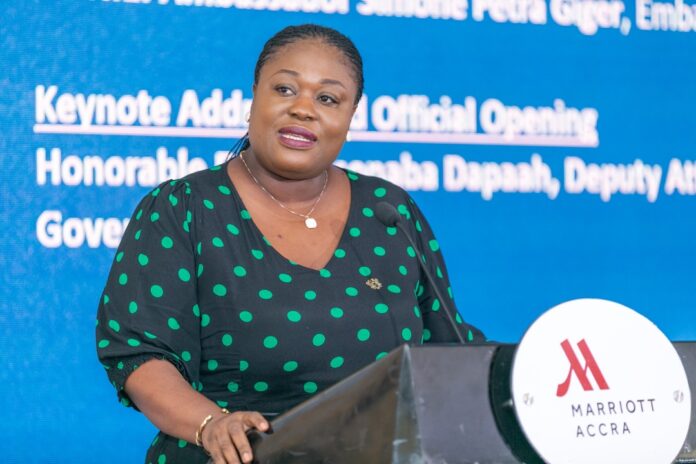
Ms Diana Asonaba Dapaah, Deputy Attorney-General and Deputy Minister for Justice has called for a review of current trade and investment promotion agreements to ensure compliance with business and human rights standards.

The review, she said, was necessary for the development and implementation of a National Action Plan on Business and Human Rights that would reduce the facilitation of illicit financial flows and tax evasion through unfair practices.

Delivering the keynote address at the opening of a two-day African Business and Human Rights Forum, Ms Dapaah also suggested the development of a universally applicable human rights policy for all State-Owned Enterprises (SOE) to ensure compliance with human rights standards.

“It is proposed that private entities that receive financial support demonstrate a commitment to Business Human Rights (BHR) principles, including, by providing access to remedy for human rights violations by requiring a commitment to BHR principles as a basis for receiving continued funding,” she said.

The United Nations (UN) Human Rights Council in 2011 adopted the UN Guiding Principles on Business and Human Rights, (UNGPs) which are set of guidelines for States and companies to prevent and address human rights abuses committed in business operations.

It includes operational provisions that recommend concrete actions for States to meet their duty to protect human rights in the context of business operations.

The provisions consist of enacting and enforcing laws that require businesses to respect human rights; creating a regulatory environment that facilitates business respect for human rights; and providing guidance to companies on their responsibilities.

So far, there are only two countries on the continent that have developed National Action Plan on Business and Human Rights to streamline existing rules, regulations, and policies for the oversight of businesses and investments in accordance with the guiding principles.

Kenya became the first country in Africa to develop a National Action Plan on business and human rights (NAP) in 2019, followed by Uganda in 2021.

Ghana started the process with a National Baseline Assessment on business and human rights, which was validated at a stakeholder workshop in Accra in December 2021 and later launched in July 2022.

A National Steering Committee has since been inaugurated to develop a National Action Plan on Business and Human Rights.

The Committee has a membership of representative from the relevant Ministries, Department and Agencies, Trade Unions, Civil society Organisations and the academia.

Ms Simone Perta Giger, Ambassador of Switzerland to Ghana, called on businesses to regard human rights issues as moral imperatives as well as a legal obligation in their “enlightened self-interest.”

“It is arguably good business to ensure that human rights are respected and protected,” she added

Mr. Issaka Garba Abdou, Acting Head, Governance and Human Rights Division of Africa Union Commission (AUC), representing Mr Bankole Adeoye, Commissioner for Political Affairs, Peace and Security, said the forum, “would contribute to the effort of the AU to popularise and build support for the AU Draft Policy on Business and Human Rights”.

“You may recall that currently, there is no one comprehensive policy instrument on Business and Human Rights in Africa.

“There is no continental Platform for experience sharing and technical assistance and support programmes on Business and human rights across Africa while the continent still continues to experience human, and peoples’ rights violations related to business operations, ” he noted.

Sammy Gyamfi slapped with ¢500k damages for defaming Opoku Prempeh

0

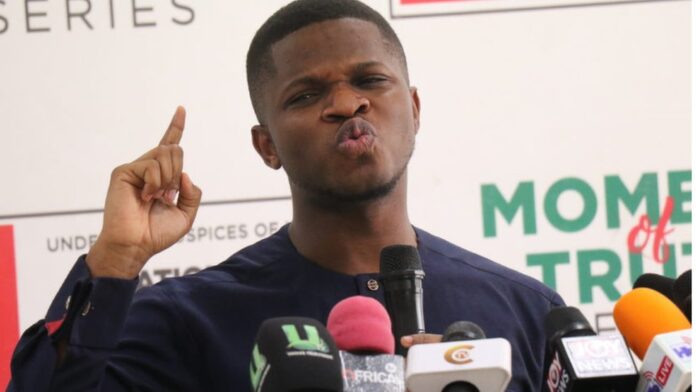
After losing a defamation action against Energy Minister Dr. Mathew Opoku Prempeh, Sammy Gyamfi, the National Communications Officer of the National Democratic Congress (NDC), was hit with damages of 500,000 Ghana cedis.

The decision was handed down on Thursday, October 13, 2022, by the General Jurisdiction 12 of the High Court in Accra, which was presided over by Justice Charles Gyamfi Danquah.

The court determined that Sammy Gyamfi defamed Dr. Matthew Opoku Prempeh, who is also a lawmaker for Manhyia South, when Sammy Gyamfi claimed Seidu Yakubu MBA, who is suspected of being involved in the kidnapping of the two Canadian girls in 2019, is Dr. Opoku Prempeh’s errand boy during a press conference in June 2019.

After awarding the damages, the court also ordered Gyamfi to publish a retraction and an apology.