Home Blog Page 69

Afenyo-Markin accuses government, High Court colluding to allegedly harass MP

0

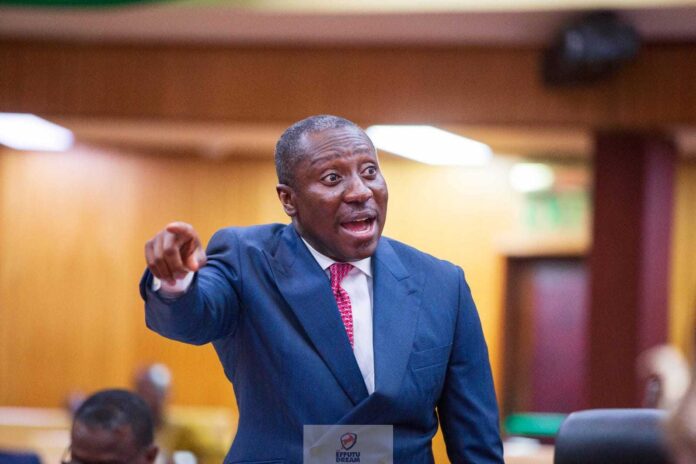
Minority Leader Alexander Afenyo-Markin has allegedly accused the government of colluding with the Koforidua High Court to harass Mr. Ernest Yaw Kumi, New Patriotic Party Member of Parliament for Akwatia.

This accusation comes after Interior Minister Mohammed Mubarak Muntaka’s explanation of attempts to arrest Mr. Kumi following a bench warrant issued for his arrest on contempt charges.

Mr. Afenyo-Markin expressed dismay at the Minister’s justification, stating, “Clearly, there’s collusion between the government and the high court, Koforidua, to use their own set of laws in our country.”

The Minority Leader emphasised, during a press conference in Parliament House, in Accra, on Wednesday that the government’s actions were not in line with the country’s laws, highlighting the proper procedure for enforcing a court order.

“When there is a court order, it is for the registrar to assign a bailiff for the purposes of enforcing the order,” Mr. Afenyo-Markin explained.

“This was a situation where the Supreme Court had already frozen the enforcement of that order,” he added.

The Minority Leader recounted the alleged harassment of Mr. Kumi by state security operatives, alleging, that, “They were armed with pickup vehicles, and in fact, they actually pulled a weapon, a pistol on the MP, trying to threaten him, to force him into the pickup.”

He also announced plans to file a question with the Attorney General to address the alleged collusion between the judiciary and the national security coordinator.

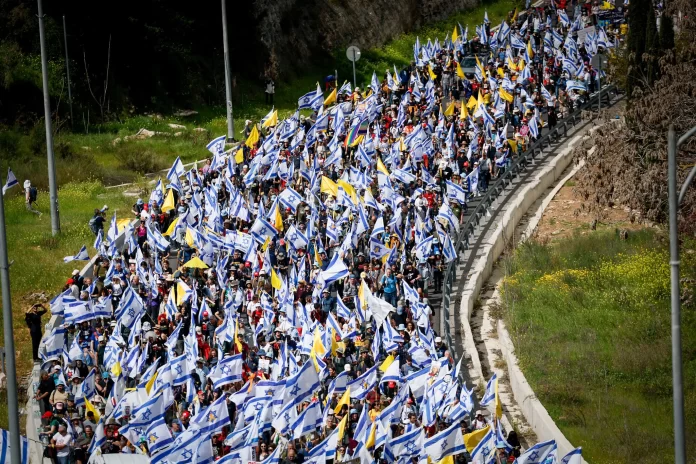
Protesters in Jerusalem opposed Netanyahu’s Gaza strikes.

0

Protesters gathered in Jerusalem on Wednesday, marching to Israeli Prime Minister Benjamin Netanyahu’s residence, to protest the government’s decision to resume the Gaza conflict.

Israel shattered a precarious truce early Tuesday by bombing the Gaza Strip, causing indignation among many Israelis and raising concerns about the safety of captives staying there.

The attacks killed more than 400 Palestinians, according to local health authorities, shattering a truce that had been in effect since January.

Protester Alon Shirizly alleged Netanyahu “will orchestrate the murder of the 59 hostages in Gaza who are still in the tunnels.”

“They are waiting us to take them out and to bring them home, but war will not do it. Only negotiation will do it,” he said.

Anat Shoval, a protester from central Israel, said something had changed in the Israeli government.

“They are taking us to very bad direction I think, that hurts our democracy and our country” said Shoval. “As a citizen, I think everybody should say something about it.”

There are 24 living hostages remaining in Gaza. Israel says Hamas also holds the remains of 35 captives.

Netanyahu ordered Tuesday’s strikes after Hamas refused Israeli demands to free half of the remaining hostages as a precondition for extending the ceasefire.

Israel’s deadliest bombardment of the territory in the 17-month war killed mostly women and children, according to the Gaza Health Ministry.

Netanyahu said the attack was “only the beginning” and that Israel would press ahead until it achieves all its war aims — destroying Hamas and freeing all hostages held by the militant group.

Hamas said at least six senior officials were killed in the strikes.

Israel said they included the head of Hamas’ civilian government, a justice ministry official and two security agency chiefs.

The White House said it had been consulted and voiced support for Israel’s actions.

The new campaign comes as aid groups warn supplies are running out two weeks after Israel cut off all food, medicine, fuel and other goods to Gaza’s two million Palestinians.

EU admits Rwanda’s responsibility in the Congo issue, but action is postponed.

0

The ongoing crisis in the Democratic Republic of the Congo (DRC) has just reached a watershed moment, with the United Nations formally recognising the participation of the Rwandan army and the M23 rebel group in the takeover and plundering of portions of the nation. In a historic resolution issued today, the UN blamed both the Rwandan military and the M23 for the worsening conflict. The European Union has, at last, recognized this undeniable truth. However, many people are still wondering why it took so long.

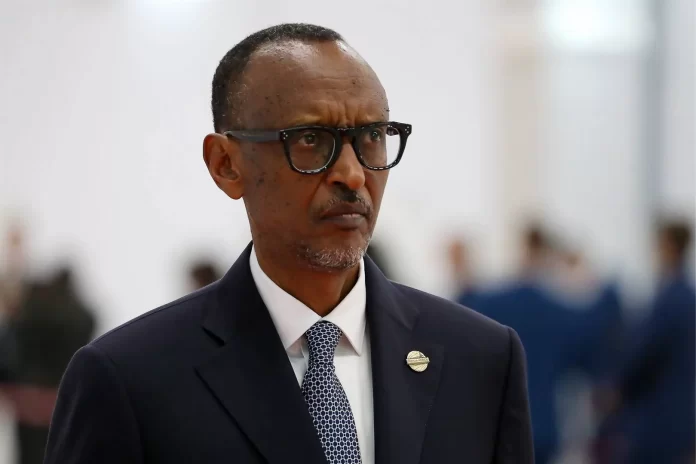
Thierry Mariani, a Member of the European Parliament, pointed out that this reality has been well known for some time, yet the EU has remained slow to act. He raised concerns about the long-standing political ties between Rwanda and the EU, suggesting that a “friendship” or lobbying efforts within the Union may have contributed to the delay in addressing the issue. Mariani pointed to reports calling Rwanda the “darling” of the European Union, asking why the EU regularly criticizes African nations for flaws in their democratic processes while simultaneously praising Rwanda, where President Paul Kagame won his latest election with a controversial 99.13% of the vote.

Mariani emphasized that the European Union has finally begun to take action, condemning President Kagame and, importantly, implementing trade restrictions against Gazebo Gold Refinery—a company linked to Rwanda that is involved in selling looted minerals. However, Mariani expressed doubt that these actions will be enough to resolve the underlying issues. “The message to Rwanda and President Kagame is clear: you have been exposed. If you want to restore your image, you must withdraw from the DRC,” he said.

The M23 rebel group, which has been accused of occupying parts of the DRC with support from Rwanda, remains a central issue. According to Mariani, there is no longer any debate about whether the M23 is a terrorist group with ties to the Rwandan government. This fact is now widely accepted by both the European Union and the United Nations. Despite this, Mariani believes that Rwanda and the M23 may still think they can resolve the situation through negotiation. However, he made it clear that sovereignty and territorial integrity are non-negotiable.

The conflict in the region, Mariani noted, has been ongoing for more than 30 years, and recent developments have only added to the instability. In particular, he criticized the agreement signed between the European Union and Rwanda on February 19, 2024, which he believes has only fueled the continuation of the conflict. He argued that the agreement offers no guarantees and expressed hope that it will no longer be enforced, even if it hasn’t been officially revoked. Mariani also pointed out that the main Rwandan partner involved in the deal is now under sanctions, which he views as a step in the right direction.

Drawing a parallel with the international response to Russia’s invasion of Ukraine, Mariani suggested that the time has come for the European Union to consider sanctions against Rwanda’s leadership. “When Russia attacked Ukraine, sanctions were imposed swiftly. The same approach must be applied here,” he said. While Mariani acknowledged that it may have been wise to avoid immediate sanctions, he emphasized that if the looting, occupation, and violence continue, the EU must direct sanctions at the primary instigator—Rwanda’s President Paul Kagame.

As the European Union begins to take stronger actions, the future of the conflict in Congo remains uncertain. However, for many observers, the message is clear: the EU can no longer turn a blind eye to the actions of Rwanda and its role in the ongoing instability in the DRC.

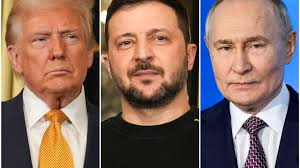
Trump and Putin reach a brief cease-fire in the midst of the Ukraine crisis.

0

During a lengthy phone conversation Tuesday, Russian President Vladimir Putin and President Donald Trump agreed to an immediate halt to strikes against energy infrastructure in the conflict in Ukraine. However, the Russian leader did not support a longer 30-day conflict pause that the U.S. administration is demanding.

The White House hailed it as the first step in a “movement to peace” that it hopes would lead to a maritime truce in the Black Sea and, eventually, a full and permanent halt to war. However, there was no evidence that Putin had relaxed his demands for a potential peace accord, which Kyiv strongly opposes. Shortly after the call finished, air raid sirens rang throughout Kyiv, followed by explosions. Local officials encouraged people to seek refuge.

During the phone, Putin reaffirmed his desire for a stop to international military and intelligence support to Ukraine, according to the Kremlin. However, Trump denied that the matter came up during a Fox News interview on Tuesday.

“We didn’t talk about aid,” Trump said. “We didn’t talk about aid at all.”

Russia also wants Ukraine to pull back its troops from the four regions that Moscow has annexed but never fully captured, renounce any prospect of joining the NATO military alliance and sharply cut its army.

Ukrainian President Volodymyr Zelenskyy told reporters that Ukraine is open to any proposals that lead to a sustainable and just peace, but stressed the need for full transparency in discussions.

Zelenskyy said he was seeking more details on what Putin and Trump agreed on, but rejected Putin’s demand for halting military aid and intelligence sharing to Ukraine, warning that such a move would weaken Ukraine.

“We need to understand what the conversation is about,” Zelenskyy said. “What are the details? And hopefully, we will be fully informed, and our partners will discuss everything with us.”

He added: “There are two sides in this war — Russia and Ukraine. Trying to negotiate without Ukraine, in my view, will not be productive.”

Ukrainian officials earlier this month proposed a ceasefire covering the Black Sea and long-range missile strikes and the release of prisoners.

Trump immediately cheered Tuesday’s development as a major step toward his ultimate goal of ending the biggest land war in Europe since World War II.

“We agreed to an immediate Ceasefire on all Energy and Infrastructure, with an understanding that we will be working quickly to have a Complete Ceasefire and, ultimately, an END to this very horrible War between Russia and Ukraine,” Trump said on social media.

Putin also told Trump that Russia and Ukraine are set to exchange 175 prisoners of war each on Wednesday, and Russia will also hand over to Ukraine 23 badly wounded soldiers, the Kremlin said.

The limited pause comes as Trump still hopes to get Russia to sign off on his 30-day ceasefire proposal aimed at ending the Russian invasion of Ukraine.

Ukrainian officials last week agreed to the 30-day ceasefire proposal during talks in Saudi Arabia led by Secretary of State Marco Rubio. White House special envoy Steve Witkoff then met with Putin in Moscow to discuss the proposal.

Zelenskyy, however, remains skeptical that Putin is ready for peace as Russian forces continue to pound Ukraine.

“This is not a game where only Putin dictates the rules,” Zelenskyy said, making clear he remains doubtful that Putin was serious about wanting peace.

The Trump-Putin engagement is just the latest turn in dramatically shifting U.S.-Russia relations as Trump made quickly ending the conflict a top priority — even at the expense of straining ties with longtime American allies who want Putin to pay a price for the invasion.

Trump has at moments boasted of his relationship with Putin and blamed Ukraine for Russia’s unprovoked invasion, all while accusing Zelenskyy of unnecessarily prolonging the biggest land war in Europe since World War II.

Trump has said Washington and Moscow have already begun discussing “dividing up certain assets” between Ukraine and Russia as part of a deal to end the conflict.

He said before the call that control of land and power plants would be part of the conversation, which came on the anniversary of Russia annexing Ukraine’s Crimean Peninsula 11 years ago. That bold land grab by Russia set the stage for Russia to invade its neighbor in 2022.

But neither the White House nor Kremlin made any mention of land or power plants in their post-call statements.

Witkoff on Sunday suggested that U.S. and Russian officials have discussed the fate of the Zaporizhzhia nuclear power plant — Europe’s largest — in southern Ukraine. Russian troops seized the plant early in the war and it has been caught in the crossfire, fueling fears of a potential nuclear catastrophe.

The plant is a significant asset, producing nearly a quarter of Ukraine’s electricity in the year before the war.

After a disastrous Feb. 28 White House meeting with Zelenskyy, Trump temporarily cut off some military intelligence-sharing and aid to Ukraine. It was restored after the Ukrainians last week signed off on the Trump administration’s 30-day ceasefire proposal.

In his dealings with Zelenskyy and Putin, Trump has frequently focused on who has the leverage. Putin has “the cards” and Zelenskyy does not, Trump has said repeatedly.

Trump, who has long shown admiration for Putin, has also made clear he’d like to see the U.S.-Russia relationship return to a more normal footing.

The president during his recent contentious meeting with Zelenskyy grumbled that “Putin went through a hell of a lot with me,” a reference to the federal investigation into Russian interference in the 2016 presidential election in which he beat Democrat Hillary Clinton.

Trump on Tuesday again underscored his view that Ukraine is not in a strong negotiating position. He said Russian forces have surrounded Ukrainian troops in Russia’s Kursk region — amplifying an assertion made by Russian officials that’s been disputed by Zelenskyy.

“They are nicely encircled, and that’s not good,” said Trump, according to excerpts of an interview on Fox News Channel’s “Ingraham Angle.” “And we want to get it over with.”

Ukraine’s army stunned Russia in August last year by attacking across the border and taking control of an estimated 1,300 square kilometers (500 square miles) of land. But Ukraine’s forces are now in retreat and it has all but lost a valuable bargaining chip, as momentum builds for a ceasefire with Russia.

The White House said Trump and Putin also discussed the situation in the Middle East and agreed “Iran should never be in a position to destroy Israel.”

U.S. officials have previously said that Iran has provided Russia with short-range ballistic missiles and attack drones for the war in Ukraine. The U.S. has also said that Iran has assisted Russia with building a drone-manufacturing factory.

The Kremlin said that Trump also expressed support for an idea floated by Putin to organize hockey matches in the United States and Russia between Russian and American players from the National Hockey League, which has U.S. and Canadian teams, and the Kontinental Hockey League, which includes teams from Russia, Belarus, Kazakhstan, and China.

Deloitte urges increased resources for internal audit agency to secure fiscal discipline

0

Deloitte has underscored the critical importance of adequately resourcing the Internal Audit Agency (IAA) to ensure the effective implementation of expenditure rationalisation measures.

The firm, in its report, “Deloitte 2025 Government Budget Statement and Economic Policy Summary of Budget Statement & Deloitte Views,” commended the government’s commitment to expenditure rationalisation, aimed at achieving macroeconomic stability.

The Minister of Finance, in the 2025 budget announcement, stated that the government is poised to implement a three-pronged approach to achieve fiscal discipline.

These approaches include recalibrating fiscal adjustment, delivering shock therapy, and restoring fiscal responsibility.

 However, Deloitte cautioned that without robust controls and systems, these objectives might not be fully realised.

Deloitte specifically highlighted the necessity of empowering the IAA to diligently monitor and enforce compliance with the proposed fiscal measures.

“While the government’s commitment to rationalising expenditure is commendable, the effectiveness of these measures hinges on strong oversight.”

 “Adequately resourcing the Internal Audit Agency is essential to ensure that proposed measures are adhered to and that public funds are used judiciously,” the report stated.  

The firm’s report emphasised that a well-equipped IAA could play a pivotal role in preventing financial irregularities and ensuring that government spending aligned with budgetary allocations.

This, in turn, can contribute to greater fiscal discipline and accountability.

Deloitte’s analysis also touched on other key aspects of the budget, including revenue mobilisation and debt management.

The firm recommended comprehensive stakeholder engagement with affected businesses regarding new revenue measures, a thorough cost-benefit analysis of road tolls, and the expansion of the tax net to include the informal sector.

Revitalizing Ghana’s Poultry Sector: The promise and potential of the ‘Nkokɔ Nketenkete’ Project

0

Poultry production in Ghana is vital to the agricultural sector, driving economic growth, job creation, and food security.

Background

Despite challenges like high feed costs, disease outbreaks, and competition from imports, the sector offers significant opportunities for innovation and growth through targeted policy support, capacity building, and value chain development.

According to the Food and Agriculture Organization (FAO) and various reports from the Ghana Poultry Farmers Association, Ghana imports approximately 150,000 metric tons of poultry products annually.

The value of the imports is often pegged at around $200 million to $300 million per year, depending on market conditions. This reliance on imports puts pressure on local farmers and strains the country’s foreign exchange reserves.

Government’s policy

The government of Ghana aims to reduce dependency on poultry imports by boosting local production through the Nkokɔ Nketenkete Project. This initiative targets 55,000 households to produce eggs and fresh poultry, helping to reduce the $300 million spent annually on imports.

The project offers a significant opportunity to transform Ghana’s poultry industry, enhancing its competitiveness, efficiency, and sustainability.

The success of the Nkokɔ Nketenkete Project will depend on effective implementation. The government must act decisively, invest resources wisely, follow best practices, and prioritize accountability to ensure the project’s success and deliver lasting benefits to the people of Ghana.

While commending this initiative, it is hoped that its implementation would deliver the desired results and avoid the pitfalls of previous poultry projects that failed to generate interest and incurred significant costs to the state.

Recommendations

The ‘Nkokɔ Nketenkete Project’ should draw on the strategies of successful poultry initiatives like the Pullet Outgrower Support Programme (POSP) by the United States Department of Agriculture (USDA) under the Ghana Poultry Project, and the Pullet Out-grower Project Scheme supported by Deutsche Gesellschaft für Internationale Zusammenarbeit (GIZ) under the Sustainable Employment through Agribusiness Programme (AgriBiz).

Both were implemented in partnership with Apex Body of Women in Poultry Value Chain (WIPVaC-Apex Ghana). By leveraging insights from these initiatives, the Nkokɔ Nketenkete Project can enhance its success and ensure sustainable growth.

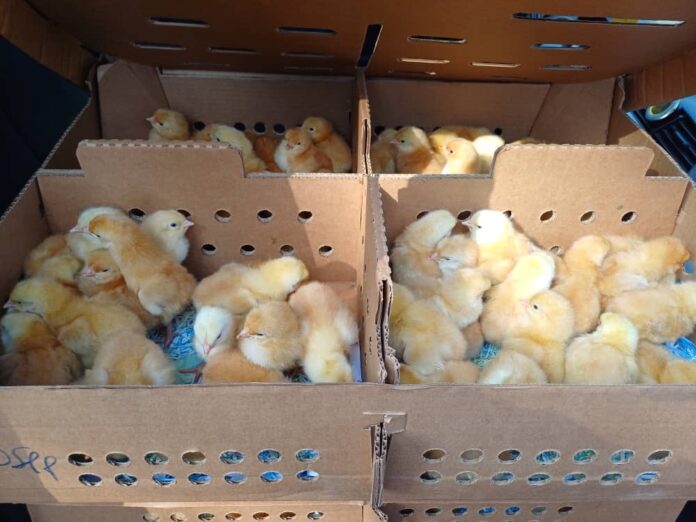
Through the scheme, the Women in Poultry Value Chain Association provided day-old chicks, feed, and vaccines to members, who raised the chicks to the pullet stage.

Beneficiaries could sell or keep the pullets, repaying the cost of the chicks, feed, and vaccines while retaining the profit.

The association used the repayments to purchase new chicks and distribute them to other beneficiaries. Beneficiaries also contribute a token fee to support the association’s operations.

The initial phase of the Pullet Outgrower Support Programme, supported by the USDA, distributed 4,500 layer day-old chicks, feed, and vaccines, with 500 chicks allocated to each beneficiary in the Greater Accra, Ashanti, and Brong Ahafo regions.

Training

Beneficiaries like in the above project need training. They received training in poultry health, biosecurity, husbandry, accounting, marketing, record-keeping, and egg packaging. Networking and mentoring sessions were also held, attracting many prospective farmers and leading to oversubscription of pullets.

After the success of the initial phase, WIPVaC-Apex Ghana expanded the programme to additional beneficiaries once the first group had sold and repaid their pullets.

To increase coverage, GIZ – AgriBiz supported WIPVaC-Apex Ghana in piloting the Pullet Out-grower Project Scheme in the Greater Accra Region.

“Beneficiaries received 2,000 day-old chicks, along with feed and vaccines for an 18-week production period. A poultry management training session was also conducted to ensure the project’s success”.

Building on the success of the pilot, the Association expanded to the Central Region after beneficiaries raised, sold, and repaid the cost of day-old chicks, feed, and vaccines.

The funds were used to purchase 2,000 new day-old chicks, along with feed and vaccines, which were distributed to a new group of beneficiaries.

Due to the programme’s sustainability, GIZ – AgriBiz provided an additional 4,000 day-old chicks, feed, and vaccines to WIPVaC-Apex Ghana for distribution in the Eastern and Volta Regions.

Beneficiaries of previous husbandry training now serve as trainers in these new regions. Veterinary officers, some of whom are WIPVaC-Apex Ghana patrons, assisted in profiling 30 beneficiary farms to ensure proper biosecurity measures. The programme is expected to expand further to additional beneficiaries.

Adopting programmes like the Pullet Outgrower Support Programme (POSP) or the Pullet Out-grower Project Scheme and working with agribusiness associations such as the Apex Body of Women in Poultry Value Chain offers significant advantages in terms of scale, efficiency, sustainability, and impact.

Agribusiness associations offer a coordinated approach that maximizes resources, enhances project sustainability, and ensures broad distribution of benefits, leading to lasting improvements in the agricultural sector.

By implementing initiatives over a wider geographic area, these associations drive systemic change rather than isolated successes.

Their institutional capacity allows them to manage and sustain projects beyond initial funding, providing ongoing support, technical assistance, and mentorship to ensure long-term success.

 By: Henry Cofie Fordi, Founder and Content Manager of Access Agric.

Government needs to intentionally support indigenous businesses-Professor Bokpin

0

Professor Godfred A. Bokpin, an Economist and Professor of Finance, says no economy can grow sustainably in a transformative manner without being intentional about indigenous businesses.

He called on the President to be intentional in supporting the various sectors and in the next four years, the government could point to these assisted businesses.

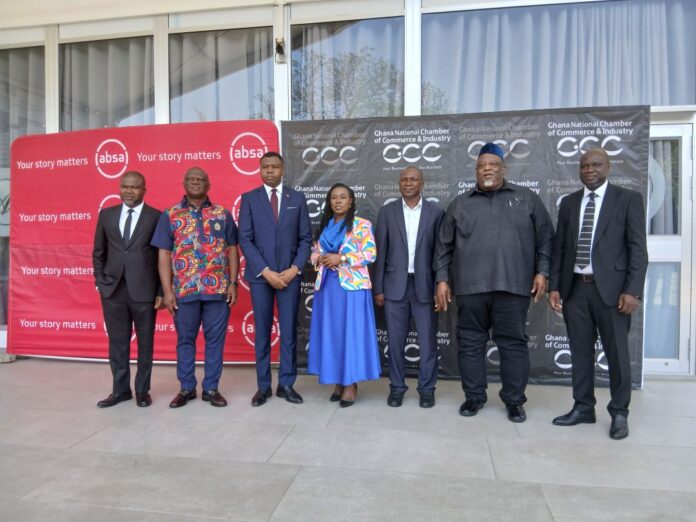
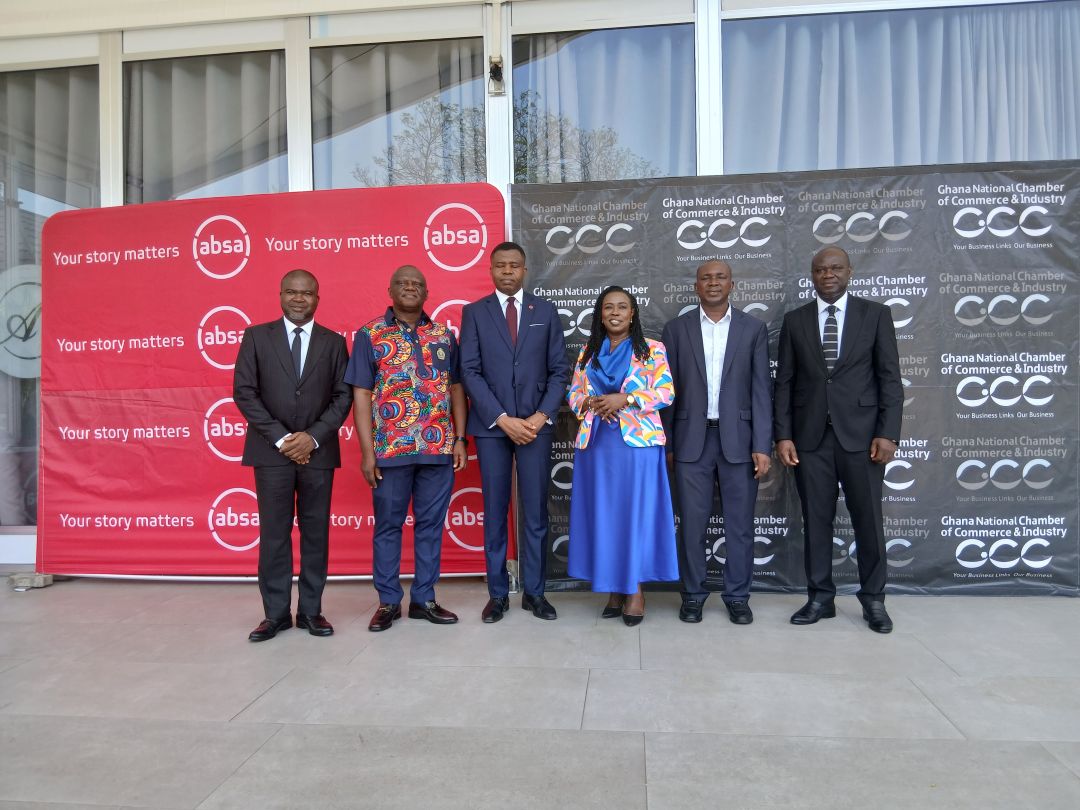
Prof Bokpin was speaking at the 2025 National Budget Review as part of the Ghana National Chamber Of Commerce And Industry (GNCCI) National Dialogue Series in Accra on Tuesday.

The GNCCI, in partnership with Absa Bank Ghana Limited, organised the Budget Review on the theme: “2025 National Budget Discourse: Implications for the Private Sector.”

The event served as a pivotal platform for dialogue, advocacy, and the exchange of ideas that will help chart a course for the future of businesses in Ghana.

He said these businesses could be picked from micro to medium, medium to large and be deliberate about the type of support to enable them to contribute to the development of the economy.

“From banking, from telecom, from mining, we must be intentional about increasing local content,” he added.

He said every country was looking at how they could create opportunities for indigenous businesses and that was the only way out.

Prof Bokpin said what the country had been doing over the years was to use politics and power to victimise indigenous businesses because of their political affiliations.

He said the government needed to come out with a structured instrument that allowed private capital to help them deliver on critical infrastructure.

He said when it comes to critical economic infrastructure, it should be able to pay for itself and “we should be looking at public-private partnership.”

The Economist said the country had a huge infrastructure deficit and needed a legislative framework, and an enabling environment that allowed private capital to feel comfortable to partner the public sector to deliver critical infrastructure.

He said the International Monetary Fund Programme needed to be renegotiated, because its design, structure,  benchmark, indicative targets, and the growth trajectory,  would be insufficient to lift millions of Ghanaians out of poverty.

He said looking at the new mandate, the government’s manifesto, and all of that, it was going to be challenging

situating that within the IMF-supported programme without disruptions.

“The most important thing is that because over the years we have not been able to maintain macroeconomic stability for long, so the programme will deliver some relative macroeconomic stability,” he added.

Mr Mark Badu Aboagye, CEO of GNCCI, said the Chamber had the responsibility to break down and simplify the budget for their members to enable them to take advantage of the opportunities available.

“I see another opportunity within the agriculture sector where the government is expected to pump in about 1.5 billion,” he said.

He said as a Chamber they would be holding the hands of their members to strategically align and leverage these opportunities.

The CEO said there were several sectors within the Chamber and once they were able to do that, “we will bring them on board and let them know that for this particular sector, these are these opportunities available.”

He said the Chamber would monitor keenly the implementation of the budget and engage government on any deviations from the target to bring them back on track.

President Mahama’s X account restored

0

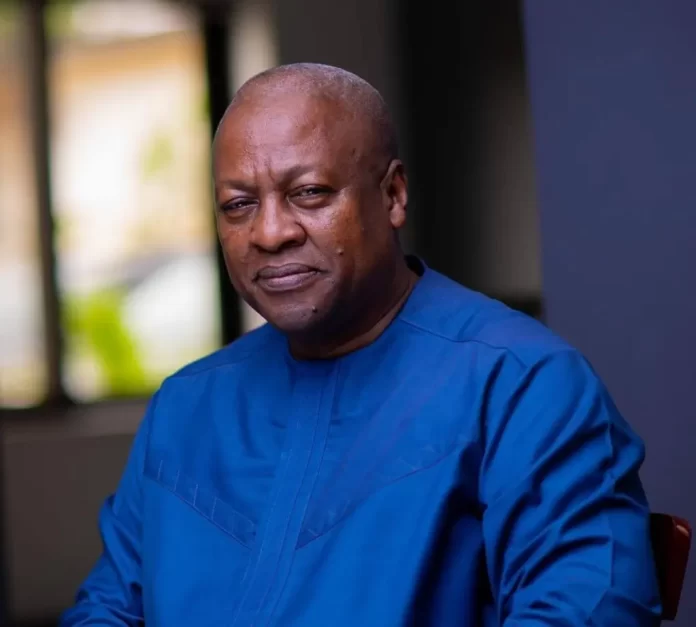
President John Dramani Mahama’s X (formerly Twitter) account has been restored.

A statement issued by the Cyber Security Authority (CSA), copied to the Ghana News Agency said in the early hours of Monday, March 17, the CSA received a report concerning the compromise of the President’s X (formerly Twitter) account; @JDMahama.

It noted that the account had been used to promote a cryptocurrency called “Solana Africa”.

“We understand the public concern this incident has generated and are actively addressing the situation,” the statement said.

“The Authority is working closely with X and other relevant stakeholders to address this incident and to prevent future occurrences.”

The statement said the CSA would provide further updates as the investigation progresses.

Energy Minister assures Ghanaians of resolving all power challenges

0

Mr John Abdulai Jinapor, Minister for Energy and Green Transition, has assured Ghanaians of an improved power supply to consumers and business entities.

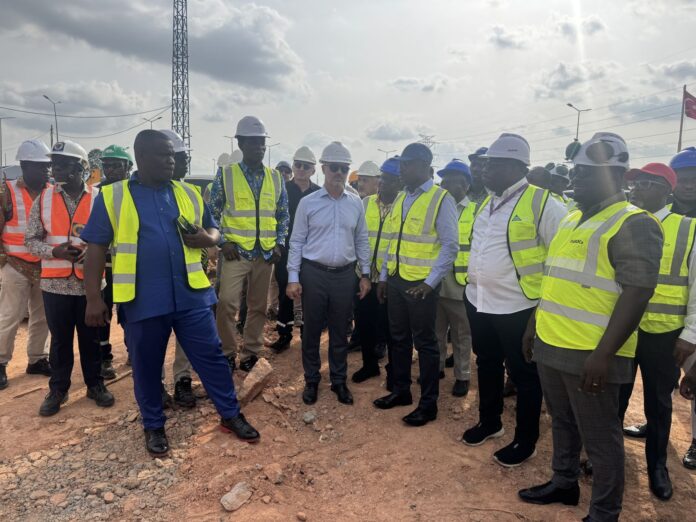
He said whichever part of the country these power challenges existed “we are determined to address them,” he told the media after visiting some key power infrastructure projects, including GRIDCO’s newly commissioned 145MVA transformer at Anwomaso in the Oforikrom Municipality of the Ashanti Region.

The Minister was quick to add that, there was currently no-load shedding, the power supply situation had been stable, and Ghana had enough generation to meet demand and even been able to export excess power to neighbouring countries.

Mr Jinapor admitted that there was still more work to be done, explaining “beyond generating the power, you have to evacuate, transmit and distribute and we are working tirelessly to ensure that we address this challenge and ultimately warrant a very reliable supply and delivery of power.”

With reference to the completion of the 145MVA transmission supply point at Anwomaso, the Minister indicated that the bulk supply point would improve the power supply in the Kumasi enclave because it replaced the old one which was 66MVA.

He explained that due to increased demand and growth for electricity, the power supply situation within and around Kumasi had been very erratic for several months now.

“What we witnessed the past two days had to do with the fact that when the power suppliers were switching from the 66MVA to the 145MVA transformer that ignited the unstable power situation in the Region.

I assure you that the problem has been resolved, and we look forward to a very improved delivery of power.

I commend GRIDCO for completing the transformer, and the Volta River Authority (VRA) and Electricity Company of Ghana (ECG) leadership for working around the clock to address the hitches.”

Mr Jinapor mentioned that the sector wanted to enhance delivery of gas “so that as we commissioned these plants, we can have a remarkable improvement in gas delivery.”

He said Kumasi would eventually become a generation hub due to the existence of the AMERI, CENIT and the AKSA Plants, which when put together could be hitting close to about 700 megatwatts of power delivery from within Kumasi, describing it as something very monumental to improve power generation and distribution.

Peprah assumes duty as Registrar of Companies

0

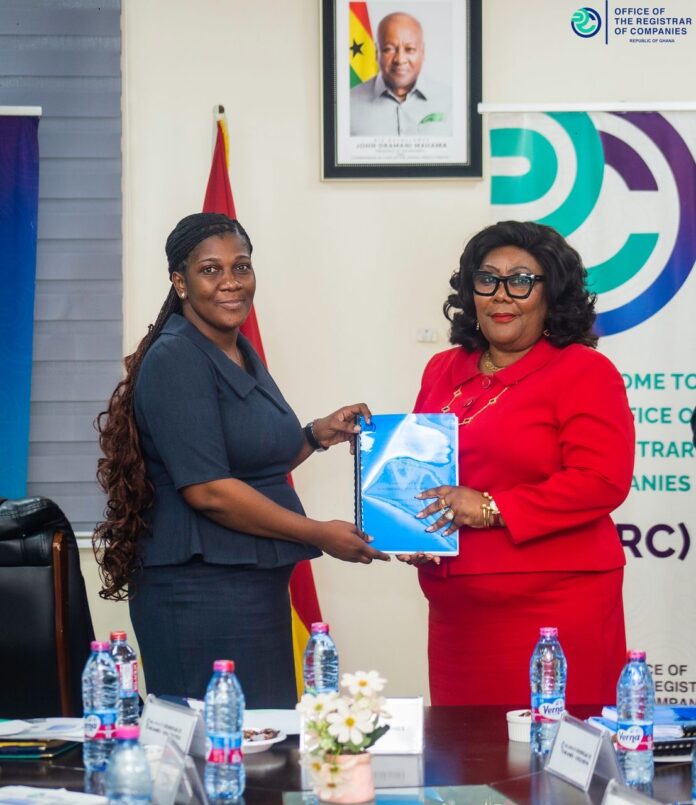
Mrs. Maame Samma Peprah has officially taken office as the Acting Registrar of Companies (ROC) in Accra, succeeding Mrs. Jemima M. Oware.

The transition ceremony was marked by warm exchanges and recognition of achievements.

Mrs. Oware, who led the Office of the Registrar of Companies (ORC) from March 2022 to February 2025, expressed her gratitude for the team’s support, which enabled substantial progress during her tenure.

She encouraged continued cooperation to ensure sustained success and offered her assistance to her successor.

In her inaugural address, Mrs. Peprah emphasized the importance of teamwork and collaboration at all levels to maintain efficiency and serve the public interest.

She acknowledged the smooth transition and pledged to build upon the solid foundation laid by Mrs. Oware, leveraging her experience and expertise.

Mrs. Maame Samma Peprah brings a wealth of experience in legal, corporate governance, and regulatory domains.

Her educational qualifications include an LL.M in Oil and Gas Law and Policy from the University of Dundee, a Barrister-at-Law certification from the Ghana School of Law, and an LLB from Kwame Nkrumah University of Science and Technology.

Her career spans both public and private sectors, with notable contributions to organizations such as Cenpower Generation Ltd., LawTrust Company, the Attorney-General’s Department, and the Legal Aid Board.

Additionally, she serves as an adjunct lecturer at GIMPA Law Faculty and has demonstrated expertise in legal advisory, corporate governance, policy development, and stakeholder engagement.

As the new Acting Registrar, she has committed to upholding transparency, efficiency, and high service standards at the Companies Registry.