Home Blog Page 75

According to a recent estimate, just seven nations fulfilled global clean air requirements in 2024.

0
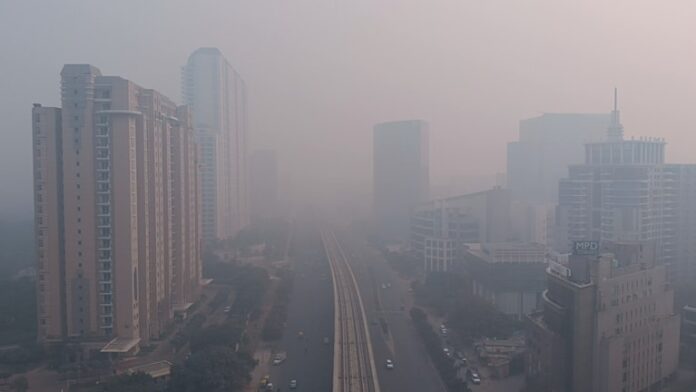
Every winter the National Capital Region of India is covered in a cloud of thick smog. Air quality index monitors max out with ratings of 999 and pollution reaches 50 times the level deemed safe by the World Health Organization, making breathing Delhi’s air as bad as smoking 50 cigarettes. Some of the biggest emitters are Delhi’s more than 10 million vehicles, like cars and trucks. Dust from the city’s construction boom is also a contributor to the city’s smog. Brick kilns that burn solid fuels are another factor. So is coal-fired power generation.

Less than one-fifth of cities globally last year were able to meet the World Health Organization’s international standards for clean air.

The IQAir World Quality Report, which examined data from 138 nations, was released on Tuesday.

According to the statement, only Australia, New Zealand, Barbados, Grenada, the Bahamas, Estonia, and Iceland qualified.

According to the survey, the worst air was detected in Chad, the Congo, Bangladesh, Pakistan, and India; however, Frank Hammes, CEO of IQAir Global, argues the actual pollution levels are probably far worse.

“We still have a lot of hidden air pollution around the world and I think the more monitoring will go on, the more we’ll see, especially in Africa,” he said.

IQAir found that the continent has only one air quality monitoring station for every 3.7 million people.

Hammes said air pollution on the continent was as a result of various factors.

“It’s a combination of sand blown right through some of the region, especially sub-Saharan Africa, and a lot of dirty fuel being burned. And I think that’s being shared with a lot countries in Asia too.”

With pollution levels far exceeding recommended limits in most regions, this means that the vast majority of the world’s population continues to breathe unsafe air.

Shweta Narayan, campaign lead at the Global Climate and Health Alliance, said the burning of fossil fuels contributes hugely to air pollution and is also a major driver of the climate crisis.

“That’s why we believe that when we tackle the issues of air pollution, we are also addressing, these are also climate solutions, and we are addressing the issues or factors that are causing (the) climate crisis.”

Last week, data monitoring for air pollution was dealt a blow when the US State Department announced it would no longer make public its data from its embassies and consulates around the world.

Experts say breathing in polluted air over a long period of time can cause respiratory illness, Alzheimer’s disease and cancer.

The World Health Organization estimates that air pollution kills around seven million people each year.

Seven physicians are on trial for murder in Maradona’s death.

0
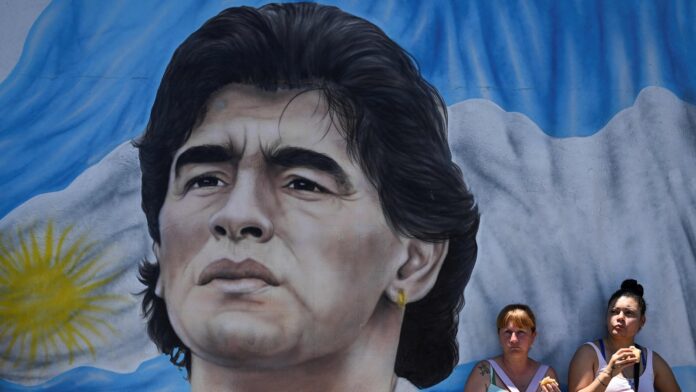
(FILES) Members of social organizations stand next to a mural depicting late Argentine football star Diego Maradona during a protest at Pueyrredon bridge in Buenos Aires on December 2, 2022. Four years after the death of Argentine football legend Diego Maradona, seven healthcare professionals will go on trial on March 11, 2025, in San Isidro, Buenos Aires, accused of negligence that may have led to his death. Over a hundred witnesses, including members of Maradona's family and doctors who tended to him down the years, will take the stand over the course of the four-month trial. (Photo by Luis ROBAYO / AFP)

Beginning Tuesday in Buenos Aires, seven members of the medical staff who cared for Argentine football legend Diego Maradona before to his passing will stand trial for homicide.

The lawsuit centres on claims that the World Cup winner’s death in 2020 at the age of 60 was caused in part by the medical staff’s carelessness, which led to a worldwide outpouring of mourning in his home country of Argentina. Maradona had been recuperating from surgery to remove a blood clot on his brain weeks prior when he had a heart attack at his rental home in Tigre, an upscale neighbourhood north of Argentina’s capital, Buenos Aires.

Widely perceived as one of the sport’s greatest players, Maradona famously led Argentina to victory in the 1986 World Cup and inspired his compatriots with a rags-to-riches story that vaulted him from poverty in the hardscrabble outskirts of Buenos Aires to international reverence.

Maradona had struggled with drug addiction, obesity and alcoholism for decades, and reportedly came close to death in 2000 and 2004. But prosecutors concluded that — were it not for the negligence of his doctors — his death could have been avoided.

Seven of the eight medical professionals who have been charged in the case, including Maradona’s brain surgeon, psychiatrist and nurses, are now standing trial for culpable homicide, a crime roughly commensurate with involuntary manslaughter. They deny wrongdoing but could face up to 25 years in prison. A three-judge court will convene in the leafy Buenos Aires suburb of San Isidro to hear arguments about the case on Tuesday.

Ivory Coast opposition parties create partnership ahead of presidential elections.

0

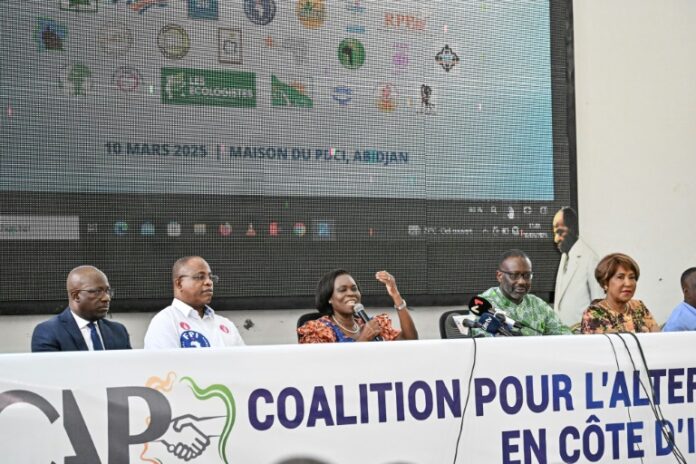
Dozens of opposition groups in Ivory Coast have formed an alliance ahead of October’s presidential election.

The Coalition for a Peaceful Alternative hopes to advocate for election change and force a balance of power on the incumbent party.

The Democratic Party of Ivory Coast (PDCI), the country’s oldest party, the Movement of Capable Generations (MGC) of former first lady Simone Gbagbo, and Charles Blé Goudé’s Young Patriots of Ivory Coast (COJEP) are also strong contenders.

“For its part, our coalition decided today to take another step forward in its project to strengthen the grouping of the opposition by formalising this structure,” said Simone Gbagbo on behalf of the alliance.

But one major party is missing from the new coalition, that of former president Laurent Gbagbo.

With the opposition in three blocs, there’s a risk of votes being divided among them which could benefit the ruling party. Unless the new coalition manages to rally support beyond its ranks.

Political analyst, Christophe Koffi, believes the President Alassane Ouattara’s party will have something to worry about if the vote goes to a second round.

“Unlike in Cameroon, the political parties have formed a bloc and the electorate will be very large around this bloc,” he said.

“If they manage to force the party in power to a second round, there will be a grouping of all the opposition voters around whoever comes in pole position and I think that this could upset the ruling party.”

Koffi said it “should not underestimate this coalition that has been put in place”.

With the campaign shaping up to be a tense one, the question remains whether the newly formed alliance will have an impact on the October elections.

Widespread destruction in Mozambique following passage of Cyclone Jude

0

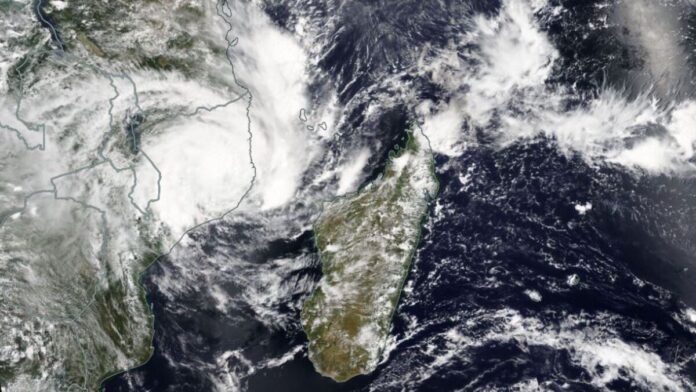
Cyclone Jude ripped across Mozambique on Monday, bringing gusts of up to 120 km per hour and torrential rain.

It caused flooding and significant infrastructural damage, leaving many people homeless and without electricity.

According to the Mozambique National Institute of Meteorology, the tropical storm made landfall over the Mossuril area of Nampula province in the early morning.

The seriousness of the incident surprised residents of Nacala, a city in the region.

“This rain doesn’t stop falling; it started around 1am, and they’re saying it’s going to rain for 24 hours, and the wind and thunder don’t stop,“ said Nacala resident Isabel Namoro.

“The backyard walls and gates have fallen down. We can’t go to the market; there’s a lot of water. We’re suffering a lot.”

The situation in the region is already fragile and humanitarian response capacities overstretched following two recent cyclones, one in December and the other in January.

The United Nations Children’s Fund (UNICEF) described the situation as “very bad” and said children are particularly vulnerable.

Flooding increases the risk of waterborne diseases such as cholera, diarrhoea, and malaria. The UN said Nampula has the highest number of children out of any province in Mozambique.

“It has been raining in Nacala since yesterday, children are unable to go to school, they have no way to buy bread or anything,” said resident, Sheila.

“There is a lot of wind, houses and zinc sheets are falling down. In this area, five houses have fallen. Our neighbours are crying, they are suffering.”

UNICEF has been working with the government to distribute emergency aid kits and other forms of help to those affected.

Businessman, farmer granted bail for allegedly defrauding estate developer.

0

The Amasaman Circuit Court has granted bail to a businessman and a farmer over an alleged GHC120,000 land fraud.

Nii Korley Sai Boni IV, 53, and Kingsley Oblitey Quansah Commey, 44, were granted GHC150,000.00 bail with two sureties each.

They are accused of granting 20 plots of land without titles to Mr. Raymond Kwaku Marfo, CEO of RKM Estate Development Company.

The court, presided over by Ms. Enid Marful-Sau, ordered that the sureties deposit their valid national identity cards with the Registry.

Nii Boni and Commey denied conspiring to defraud Mr. Marfo.

The court instructed the prosecution to serve the accused with necessary materials by April 2, 2025.

Chief Inspector Frederick Awuah-Ansah, prosecuting, said Mr. Marfo was the CEO of RKM Ghana Limited, an estate development company.

He said that Nii Boni is a businessman and self-styled chief of Korleyman near Medie, while Commey is a farmer from Papase near Adjen Kotoku in the Ga West Municipality.

In June 2022, Mr. Marfo was working on land he purchased from Abusuapayin Ayitey Ankwah of Ankwa Dobro.

Nii Boni and Commey, along with one Obodai (now deceased), confronted Marfo, claiming ownership of the land.

The prosecution said Nii Boni and Commey convinced Marfo to buy twenty plots along the road leading to Samsam.

Marfo paid GHC120,000.00 for the plots, and an official receipt was issued.

However, when Marfo attempted to begin work on the land, he was informed by the Nii Boni and Commey that there was an injunction on it.

After conducting a search at the Lands Commission, Marfo discovered the land was registered in the name of Babbel Limited.

Marfo then reported case to the Amasaman Divisional CID on May 10/2024.

Subsequently, Nii Boni and Commey were arrested, and in their caution statements, they admitted the offence.

They promised to repay the amount involved but failed to do so.

After thorough investigations, Nii Boni and Commey were charged and brought before the court.

NDC Sowutuom branch organiser granted GHC100,000 bail pending appeal.

0

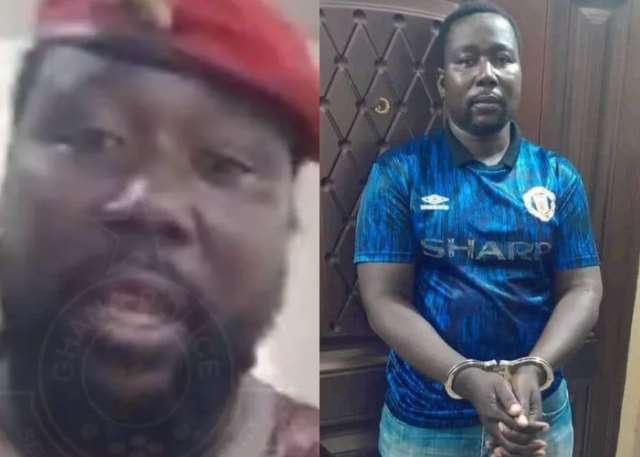
A Sowutuom Branch Organiser  of the National Democratic Congress, who was jailed four years for threatening to kill citizens during the December 7, 2024 elections, has been granted bail.

The Court of Appeal granted Mohammed Ibrahim bail in the sum of  GHC100,000 with one surety pending appeal.

The three-member panel, with Justice Senyo Dzamefe (presiding) held that there was error on the face of the record.

The Court ordered the appellant to be reporting to the Regional Crime Officer every two weeks.

Ibrahim’s appeal was earlier turned down at the High Court when he filed for bail pending appeal.

Appellant’s lawyer Nii Kpakpo Samuah Addo proceeded to the Court of Appeal to appeal against the sentence.

Ibrahim was sentenced last year to four years imprisonment by an Accra Circuit Court after he was found guilty on the charges of publication of false news with intent to cause fear and alarm, threat of harm and offensive conduct to breach the peace.

He was sentenced to three years imprisonment on the charge of publication of false news with intent to cause harm, four years on the charge of threat of harm and three years for offensive conduct.

Sentences were to run concurrently.

Prosecution’s case was that Ibrahim identified himself as the leader of a revolutionary group known as “Ka na wu”, literally meaning “Speak and die” in the Twi Language.

On September 3, 2024, the Ghana Police Service’s attention was drawn to a video of Ibrahim on social media platforms: Facebook, X and Tik Tok in which Ibrahim was wearing  a red military beret.

He was saying  that the Ghana Police Service in the Ashanti Region, under the direction of the Inspector General of Police, Dr George Akuffo Dampare and the then Minister of the Interior, Mr Henry Quartey, were recruiting fake police personnel to kill citizens during the December 7 elections.

Ibrahim stated that he and his cohorts knew where the Minister lived and that in the outbreak of war in Ghana, “they will shoot him.”

Ibrahim also threatened to unleash violence during the elections.

On September 10, 2024, the police declared Ibrahim wanted leading  to his arrest.

A search was conducted in his residence at Sowutuom, which led to the retrieval of the red beret he wore in the viral video.

We must give stiffer punishments to “negligent drivers” – NRSA,

0

Mr Abraham Amaliba, the Director General of the National Road Safety Authority (NRSA), has called for a more deterring punishment for drivers who engage in negligent driving.

He said this would reduce the number of crashes caused by negligent drivers and ensure more sanity on the roads.

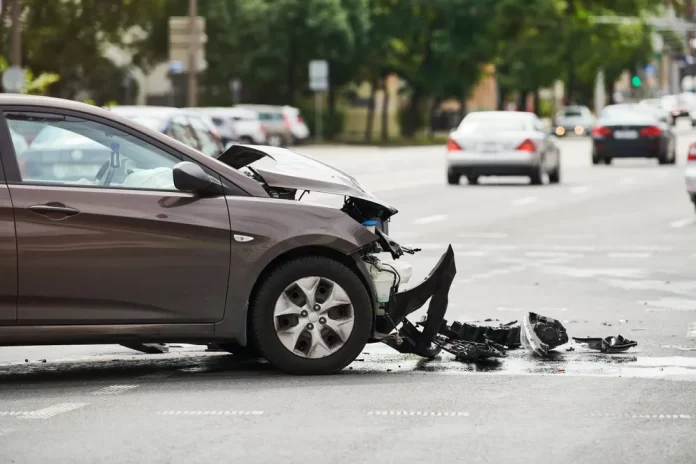
Mr Amaliba, speaking on an Accra-based radio station on Monday, said at least 13,489 road traffic crashes were reported from January to December 2024.

Out of this, 2,494 people died while some 15,607 others were injured.

Also, about 2,394 pedestrians were knocked down within the period, resulting in the death of 590 people.

Mr Amaliba, while acknowledging the role that poor road markings, poor street lightning and pedestrians’ indiscipline played in such crashes, identified drivers’ indiscipline on the road as a major cause of the accidents.

He said such indiscipline must be treated as a serious offence and stiffer punishment be meted out to offenders to deter others.

“Some of the accidents are not accidents per se, some of them are negligence on the part of either the drivers or the pedestrians,” Mr Amaliba said.

“Accident is when you are not in control or you are not aware of the consequences or you can’t even control the issue, it came by itself.”

“…But negligence is when you are not up to your responsibilities, and I think when it comes to negligent driving, we shouldn’t treat it as a common accident and punishment must be meted out severely to those drivers.”

Mr Amaliba expressed the Authority’s commitment to tackling the menace, indicating that he was engaging relevant stakeholders such as the Driver and Vehicle Licencing Authority, Ghana Highways Authority, Department of Urban Roads and the Road Safety Services Limited who are in charge of towing, to ensure improved service delivery.

“Tomorrow, I’m meeting the highways authority, they are in charge of road markings in this country. After that, I’ll meet the urban roads, they are in charge of the traffic lights,” he said.

“So, I am ensuring that all road sector players will begin to up their game on this matter.”

He disclosed the reintroduction of the Legislative Instrument (L.I) on Road Traffic (Amendment) Regulations to Parliament to strengthen regulations on the road. 

The L.I. was shelved last year after public outcry regarding a section of the bill, which allowed specific officials, including parliamentarians, to use sirens.

Mr Amaliba said that aspect of the L.I. had been expunged and new modifications made to include the legislation of commercial motor riders, popularly known as “Okada.”

The L.I., when passed, would help to impose spot fines on drivers who violated road traffic regulations.

Government reads budget tomorrow after fruitful economic dialogue.

0

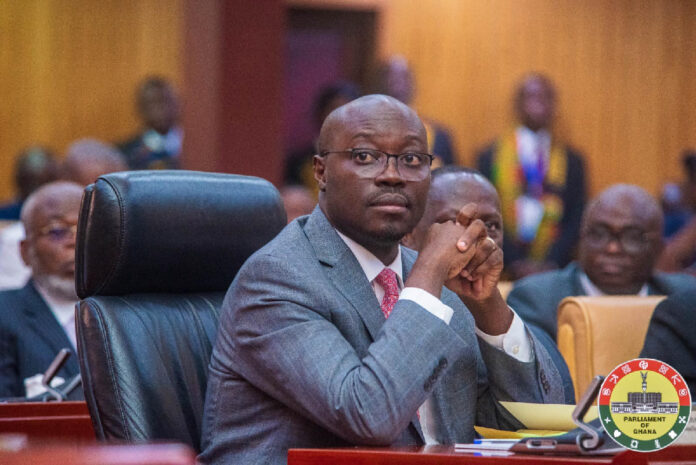
The Minister of Finance is expected to present the first budget of Mr John Mahama after becoming the president on January 7, 2025, to parliament.

The presentation is taking place barely a week after the government had put together some finest brains on economics and key private sector players to deliberate on the current economic challenges in the country, a situation government has described as a crisis.

It is the hope of many that the budget and the economic policy statement for the year 2025 will reflect the solutions proffered at the end of the two-day event that focused on six thematic areas.

These areas are macro-economic stability, restoring good governance, private sector led growth, structural policy reforms, infrastructure development and growth with diversification, export competitiveness, productivity, technology and human well-being.

Based on outputs captured in a communique, stakeholders are expecting the government to lead a comprehensive and durable public sector reforms to improve productivity as well as increase private sector participation and investment in the economy.

Government is expected to restore macroeconomic stability and inject confidence in the economy by announcing major tax reforms to address revenue leakage and expand the tax net and establish a credible medium term expenditure framework that ensures adequate provision of funding for projects before commencement.

To aggressively pursue inclusive and sustainable growth for economic transformation, stakeholders are expecting the government to review and introduce a streamlined tax system for agricultural inputs and outputs to promote efficiency, reduce burdens, and support sector growth.

They want the government to champion policies that proactively address skill gaps by aligning current and projected developmental priorities.

Stakeholders want government to address infrastructure deficit by introducing a range of investable asset classes in infrastructure through the Ghana Stock Exchange (GSE)and the Ghana Infrastructure Investment Fund (GIIF); revise Pension Fund investment regulations to align with infrastructure projects and ensure sustainable development and long-term economic growth.

The Government is expected to provide direction on the restructuring of the economy through effective execution of the Energy Sector Review Policy to improve efficiency, sustainability, and service delivery in the sector.

Conducting a comprehensive review of ECG’s operations and implement necessary reforms to position it for potential private sector involvement; strengthening ECG’s billing and collection systems while enforcing cost-cutting measures to improve operational efficiency and service delivery.

Players in the energy sector are also expecting the announcement of moves to finalise the review of Independent Power Producers (IPP) contracts and renegotiate terms to lower power purchase costs.

Ghanaians expect pragmatic, realistic policies in 2025 budget

0

Amidst high expectations, Ghanaians look forward to bold and realistic solutions in the government’s 2025 budget statement in economic policy, to be presented to Parliament on Tuesday.

This comes in the middle of the implementation of a US$3 billion International Monetary Fund (IMF) loan-supported programme and withdrawal of assistance from the USAID, as the government lays a foundation for the 24-hour economy initiative.

As promised by the government, Ghanaians, individuals and businesses alike are expecting the scrapping of some tax handles, including the Electronic Transfer Levy (E-levy), COVID-19 levy, and 10 per cent levy on bet winnings.

Already, A KPMG/United Nations Development Programme (UNDP) 2025 pre-budget survey has disclosed that over 50 per cent of businesses want the removal of the E-levy and COVID-19 levy.

Stable macroeconomic environment, characterised by low inflationary pressures, interest rates and a strong performance of the Cedi against its major trading currencies, are also high on the agenda of many Ghanaians.

However, the government has been cautioned against spending cuts that would hurt the economy but encouraged to embark on aggressive and innovative revenue mobilisation efforts to augment its expenditure rationalisation.

Dr Daniel Amin-Prempeh, a Chief Economist with the Policy Initiative for Economic Development (PIED), said the budget should translate deliverables into pragmatic and realistic strategies.

That, he said, should anchor the overall growth of the economy, prioritising private sector support and development, particularly in the operationalisation of the 24-hour economy initaitve.

He spoke with the Ghana News Agency ahead of the budget presentation, noting that such support to the private sector must be deliberate to boost their capital and capacity, while creating a market for them within the sub-region.

“They don’t need to start from scratch. There are existing policies by the previous government, which probably are very good policies, but in terms of implementation, in terms of coordination, it couldn’t achieve the desired results. That should be the focus,” said Dr Amin-Prempeh.

He recommended that the government streamlined and invested in the Planting for Food and Jobs (PFJ) programme to create jobs along the agricultural value chain and minimise the importation of stables.

“When these things are well coordinated and there’s a strong policy around these thematic areas, we should be able to consolidate the macroeconomic environment and prepare growth going forward,” he said.

For the Association of Ghana Industries (AGI), they looked forward to policies that would help protect local industries from competition from imports, a stable macroeconomic environment to enable businesses thrive.

“We believe in the 24-hour economic strategy, but we cannot run our industries for 24 hours to produce so much only for us to be exposed to competition from imported products,” Mr Stephen Owusu, the Head of Memberships Development at AGI, said.

He said this at the third US-Ghana Business Expo Roundtable and B2B matching in USA, held last month, urging the government to incentivise businesses to support the 24-hour economy initiative.

In addition to a stable macroeconomy, the Association also asked the government to channel expenditure cuts in areas that industry could fill in.

“We are in challenging times, and the government cannot do everything alone. That is why the private sector is needed. Spending cuts should target areas where the private sector can provide the necessary support,” Dr Humphrey Ayim-Darke, AGI President said.

Speaking in an interview monitored by the Ghana News Agency on JoyNews, Dr Joseph Obeng, the President of the Ghana Union of Traders Association (GUTA), also echoed the need for a stable macroeconomic environment.

“The budget must adopt measures that will strengthen and stabilise the local currency, as this is key to the nation’s economic well-being. These are the indicators that enable businesses to prosper,” he said.

“We need stability, total stability of the economy. That we adopt measures to help strengthen and stabilize the local currency to reduce infiltration, interest rates to improve other economic indicators, especially the interest rate,” he added.

Dr Nyame Baafi, a Senior Lecturer at the Ghana Institute of Management and Public Administration (GIMPA), cautioned against the populist approach in removing some taxes as promised Ghanaians.

He cited revenue constraints and the rippling effect of the scrapping of taxes on the country’s debt-to-Gross Domestic Product (GDP) ratio, as reasons for the government to trek cautiously.

Figures from the Ghana Statistical Service (GSS), has shown a decline in the country’s debt-to-GDP ratio from approximately 80 per cent in 2020 to 61 per cent, alongside a GDP growth rate of 5.7 per cent, but removing some taxes could reverse the macroeconomic gains achieved so far, Dr Baafi said.

Mr Kojo Oppong Nkrumah, the Ranking Member of Parliament’s Economy and Development Committee, said they looked forward to the budget providing funding to various economic policies.

He noted that the new government made some 273 economic commitments ahead of the last election, and they would examine the commitments for each of them, particularly in year one.

“We will bring to bear the knowledge we’ve acquired in government, the lessons from what went right and wrong in our era, and the feedback from our constituents in our assessment and approvals,” he pledged.

Ghana’s economy grew by 5.7 per cent in 2024

0

Ghana’s economy grew by 5.7 per cent in 2024, but Q4 growth slowed to 3.6 per cent, down from 7.2 per cent in the third quarter.

The slowdown in Q4 was largely driven by weaker growth in the Industry sector, which increased by just 0.2 per cent.

A significant factor was the sharp contraction in mining and quarrying, which accounted for about 43 per cent of the Industry sector’s total value.

The Services sector remained the largest contributor to GDP, representing 49.2 per cent of total output, followed by Industry (31.9 per cent) and Agriculture (19.0 per cent).

At constant 2013 prices, Ghana’s oil GDP for Q4 2024 stood at GH₵53,137.0 million, while non-oil GDP was GH₵50,262.5 million. In nominal terms, GDP at basic prices reached GH₵308,086.5 million.