Home Blog Page 341

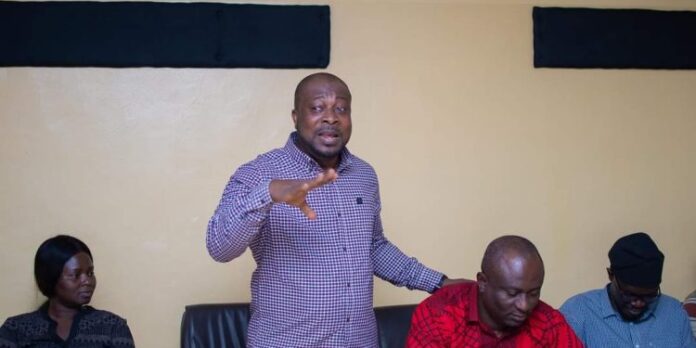
Ken Agyapong arrives at the NPP headquarters to meet with the elections committee.

0

Kennedy Agyapong, a flagbearer aspirant, has arrived at the New Patriotic Party headquarters to meet the Elections Committee.

According to insiders, the meeting would provide him and other presidential contenders with an opportunity to address complaints about the conduct of the special delegates conference.

Vice President Dr. Mahamudu Bawumia won the Extraordinary Delegates’ Conference of the New Patriotic Party (NPP) with 629 votes, representing 68.15% of the vote.

Kennedy Agyapong of Assin Central finished in second with 132 votes, or 14.30%, while former Commerce Minister Alan Kyerematen came in third with 95 votes, or 10.29%.

Mr Agyapong is also expected to meet the disciplinary committee over claims targeted at President Akufo-Addo and Vice President, Dr. Mahamudu Bawumia during Saturday’s Special Delegates Conference.

In a widely circulated video Mr Agyapong, who is also the Assin Central Member of Parliament, is seen threatening the two leaders over alleged attacks on his agents.

He was heard saying, “President Akufo-Addo, I will give you a showdown in this country, I swear to God. Vice President, I will give you a showdown for chasing my agent away. I swear to God. You will hear what will happen here. I swear to God, I will challenge President Akufo-Addo big time.”

A statement signed by the NPP General Secretary, Justin Kodua Frimpong on Sunday, disclosed that Mr Agyapong will be summoned before the Disciplinary Committee to explain his threats.

The campaign team of Kennedy Ohene Agyapong on Monday clarified that the comment about a “showdown” with President Nana Akufo-Addo and Vice President Dr. Mahamudu Bawumia during Saturday’s special delegates conference was not a threat.

At a press conference, Agyapong’s campaign manager, Kwame Owusu, said that the expression “showdown” was only used to indicate that Agyapong would win the November 4 polls, regardless of any alleged intimidation against him.

Salam Mustapha of the NPP accused Mahama of hypocrisy over the ‘violent party’ label.

0

Salam Mustapha, the NPP’s National Youth Organizer, has accused former President John Mahama of hypocrisy for accusing the NPP of being a violent party.

In a Facebook post, the NDC flagbearer stated that violent attacks documented at several centres are evidence of the ruling party’s aggressive mentality.

He also used the Ayawaso West Wagon by-election violence and the killing of eight people during the 2020 elections to back up his statement.

Nevertheless, in an interview with Citi News, the National Youth Organiser called the former president’s remarks hypocritical.

“He is the leader of such a violent party. When they went to Cape Coast to elect their youth and women organisers, they chased each other with machetes and guns. Ayawaso West Wuogon was an electoral violence that involved two parties, NDC and NPP.

“There is no orchestration anywhere, you see hypocrisy is engrained in the DNA of the NDC and former president John Dramani Mahama. He was president when we went to Talensi, Talensi was a blood bath, and he was the beneficiary of it. Maybe he has forgotten but I am clearing his eyes that he should remove those pegs of hypocrisy and he will begin to see very well.

“I keep telling the NDC that the war drums they keep singing, the war drums they keep beating, you don’t know how people will prepare for it, I am the National Youth Organiser of this party if you keep telling me this 2024 election you see it as war, I will also prepare and come for you. I will never sit down for any man to lord over me, It will never happen,” he stated.

Thomas Tuchel is back in the Premier League shopping! Bayern Munich is interested in signing Chelsea’s Conor Gallagher.

0

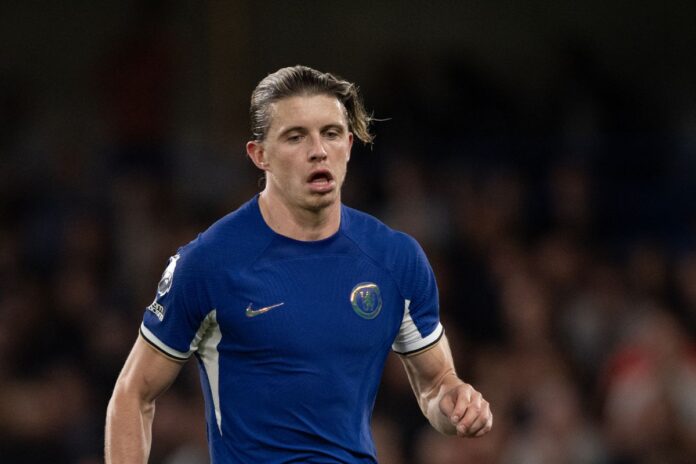
Thomas Tuchel wants to rejoin with Conor Gallagher at Bayern Munich and is eager to return to the Premier League.

Bayern Munich, who are revamping their roster this summer, are interested in Chelsea midfielder Conor Gallagher, who worked with Thomas Tuchel at the London club, according to talkSPORT.

Although starting all three Premier League games thus far, Gallagher’s game time may be decreased as the season develops, since the Blues have added players like as midfielders Moises Caicedo, Romeo Lavia, and Lesley Ugochukwu in the summer. Tuchel is also interested in out-of-favour Chelsea defender Trevoh Chalobah and Tottenham Hotspur star Eric Dier, according to Florian Plettenberg.

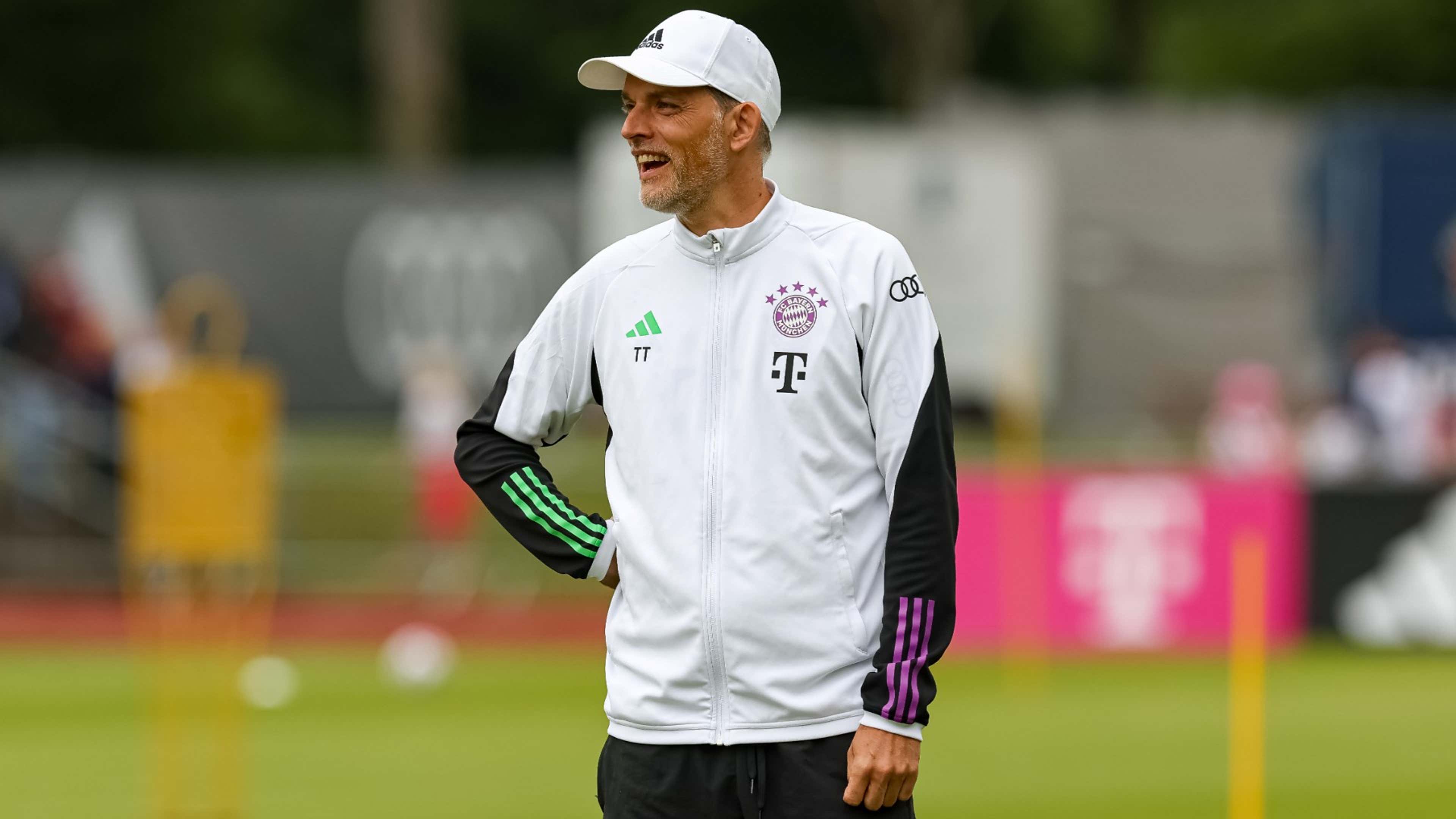
Thomas Tuchel FC Bayern 2023Getty Images

NEXT MATCHES

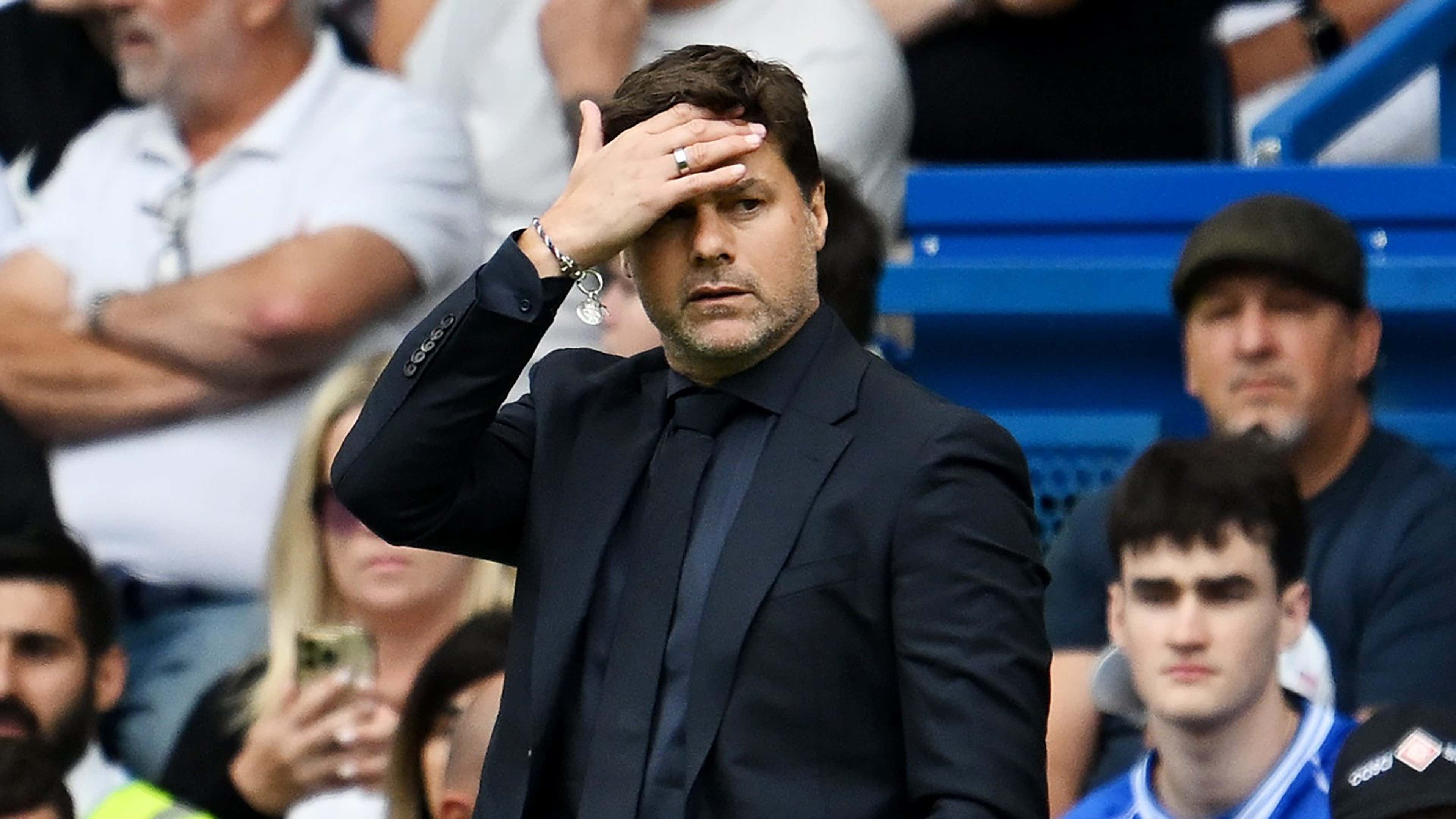
Mauricio Pochettino Chelsea 2023-24Getty

WHAT NEXT FOR BAYERN MUNICH? With two wins in as many games in the Bundesliga, Bayern Munich will next face Borussia Monchengladbach on September 2.

Dialogue on socio-cultural barriers against women farmers held at Njau

0

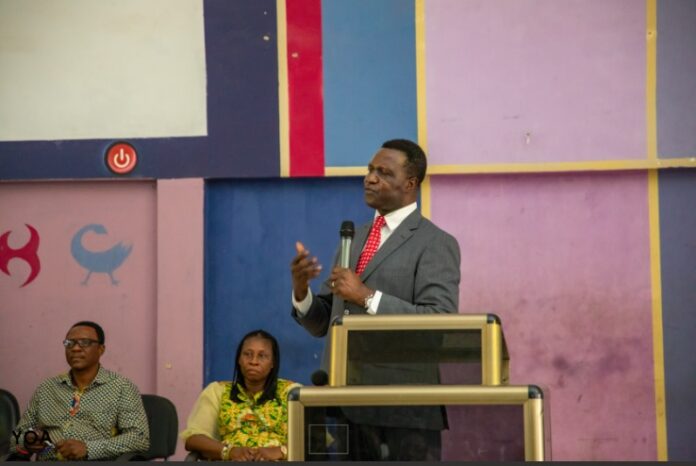
A dialogue to enhance awareness of communities on norms, socio-cultural behaviour and practices preventing women farmers from accessing knowledge regarding modern agricultural best practices has been held at Njau, Tain District of Bono Region.

Some of the socio-cultural barriers like exclusion of women from land access and ownership hindered gender equitable access to agricultural advisory services and prevented communities from fully benefiting from improved agricultural productivity.

The Bono Regional Directorate of Ministry of Food and Agriculture and the Accra-based Centre for Agriculture and Biosciences International organised the one-day event on the theme “Bridging Gender Gaps in Agricultural Advisory Services for Increased Productivity and Better Livelihoods.”

Funded by CABI, the programme formed part of the Gender in Agriculture and Rural Advisory Services in Ghana Multi-stakeholder forum for dialogue and advocacy series of ten community-level multi-stakeholder durbars in the Tain and Banda Districts of the Bono Region. 

It was attended by farmers, particularly females from different local women-farmer cooperatives, traditional leaders and agricultural extension agents.

Speaking to the media in an interview on the sidelines of the dialogue, Mr Dennis

Abugri Amenga, the Regional Director of MoFA emphasised the importance of women farmers in economic growth, food security, poverty reduction and community development.

Mr Amenga however, indicated women farmers faced numerous challenges that impeded their productivity and access to agricultural advisory services.

He added besides the existing hardships in accessing production resources, women farmers also faced socio-cultural norms that limited their access to critical rural agricultural services.

Mr Amenga thus stated the durbars sought to raise awareness about the importance of women contribution to agricultural development, address social barriers that affected women access to extension services, challenge societal perceptions about women involvement in agriculture and recognise women as legitimate contributors to and beneficiaries of agricultural services.

Ms Birgitta Oppong-Mensah, a Scientist-Agricultural Advisory Services at CABI emphasised the importance of starting a discussion about those barriers to create more opportunities for women to access extension services.

Ms Oppong-Mensah announced research conducted in 2021 in some selected regions revealed that gender roles and limited access to audio-visual materials hindered women’s participation in agricultural training.

Other hindrances she mentioned were issues of power and decision-making, explaining the women felt their voices were not heard because they had no access to power and other necessary resources as well as land access and ownership.

In a related interview, Madam Adwoa Fula, a member of the Power Women Farmer Group appealed to traditional leaders to find ways to enable farmers to cultivate throughout the week, as cultural practices and norms that prohibited farming on certain weekdays reduced productivity.

African Development Bank’s FIMES project marks success in bolstering transitional economies

0

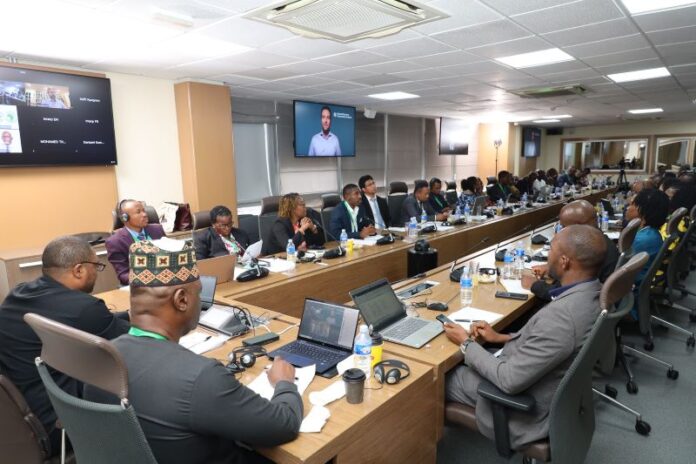
In a successful effort to propel transitional African economies towards stability and growth, the African Development Bank’s Financial Modelling for the Extractives (FIMES) project has showcased remarkable results, as representatives from eight African countries benefiting from FIMES concluded a final learning workshop in Abidjan last Thursday.

Coming from Guinea, Liberia, Madagascar, Niger, Sierra Leone, South Sudan, and Zimbabwe, the participants shared their experiences around the programme launched in 2020 for two days.

FIMES is a multi-country project funded by the African Development Bank Group’s Transition Support Facility and implemented by the African Natural Resources Management and Investment Centre (ANRC).

The project will strengthen capacity for financial modelling and domestic tax revenue mobilisation. It also boosts the institutional capacity and resilience of seven beneficiary transitional countries, Guinea, Liberia, Madagascar, Niger, Sierra Leone, South Sudan, and Zimbabwe.

Acting Director of the African Centre for Natural Resource Management and Investment Vanessa Ushie said FIMES was a pioneering large-scale effort by the African Development Bank to build financial modelling capacity in Africa.

“In all beneficiary countries, the lessons and experiences shared at this workshop indicate that FIMES has supported legislative revisions in the petroleum and mining sector and generated comprehensive knowledge and data on key natural resources, leading to better investment agreements, policy decisions and revenue flows,” Ushie said.

“As we enter an era of uncertainty for fossil fuels, due to climate change and the clean energy transition, it is important to build on the foundations of the FIMES project in beneficiary countries and beyond, deepening financial modelling capacity to support investments for a just transition in Africa,” she said.

Treasury Inspector at Madagascar’s Ministry of Economy and Finance Rakotosalama Tojo Hasina Fanomezana said his country anticipated a surge in mining’s contribution to the national Gross Domestic Product from 4% to potentially 15% within the next three years, thanks to the capacity-building efforts in financial modelling for the extractive sector through FIMES.

Fanomezana said the programme had trained 23 government officials from the mining, customs, and finance sectors, with to improve fiscal and parafiscal policies in the extractive sector. “We recommend capitalising on current achievements through exchanges of good practices and discussions around common problems with other countries,” he said.

Aboubacar Sidiki Diakité, Service Manager at the Guinean Ministry of Budget, Prince Nelson, Director of the Tax Policy Division, Liberian Ministry of Finance and Development Planning and John David Cooper, Director of Policy and Research at the Sierra Leonean Ministry of Mines and Mineral Resources explained how the knowledge gained from FIMES and put into practice enabled the treasuries of their respective countries to generate more tax revenue in the mining sector.

He said FIMES allowed for more informed decisions on tax regimes and to derive value from foreign investment. In South Sudan, the project also helped create opportunities to support economic diversification through increased non-oil investment.

Participants agreed FIMES fortified tax revenues and promoted economic diversification and long-term stability across participating nations, while emerging as a cornerstone for fostering resilience and sustainable development in Africa’s extractive industries amidst global climate challenges.

Yero Baldeh, Director of the Coordinating Office for Transition States, expressed his deep appreciation for the central role of the extractive industry in shaping the growth trajectory of States in transition.

“With dedicated funding from the Transition Support Facility’s targeted support window, the FIMES programme strengthens these economies by addressing revenue leakages, governance mistrusts and institutional gaps,” Baldeh said.

“Improving their financial modelling capabilities is not just about improving transparency and accountability. It is also about creating lasting impact, catalysing private investment and creating space for wealth creation. As we close the programme [at the end of 2023], we proudly celebrate its profound influence in building resilience, developing institutional legitimacy and promoting long-term stability.”

The pressure is increasing! Regional presidents of the Spanish Football Association call on Luis Rubiales to resign and demand that the governing body be “restructured.”

0

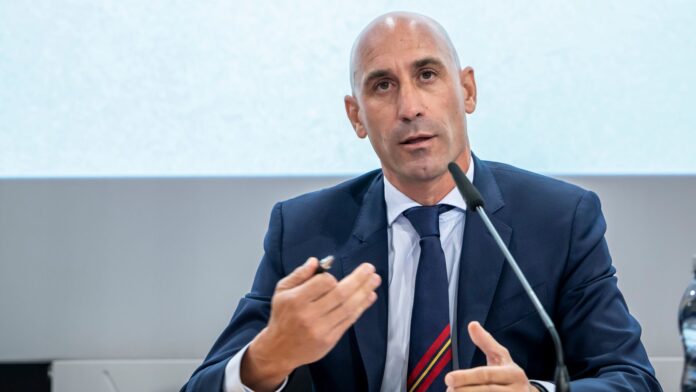
The pressure on Luis Rubiales continues to mount, with the Spanish FA’s regional presidents demanding him to quit following his activities at the 2023 World Cup.

Rubiales, the president of the RFEF, has been heavily lambasted for kissing Spain women’s star Jenni Hermoso during the medal and trophy presentation ceremony following the Women’s World Cup final, but has argued it was “consensual” while refusing to resign.

Hermoso has since clarified that she did not consent to the kiss, which has led to Spanish prosecutors opening a criminal investigation into the president.

Rubiales has been suspended for 90 days by FIFA, and the Commission of Presidents of Regional and Territorial Federations of the RFEF have now deemed his behaviour as “unacceptable” while calling for his resignation and a “restructuring in strategic positions”.

“After the latest events and the unacceptable behaviours that have seriously damaged the image of Spanish football, the presidents request that Mr. Luis Rubiales immediately present his resignation as president of the RFEF,” an official statement from the governing body reads.

“We will urge the corresponding bodies to carry out a deep and imminent organic restructuring in strategic positions of the Federation to give way to a new stage of management in Spanish football.”

It has also been revealed that the RFEF sent UEFA a letter requesting for their teams to be expelled from European competition due to government involvement – but it was rejected.

Meanwhile, Rubiales’ mother has gone on hunger strike at a church in Motril because of what she described as an “inhuman hunt” against her son.

Rubiales finds himself further cornered after his close friend and Spanish women’s national team coach Jorge Vilda also criticised him.

Bayern Munich has received a significant boost! Manuel Neuer returns to training after missing nine months due to a horrific skiing accident that left the German custodian with a shattered leg.

0

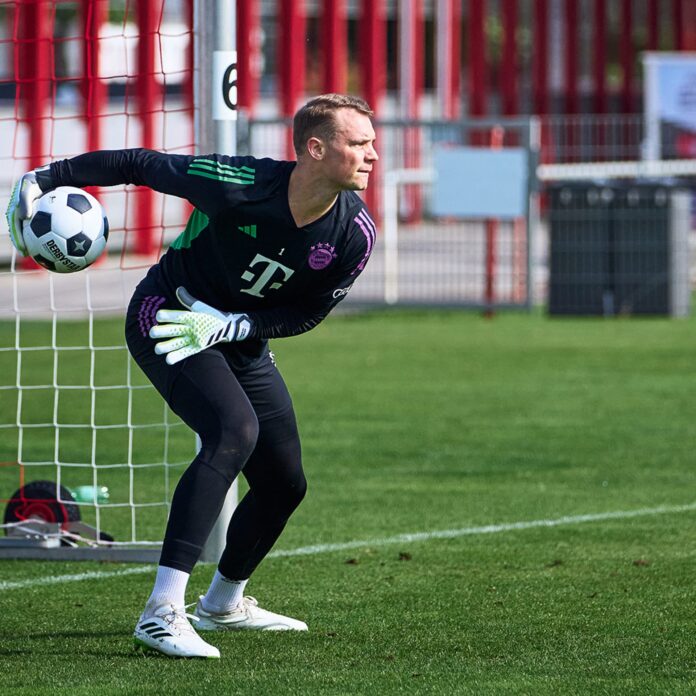
Manuel Neuer has returned to Bayern Munich training after fracturing his leg in a skiing accident nine months ago.

The German shot-stopper has been sidelined since the beginning of the year after breaking his leg on a ski trip in December following Germany’s elimination from the World Cup in Qatar. He was intended to return at the start of the 2023-24 season, but he experienced another setback in his recuperation.

THE BIGGER PICTURE: Bayern have signed Daniel Perertz from Maccabi Tel Aviv to increase squad depth, while Sven Ulreich will continue to be the No. 1 choice until Neuer is completely match fit.

WHAT THEY SAID?: A statement from the club read: “Good news from Säbener Straße: Manuel Neuer is back with the FC Bayern goalkeeper team on the pitch.

“In Monday morning’s training session for the players who didn’t start against FC Augsburg on Sunday, the 37-year-old captain completed a session with his goalkeeping colleagues for the first time since breaking his lower right leg. Neuer has been sidelined since sustaining the injury in December 2022 but has now taken the next step on the comeback trail.”

IN TWO PHOTOS:MANUEL NEUER BAYERN MÜNCHEN

WHAT NEXT? After winning the first two games of the Bundesliga season, Bayern will hope to pick up their third win on the trot when they face Borussia Monchengladbach on September 2.

Doctors report the deaths of 39 women and children in Sudan.

0

At least 39 people, mostly women and children, were killed on Tuesday in Nyala, the capital of South Darfur, when rockets fell on their homes during fighting between the army and paramilitaries, a medical source and witnesses told AFP.

Since 11 August, according to the UN, more than 50,000 people have been forced to flee Nyala, where communications networks are virtually permanently cut off due to the intensity of the conflict.

-More to follow-

Niger: Paris backs ‘President Bazoum’ and ‘ECOWAS military action if necessary.’

0

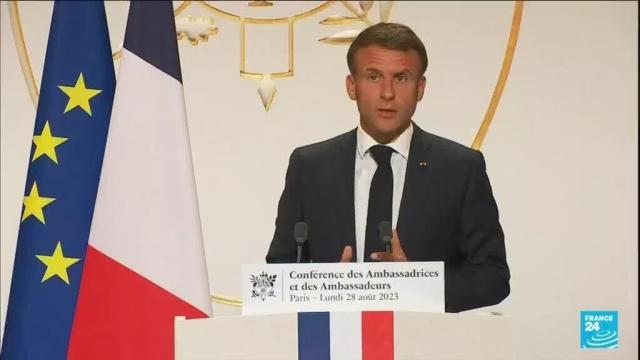
The disparities between Niamey and Paris appear intractable. French President Emmanuel Macron reiterated his government’s stance on the juta during a key foreign policy speech to diplomats in Paris on Monday (Aug. 28).

Macron stressed on Monday that France would not modify its stance on the coup, and he backed Mohamed Bazoum and ECOWAS.

“Our policy is correct.” “It depends on President Mohamed Bazoum’s fortitude, the dedication of our diplomats, and our ambassador on the ground who is staying despite pressure,” Macron told a conference of French ambassadors in the city.

The Nigerien Foreign Ministry ordered French Ambassador Sylvain Itte to leave Niger within 48 hours in a letter dated Friday (Aug. 25), accusing him of neglecting an invitation to meet with the ministry. The letter also mentioned “activities of the French government that are adverse to Niger’s interests.”

Niger’s President Bazoum was toppled on July 26. France, the Economic Community of West African States and the UN among others have called for him to be reinstated.

“We do not recognise the putschists, we support a president who has not resigned, who we remain committed to. And we support the diplomatic action and, military action should it be the case, of ECOWAS, within a partnership approach which is the one I presented last February, ” the French head of state said.

The de facto ruling CNSP have since the coup appointed a new government. Coup leader general Abdourahmane Tiani said the CNSP will return Niger to democratic rule within 3 years as he announced a national dialogue on Aug. 19.

ECOWAS has hit the nation with sanctions, threatening to send troops.

A spokesman for the French military on Aug. 10 said that any cooperation with Niger in the fields of development and financial aid and military partnerships had been suspended until further notice.

Salif Keta: “Golden Voice of Africa” backs the coup leaders in Mali

0

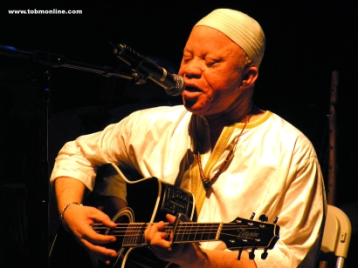
Shock and perplexity. Scepticism. These were some of the responses from a gathering of music lovers when Col. Assimi Gota, the coup leader, designated Salif Keta, renowned as the Golden Voice of Africa and one of Mali’s most popular musicians, as a special adviser.

The 73-year-old may be semi-retired and overshadowed by Afrobeats musicians today, but he was a giant of an age that helped place African music on the map of the world.

He’s been a successful musician for 50 years, and he still commands respect and is well-known.

Keta, whose catchy melodies and commanding voice earned him many Grammy nominations, combines indigenous Mandé music with jazz, blues, and Western music genres.

He is albino, and he has worked nonstop to combat discrimination.

The artist founded the Salif Keta Global Foundation in 2005 to promote awareness of the disease and speak out against the belief that albinism is a bad omen in some African nations.

As Keta experienced as a youngster, people with albinism are frequently rejected and harassed. In other nations, such as Burundi and Tanzania, they are either killed or have body parts removed and used in ceremonies.

Keta always wanted to be a teacher, but he was warned he “would terrify the youngsters” and was therefore denied the chance.

Keïta has raised funds from his concerts and donated proceeds of his record sales to his foundation to help with medical assistance of people with albinism – who are more prone to skin cancer and poor eyesight because of their genetic condition.

So why would Keïta take on such a role as special adviser on cultural affairs to a man who has led not one but two coups – the first in August 2020 and the second in May 2021?

Three years ago, there was significant popular support for Mali’s military junta when it seized power after mass protests against then-President Ibrahim Boubacar Keïta, who is no relation to the musician.

Many people in Mali welcomed the coup staged by Col Assimi Goïta

People had had enough of feeble leadership, corruption, economic hardship and chronic insecurity caused by an Islamist insurgency.

The musical mega-star was one of them – Keïta had been very outspoken in his criticism of IBK, as the ousted and late president was known.

In 2019, a video of Keïta, speaking in the Bambara language and addressing IBK directly, went viral.

He demanded that the president stand up against the former colonial power, France, which then had troops in Mali fighting the militant Islamists.

Keïta dismissed France’s President Emmanuel Macron as a “kid” – and falsely accused France of financing the jihadists.

He has also expressed doubts about Western-style democracy working in African countries.

“Democracy is not a good thing for Africa,” he told the UK’s Guardian newspaper in 2019. “To have a democracy, people have to understand democracy, and how can people understand when 85% of the people in the country cannot read or write?”

Keïta suggested that African people needed “a benevolent dictator”.

His views are out of step with most Africans – almost 70% of people in 30 African countries say “democracy is preferable to any other kind of government”, according to a survey published by research group Afrobarometer in May.

In Mali, however, 82% of people trust the military “somewhat” or “a lot”.

So Keïta appears to be in tune with the public mood in the West African state by supporting the junta.

He also served in the interim parliament – the National Transitional Council (NTC) – set up in December 2020 by the coup leaders as part of what they called a transition to civilian rule.

“This is a decisive time for Mali,” Keïta told Bloomberg news agency at the time.

“It’s very important that we correct the mistakes that have been made in the past.”

In what the junta would see as a success, the World Bank said in July that Mali’s economy has proved “resilient” despite high food inflation, cotton production being affected by a parasite infestation and sanctions imposed by the West African regional bloc Ecowas imposed to force the coup leaders to give up power.

Mali is a major producer of cotton

But little progress has so far been made in achieving stability, with the monitoring group Acled saying violence in 2022 reached the highest levels it had ever recorded.

Soldiers dominate the interim parliament, and the presence of the Russian mercenary group Wagner has undermined the junta’s claim that it stands for Mali’s sovereignty and that it will be more effective than the French troops that have now left and a UN force that is winding down its operations.

On 31 July, Keïta stepped down from the NTC – he cited “purely personal reasons” while reiterating that he would remain an “unquestionable ally” of the soldiers, but did not mention Col Goïta.

His decision fuelled speculation in Mali that he was trying to distance himself from the junta, especially as it had just adopted a new constitution that entrenched the military’s grip on power.

But on 11 August Keïta accepted what was in effect a promotion – the post of special adviser on cultural affairs.

Col Goïta appeared to have appointed him to the post in an attempt to boost his popularity ahead of elections due to take place by February next year. There is intense speculation that the young and charismatic junta leader will transform himself into a civilian politician, and run for the presidency.

Musicians around Africa have often spoken out against military takeovers, oppressive regimes and democrats who turn into autocrats. Often at a great personal cost.

Zombie was a huge hit in 1978 for Nigeria’s Fela Kuti – it is a passionate rallying cry against the brutality of the then-military regime, which detained and beat him.

Angélique Kidjo had to flee Benin in 1983 – because she refused to praise the work of the country’s then-communist regime. She could not speak to her parents for six years because their phone was tapped.

Angélique Kidjo has gained a reputation for campaigning for equal rights

But other musicians have aligned themselves with authoritarian rulers.

In the late 1970s, Mobutu Sese Seko – the ruler of Zaire, now known as the Democratic Republic of Congo – paid the country’s biggest star Franco – the Sorcerer of the Guitar – and his TPO OK Jazz band to perform at huge propaganda concerts.

Franco’s “tightrope tango” as the New African magazine described his relationship with the authoritarian leader Mobutu “saw him alternate veiled criticism of the regime with outright paeans” or praise songs.

But mostly Franco was a praise singer – and he became very powerful as a result. Mobutu gave him a nightclub and the country’s largest record-pressing factory – Franco proceeded to prioritise his own albums.

It was Guinea’s music-loving first President Ahmed Sekou Touré who in 1958 started the state sponsorship of bands in West Africa.

Touré was determined to help ensure a modern African music thrived – by paying for musical instruments, equipment and musicians’ salaries. Out of that came Bembeya Jazz – one of Guinea’s most successful bands.

Modibo Keïta, Mali’s first president, followed suit.

When he was overthrown in a coup in 1968, the plug was pulled on state sponsorship.

But the ex-president’s brother-in-law, Djibril Diallo, was a huge music fan – and the director of Mali’s national railway, which owned a hotel.

Diallo set up a band at the railway-owned hotel, in effect continuing the state sponsorship. The Rail Band was born in 1970 – from where Salif Keïta launched his career.

In the 1970s Keïta had to flee the political unrest in Mali for Ivory Coast.

Touré, still in power in Guinea, was a huge Keïta fan. In 1976 he bestowed a Guinean national honour on him.

In return, Keïta composed the track Mandjou – a praise song for Touré, even though by that stage he had become a brutal and bloody ruler. Keïta performed rearrangements of Mandjou throughout his musical career.

Now, as the Golden Voice of Africa takes up his role as special adviser to Col Goïta, the question is: will Keïta be a praise-singer or will he provide the sage and critical counsel that we have come to expect of the relentless anti-discrimination campaigner?

Source: BBC