Home Blog Page 462

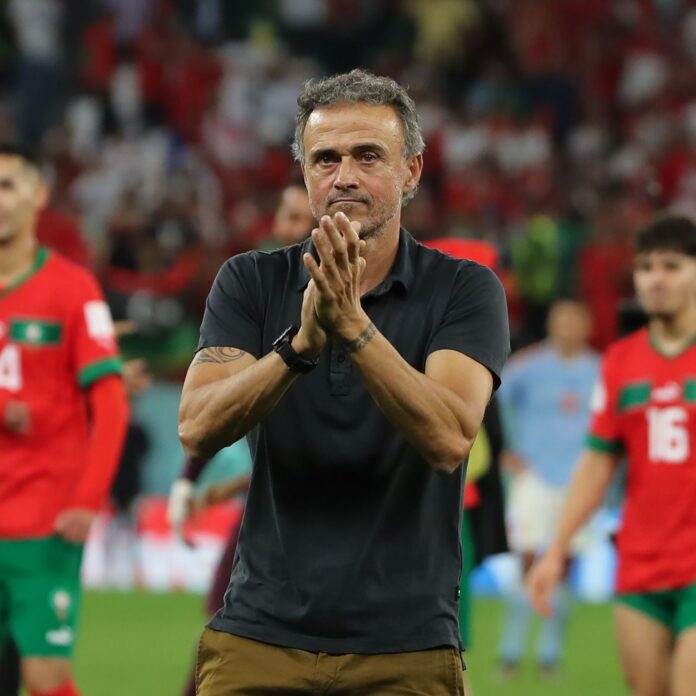
After Morocco’s World Cup surprise, Spain’s manager Luis Enrique was fired.

0
  • Spain shocked by Morocco
  • Exit at last-16 stage
  • Decide to change coach

WHAT HAPPENED? Luis Enrique’s time as Spain manager is up following a disappointing 2022 World Cup campaign. La Roja kicked off with an impressive 7-0 win over Costa Rica but ended up going out at the last-16 stage on penalties to Morocco. The Spanish Football Federation (RFEF) have now confirmed Luis Enrique has been sacked as coach and a replacement will be sought.

WHAT THEY SAID: “The RFEF would like to thank Luis Enrique and his entire coaching staff at the helm of the absolute national team in recent years,” read a statement. “The sports management of the RFEF has transferred to the president a report in which it is determined that a new project should start for the Spanish Soccer Team, with the aim of continuing with the growth achieved in recent years thanks to the work carried out by Luis Enrique and their collaborators. Both the president, Luis Rubiales, and the sports director, José Francisco Molina, have transmitted the decision to the coach.”

THE BIGGER PICTURE: Luis Enrique’s contract was due to expire at the end of the year and the decision has been made not to extend his tenure following an underwhelming campaign in Qatar. Spain were expected to go deep into the tournament but only progressed to the knockout round as runners-up behind Japan in Group E and were then dumped out by a spirited Morocco side.

DID YOU KNOW? Spain have been eliminated in three of their last four games in the round of 16 at the World Cup, losing on penalties at this stage in each of the last two editions.

DR Congo conflict: M23 militants killed over 130 people, according to the UN

0

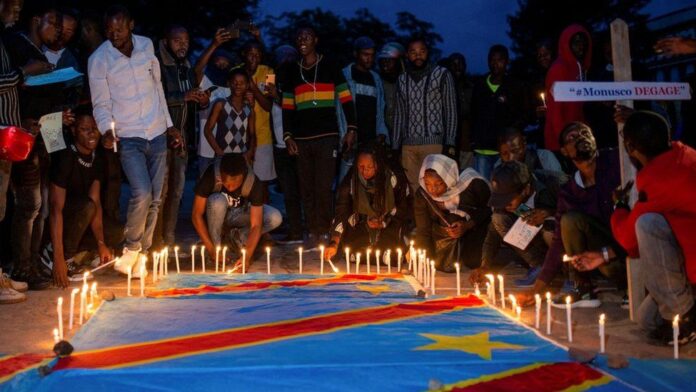
According to a UN probe, the M23 rebel group attacked in November in the Democratic Republic of the Congo, killing at least 131 civilians there.

In two villages, Kishishe and Bambo, in the Rutsuhuru district of the eastern North Kivu province, according to the UN assessment, a massacre took occurred.

According to investigators, the assault looked to be retaliation for a recent government onslaught against the rebels.

M23 disputed the massacre, attributing only eight of the dead to “stray shots.”

However, the rebel group allegedly “arbitrarily executed” 102 men, 17 women, and 12 children “as part of reprisals against the civilian population” according to the UN’s Monusco peacekeeping mission in the nation.

At least 22 women and five girls were also raped, the report said

“This violence was carried out as part of a campaign of murders, rapes, kidnappings and looting against two villages in the Rutshuru territory as reprisals for the clashes between the M23” and other armed groups, including the FDLR, the statement said, adding that the true number of killed could be even higher.

It also said that M23 fighters then buried the bodies of the victims in “what may be an attempt to destroy evidence”.

The government had initially said that over 300 civilians were killed in the attack, which took place between 29-30 November. But its spokesman Patrick Muyaya accepted on Monday that it was difficult to arrive at a firm figure as the region was under M23 occupation.

Congolese authorities have described the killings as war crimes and called for deeper investigation, while protests have been organised in the capital, Kinshasa and Goma, the main city in North Kivu.

Investigators said they couldn’t access the villages where the massacre occurred, but they interviewed 52 victims and direct witnesses who fled the attack in the town of Rwindi about 20km (12 miles) away.

Witnesses told the UN’s team that members of the rebel group broke down doors, shot civilians, looted property and burned villagers out of their homes.

“MONUSCO condemns in the strongest terms the unspeakable violence against civilians and calls for unrestricted access to the scene and the victims for emergency humanitarian assistance,” the investigators said.

An M23 spokesperson rejected the UN’s findings and insisted that it had “asked that there be investigations together with us in Kishishe but the UN never came”.

“The UN is under pressure from the government to come up with a figure, even if it is false,” spokesperson Lawrence Kanyuka said.

The M23 group was formed a decade ago. It says it is defending the interests of ethnic Tutsis living in DR Congo against Hutu militias and has been involved in a long-running conflict against the central government.

After lying dormant for several years, it took up arms again last year and has been leading an offensive in eastern DRC against the Congolese army.

The massacres in Kishishe and Bambo followed clashes with the FDLR militia, which includes some of the ethnic Hutu leaders of the 1994 genocide in Rwanda who fled across the border into what is now DR Congo.

The M23 has meanwhile accused pro-government forces of “genocide and targeted killings” against the Tutsi community. It said its positions in Bwiza were attacked on Tuesday, despite the current ceasefire agreement.

The M23 has said it is ready to withdraw from the some of the territory it controls. It made the announcement on Tuesday following peace talks in the Kenyan capital, Nairobi, even though it did not attend the talks.

DRC President Felix Tshisekedi has accused neighbouring Rwanda of seeking to destabilase the country by providing weapons to the rebels, an allegation recently endorsed by UN experts. However, this has been denied by the Rwandan government.

More than 100 different armed groups operate in the mineral-rich eastern DR Congo, which has been ravaged by conflict for about three decades.

Several countries have sent troops to DR Congo this year as part of an East African Community (EAC) taskforce to try and disarm the groups and bring peace to the area.

Russia’s potential to use nuclear weapons has decreased, claims Scholz of Germany

0

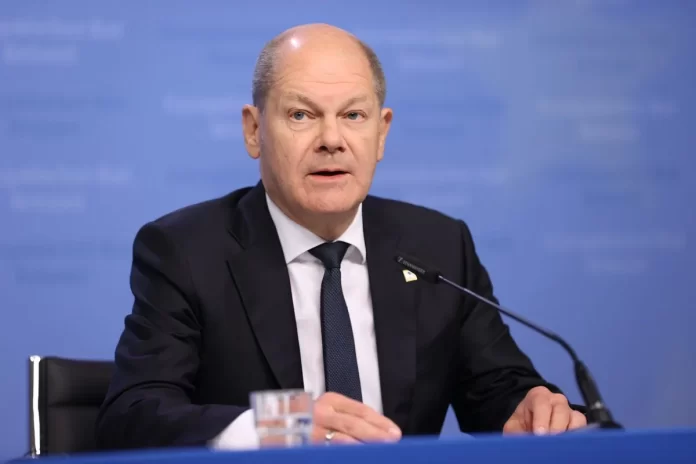
According to German Chancellor Olaf Scholz, the possibility of using nuclear weapons in the Ukraine conflict has decreased “for the time being.”

In response to the international community drawing a line in the sand, “Russia has stopped threatening to use nuclear weapons,” Mr. Scholz said.

Vladimir Putin of Russia said on Wednesday that Moscow would only retaliate by using nuclear weapons.

The US, however, referred to the remarks as “loose talk.”

Russia’s capacity to use nuclear weapons has come under increased scrutiny since it invaded Ukraine in February. In an address to the nation in September, Mr Putin said his country had “various weapons of destruction” and would “use all the means available to us”, adding: “I’m not bluffing.”

In an interview on Thursday, Mr Scholz said that his recent visit to China had contributed to “putting a stop” to the threat of nuclear escalation.

He said that he and Chinese President Xi Jinping were in agreement that “nuclear weapons must not be used” and that the G20 countries had reaffirmed this position shortly afterwards.

The German chancellor’s comment came the day after President Putin said that the risk of nuclear war is “growing – it would be wrong to hide it”.

Speaking at a televised meeting of his human rights council, the Russian leader asserted that Russia would “under no circumstances” use the weapons first and would not threaten anyone with its nuclear arsenal.

“We have not gone mad, we are aware of what nuclear weapons are,” he said, adding: “We aren’t about to run around the world brandishing this weapon like a razor.”

In the interview, Mr Scholz also addressed comments made by French President Emmanuel Macron that it would be necessary to provide “guarantees for its own security to Russia, the day it returns to the table” of negotiations.

“The priority now is for Russia to end the war immediately and withdraw its troops,” he said, adding that “of course we are ready to talk with Russia about arms control in Europe. We offered this before the war, and this position has not changed.”

Despite Mr Scholz’s assessment that the risk has been lowered thanks to Western pressure, the US criticised Mr Putin’s comments, which it said amounted to “loose talk” and “nuclear sabre-rattling”.

“It is dangerous and it goes against the spirit of that statement that has been at the core of the nuclear non-proliferation regime since the Cold War,” said a US state department spokesman.

Mr Scholz – who on Thursday marks one year since being elected chancellor – also touched upon the domestic defence issues that have been in the spotlight since the start of the war in Ukraine.

Shortly after Russia invaded the country, he announced a major defence policy shift by committing to spend €100bn (£86.4bn) on the Germany army and ramping up defence spending to above 2% of Germany’s GDP.

Now Mr Scholz has said he hopes to develop a missile defence shield in the next five years and signalled that the German government is already in talks with manufacturers of various defence systems “to get ready for concrete decisions”.

In other developments:

  • The International Committee of the Red Cross (ICRC) says it has managed to visit prisoners of war held by Russia and Ukraine after months of obstruction, primarily from Moscow, and checked on their condition and treatment. It gave them books, blankets, warm clothes – and news of their families.
  • On Wednesday, Russian President Vladimir Putin suggested that the Ukraine war could be a “long process”, but insisted that Moscow’s invasion had already yielded results as Russia had gained “new territories”, referring to the regions it claimed to annex in September.
  • Eleven Ukrainian civilians were killed and 17 wounded by Russian fire in the past 24 hours, said Kyrylo Tymoshenko from the Ukrainian presidential office.
  • Ukraine is enforcing new emergency power cuts as it tries to repair energy infrastructure damaged in Russian air strikes. The governor of Zaporizhzhia region said there was a lack of energy nationwide and that currently the country only had “up to a third of [the energy] needed”. Operator Ukrenergo said the situation was complicated by the weather, which lately has included frost, rain, snow and strong winds.


As England star exposes World Cup message exchange, Bellingham has the support of “top guy” Haaland.

0
  • Played together at Borussia Dortmund
  • Teenager shining at Qatar 2022
  • Remains in contact with former team-mate

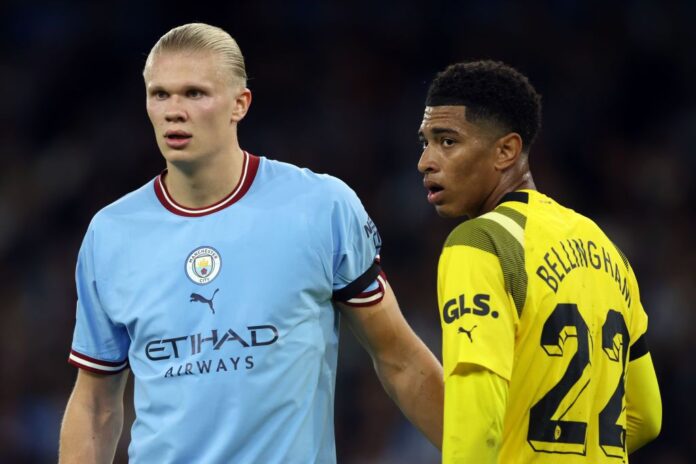
WHAT HAPPENED? The pair played alongside one another at Borussia Dortmund prior to Haaland completing a transfer to Premier League champions Manchester City in the summer. There has been talk of Bellingham treading a similar path in the near future, as interest in his services continues to build, but for now, the England international midfielder can call upon the support of a prolific frontman from afar.

WHAT THEY SAID: Bellingham has told BBC Radio 5 Live of staying in touch with Haaland: “He’s always really encouraging. He messaged me before and after the first game just saying, ‘good luck’ and then he said ‘well done’. He’s a top guy. We speak every now and then to be fair. Normally when we’re both playing it’s more often, but it’s normally silly stuff to be honest, just if he sees something that makes him laugh or if I see something that we’ve talked about before we’ll send it to each other. But it’s never like every day, checking up on each other, you know.”

THE BIGGER PICTURE: Haaland is playing no part at the World Cup finals in Qatar as Norway failed to qualify, but he has been enjoying a remarkable 2022-23 campaign at City – with 23 goals recorded through 18 appearances for the Blues.

IN TWO PHOTOS:

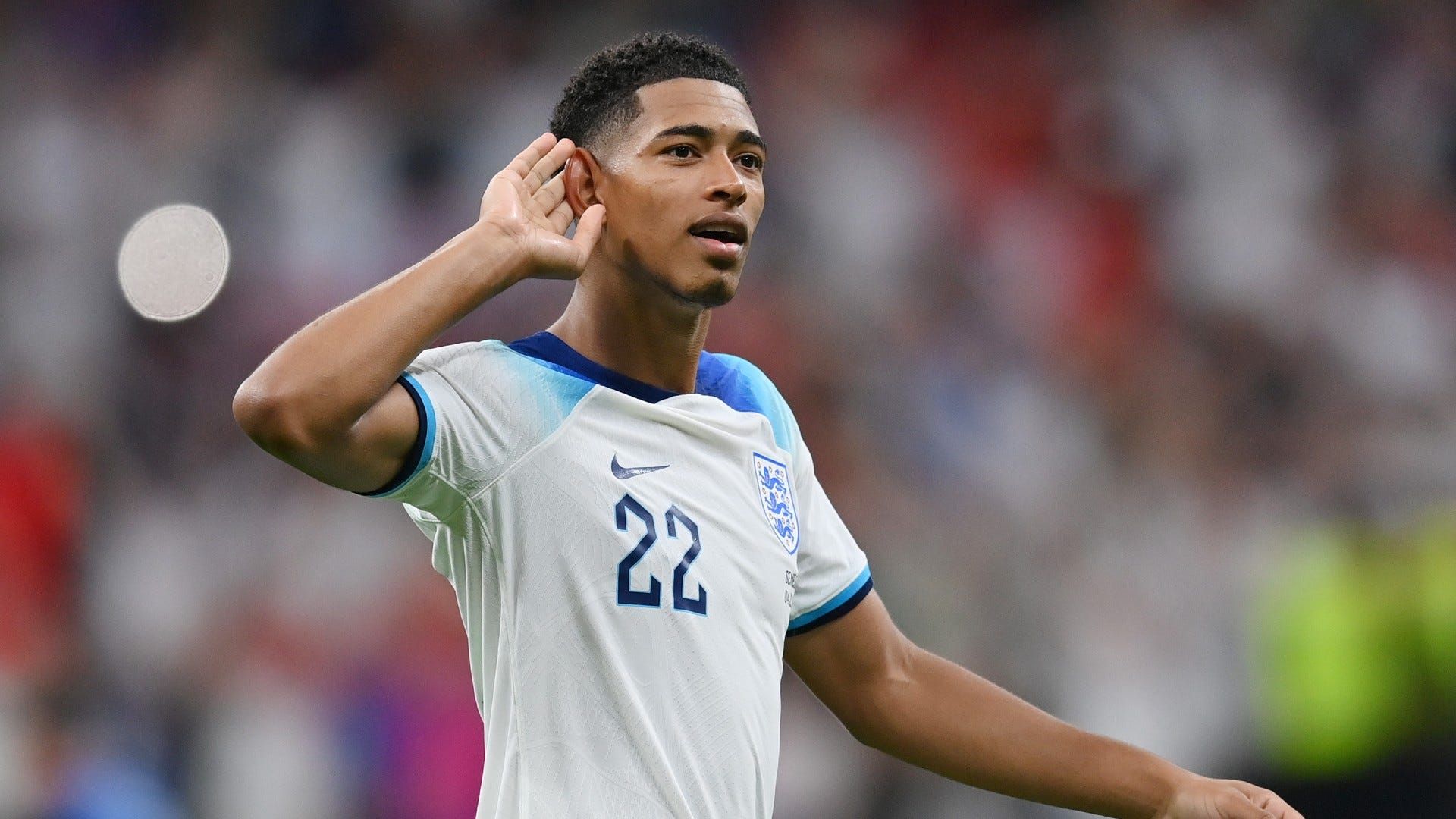
Jude Bellingham England 2022Getty Images


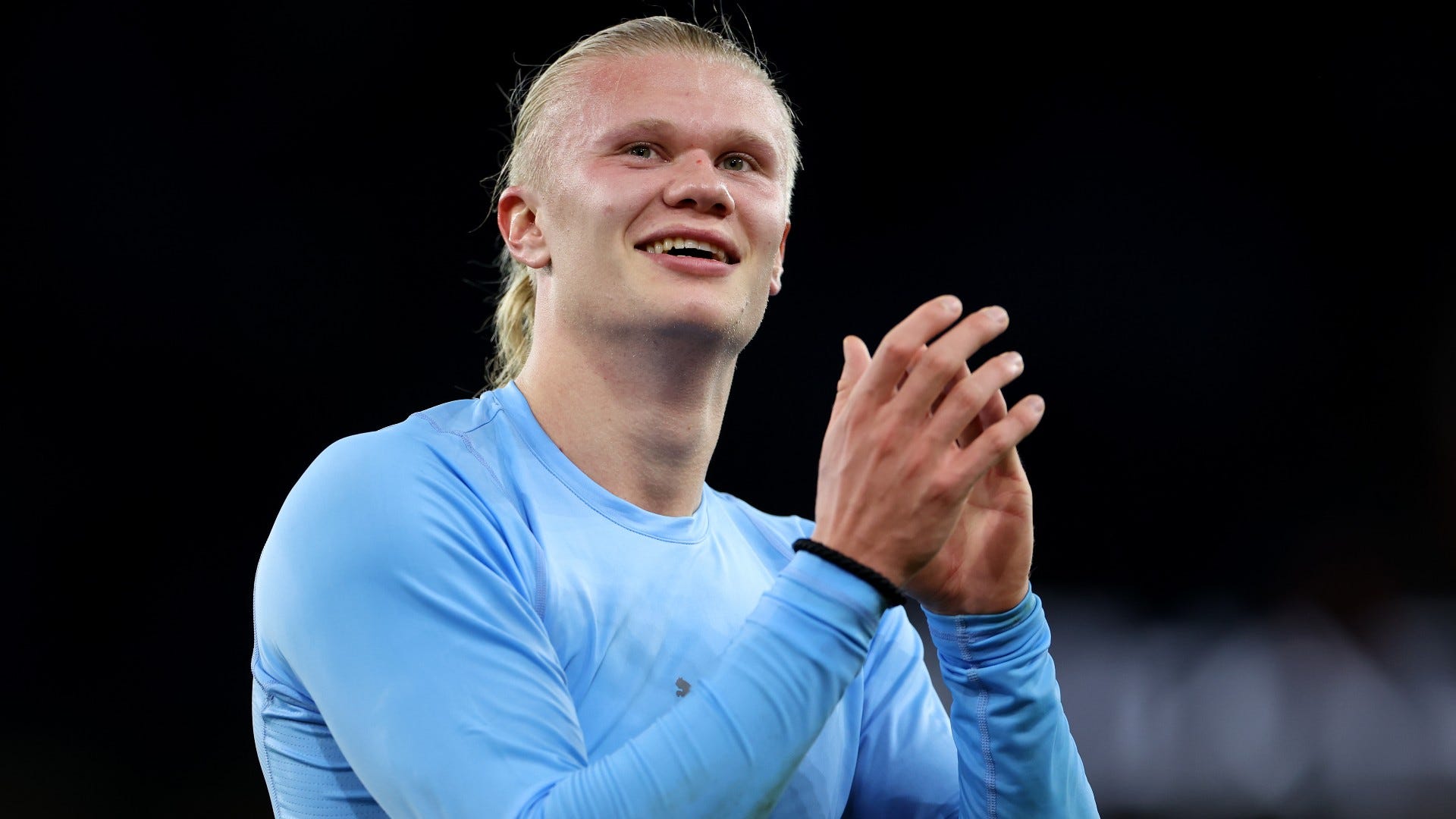
Erling Haaland Manchester City 2022-23Getty Images

WHAT NEXT? Bellingham’s focus is very much locked on international matters and he will be back in action on Saturday when England take in an eagerly-anticipated quarter-final clash with France.


Kadjebi Agenda 111 project progresses steadily

0

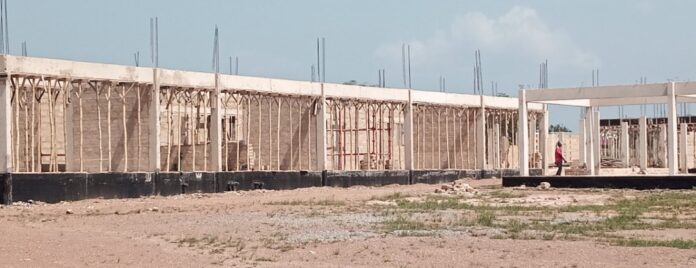
The Ghana Priority Health Infrastructure Project – Agenda 111, at Kadjebi in the Oti Region is progressing steadily. 

The project is being undertaken by Core Construction Limited (LEAD) and DOT-Alan Limited with Indegene Associates Limited serving as consultants. 

In an interview with the Ghana News Agency (GNA) at the Project site,  Mr Alfred Tettegah, a Site Engineer, said that the project, which began in May this year, would take 18 months to complete. 

He said there were 60 workers and that work on the superstructure had been finished. 

Mr. Wilson Kwami Agbanyo, Kadjebi District Chief Executive (DCE), in an interview thanked the President for the share of the national cake, saying in the “Oti Region this is where work is progressing steadily.” 

He said the Hospital would serve as a referral centre, saying “long distance for referral cases would be a thing of the past.”  

The DCE said the hospital would provide the community with  everyday health needs, and the most specialised and advanced services for complex illnesses and injuries. 

Mr Agbanyo appealed to the government to add a Medical University to the hospital so that students graduating from the Kadjebi-Asato Senior High School could go there. 

He also called on the contractor to speed up work on the project to meet the deadline. 

Policy think-tank calls on government to be transparent in debt restructuring exercise

0

The Executive Director of the Institute for Liberty and Policy Innovation (ILAPI) Ghana, Mr Peter Bismark Kwofie, has appealed to the government to be transparent about the ongoing debt restructuring exercise. 

He said it was important for the government to listen to views and suggestions of development experts, economists and Civil Society Organizations (CSOs) as it puts together debt restructuring policies.  

The Executive Director of the Policy Think-Tank made the appeal when sharing his views on the 2023 Budget in an interview with the GNA.  

“It’s, therefore, important to ensure transparency in this debt restructuring policy of the government. Fiscal and monetary transparency should guide the government to build confidence for all stakeholders to support the recovery process,” he said. 

This, he said, would equally help build confidence for the experts to support the reforms. 

Mr Kwofie described the Finance Minister’s pronouncement that the total public debt stock including State Own Enterprises (SOEs) exceeded 100 percent of Gross Domestic Product (GDP) as scary.  

Mr Kwofie said if the debt restructuring policy failed in the short term, the economy would fall lower than expected and could increase the debt to GDP ratio further. 

Australia’s Assistant Foreign Minister visits The Hunger Project’s Akode Epicentre

0

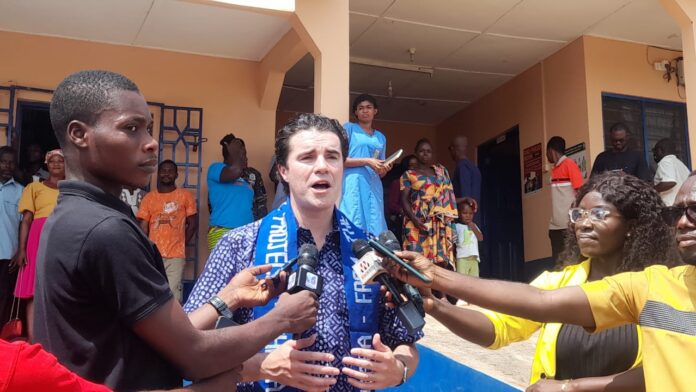
Mr Tim Watts, Australia’s Assistant Minister for Foreign Affairs, has paid a working visit to Akode Epicentre of The Hunger Project, which works to improve livelihoods in rural communities, and to reduce hunger and poverty.

The visit was to provide the minister with first-hand knowledge of The Hunger Project (THP) Ghana’s operations, specifically at the Akode Epicentre, which is funded by Australia.

Several Akode Epicentre recipients took turns enumerating the benefits they have received, including economic empowerment training activities, social entrepreneurial initiatives, and vocational training.

“These activities that we’ve learned are helping us a lot, because it’s led to a significant reduction in school dropouts and teenage pregnancies in communities,” Ms. Jenifer Azander, a volunteer, said.

She noted that the clinic, which serves five communities with a total population of over 5,571, was overburdened and required quick expansion and upgrading to increase service delivery to the people.

She, however, expressed worry over an ongoing road building project from Adukrom to Somanya, which has destroyed water pipelines and left the clinic and many settlements without potable water for nearly three years.

“Look at this terrible water; this is what we use at the clinic and at home, and we’ve complained to the assembly and community leaders several times, but no one is listening,” she added. “Pregnant women, come to deliver here; this is the tainted water we use.”

Mr Watts expressed satisfaction with their achievements and praised volunteers, chiefs and elders, health workers, as well as officers of THP, for their outstanding work in implementing the epicentre strategy to create a vibrant, thriving, self-reliant community.

“The members of these communities have developed and delivered a whole range of vital services, from midwifery to training to information and technology,” he said. “I am particularly impressed.”

He added: “And in the face of changing climate, the epicentre is supporting farmers to increase yield sustainably, as we have already heard, as well as expanding access to resources for responding and adapting to the effects of climate change, a shared challenge that Ghana and Australia are facing.”

Mr. Watts highlighted the accomplishments as a remarkable testament to the hard work and determination of the communities, demonstrating that the epicentre strategy for improving livelihoods was working.

That, he added, resonated with the three main pillars of THP, which also reflect firmly Australian values, including empowering women, building on the different skills of community members, and promoting partnership with local government to meet basic needs.

He stressed the importance of empowering and protecting women and girls, saying, “We know that when women and girls thrive, so do communities, and we know that when women are able to fully participate in all aspects of society, societies are safer and healthier, development is more sustainable, and economies are more prosperous.”

Australia’s funding focus on education and gender equality, assisting approximately 235 Ghanaian women last year to pursue vocational training in shea butter processing, dairy processing, and rabbitry, as well as financial literacy, agribusiness export readiness, and plastic waste recycling.

Mr. Samuel Afrane, THP Ghana Country Director, said the project was guided by key principles and driven by decentralisation and transformative leadership, noting, “This is what we pursue, so that everybody will be on board.”

Since 1996, The Hunger Project Ghana has established 45 epicentres, encompassing over 542 communities across the nation, involving over 350,000 people, while approximately 2500 have volunteered to lead in the development of their communities.

Mr. Afrane explained the epicentre concept as the hub for development, and that it allows community members to discuss and take common decisions, adding that “the concept means something that unites the people, unites communities, and brings them together to serve their common purpose.”

He presented it as both an infrastructure and a methodology that transforms people’s thinking, saying, “People may feel that for them, they can’t do anything. They think they are poor, they don’t have money. But in effect, every person living anywhere has the potential to develop it if only we can put our thoughts together.”

“Once we put our thoughts together, and look at our resources, we begin to act by ourselves,” he added. “We can do things.”

“So the epicentre is a methodology that seeks to change the thinking of people from the state of I can’t do anything to the state I can do things for myself.”

The Akode Epicentre, which includes five partner villages, was mobilised in 2010, and the facility was completed in 2011 on a 5-acre parcel of land provided by the Akode community in the Eastern Region’s Okere District.

The centre houses a health clinic, a vocational training centre, an ICT centre, and a community bank, all of which provide services to community members in an effort to better their livelihoods.


 

Portugal denies allegations that Ronaldo threatened to leave after being benched against Switzerland.

0
  • All-time great benched in World Cup last-16
  • Claims frustration boiled over in Santos meeting
  • FA claims he remains fully committed to cause

WHAT HAPPENED? The five-time Ballon d’Or winner was only named on the bench by Fernando Santos for a World Cup last-16 showdown with the Swiss after reacting angrily to being substituted in a final group stage encounter with South Korea. He was given 17 minutes in a thumping 6-1 win, but saw replacement Goncalo Ramos net a stunning hat-trick and was reported by Record to have held showdown talks in which he hinted at leaving the Portuguese camp.

WHAT THEY SAID: The Portuguese FA has said in a statement refuting those claims: “News released this Thursday reports that Cristiano Ronaldo threatened to leave the national team during a conversation with Fernando Santos, national coach. The FPF clarifies that at no time did the captain of the National Team, Cristiano Ronaldo, threaten to leave the national team in Qatar. Cristiano Ronaldo builds up a unique track record every day at the service of the national team and the country, which must be respected and which attests to the unquestionable degree of commitment to the national team. Incidentally, the degree of dedication of the player most capped by Portugal was again demonstrated – if necessary – in the victory against Switzerland, in the round of 16 of the 2022 World Cup. The National Team – players, coaches and FPF structure – is, as it has been since the first day, fully committed and enthusiastic in building what the country wants to be Portugal’s best ever participation in a World Cup.”

THE BIGGER PICTURE: Ronaldo is the all-time leading goalscorer in men’s international football, with 118 efforts to his name, and has earned 195 caps for his country over the course of the last 19 years.

IN THREE PHOTOS:

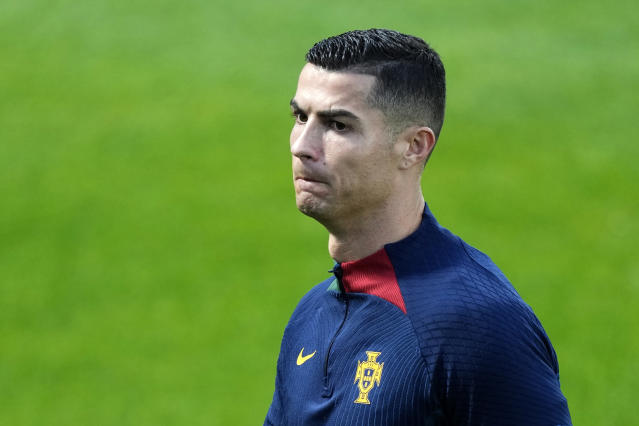
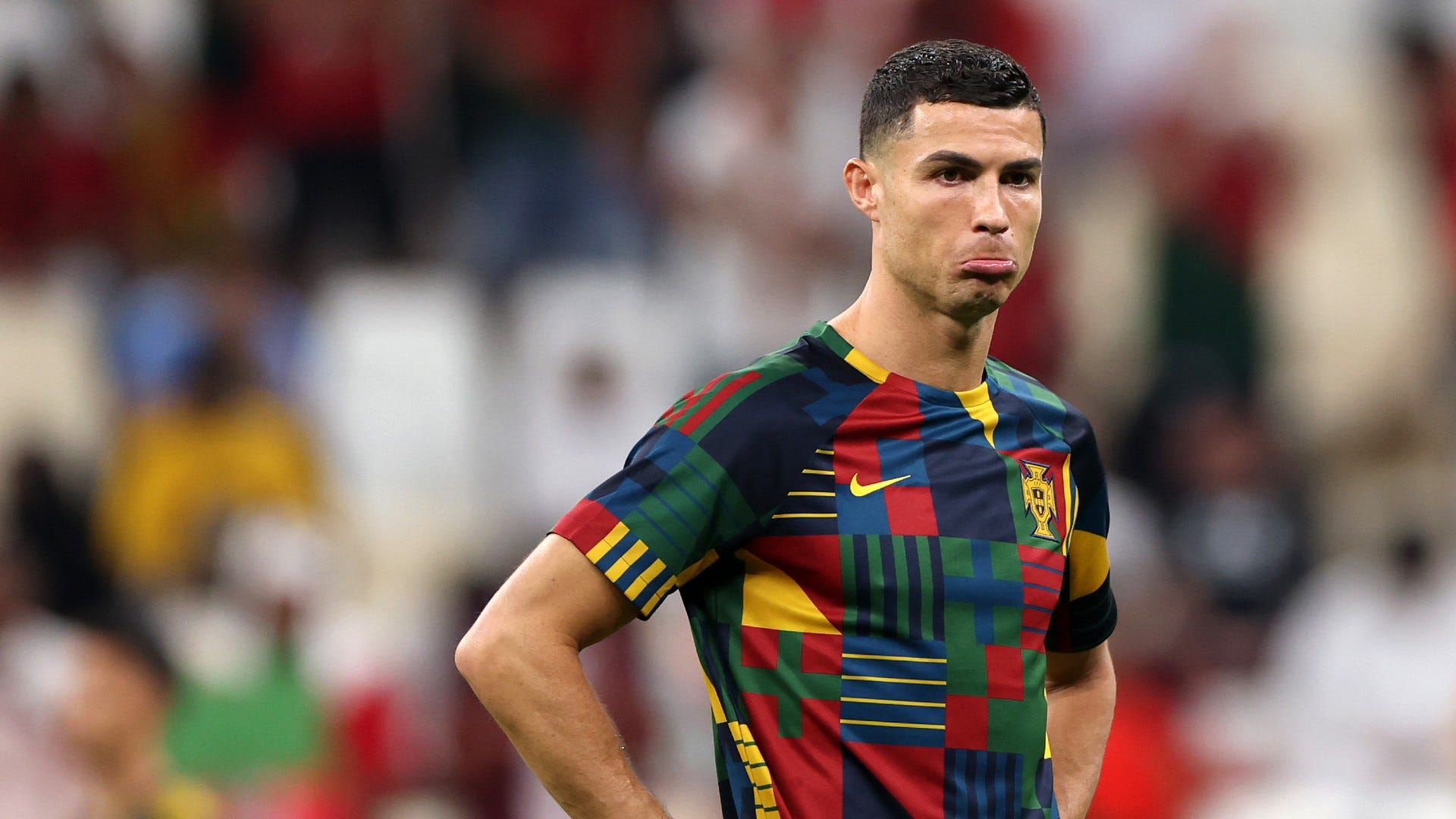
Cristiano Ronaldo Portugal 2022Getty Images


Cristiano Ronaldo Portugal World Cup 2022 benchGetty Images


Cristiano Ronaldo Fernando Santos Portugal 2022Getty Images

WHAT NEXT? As he remains part of the Portugal squad, Ronaldo will be hoping to play a more prominent role when Santos’ side return to action on Saturday in a quarter-final clash with Morocco.


Noppert, a goalkeeper for the Netherlands, is prepared for a potential shootout matchup with Argentina star Messi by saying, “Messi is human, I can catch the penalties.”

0
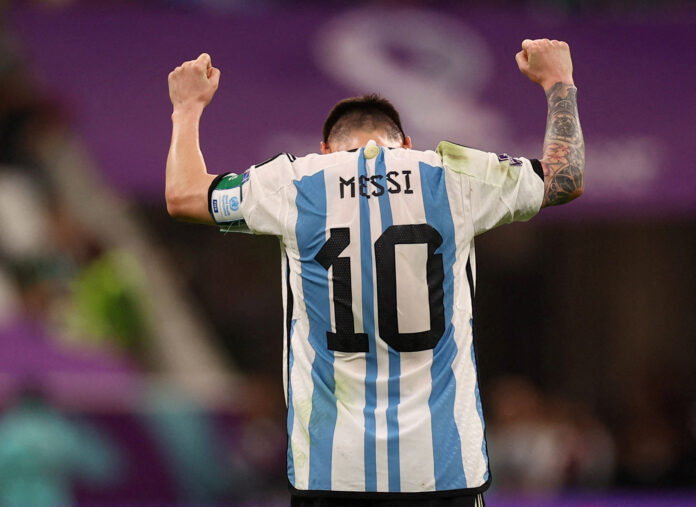
Soccer Football - FIFA World Cup Qatar 2022 - Group C - Argentina v Mexico - Lusail Stadium, Lusail, Qatar - November 26, 2022 Argentina's Lionel Messi celebrates after the match REUTERS/Kai Pfaffenbach
  • Netherlands to face Argentina
  • Noppert ready for Messi
  • Keeper confident about penalties

WHAT HAPPENED? Dutch coach Louis van Gaal raised a few eyebrows by making Andries Noppert his first-choice goalkeeper for the World Cup, but the 6ft 8in Heerenveen stopper has played a key role in the team’s run to the quarter-finals. Two-time winners Argentina are up next, but Noppert, who only made his international debut in the Netherlands’ World Cup opener against Senegal, is not fazed about the prospect of taking on a forward considered by many to be the greatest ever to play the game.

WHAT THEY SAID: Quizzed on the prospect of a penalty shootout battle against Messi, Noppert told reporters: “I’m always ready for that, and he can also miss, we saw it at the beginning of this tournament, so he’s the same like us – a human. For sure he’s good, but for sure I can catch the penalties.”

THE BIGGER PICTURE: Messi has been in good form at the World Cup already, scoring three goals so far for Lionel Scaloni’s side. He netted a penalty in Argentina’s loss to Saudi Arabia but did also miss from 12 yards against Poland in the group stages. Saturday’s game will go to penalties if the contest is level after normal and extra time.

IN THREE PHOTOS:

Lionel MessiGettyMessi PolandGettyNoppert World Cup 2022Getty

DID YOU KNOW? Netherlands have lost just one of their nine meetings with Argentina in all competitions (W4 D4), with that loss coming in the 1978 World Cup final. However, the most recent of those four draws did result in a penalty shootout defeat, in the last meeting between the sides in the 2014 World Cup semi-final.

WHAT NEXT? The Netherlands face Argentina on Saturday in Qatar. The winners of the match will take on either Croatia or Brazil in the World Cup semi-finals.


According to reports, Twitter is increasing the cost of Blue subscription on iOS to $11.

0

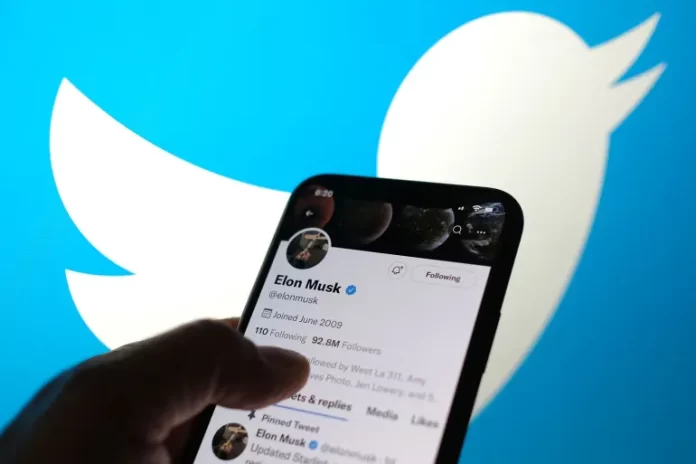
But it will give users the option to pay through the web for only $7 a month, ‘The Information’ says.

If you buy Twitter’s Blue subscription directly from the app when it returns, it might cost significantly more than it did before. The Information claims that the business warned some staff that customers will be charged $11 for Blue subscriptions if they paid through its iOS app. However, if customers pay online, the service only costs them $7 per month, which also includes receiving the website’s blue verification badge. The article points out that the price hike probably takes into account Apple’s 30% commission for payments made on its platform.

In late November, Twitter owner Elon Musk spoke out against Apple’s 30 percent cut on in-app purchases. He also said that the tech giant threatened to withhold Twitter from its App Store and won’t tell his company why. A few days later, though, Musk met with Apple chief Tim Cook and resolved what the former called a “misunderstanding.” Musk said the two had a “good conversation” and that Apple never truly considered dropping Twitter from the App Store.

Apple announced in late 2021 that it was going to allow developers of “reader” apps to link to external payment systems following a barrage of criticisms against its practice of taking a 30 percent commission. It’s unclear if the two executives talked about Twitter’s plan to offer Blue subscription outside of the App Store and how the social network would implement its idea.

Twitter originally launched Blue verification for iOS devices in early November for $8 a month, but the company decided to pause the service after it led to an influx of impersonators and fake accounts. When the subscription service does come back, it will come with different colored checkmarks: gold for companies, grey for government and blue for individuals, whether or not they’re a public figure.