Home Blog Page 494

Pogba says second Man Utd term ‘didn’t go the way I intended’ & insists he belongs at Juventus

0
  • Returned to Old Trafford in 2016
  • Left six years later as a free agent
  • Now back for second stint in Italy

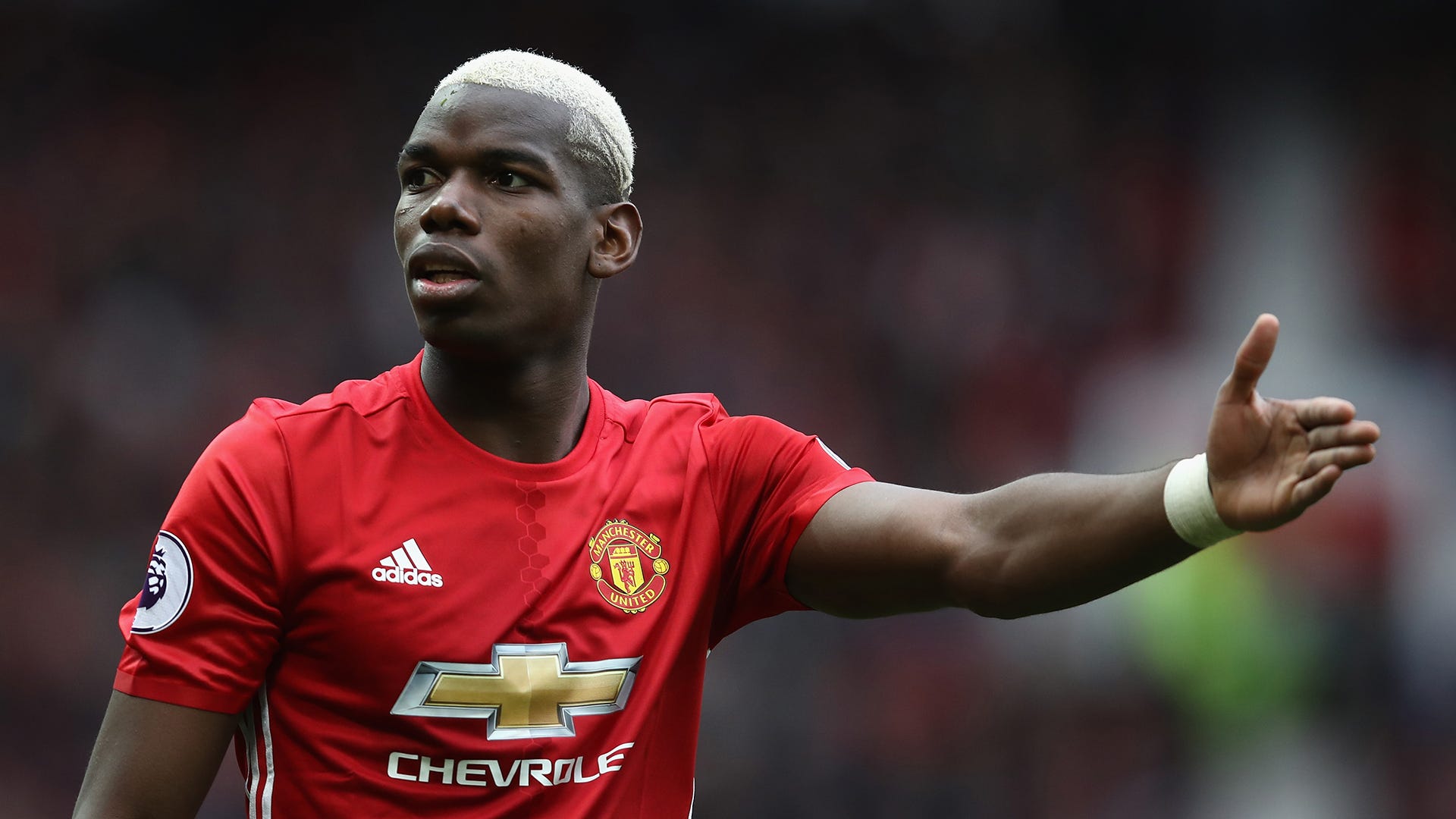
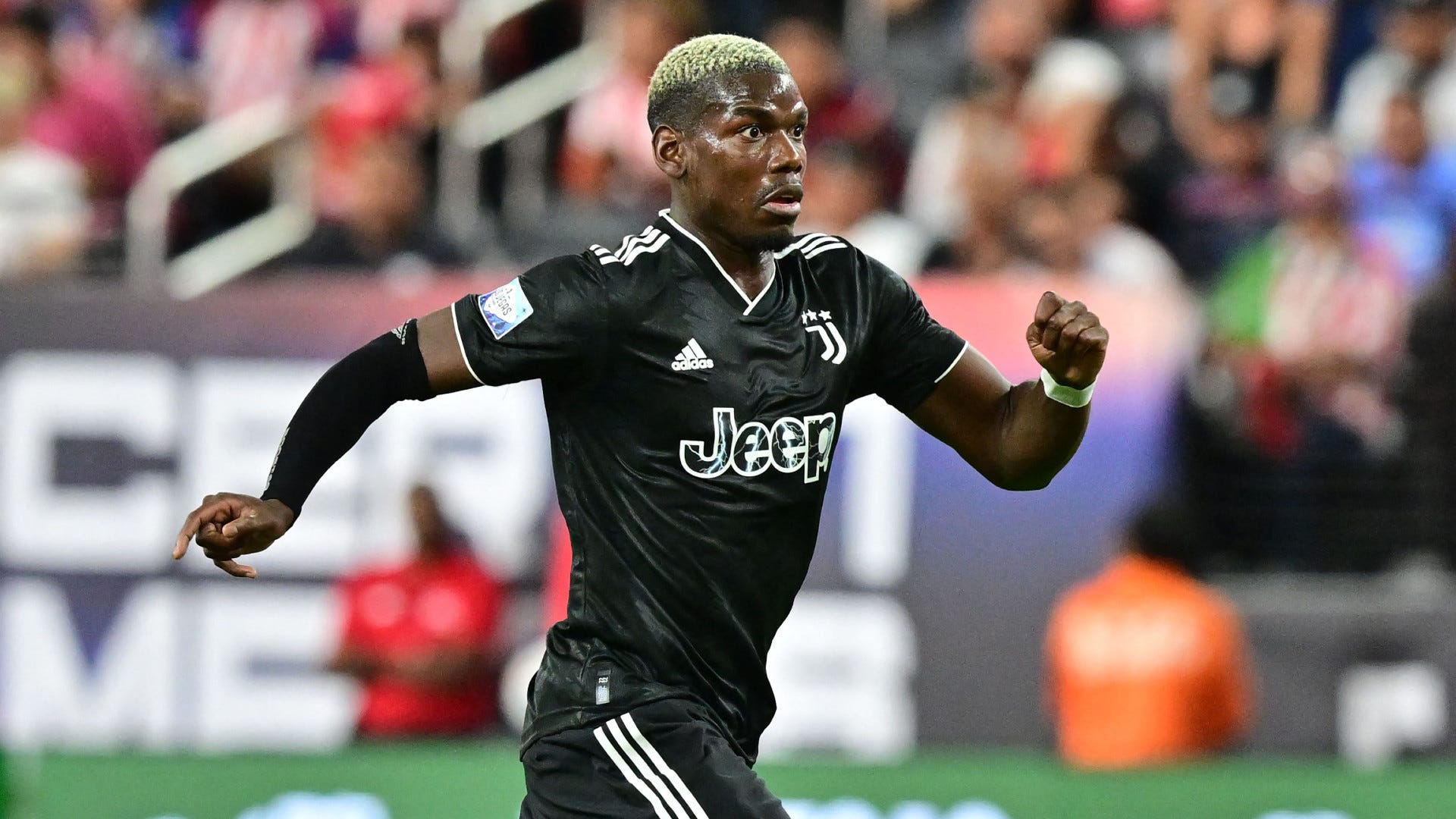
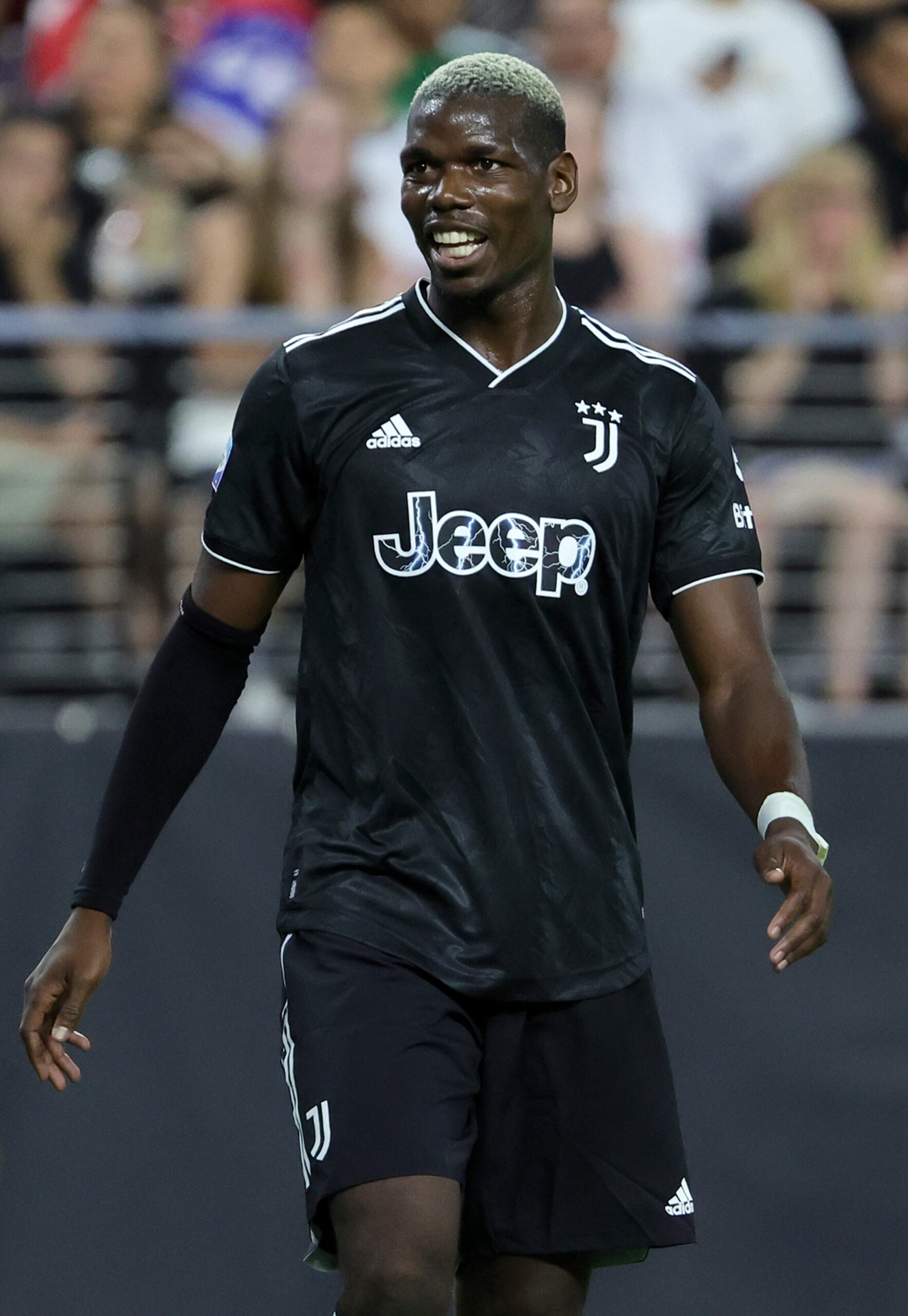
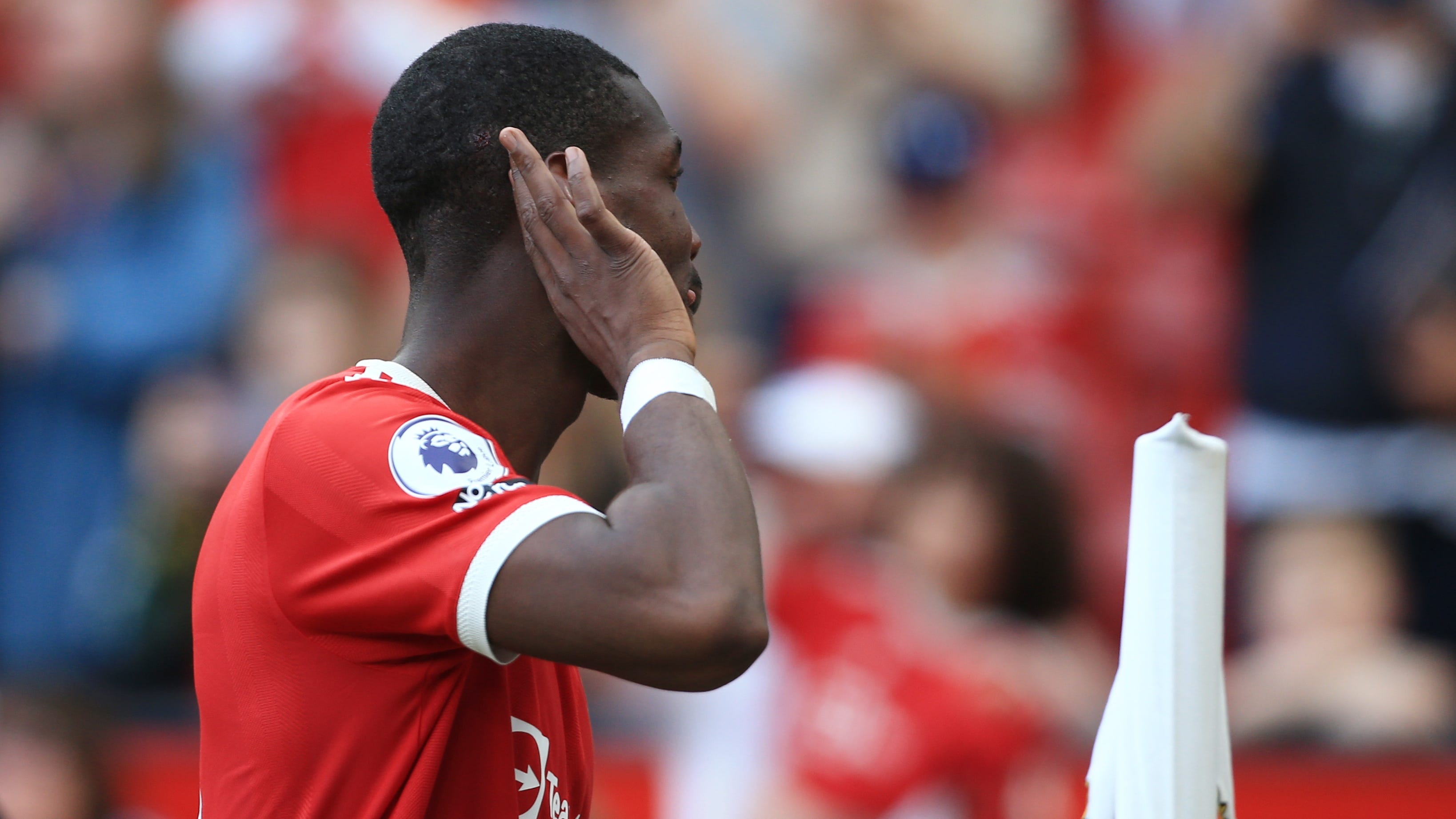
WHAT HAPPENED? The French midfielder became a World Cup winner during his time with the Red Devils, but struggled for form and fitness at club level and ultimately left Old Trafford as a free agent in the summer of 2022 with serious questions asked of his contribution to the collective cause. The 29-year-old, who became the most expensive player on the planet when returning to England for £89 million ($97m) in 2016, concedes that he fell short of expectations but is determined to rediscover a spark back in the familiar surrounds of Turin.

WHAT THEY SAID: Pogba has told GQ Italia: “I like to think and say that it is my heart that made the choice to come back to Juventus. It was also maybe the right time to come back here. The last three years in Manchester, also conditioned by injuries, did not go the way I wanted, it’s not a mystery.

“Juventus came from two years in which they did not win the Scudetto. It was a good challenge for both of us, and maybe it was the right time to get together and try to take back our rightful place: me and Juventus. Inside of me I know that this jersey is very special. It brings out my best. We built a good history with this team, which I never forgot even when I left. Coming back here for me is always a reason to push even harder, to stimulate myself to do well. I never had any doubt that this is were I belong.”

THE BIGGER PICTURE: Pogba is yet to make a second competitive debut for Juve as an unfortunate knee injury suffered in pre-season training has forced him to undergo surgery and take in a lengthy rehabilitation programme that appeared to threaten his spot in France’s 2022 World Cup plans at one stage.

IN THREE PHOTOS:
Paul Pogba Manchester UnitedGetty Images


Paul Pogba Manchester United


Paul PogbaGetty

WHAT NEXT FOR POGBA? An enigmatic talent is still edging his way back to full fitness and, with accusations from his brother providing an unwelcome distraction away from the field, will be eager to get himself back out on the pitch as soon as possible.
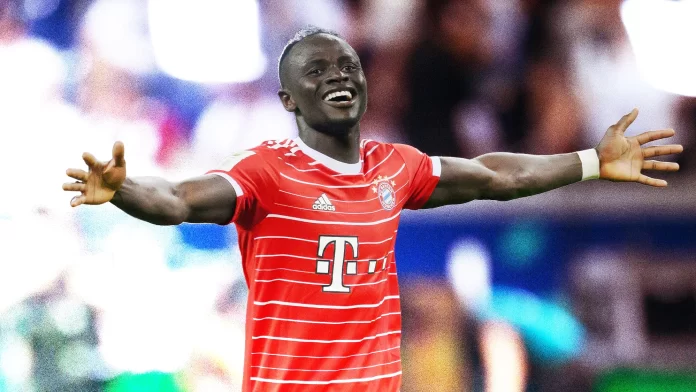
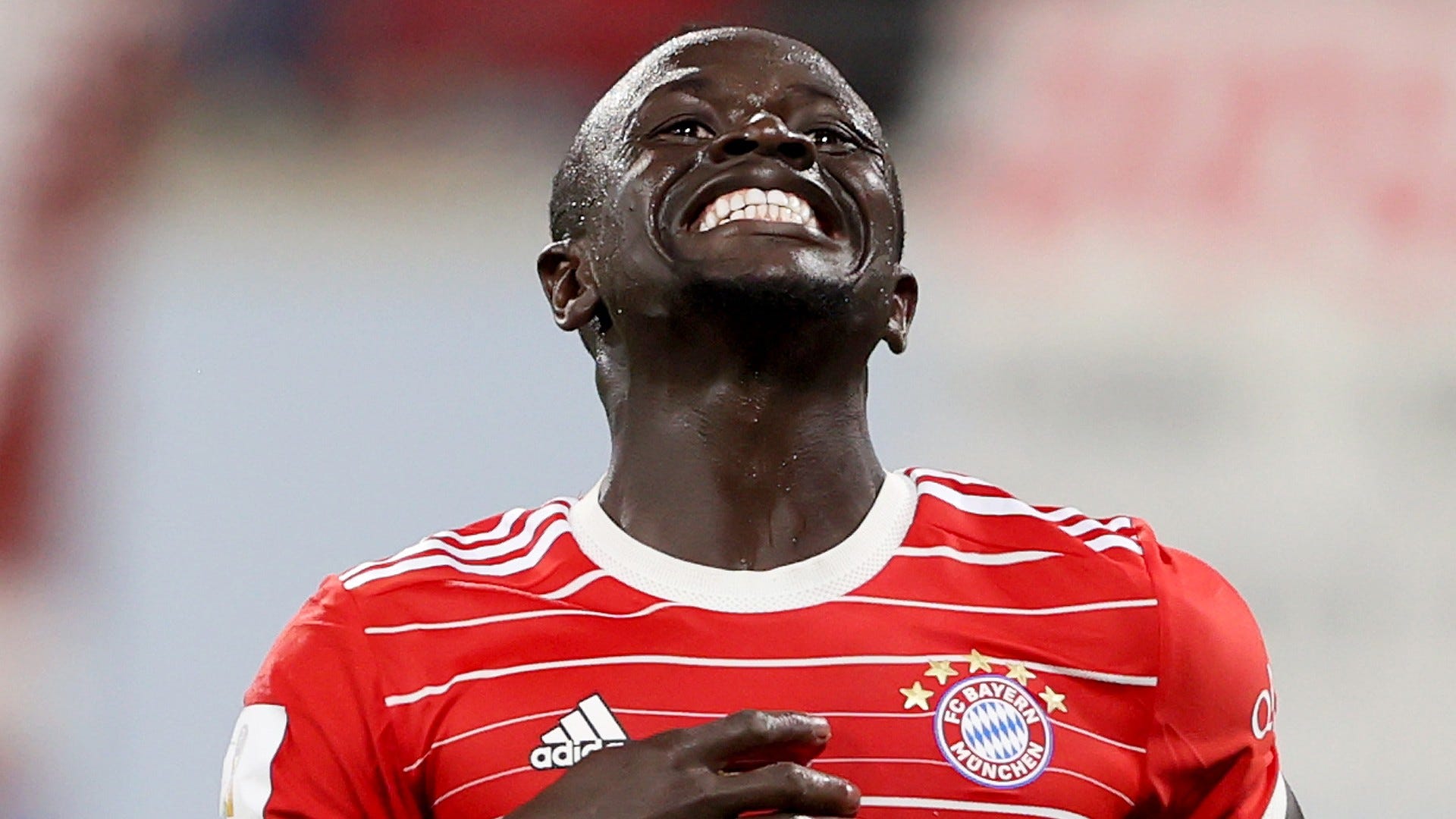
 

Director of Bayern Munich responds to allegations that Mane is dissatisfied following his summer transfer from Liverpool

0
  • Swapped Anfield for the Allianz Arena
  • Has not hit top form in Germany
  • Still considered to be one of the world’s best

WHAT HAPPENED? The Senegal international forward brought a memorable six-year stint at Anfield – one which saw him become a Champions League and Premier League title winner – to a close when completing a €41 million (£37m/$40m) move to the Allianz Arena. He has found the going tougher than expected in Germany, with five goals recorded through 11 appearances, and there have been claims that the 30-year-old is already regretting his decision to trade Merseyside for Bavaria.

WHAT THEY SAID: Bayern, though, are adamant that a superstar performer is happy at making a big career call, with sporting director Hasan Salihamidzic telling Bild: “Sadio still needs a little time, he has to get used to the Bundesliga too, but he will. I speak regularly with him. I know what it’s like to arrive as a newcomer to a team, in a different country, in a different city, in a slightly different football culture. Sadio is in this process, everything will soon be more familiar to him and we will soon see that on the pitch too. He is one of the best players in the world, we will still have a lot of joy with him.”

THE BIGGER PICTURE: With Mane not at his best, reigning Bundesliga champions Bayern have gone winless through their last four league games and now find themselves sat fifth in the table.

IN THREE PHOTOS:

Sadio Mane Bayern Munich 2022-23Getty


Sadio Mane Bayern Munich 2022-23Getty


Sadio Mane Bayern Munich 2022-23Getty

WHAT NEXT FOR MANE? Bayern will be back in action on Friday when taking in a home date with Bayer Leverkusen.


Development Bank Ghana signs onto UN Global Compact

0

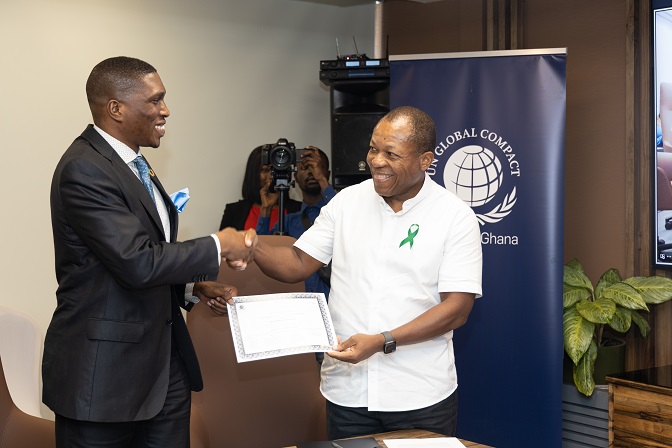
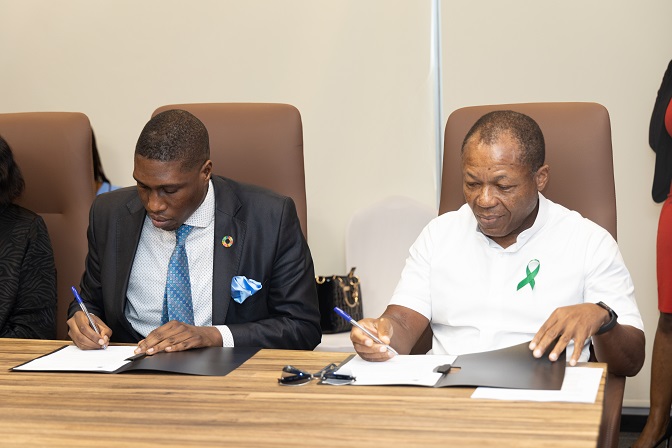
The Development Bank Ghana (DBG) has signed onto the United Nations Global Compact Initiative, becoming the first Ghanaian financial institution to achieve the feat.
The move is part of the Bank’s efforts to protect human rights, labour, and the environment and anti-corruption principles through its business practices.
The United Nations Global Compact is a United Nations pact, which enjoins its signatories, mostly businesses and firms worldwide, to adopt sustainable and socially responsible policies, and to report on their implementation.

The compact has ten principles on human rights, labour, environment and anti-corruption.
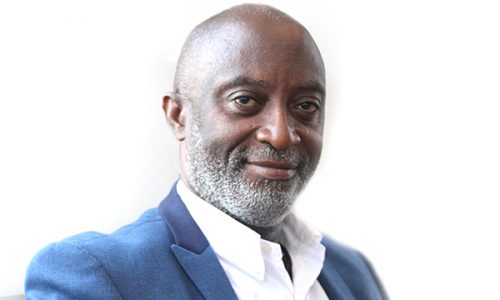
Speaking at the signing ceremony, Chief Executive Officer of DBG, Kwamina Duker, said the bank’s membership in the UN Global Compact was a huge demonstration to partner institutions, which had made investments that the bank would play by the rules.
“Signing onto the UN Global Compact is a public message both locally and internationally about the kind of bank we want to be, the standards we want to adhere to and the governance that underlines everything that we do.”
He said the compact provided DBG with a universal language for corporate responsibility and a framework to guide all businesses regardless of size, complexity or location.

Mr Duker stressed that DBG supported public accountability and transparency and was committed to reporting on the progress of the UN Global Compact, in its annual Communication on Progress as demanded of the signatories of the compact.

“DBG is pleased to join the many organisations all over the world who are signatories to the UN Global Compact and who believe as we do, that ethical business conduct is an important component that enables companies to foster sustainable development,” he said.
Mr Duker indicated that the tenets of the UN Global Compact were strategies DBG currently employed in its business operations.

“The UN Global Compact also positions DBG to effectively assess, define, implement, measure and communicate the bank’s sustainability strategy goals, ” Mr Duker stated.

He said the key pillars of DBG’s mission were to foster strong partnerships to finance economic growth, create jobs and build the capacity of Small and Medium-sized Enterprises (SMEs) towards achieving sustainable growth.

“So, in joining the UN Global Compact, DBG looks to strengthen it’s ability to serve as a catalyst for responsible business practices,” Mr Duker, stressed.

Mr Duker said all the partner participating institutions, supplies and clients were enjoined to uphold the UN Global Compact.

Deputy CEO of DBG, Michael Mensah-Baah, said the signing of was the bank’s long-term commitment to sustainable business practices.

He said the bank would adhere to the tenets of the compact in its quest to provide long-term finance for SMEs.

The Executive Director of the UN Global Compact Network- Ghana, Tolu Delacroix, said it was important for businesses to uphold sustainable business practices in their operations and lauded DBG for singing to the compact.

Mr Delacroix said DBG was the first financial institution in the country to sign onto the UN Global Compact.

Mr Delacroix indicated that the signing of the compact would help boost the image of DBG to attract more funding.

According to him, companies that had signed onto the compact had been able to increase their profit margins by 13 per cent.

Mr DelaCroix said the UN Global Compact was the world’s largest corporate sustainability initiative with 13,000 corporate participants with the objective to mainstream the ten business sustainability principles in business activities all over the world.

DBG is Ghana’s new development institution to facilitate and provide long-term credit for SMEs to drive their economic growth and transformation.

The bank has received funding from the World Bank, European Investment Bank, KfW and the African Development Bank.

We’re yet to recover from COVID-19 impacts – Aflao SMEs

0

Owners of Small and Medium Scale Enterprises (SMEs) at Aflao in the Ketu South district say they are still suffering the economic impact of the COVID-19 crisis.

They said the COVID-19-induced restrictions, especially the closure of the border for two years, had affected the municipality and in particular, Aflao, home to Ghana’s busiest land border, leading to the collapse of their businesses.

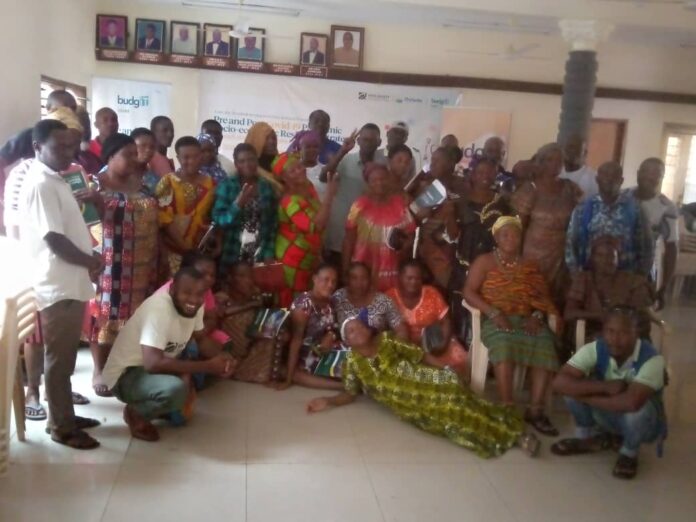
This came to light at a town hall meeting organised at Aflao by a civic organisation, BudgIT Ghana in partnership with OXLADE Consulting and Open Foundations Society on the OSIWA Project.

The OSIWA project is aimed to assess post economic resilience of small-scale businesses in the country to have accurate information to aid in the recovery of these businesses.

The town hall meeting was on the theme: “Pre and Post-COVID-19 Pandemic Socio-Economic Resilience Strategies: Impact and Lessons from Stakeholders.”

Attendees shared their experiences during the Covid-19 period, and thereafter, with major emphasis on the adaptation and coping strategies of their businesses, employment and working conditions, impacts on wages and incomes, food consumption, borrowings and asset holdings, and the level of government support.

Participants, who spoke to the Ghana News Agency, said their day-to-day economic activities halted due to the trade restrictions and confinement measures announced by the government and with no form of support to cushion them from the economic hardship.

Mama Hedenya Xenyo II, Queen of Aflao Aflagatigorme, said the economic impact on her subjects and some colleague traditional leaders during the peak of COVID-19 was huge and it would be good for some support to be extended to them because “even now, we’re yet to fully recover from it.”

“We thank our Chief, Torgbui Aglasu Xenyo III because, at a time when it became difficult for my electorates to feed, he gave out money for items, including bags of maize, rice and gallons of cooking oil.

No support came from the local Assembly or the central government to us, not even the free water because for a long time, we’ve not had water,” Alhaji Mohammed Amuzu, Assembly member for Aflagatigorme Electoral Area said.

Madam Lebene Dzumador, a shopkeeper, said: “We’re still feeling the heat and now that this organisation has come to hear our concerns, it’s my hope that something positive will happen.”

Mr Khiddir Iddris, Research and Programme Lead at BudgIT Ghana said his organisation and stakeholders’ role in boosting health sector accountability and vaccine equity in Ghana.

He said the government, like others globally, continued to play a crucial role in cushioning people and firms from the pandemic and its economic fallout.

“It’s important that we assess the relief packages that the government has provided so far as well as socio-economic resilience of businesses, especially from this border town,” Mr Iddris said.

America’s #1 Good Morning America shoots episode in Ghana

0

Good Morning America, the most popular morning show in America, is in Ghana to explore the wealth of tourist attractions there before the release of Black Panther’s upcoming Wakanda Forever movie.

Before airing her broadcast, which she filmed in Ghana, newscaster Robin Roberts announced the happy information on Twitter. Danai Gurira, best known for her role in Black Panther, and chef Fatmata Binta are with Robin Roberts.

Sharing videos and pictures from her stay in Ghana, formerly the Gold Coast, Robin Roberts celebrated Ghana’s unique woven fabric, Kente, with #GMA’s own handwoven kente stole.


She also shared plans to start conversations about “how the nation has been leading the charge in innovation and development.”

Good Morning America is a top morning show designed to report the morning’s top headlines from around the world. The program covers a wide range of topics, including medicine, finance, consumer issues, computer technology, education and gardening.


The Ugandan president rejects a lockdown due to Ebola

0

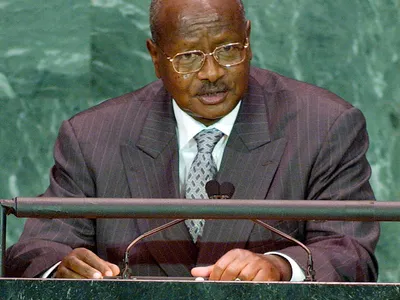
According to Yoweri Museveni, president of Uganda, there is no need to apply limitations in the central region’s Ebola hotspots because the virus is not airborne.

Contact with an infected person, infected objects, or human waste can spread Ebola.

The country’s association of medical professionals had earlier demanded that the affected area be placed under quarantine in order to stop the spread of the hemorrhagic fever.

Since his government has dealt with similar outbreaks in the past, Mr. Museveni claimed that it is capable of controlling the virus. Uganda has experienced an Ebola outbreak four times.

He said that health experts who had previously dealt with Ebola outbreaks had been deployed to the affected region.

It is currently taking 24 hours for samples to be tested and laboratory results to be released.

The president said the government would set up a laboratory at Mubende district headquarters, the epicentre of the outbreak, to quicken the sample processing.

Six medical workers who treated the 24-year-old man who was later identified as the first case, have tested positive for Ebola.

A total of 24 people have been confirmed to be infected by the virus in the country, five of whom have died, since the outbreak was declared last week.

Africa is capable of feeding the entire world, according to Yofi Grant.

0

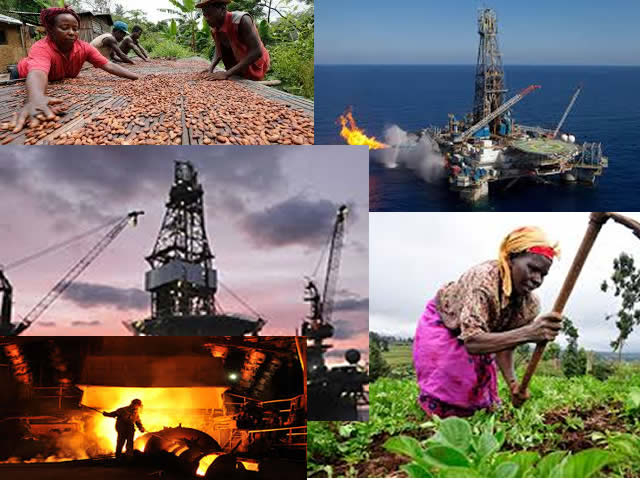
According to Mr. Yofi Grant, Chief Executive Officer of the Ghana Investment Promotion Centre (GIPC), Africa has the capacity to produce enough food to feed both its own population and the rest of the globe.

He claimed that Africa contains all the necessary mineral resources for transitional energies as well as around 65% of the remaining arable land in the world.

“Africa not only has the ability to feed itself, but also the entire world. With the necessary mineral resources for transitional energy, along with roughly 65% of the remaining arable land on the planet,” he tweeted.

It also boasts astonishingly substantial oil and gas reserves. We must unlock the $38 trillion’s potential.

He further indicated that Africa is a massive opportunity for global economic recovery. But it’s agriculture is distressed.

“IMHO current global economics of food trade may be an obstacle to production on the continent. It has facilitated massive agro-inequalities too. Africa ready to change that. Invest”


Farmers of cocoa are becoming more and more vulnerable as a result of their declining incomes. Group

0

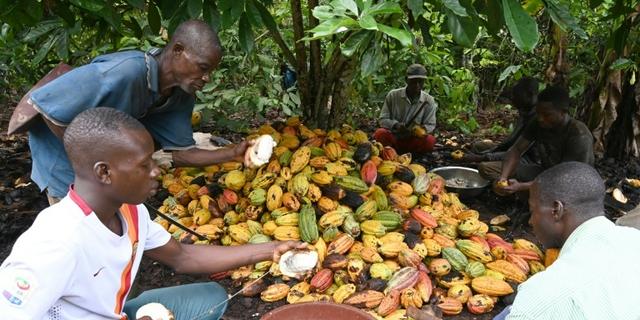
The Ghana Cocoa Board (COCOBOD) has been instructed by the Coalition for Cocoa Sector Reforms to try to improve the financial circumstances of cocoa farmers.

The group claims that cocoa growers are getting poorer and more exposed than ever.

The Coalition claimed in a news release that beginning with the 2022–2023 season, farmers should receive a farm gate price rise of at least 100%.

“We want to draw COCOBOD’s and the government’s attention to the fact that cocoa farmers are getting poorer and poorer and are more vulnerable than ever.

“They deserve no less than 100% increase in farm gate price beginning the 2022/23 season. This implies no less an amount than GIV 21,120.00 per tonne or 1,320.00 per bag from the GII< 10,560 per tonne and GII< 660 per bag respectively offered in the 2020/21 season.

“In the face of depreciation of the cedi, now is the perfect time to call for cocoa prices to be pegged against the dollar and farmers paid in the cedi equivalent of the forex received from cocoa exports.

“The Coalition of Cocoa Sector Reforms (CCRS) an advocate group for Ghana cocoa industry players, makes this proposal for the consideration and implementation by COCOBOD,” their press statement said.

It added “Regulatory mismanagement and corruption continues unabated putting licensed buying companies into debt, depreciation of the cedi, increasing inflation, activities of galamsey destroying water bodies, the degrading forest and arable lands among all the factors earlier enumerated worsens the economic and social well-being of farmers and put the industry under serious threat .

“The industry is actually sinking at a faster speed. The cocoa farmer is hungry and we call on government to address these concerns.

“We call on civil society to come together to advocate for sustainable cocoa since the industry is under a more serious threat. Production volumes is on a sharp decline because there’s no incentive for the youth to go into cocoa farming and our forest continues to see serious degradation by galamsey activities. The industry we predict might not survive the next decade if swift interventions are not taken.”


Government should inform citizens that the GDP is growing, according to an economist with UGBS.

0

Dr. Badu Sarkodie, an economist at the University of Ghana Business School (UGBS), has stated that Ghana’s GDP growth rate is encouraging news that should be shared while the government bargains with the International Monetary Fund (IMF) for a program.

He claimed that the nation had seen negative growth at that time; therefore, if the tendency is gradually turning, it needs to be emphasized.

Following the Finance Minister’s assertion that Ghana is increasing its GDP growth rate, Mr. Ken Ofori-Atta made his remarks.

According to the Minister, this development provides the government with a strong base to meet the upcoming difficulties.

Addressing a press conference in Accra on Wednesday September 28, Mr Ofori-Atta indicated that overall, Ghana’s growth outturn of 3.4% and 4.8% in Q1 and Q2 of 2022 respectively, coupled with modest improvements in our fiscal position, suggests the economy is gradually on the upswing despite the numerous shocks that the country has faced over the past two years.

“These figures demonstrate that in spite of recent challenges, there has been economic growth, modest as the gains so far may be.

“This progress gives us a solid foundation to confront the challenges ahead. Undoubtedly, global risks remain on the horizon, including a strengthening US dollar. and higher interest rates which negatively affect external borrowing.

“This development is exerting enormous pressure on our Balance of Payment position, and thus the need for us to expedite our engagement with the IMF.”

He added “Within this context, Government is finalizing its Post-COVID-19 economic programme as the domestic blueprint to engage the IMF.

Reacting to this on the Ghana Tonight show with Alfred Ocansey on TV3 Wednesday September 28, Dr Badu Sakodie said “The government is going for negotiations with the IMF and as part of the negotiations we have to assess the health of the economy. There are various indicators that are used in assessing the economy and real GDP growth rate is one of them.

“If the government is recording 4.8 per cent positive growth rate, of course they will bang their hopes on that and say that though the Cedi is depreciation, though inflation is rate is around 31 per cent but GDP growth rate is positive, it is around 4.8 per cent .

“So they are likely to tell the good story because already people know the bad ones so they have to tell the good ones. But as to whether it is indication that the economy is strong, I am not sure the present economy is strong.”


Ghana’s GDP growth rate has little overall influence, according to Gatsi

0

Although Ghana’s Gross Domestic Product (GDP) is increasing, according to Professor John Gatsi, dean of the University of Cape Coast’s business school, the growth has little bearing on the nation’s circumstances.

He was responding to the Finance Minister’s claim that Ghana’s GDP growth rate is improving, Mr. Ken Ofori-Atta.

According to the Minister, this development provides the government with a strong base to meet the upcoming difficulties.

Addressing a press conference in Accra on Wednesday September 28, Mr Ofori-Atta indicated that overall, Ghana’s growth outturn of 3.4% and 4.8% in Q1 and Q2 of 2022 respectively, coupled with modest improvements in our fiscal position, suggests the economy is gradually on the upswing despite the numerous shocks that the country has faced over the past two years.

“These figures demonstrate that in spite of recent challenges, there has been economic growth, modest as the gains so far may be.

“This progress gives us a solid foundation to confront the challenges ahead. Undoubtedly, global risks remain on the horizon, including a strengthening US dollar. and higher interest rates which negatively affect external borrowing.

“This development is exerting enormous pressure on our Balance of Payment position, and thus the need for us to expedite our engagement with the IMF.”

He added “Within this context, Government is finalizing its Post-COVID-19 economic programme as the domestic blueprint to engage the IMF.

Reacting to this on the Ghana Tonight show with Alfred Ocansey on TV3 Wednesday September 28, Professor Gatsi said “I think in the scheme of things it doesn’t impact in anyway.

“When we are dealing with the fiscal situation as well as growth, it is expected that the growth rate will be higher than the real cost of borrowing. Now, the real cost of borrowing during the period that the Finance Minister is making reference to, is substantially [lower] than the growth rate within the first and second quarter. Therefore, what follows is that you will need more fiscal desperation in order to survive.”