Home Blog Page 77

Minority commends BoG Governor for sincerity in providing cost of BoG Headquarters project

0

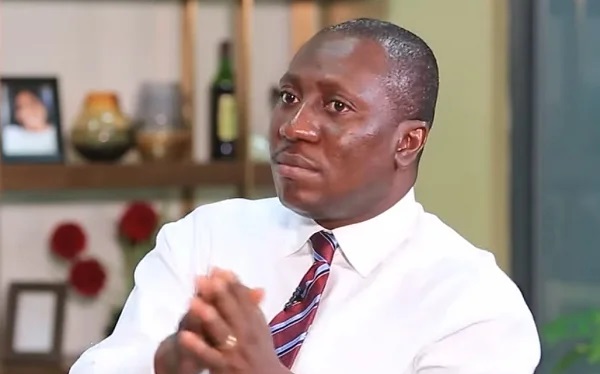
Mr Alexander Afenyo-Markin, the Minority Leader in Parliament, has lauded the Governor of the Bank of Ghana, Dr Johnson Pandit Asiama, for being honest and sincere with cost components of the new Corporate Head Office of the Central Bank.

The Minority Leader’s comments followed a presentation made by Dr Asiama to Parliament on Wednesday regarding the total contract sum of the project.

 Mr Afenyo-Markin said, “We must not play political football with everything”.

He suggested that the Speaker of Parliament in the future should set up a bi-partisan committee involving experts to probe into projects of a similar nature “so that we don’t expose our ignorance to the public”.

The Minority Leader also supported the call for a value for money audit into the BoG building to erase any erroneous impression of misappropriation of funds by the previous management of the Central Bank.

On his part, Mr Ayariga Mahama, the Majority Leader, also thanked the Central Bank Governor for coming to the House to apprise members of Parliament on the various cost components of the project.

Mr Ayariga indicated that he had been involved in ensuring transparency and accountability regarding the cost of the construction of the BoG building.

He believed that after the value for money audit had been conducted into the project, the Central Bank Governor would come back to the House to brief them.

Earlier in his presentation, Dr Johnson Asiama announced that $261.8 million was the total cost of the new Corporate Head Office of the BoG located at Ridge, Accra.

He said as of February, this year, $230 million had been paid by the Government and left with $31.8 million outstanding payment to be made.

Dr Asiama said the initial contract sum of the project was $81.8 million in 2019 but subsequently revised to $121.1 million, $222.8 million and finally shot up to $261.8 million at the time of completion in 2024.

President Nana Addo Dankwa Akufo-Addo commissioned the facility in November 2024 and currently being occupied by the staff of the Central Bank.

Dr Asiama stated that the Board of the BoG would conduct a value for money audit into the construction of the facility upon being sworn in next week.

The Governor of the GoG said the project was constructed by the Goldkey Properties Limited through a restricted tender process recommended by the Public Procurement Authority

He said the structural integrity audit conducted in 2019 showed that existing BoG headquarters in Accra Central, which was constructed in 1950s was not fit for purpose, hence the decision to build a new facility to enhance security and operational efficiency.

The 20-floor tower BoG headquarters was 98 per cent complete including auxiliary facilities- Electronic Integrated System, Information and Communication Technology (ICT) system, auditorium, liquid and solid waste treatment facility, basement and car park area.

Dr Asiama said the Central Bank would comply with its mandate of ensuring transparency, financial resilience and economic growth.
52 students honoured at 2024 President’s Independence Day Awards ceremony.

0

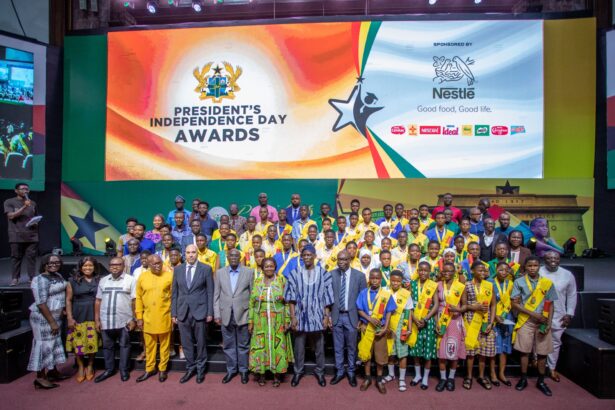
Fifty-two former pupils from public and private schools, including those who are visually and hearing-impaired, were awarded prizes for their outstanding performance in the 2024 Basic Education Certificate Examination (BECE).  
The 52 awardees for the 2024 BECE include 32 students formerly from public Basic Schools, 16 from private schools, and four who have hearing and visual impairments.  
At the awards’ ceremony, Nestlé Ghana Ltd, in collaboration with the Ministry of Education, reaffirmed its dedication to recognising excellence in Ghana through the President’s Independence Day Awards.  
As part of their award package, each student received a laptop, Nestlé souvenirs, and one year’s supply of Nestlé products, as well as a plaque and a signed certificate from the President of the Republic of Ghana.   
The students also engaged in a series of exciting activities prior to the event, which included a tour of the Nestlé Factory in Tema, visits to Jubilee House, the Ministry of Education and the University of Ghana.  
The awards ceremony, held at the Accra International Conference Centre, was attended by Ministers of State, members of the diplomatic corps, heads of departments and agencies, as well as traditional leaders.  
The President’s Independence Day Awards ceremony, celebrated as part of the independence celebration of Ghana leveraged the theme for this year’s 68th Independence Day which is “Reflect, Review and Reset.”  
Speaking at the ceremony, Vice President Naana Jane Opoku-Agyeman, congratulated the award recipients and encouraged them to keep striving for success and excellence.  
She also acknowledged the role of parents, guardians, teachers and all who have contributed to the success of the award winners.  
Mr Georgios Badaro, the Managing Director of Nestlé Ghana Limited, emphasised the company’s commitment and unwavering dedication to fostering positive change and ensuring the prosperity of individuals and communities.   
He expressed that education is a crucial foundation for development, and Nestlé firmly believes in acknowledging and celebrating the achievements of students.  
The President’s Independence Day Awards ceremony, established in 1993, has consistently recognised academic excellence.   
The award is now a key part of Ghana’s Independence Day Celebration.  
Nestlé Ghana Ltd has been associated with the awards for more than three decades.  

Caption:  
1). Mr Georgios Badaro presenting at award to one of the students  
2). Vice President Professor Naana Jane Opoku-Agyemang in a group photograph with the awardees and dignitaries   

Awardees 

Tensions and divides are raised by the trial of 40 opposition activists in Tunisia.

0

40 well-known opposition leaders, including politicians, attorneys, media celebrities, and business executives, are on trial in Tunisia for allegedly plotting against state security. The trial started Tuesday.

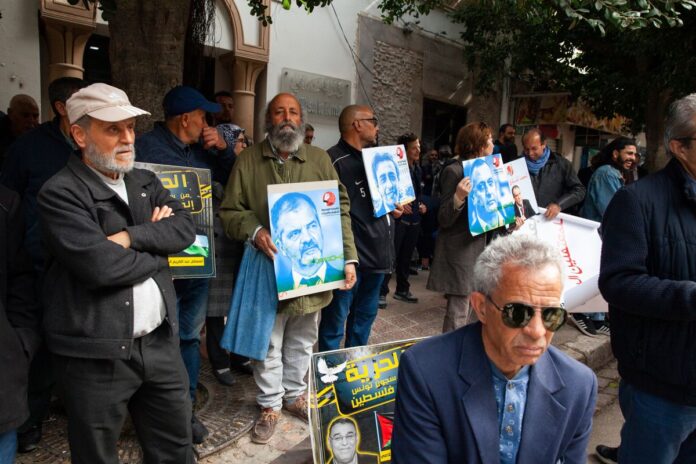
Nine jailed defendants were not present when the Tunis Primary Court’s proceedings started because the judges chose to have remote sessions. Defence attorneys and campaigners criticised the action as a violation of the principles of a fair trial. Families of the jailed and demonstrators outside the courthouse called for openness and the in-person attendance of those accused, but only those freed on bond showed there.

Security was tightened around the courthouse as lawyers, politicians, and journalists packed the courtroom. Outside, tensions flared as protesters chanted, “Freedom, Freedom and No to Judiciary by Instructions.”

Lamia Farhani, Member of the Defense Committee for the Detainees: “The greatest irony is that at the helm of power sits a president, a constitutional law expert, who casually violates the very laws he swore to uphold. This hypocrisy will ultimately vindicate the detainees.”

The trial has deepened divisions in Tunisia. Among the protesters was Ahlem, a citizen who told the Associated Press: “I came to stand with those detained for their opinions, those kidnapped and held beyond legal procedures and timelines. We reject this farce of a trial that bars the accused from facing their judges directly to defend themselves.”

But not all Tunisians oppose the crackdown. Mohamed, a fish vendor in Tunis, blamed the defendants for the country’s economic collapse: “I hope they get life sentences. They ruined us. Twenty dinars used to fill our baskets; now 100 dinars aren’t enough. Half the nation is jobless. They lied, stole, and fled.”

His remarks underscored the economic despair fuelling support for Saied’s anti-corruption drive among some working-class citizens.

The controversy surrounding the trial extends beyond Tunisia’s borders. International human rights organizations have condemned the mass prosecution, arguing that it is part of a broader pattern of repression targeting dissenting voices. Amnesty International and Human Rights Watch have both released statements criticizing the government’s use of security laws to silence political opponents.

The trial unfolds amid escalating tensions between Saied’s government and opposition factions, which accuse him of authoritarian drift. Since 2021, dozens of critics have faced arrest under broadly defined security laws. Saied’s supporters argue the crackdown is necessary to stabilize a nation grappling with inflation, unemployment, and corruption.

In recent months, Tunisia has faced growing economic hardship, with inflation soaring and access to basic goods becoming increasingly difficult for many citizens. The government has sought financial aid from international lenders, but negotiations with the International Monetary Fund (IMF) remain stalled due to concerns over structural reforms and political instability.

As the trial progresses, analysts warn that the outcome could have lasting implications for Tunisia’s democratic trajectory. The country, once hailed as the lone success story of the Arab Spring, has seen a steady erosion of democratic norms since Saied’s 2021 power grab, when he suspended parliament and ruled by decree.

Ahead of the trial, the UN rights office urged Tunisian authorities to “halt all persecution of political opponents” and uphold freedoms of expression and assembly. Local human rights organizations echoed these concerns, warning that the trial’s opacity could accelerate Tunisia’s democratic backsliding.

The court is expected to hold periodic sessions in the coming weeks, with verdicts likely to reverberate across Tunisia’s fractured political landscape. For now, the absence of detained defendants and the remote proceedings have cast a shadow over claims of judicial impartiality, fuelling fears of politicized justice.

Despite the uncertainty, the opposition remains defiant. Activists and political figures continue to call for the release of detainees, while protests in support of the accused are expected to persist in the coming weeks.

UN supports Arab proposal for Gaza but Israel and the US protest

0

A rehabilitation plan for Gaza, led by Egypt and Palestine, has been accepted by Arab leaders. The concept, which is now an official Arab League proposal, lays out a planned course for reconstructing the war-torn enclave and opposes the forced relocation of Palestinians.

Arab League Secretary-General Ahmed Aboul Gheit emphasized the significance of the plan, stating: “Presenting a clear, practical and realistic alternative for the proposal of displacing Palestinians, which is a plan prepared by Egypt in cooperation with Palestine and it became, after its approval by the summit minutes ago, an Arab plan that is completely approved by all Arab countries, societies and nation.”

The plan includes clearing debris, restoring essential services, and securing international funding through a trust overseen by the World Bank. It also proposes long-term urban development, including green housing, industrial zones, and key transportation projects such as a commercial port and airport.

Beyond reconstruction, the initiative aims to establish a new political and security framework for Gaza. Aboul Gheit highlighted this, saying: “The plan is not only a technical plan but also draws a new political and security path in Gaza.” He also stressed that the framework preserves Gaza’s legal status as part of a future Palestinian state alongside the West Bank.

Egypt will host an international conference in cooperation with the United Nations to coordinate global support. The Arab League has also called on the UN Security Council to deploy an international peacekeeping force in Gaza and the West Bank to stabilize the region.

President Embalo of Guinea-Bissau will run for second

0

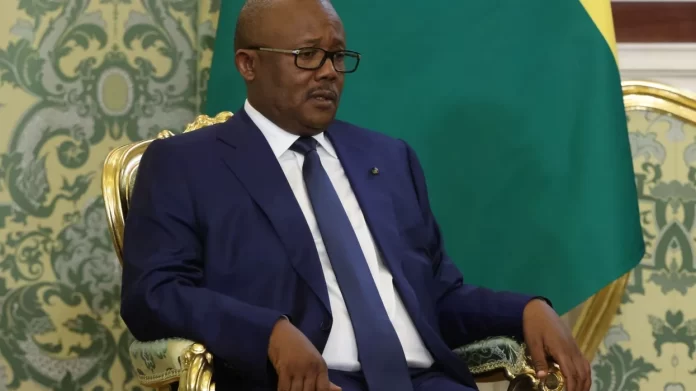
Amid difficulties with an opposition that does not acknowledge him as the present president of Guinea-Bissau, President Umaro Sissoco Embalo announced that he will seek a second term in November.

Meanwhile, a delegation from the West African regional bloc ECOWAS that had been sent to Guinea-Bissau in hopes of resolving the country’s political crisis departed Monday after what they said were threats of expulsion from Embalo. Embalo, who dissolved the opposition-dominated parliament in late 2023, told reporters he would run again Monday at the airport in the capital Bissau following his trip to Russia, Azerbaijan and Hungary. “I will be a candidate for my own succession,” Embalo said. Guinea-Bissau’s constitution sets the presidential term at five years, renewable once, and Embalo would be running for an allowed second term. But the details of his first term are complicated, and the opposition argues that his first term already has ended.

The small West African country, which has had many coups since obtaining independence from Portugal more than 50 years ago, might see tensions rise as a result of Embalo’s decision. Embalo was inaugurated in as president on February 27, 2020, after winning an election on November 24, 2019, although the opposition challenged the outcome, and the Supreme Court did not acknowledge his victory until September 4.

The opposition says Embalo’s term should have ended on Feb. 27 of this year, but the Supreme Court has ruled that it should run until Sept. 4. Embalo has set the election date for Nov. 30 and says that he should stay in office until then, but the opposition has refused since last week to recognize him as president. Opposition leaders have warned they will plan mass protests and strikes, but were waiting to see if the ECOWAS mission was successful.

Embalo says he has survived two attempts to overthrow him in the last three years. After the most recent one in December 2023, which involved a shootout between the national and presidential guard, he dissolved the opposition-controlled parliament, accusing it of passivity. Last week, Embalo met with Russian President Vladimir Putin to discuss potential economic and security ties as Russia has emerged as the security partner of choice for a growing number of African governments, displacing traditional allies such as France and the United States.

Fenerbahce manager Jose Mourinho highlights the “passion” of Scottish Premiership football while stating that he is open to coaching Celtic or Rangers.

0

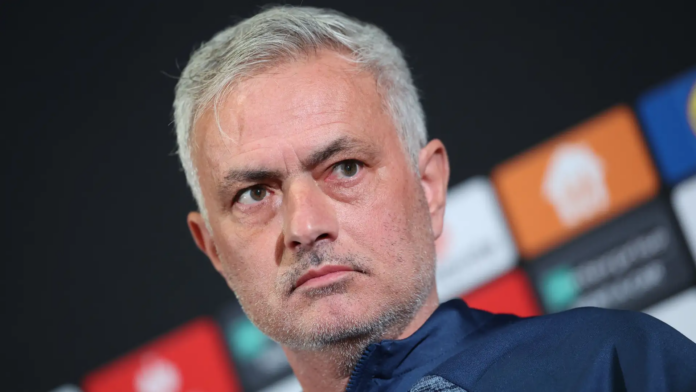
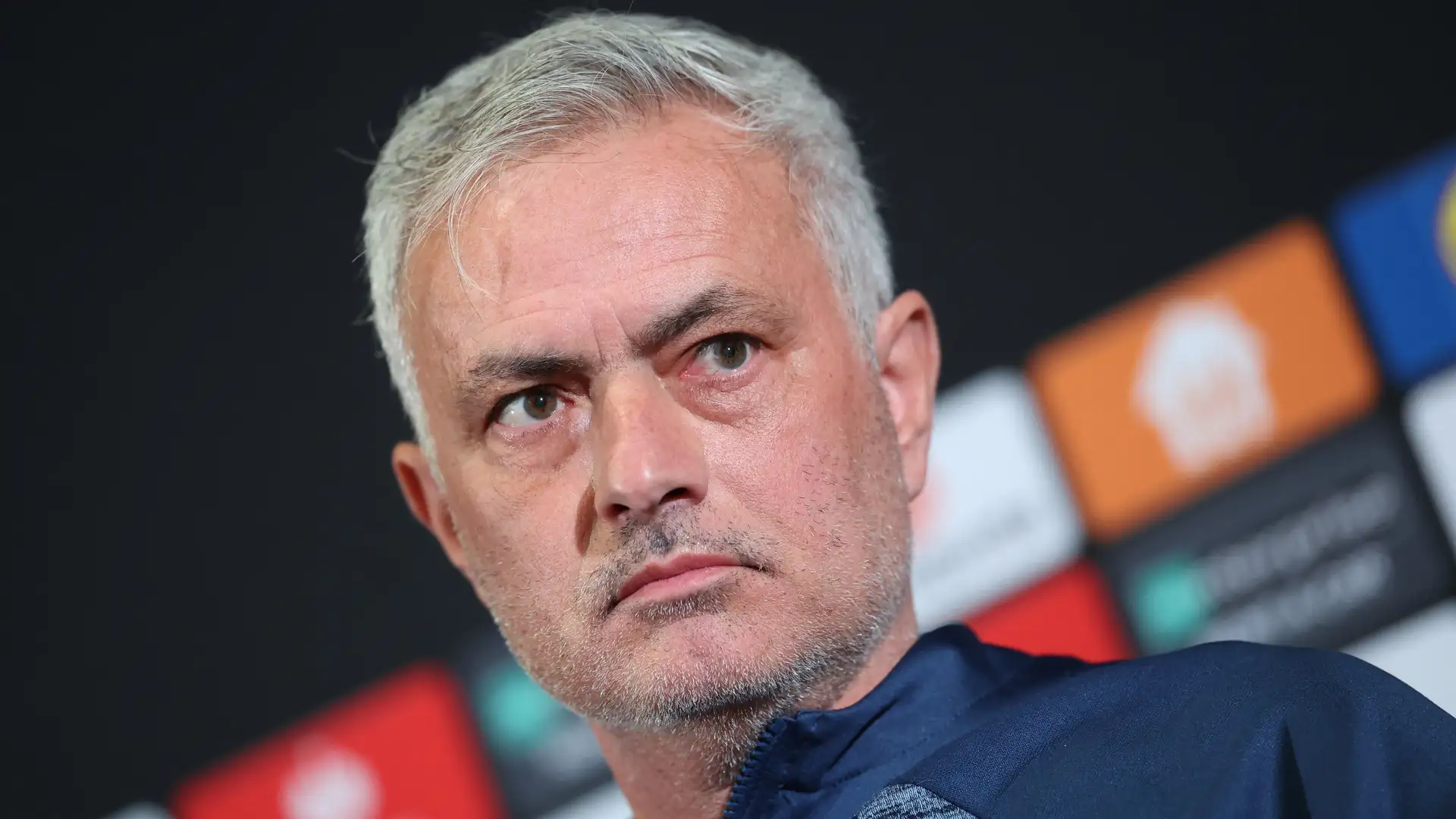
After highlighting the ‘passion’ in Scottish football, Fenerbahce manager Jose Mourinho has not ruled out coaching Celtic or Rangers in the future.

Mourinho says he is content at Fenerbahce for the time being as he leads the Turkish team against Rangers in a Europa League last-16 first-leg match on Thursday night. However, the Portuguese manager stated that he would not rule out a future transfer because he is a huge supporter of Scottish football.

Mourinho said at a pre-match press conference when quizzed on the possibility of managing Celtic or Rangers: “Why not in the future? People say that the Scottish league is a league of two teams, but it is a league of passion and passion in football is everything for me. To play in empty stadiums or where there is not that fire of the passion, for me that does not make any sense. Celtic and Rangers are big clubs with big fanbases, big emotions, big responsibilities and big expectations, so why not?”

Mourinho is on a contract with Fenerbahce that runs until the summer of 2026 but has previously said he would be open to a return to the Premier League. He won three Premier League titles with Chelsea and has also coached Manchester United and Tottenham.

Roy Keane backed for spectacular Man Utd comeback to assist in resolving a significant “issue” in Ruben Amorim’s locker room.

0

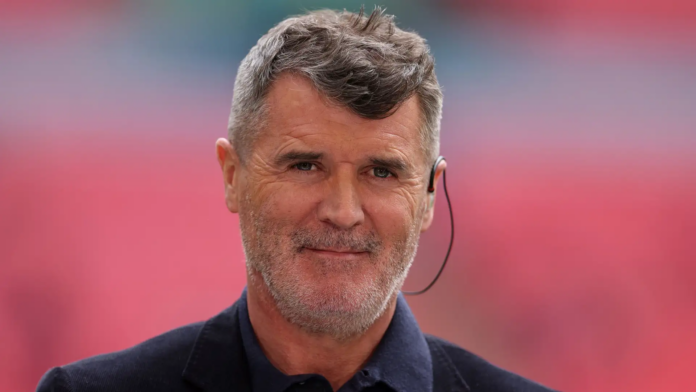
There is a big “problem” in Ruben Amorim’s locker room, and Roy Keane has been tipped to make a spectacular comeback to Manchester United.

In his first public interview since being fired from United in October of last year, former coach Erik ten Hag stated a few days ago that he had to be lenient with the Carrington team because they were so sensitive to criticism. He acknowledged that a direct and aggressive approach would “demotivate them” and blamed social media for the shift in mental toughness over time.

Adding to the debate, former United defender Mikael Silvestre echoed Ten Hag’s concerns, arguing that many players in today’s game lack the thick skin that was once a staple of professional football. He suggested that bringing back a character like Keane, who is known for his no-nonsense approach, could help the United softies to toughen up.

Speaking to yaysweepstakes.com, former United defender Silvestre stated: “I think it would be great for Roy Keane to play a role at Manchester United. Because, the thing is with Roy, he always treated everybody exactly the same way. It didn’t matter if you were a new signing, an old guy, the manager, everybody. That’s how he got respect. That’s how Sir Alex got respect. If you treat everybody the same, no problem. Now, it’s true you have players, and as soon as you say something to them, they don’t collapse, but it affects them much more. We used to have thicker skin.”

The Frenchman further criticised the current generation of footballers, pointing out how players today tend to dwell on mistakes and seek validation online and went on to refer to Joshua Zirkzee, who apologised on social media after missing a penalty in United’s FA Cup shootout loss to Fulham, despite putting in a solid performance overall.

“Zirkzee apologising on social media about missing his penalty against Fulham. So you missed a penalty – you didn’t kill anybody!” he said. “There is no need for that. Plus, he had a good game, so don’t blame yourself. It happens. I can remember when Paul Scholes missed a penalty in the FA Cup final (2005) and we lost to Arsenal, he was one of the best players of his generation, but he didn’t apologise because that can happen in professional sport. You have to accept it and bounce back. I think it’s a bit of a problem with this generation of players. They find criticism harder to take.”

Silvestre wants club legend Keane to be present in the United dressing room in some capacity as he has a reputation for talking straight and keeping everything in house.

“If Roy Keane was involved at Manchester United, if he was on the inside with the group, he would have to protect and work for the group, you wouldn’t see him criticising players in public, so there wouldn’t be any issue,” he added.

Bank of Ghana headquarters project nears completion, $230 million paid so Far -Governor

0

The Governor of the Bank of Ghana, Dr Johnson Asiama, has provided a comprehensive update on the financial status of the Bank’s headquarters project.

Addressing Parliament, on Wednesday during a Committee of the Whole (opened to the Media), Dr Asiama revealed that as of February 2025, approximately $230 million had been paid towards the construction of the new headquarters.

A Committee of the Whole is a Meeting where both Caucuses converge to discuss matters of national interest mostly closed door without the media.

However, “… Mr Speaker, an outstanding balance of $31.8 million still needs to be paid to the contractor to complete the project,” he said.

Dr Asiama emphasised that the expenses go beyond the core building, with separate contracts awarded for various infrastructural components essential to the headquarters.

He mentioned Information Communication Technology (ICT) systems and network infrastructure, which were awarded at a cost of $8.6 million.

Additionally, he said: “Mr Speaker, integrated electronic systems were contracted at a cost of $15.8 million, while furniture and furnishings were awarded at $11.1 million.”

Dr Asiama highlighted the significant financial commitments associated with the project, stating, “Mr Speaker, as of February this year, a total of $230 million approximately has been paid towards the project with an outstanding balance of $31.8 million to be paid to the contractor.”

He added, “… Mr Speaker, a total of $48.3 million has been paid in taxes and levies that were related to the construction.”

The project’s complexity and extensive financial commitments underscored the Bank’s efforts to create a state-of-the-art headquarters he tokd Parliament.

Board of BoG to conduct value for money audit into new Central Bank headquarters

0

Dr Johnson Pandit Asiama, the Governor of the Bank of Ghana, says the Governing Board of the Central Bank would conduct value for money audit into the construction of the facility upon being sworn in next week.

Announcing the cost to Parliament on Wednesday, he said the project was constructed by the Goldkey Properties Limited through a restricted tender process recommended by the Public Procurement Authority (PPA).

He said the structural integrity audit conducted in 2019 showed that old BoG headquarters constructed in 1950s was not fit for purpose, hence the decision to build a new facility at Ridge, Accra, to enhance security and operational efficiency.

Dr Asiama  said the total contract sum of the new Corporate Head Office of the BoG was US$261.8 million.

As of February, this year, he said $230 million had been paid and left with $31.8 million outstanding payment to be made.

He said the initial contract sum of the project was $81.8 million in 2019 but subsequently revised to $121.1 million, $222.8 million and finally shot up to $261.8 million at the time of completion in 2024.

President Nana Addo Dankwa Akufo-Addo commissioned the facility in November 2024 and currently being occupied by the staff of the Central Bank.

The 20-floor tower BoG headquarters was 98 per cent complete including Electronic Integrated System, Information and Communication Technology (ICT) system, re-used liquid and solid waste treatment plant, basement and car park area.

Dr Asiama said the Central Bank would comply with its mandate of ensuring transparency, financial resilience and economic growth.
Chief of Staff congratulates National College of Defence Studies 

0

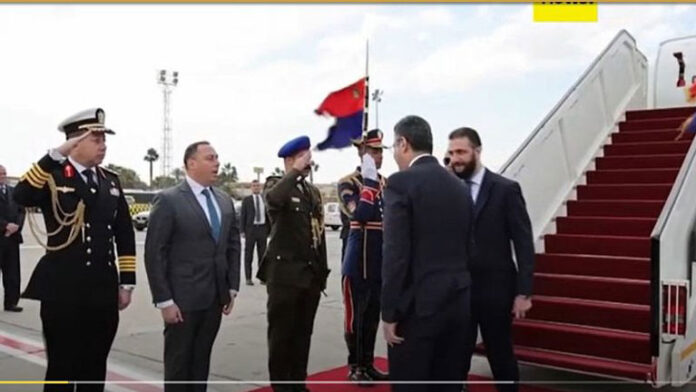
Mr. Julius Debrah, the Chief of Staff at the Presidency has congratulated the National College of Defence Studies, for the feat it has chalked within its second year of establishment by attracting allied participants to subscribe to the course.

He gave the commendation at the matriculation ceremony of Course 2-25 of the National College of Defence Studies at Burma Camp in Accra.

Mr. Debrah said the feat chalked by the college meant it was on top of its game even at this early stage of its establishment.

“I urge you to look to the future with enthusiasm and ambition, ensuring that your vision of becoming a centre of excellence is achieved within the shortest possible time,” he stated.

The Ghana Armed Forces (GAF) established the National College of Defence Studies (NCDS) in March 2023 to offer Strategic Courses for senior military officers of the rank of colonels or equivalent and relevant national agencies of the same status.

The directive on the establishment of the College was pursuant to section 29(1) of the Education Regulatory Bodies Act 2020 (Act 1023).

The college is a tri-service institution that imparts skills in strategic leadership, contemporary management thought, concepts and practices, that lead to effective decision-making, enlightened leadership and efficient resource management in a knowledge-centric environment to the senior leadership of the Armed Forces and relevant Ministries, Departments and Agencies (MDAs) and international participants at the Conceptual, Directional and Functional levels.

Mr. Debrah said he had been informed that after the establishment of this College in 2023, the Ministry of Defence and the Military High Command also initiated the process for a Presidential Charter for the establishment of the National Defence University, which was granted on 19 December 2024, with the Ghana Armed Forces Command and Staff College and Kofi Annan International Peacekeeping Training Centre as the initial Colleges forming the nucleus Colleges of the National Defence University.

He said the expectation was that the Military High Command would speed up migrating NCDS and the other training institutions such as Training and Doctrine Command and the Ghana Military Academy to the academic control of the National Defence University to complete the process and give the National Defence University the status and responsibilities therein.

He said he was aware of the fact that the National Defence University still had some work to do and would also require some logistics support to be functional.

“This is why the issue of constructing a permanent campus for NCDS is pertinent because as I have been told, the National Defence University will be collocated with NCDS at the yet-to-be-constructed campus,” he stated.

He said he was also aware that some preliminary work had been done to commence construction of the NCDS permanent site soon.

“I want to assure you that the Government will expedite the process to start and complete construction as quickly as practicable,” he stated.

Mr. Debrah said he had also taken note of the college’s vision and objectives which aim to imbue leadership, critical thinking, and problem-solving skills, required to address Ghana and Africa’s complex security challenges.

The Chief of Staff reminded the matriculants of contemporary threats posed by terrorists and violent extremist groups in the West Africa sub-region and beyond.

He said the Ghana National Security Strategy document recognises these existential security challenges which also include climate change, youth unemployment, poverty, illegal mining, and vigilantism among others.

He said to tackle the security challenges, Ghana’s national security strategy emphasised the crucial role of enhancing regional cooperation, intelligence sharing, and capacity building.

He said it also mentioned the significance of strengthening border security, improving governance structures, and promoting social and economic development to address the root causes of these challenges.

He said it was for this reason that he considered the theme for Course 2-25 which was; “SMART Governance for Sustainable Development”, apt and timely.

He said the theme provided the framework for all scholarly and research discussions for your course.

Mr. Debrah said at the end of the programme, the matriculants would have identified the problems and proffered innovative solutions for their institutions and Government.

He expected the College to equip them with the knowledge and skills to safeguard the nation’s peace, security, and development and challenged them at the end of the Course to propose a path towards the creation of a more efficient, effective, and ethical governance system that could address complex societal challenges while promoting trust between government and citizens as part of their advocacy for SMART governance.

The Chief of Staff assured the Military High Command that the Government was fully committed to ensuring that they had the resources and necessary tools to work.

This, he said, was because they were invaluable to the security, social and economic development of the country.