The total cost of the new Corporate Head Office of the Bank of Ghana at Ridge, Accra, was US$ 261.8 million.
As of February, this year, $230 million had been paid by the Government and left with $31.8 million outstanding payment to be made.
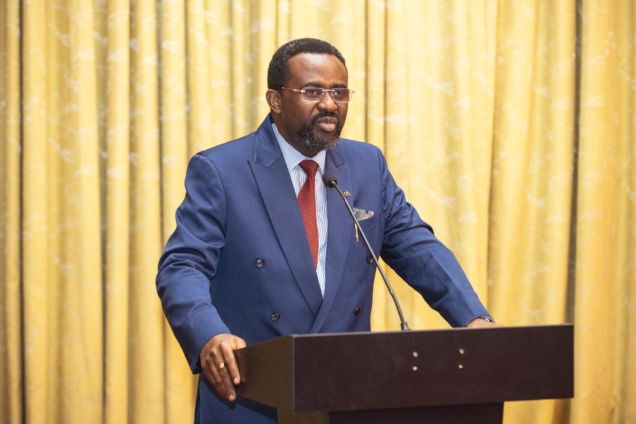
Dr Johnson Pandit Asiama, the Governor of the Bank of Ghana, who announced the cost to Parliament in Accra, on Wednesday, said the initial contract sum of the project was $81.8 million in 2019 but subsequently revised to $121.1 million, $222.8 million and finally shot up to $261.8 million at the time of completion in 2024.
President Nana Addo Dankwa Akufo-Addo commissioned the facility in November 2024 and currently being occupied by the staff of the Central Bank.
He said the Board of Directors of the BoG would conduct a value for money audit into the construction of the facility upon being sworn in next week.
The Governor of the GOG said the project was constructed by the Goldkey Properties Limited through a restricted tender process recommended by the Public Procurement Authority (PPA).
He said the structural integrity audit conducted in 2019 showed that old BoG headquarters constructed in 1950s was not fit for purpose, hence the decision to build a new facility to enhance security and operational efficiency.
The 20-floor tower BoG headquarters was 98 per cent complete including Electronic Integrated System, Information and Communication Technology (ICT) system and car park.
The Central Bank had paid $48.3 million in taxes and levies for the construction of the facility.
Dr Asiama said the Central Bank would comply with its mandate of ensuring transparency, financial resilience and economic growth.
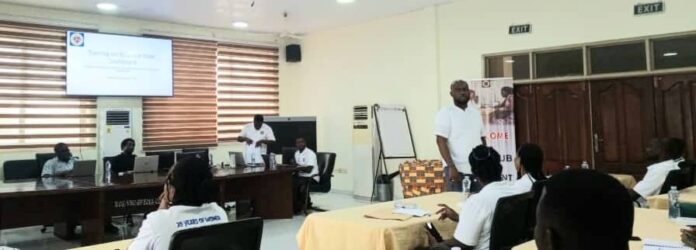
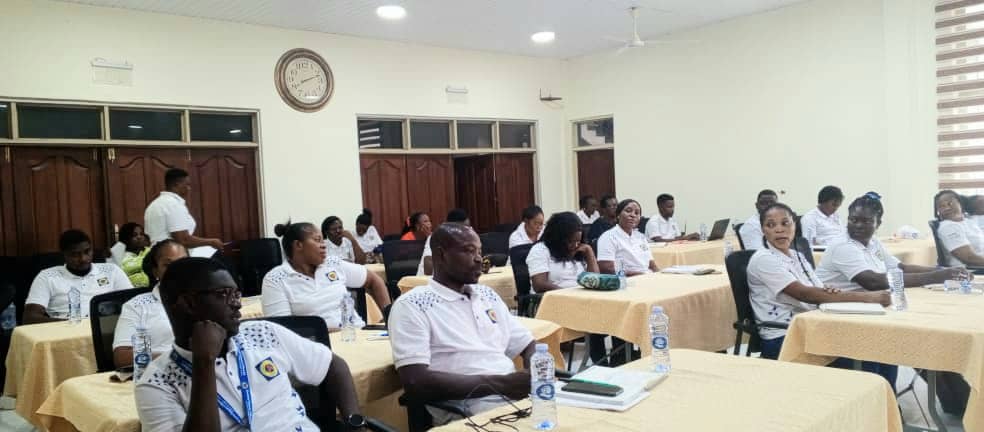
The Revenue Assurance Information Technology Team of the Electricity Company of Ghana (ECG) has conducted a comprehensive training session for Volta Region’s Priority Clients Management Executives (PCMEs), Debt Management Officers (DMOs) and Revenue Management Officer to ensure effective operationalisation of the Company.
The training focused on the ECG live debt dashboard, equipping participants with the tools necessary to effectively manage high-consuming customers and reduce outstanding debts across various districts in the Region.
The Regional General Manager, Ms. Christina Jatoe-Kaleo, urged participants to arm themselves well enough with the standardised template to facilitate accuracy in their financial analysis and reporting during her opening remarks.
The training is aimed at ensuring efficient debt management and steady revenue generation.
Participants were encouraged to leverage the live debt dashboard to streamline their processes and improve collection efforts and were expected to avoid recording zero collections in their debt management activities after the training.
The Revenue Assurance Information Technology Team responsible for data engineering within ECG remained dedicated to supporting staff in achieving the critical goals for overall organizational success.
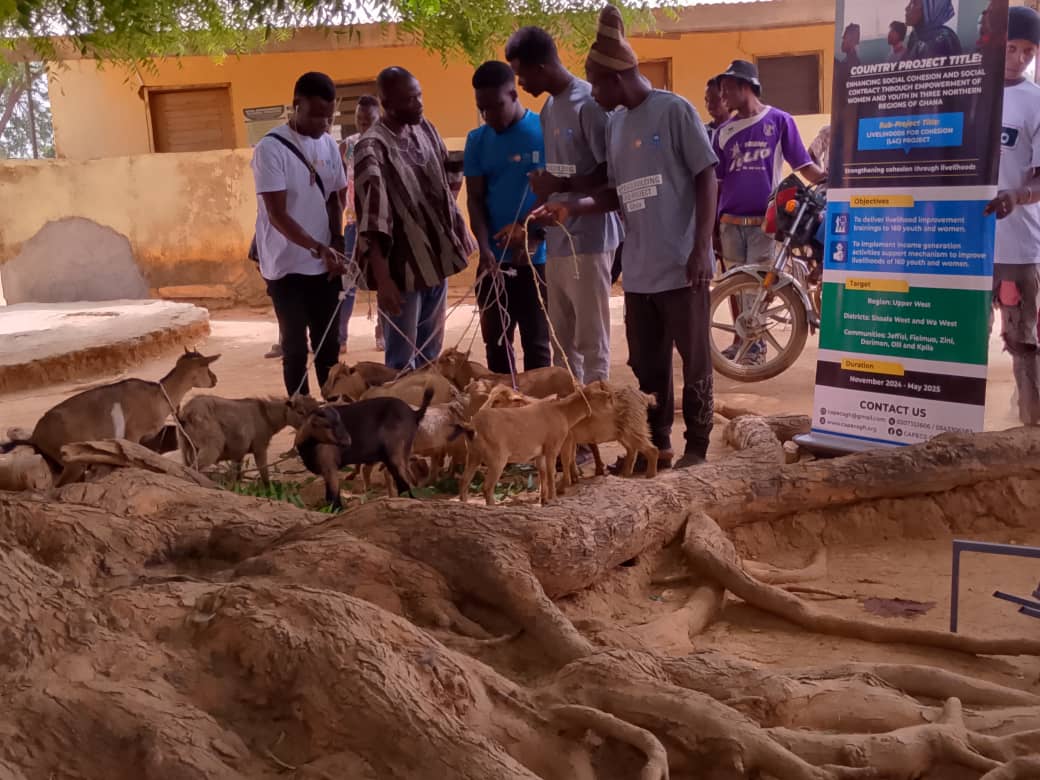
The UNDP has presented assorted livelihood enhancement equipment to selected youth and women groups in the Upper West Region to help reduce poverty, sustain social stability, and inclusive growth essential for building resilience and peaceful co-existence in the communities.
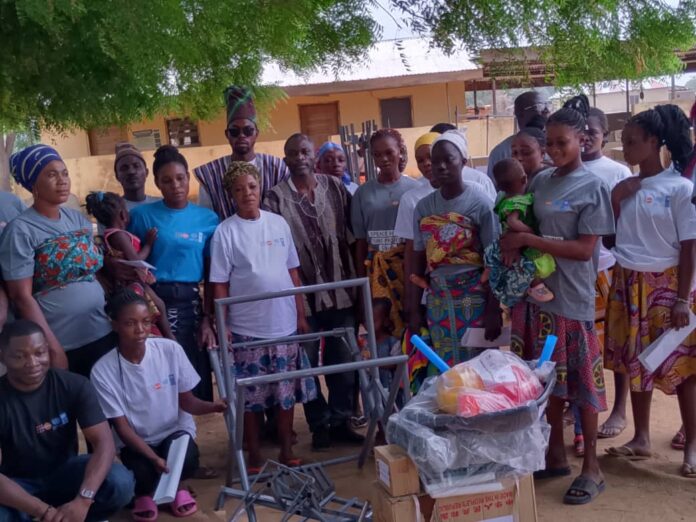
The equipment, funded by the UN Peacebuilding Fund, included sewing and tailoring supplies, hairdressing and beautification equipment, weaving materials and livestock for breeding, vocational tools and equipment, essential safety gears, machinery for welding, drilling, and spraying, hand tools and kitchen equipment were provided to 160 youth and women to enhance their skills and support income generating activities.
Dr. Edward Ampratwum, UNDP Ghana Head of Inclusive Growth and Accountable Governance, presenting some of the items to the beneficiaries at Olli and Kpila in the Wa West District, said the UNDP recognized the critical role women and the youth play in promoting peacebuilding, social cohesion, and community resilience.
He said the initiative was to equip the beneficiaries with the necessary resources to enhance their productivity, promote self-sufficiency, and improve their economic opportunities and empowerments contributing to the overall wellbeing and resilience of their communities.
He said the tool provided should be considered not just a set of tools but a pathway to economic independence, dignity and long-term prosperity as the UNDP believed that sustainable development was possible when individuals and communities had access to the resources, skills, and opportunities they needed to thrive.
The UNDP Ghana Head said more than 850 women and youth in the Upper West, Upper East, and North East Regions would benefit from the intervention and would undergo capacity building and skills training to support them in establishing and improving their livelihoods.
Dr Ampratwum noted that active and meaningful participation of the youth and women in local governance decision-making, conflict prevention, and peace-building processes, would help build their resilience levels to advocate for their rights and opportunities to enhance livelihoods, as well as create a stronger foundation for inclusive governance, social cohesion, and empowerment contracts.
That would also help prevent and address the root causes of localised and spillover conflicts, as well as vulnerabilities to violent extremism in Northern Ghana.
He said UNDP’s broader strategy was to promote inclusive governance, social cohesion, and economic empowerment under the UN Peacebuilding Fund Project through a partnership with local authorities, civil society organisations, and government institutions to support skills development and ensure sustainable impact.
He urged the beneficiaries to make the tools an investment in their lives for the future and a stepping stone towards greater economic opportunities, noting: “Your dedication and hard work will determine the success of this intervention, and I encourage you to expand your businesses, improve productivity and contribute to the development of your communities”.
Mr Clifford Tampuori, the Upper West Regional Executive Secretary of the National Peace Council, appealed to the community leaders to always use the appropriate channels and institutions to address all disputes to maintain peace for development.
He said issues of chieftaincy, land, and religious disputes should be handled with maximum care to give peace a chance to prevail and to attract investors into the communities to invest and address the unemployment challenges facing the youth.
Residents of Ghana’s Oti Region are advocating for a significant shift in the country’s governance structure.
They want Metropolitan, Municipal, and District Chief Executive (MMDCE) elections to be included in the country’s general elections, promoting local governance and accountability.
This call to action was made during a town forum organized by the Centre for Democratic Development (CDD) in Dambai, the regional capital.
The forum brought together community leaders, youth groups, and civil society organizations to discuss governance issues.
Mr. John Benyenase, former Assembly member of Dambai central and other participants argued that electing MMDCEs would improve democracy at the grassroots level, ensuring local leaders are directly accountable to the people they serve.
They expressed concerns about the current appointment system, which often creates a disconnect between local authorities and the electorate, leading to ineffective governance.
Advocates stressed that giving citizens the power to vote for their local leaders would promote transparency, responsiveness, and greater civic engagement.
“Electing MMDCEs would lead to better governance, improved service delivery, and more effective solutions to community challenges,” they added.
The forum also addressed broader issues, such as corruption, education, healthcare, and the cost of political activities, all critical to strengthening Ghana’s democracy. CDD Programmes Officer, Mr. Frimpong Oti emphasized the importance of citizen engagement in shaping the future of local governance.
As the debate continues, it remains to be seen whether the government will heed the call of Oti residents and implement changes to the MMDCE election process.
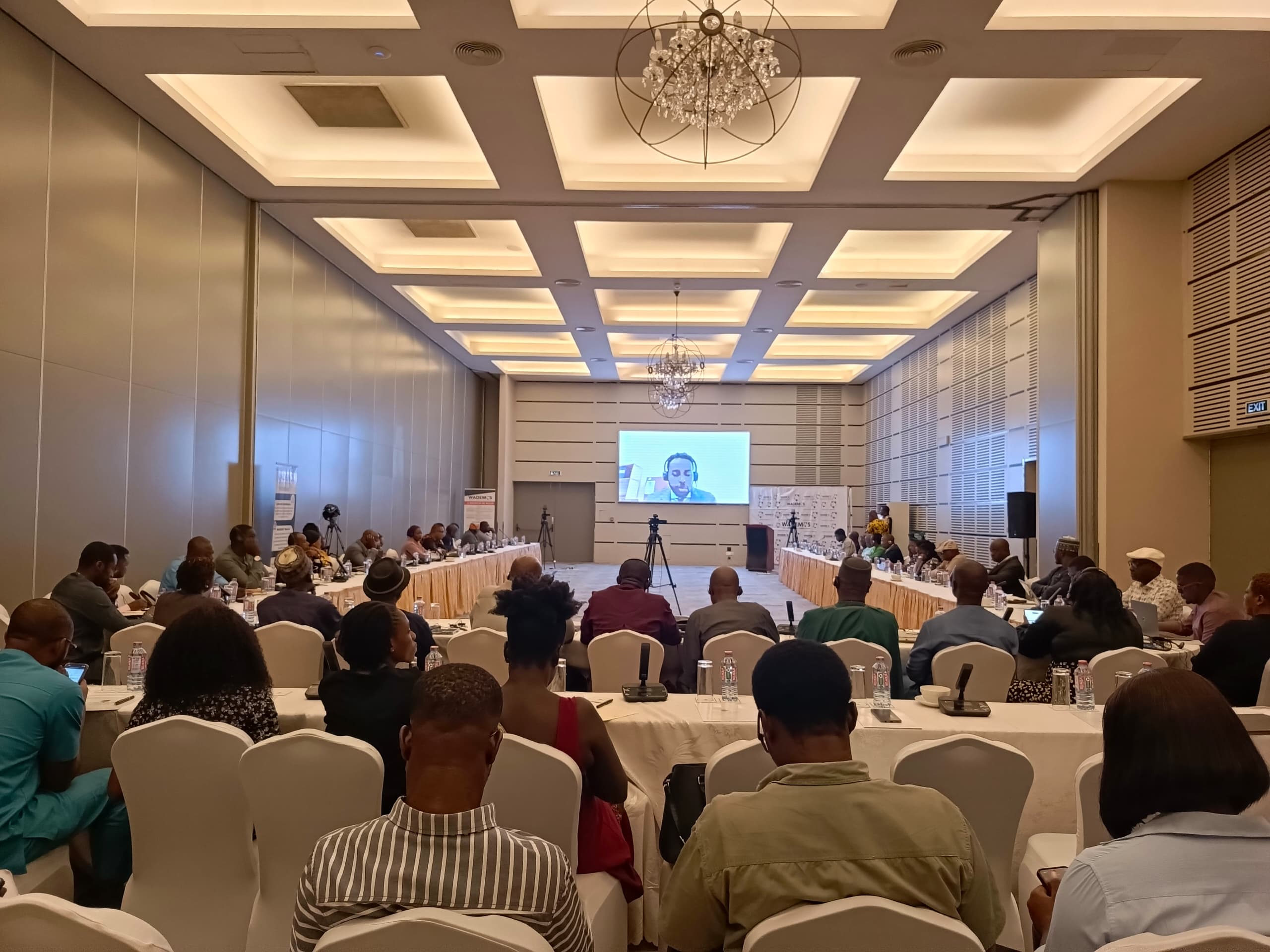
The Economic Community of West African States (ECOWAS) has lauded the contributions of the West Africa Democracy Solidarity Network’s (WADEMOS) contribution towards addressing democratic recession in West Africa.
Dr Abdel-Fatau Musah, Commissioner for Political Affairs, Peace and Security, ECOWAS Commission, gave the commendation in a keynote address read on his behalf at the 2025 WADEMOS Annual Regional CSOs Concerning in Accra on the theme: “Regional Integration at Crossroad: ECOWAS@50, Alliance of Sahel States (AES) and the Future of Multilatilaterism”.
WADEMOS is a non-partisan, independent civil society-led transnational democracy solidarity network, which consists of over 30 Civil Society Organizations (CSOs) located in 15 countries in West Africa. WADEMOS mobilises, coordinates, and leverages the collective power of civil society and other pro-democracy actors, resources, and opportunities within the West African Region to advance, defend, and reinvigorate democracy and promote democratic norms and reforms in the sub-region.
Dr Musah, said there was an urgent and compelling need for dedicated and strategic collective engagements of critical stakeholders, particularly the civil society to join hand with other democratic forces towards achieving stable and enduring democratic processes and regional integration in West Africa.
According to the Ghana Centre for Democratic Development (CDD-Ghana), military takeovers in Mali, Guinea, Niger, Burkina Faso, and Gabon between 2020 and 2023 has been enough to raise alarms about the threats to democracy in the sub region.
Touching on ECOWAS and its relation with the AES, Dr Musah said in keeping with the success stories and given its geographic proximity and cultural affinity, West Africa was a historically integrated region, composed of ethno settlement areas that were disrupted by the political borders arbitrarily imposed during colonization and balkanization of Africa.
“What binds West Africa is beyond formal institutions, rather geographic proximity and cultural affinity rate higher in our relationship,” he said.
“Hence, despite the formal breakaway of Mali, Burkina Faso and Niger, through the formation of the AES, interaction among West African citizens and prospects of these robust interactions would be fine tuned by the decisions of ECOWAS Authority of Heads of State and Government.”
He said the Authority had lifted most of the sanctions on the AES countries, retaining only suspension in its decision-making organs of the Community, similar to what the African Union currently has.
He reiterated that this decision reflected both pragmatism and the spirit of solidarity and accommodation that have characterized ECOWAS over the years guided by the principles of finding local solutions to address challenges facing us as a region.
He said it was their hope that this new opportunity would yield the expected return of the AES countries to the Community and to allow them to resolve their differences as a family.
He said the ECOWAS Commission was set to convene a special summit on the future of regional integration in West Africa.
He noted that the special summit would seek, among others, to ignite a regional conversation on the evolving context of governance, peace, and security, as well as regional challenges and meet aspirations of future generations of ECOWAS citizens.
Dr Kojo Pumpuni Asante, Director of Programmes and Policy Engagement, CDD-Ghana, said the trend of democratic erosion in Africa, and especially in West Africa, was worrying.
“We have seen that since 2020, soldiers have pushed out elected governments in six countries. Presidents have defied constitutional time limits to claim power in office. And others, using subtle methods to erode democracy. But things have not always been like this,” he said.
He said West Africa led the way in the third wave of democratisation in Africa in the 1990s; and that since then, a combination of constitutional reforms, democratic elections, and presidential time limits had produced peaceful government and leadership transition in Benin, Ghana, Nigeria, Liberia, Senegal, and Sierra Leone.
He said to curb the sub-region’s reversal into authoritarian regimes, military dictators, and civil conflicts, both ECOWAS and the African Union had adopted protocols of democracy and good governance, which defines and outlaws unconstitutional changes of government.
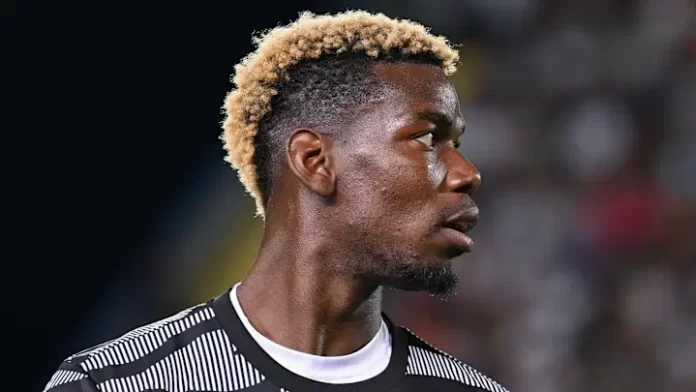
Manchester United has been informed that it would be “too much of a risk” to sign World Cup winner Paul Pogba for a third time.
Pogba is about to finish his 18-month doping ban. He is now a free agent after Serie A giants Juventus terminated his contract. The 31-year-old midfielder has been linked with various clubs around the world.
Many potential suitors, however, will need to be reassured of Pogba’s fitness before committing to any terms. Marseille, who already have ex-United attacker Mason Greenwood on their books, have ruled out a deal as a result.
According to Real Betis, Antony “wants to stay another year” as the Manchester United loanee keeps up his impressive La Liga play.
Since going on loan in the winter, the Brazilian winger has quickly adjusted to life in La Liga, scoring two goals and dishing out two assists in his first five league games. His impressive efforts, which further demonstrated his return to form, featured a pivotal role in Betis’ 2-1 triumph over Real Madrid over the weekend.
Antony is currently scheduled to return to Old Trafford at the end of the season, but discussions about extending his stay in Spain are already underway. Ramon Alarcon, Betis’ CEO, revealed in an interview with Canal Sur’s ‘El Pelotazo’, as relayed by Mundo Deportivo, that the winger has expressed his interest in prolonging his time at the club.
“The other day, Antony told me that he wanted to stay another year,” he said. “The player is very comfortable here and was surprised by the facilities we gave him to settle in the city as soon as he arrived.”
In February, Antony revealed that he is relishing his time at Betis and “wakes up every day with a smile” since he moved to Spain from Manchester.
“The most important thing is that I have found myself again,” Antony said.
“I am happy to be enjoying myself every day. Things go well when we are well, happy, and content. In four games, I scored three goals and gave an assist. I expected it, and I didn’t expect it. I was preparing for this moment. Now, I am very happy to be enjoying and living an incredible moment. The sun helps a lot. I’m very happy here. I wake up every day with a smile, and that’s very important.”
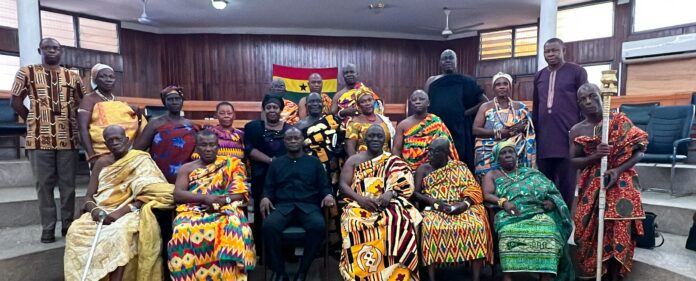
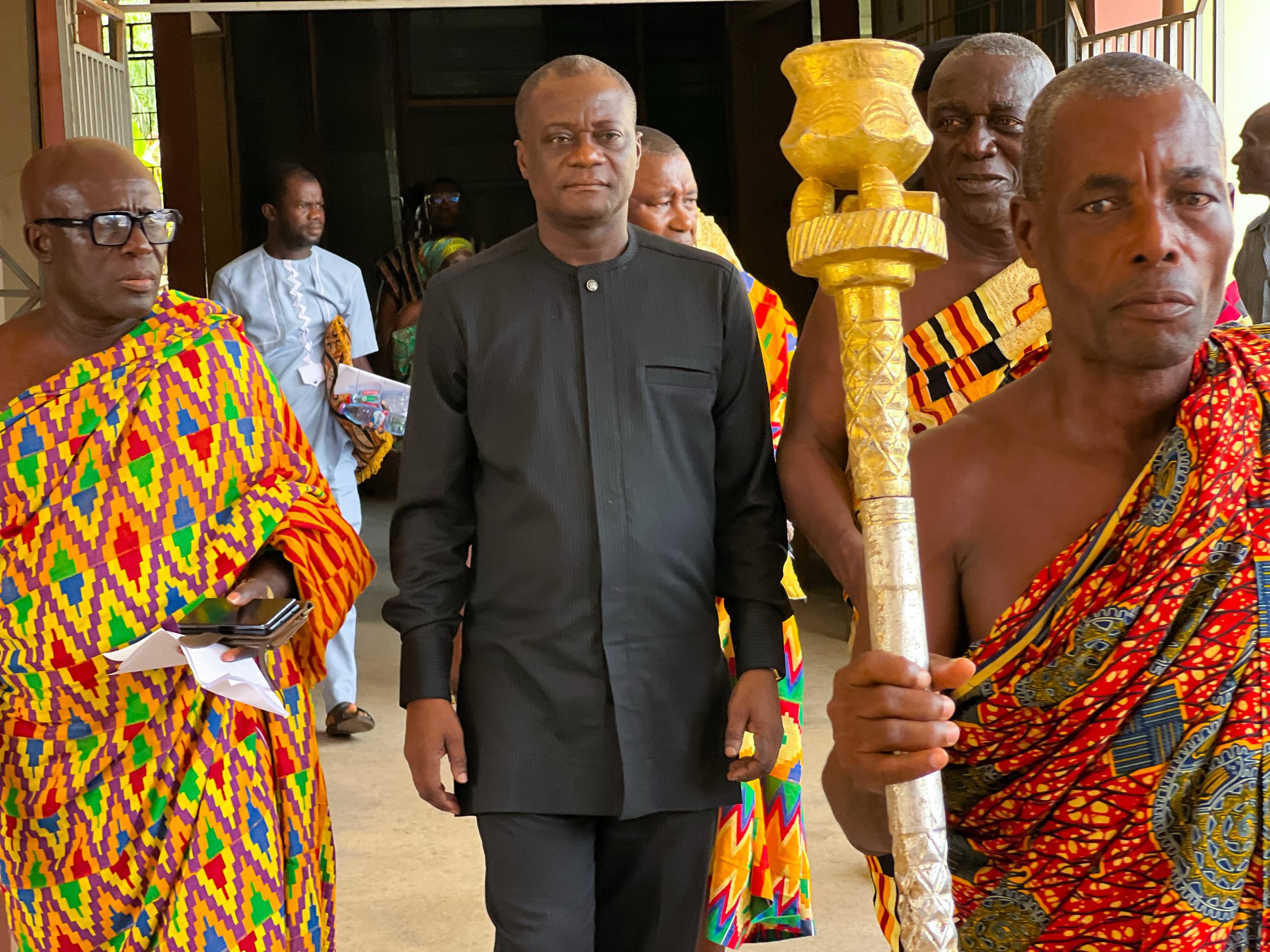
The Western Regional House of Chiefs has advised Mr Joseph Nelson, the Western Regional Minister, to adopt a non-partisan and inclusive governance approach to develop the region.
Nana Kobina Nketsia V, the President of the House Chiefs, who gave the advice said there was the need for the Regional Minister to collaborate with all stakeholders in decision-making and prioritise the region’s growth over political affiliations.
Nana Nketsia V, also the Paramount Chief of the Essikado Traditional Area, gave the advice when the Mr Nelson paid a courtesy call on the members of the Regional House of Chiefs, at Sekondi, to seek their blessings and support during his tenure as the Regional Minister.
He said: “We the chiefs do not think in terms of partisanship. Although you were appointed by the National Democratic Congress (NDC) administration, we urge you to adopt a non-partisan approach to developing the Western Region.”
Nana Nketsia V continued: “After all, the party’s purpose is to serve the entire region and so we advise you to remain humble, stay connected with your people, and remember that the chiefs represent the voice of the people.”
He pledged the House’s support for the Regional Minister’s initiatives aimed at combating illegal mining, one of the most critical environmental issues in the region.
“The biggest challenge we face, aside from the chieftaincy issue, is the persistent problem of galamsey.
“The chiefs have asked me to assure you, just as they assured President Mahama during his visit, that we will provide the necessary support for any measures your administration takes to combat galamsey,” he stated.
Nana Nketsia V noted that the chiefs recognised the devastating impact of these activities on the environment and communities and pledged their commitment to working together to find a solution to the galamsey menace.
For his part, Mr Nelson expressed his heartfelt gratitude to the chiefs for resolving the long-standing leadership crisis that had hindered the House’s progress for years.
He acknowledged the numerous challenges facing the region, and said he remained optimistic that with the chiefs’ support, the region would see the desired growth.
He said: “Nananom, as your son, I acknowledge the enormity of the task ahead. Past ministers have made significant contributions, and now it is my turn to build upon their efforts.
“What will set my tenure apart is the guidance and advice you will provide.”
The Western Regional Minister pledged to maintain open communication policy to ensure an effective collaboration to drive the region’s development.
“I am humbled to seek your counsel and direction, especially regarding the challenges we have previously discussed, and our shared goal remains one that brings development to the region,” Mr Nelson added.
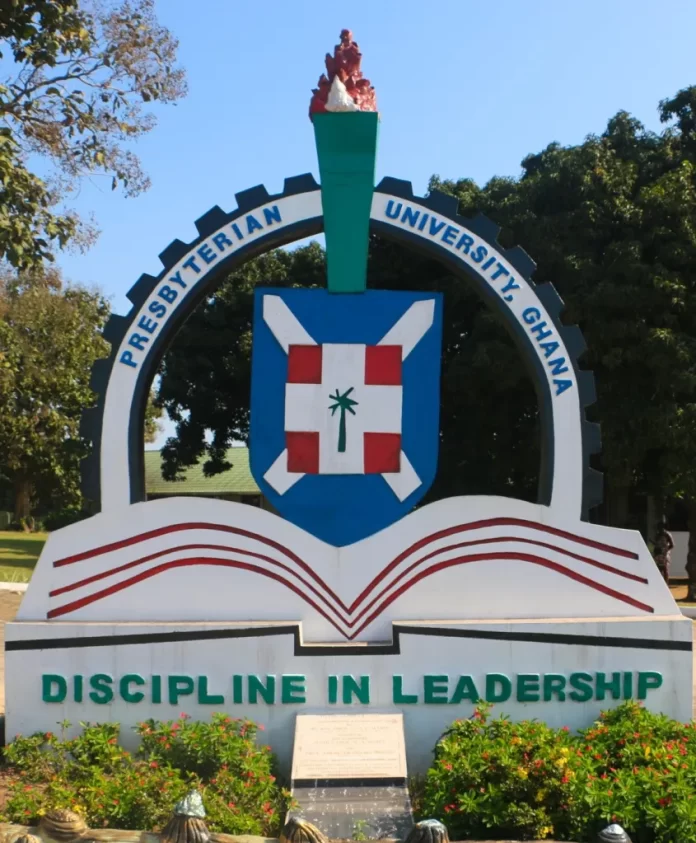
The Presbyterian University of Ghana (PUG) says it is still committed to the Green Growth Ghana Project as the programme advances into the Bolgatanga training phase in the Upper West Region.
The project with its inception in February 2024 was designed to transform the green and circular economic sectors in the Upper West, Upper East, and Northern Regions by promoting sustainable agribusiness practices and empowering women and youth.
The project was in collaboration with the Ghana National Chamber of Commerce and Industry (GNCCI) and with financial support from the European Union Delegation in Ghana.
A statement issued in Accra said at its core, the Green Growth Ghana Project sought to drive sustainable development by fostering a green and circular economy that reduced poverty and created decent work opportunities.
It said over the past few months, the project had successfully implemented a series of progrmmes, including training sessions and donations aimed at equipping local cooperatives and startups with the skills, knowledge, and networks needed to thrive.
It said through a combination of research-driven academic insights, PUG had played an integral role in translating innovative research into actionable strategies for local communities.
The statement said a training session at Bolgatanga was a continuation of that journey, which was designed to train 200 young entrepreneurs, 60 per cent of whom were women.
It said the session would cover essential topics ranging from sustainable agricultural practices to advanced cooperative management and market analysis.
“PUG’s academic experts, drawing on extensive field research and experience, will engage participants in interactive sessions that blend theoretical perspectives with practical applications,” it added.
The statement said the training was structured to provide a comprehensive understanding of modern agribusiness strategies, emphasizing the critical role of innovation and technology in enhancing productivity and market access.
Reverend Dr. Christina A Amarchey, a Representative from the University, said, “Our role in the Green Growth Ghana Project is not limited to academia; we are actively engaged in developing practical solutions that empower local entrepreneurs.”
She said the project was an opportunity to lead and impacts, enhancing both productivity and sustainability. We believe that by bridging the gap between research and practice, we can contribute significantly to Ghana’s economic transformation.
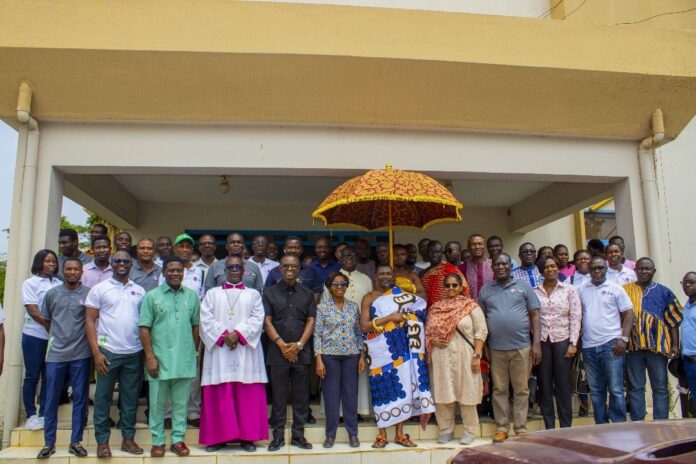
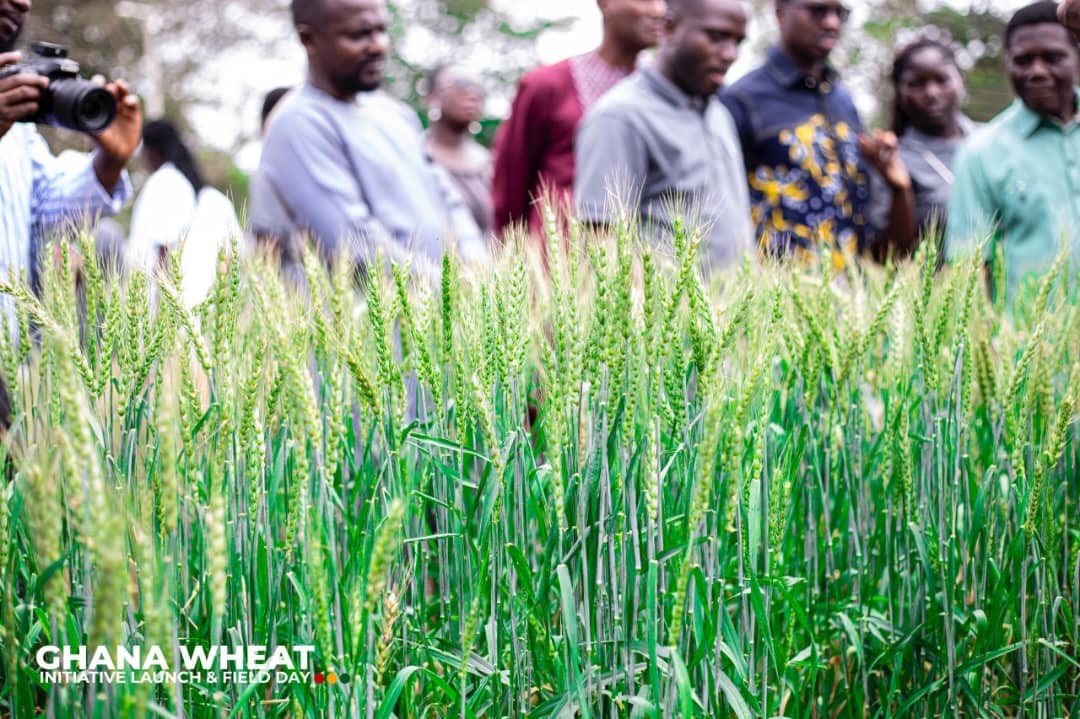
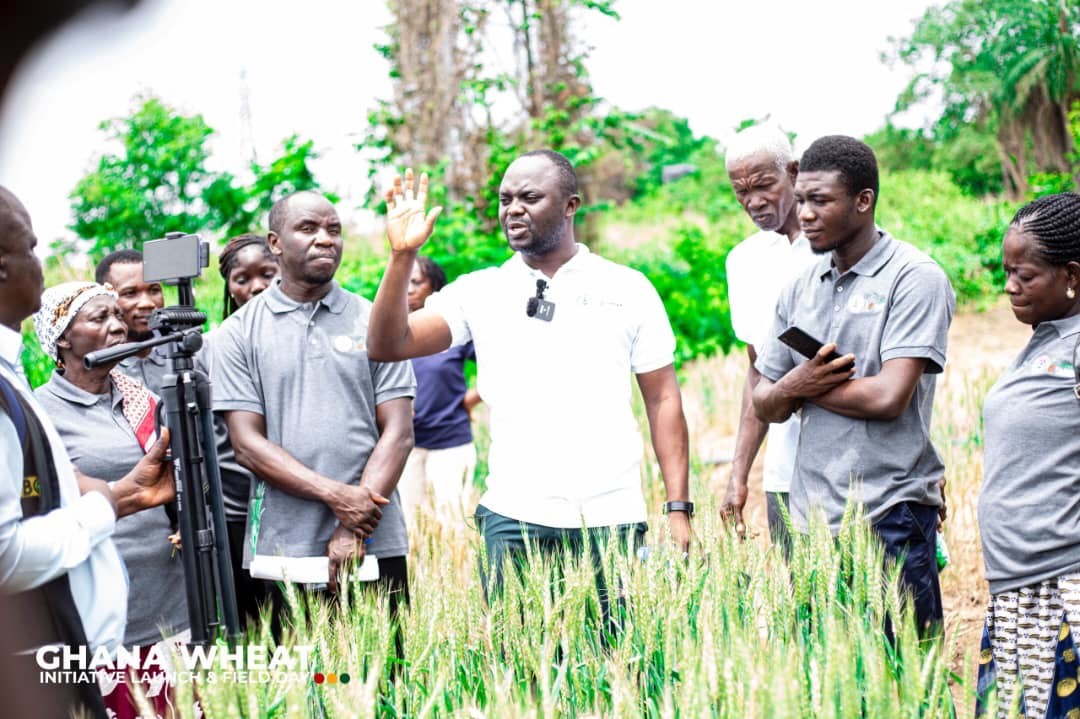
Crops Research Institute of the Council for Scientific and Industrial Research (CSIR-CRI) and Arima Farms Ghana, a leading agricultural company, have launched the Ghana Wheat Initiative, a project aimed at promoting domestic wheat production.
The project would also reduce imports, create economic opportunities for farmers, rural communities, and processors.
It also aims to improve food security and nutrition in Ghana as well as enhance the competitiveness of Ghana’s wheat sector.
Currently, researchers and other partners are pioneering a commercial social enterprise model of the Wheat Project in the Kumawu District that blends sustainability with economic growth.
Dr Felix Frimpong, Project Lead Researcher from the CSIR-CRI, at a launch of the programme at Fumesua, near Ejisu, said the initiative had introduced Wheat Pride 999, developed by Greenpride (India), alongside varieties from the International Maize and Wheat Improvement Center (CIMMYT).
These were carefully selected for heat and drought tolerance, zinc, iron, and protein biofortified, high yields and climate resilience.
These varieties have undergone rigorous testing across six regions and agroecological zones of Ghana and have shown promising results, Dr Frimpong revealed.
He urged that to accelerate production, the Varietal Release Committee must fast-track approval and ensure that farmers could cultivate wheat without delays.
Dr Frimpong was optimistic that protecting intellectual property rights and securing fair market access remained key to attracting long-term investments in the food crop. He commended their global partners, Mahindra & Mahindra, and Jain Irrigation for bringing cutting-edge mechanization and irrigation solutions, while the India High Commission and the Indian Council of Agricultural Research (ICAR) continued to strengthen Ghana-India agricultural cooperation. Madam Saalai Manikam, Managing Director of Arima Farms Ghana, emphasized the importance of the initiative, adding that, it was “a bold step toward Ghana’s food security.”
The Project, she believed, was a call to action and stakeholders must join in achieving wheat self-sufficiency and empowering farmers in Ghana. She said the Ghana Wheat Initiative was a result of a two-year research and development collaboration between Arima Farms and CSIR-CRI.
She commended the Otumfuo Osei Tutu II Foundation, Indian High Commission, Ghana, West and Central Africa Wheat Network (WECAWheat), CIMMYT, Ministry of Food and Agriculture, and the Catholic Relief Services (CRS) for supporting the initiative.